

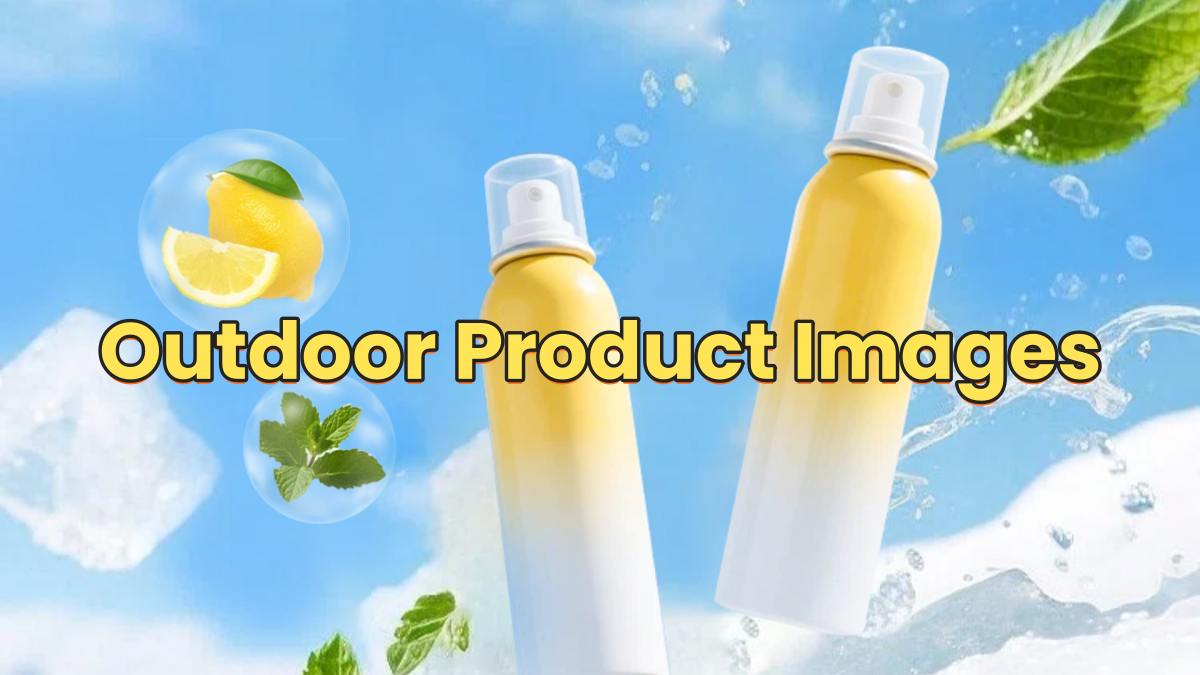
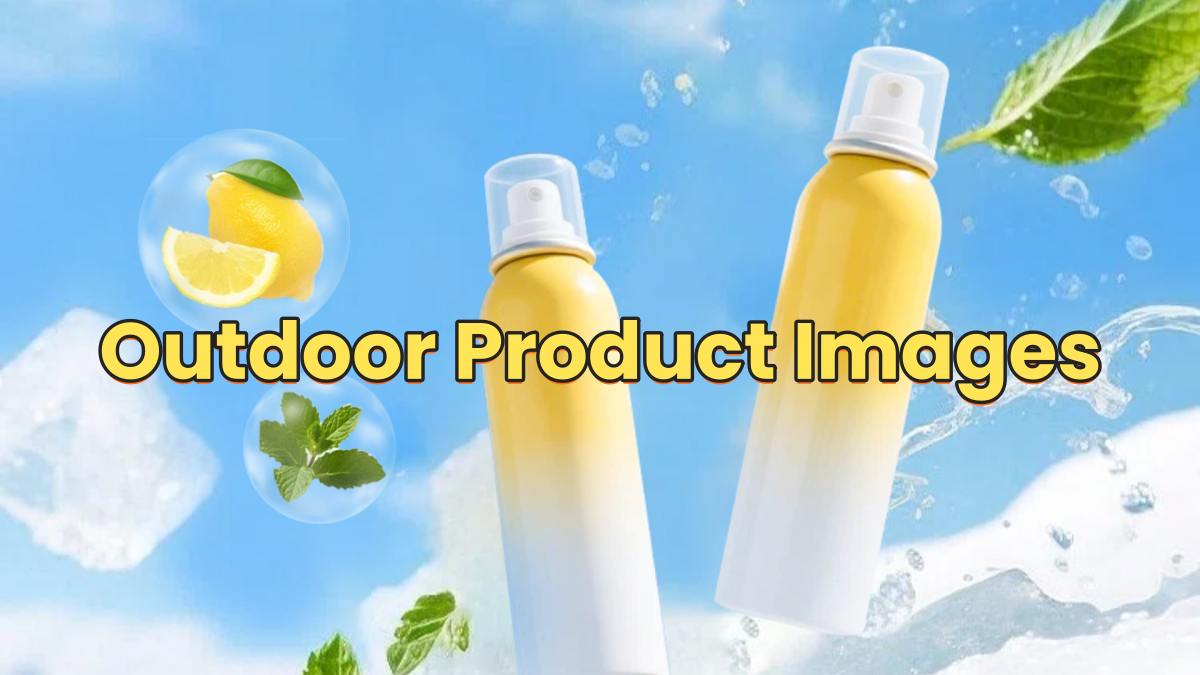
Outdoor product visuals keep drawing more attention than plain white background ones, both on social feeds and e-commerce listings; however, oftentimes, traditional outdoor product photography requires a lot of money, comes with location restrictions, and depends on the unpredictable. AI product photography is a smarter alternative in this regard.
Using suitable tools, it is possible to create a realistic outdoor environment around a product just from the product image itself and a physical shot is not necessary. Platforms like Designkit, for example, make the process very user-friendly by allowing you to create full sets of product images, including lifestyle ones just with a few clicks, without complicated setup and design knowledge. This article will give you a hands-on approach to achieving outdoor images effectively with the help of AI. Let's get started!
Part 1: Why Outdoor Product Images Outperform White-Background Shots
Outdoor product photography is consistently the winner when it comes to grabbing higher engagement in today's visual-focused marketplaces.
Besides Amazon and other marketplaces where clean backgrounds are a must, the problem is that they usually lack the context, which makes it rather difficult for buyers to see how a product fits into their daily lives. On the other hand, lifestyle product photography shows the products outdoors in everyday situations, which, therefore, helps the buyers to visualize the use, environment, and size of the product easily and instantly.
This kind of context really makes a difference. Outdoor and lifestyle pictures usually get more social media and advertising clicks because they look more genuine and they tell a story. A backpack on the mountain path or a pair of sunglasses on the beach in the sun will get people's attention more than a studio-only type of product shot. These pictures not only show the product, but they also evoke the experience as well.
The major transformation is this: outdoor images do not necessarily have to be a result of outdoor shooting. Thanks to AI, brands can now make photorealistic, top-notch outdoor images without any concern of weather, location permits, or high production expenses. This is very helpful for lifestyle brands, seasonal commercials, and social-first marketing where new and contextual visuals are always in demand.
Part 2: How to Create Outdoor Product Scenes with AI Step by Step
Since outdoor product photography is clearly more successful, it's only natural to wonder how to capture such images without organizing a physical shoot. That's when AI product photography can really be a viable workflow you can count on instead of just a trend. Instead of being dependent on locations, lighting setups, and big teams, you will start only with a single clean product image and then, step-by-step, create a highly realistic outdoor scene around it with the help of AI tools.
Advanced tools, like Designkit, make it simple to create backgrounds, put together scenes, and perform editing very quickly, all in one smooth process. The goal is not to take away from creativity, but to make things easier for you: you can try out various environments (beach, forest, urban, different seasons), change the styles, and produce different versions in minutes rather than days. This is a great help in making visual content that is in line with campaigns, target audiences, or different markets.
Here we will present step-by-step instructions that cover the entire process starting from preparing your original image and then generating, enhancing, and exporting high-quality outdoor scenes that are natural, consistent, and ready to be real-world.
2.1: Capture a Clean Source Photo of Your Product
Start with a quality product photo
The key to success in AI product photography lies in having a clean and well-prepared input at hand. Your product photo for AI basically serves as the foundation layer; if it is flawed, even the most sophisticated tools will find it difficult to generate realistic outdoor scenes.
Work on lighting, sharpness, and simplicity
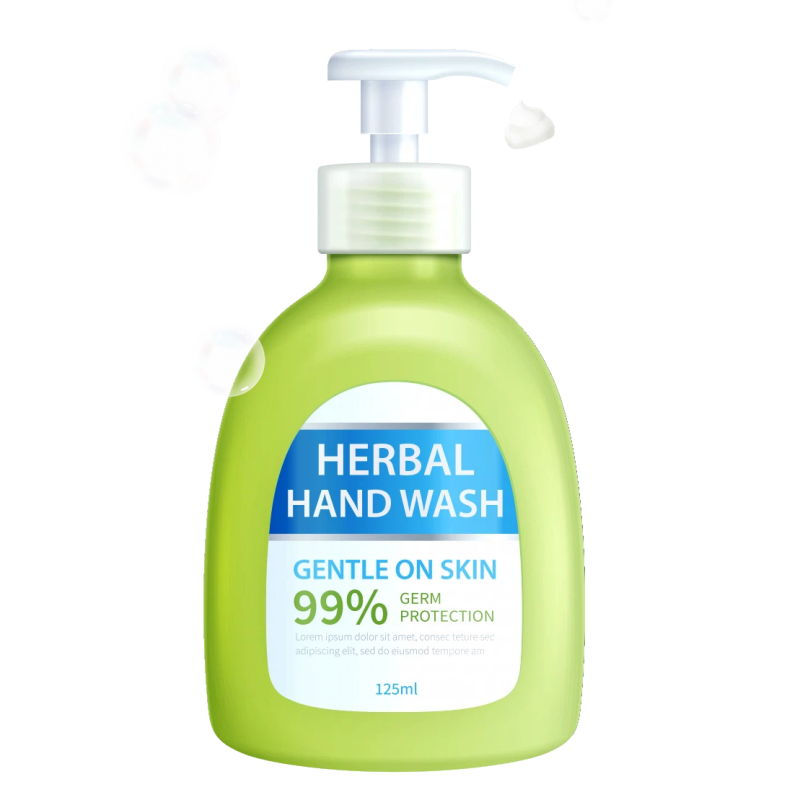
To create soft and uniform light, you can just shoot your product near a window illuminated with natural sunlight. Avoid harsh shadows by using this lighting method. The product should be in focus, properly centered, and straight. An uncluttered or solid background (white, grey, or neutral tones) can be helpful to AI for accurately isolating the product.
You don't need expensive gear
With proper usage, a contemporary smartphone can get the job done. More than an expensive camera, what counts is a well-lit environment and steady framing.
Watch out for these typical slip-ups
Blurry pictures, low resolution, reflective glare, cluttered shots, and tilted compositions can really damage your results. The nicer and more regulated your original image is, the more natural and stunning the final outdoor scene will be.
2.2: Choose the Right Outdoor Scene for Your Product Category
Getting the right setting will be a major factor in helping your outdoor product photos appear natural and persuasive. Instead of just picking a random background, get the product scene that will portray how the product is used best, this is where clever product selection comes into play.
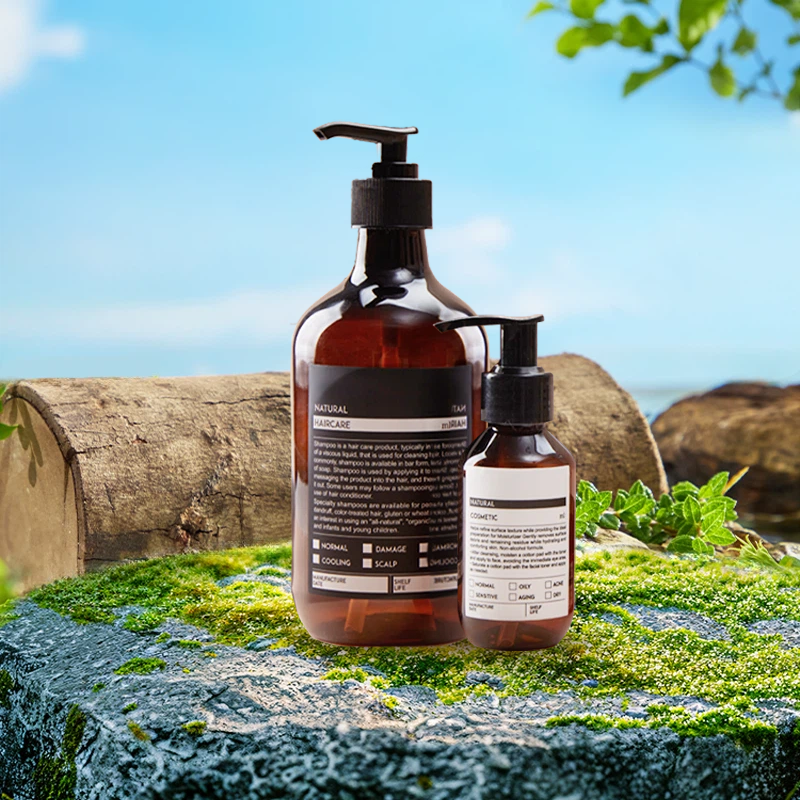
As an example, outdoor products like backpacks and shoes are most suitable in forest or mountain scenes, whereas food products most naturally go with picnic, café or garden scenes. Cosmetics products usually do well in botanical or spa settings, and fashion works can be put in urban streets, beaches or lifestyle settings depending on the brand image.
Think of this as a simple category-to-scene mapping: match the product's purpose with a realistic environment.

2.3: Generate and Refine Your AI Outdoor Product Scenes
When your source image is ready, the next step is AI product photo generation: that is to put your product into a realistic outdoor environment. Most AI product photography tools generally go through a similar process: upload your image, select the scene, and produce the results. To get better results, instead of depending on a single output, make 3-5 variations. Testing different locations (like the beach, forest, or urban) and different lighting styles will help you discover the most natural and most visually appealing version.
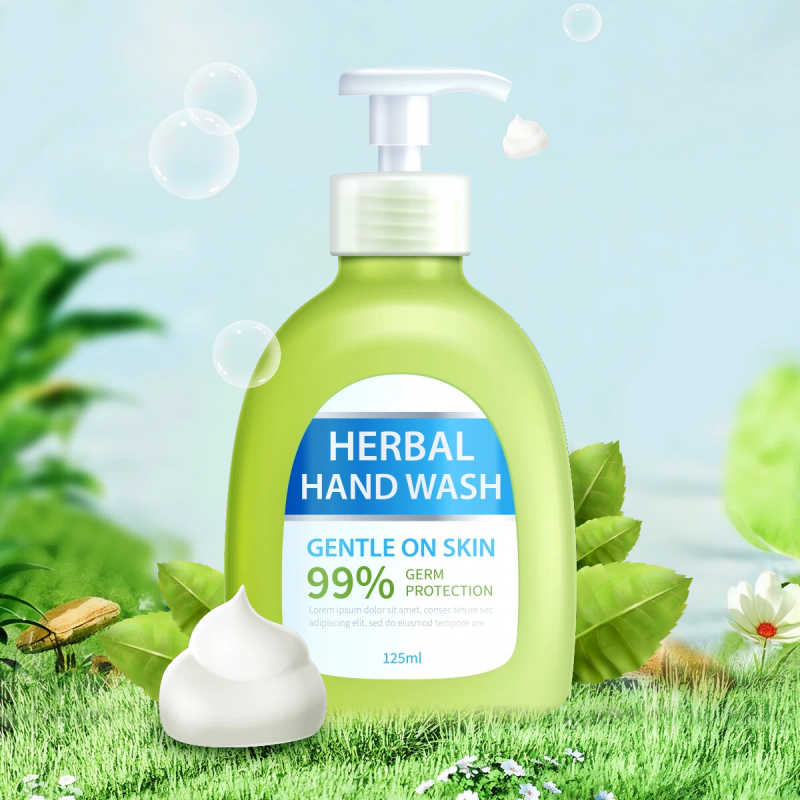
Tools such as Designkit Product Photography Generator are great for making workflows more flexible and productive. The entire process of, for example, turning a simple product photo into a studio-quality outdoor visual only takes a few seconds. You just upload a phone shot or supplier image, and the system automatically removes the background, enhances lighting, and places the product into a suitable scene with realistic shadows and reflections.
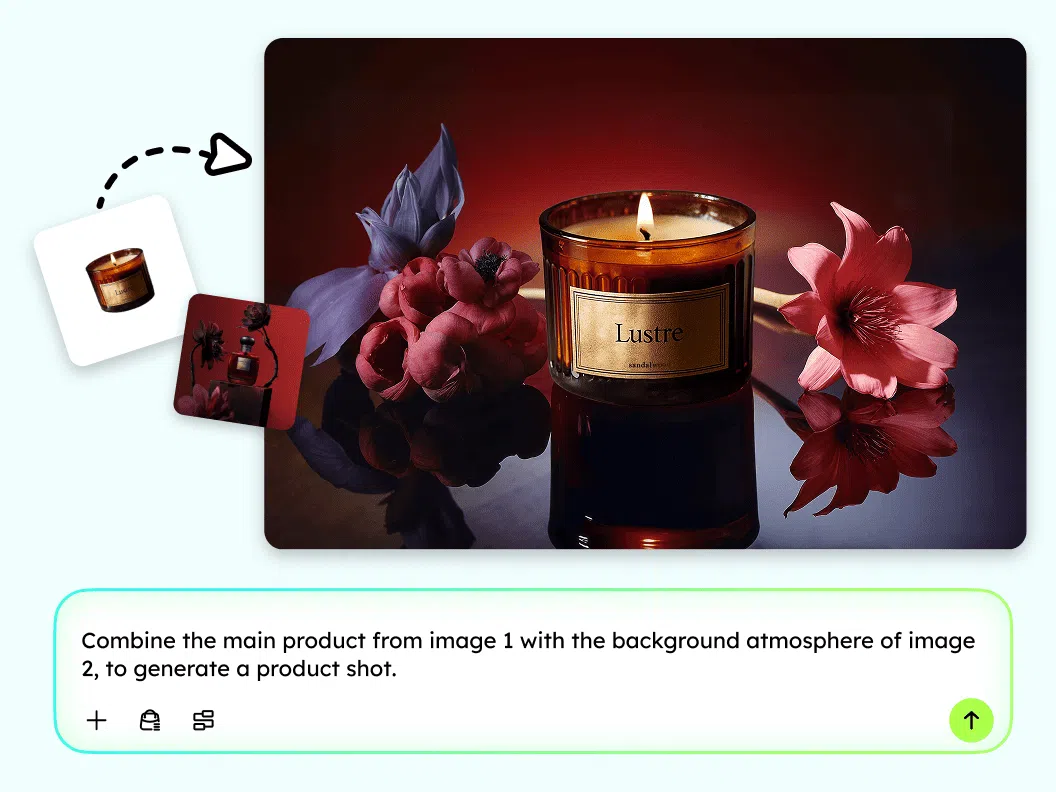
Generate Outdoor Product Images
Part 3: Five Outdoor Product Photography Styles You Can Create with AI
3.1: Golden hour sunset and sunrise scenes
Using warm and cinematic light to boost the feeling
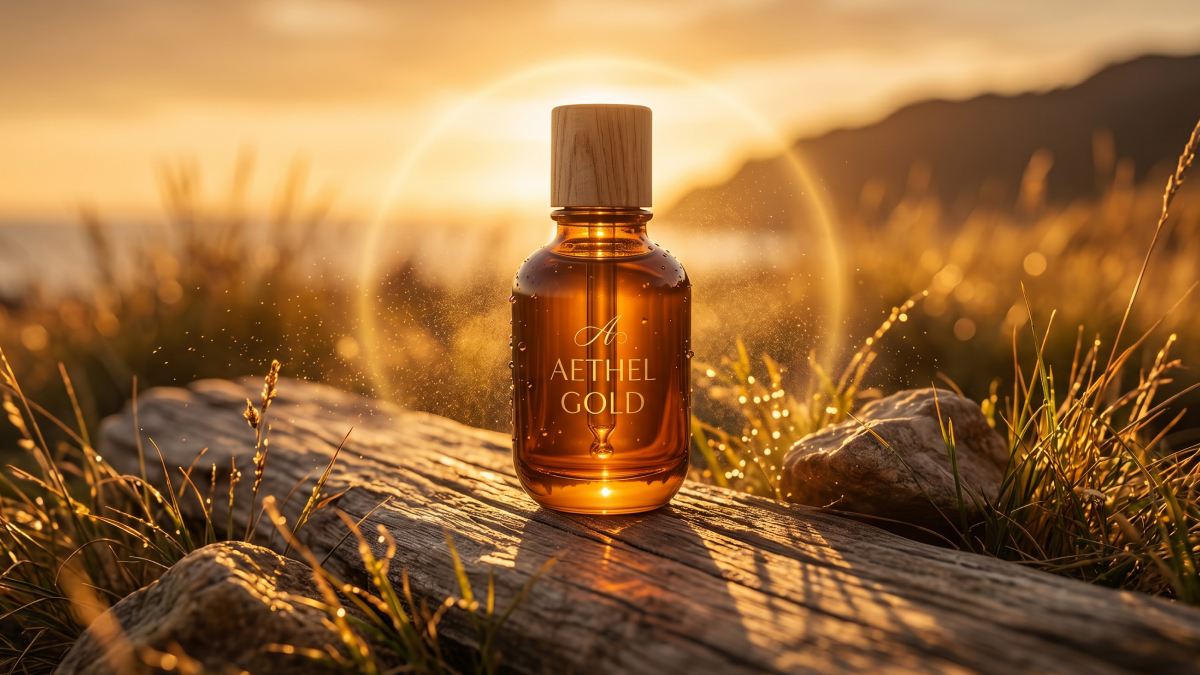
Golden hour setups highlight the use of gentle and warm sunlight to give a luxury and emotion-rich touch in golden hour product photography. For example, long natural shadows on wooden surfaces, grassy fields, or stone textures. This technique is quite effective for food, drinks, skin care, and candles as it stimulates warmth and comfort.
AI tip: Add specs and descriptions related to sunset lighting, soft golden glow, or warm natural shadows when generating. Post-generation, make a slight increase in warmth to keep the balance between realism and overexposure.
3.2: Forest, trail, and natural landscape scenes
Embodying the story of nature, outdoors, and wilderness for brand identity
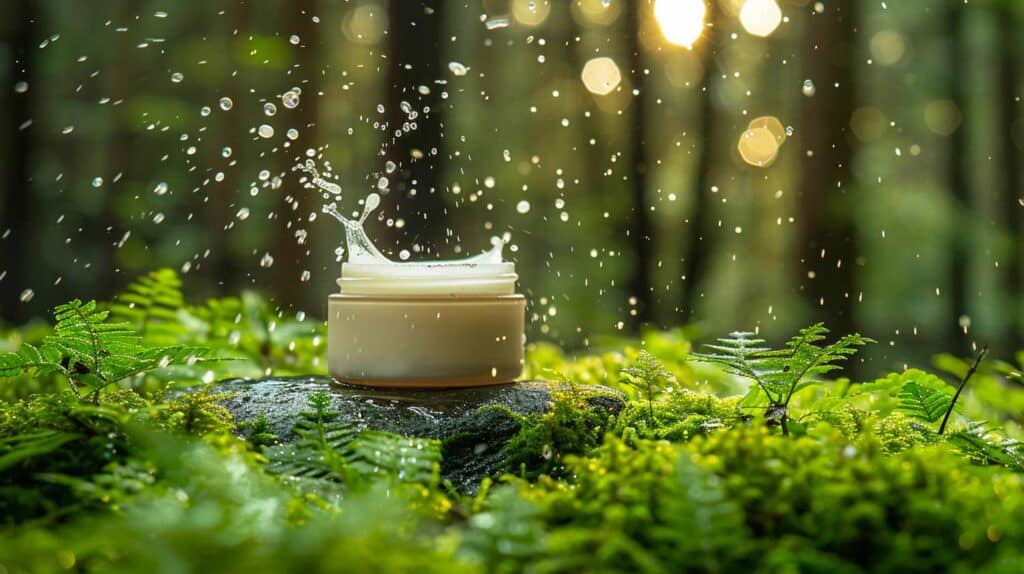
Tenors of the outdoor product photography style feature close-ups of forest, hiking trails, rocks, and greenery. Besides making it easier for customers to visualize themselves in nature, eco-conscious and wellness products benefit greatly from this style. The surroundings impart a raw feel and display the product as hard-wearing elements in such a location.
AI tip: Simplify your shots so your product is not lost amid the busy surroundings. Contrasting (light-to-dark green, or natural to earthy tones) will help in maintaining emphasis on the point of interest.
3.3: Beach, sand, and water scenes
Neat, light, and open with a hint of lifestyle
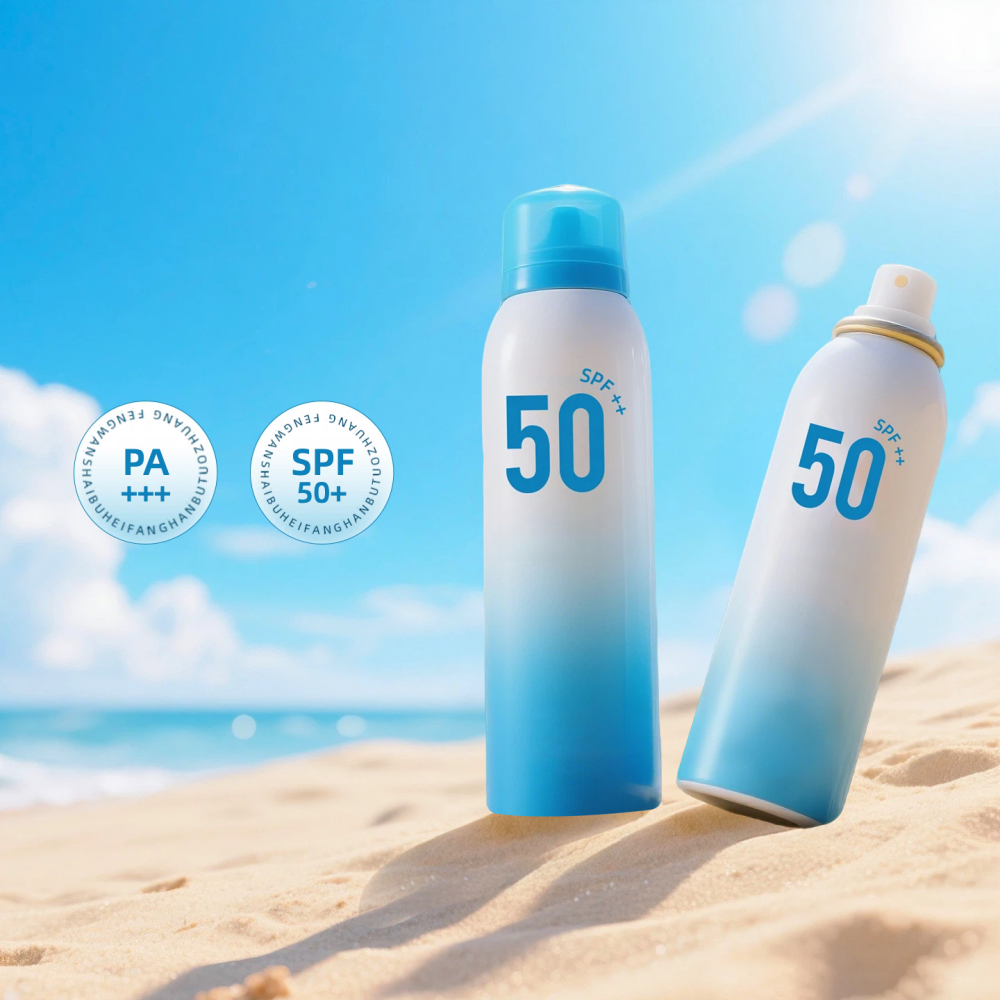
Beaches have always been a favorite choice for beach product photography as they evoke a calm and desirable feeling. Sand, water, and sky are great examples of natural negative spaces that help focus the viewer's attention on the product. Swimwear, summer accessories, skin care, and wellness products can greatly benefit from this style.
AI tip: Glow and freshness should be given to the picture, while shadows should be soft. To keep the product definition distinct, do not over-texture water reflections.
3.4: Urban, street, and cafe scenes
Modern, editorial-style visuals for urban brands
Urban product photography mainly conveys a contemporary, lifestyle-oriented message using urban streets, cafes, or architectural elements in the background. It works well for fashion accessories, technology-related products, and food brands with a modern image. The most important step is to always keep the product in focus while using the environment for the composition of the photo, concrete and glass structures, as well as the warmth of cafe interiors, are examples of such environments.
AI tip: Match product colors with urban tones—neutral, muted, or contrasting accents—to create visual cohesion and a polished editorial look.
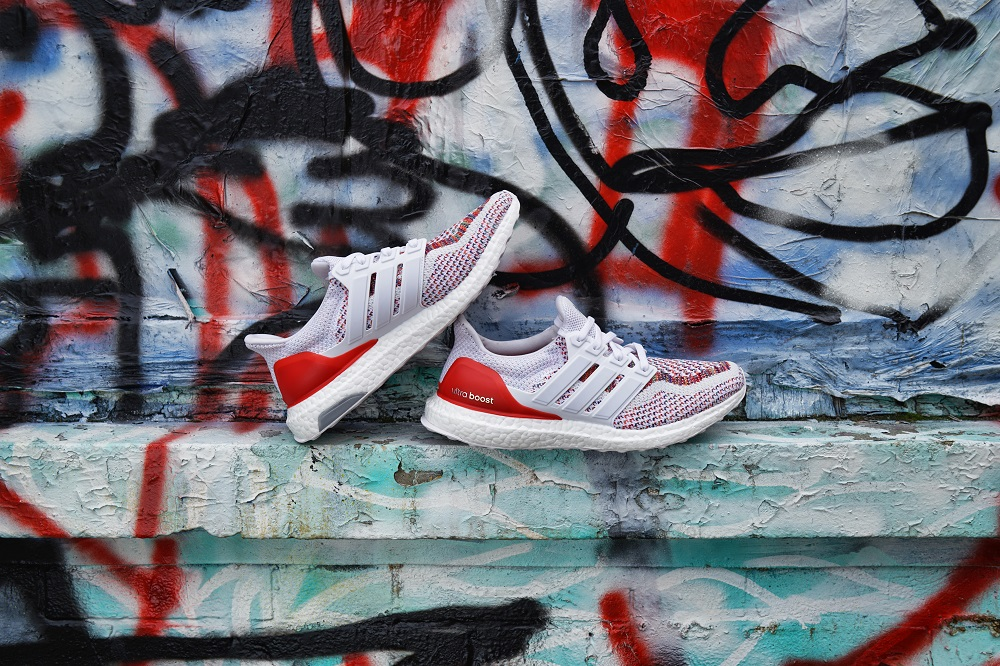
3.5: Seasonal Themes from Spring Bloom to Winter Holiday
Create seasonal content around the clock using AI
Seasonal product photography with AI, among many other things, gives you great freedom of expression, it means that you're not tied to the real-world timeline anymore. You could make scenes featuring spring blossoms, summer heat, autumn colors, or winter holidays anytime in the year. This gives brands the opportunity to run campaigns and plan content several months ahead to stay on top of the seasonal demand.
Four major seasonal styles and examples
Spring is a wonderful time to change the line of one's beauty, health and lifestyle products with floral and clean looking visuals since it is synonymous with freshness and new growth. Summer is great for bringing out brightly, energetic colors with the outdoors, drinks and travel accessories. Autumn is a season to enjoy cozy and warm things like candles, clothing, and home furnishings that are introduced with warm, earth tones. Winter and holiday-themed product pictures generally bring out elements such as sparkling lights, snow-surfaced, and gift-wrapped looks that work well with virtually every kind of retail category.
AI benefits for forecasting and scaling
AI is at its most potent in this regard: for instance, with a tool such as Designkit, you can practically do holiday forecasting as it allows the creation of full sets of holiday-ready visuals without having to count on the weather changes or location shots. It allows workgroups to put together a total seasonal campaign at one go, securing the consistent and top-notch quality of visuals for every marketing channel.
Conclusion
There are hardly any limits left for outdoor product photography in terms of budgets, weather, and locations. AI product photography gives the brands an opportunity to create high-quality lifestyle visuals in no time and compose entire campaigns without most of the traditional production challenges. Because outdoor scenes can be created in a consistent, realistic manner at any time, things are getting very easy for product storytelling on e-commerce and social media platforms.
Initially, just pick one product and one outdoor scene to make a trial of your workflow. After you get the results to your liking, you can confidently roll out across your entire catalog and establish a collection of effective visuals.
Frequently Asked Questions
Do AI-generated outdoor scenes look realistic enough for ecommerce?
Which products work best with AI outdoor scenes?
Outdoor product photography using AI works best with rigid, clearly defined items such as bottles, boxes, and electronics. It also performs well with structured soft goods like folded clothing, bags, or packaged items. Products that require natural movement, fabric flow, or complex physical interaction with the environment are more challenging and may need careful scene adjustment for realism.
How many source photos do I need for AI scene generation?
Usually, just one top-notch source image is sufficient to have successful AI product photography. That is what makes it possible for the AI to be able to insert your product into various outdoor situations while maintaining the same level of quality. On the other hand, if you want multi-angle shots or more lively outdoor scenarios, giving 3, 4 different angles can help a lot in increasing authenticity and flexibility.
Can I use AI outdoor scenes for Amazon and Shopify listings?
Yes, AI-generated outdoor scenes are widely used for modern eCommerce workflows. For Amazon, the main product image must still follow the white-background requirement, but outdoor scenes work perfectly for secondary images (slots 2–7), A+ Content, and advertising creatives. They are also highly effective for Shopify product pages and social media marketing under outdoor product photography strategies.
You May Also Like
Kling Motion Control: When to Use It for Product Clips (2026)

Halloween Poster Ideas for Parties, Sales and Social Posts
TikTok Carousel: How to Create and Post Photo Carousels
2026 Nail Color Trends: Top Shades and Styles

Local Business Marketing: Ideas, Priorities and Ways to Get Local Customers

Social Media Audit: How to Review Performance and Find What Works
Social Media Content Planner: Plan & Schedule Posts
Best AI Ad Generators in 2026: Tools for Creating Better Ads
Motion Graphics: Types, Examples and Creation Guide
How to Build a Personal Brand: A Strategic Guide
Seedance vs Kling: Which AI Video Model Fits Product Clips?
Seedream vs GPT Image: Which Fits Ecommerce Product Photos? (2026)

How to Create a YouTube Channel for Your Business in 2026
Seedream 5.0 AI Review for Ecommerce Product Images
How to Use Google Veo 3.1 for Ecommerce Product Video
Nano Banana 2.1 Review: Features, Release Date & What’s New
Remove.bg Shutting Down Dec 1, 2026: What Users Are Saying
Amazon Individual vs Professional Selling Plan

How to Create an Amazon Seller Account: Requirements and Steps
Amazon Product Video Requirements: Specs & Upload
Amazon Brand Registry Requirements: Trademark, Account & Cost

Amazon Global Selling: How to Open Multiple Marketplaces
How to Make an Event on Facebook: Complete Setup Guide (2026)
Amazon Sponsored Brands: What They Are and When to Use Them

Amazon Sponsored Products: How to Launch Your First Campaign

Amazon Vine Program for Sellers: Get Early Product Reviews

7 Best Remove.bg Alternatives in 2026: Free & Paid Tools
Amazon A+ Content Dimensions: Module Image Sizes
Print-On-Demand Designs: Create, Prepare, and Preview Your Work
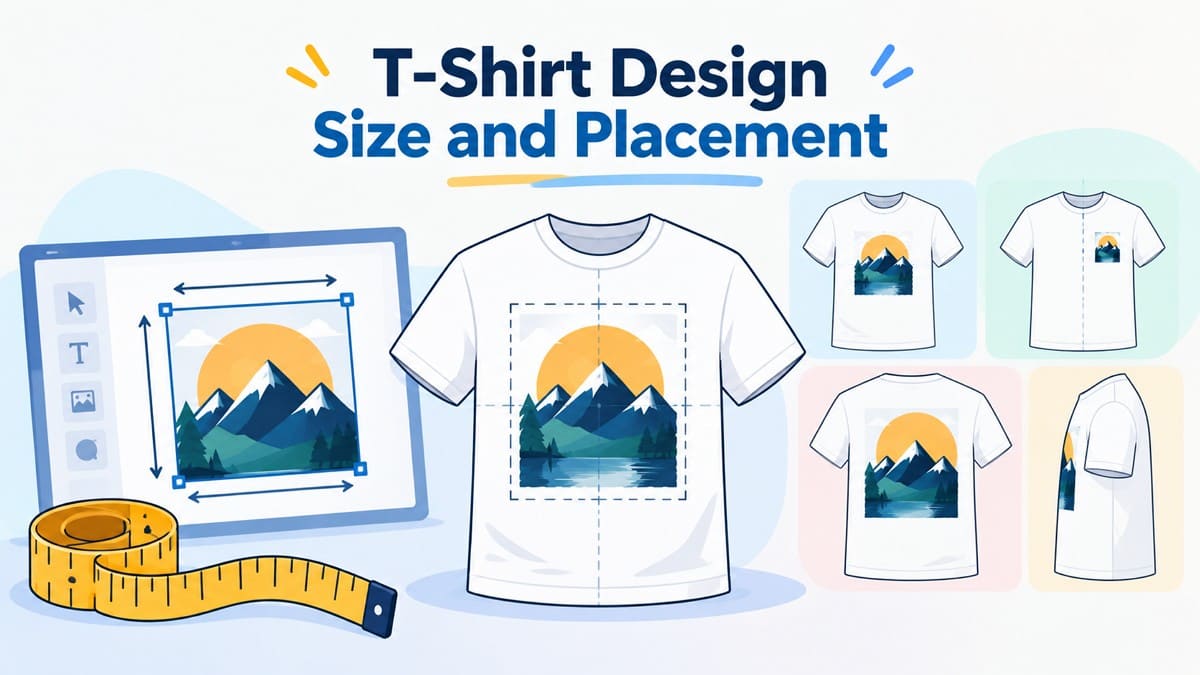
T-Shirt Design Size Guide: Placement, Dimensions, & DPI

Amazon A+ Content: What It Is and What to Build First
Is Print on Demand Profitable in 2026? Products and Niches
Amazon Brand Registry Application: How to Submit and Pass Review
How to Ship to Amazon FBA: Your First Shipment

What Is Amazon FBA? Should Beginners Use It in 2026

GPT Image 2 Prompts for Product Photos (Copy-Paste Examples)

How to List a Product on Amazon: Materials Checklist for First Listings

How to Get Ungated on Amazon: Restricted Category Approval Steps

Kling vs Veo for Product Video & UGC Ads (2026)

Nano Banana vs Midjourney for Product Photos and Campaign Visuals (2026)
Amazon Backend Keywords: Title, Bullets & Search Terms

How to Sell on Poshmark: A Complete Beginner's Guide

Zeely Reviews 2026: Features, Pricing, Pros, Cons & Alternatives
Instagram Carousel: What It Is, How to Post & Create One

What Is A/B Testing? A Practical Guide to Running Better Experiments

Best Time to Post on Instagram in 2026: Data & Tips
How to Get Verified on Instagram: Complete Guide

TikTok Monetization in 2026: Requirements & Ways to Earn

Instagram Desktop Posting Guide: Upload Posts, Stories & Reels
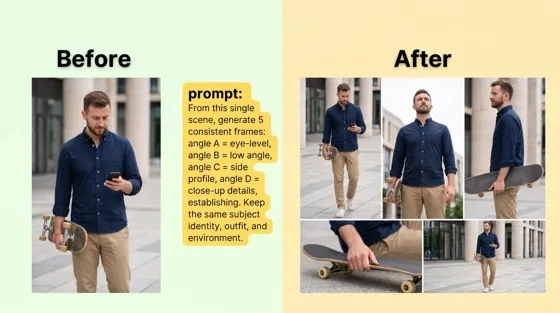
Nano Banana Prompts: 20+ Examples for Better AI Images

YouTube Shorts Monetization Requirements & Rules 2026

Hair Color Ideas 2026: Trending Shades & Virtual Try On

How to Write an Instagram Bio: Examples, Tips & Ideas

How Much Does YouTube Pay Per View? 1K, 100K & 1M Views

How to Make Money on Snapchat: 7 Ways to Earn

How to Get More Followers on Instagram in 2026

Best Time to Post on TikTok in 2026 for More Views
How to Repost on Instagram in 2026: A Simple Guide

Ideogram AI Review 2026: Features, Pricing & Alternatives

PixVerse AI Review 2026: Is It Worth Using for AI Videos?
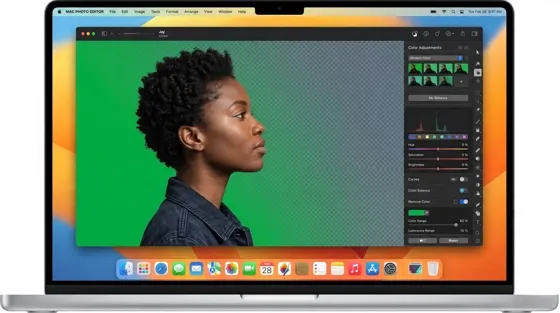
Free Mac Photo Editor: 5 Tools Compared for Mac Users
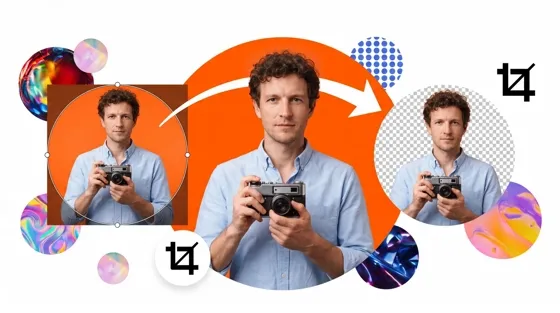
How to Crop a Photo Into a Circle Online (Keep Quality)
Create TikTok Ads From One Photo: An AI Product Launch Kit
How to Make an Image Transparent Online (AI Guide)

Pixlr Background Remover Review 2026: Features, Pricing & Alternatives

How to Fix Overexposed Photos: Recover Highlights Fast

How to Animate a Picture with AI: Easy Step-by-Step Guide
OpenArt AI Review 2026: Features, Pricing & Alternatives
Best AI Headshot Generator: 9 Tools Compared for 2026
Best Stencil Maker Tools 2026: Turn Photos Into Stencils
Pixelbin Watermark Remover Review: Image & Video Results Tested
How to Make a Sticker on iPhone: Easy Step by Step Guide

Best AI Logo Generator in 2026: 10 Tools Compared
How to Turn a Photo Into a Cartoon: A Beginner-Friendly Guide

How to Write a Video Script: Structure, Tips & Examples
Depop vs Poshmark: Which Is Better for Selling in 2026?
Landscape vs Portrait: Key Differences & Best Uses in 2026
How to Create an Amazon Storefront: 4-Step Guide for New Sellers
How to Remove Watermark From Photo: AI, Photoshop & More

How to Sell Books on Amazon in 2026: Beginner Guide
How to Fix Pixelated Photos: Photoshop, AI Tools & Tips
Bing Image Creator: How It Works, Features, Uses & Alternatives

Best Products to Sell on Amazon: 10 Ideas for Beginners
How to Remove People from Photos with AI: A Step-by-Step Guide

What Is B-Roll? Meaning, Examples, and How to Use It
How to Increase Image Resolution: AI, Photoshop & PPI
How to Add Text to a Photo: 8 Tips for Better Results

How to Sell on Amazon in 2026: A Complete Seller Guide
How to Fix Grainy Photos: Easy Ways to Clear Images

How to Make a TikTok Video: A Step-by-Step Guide 2026

How to Make an Instagram Post: Step by Step Creation Guide

Social Media Copywriting: Tips, Examples & Best Practices

Creative Profile Picture Ideas for Every Style and Platform
Evoto AI Review 2026: Features, Pricing, Pros & Cons
Pixlr Photo Editor Review: Features, Pricing & Alternatives
Best AI Image Extender Tools in 2026: Expand Photos with AI
How to Make a Collage on iPhone: Easy Guide for 2026

What Are AI Fruits? The Trend, the Formats, and How to Make One
How to Sharpen an Image in Photoshop (Smart Sharpen and Unsharp Mask)

Seedance 2.5 Review: What Changed in ByteDance's New Model
Best Image Background Remover Tools in 2026: AI Tools Compared
How to Make Transparent Background in Paint: Step-by-Step Guide
How to Resize an Image: Best Methods, Tools & Quality Tips

LTX Studio Review: Features, Pricing & AI Filmmaking Guide
Best AI Image Generator Tools in 2026: Top AI Platforms Compared

Remove.bg Review 2026: Features, Pricing & Is It Worth It?

MiniMax H3: Features, Benchmarks, Pricing, and How to Use It
Luminar Neo Photo Editor Review 2026: AI Features, Price & Pros
How to Post Multiple Photos on Instagram (2026 Guide)
25 Facebook Cover Photo Ideas for Personal & Business Pages

What Is a PFP? Meaning, Examples & How to Create One

Multichannel Marketing Guide: Strategy, Tools & Examples
How to Create Digital Products That Sell in 2026

How to Make a Slideshow for Facebook: Photos, Music & Tips 2026

HeyGen vs Arcads: Which AI Video Tool Wins in 2026?
AI Product Photography: 7 Best Tools for Ecommerce in 2026
Can You Edit an Instagram Post After Posting?

Cyber Monday Marketing Ideas & Strategies (2026 Guide)
Black Friday Marketing Ideas for Ecommerce Brands (2026)
11 Best Canva Alternatives in 2026 for AI Design & Marketing
Instagram Marketing Guide: Strategies, Tips & AI Tools in 2026

8 Best Midjourney Alternatives in 2026: Features, Pricing & Comparison
Influencer Marketing Guide: Strategy, Campaigns & Creator Tips
How to Restore Old Photos: AI Tools, Tips & Best Methods

Arcads AI Review 2026: Features, Pricing, Pros, Cons & Alternatives

Pixelcut AI Review 2026: Features, Pricing, Pros, Cons & Alternatives

What Is a Hero Image? Definition, Examples & Design Tips
How to Apply Watermark to Photos: Methods, Tips & AI Tools
How to Remove a Background in Illustrator: 4 Easy Methods
How to Change Background Color on Instagram Story (Easy Guide)

Pippit AI Review 2026: Features, Pricing, Pros & Cons
8 Best AI Poster Generators in 2026: Create Posters Faster with AI
10 Best AI Image Enhancers in 2026: Tested & Compared
10 Best AI Image Editors in 2026: Features, Pricing & Comparison
7 Best AI Background Changer in 2026: Remove & Replace Photo Backgrounds
Luminar Neo vs Lightroom: Features, Pricing & Comparison 2026
Kittl Review 2026: Is It Worth It? Features & Pricing

15 Best Things to Sell on Etsy in 2026 (Listing Tips Included)
WooCommerce vs Shopify 2026: Pricing, Features & Which Is Better

How to Sell on Facebook Marketplace: Beginner Guide (2026)

How to Use Pinterest for Business: Strategy, Tips & Growth Guide

How to Sell on Etsy in 2026: Setup, Listings & Growth Tips

What Is a Target Audience? Types, Examples & How to Find Yours
How to Make a Blurry Image Clear: 5 AI & Manual Ways

TikTok Marketing Guide 2026: Strategies, Ideas & AI Tools
How to Remove Background on iPhone: 5 Easy Methods (2026)
Photoroom Background Remover Review 2026: Features & Alternatives
How to Remove Background in Canva: A Step-by-Step Guide
How to Remove Background in GIMP: Beginner-Friendly Guide

How to Celebrate National Dog Day 2026: Date & Easy Ideas

Funny Dog Memes to Try: Doge Meaning and 10 Original Ideas
Back to School Checklist 2026: Supplies, Timeline, and Planning
Recraft AI Review 2026: Features, Pricing, Pros, Cons & Alternatives
How to Make an Image Transparent in Google Slides: Opacity & Background Removal

VanceAI Photo Enhancer Review: Features, Pricing & Alternatives in 2026
Vibe Marketing Explained: Strategy, Examples & AI Tools
How to Sell on Depop: Beginner Guide to Getting Your First Sale
What Does Emojify Mean? Text, Photos, & Emoji Art Explained
Back to School Ad: 7 Creative Ideas for Better Campaign Results

Top 7 Back-to-School Sales Ideas to Boost Retail Sales (2026)
Top 8 Online Background Removers for Ecommerce Photos (2026)
How to Remove Background in Photoshop: 7 Easy Methods
6 Best AI Image Upscalers 2026: Tools Tested & Compared

Luma vs Seedance (2026): Ray 3.2 or Seedance 2.0?

15 Simple Self-Care Ideas for Busy Schedules and Daily Life

Celebrate International Cat Day 2026: Date & 10 Fun Ideas
Project Indigo Review: Is It Better Than iPhone Camera?
How to Match Makeup by Undertone: Virtual Lipstick and Foundation Try-On

Chic Outfit Ideas for Every Occasion: 15 Stylish Looks & Tips
How Big Is an 8x10 Photo? Size, Pixels & Frame Guide
How Big Is a 4x6 Photo? Dimensions, Pixels & Printing Tips
Picsart AI Review: Features, Pricing, Pros, Cons & Alternatives
Lovart AI Review: AI Design Agent Features, Pricing & Alternatives
Fotor AI Image Generator Review: Features, Pricing & Alternatives
How to Add Emoji to Photo Online for Free

Online Advertising Guide: Types, Costs & Examples (2026)

Facebook Advertising Guide: Costs, Strategy & Tools 2026
What Are E-commerce Ads? Examples, Strategy & Tools (2026)
Where to Sell Handmade Items Online (2026): Etsy, Amazon, or Shopify?
Shopify vs Amazon (2026): Brand Store or Marketplace FBA?
Amazon Handmade vs Etsy (2026): Which Is Better for Makers?
Etsy vs eBay (2026): Handmade, Vintage, or Secondhand?

Selling on Amazon vs eBay (2026): Fees, Profit & Where to Sell
What Is Brand Awareness? Examples, Strategies & Tools 2026

10 Best Online Selling Platforms (2026): Pick by What You Sell
Shopify vs Etsy (2026): Which Is Better for Handmade Sellers?
Wedding Dress Styles for Every Body Type: A Practical Guide for 2026
Emoji Wallpaper Ideas & How to Make One Online (2026)

YouTube Automation Step-by-Step AI Guide for Beginners
What Is Brand Identity? Examples, Elements & Strategy

Creatify AI Reviews: Features, Pricing & Alternatives (2026)
Minimalist Poster Design: How to Make a Clean Poster (2026)
What Are Satisfying Videos? Types, Tips & How to Make (2026)

How to Find a Product by Image: 7 Methods That Work (2026)
How to Make a Custom Poster That Is Ready to Print

Gemini Omni Review: Real Tests, Pros & Limitations for Video Generation
How to Generate Product Videos from Images with AI (2026 Guide)
Instagram Image Size Guide 2026: Post, Reel, Story & Carousel Specs

AI Marketing Agent: How It Works, Benefits & E-Commerce Examples

Aesthetic Poster Ideas: Find Your Style and Create Printable Art
How to Create a Product Launch Video with AI: A Step-by-Step Guide
LinkedIn Image Size Guide: Profile, Post & Banner Dimensions
YouTube Profile Image Size: Best Dimensions & Safe Area 2026
What Is Personalized Advertising? Examples & How It Works

How to Build a Shopify Store That Actually Converts Visitors
What Is a Brand Video? Types, Examples & How to Create One
How to Create a Complete World Cup Product Listing Image Set

20 FIFA World Cup Merchandise Ideas That Fans Actually Buy
AI Product Demo vs Live Demo: Which Gets More SaaS Sign-Ups?
How to Create Amazon Summer Sale Posters and Banners with AI
Amazon Summer Sale 2026: Listing Design Trends & Product Image Ideas
How to Create AI Product Promotion Videos in Minutes (Step-by-Step)
Best AI Product Video Ad Generators for Ecommerce in 2026

Father's Day Gift Ideas: Personalized Card, Poster and Video

Father's Day Card Ideas: Messages, Printable and Personalized Cards

Amazon Marketing Guide 2026: Strategies, Tips & Tools
Local Advertising: Strategies, Examples & Tools (2026)

What Is Branded Content? Examples, Strategy & Tools 2026

What Is Performance Marketing? Strategies & Examples 2026

Inbound Marketing: Strategies, Examples & Tools (2026)

How to Boost Ecommerce Sales: Proven Strategies That Work
How to Add Video to eBay Listing: Step-by-Step Seller Guide
Ecommerce Video Ads: 7 Strategies That Drive Higher Conversions
7 Best AI Virtual Makeup Try-On Tools for Realistic Results in 2026
AI Virtual Makeup Try-On: Boost Beauty E-Commerce Sales in 2026
Free Online Glasses Try-On Tools: See Yourself in Glasses Instantly
Top Virtual Ring Try-On Tools for Engagement and Wedding Rings in 2026
How to Try Shoes On Virtually: A Step-by-Step Guide
Best Virtual Shoe Try-On Tools for Ecommerce: 2026 Guide
How to Try On Wigs and Bangs Virtually to Find Your Perfect Style
How to Photograph Shoes for Your Ecommerce Store in 2026
Short Form Video Marketing for E-commerce: AI Video Guide
What Is Video Marketing? E-commerce Guide & Strategies 2026
Create Model Outfit Photos Instantly With AI Outfit Generator
Best AI Virtual Try-On Clothes Tools for Any Body Type
How to Edit Amazon Product Photos That Boost Sales Fast

Product Photography Ideas: Creative Tips & Techniques for Better Shots
Product Photography Pricing 2026: Full Cost Guide by Type
Google Veo 4 Explained: Features, AI Video Creation & What’s New
How to Try On Clothes Online with AI for Better Fit & Style
Virtual Nose Ring Try On Online Before Your Piercing
White Background Product Photography Guide & Tips 2026
Product Photography Starter Package: Gear Checklist 2026
How to Try Makeup Online with AI and Virtual Makeup Try-On Apps (2026)
How to Use Virtual Earring Try-On for a Flattering Look in 2026
How to Try On Engagement Rings Online with AI in 2026
Scale Your Jewelry Brand with Virtual Jewelry Try-On Solutions
How to Try Hairstyles on Your Face Online (Step-by-Step Guide)
Best Virtual Hairstyle Try-On Tools Online for Realistic Previews 2026
How to Use a Free AI Hairstyle Generator to Find Your Perfect Look
Virtual Hair Color Try-On Guide for Every Skin Tone (2026)
Virtual Wedding Dress Try-On Online for Brides in 2026
How to Choose the Right Sunglasses for Your Face Shape Online
How Accurate Is Virtual Glasses Try-On? AI vs AR Compared
Best Virtual Try-On Glasses Apps in 2026 (Free & Paid Tools)
How AI Virtual Try-On Is Transforming Eyewear Ecommerce
5 Best Virtual Try-On Glasses Tools for Ecommerce and Consumers 2026
How to Try On Glasses Online with AI in 2026 (Easy Guide)
How to Create Jewelry Photos with AI Models That Drive Sales in 2026
Shopify Product Photography Guide with Tips & Setup
AI-Generated Fashion Models: Technology, Brand Adoption & Trends
How to Batch Generate 100+ AI Clothing Model Photos Fast
7 Best AI Fashion Model Generators for Ecommerce in 2026
Amazon Main Image Requirements: Size, Guidelines & Tips
Shopify Image Size 2026: Complete Guide and Tips for Better Product Display
Studio Product Photography vs AI Product Photography in 2026
7 Product Photography Mistakes That Hurt Ecommerce Sales
AI Clothing Model Photos for E-Commerce: Platform Rules & Best Practices
How AI Virtual Try-On Helps Fashion Brands Boost Sales & Reduce Returns
AI Fashion Models vs Real Models: Which Is Better for Brands?
Best Free AI Fashion Model Generators for Real Product Photos
Virtual Outfit Try-On Guide: Plan Outfits Before You Buy

GPT Image 2 Review: Features, Prompts & E-commerce Use Cases
What Is an AI Clothing Model Generator? Full Guide for Sellers
Change Outfit Colors Online for Outfit Preview with AI Clothes Color Changer
Virtual Try-On Technology in 2026: How It Works & Key Trends
How to Create Amazon Infographics: Boost Sales with Compelling Visuals
10 Best Virtual Try-On Apps & Tools for Online Shopping in 2026
How to Create AI Fashion Models: Complete Step-by-Step Guide
How to Use AI Fashion Models for E-Commerce Product Photos: A Complete 2026 Guide
How to Virtually Try On Clothes Online: A Complete Guide
How to Create Outdoor Product Scenes Without a Photoshoot Using AI
GPT-Image-2 for Ecommerce Product Images: What It Means for Online Stores

Optimize Etsy Images for Mobile: Listing Photos That Convert
Amazon 7-Image Listing Strategy: Boost Sales by Optimizing Every Image

Happy Horse 1.0: The AI Video Model E-Commerce Sellers Need to Know About
Etsy Thumbnail Optimization: Keep Your Product Fully Visible

AI UGC for Ecommerce in 2026: Text-to-Video, Image-to-Video & Reference Replication Guide
The Etsy Thumbnail Formula That Drives More Clicks and Sales

HappyHorse AI Review: Features, Benchmarks & How to Use It
How to Create Pro Amazon Listing Photos Without a Studio
10 High-Converting Lifestyle Product Images for Amazon Listings

How to Automate Your E-commerce Visuals with OpenClaw Workflow

Top 5 AI Tools to Generate Amazon Product Listing Images in 2026
How to Turn One Photo into 10 Etsy Listing Images Fast: Batch Workflow
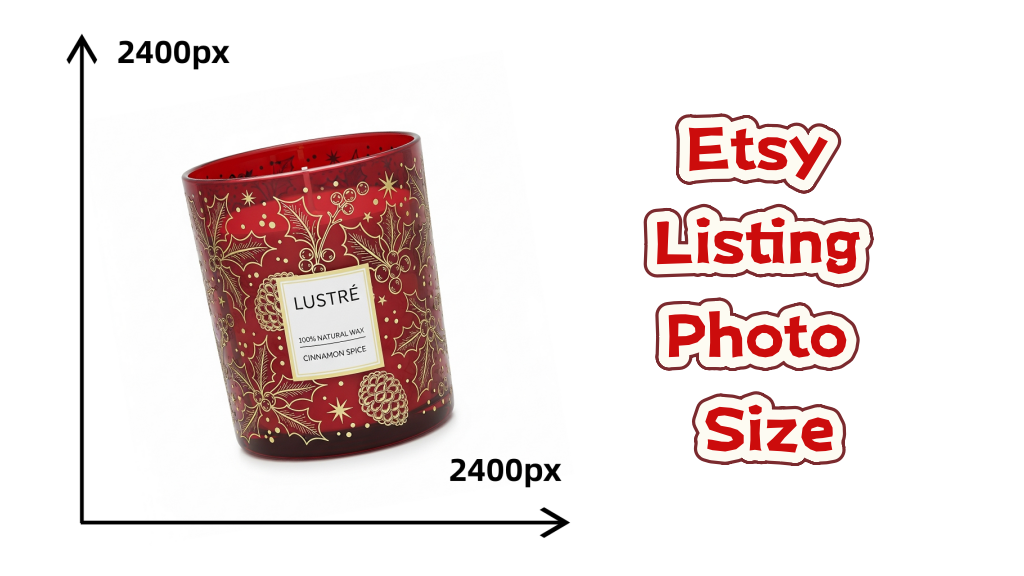
Etsy Listing Photo Size Guide (2026): Mobile, Desktop & Shop View Specs
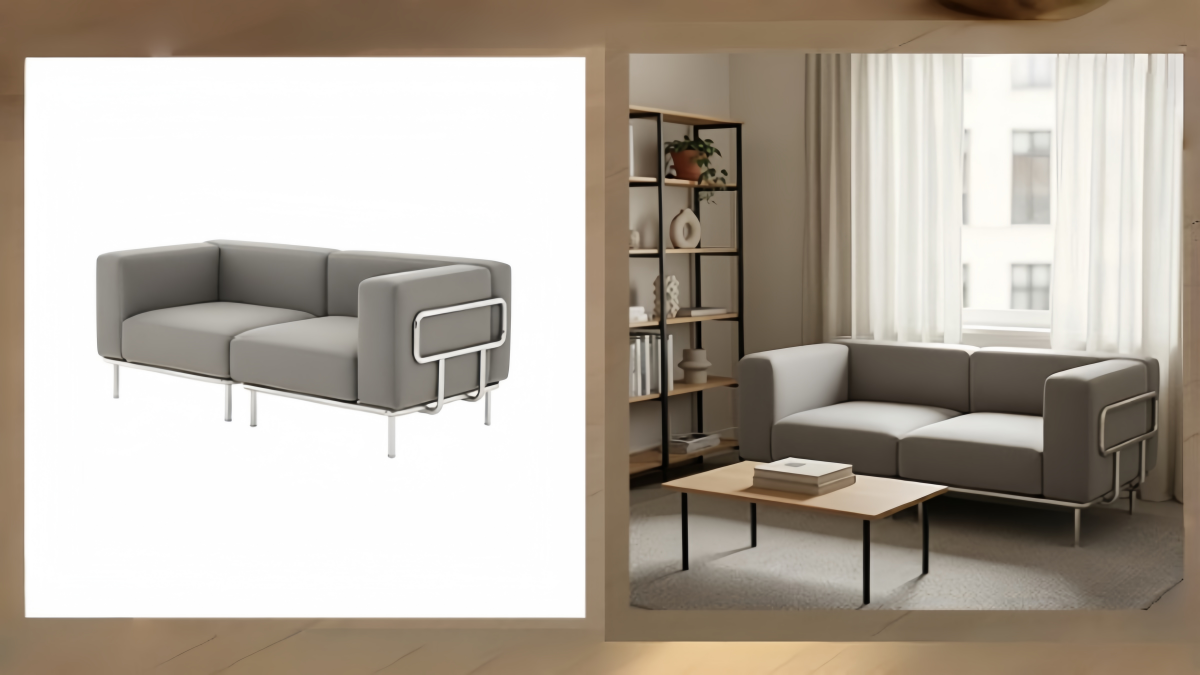
Turn White Background Images into Lifestyle Amazon Listings

Fix Etsy Image Cropping: Optimize Listing Photos for Every Device
Amazon Listing Images: Essential Shot List & Optimization Guide
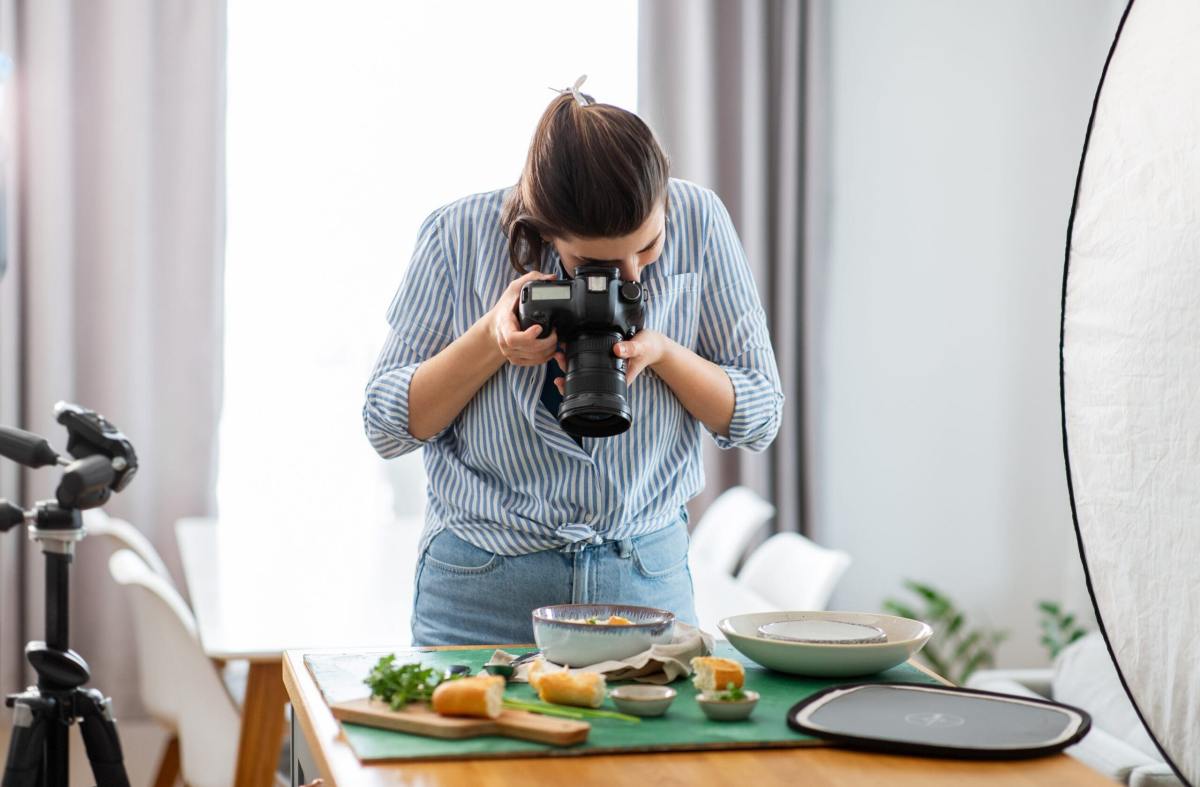
How to Create Lifestyle Product Images Without a Studio
Seedance 3.0 Predictions: Will AI Video Enter the Feature Film Era?
Grok AI vs ChatGPT: Features, Pricing & Best Choice (2026)
How to Use Grok AI: Features, Tips & Best Prompts (2026 Guide)
Sora Is Shutting Down? Best AI Video Alternatives for Creators in 2026
Lifestyle Product Photography Trends 2026: Authentic Looks at Scale
How to Master Lifestyle Product Photography in 2026
Amazon Listing Images Guide 2026: 7-Slot Strategy & Requirements
360 Product Photography Guide 2026: Setup, Shoot and Workflow
Beginner's Guide to Generate Product Photos from Different Angles
AI Product Photography: Create Ecommerce Images Without a Photoshoot

How to Create Realistic AI Product Photos: Step-by-Step Pro Guide
Keep AI Product Images Consistent Across SKUs: Lighting, Color, Background
Seedance 2.0 for Ecommerce: Create AI Product Videos in Minutes
Seedance 2.0 Review: Features, Improvements, Pricing & How It Works (2026)
How to Scale E-commerce with a Product Image Generator
How to Use AI for Spring Product Photography: 2026 Amazon Guide
How to Create a Budget Home Product Photography Setup with AI
How to Achieve Professional Product Photography Standards in 2026
How to Take Product Photos with Phone: Pro Guide for Amazon & AI
6 Best AI Product Image Generators in 2026
Amazon Photography Service vs. AI Generator: Best Choice for Sales
What Is Product Photography? Angles, Lighting & Editing Guide
Amazon Spring Sale 2026: Create High-Converting Listing Images (Guide)
AI Agents Transform Amazon Product Photography in 2026
Amazon Photoshoot in 2026: Do You Still Need a Studio?
11 Must-Have Tools for Amazon Product Photography in 2026
2026 Amazon Image Trends Shaping Seller Success and Conversions
Amazon Product Photography Requirements & Best Practices 2026
Make every product image ready to sell
Designkit is an all-in-one AI platform for ecommerce visuals. Create product photos, AI videos, virtual try-ons, and Amazon listing images in seconds. Generate HD backgrounds, batch edit photos, and scale your brand with studio-quality content.