
20 World Cup Merchandise Ideas to Sell During FIFA Season
The FIFA World Cup creates one of the biggest merchandise opportunities in ecommerce. Explore proven product ideas fans actually buy and learn how to launch them faster.


The FIFA World Cup is more than a sporting event. It is a global cultural moment that drives demand for fan apparel, collectibles, and gifts. That makes it one of the strongest seasonal windows for World Cup merchandise ideas that fans actually buy.
For ecommerce sellers, print-on-demand businesses, and independent creators, the challenge is not finding customers. The challenge is deciding which products are worth launching before tournament excitement peaks.
Many sellers invest time creating products that attract attention but fail to generate sales. Successful World Cup merchandise usually combines three factors:
- Strong fan identity
- Event-driven urgency
- Practical everyday use
This guide explores 20 World Cup merchandise ideas that consistently perform well across online marketplaces and ecommerce stores. You'll also learn where to sell them, how to validate demand, and how modern design tools can speed up the creation process.
Note: FIFA trademarks, logos, team names, and official tournament branding may be protected intellectual property. Always review applicable licensing requirements before selling World Cup-related products.
Why World Cup Merchandise Sells So Well During the Tournament
Fan Enthusiasm Drives Impulse Purchases
Major sporting events generate emotional engagement that few other events can match. Fans often purchase products to show support for their country, celebrate victories, or participate in watch parties.
According to FIFA, the World Cup attracts billions of viewers worldwide, creating one of the largest global audiences for any sporting event.
This creates a short but powerful sales window where themed merchandise can experience significantly higher demand than during normal periods.
Limited-Edition Products Create Buying Urgency
Fans understand that tournament-specific products have a limited lifespan.
Products marketed as:
- Tournament editions
- Match-day collections
- Country supporter series
- Championship celebration designs
often benefit from increased urgency because customers know the event will eventually end.
Where to Sell World Cup Merchandise (Shopify, Etsy, Amazon, TikTok Shop)
Different platforms attract different buyer behaviors.
| Platform | Best For |
|---|---|
| Shopify | Building a branded store |
| Etsy | Personalized and handmade-style merchandise |
| Amazon | Large-volume product demand |
| TikTok Shop | Trend-driven impulse purchases |
| Print-on-Demand Platforms | Testing designs with low upfront investment |
Many sellers start with a few products, validate demand, and expand winning designs into larger collections.
Apparel Merchandise Ideas
Apparel remains one of the most popular categories for football fan merchandise because it combines visibility, emotional attachment, and repeat use.
1. Country Flag T-Shirts
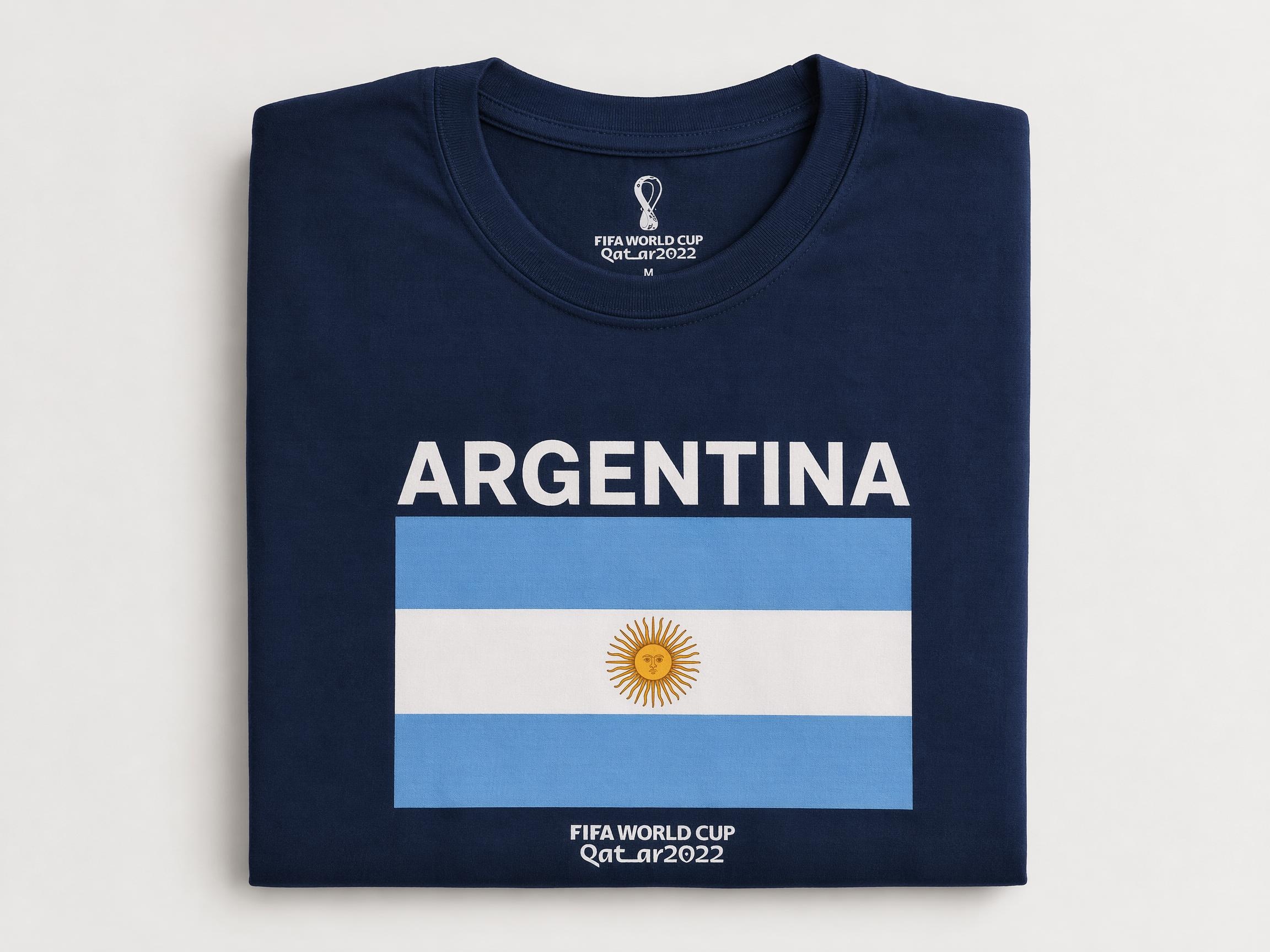
Simple country-themed shirts remain a proven seller.
Popular design approaches include:
- National flag graphics
- Country colors
- Minimal supporter slogans
- Vintage football-inspired layouts
These designs work well because they allow fans to support their teams without purchasing expensive official jerseys.
2. Retro Football-Inspired Shirts
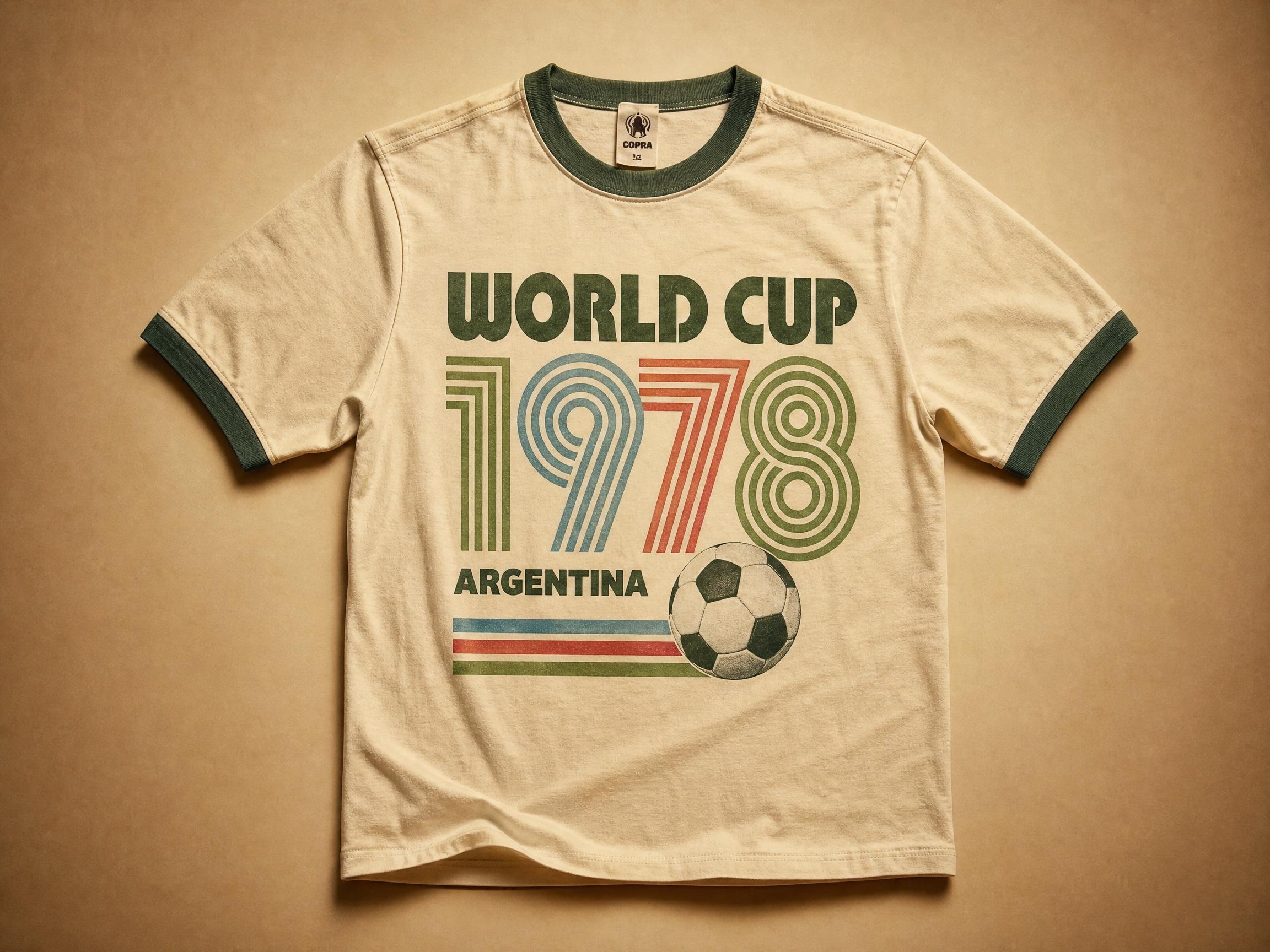
Retro designs appeal to both younger fans and long-time supporters.
Examples include:
- Vintage typography
- Classic football graphics
- Throwback-inspired patterns
- Historic tournament references
Retro aesthetics often stand out from generic fan merchandise.
3. Football Quote Hoodies
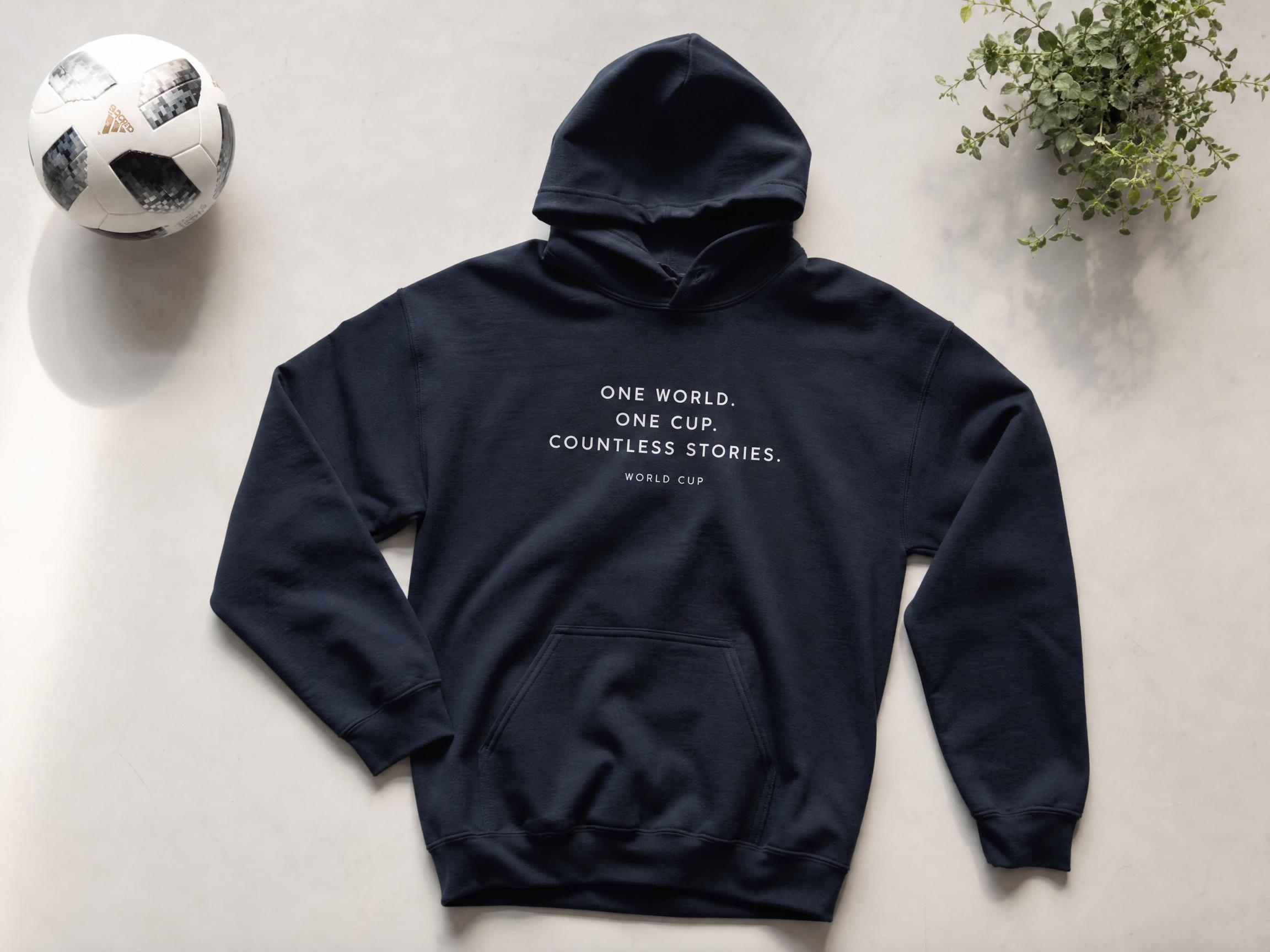
Memorable football quotes, supporter chants, and match-day phrases can perform well when paired with clean typography.
Popular styles include:
- Minimal text-only designs
- Vintage sports graphics
- National team color themes
4. Custom Match Day Jerseys
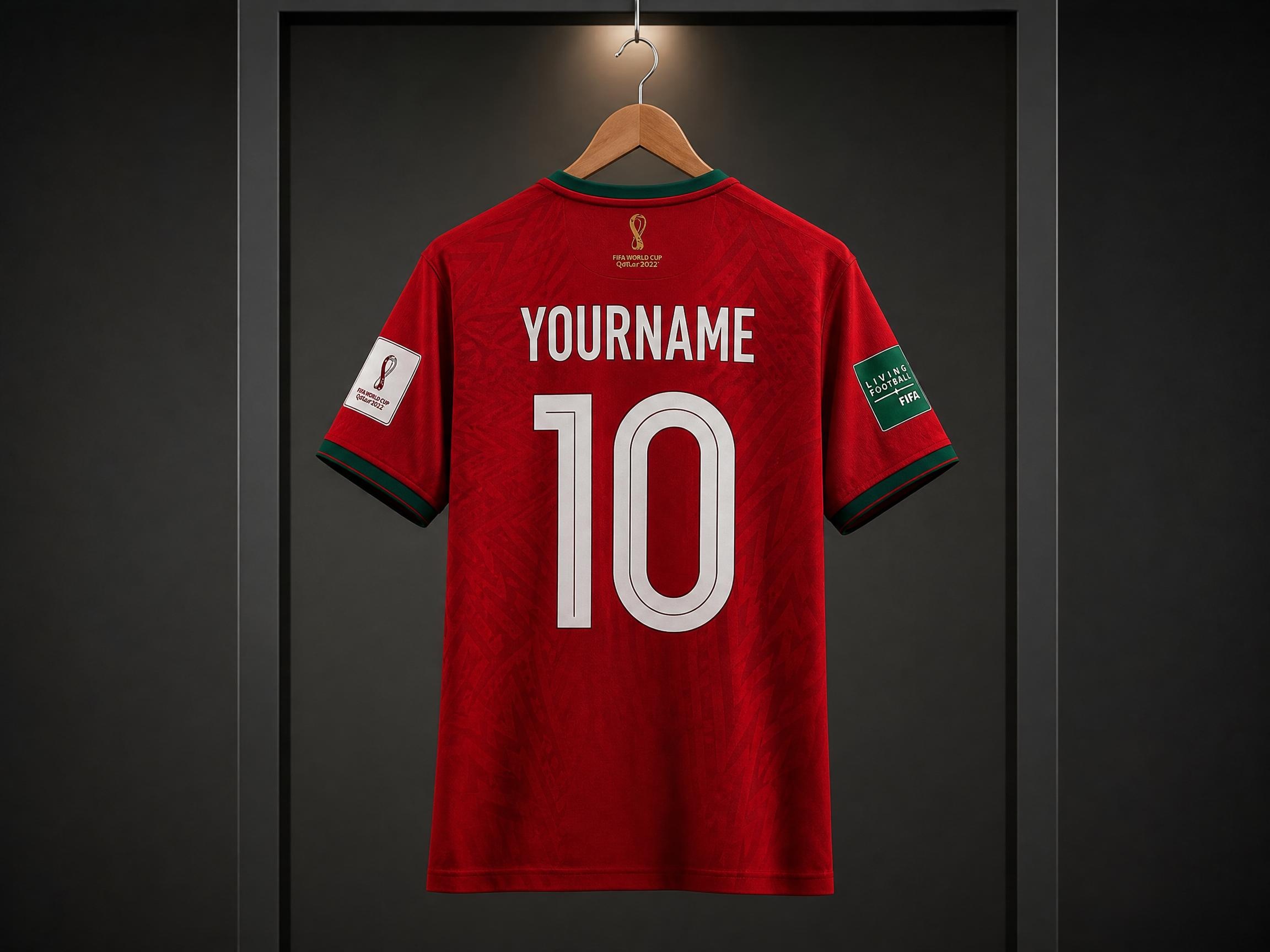
Custom jerseys allow supporters to personalize products with names, numbers, or unique messages.
Personalization can increase perceived value while differentiating products from mass-market alternatives.
5. Kids and Family Fan Apparel
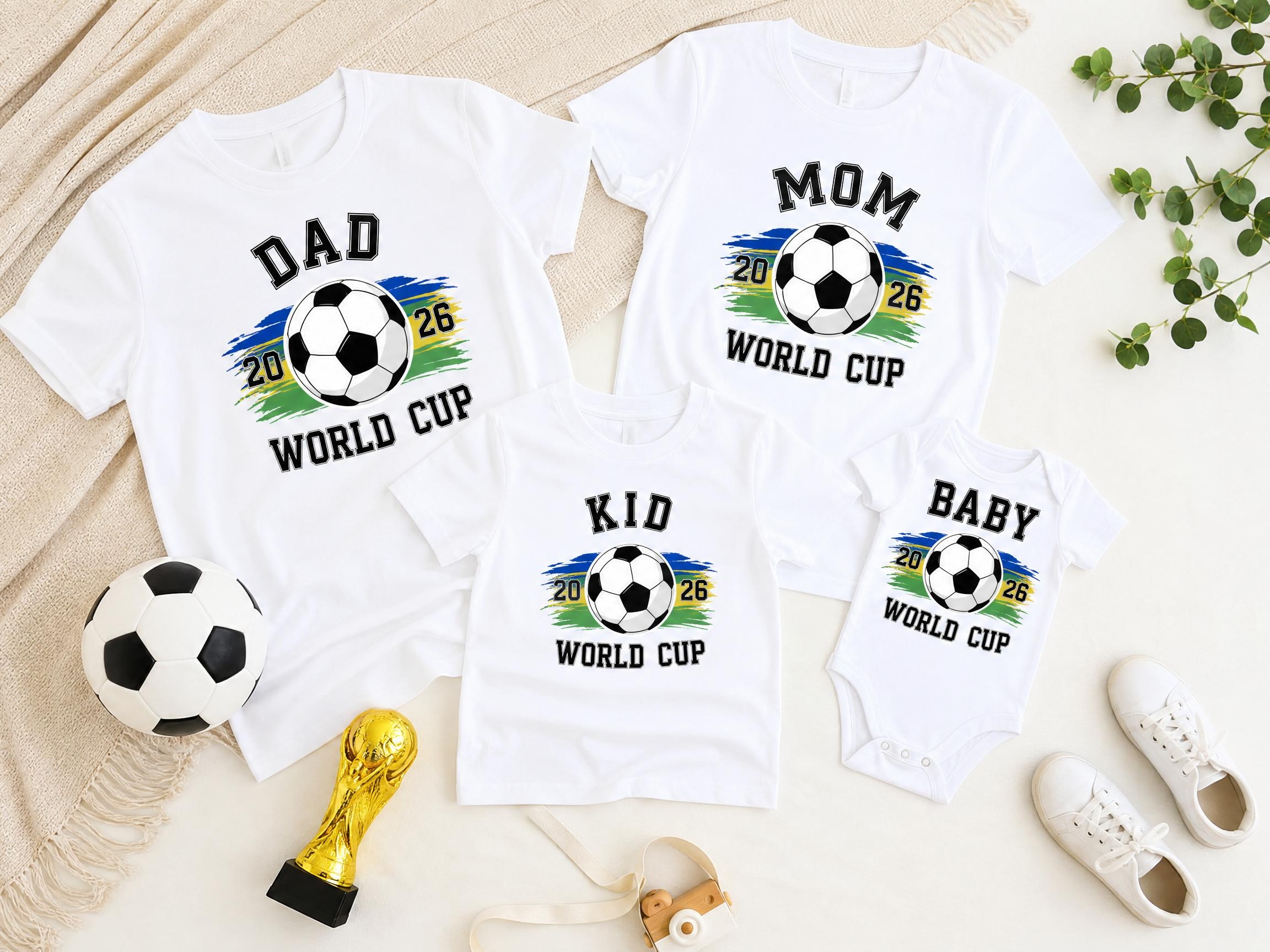
Parents frequently purchase football-themed clothing for children during major tournaments.
Popular options include:
- Baby bodysuits
- Kids t-shirts
- Youth hoodies
- Family matching apparel
Drinkware and Home Merchandise Ideas
Home-related products often perform well because fans use them while watching matches.
6. World Cup Coffee Mugs
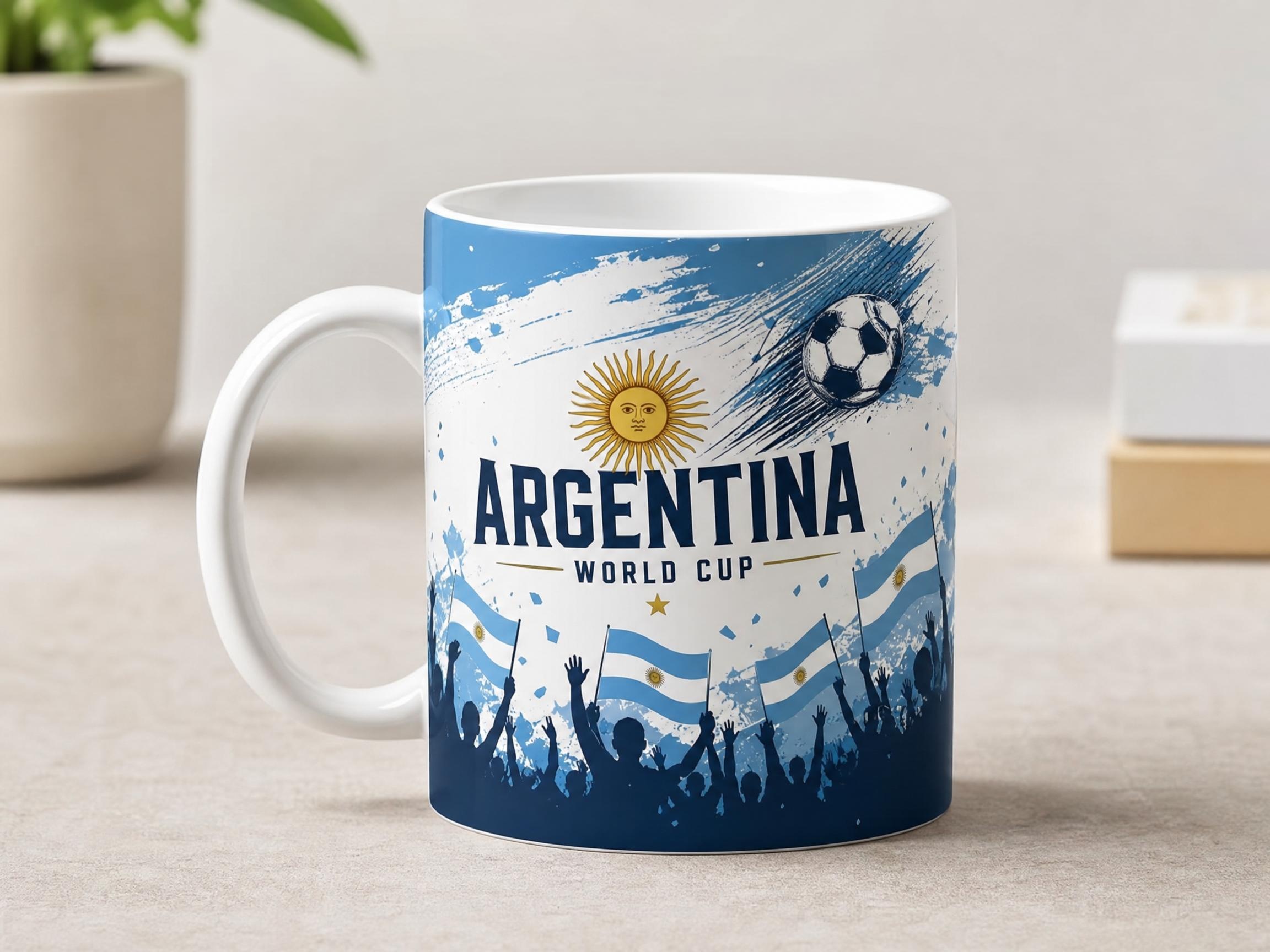
Football-themed mugs are affordable gifts and easy additions to larger product bundles.
Design themes include:
- Country pride
- Match countdowns
- Fan slogans
- Tournament-inspired artwork
7. Travel Tumblers
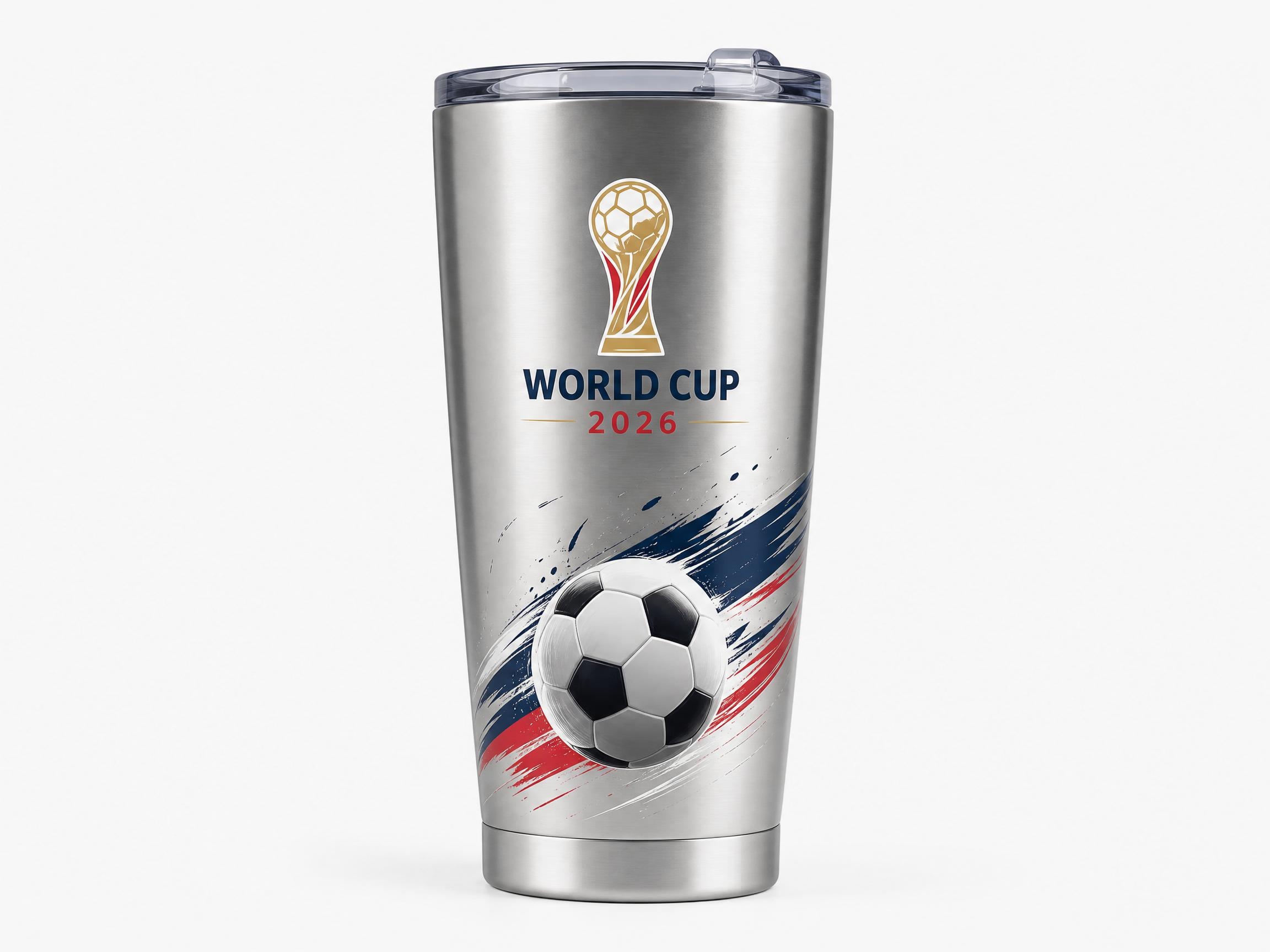
Tumblers offer higher perceived value than traditional mugs and appeal to commuters who want practical merchandise.
8. Beer Glasses for Watch Parties
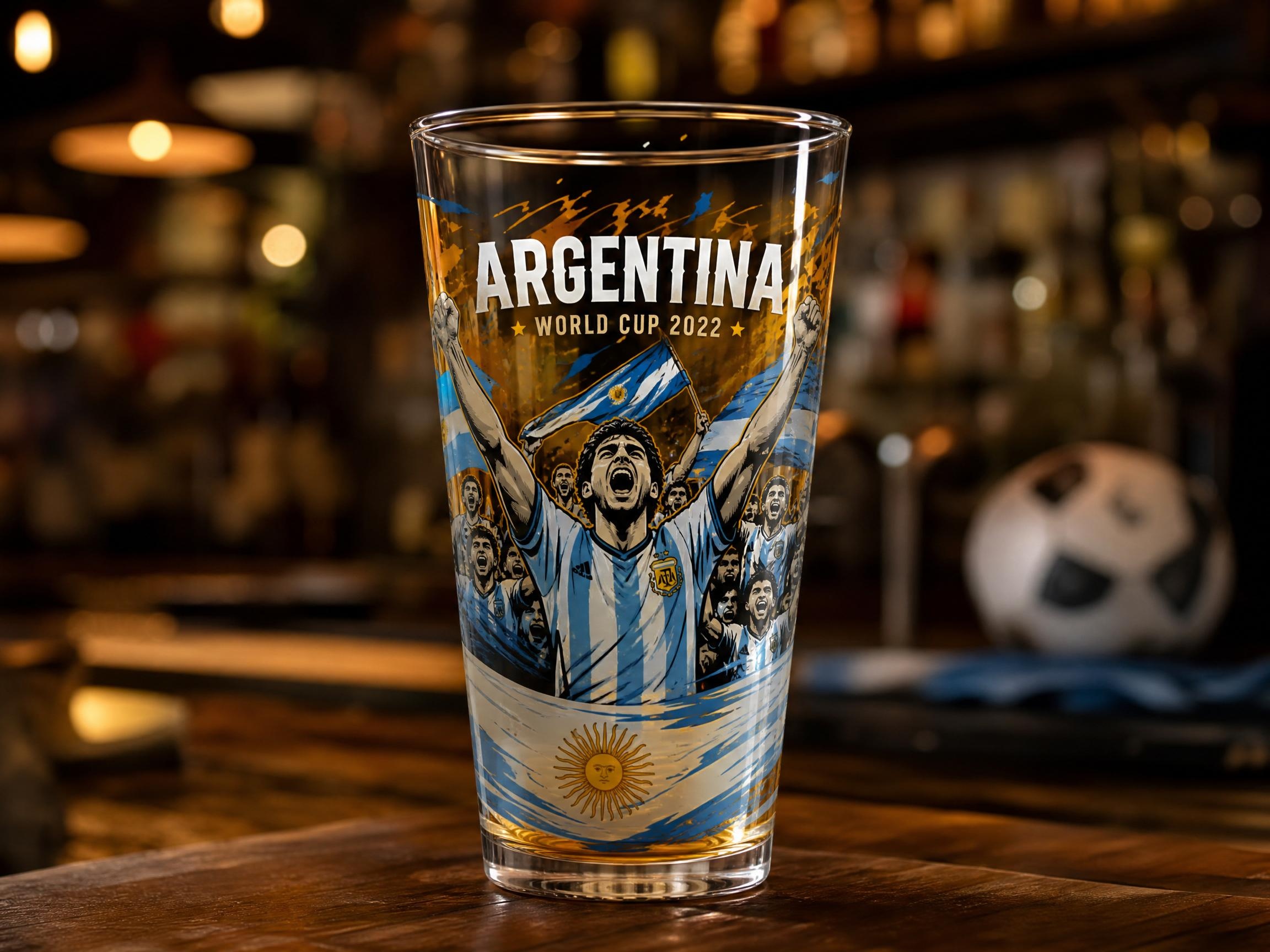
Watch parties create strong demand for football-themed drinkware.
Popular variations include:
- Country-specific designs
- Custom supporter names
- Tournament celebration themes
9. Football-Themed Coasters
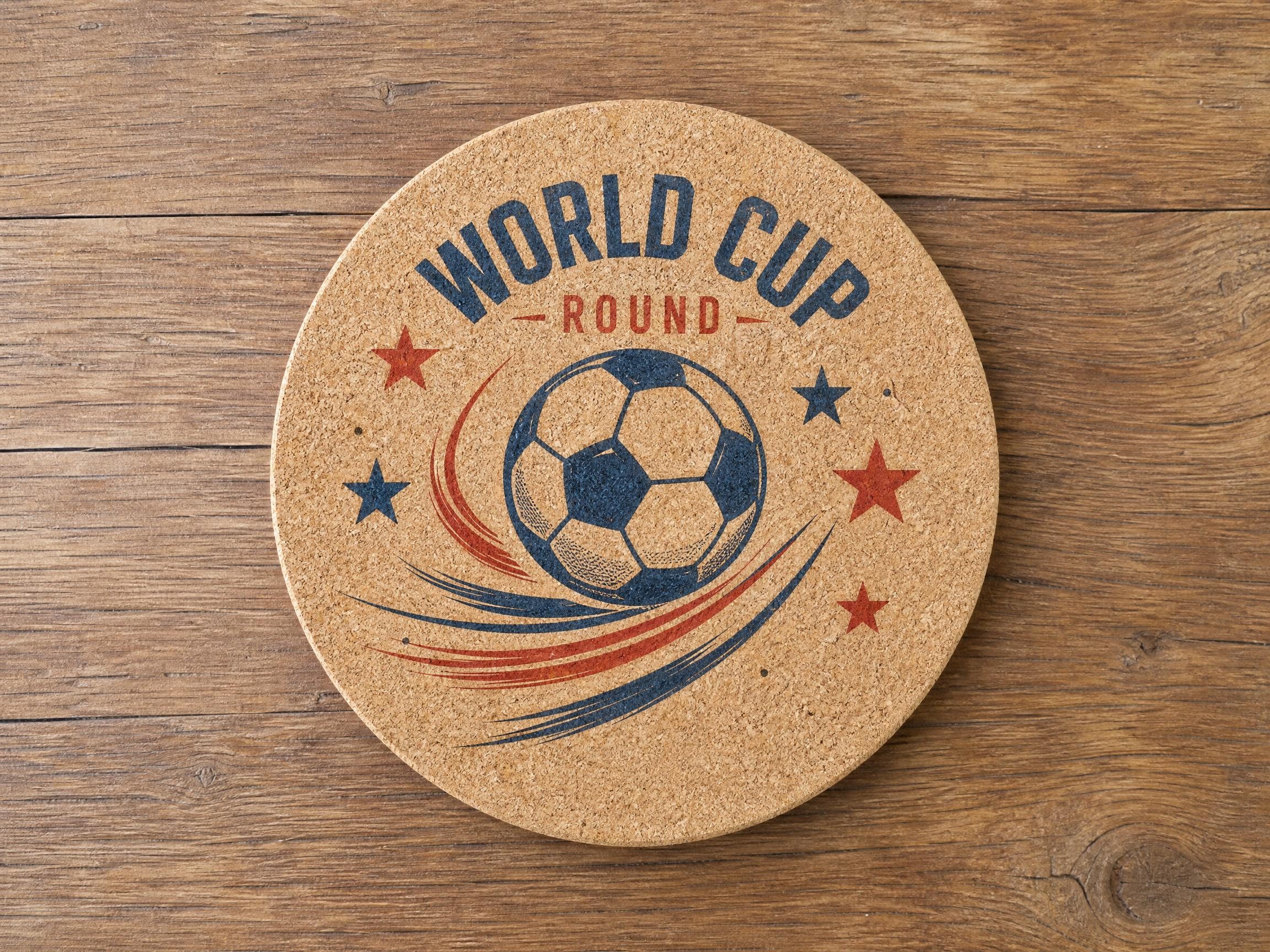
Coasters are inexpensive, easy to ship, and frequently purchased as gift add-ons.
10. Decorative Throw Pillows
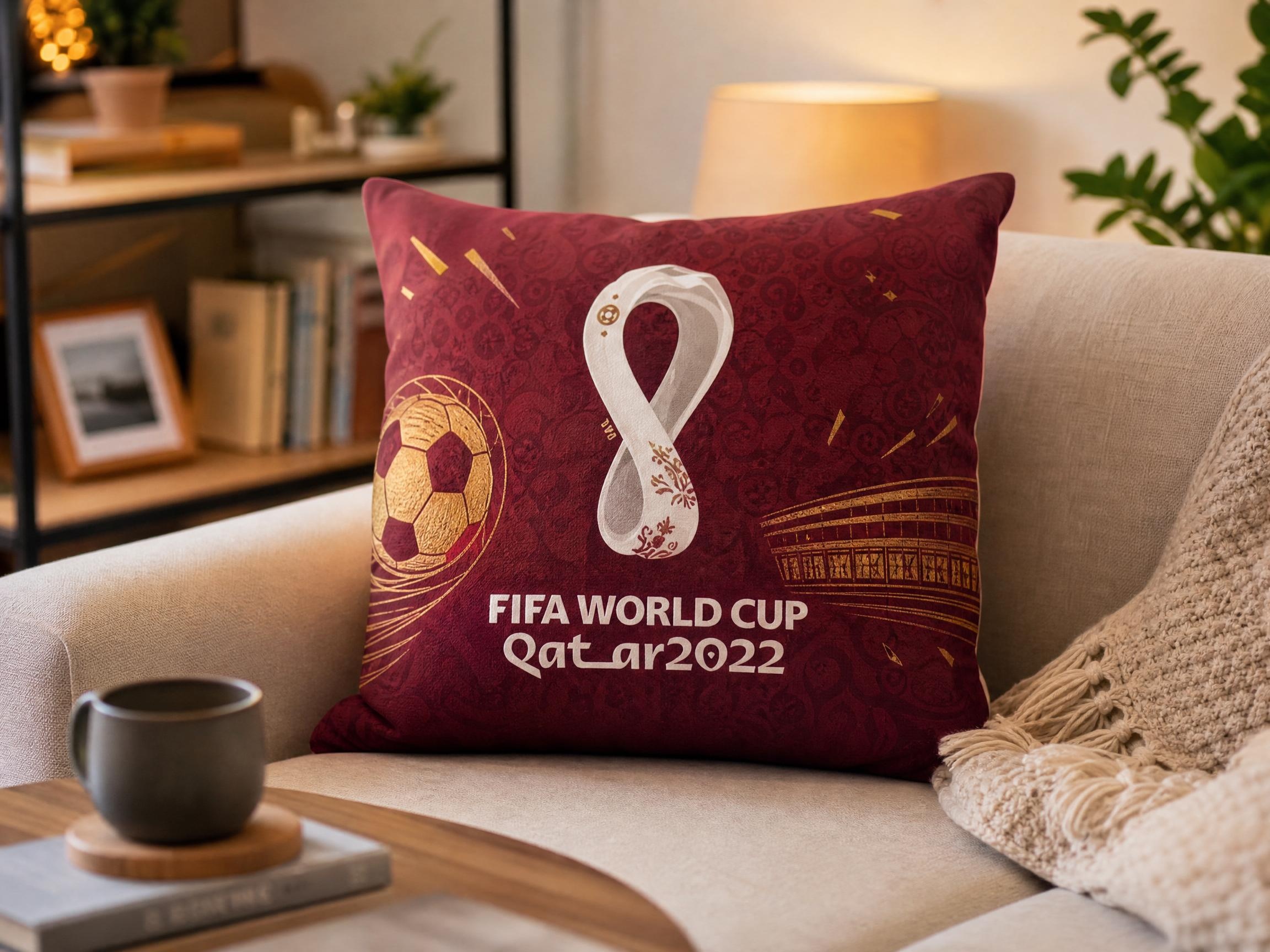
Living room accessories allow fans to celebrate the tournament without wearing apparel.
These products often appeal to family households hosting viewing events.
Accessories and Gift Merchandise Ideas
Accessories generally require lower production costs while offering opportunities for impulse purchases.
11. Baseball Caps and Fan Hats
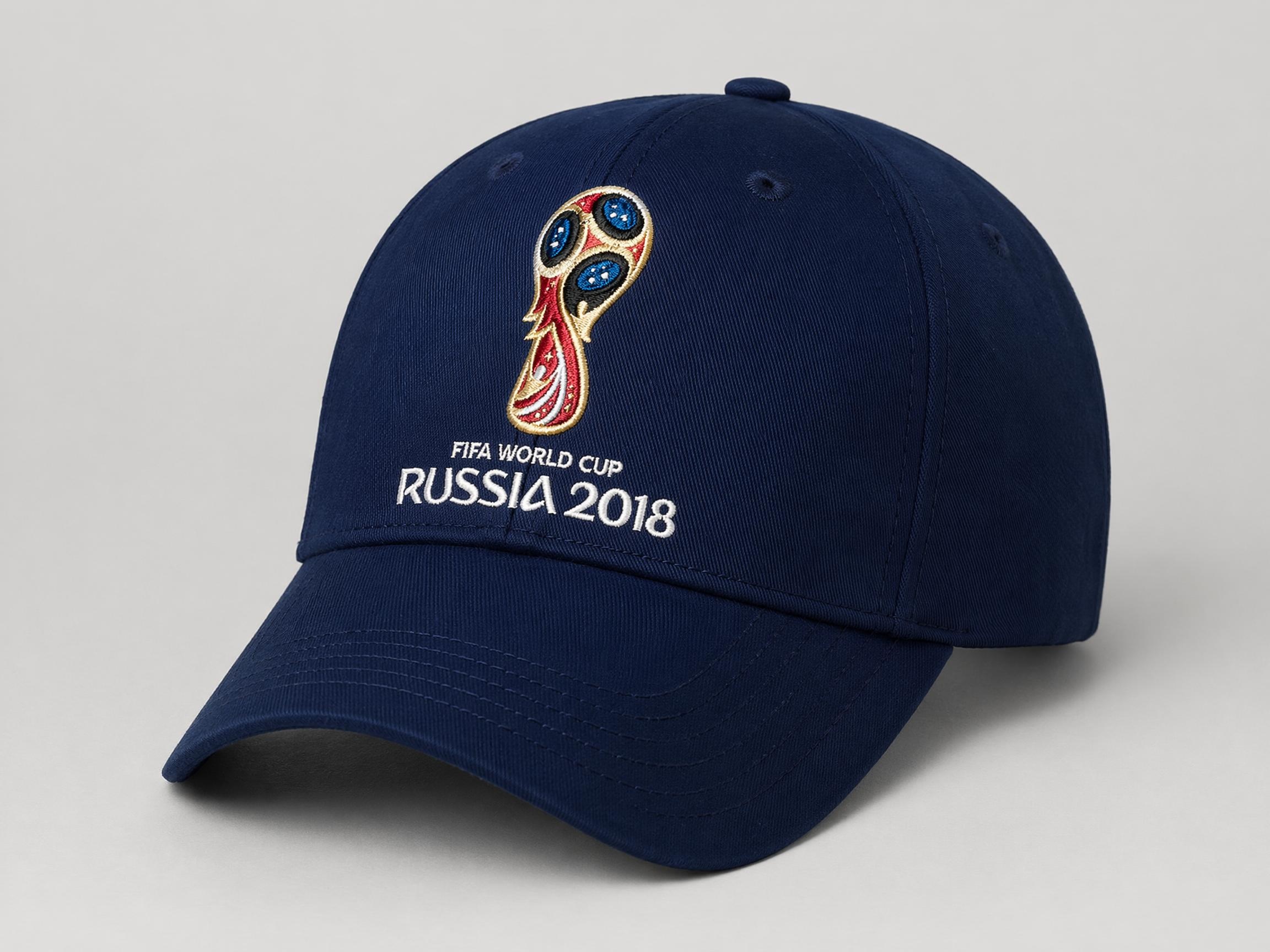
Caps remain one of the most versatile soccer merchandise ideas because they fit multiple age groups and require minimal sizing considerations.
12. Tote Bags
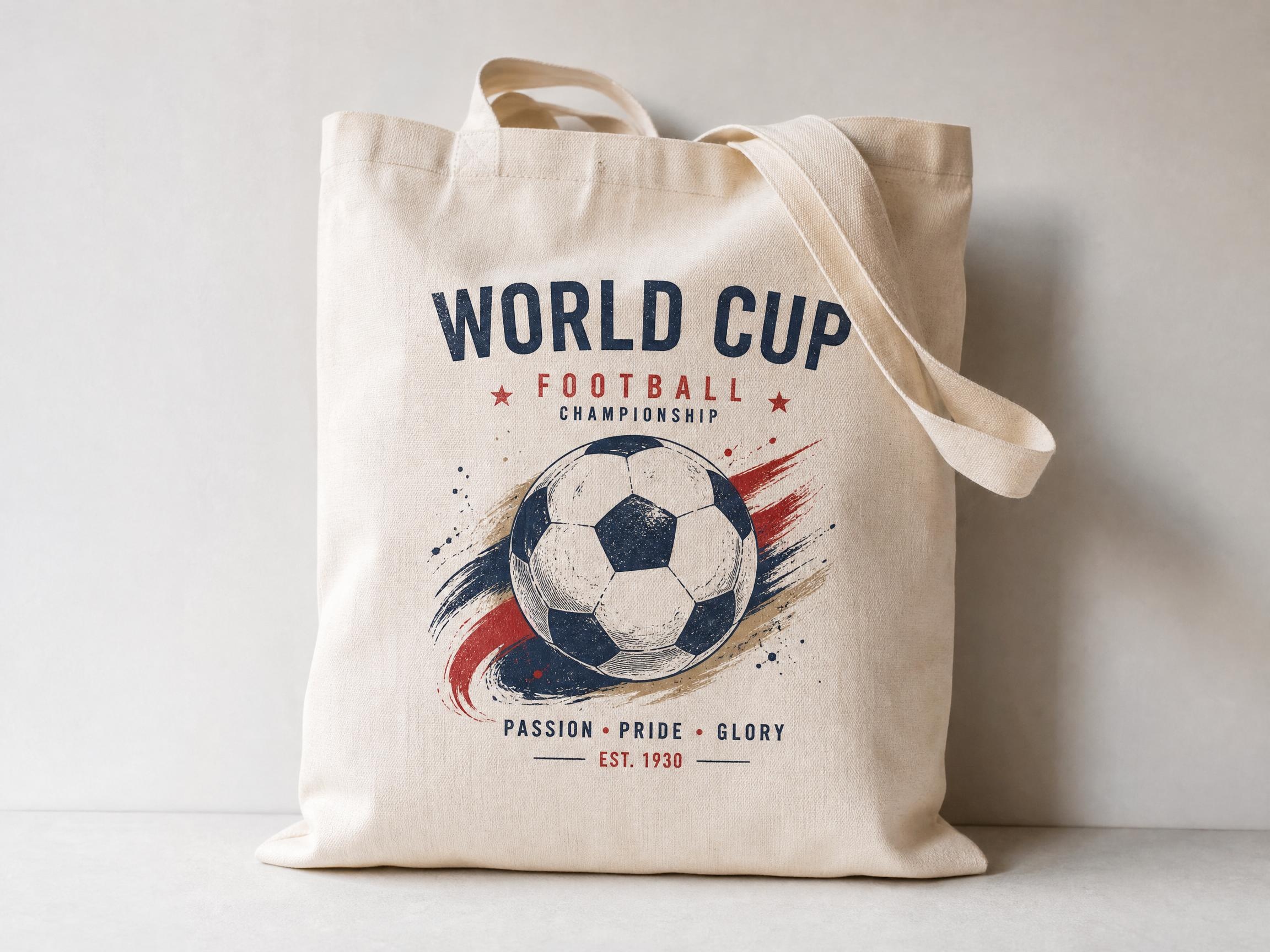
Football-themed tote bags combine practicality with team support.
Popular audiences include:
- Students
- Event attendees
- Casual supporters
- Gift buyers
13. Phone Cases
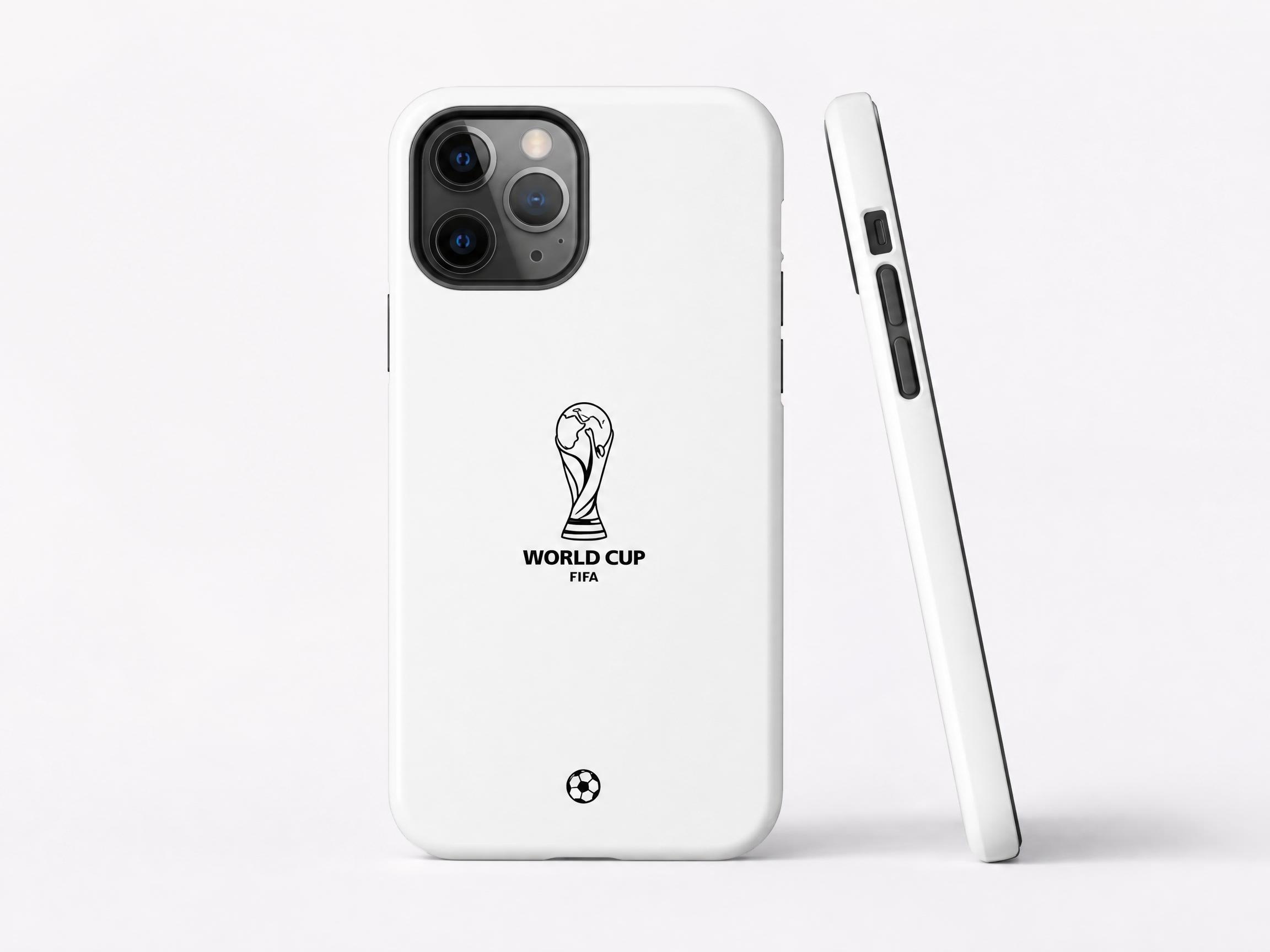
Phone cases provide everyday visibility and are available across hundreds of device models.
Simple designs often outperform overly complex graphics.
14. Keychains
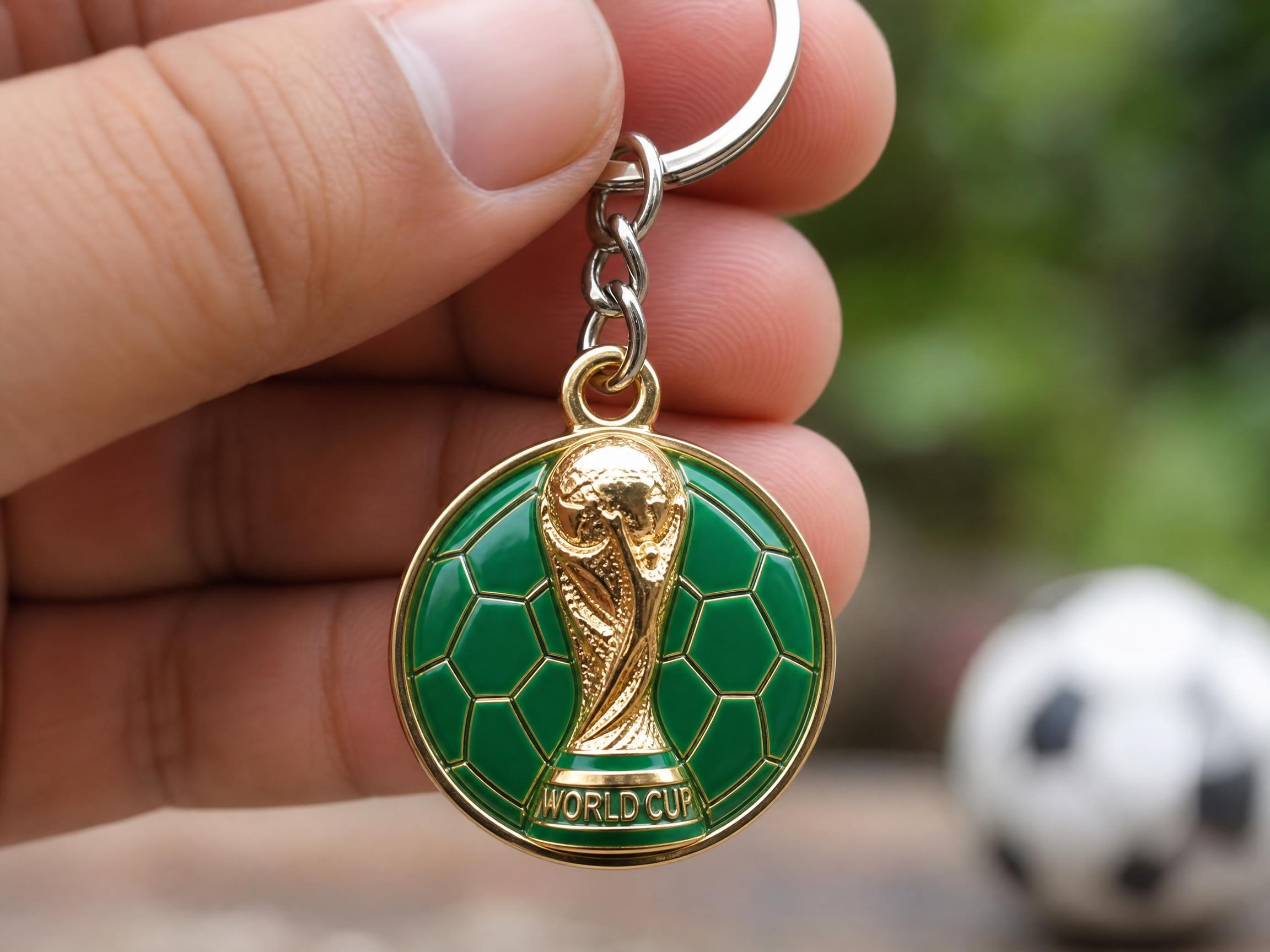
Keychains are frequently purchased as souvenirs or low-cost gifts.
They work particularly well in bundle offers.
15. Stickers and Decals
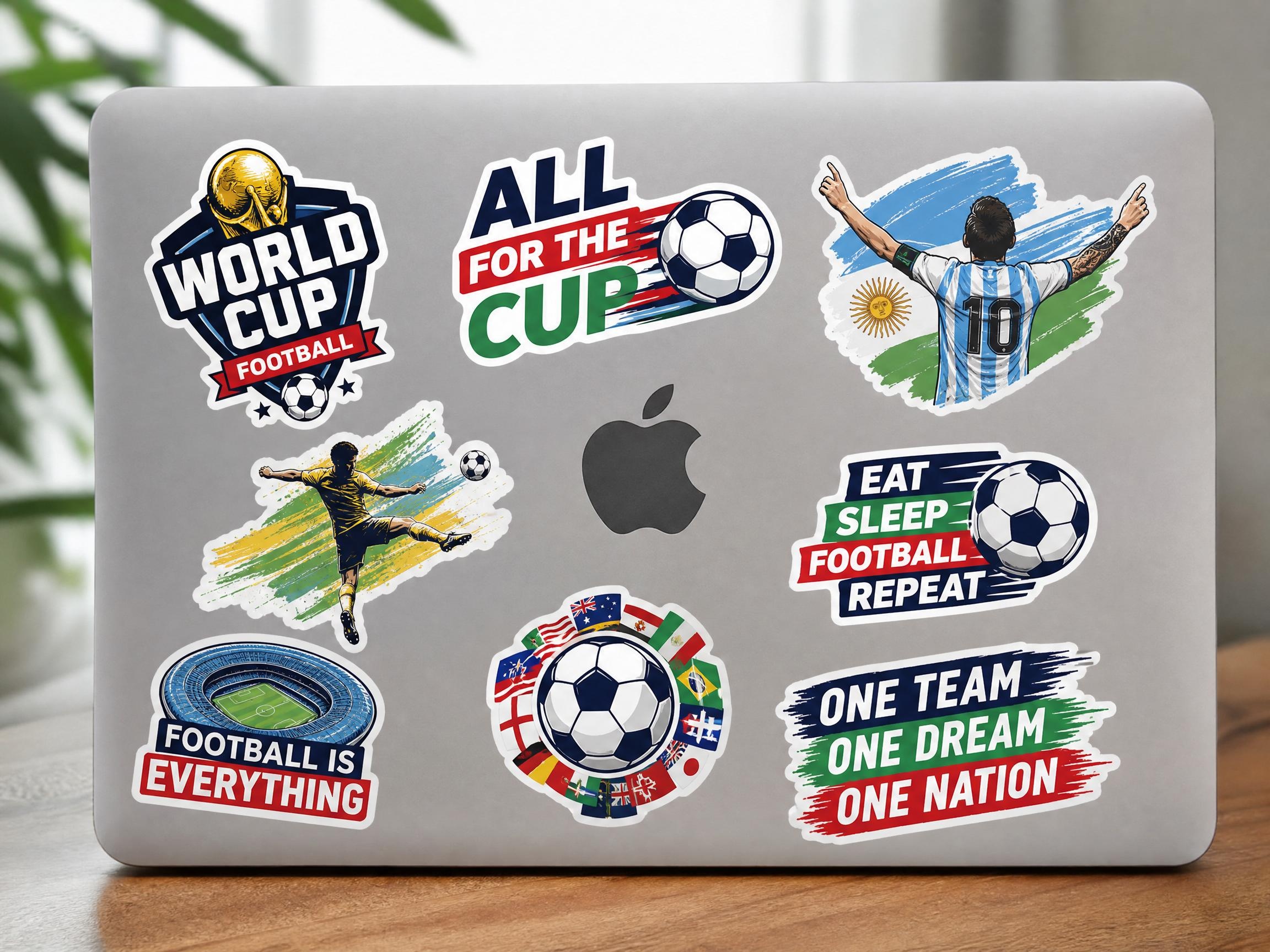
Stickers remain one of the easiest football merchandise products to launch.
Customers commonly use them on:
- Laptops
- Water bottles
- Notebooks
- Cars
Premium Merchandise Ideas for Higher Profit Margins
While low-cost items generate volume, premium products can increase average order value.
16. Gift Bundles
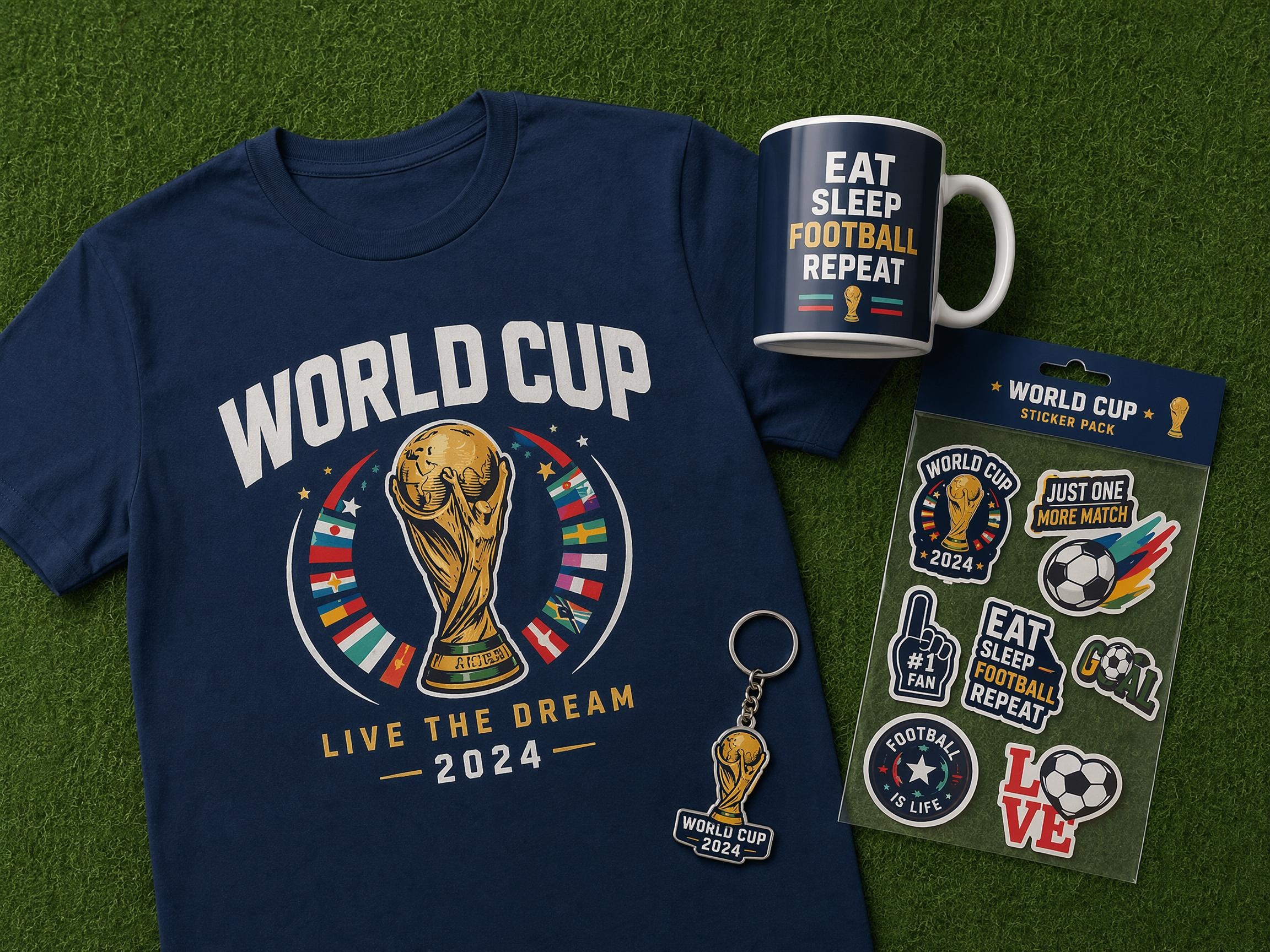
Bundles combine multiple products into a themed collection.
Example:
- T-shirt
- Mug
- Sticker pack
- Keychain
Bundling often increases perceived value compared to purchasing products individually.
17. Collector Sets
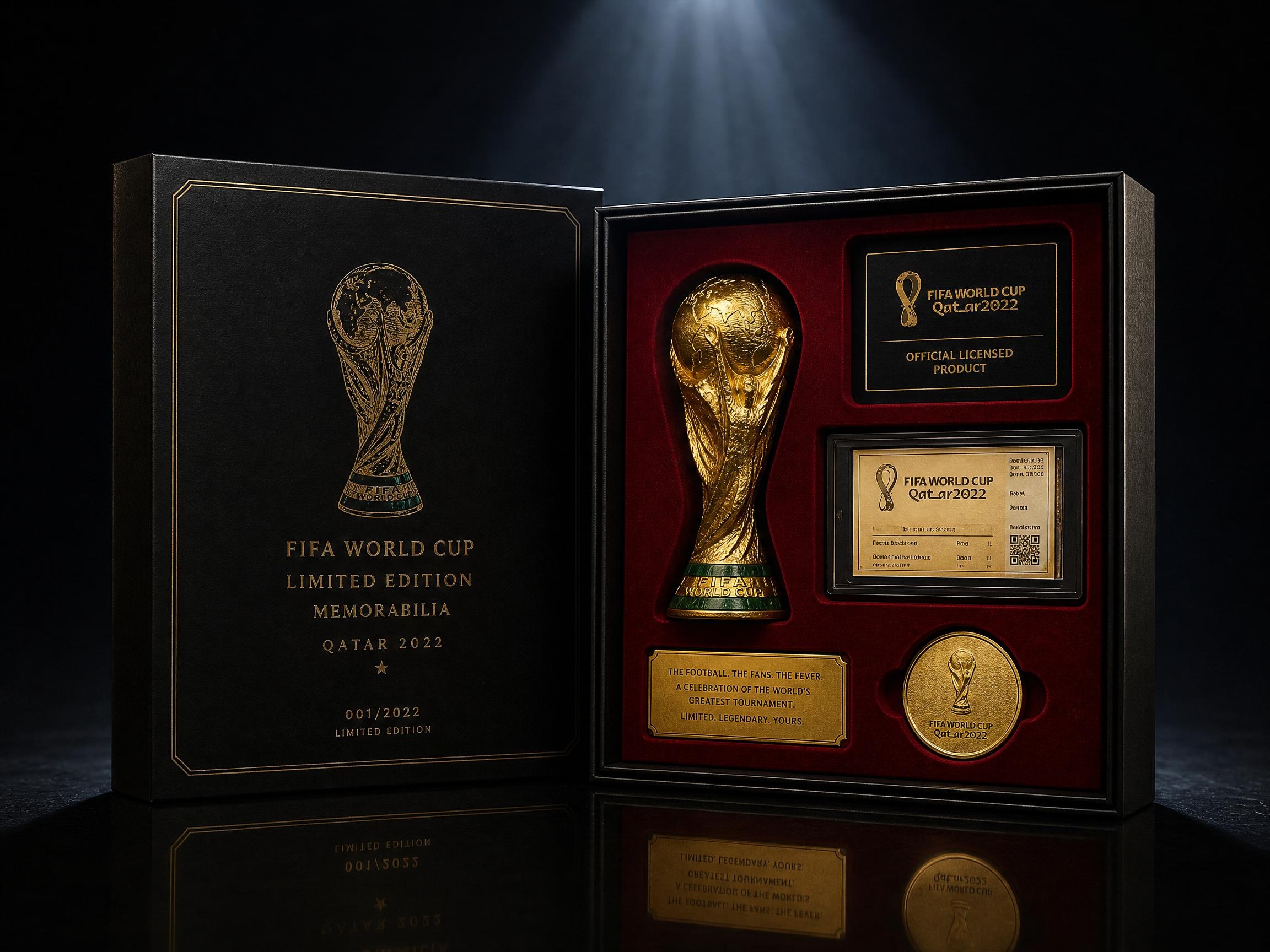
Collectors seek products that feel exclusive and difficult to obtain later.
Examples include:
- Numbered editions
- Limited releases
- Tournament memorabilia-inspired products
18. Customized Fan Boxes
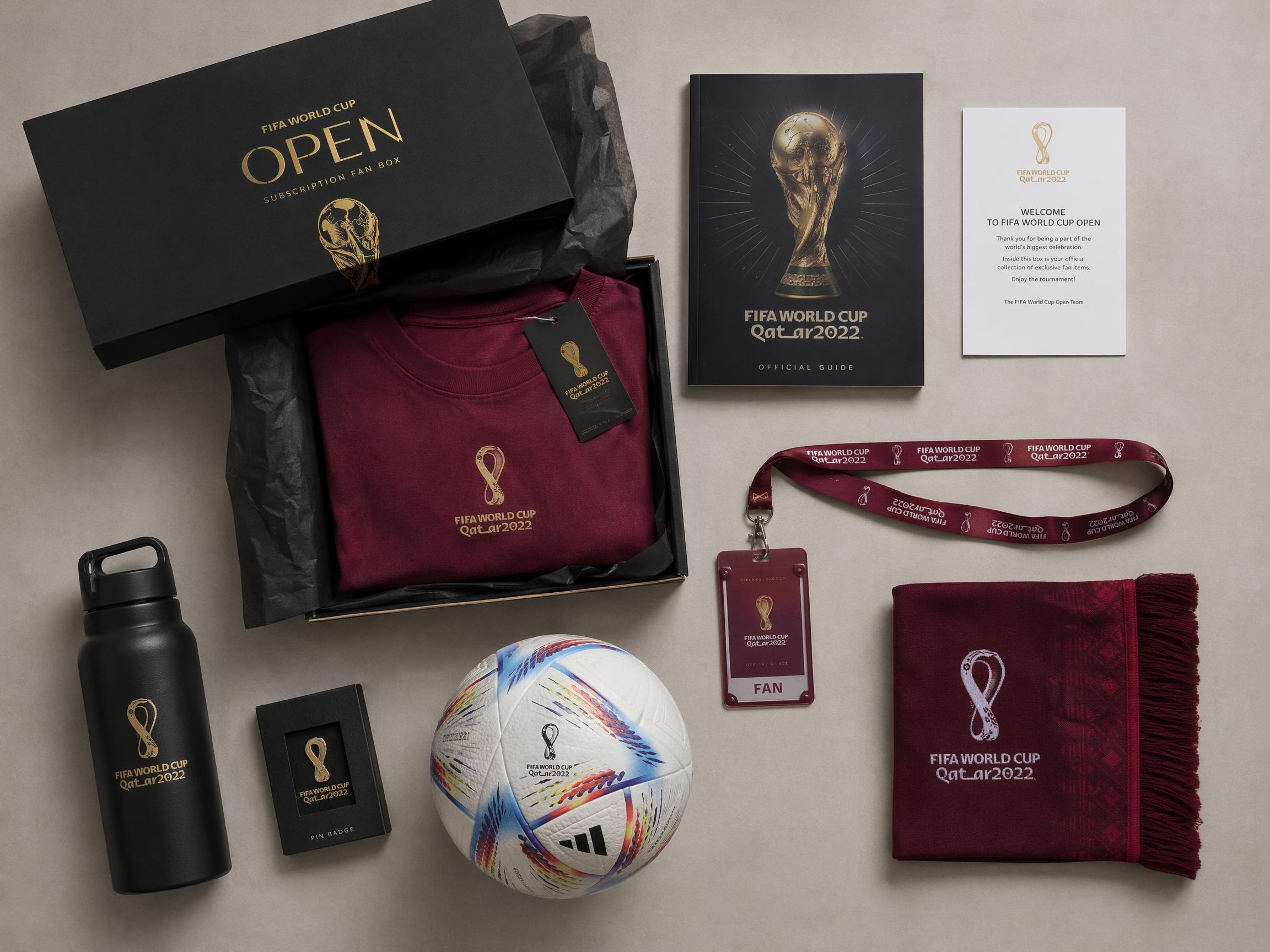
Subscription-style fan boxes can include rotating merchandise before and during the tournament.
These boxes encourage larger purchases while creating a stronger customer experience.
19. Limited-Edition Merchandise Collections
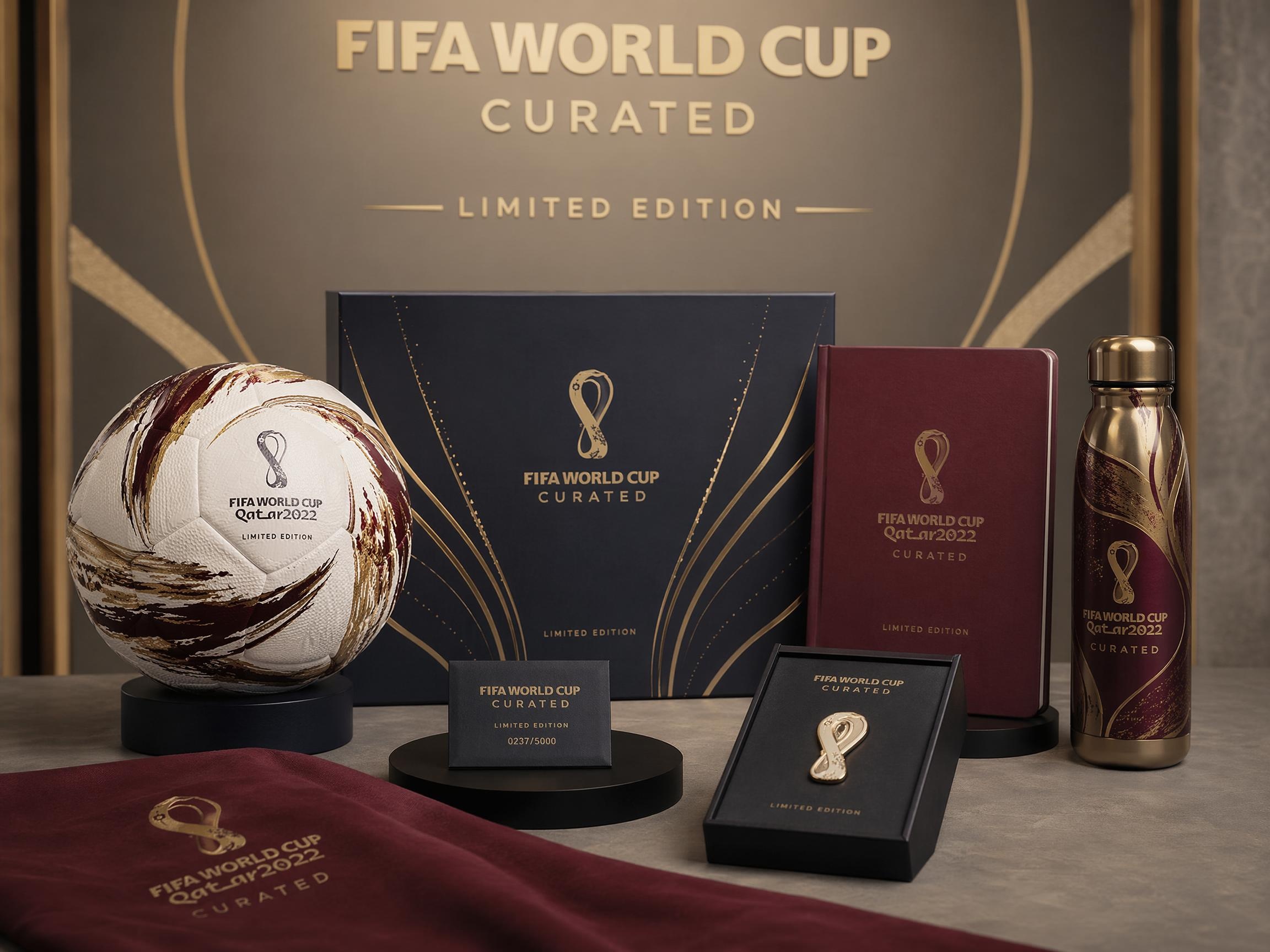
Scarcity is a powerful purchase driver.
A limited collection can include:
- Special artwork
- Event-specific designs
- Tournament countdown themes
20. Personalized World Cup Gifts
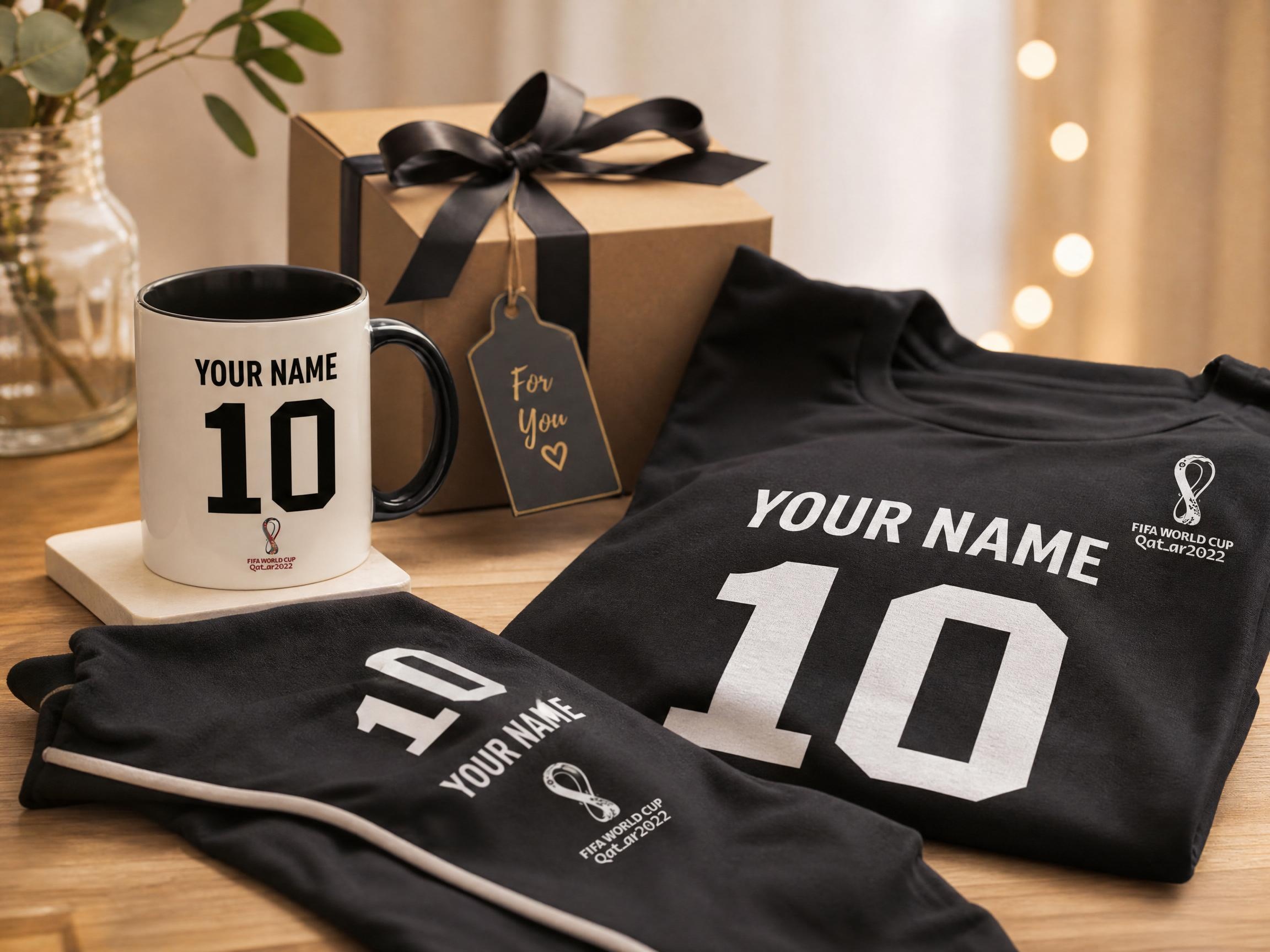
Personalization continues to be a strong ecommerce trend.
Examples include:
- Custom names
- Favorite player numbers
- Family supporter collections
- Personalized watch-party kits
These products often command higher margins because customers perceive them as unique.
How to Design World Cup Merchandise Faster with AI Tools
Creating merchandise used to require multiple design revisions, freelance designers, and long approval cycles.
AI tools like Designkit now compress several of these stages, letting ecommerce sellers generate product concepts, mockups, and launch graphics from a simple text prompt instead of building each asset from scratch.
Generate Product and Design Concepts from a Prompt
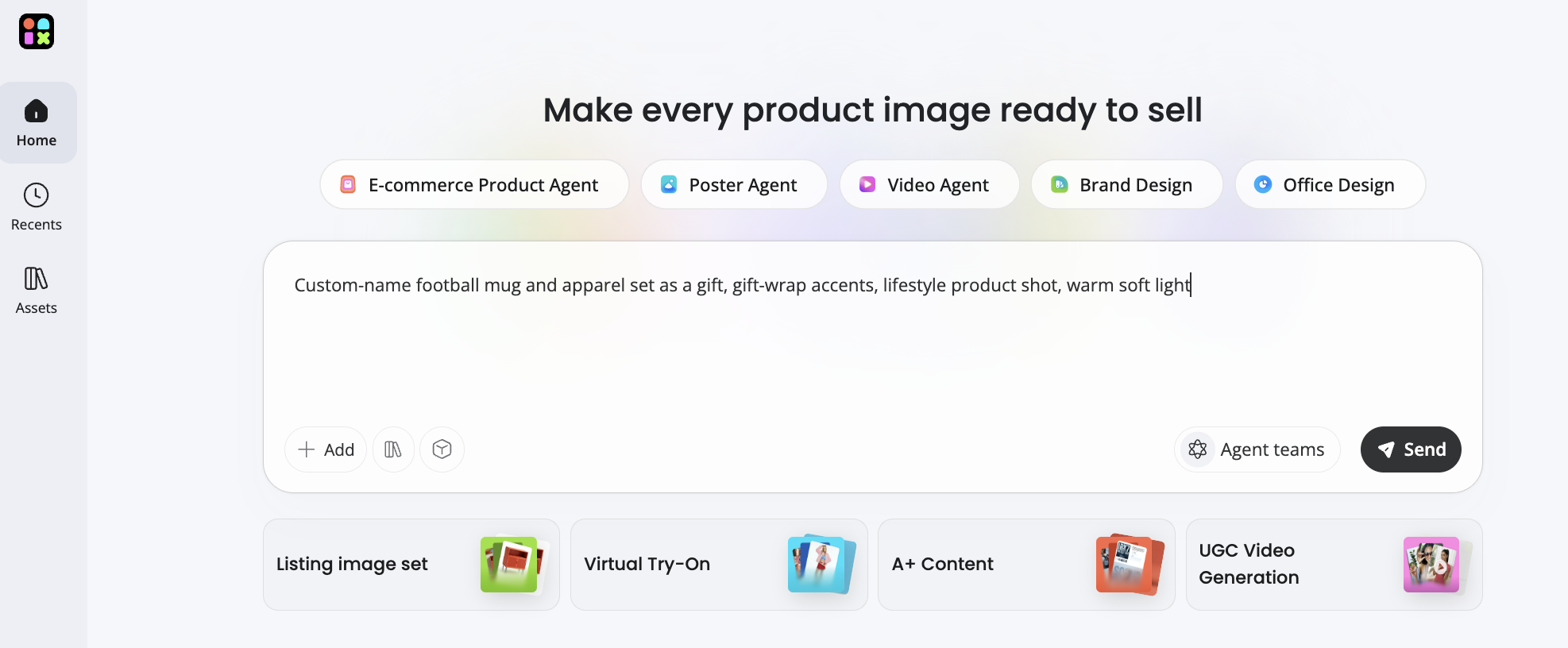
AI image generation tools can quickly produce variations of:
- Football merchandise design concepts
- Country-themed graphics
- Fan apparel mockups
- Promotional artwork
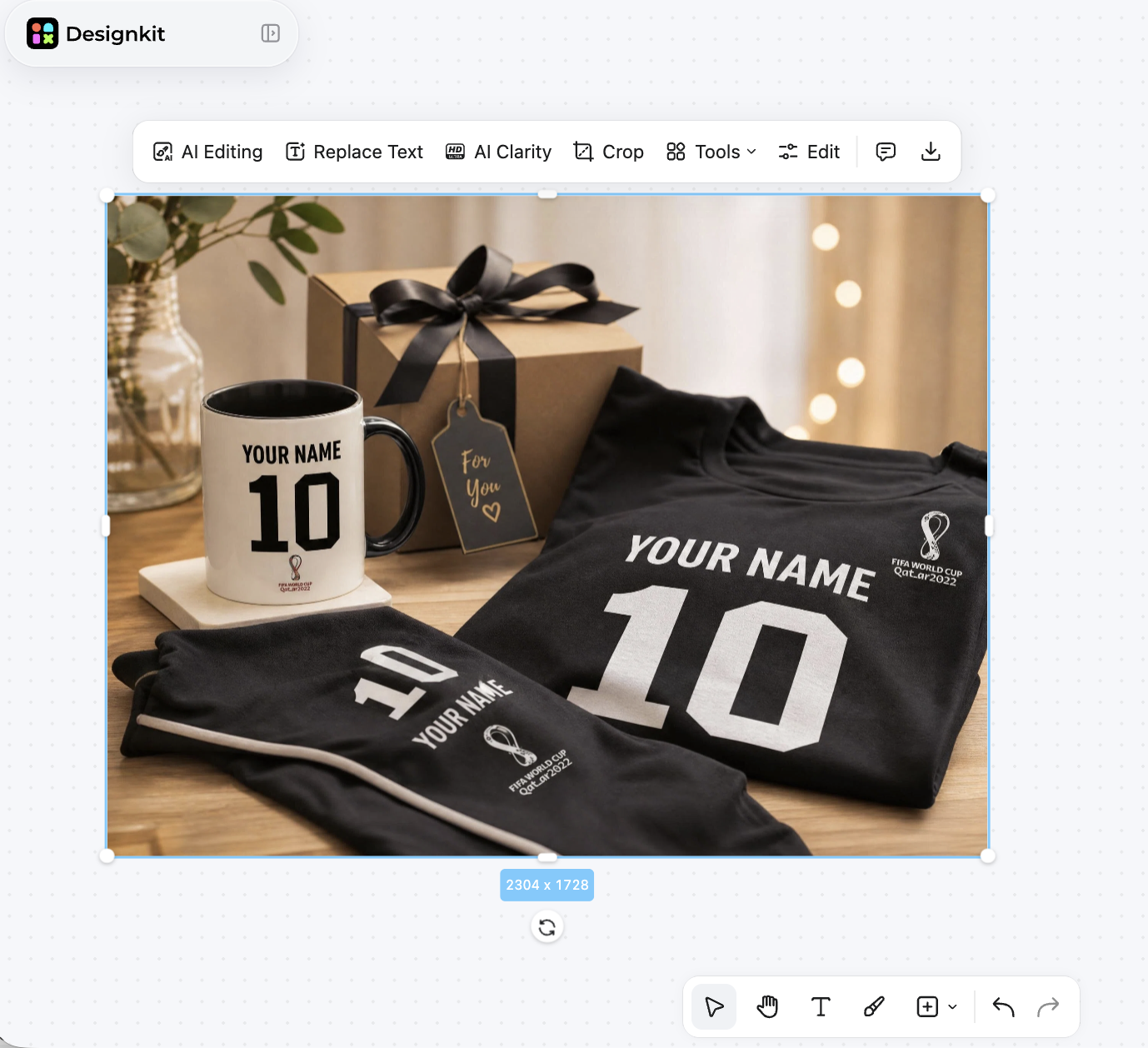
Generate World Cup Product Images Free
Generate Product and Design Concepts from a Prompt
AI image generation tools can quickly produce design variations before you commit to production. With Designkit, you describe a concept in plain language and generate multiple outputs to evaluate. Because it works from prompts rather than fixed templates, each result is tailored to your idea. Here are example prompts you can adapt:
Country and Flag Designs
Retro country-flag football shirt graphic, bold national colors, vintage typography, flat vector style
Minimalist supporter badge with country crest and football motif, clean lines, two-color palette
Vintage 1980s football poster graphic featuring stylized national flag, halftone texture
Apparel Concepts
Streetwear football hoodie design with bold quote typography, modern urban style, monochrome
Throwback football jersey pattern with classic stripes and retro number, faded vintage look
Kids football t-shirt graphic with playful cartoon mascot, bright friendly colors
Drinkware and Accessory Concepts
Football match-countdown mug design, circular layout, modern flat illustration
Watch-party beer glass graphic with team chant slogan, hand-lettered style
Football fan tote bag design, minimal line-art ball icon, single-color print
Promotional and Launch Concepts
Tournament celebration banner with confetti and trophy silhouette, vibrant gradient background
Limited-edition collection hero graphic, premium gold-and-black palette, scarcity badge
Social media post template for football merch sale, dynamic diagonal layout, high-energy colors
This helps sellers evaluate ideas before investing in production. With Designkit, you can describe a concept in plain language, for example a retro country-flag shirt graphic, and generate multiple design variations to evaluate before committing to production. Because it works from prompts rather than fixed templates, each output is tailored to your idea.
Preview Realistic Product Mockups Before Production
Instead of creating physical samples for every concept, sellers can generate realistic mockups and preview products across multiple formats.
This reduces time and testing costs. Designkit can place your design onto realistic product mockups such as shirts, mugs, and tote bags, so you can preview a full collection without ordering physical samples.
Create Launch Graphics, Banners, and Posters
Marketing assets are often required alongside merchandise.
Examples include:
- Social media posts
- Product banners
- Ecommerce hero images
- Promotional posters
Building these assets early can help accelerate launch timelines and maintain consistent branding. Many sellers also create a complete set of product listing images before launching campaigns, ensuring shoppers see professional visuals across product pages and advertisements. If you're creating football-themed merchandise, this guide explains how to build a complete World Cup product image set for ecommerce stores and marketplaces: World Cup Product Listing Images.
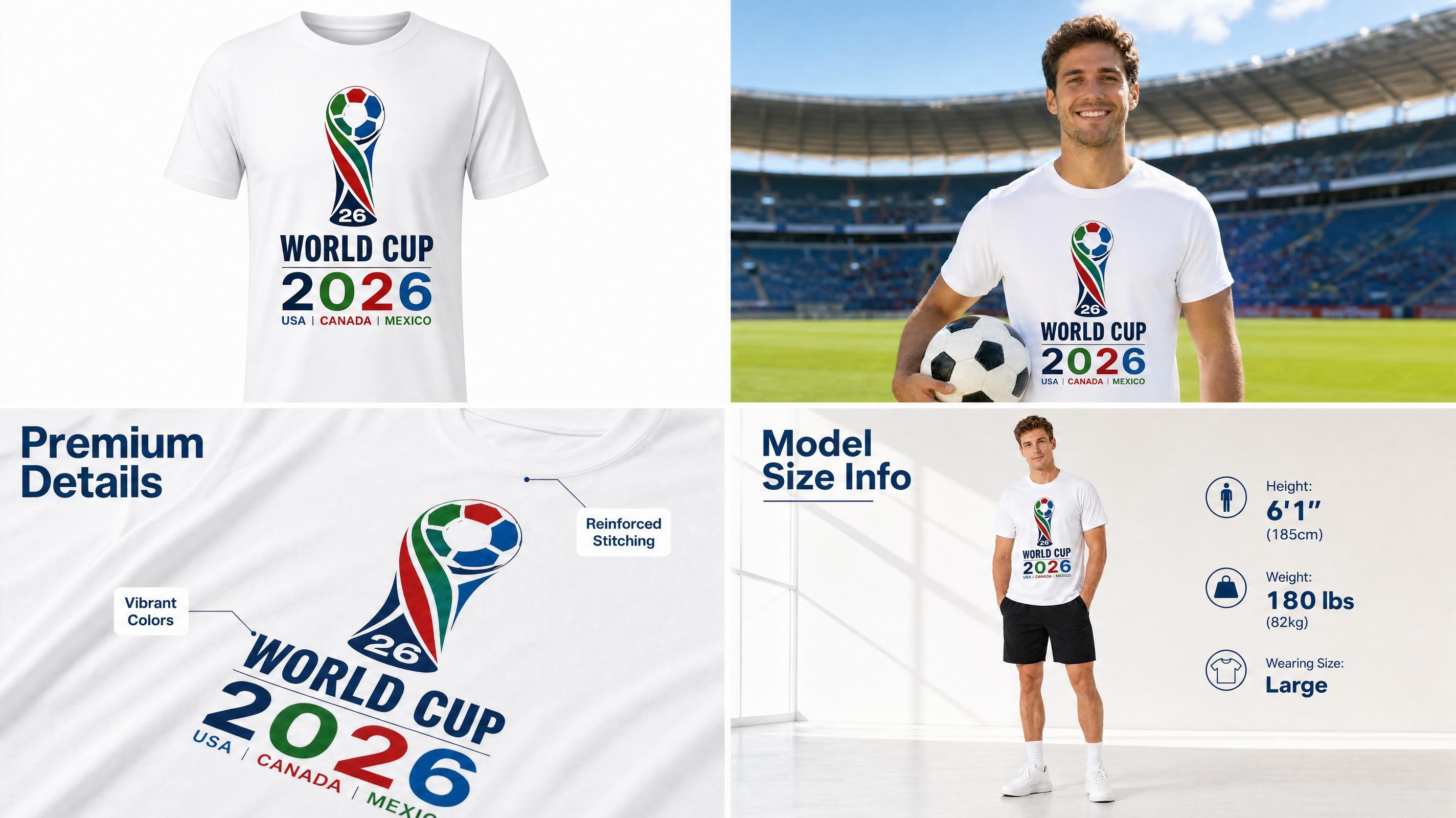
The same workflow can generate matching promotional assets, including social posts, ecommerce hero images, and launch posters sized for each platform, helping stores and advertising campaigns go live simultaneously.
Generate Product Image Sets Free
Test Multiple Design Styles Without Hiring a Designer
Different audiences respond to different visual styles.
Testing variations such as:
- Retro football themes
- Minimalist supporter designs
- Vintage sports aesthetics
- Modern streetwear styles
can help sellers identify stronger-performing concepts before scaling inventory.
Conclusion
The best World Cup merchandise ideas combine fan identity, practical value, and event-driven excitement.
Rather than launching dozens of products at once, start with proven categories such as apparel, drinkware, and accessories. Monitor customer interest, expand successful designs into collections, and use seasonal urgency to encourage purchases.
For many ecommerce businesses, the most effective approach is to launch early, test demand quickly, and refine products based on real customer feedback before tournament interest reaches its peak.
Sources
- FIFA Official Reports and Tournament Audience Data: https://www.fifa.com/
Frequently Asked Questions
What merchandise sells best during the World Cup?
Can I sell World Cup-themed merchandise online?
Yes, but sellers should carefully review trademark and licensing requirements. Avoid using protected FIFA logos, official branding, or copyrighted materials without authorization.
What products are easiest to create with print-on-demand services?
T-shirts, hoodies, mugs, tote bags, stickers, and phone cases are among the easiest products to launch through print-on-demand providers.
How do I design football merchandise without graphic design experience?
You don't need design skills to start. AI-powered design tools like Designkit let you describe a concept in plain text and generate ready-to-use designs and product mockups — no templates or freelancers required.
What platforms are best for selling World Cup merchandise?
Shopify, Etsy, Amazon, and TikTok Shop are among the most popular channels. The best option depends on your target audience, product type, and marketing strategy.
When should I start selling World Cup merchandise?
Most sellers begin preparing products several months before the tournament starts. Early preparation provides time to test designs, optimize listings, and build marketing campaigns.
Are personalized football gifts profitable?
Personalized products often achieve higher margins because customers value customization and uniqueness.
How can I market World Cup merchandise effectively?
Focus on social media content, influencer collaborations, email marketing, and short-form video platforms such as TikTok and Instagram Reels to increase visibility during the tournament season.
Can AI create World Cup merchandise designs?
Yes. AI design tools like Designkit can generate football-themed graphics, apparel mockups, and promotional assets from a text prompt, letting you test multiple styles before production.
You May Also Like
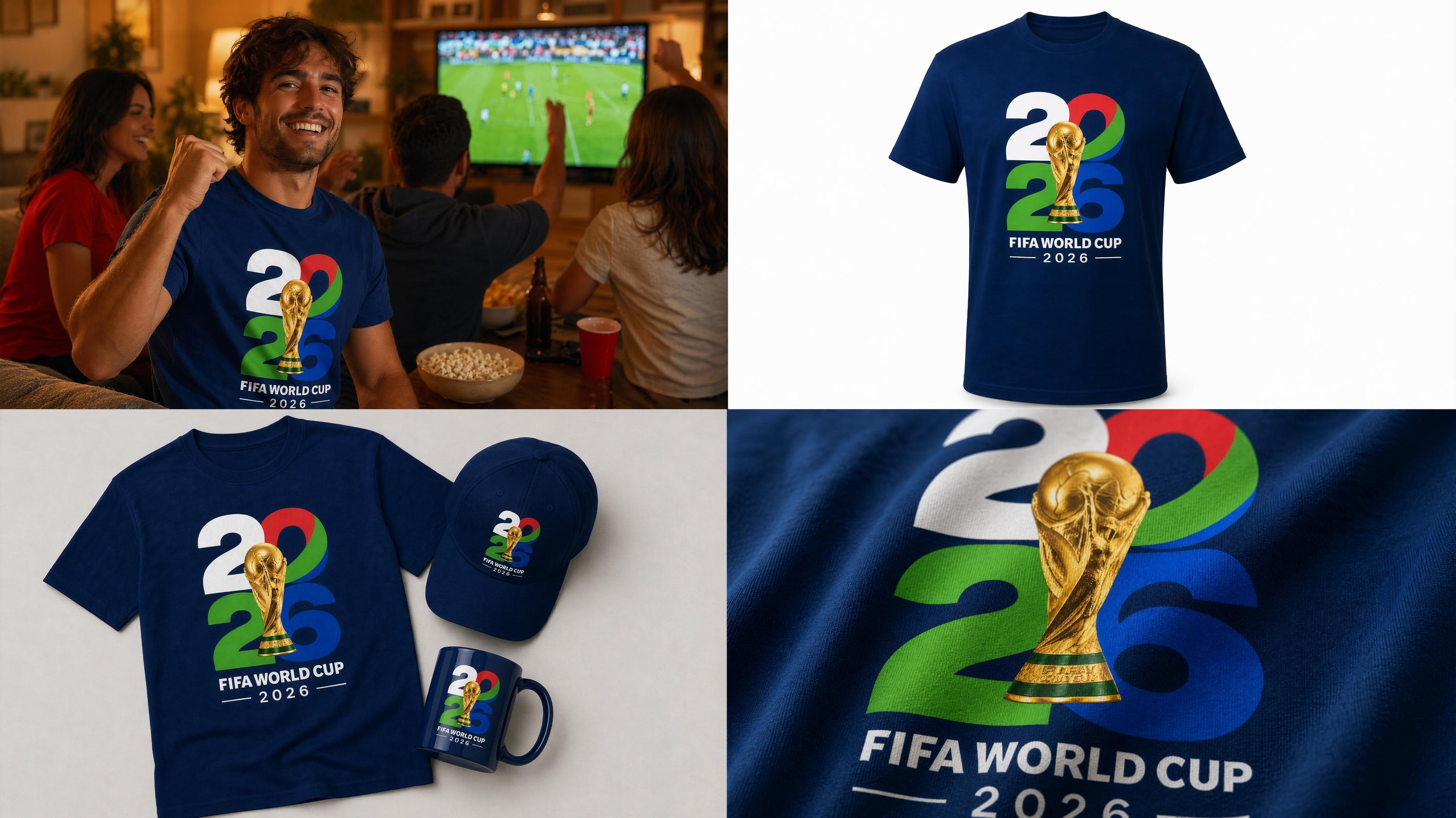
How to Create a Complete World Cup Product Listing Image Set
10 High-Converting Lifestyle Product Images for Amazon Listings
Amazon Product Photography Requirements & Best Practices 2026
AI Product Photography: Create Ecommerce Images Without a Photoshoot
Amazon Summer Sale 2026: Listing Design Trends & Product Image Ideas
11 Must-Have Tools for Amazon Product Photography in 2026
Shopify Product Photography Guide with Tips & Setup
How to Turn One Photo into 10 Etsy Listing Images Fast: Batch Workflow
Turn World Cup Merchandise Ideas Into Launch-Ready Designs
Creating merchandise concepts is only the first step. Visualizing products, generating mockups, and producing promotional assets quickly can help you launch faster and test more ideas before tournament demand peaks.