
What Is Brand Identity? A Complete Guide for 2026
Wondering what brand identity is and why it matters? This guide explains its key elements, shares real brand identity examples, and shows how to build consistent visuals and messaging that help your business stand out.

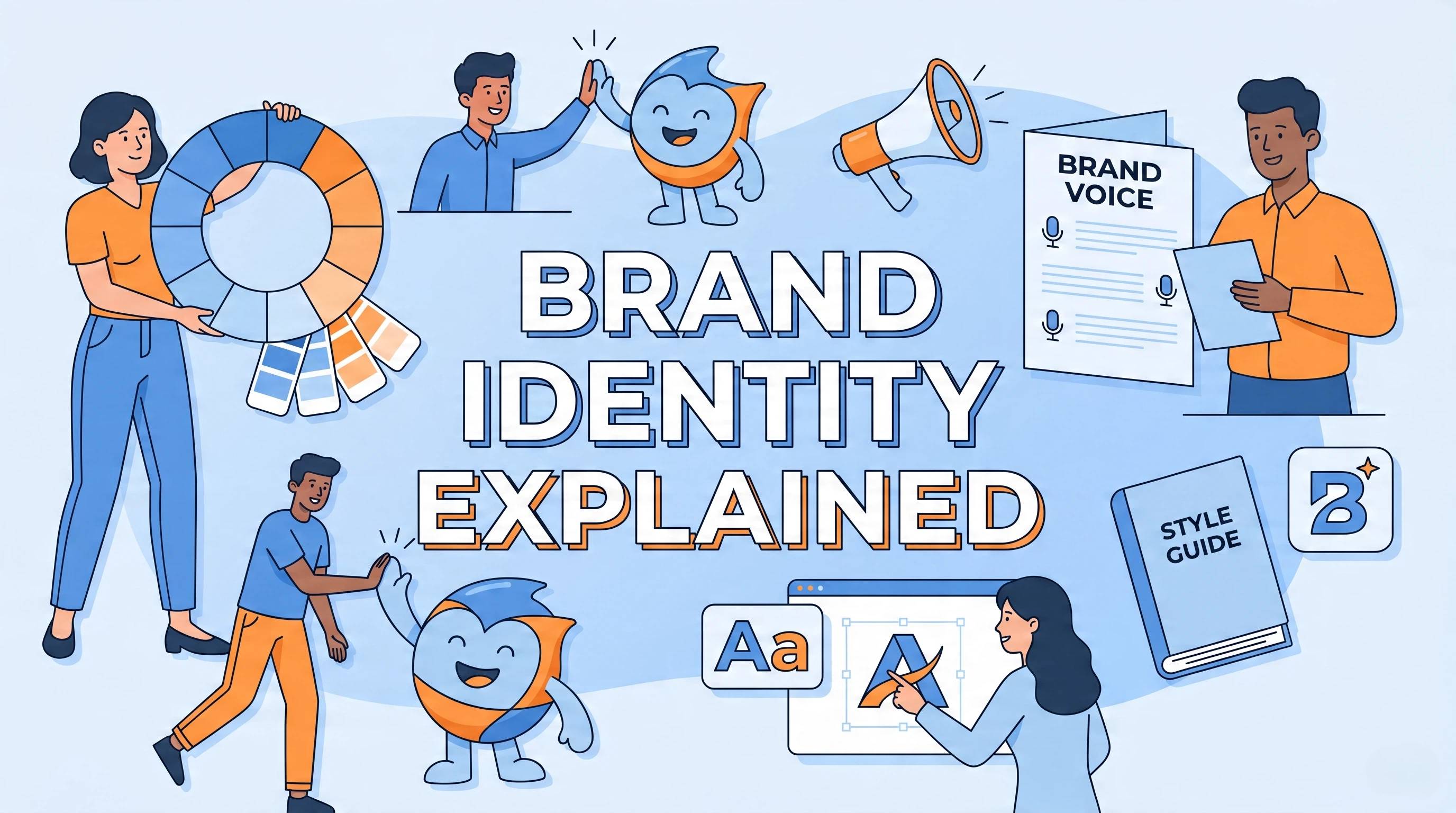
When you have a strong brand identity, people recognise, remember and trust your business at every customer touchpoint. Logos, colours, messaging, and product visuals all impact how your brand is perceived. In this guide, you will learn what brand identity is, why it matters, its essential elements, real-world examples, practical steps to build one, and how AI tools can help you maintain visual consistency at scale.
The definition of brand identity
Before you design a logo or choose a colour scheme, you need to know what brand identity is. Many companies think of branding as visual design, but an effective identity is much more than that. It brings together the visual, verbal, and emotional elements of what your business is all about, allowing customers to identify your brand and what it represents.
What is brand identity in marketing?
It is the consistent way a business presents itself across websites, social media, advertisements, packaging, emails, and product listings. Every visual and message should reinforce the same personality and values, creating a familiar experience for customers. A strong connection between brand identity and marketing improves recognition, builds trust, and makes every campaign more memorable.
Why is brand identity important?
A strong brand identity enables businesses to build recognition and credibility and stand out from the competition. The more often customers are exposed to consistent visuals and messaging, the more familiar they become with the brand and the more likely they are to trust it. Developing a brand identity also lays the groundwork for future expansion, as it becomes simpler to explore new marketing channels.
Brand identity vs brand image
Brand identity and brand image are not the same thing, although they sound similar. A business's brand identity is what it deliberately creates with its logo, typography, messaging, imagery, and other brand identity elements. Brand image is how customers really see the business, based on their experiences.
|
Brand identity |
Brand image |
|---|---|
|
Created by business |
Formed by customers |
|
Includes logos, colors, messaging, and visual assets |
Based on customer experiences and perceptions |
|
Represents how a business wants to be seen |
Reflects how people actually see the business |
Brand identity vs branding
Branding and brand identity are related, but not the same thing. Brand identity creation is the process of creating visual and verbal assets that define a business. Branding is the ongoing process of communicating those assets through marketing, customer experience, and advertising.
Brand identity elements every business needs
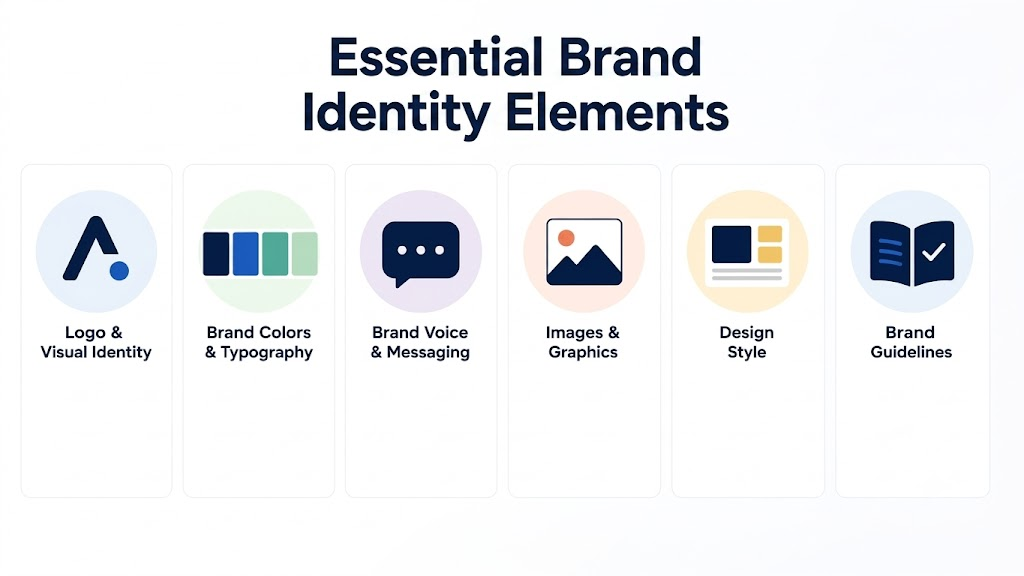
Your brand identity is not just one design element, but several interconnected elements. Logos tend to get the most attention, but they are just one cog in a larger system that impacts how your customers perceive your business. Understanding these elements of brand identity allows companies to create consistent experiences across websites, social media, e-commerce stores, and marketing campaigns.
Logo and visual identity
Your logo is often the first thing customers notice, making it a key part of your brand identity. Combined with icons, layouts, and other visual assets, it creates a recognizable look that reflects your business values. An effective logo should be simple, memorable, and adaptable across websites, product packaging, advertisements, and digital platforms to support long-term brand recognition.
Brand colors and typography
Colours and fonts influence how a customer views your business, even before they see your content. Select a consistent colour palette and typography to reinforce recognition and help with graphic design for brand identity across all marketing channels. Whatever the visual choices made on your product listings, websites or social media, they have to be consistent to strengthen your company's personality.
Brand voice and messaging
A brand's personality is expressed through words as well as visuals. Keep your tone of voice, messaging and communication style consistent across your ads, emails, social posts and customer support. Clear messaging helps customers understand your values, making your company identity relatable and memorable over time.
Images, graphics, and design style
Photography, illustrations, graphics, and layouts all contribute to how customers recognize your business. Using a consistent visual style helps create professional marketing materials and supports brand identity creation across different platforms. Whether you're designing ecommerce listings or promotional campaigns, every image should align with your overall visual direction.
add image here
Brand guidelines and consistency
Brand guidelines bring together all elements of identity to document how logos, colour, typography, imagery and messaging should be used. They help designers, marketers, and content creators ensure consistency across the board, no matter the platform or campaign. These guidelines are essential for building a recognisable brand identity for your customers as your business grows.
How to build a brand identity
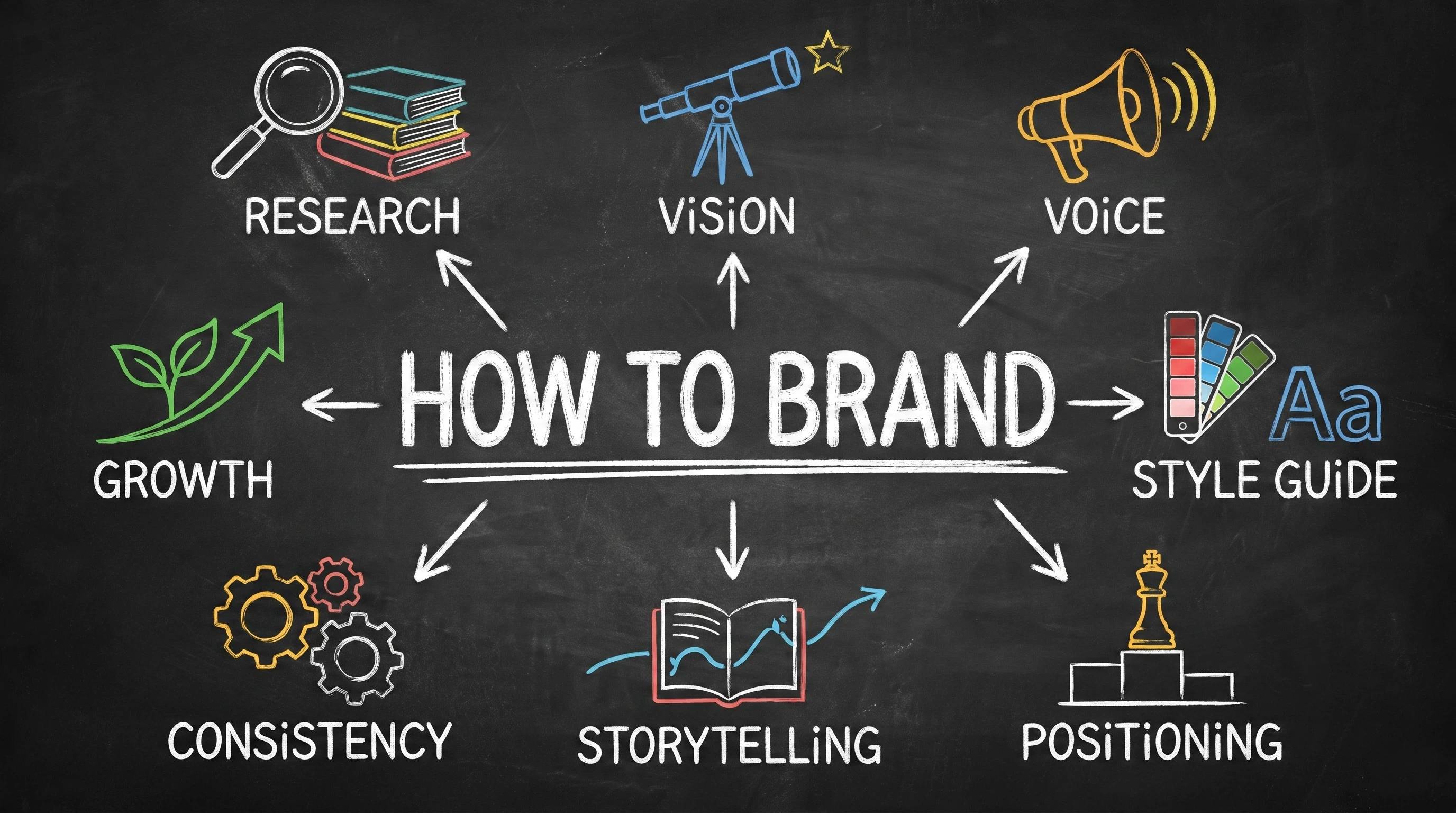
Knowing how to build a brand identity requires more than choosing attractive visuals. It involves understanding your business, defining how you want customers to perceive your brand, and applying that identity consistently across every touchpoint. Establishing a brand identity is an ongoing process that helps businesses create a memorable presence while supporting long-term brand identity development.
Define your brand's purpose and audience
The first step in creating a brand identity is understanding why your business exists and who it serves. Clearly defining your mission, values, and target audience provides direction for every design and marketing decision. Understanding your customers' needs makes it easier to develop an identity that feels authentic and resonates with the right audience.
Design your visual identity
Start creating the visuals that will represent your business, including your logo, colour palette, typography, icons, and photography style. All these elements should work together to create a look that is cohesive and recognisable to customers on both digital and physical channels. This business identity design ensures consistency across every platform.
Develop consistent messaging
A clear, recognisable voice is what should underpin visual consistency. Develop messaging guidelines that set your tone of voice, major brand messages, and style of communication for websites, social media, advertising, and customer communications. Consistent messaging creates brand identity and marketing, allowing customers to connect with your business whenever they see it.
Apply your brand identity across every channel
The final step is delivering your identity across every customer touchpoint. Keep your brand identity consistent across your website, ecommerce listings, product packaging, social media, email campaigns, and advertising materials. Regular monitoring of these elements will ensure that your brand identity remains consistent as your business grows and reaches new audiences.
add image here
Brand identity examples that stand out
One of the best ways to understand brand identity in practice is to look at successful, highly recognisable brands. Each company has its own personality, but the leaders are completely consistent with their visuals, messaging, and customer experience. These brand identity examples demonstrate how a clear identity builds recognition, strengthens trust, and fosters long-lasting customer connections.
Apple's minimalist brand identity
Apple is one of the most recognisable brands in the world, and for good reason: it's simple and consistent. Its simple logo, minimal product design, premium packaging, and straightforward messaging all scream innovation and quality. Whether customers walk into an Apple Store, browse its website, or purchase a new device, the visual style and brand personality are always reinforced.
Nike's bold and inspirational identity
Nike's identity extends beyond its iconic Swoosh logo. The bold typography, energetic visuals and inspirational "Just Do It" message make for a brand that inspires people to push their limits. This consistent approach is apparent in advertising campaigns, retail stores, social media, and product packaging, making Nike instantly recognisable across the world.
Coca-Cola's consistent visual identity
Coca-Cola is a great example of how consistency can build a brand that lasts for generations. It is recognisable by its signature red colour, distinctive script logo and familiar packaging, and has adapted to changing trends. Coca-Cola keeps these essential aspects of brand identity to gain trust and recognition in global markets.
Airbnb's community-focused identity
Airbnb has built up a welcoming brand around belonging and experiences. Its inviting colour palette, authentic photography and conversational messaging reflect the company's mission of helping people feel at home anywhere with its simple logo. It's the same identity that fuels its digital platform but also creates an emotional connection for both travellers and hosts.
add image here
Creating a brand identity is one step, but maintaining consistent visuals across product listings, marketing campaigns, and ecommerce platforms can become challenging as your business grows. AI-powered design tools can help streamline this process while keeping branding consistent.
Create brand-consistent marketing assets with Designkit
Once your brand identity is established, the next challenge is how to consistently apply it to all the content you create. When ecommerce businesses need product images, lifestyle visuals, promotional graphics, and marketing videos for multiple platforms, it can be difficult to maintain consistency manually. Designkit streamlines this creative workflow by producing branded ecommerce assets from a single product upload, while supporting your existing brand guidelines, rather than replacing them.
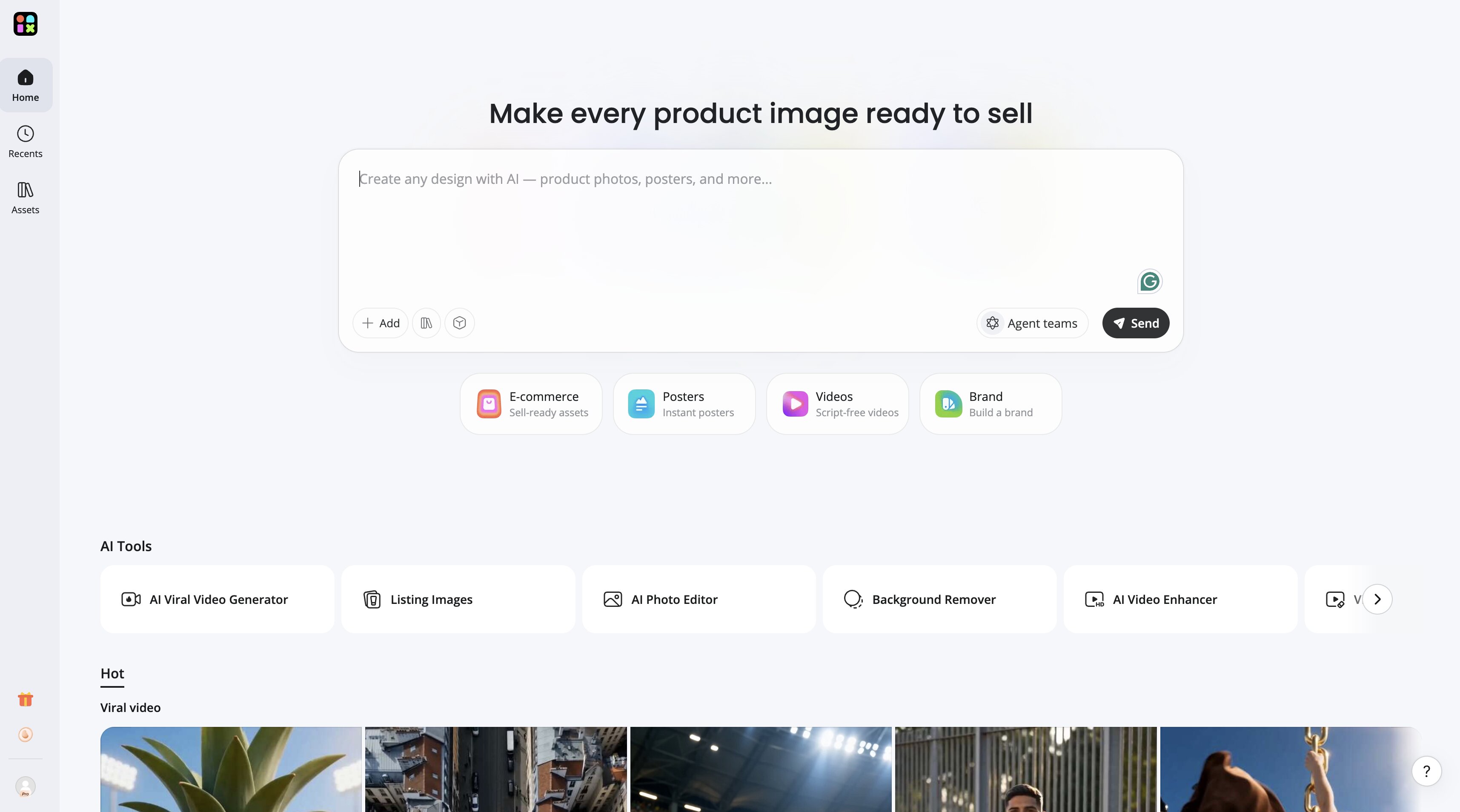
How to create branded ecommerce assets with Designkit
Step 1: Upload your brand information
Start by uploading your brand assets and information to Designkit. The platform will analyse your brand and use it as a base to create multiple marketing content pieces so you can maintain a consistent visual style across different marketing materials.
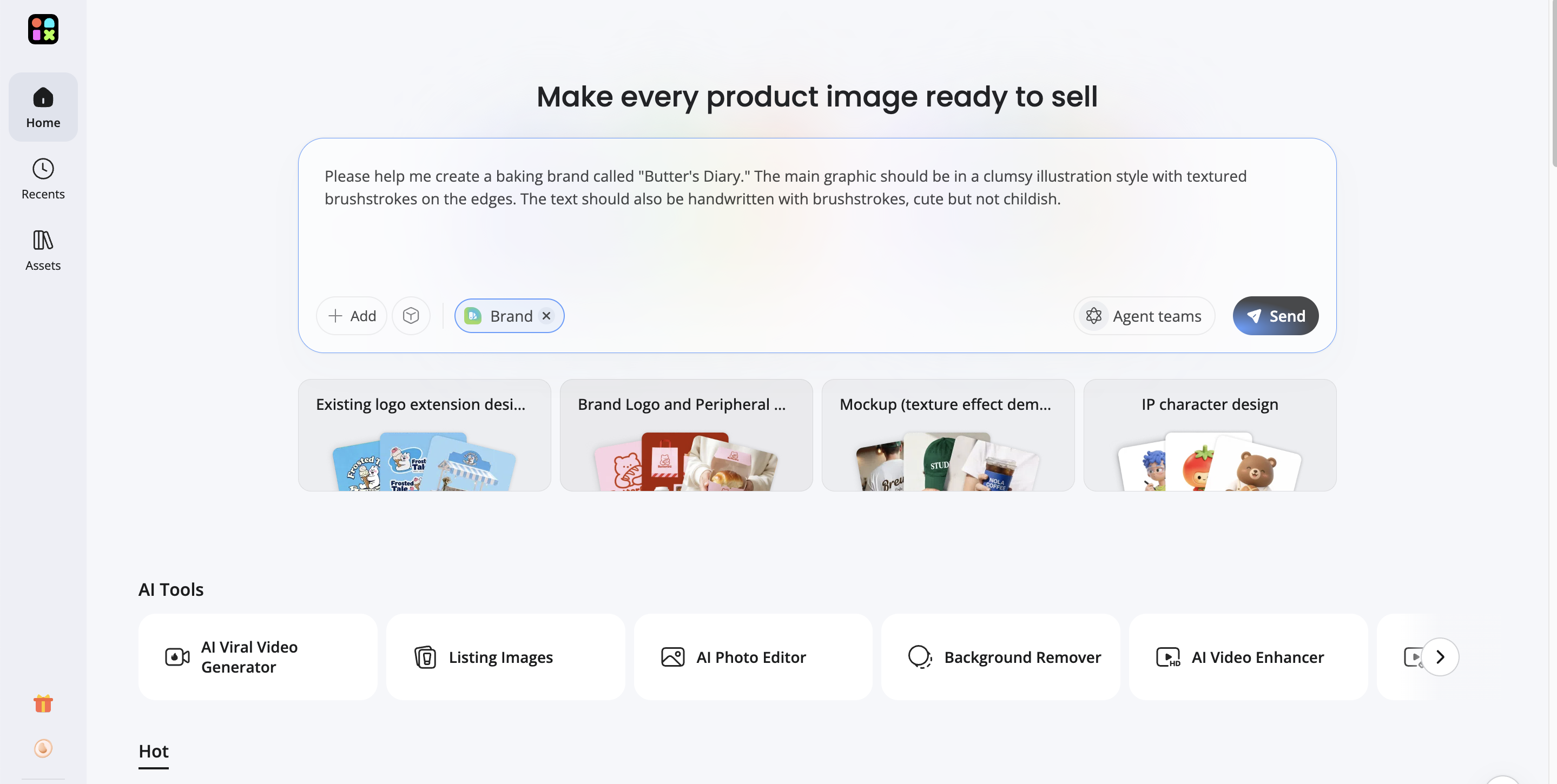
Step 2: Generate branded creatives with AI
Choose the types of creatives you need, from product images and lifestyle scenes to marketing videos and promotional visuals. Designkit generates assets that align with your preferred visual direction, making it easier to support ongoing brand identity creation across ecommerce channels.
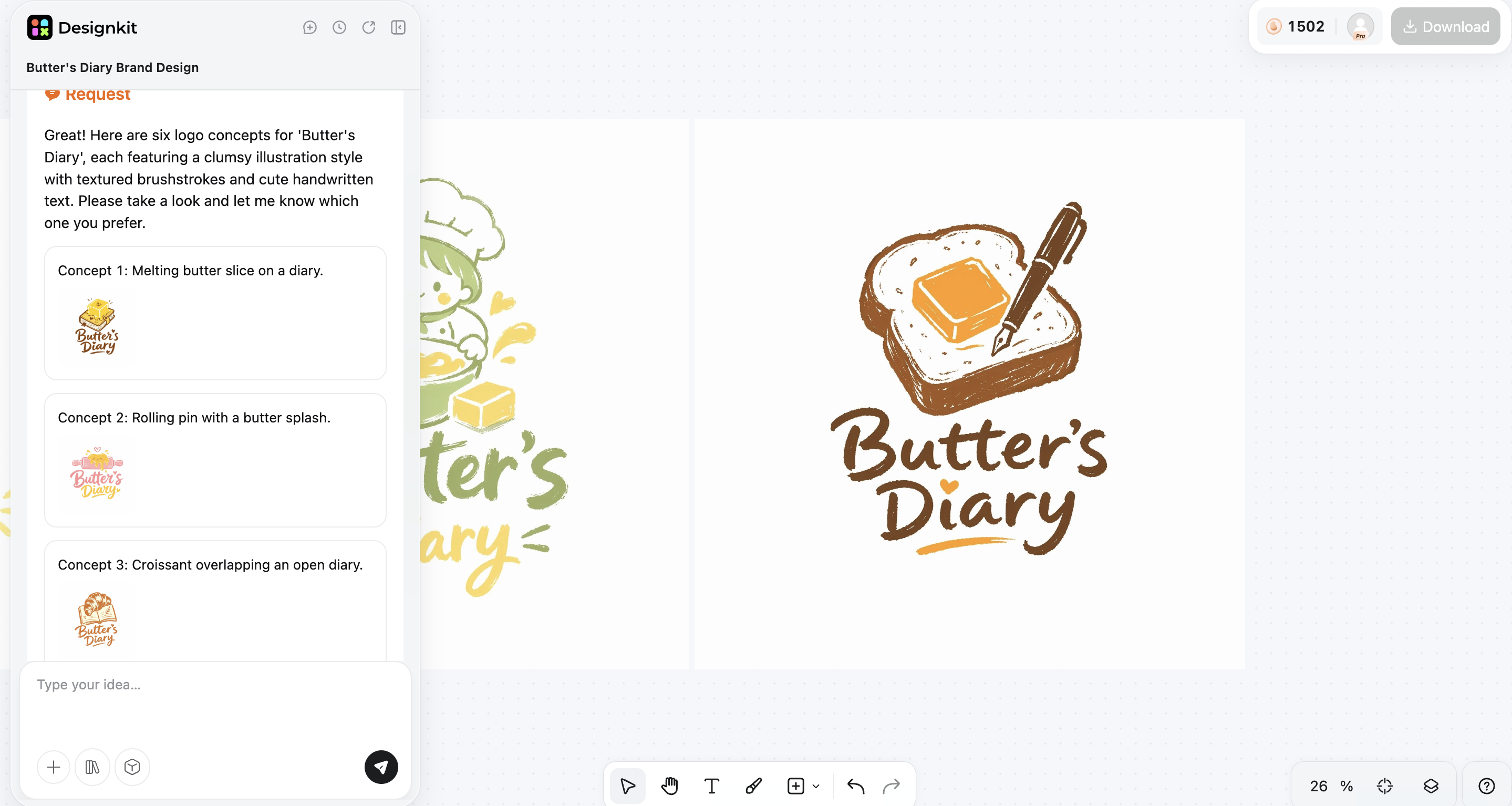
Step 3: Export assets for every sales channel
Preview your creatives before exporting to marketplaces, online stores, websites, and social media. Having unified assets ready for different platforms enables companies to develop their brand identity and reduce the time spent on redundant design work.
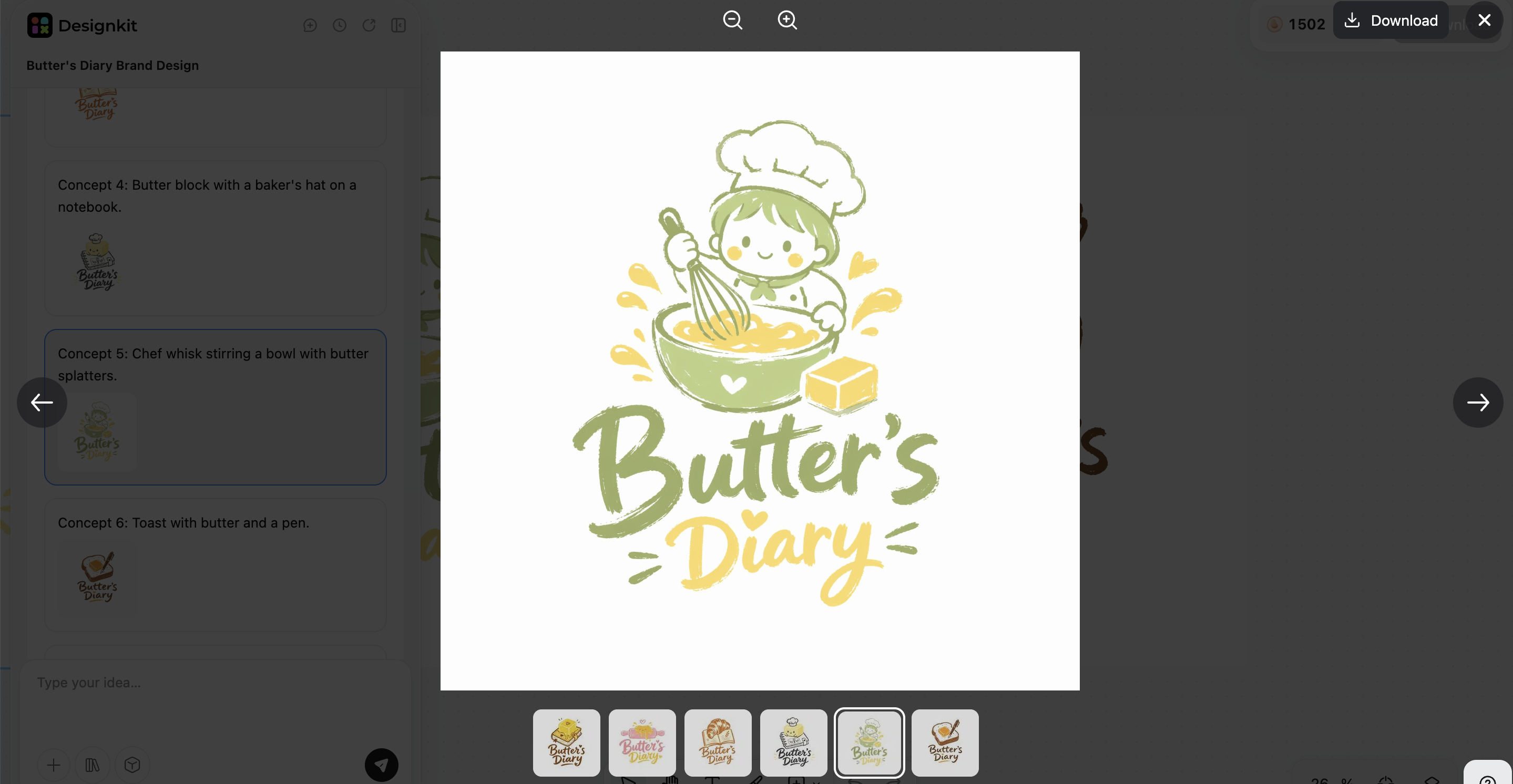
Capabilities of Designkit for brand identity creation
Maintaining a consistent visual identity becomes easier when your creative tools support the same branding across every asset. Designkit offers features designed specifically for ecommerce businesses that want to scale content production while keeping their branding consistent.
-
Generate brand-consistent product visuals from a single upload.
-
Create lifestyle scene images that match your visual identity.
-
Produce ecommerce marketing videos with AI.
-
Virtual try on for apparel and accessories.
-
Batch generate multiple creative variations for A/B testing.
-
AI background replacement, enhancement, and editing for marketplace listings.
-
Maintain visual consistency across ecommerce platforms and campaigns.
Final thoughts
The first step to building a business that your customers recognise and trust is understanding what brand identity is. When visuals, messaging, and customer experiences are consistent at every touchpoint, they create a strong identity that resonates with your audience. As your business grows, maintaining that consistency becomes just as important as creating it. With the right strategy and tools, you can increase your brand presence while more efficiently creating high-quality marketing assets. Designkit enables ecommerce businesses to simplify creative production and deliver branded content that supports your identity across multiple sales channels.
Frequently Asked Questions
What is brand identity design?
What is brand identity in marketing?
It is how a business consistently presents itself across advertising, social media, websites, emails, and other marketing channels. A unified identity helps customers recognize your brand, strengthens trust, and supports more effective marketing campaigns.
What are the main brand identity elements?
The main brand identity elements include your logo, color palette, typography, imagery, brand voice, messaging, and design guidelines. Each element contributes to a consistent brand experience across online and offline channels. Together, they help customers easily recognize and remember your business.
How do you create a strong brand identity?
Creating a brand identity starts with defining your business purpose, target audience, and brand values. Next, develop consistent visuals and messaging that reflect your personality and apply them across every customer touchpoint. Regularly reviewing your branding helps maintain consistency as your business grows.
What is the difference between brand identity and brand image?
Brand identity is what a business intentionally creates through its design, messaging, and visual assets. Brand image is how customers actually perceive the business based on their experiences and interactions. The goal is to keep both aligned through consistent branding and positive customer experiences.
Why is brand identity important for small businesses?
A strong brand identity helps small businesses stand out in competitive markets and build customer trust. Consistent branding creates a professional image and makes marketing efforts more recognizable. It also supports long-term growth by strengthening customer loyalty and brand awareness.
What are some successful brand identity examples?
Well-known brand identity examples include Apple, Nike, Coca-Cola, and Airbnb. Each brand maintains consistent visuals, messaging, and customer experiences across every platform. Their recognizable identities help build trust and keep them memorable in competitive markets.
How can AI help with brand identity creation?
AI supports brand identity creation by generating consistent product images, marketing visuals, and promotional content more efficiently. It helps businesses maintain visual consistency while scaling creative production across multiple channels. Tools like Designkit make it easier to create branded ecommerce assets without compromising your existing identity.
You May Also Like

Local Business Marketing: Ideas, Priorities and Ways to Get Local Customers

Social Media Audit: How to Review Performance and Find What Works

Social Media Content Planner: Plan & Schedule Posts

How to Build a Personal Brand: A Strategic Guide

How to Create a YouTube Channel for Your Business in 2026
Amazon Individual vs Professional Selling Plan

How to Create an Amazon Seller Account: Requirements and Steps
Amazon Product Video Requirements: Specs & Upload
Amazon Brand Registry Requirements: Trademark, Account & Cost

Amazon Global Selling: How to Open Multiple Marketplaces
How to Make an Event on Facebook: Complete Setup Guide (2026)
Amazon Sponsored Brands: What They Are and When to Use Them

Amazon Sponsored Products: How to Launch Your First Campaign

Amazon Vine Program for Sellers: Get Early Product Reviews
Amazon A+ Content Dimensions: Module Image Sizes
Print-On-Demand Designs: Create, Prepare, and Preview Your Work

Amazon A+ Content: What It Is and What to Build First
Is Print on Demand Profitable in 2026? Products and Niches
Amazon Brand Registry Application: How to Submit and Pass Review

How to Ship to Amazon FBA: Your First Shipment
What Is Amazon FBA? Should Beginners Use It in 2026

How to Get Ungated on Amazon: Restricted Category Approval Steps
Amazon Backend Keywords: Title, Bullets & Search Terms

What Is A/B Testing? A Practical Guide to Running Better Experiments

Best Time to Post on Instagram in 2026: Data & Tips
How to Get Verified on Instagram: Complete Guide

TikTok Monetization in 2026: Requirements & Ways to Earn

Instagram Desktop Posting Guide: Upload Posts, Stories & Reels

YouTube Shorts Monetization Requirements & Rules 2026

How Much Does YouTube Pay Per View? 1K, 100K & 1M Views

How to Make Money on Snapchat: 7 Ways to Earn

How to Get More Followers on Instagram in 2026

Best Time to Post on TikTok in 2026 for More Views

How to Repost on Instagram in 2026: A Simple Guide

Multichannel Marketing Guide: Strategy, Tools & Examples
How to Create Digital Products That Sell in 2026

Cyber Monday Marketing Ideas & Strategies (2026 Guide)
Black Friday Marketing Ideas for Ecommerce Brands (2026)
Instagram Marketing Guide: Strategies, Tips & AI Tools in 2026
Influencer Marketing Guide: Strategy, Campaigns & Creator Tips
15 Best Things to Sell on Etsy in 2026 (Listing Tips Included)

WooCommerce vs Shopify 2026: Pricing, Features & Which Is Better

How to Sell on Facebook Marketplace: Beginner Guide (2026)
How to Use Pinterest for Business: Strategy, Tips & Growth Guide
How to Sell on Etsy in 2026: Setup, Listings & Growth Tips

What Is a Target Audience? Types, Examples & How to Find Yours

TikTok Marketing Guide 2026: Strategies, Ideas & AI Tools

Vibe Marketing Explained: Strategy, Examples & AI Tools
How to Sell on Depop: Beginner Guide to Getting Your First Sale
Online Advertising Guide: Types, Costs & Examples (2026)
Facebook Advertising Guide: Costs, Strategy & Tools 2026

What Are E-commerce Ads? Examples, Strategy & Tools (2026)
Where to Sell Handmade Items Online (2026): Etsy, Amazon, or Shopify?
Shopify vs Amazon (2026): Brand Store or Marketplace FBA?
Amazon Handmade vs Etsy (2026): Which Is Better for Makers?
Etsy vs eBay (2026): Handmade, Vintage, or Secondhand?
Selling on Amazon vs eBay (2026): Fees, Profit & Where to Sell
What Is Brand Awareness? Examples, Strategies & Tools 2026

10 Best Online Selling Platforms (2026): Pick by What You Sell
Shopify vs Etsy (2026): Which Is Better for Handmade Sellers?

YouTube Automation Step-by-Step AI Guide for Beginners
What Is Brand Identity? Examples, Elements & Strategy

AI Marketing Agent: How It Works, Benefits & E-Commerce Examples
What Is Personalized Advertising? Examples & How It Works
How to Build a Shopify Store That Actually Converts Visitors

Amazon Marketing Guide 2026: Strategies, Tips & Tools
Local Advertising: Strategies, Examples & Tools (2026)
What Is Branded Content? Examples, Strategy & Tools 2026

What Is Performance Marketing? Strategies & Examples 2026
Inbound Marketing: Strategies, Examples & Tools (2026)
Build a Stronger Brand Identity with Consistent Visuals
A memorable brand identity goes beyond a logo. Consistent product images, marketing assets, and messaging help businesses build trust and recognition across every customer touchpoint. Designkit makes it easier to create and maintain branded ecommerce content at scale.