
Online Advertising Guide: Types, Costs, and Best Practices
Online advertising helps businesses reach the right audience across search, social, display, video, and shopping channels. In this guide, you will learn how online ads work, what they cost, which formats fit each goal, and how to launch campaigns more effectively.

Online advertising enables businesses to target specific audiences through paid digital channels. The secret to success is selecting the right platforms, establishing clear goals, measuring performance and continuously optimising your strategy. In this guide, we'll break down how digital campaigns work, common ad formats, what they usually cost, and best practices for driving real growth for your business.
What is online advertising?
Online advertising is the practice of paying to promote products, services, or brands across digital platforms such as search engines, social media, websites, and marketplaces. Unlike traditional advertising, online campaigns can target specific audiences, have flexible budgets, and allow for real-time performance tracking.
How online advertising works
Most advertising platforms use automated auctions to decide which ads to show to a given audience. Advertisers choose a campaign objective, target an audience, set a budget and upload creative assets. It then determines where and when an online ad will be shown based on the bid amount, ad quality, and expected engagement.
Online advertising vs organic promotion
Organic promotion is based on SEO, content marketing, email campaigns and social media posts to gain visibility over the long term. The difference between organic promotion and online advertising is that with online advertising, you pay for placements to be able to reach your audience fast. In addition to paid and organic marketing, many businesses also supplement their efforts with free online advertising like business listings and community forums.
Why businesses invest in online ads
Businesses invest in online ads because they can target their audience accurately, be flexible with their budget, and measure results. Campaigns generate brand awareness, traffic, lead generation and sales. There are a number of key benefits to online advertising, including scalability, the ability to track performance in real time and the ability to improve results through testing and optimisation.
Types of online advertising and where each works best
Each campaign has different requirements for ad formats. The best choice will depend on your marketing goals, your audience behaviour, and your budget. Knowing the main types of online advertising helps companies to select the right channels, improve campaign performance, and spend money where customers are most likely to engage and convert.
|
Ad Type |
Where It Runs |
Best For |
|---|---|---|
|
Search Ads |
Google / Bing search results |
Capturing high-intent demand |
|
Social Media Ads |
Meta, TikTok, LinkedIn, Pinterest, X |
Demand generation, awareness, lead capture |
|
Display Ads |
Websites, apps, ad networks |
Awareness, retargeting, brand recall |
|
Video Ads |
YouTube, social feeds, OTT/streaming |
Storytelling, product demos, attention |
|
Shopping & Marketplace Ads |
Google Shopping, Amazon, marketplaces |
Product-led ecommerce conversion |
Online advertising costs and pricing models
There is no fixed cost for online advertising because pricing varies across platforms, industries, competition levels, and campaign objectives. Understanding how common pricing models work helps businesses set realistic budgets, compare channels effectively, and choose campaigns that align with their marketing goals and expected return on investment.
|
Pricing Model |
What It Means |
Common Use Case |
|---|---|---|
|
CPC |
You pay when someone clicks |
Search ads, some social and shopping ads |
|
CPM |
You pay per 1,000 impressions |
Display, awareness, some social and video |
|
CPA / CPL |
You pay for a desired action or lead |
Lead generation and conversion-focused campaigns |
|
CPV |
You pay for a video view |
YouTube and video advertising |
What affects online advertising costs
The cost of advertising varies based on a number of factors, including your industry, competition for your audience, geographical targeting, bidding strategy, and campaign objective. The more competitive the keywords are, the higher the bids tend to be, but well-optimized ads with high relevance scores tend to get better placements at lower costs. Raising creative quality and landing page experience can also decrease total campaign expenses.
How to set a realistic starting budget
Begin with a testing budget that gives each campaign enough data to measure performance accurately. Instead of dividing your budget across too many channels, focus on one or two platforms where your audience is most active. Review performance regularly, identify the highest-performing campaigns, and gradually increase spending on strategies that consistently deliver positive results.
How to launch an online advertising campaign
To run a successful campaign, you need to do more than just pick a platform and run an ad. Clear goals, effective creative, accurate tracking, and continuous optimisation all combine to deliver superior performance. Having a structured process can help businesses reduce wasted spend and improve conversions and long-term campaign efficiency.
Set a clear goal and primary KPI
Before you start creating any campaign, determine what your main goal is. Perhaps you want to increase brand awareness, drive website traffic, generate qualified leads, or boost online sales. Once you've set your goal, pick one key performance indicator such as click-through rate, conversion rate, cost per acquisition or return on ad spend so you can measure success consistently.
Choose the right platform and ad type
Choose a platform to suit your campaign objective. Search ads attract high-intent customers, social media builds awareness, display ads can be used for retargeting, and shopping ads can help drive ecommerce sales. The right channel gets you to the right audience at the right stage.
Build the ad creative and landing experience
Strong campaigns rely on consistent messaging. Your headline, visuals, call to action, and landing page should reinforce the same offer, creating a seamless experience that builds trust and improves conversions for your online business advertising.
Track, test, and optimize over time
Regularly monitor the performance of your campaigns and test different creatives, audiences and bidding strategies. Use the results to refine targeting, adjust budgets, and improve future campaigns based on data, not assumptions.
Online advertising examples that convert
Looking at successful online advertising examples can help businesses see the different formats to achieve different goals. The most successful campaigns are those that align the message with the audience and platform, and have a clear value proposition that inspires users to take action, not just scroll past the ad.
The high-intent search ad
A search ad is aimed at users who are already looking for a particular product or service. And by combining relevant keywords with compelling headlines and clear calls to action, businesses can capture demand at the point of maximum purchase intent. These campaigns can have very high conversion rates as they meet the immediate needs of the customer.
The social video ad
Short-form videos on social media platforms attract attention quickly by combining engaging visuals with concise messaging. This approach works particularly well for product launches, tutorials, and lifestyle content that feels natural within users' feeds. Online video advertising is especially effective for introducing products to audiences who may not have been actively searching but are open to discovering new brands.

The retargeting display ad
Retargeting campaigns are used to re-engage visitors who have previously viewed products or browsed your site but have not made a purchase. Personalised messaging, limited-time offers, or customer testimonials can get users back and converting. These campaigns are often some of the most cost-effective because they target people who have already shown interest in their business.
Create online ad creatives faster with Designkit
If you want to succeed in digital marketing today, you need a constant flow of new creatives ready for the platform. Designkit is an AI-powered online advertising maker to break the production bottleneck. It converts your photos into campaign-ready visuals and videos to test more variations, beat creative burnout and keep your campaigns profitable without waiting for a design agency.
How to build ad creatives with Designkit in 3 steps
Step 1: Upload your product or campaign assets
Upload your standard product images or creator photos into the Designkit workspace. No studio shots or complex design files are required.
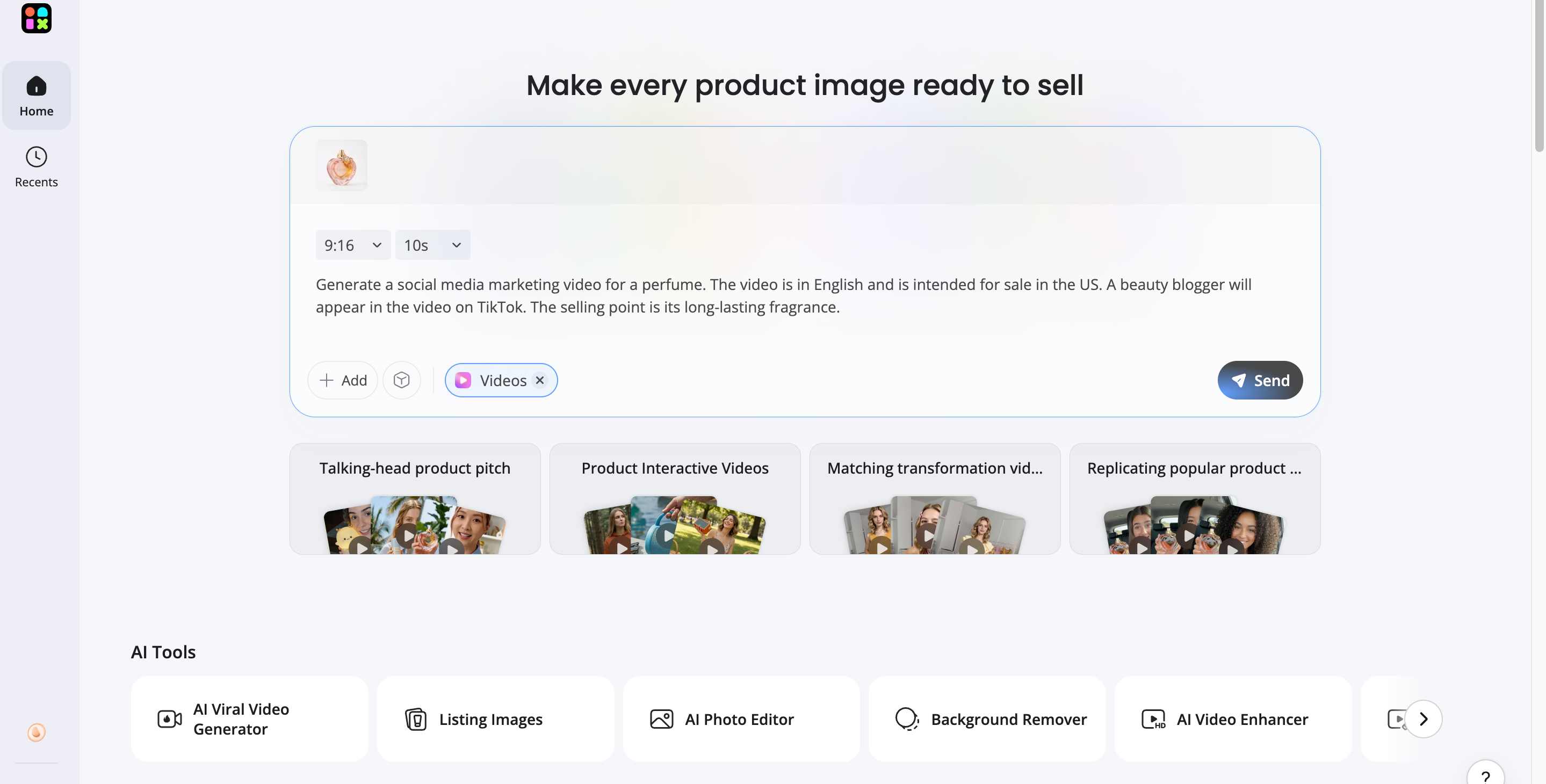
Step 2: Generate AI marketing creatives
Choose your ad format and add your key selling points. Let Designkit's AI generate multiple visual variations and video layouts tailored for your specific campaign.

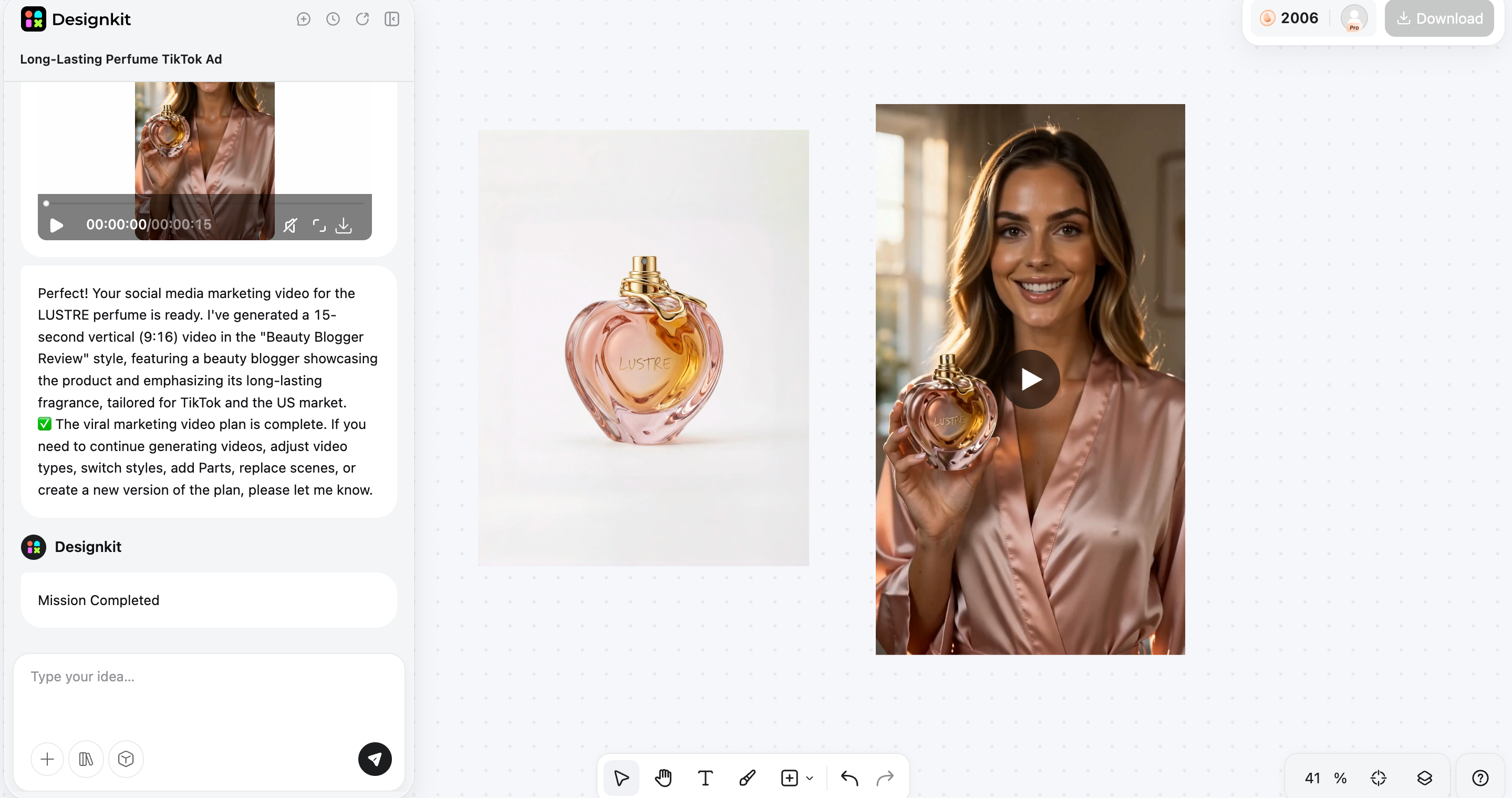
Step 3: Export and launch faster
Preview your creatives, make quick adjustments and export high-quality files, perfectly sized for Meta, TikTok, Google or your ecommerce site.
Key features of Designkit for ad creation
Designkit enables marketers to accelerate the production of high-quality advertising assets and minimise manual design effort. Its AI-powered tools enable you to produce creative efficiently and test campaigns across platforms.
-
AI-generated product images: Create professional product visuals for social media, display, and ecommerce advertising campaigns without the need for costly photoshoots.
-
Fast AI video creation: Generate short-form promotional videos quickly to support product launches, social campaigns, and online video advertising.
-
Platform-ready aspect ratios: Resize your creatives automatically for the biggest ad platforms. Get polished campaigns on social, display and ecommerce placements without editing.
-
Multiple creative variations: Produce several versions of the same ad to simplify A/B testing and identify top-performing creatives faster.
-
Simple editing tools: Rapidly customise text, layouts and visuals to cut production time while maintaining consistent brand recognition.
Common challenges in online advertising
Even with the right strategy, poorly planned campaigns can underperform. Grasping these common challenges will help businesses improve performance, reduce wasted ad spend, and get more consistent results.
Choosing the wrong channel or objective
Even with good creative, a campaign can underperform if the platform or objective doesn't align with the customer journey you are trying to influence.
Weak tracking and unclear KPIs
If you don't know what the most important thing to do is, or can't measure it well enough, then it's hard to know if an ad is really profitable.
Creative fatigue and slow testing cycles
Too long with the same visuals and ads are less effective. Teams that cannot make and test new creativity fast enough often stall before they find their best-performing angle.s
Final thoughts
The best results in online advertising come when all the pieces of your strategy work together. All these things- choosing the right platforms, setting realistic budgets, tracking meaningful metrics, and continuously testing creatives-lead to better campaign performance. Let data drive your decisions, not guesswork, and adjust your approach as you go. With constant optimisation and the right creative tools, businesses can develop scalable campaigns that bring in qualified customers and promote long-term success.
Frequently Asked Questions
How much does online advertising cost?
What is the best type of online advertising for a small business?
Search ads are perfect for capturing immediate demand, and social media ads can help you build awareness and engage new audiences. What you should do best depends on your goals, your target customers and your budget.
What is the difference between online advertising and organic marketing?
Online advertising uses paid placements to get to the audience faster. Organic marketing uses SEO, content, email and social media marketing to get visibility over time without paying for each impression or click.
How do I know if my online ads are working?
Track key performance indicators like click-through rate, conversion rate, cost per acquisition, return on ad spend, and overall sales or lead quality. These indicators are a way to see if campaigns are hitting the mark.
Which pricing model is best: CPC, CPM, or CPA?
Which one is right depends on your campaign goals. CPC is good for driving traffic, CPM is good for brand awareness, and CPA is often chosen for campaigns that are looking to generate leads or sales.
Why is online video advertising so effective?
Video uses visuals, sound, and storytelling to catch attention fast. It also displays products better than static images and is very effective in raising awareness and prompting consumer engagement.
What makes a strong online product advertisement?
High-quality visuals, a clear value proposition, compelling copy, competitive pricing, and a strong call to action are all elements of an effective product advertisement. It should also direct visitors to a landing page that provides a consistent experience.
You May Also Like
Local Business Marketing: Ideas, Priorities and Ways to Get Local Customers
Social Media Audit: How to Review Performance and Find What Works
Social Media Content Planner: Plan & Schedule Posts

How to Build a Personal Brand: A Strategic Guide
How to Create a YouTube Channel for Your Business in 2026
Amazon Individual vs Professional Selling Plan
How to Create an Amazon Seller Account: Requirements and Steps
Amazon Product Video Requirements: Specs & Upload
Amazon Brand Registry Requirements: Trademark, Account & Cost

Amazon Global Selling: How to Open Multiple Marketplaces

How to Make an Event on Facebook: Complete Setup Guide (2026)
Amazon Sponsored Brands: What They Are and When to Use Them
Amazon Sponsored Products: How to Launch Your First Campaign
Amazon Vine Program for Sellers: Get Early Product Reviews

Amazon A+ Content Dimensions: Module Image Sizes
Print-On-Demand Designs: Create, Prepare, and Preview Your Work

Amazon A+ Content: What It Is and What to Build First
Is Print on Demand Profitable in 2026? Products and Niches
Amazon Brand Registry Application: How to Submit and Pass Review
How to Ship to Amazon FBA: Your First Shipment
What Is Amazon FBA? Should Beginners Use It in 2026

How to Get Ungated on Amazon: Restricted Category Approval Steps
Amazon Backend Keywords: Title, Bullets & Search Terms
What Is A/B Testing? A Practical Guide to Running Better Experiments

Best Time to Post on Instagram in 2026: Data & Tips
How to Get Verified on Instagram: Complete Guide

TikTok Monetization in 2026: Requirements & Ways to Earn

Instagram Desktop Posting Guide: Upload Posts, Stories & Reels
YouTube Shorts Monetization Requirements & Rules 2026
How Much Does YouTube Pay Per View? 1K, 100K & 1M Views
How to Make Money on Snapchat: 7 Ways to Earn

How to Get More Followers on Instagram in 2026

Best Time to Post on TikTok in 2026 for More Views

How to Repost on Instagram in 2026: A Simple Guide
Multichannel Marketing Guide: Strategy, Tools & Examples
How to Create Digital Products That Sell in 2026
Cyber Monday Marketing Ideas & Strategies (2026 Guide)
Black Friday Marketing Ideas for Ecommerce Brands (2026)
Instagram Marketing Guide: Strategies, Tips & AI Tools in 2026
Influencer Marketing Guide: Strategy, Campaigns & Creator Tips

15 Best Things to Sell on Etsy in 2026 (Listing Tips Included)
WooCommerce vs Shopify 2026: Pricing, Features & Which Is Better
How to Sell on Facebook Marketplace: Beginner Guide (2026)
How to Use Pinterest for Business: Strategy, Tips & Growth Guide

How to Sell on Etsy in 2026: Setup, Listings & Growth Tips
What Is a Target Audience? Types, Examples & How to Find Yours
TikTok Marketing Guide 2026: Strategies, Ideas & AI Tools

Vibe Marketing Explained: Strategy, Examples & AI Tools
How to Sell on Depop: Beginner Guide to Getting Your First Sale
Online Advertising Guide: Types, Costs & Examples (2026)
Facebook Advertising Guide: Costs, Strategy & Tools 2026

What Are E-commerce Ads? Examples, Strategy & Tools (2026)
Where to Sell Handmade Items Online (2026): Etsy, Amazon, or Shopify?
Shopify vs Amazon (2026): Brand Store or Marketplace FBA?
Amazon Handmade vs Etsy (2026): Which Is Better for Makers?
Etsy vs eBay (2026): Handmade, Vintage, or Secondhand?
Selling on Amazon vs eBay (2026): Fees, Profit & Where to Sell

What Is Brand Awareness? Examples, Strategies & Tools 2026
10 Best Online Selling Platforms (2026): Pick by What You Sell
Shopify vs Etsy (2026): Which Is Better for Handmade Sellers?
YouTube Automation Step-by-Step AI Guide for Beginners
What Is Brand Identity? Examples, Elements & Strategy

AI Marketing Agent: How It Works, Benefits & E-Commerce Examples
What Is Personalized Advertising? Examples & How It Works
How to Build a Shopify Store That Actually Converts Visitors
Amazon Marketing Guide 2026: Strategies, Tips & Tools
Local Advertising: Strategies, Examples & Tools (2026)
What Is Branded Content? Examples, Strategy & Tools 2026
What Is Performance Marketing? Strategies & Examples 2026
Inbound Marketing: Strategies, Examples & Tools (2026)
Scale Your Reach with Proven Online Advertising
Effective online advertising connects your business with the people who need it most. With the right strategy and a powerful tool like Designkit to handle your creative heavy lifting, you can launch better campaigns and grow your brand faster.