
Best Products to Sell on Amazon in 2026: 10 Ideas for Beginners
Find the best products to sell on Amazon with practical research tips. Explore beginner-friendly product ideas, validate demand and margins, then turn strong offers into clearer listings.

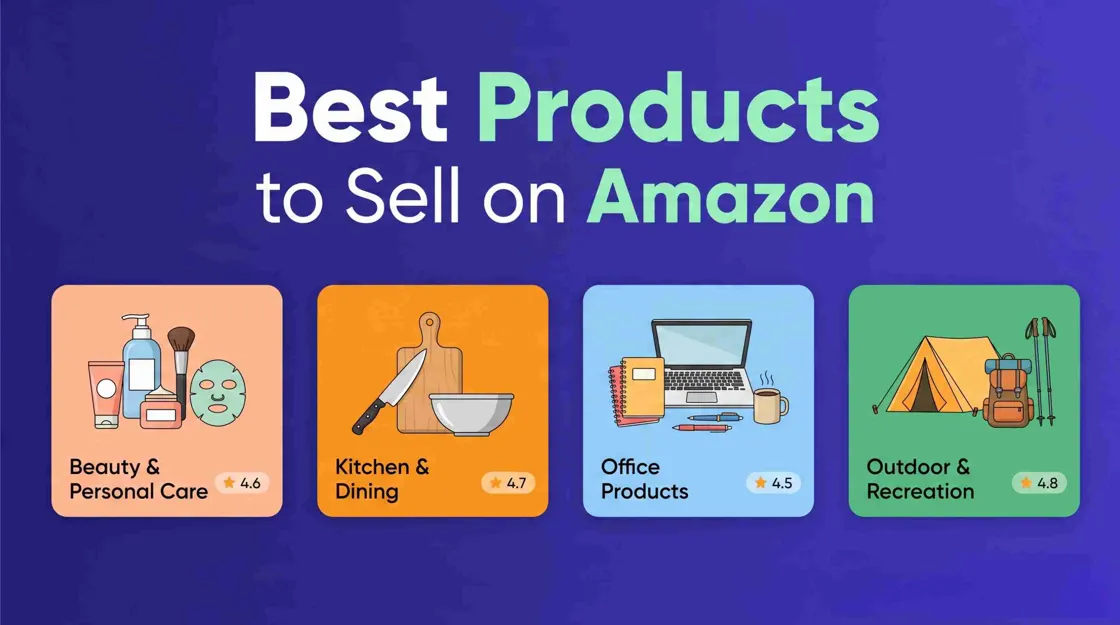
Choosing the right product is one of the biggest decisions for any Amazon seller. For beginners, the best products to sell are usually those with steady customer demand, manageable competition, reasonable sourcing costs, and straightforward fulfillment. In this guide, we'll explore 10 product ideas for beginners to consider selling on Amazon in 2026. You'll also learn how to evaluate demand, competition, profit potential, sourcing costs, and customer needs before investing in a product.
Key takeaways
-
Explore 10 Amazon product ideas that may suit beginner sellers
-
Look for products with steady demand and manageable competition
-
Choose products that are easy to source, store, ship, and explain
-
Review competitor listings and customer feedback to identify opportunities
-
Calculate sourcing costs, Amazon fees, fulfillment expenses, and advertising costs before investing
-
Use strong product images and listing creatives to communicate product benefits clearly
What makes a good product to sell on Amazon?
A good Amazon product is not simply an item with high sales volume. The strongest opportunities usually have clear customer demand, manageable competition, healthy profit potential, and room for improvement.
Solve a clear customer problem
Products with an obvious purpose are often easier to market because customers already understand their value. Look for products that solve a specific problem or make a common task easier. Customer complaints and unmet needs can also reveal opportunities for improvement.
Balance demand and competition
Demand indicates whether shoppers are interested in a product, while competition affects how difficult it may be to attract those shoppers. A good opportunity typically has enough demand to support sales without being dominated by established competitors.
Consider profit margins before investing
A high selling price does not automatically mean a product is profitable. Consider sourcing, shipping, Amazon fees, fulfillment, advertising, packaging, and potential returns when estimating your profit margin. Choose products that can remain profitable after these costs.
Choose products that are easy to demonstrate
Products that are easy to explain visually can have an advantage on Amazon. Clear features, visible benefits, demonstrations, and before-and-after comparisons can help shoppers understand the product and make purchasing decisions.
Look for opportunities to differentiate
You don't necessarily need to invent a completely new product. You can differentiate an existing product through better design, useful features, improved packaging, bundles, or by targeting a specific customer group.
10 Amazon product ideas worth researching in 2026
If you are new to Amazon, start with products that are relatively simple to understand, source, store, and ship. You should still validate demand, competition, costs, and category requirements before placing an order.
Home and kitchen products
-
Kitchen drawer organizers: Solves a common household problem and is easy for the customer to understand. Look for opportunities to stand out through size, material, modular designs, or multi-pack options.
-
Silicone cooking utensils: Silicone utensils are practical, reusable and quite easy to pack. Don't just compete on price. Think about sets, storage solutions, color options or specific cooking needs.
Office and school products
-
Desk organizers: Desk organization products can appeal to students, remote workers, and office users. Consider designs that combine storage functions without becoming bulky.
-
Cable management clips: These small accessories address a simple but common problem. Their compact size can make them easier to store and ship, although you should research existing competitors carefully.
Fitness and outdoor products
-
Resistance bands: Resistance bands are portable and can be used for home workouts, stretching and mobility work. You can differentiate your product with quality, durability, proper sizing & clear usage instructions.
-
Water bottle accessories: Accessories such as replacement straps, holders, cleaning tools, or protective components can target customers who already own reusable bottles.

Pet products
-
Pet grooming brushes: Grooming products have an obvious use case for pet owners. Focus on usability, comfortable handling, durability, and suitability for the intended type of pet.
-
Pet feeding mats: Feeding mats can help protect floors around food and water bowls. Materials, cleaning convenience, size, and non-slip performance are potential differentiation points.
Personal and lifestyle products
-
Travel toiletry organizers: Travel-sized organizers can be a hit with travelers who want to separate toiletries and personal items. Compartments, waterproof fabrics, and hanging styles are useful differentiators.
-
Reusable shopping bags: Reusable bags are lightweight and practical for everyday shopping. Stronger materials, foldable designs, storage pouches, or multipacks may provide opportunities to stand apart.
These are examples of things to sell on Amazon, not guaranteed winners. Product demand can change, so treat every idea as a starting point for research rather than an automatic investment decision.
Best Amazon product categories for beginners
Amazon has many categories with different levels of demand, competition, restrictions, and customer expectations. Instead of selecting a category simply because it is popular, research individual products and identify a specific customer problem you can solve.
Home, kitchen, and household products
Household products can be a source of opportunities, as customers are always looking for solutions to organization, cleaning, storage, cooking, and everyday convenience problems. Small, durable, easy-to-show products can be helpful for new sellers.
Beauty, personal care, and wellness products
Beauty and personal care can have strong customer demand and, for some products, repeat-purchase potential. However, sellers should closely review Amazon's current category, product, labeling, and compliance requirements before selling.
Pet, fitness, and lifestyle products
These categories serve specific customer needs. Grooming and feeding products for pet owners, organizational products for students and professionals, and fitness products for specific activities can provide opportunities for new sellers. Focusing on a particular customer group or use case can make it easier to differentiate.
Electronic accessories and tech products
Compact electronic accessories such as phone cases, charging cables, laptop stands, and device holders can be easier to store and ship than larger tech products. However, sellers should carefully evaluate compatibility, product quality, customer expectations, and return risks before choosing an electronics accessory.
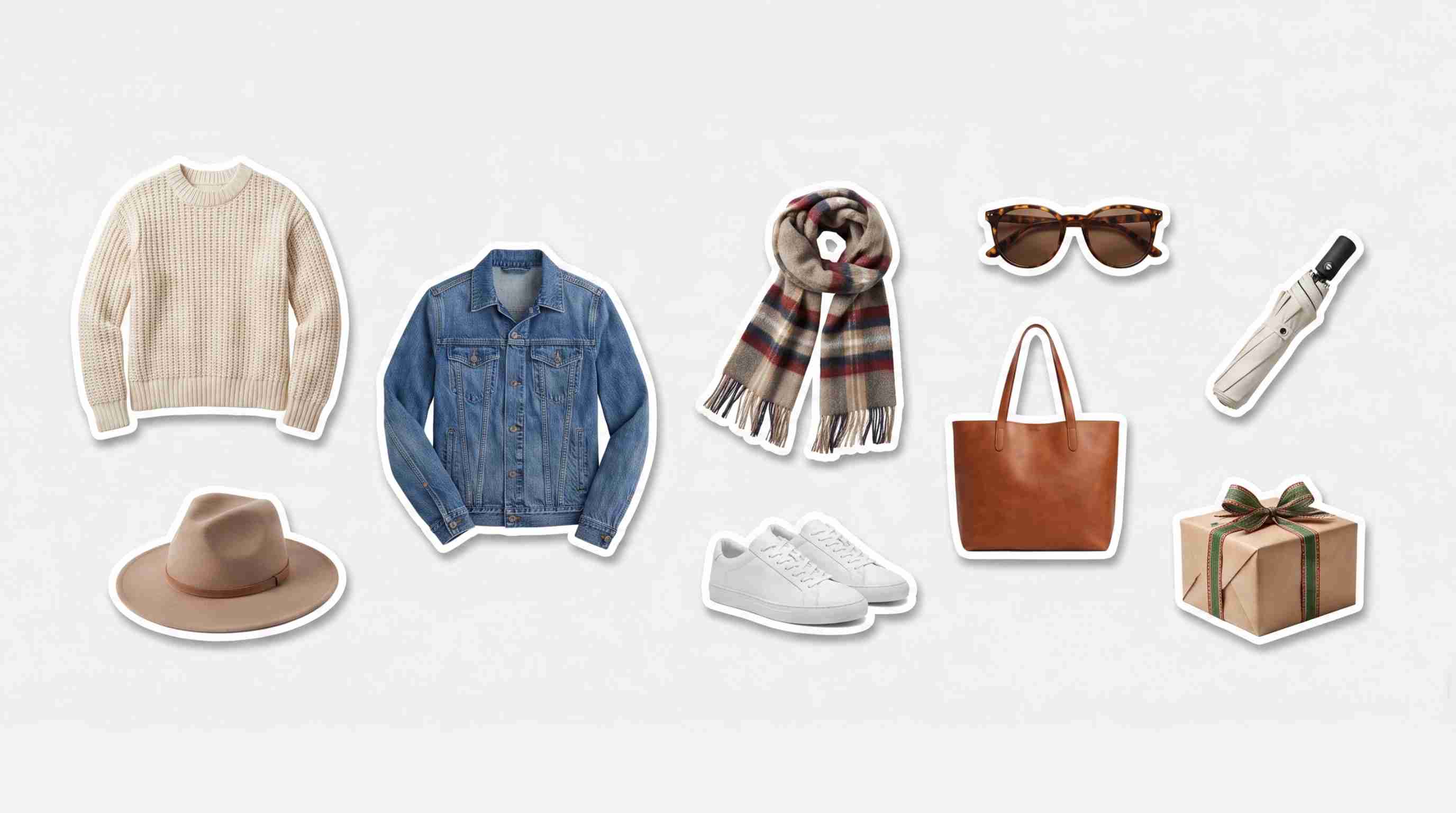
Clothing, accessories, and seasonal products
Fashion products can reach large audiences, but sizing, returns, seasonal demand, and changing trends can create challenges for new sellers. Carefully evaluate customer demand and competition, and look for a clear way to differentiate your products before entering a crowded segment.
Toys and games
Toys and games can have strong demand, but requirements can vary depending on the product and intended age group. New sellers should check applicable safety, testing, labeling, and Amazon requirements before sourcing products in this category.
How to find and validate products to sell on Amazon
Step 1: Identify customer needs
Look for products that solve a specific problem or make a common task easier. Customer complaints, recurring frustrations, and unmet needs can help you find useful product opportunities.
Step 2: Research demand
Check whether shoppers are actively searching for and buying similar products. Look for consistent interest rather than relying only on short-term trends.
Step 3: Analyze competition
Review competing products, prices, ratings, and listings to understand how crowded the market is. Look for areas where existing sellers may not fully meet customer expectations.
Step 4: Check customer reviews
Read positive and negative reviews of competing products to understand what customers like and dislike. Repeated complaints can reveal features or improvements worth considering.

Step 5: Calculate total costs and profit
Estimate sourcing, shipping, Amazon fees, fulfillment, advertising, packaging, and other expenses. Compare these costs with the expected selling price to determine whether the product can generate a reasonable profit.
Step 6: Evaluate differentiation opportunities
Consider how you could make the product more appealing than existing options. Improvements could include better features, design, packaging, bundles, or targeting a specific customer group.
Step 7: Validate the product before investing
Review your research and confirm that the product has sufficient demand, manageable competition, and realistic profit potential. Start with a small order or test where possible before committing significant money.
Mistakes to avoid when choosing products to sell on Amazon
A product may appear profitable at first but become difficult to sell when you overlook important risks. Before investing, evaluate competition, Amazon fees, shipping costs, product restrictions, and expected profit margins. You should also consider customer demand and how easily you can differentiate your product. Careful research can help you avoid costly inventory and weak product opportunities.
Choosing products only because they are trending
A product appearing among popular Amazon listings does not automatically make it a good opportunity. High demand can attract many experienced sellers, making it difficult for a new seller to compete. Look for a balance between customer demand and your ability to differentiate. Ask what you can improve instead of simply asking which product sells the most.
Ignoring product costs and profit margins
The selling price of a product is not equal to your actual profit. Calculate sourcing costs, Amazon fees, fulfillment, shipping, packaging, advertising, returns, and other operating expenses before you invest. A product that has a low buying price can still have a small profit margin after these costs. When you know all your expenses, you can make more realistic decisions about products.
Entering competitive markets without differentiation
Entering a market with many similar products can make it difficult to attract customers. Competing only by lowering your price can reduce your profit and make the business harder to sustain. Instead, identify ways to differentiate through product quality, useful bundles, improved design, packaging, or a specific target audience. A clear value proposition can give customers a stronger reason to choose your product.
Ordering too much inventory too early
If you're buying in bulk without knowing the demand, you can end up with unsold inventory and capital tied up. Before you place big orders, check out competitors, customer interest, supplier costs, and expected margins. Start with a small commitment to inventory to test the product and get real feedback from customers. Use the results to determine if it makes sense to increase inventory.
Create Amazon listings that turn product ideas into sales with Designkit
Designkit takes product information and existing photos and turns them into clear listing visuals that are focused on conversion for Amazon sellers. Even the best product can struggle to convert if its images don't clearly explain key features, benefits, or use cases. Designkit features an AI product listing image generator that can produce listing-ready visuals, and an AI photo editor to enhance product photos for a more polished presentation. Together, these tools can help you develop consistent visuals that make your product's value clearer.
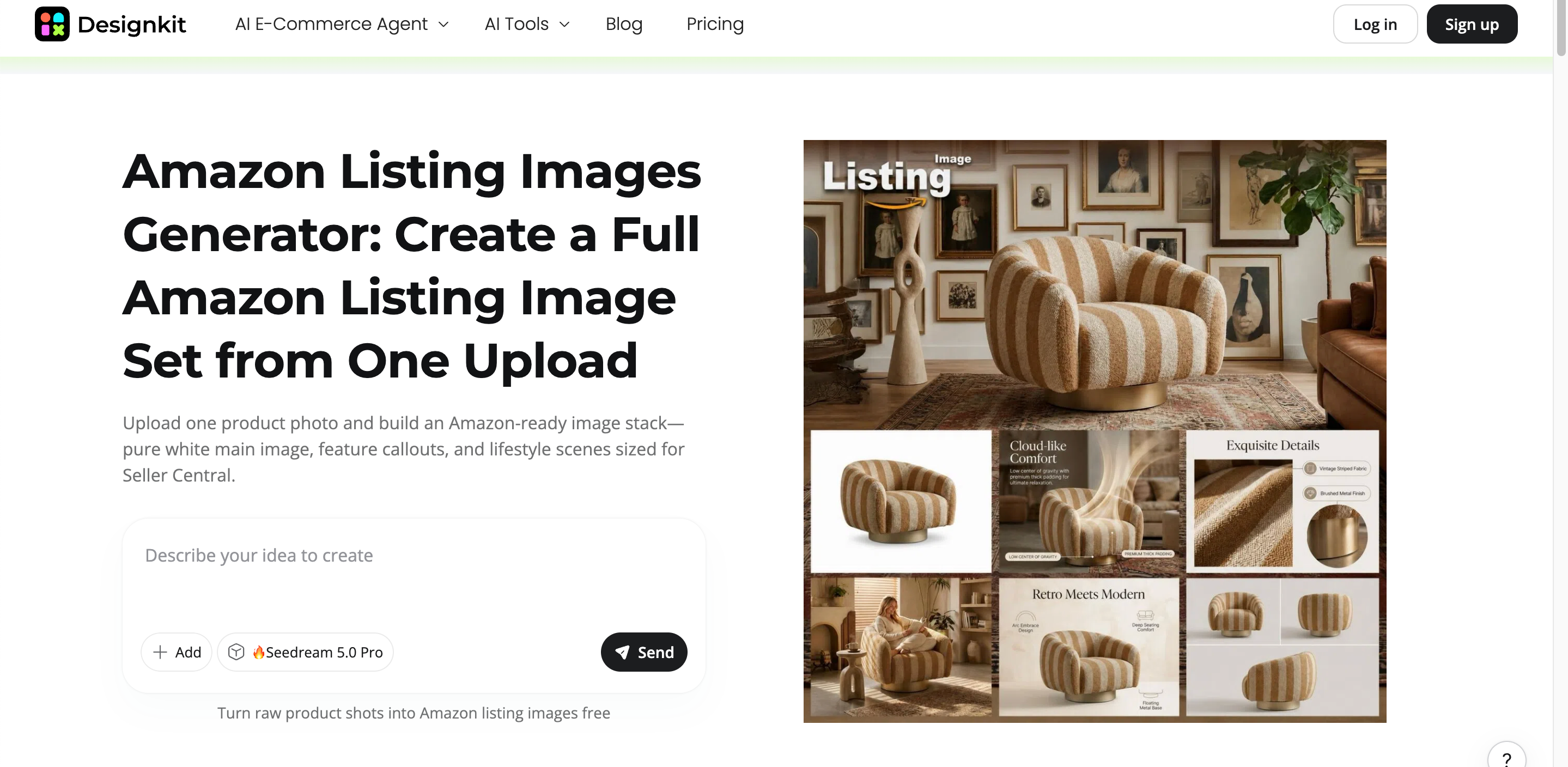
How to Create Amazon listing assets with Designkit
Step 1: Upload your product images
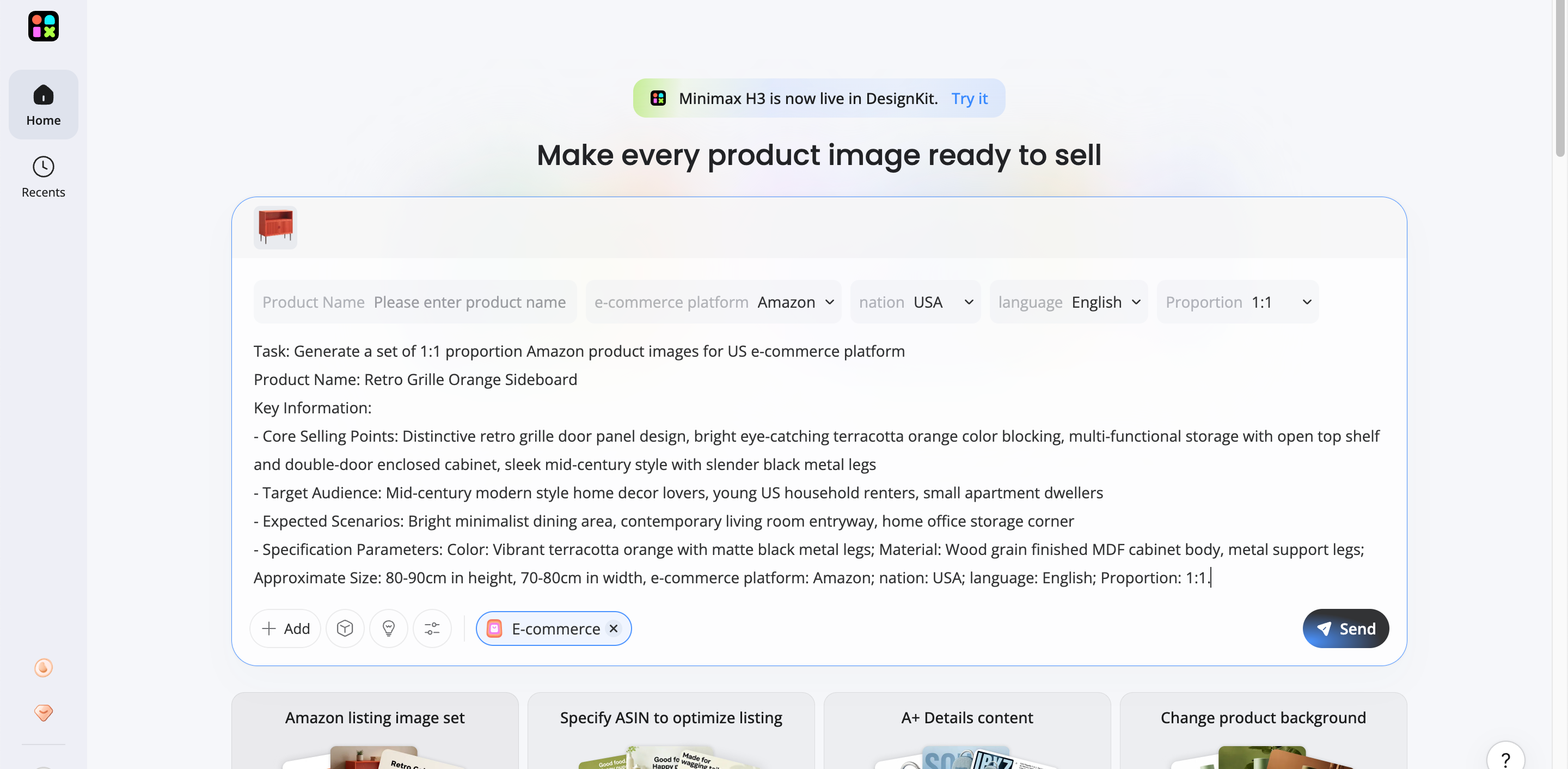
Open Designkit's AI product listing images generator and upload your existing product photos. Use clear images that show the product accurately from different angles. These images become the reference for creating your Amazon listing visuals.
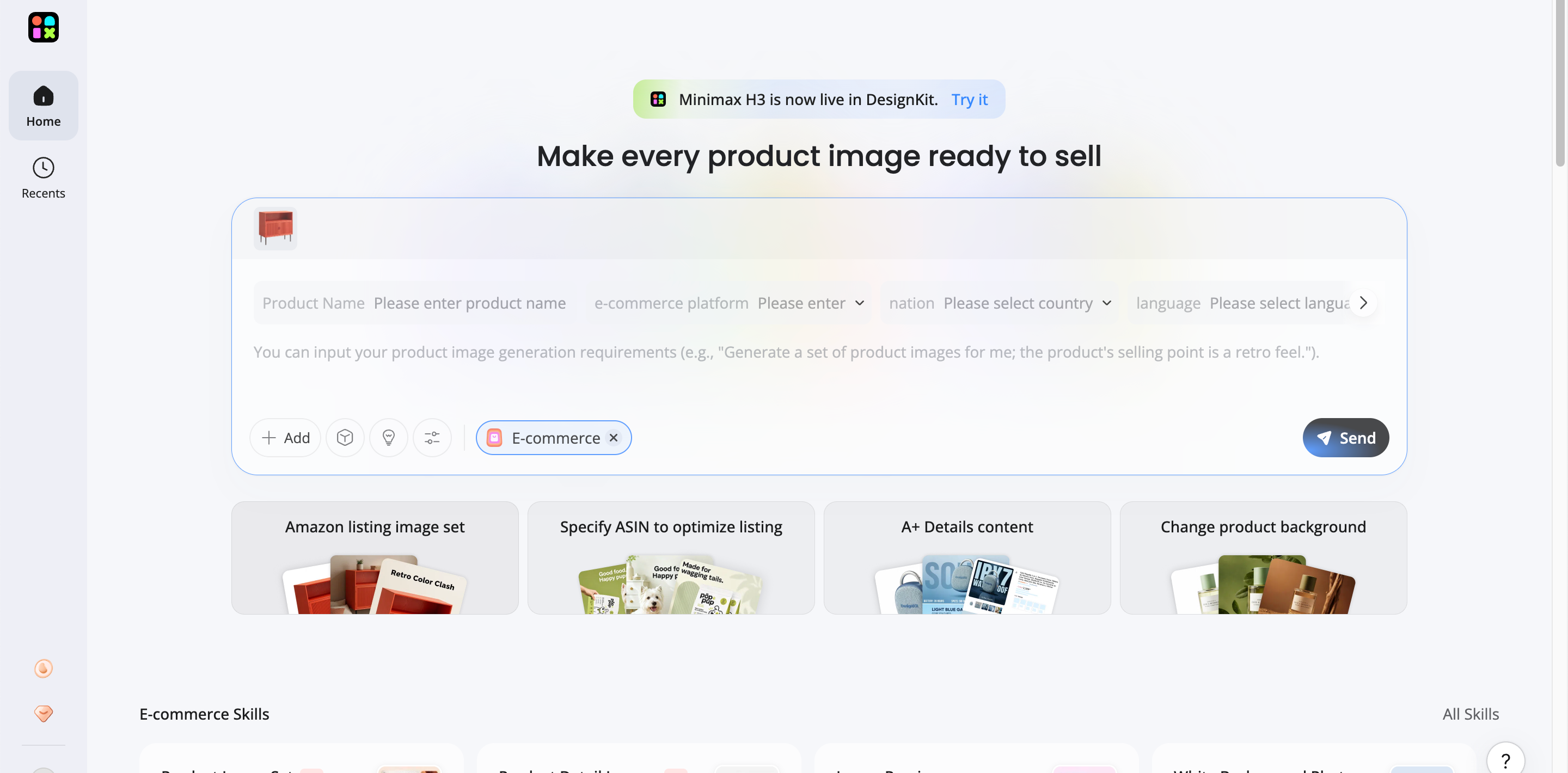
Step 2: Generate Amazon-ready listing images
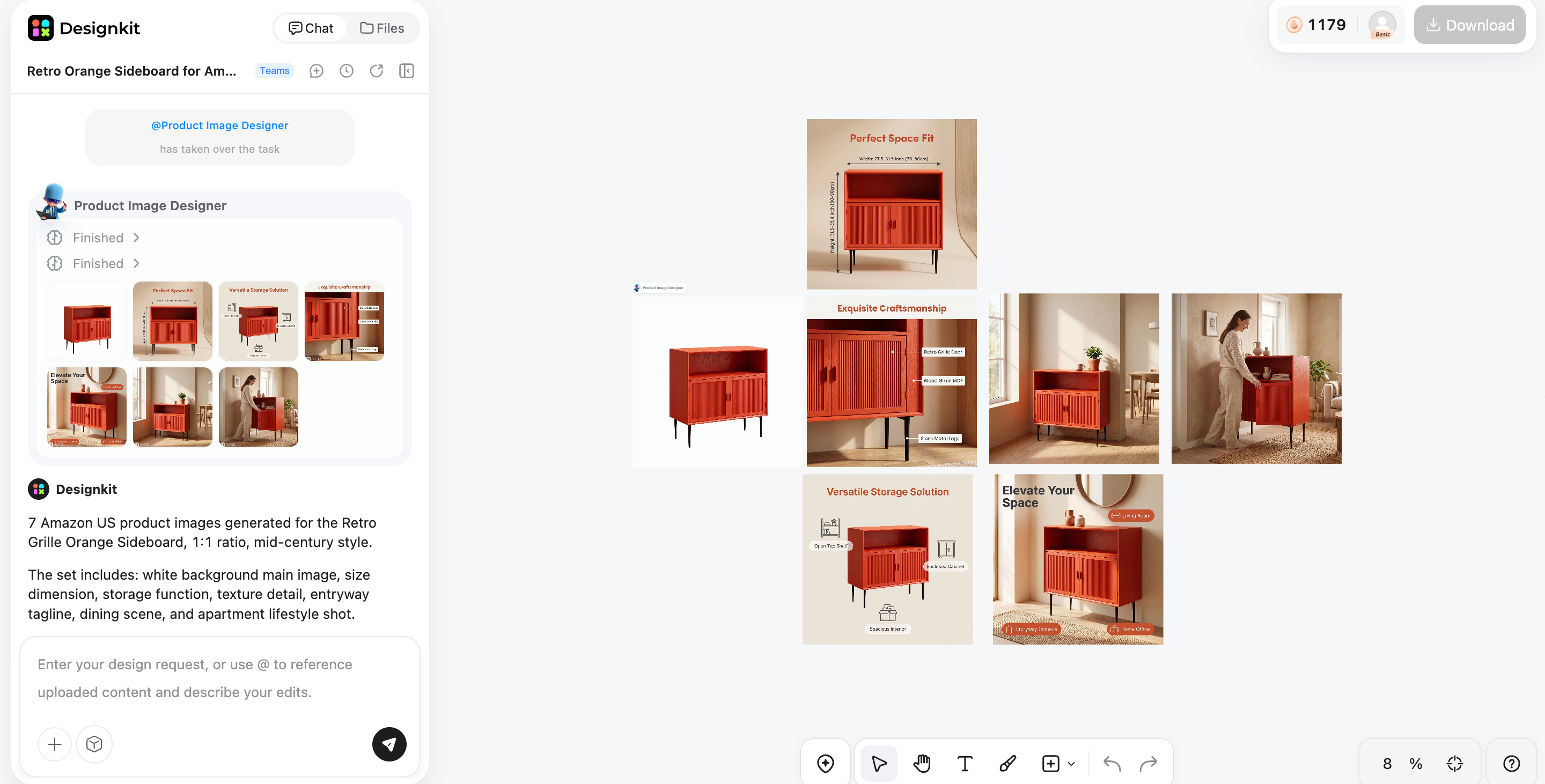
Select Amazon as your marketplace and describe your product, target customer, key features, and main selling points. Designkit can then generate a coordinated set of main, detail, feature, and lifestyle images. Review the generated visuals and adjust the style or layout so each image communicates a different product benefit.
Step 3: Review and export your Amazon assets
Review the complete image set for product accuracy, readable details, consistent presentation, and appropriate composition. Once the visuals are ready, export the images and use them in your Amazon product listing or adapt them to other ecommerce channels. Designkit supports 2K and 4K exports and allows successful setups to be reused as recipes for future products.
Capabilities of Designkit for Amazon product listing design
-
Product Listing generation: Designkit helps transform basic product photos into professional listing images that explain product features, showcase benefits, and make important details easier for shoppers to understand.
-
AI photo editor: Use AI-powered editing tools to improve image quality, refine details, and create cleaner product visuals without requiring advanced photo editing skills.
-
AI background generator: Remove distracting backgrounds from product photos or create new lifestyle environments that help shoppers visualize how the product fits into real-life situations.
-
AI video ad maker: Create product videos that demonstrate product features, show usage scenarios, and provide shoppers with more information before they purchase.
-
Consistent Ecommerce Visuals at Scale: Maintain a consistent style across multiple product listings by creating reusable workflows and adapting successful visual concepts for new products.
Create My Amazon Listing Image
Final Thoughts
Finding the best products to sell on Amazon starts with understanding customer demand, competition, costs, and your ability to create a better offer. Instead of chasing every trending product, focus on opportunities where you can solve a customer problem and build a clear advantage. Once you have a promising product idea, strong listing visuals can help shoppers understand its value and improve purchase confidence. Designkit helps Amazon sellers turn product photos and product information into professional listing images, lifestyle visuals, and marketing creatives to support their ecommerce growth.
Frequently Asked Questions
How do I know if a product is worth selling on Amazon?
What should a beginner sell on Amazon with a small budget?
If you are new to Amazon, consider products that are lightweight, easy to store, simple to understand, and less expensive to test. Small household items, organization products, office accessories, and niche lifestyle products can be easier starting points compared with large or complex products. The goal is to learn the selling process while limiting upfront inventory risk.
How do I find products that customers actually want?
Start by researching Amazon Best Sellers, category pages, search suggestions, and customer reviews to understand what shoppers are buying and what problems they still have. Reviews are especially useful because they reveal common complaints about existing products, such as poor quality, missing features, or difficult usage. These customer pain points can help you identify opportunities to create a better product.
Is it better to sell trending products or evergreen products on Amazon?
Trending products can bring quick opportunities, but they may also attract more competition and lose demand quickly. Evergreen products with consistent customer needs are often easier to build into a long-term business. Instead of chasing trends alone, evaluate whether the product has stable demand and whether you can differentiate your offer.
How can I compete with existing Amazon sellers?
You do not always need a completely new product to compete on Amazon. Many successful sellers improve existing products through better materials, useful bundles, clearer positioning, stronger branding, or better customer experience. Your listing images and product presentation also matter because shoppers often compare multiple sellers before making a decision.
Do I need professional product photos to sell on Amazon?
Professional-looking product images can help customers understand your product and improve the quality of your listing. Clear main images, feature graphics, comparison visuals, and lifestyle scenes can explain product benefits more effectively than a basic product photo. Designkit helps sellers transform existing product photos into Amazon listing visuals, lifestyle images, and marketing creatives without needing a full photography setup.
Can AI help me create Amazon listing images?
Yes. AI tools can help sellers create product visuals faster by enhancing existing photos, generating lifestyle scenes, and creating different listing image concepts. Designkit can help Amazon sellers turn product images and product information into listing-ready creatives, making it easier to prepare visual assets when launching new products.
You May Also Like

Hair Color Ideas 2026: Trending Shades & Virtual Try On

How to Write an Instagram Bio: Examples, Tips & Ideas

Best Products to Sell on Amazon: 10 Ideas for Beginners

How to Make a Slideshow for Facebook: Photos, Music & Tips 2026

How to Celebrate National Dog Day 2026: Date & Easy Ideas

15 Simple Self-Care Ideas for Busy Schedules and Daily Life

Celebrate International Cat Day 2026: Date & 10 Fun Ideas

Chic Outfit Ideas for Every Occasion: 15 Stylish Looks & Tips

How to Find a Product by Image: 7 Methods That Work (2026)

Aesthetic Poster Ideas: Find Your Style and Create Printable Art

20 FIFA World Cup Merchandise Ideas That Fans Actually Buy

Father's Day Gift Ideas: Personalized Card, Poster and Video

Father's Day Card Ideas: Messages, Printable and Personalized Cards
Create Better Amazon Product Images and Videos
Turn your product ideas into professional Amazon listing visuals with Designkit. Create product images, lifestyle scenes, and marketing creatives faster with AI-powered ecommerce tools.