
Instagram Marketing Guide: How to Grow Your Brand on Instagram
Learn Instagram marketing for 2026: build a strategy, pick the right formats, apply growth tips, avoid common mistakes, and create on-brand visuals faster.

Instagram marketing is no longer only about posting pretty images. Successful brands use it to create communities, display products, develop customer relationships, and turn content into measurable business results. Whether you're just getting started with Instagram marketing or looking to refine an existing strategy, success comes from understanding your audience, creating valuable content, and measuring what works.
In this guide, you'll learn how Instagram marketing works, how to build an effective marketing strategy for Instagram, which content formats work best, actionable growth tactics, and how Designkit helps ecommerce teams create high-quality visuals faster, while staying on-brand.
What is Instagram marketing?
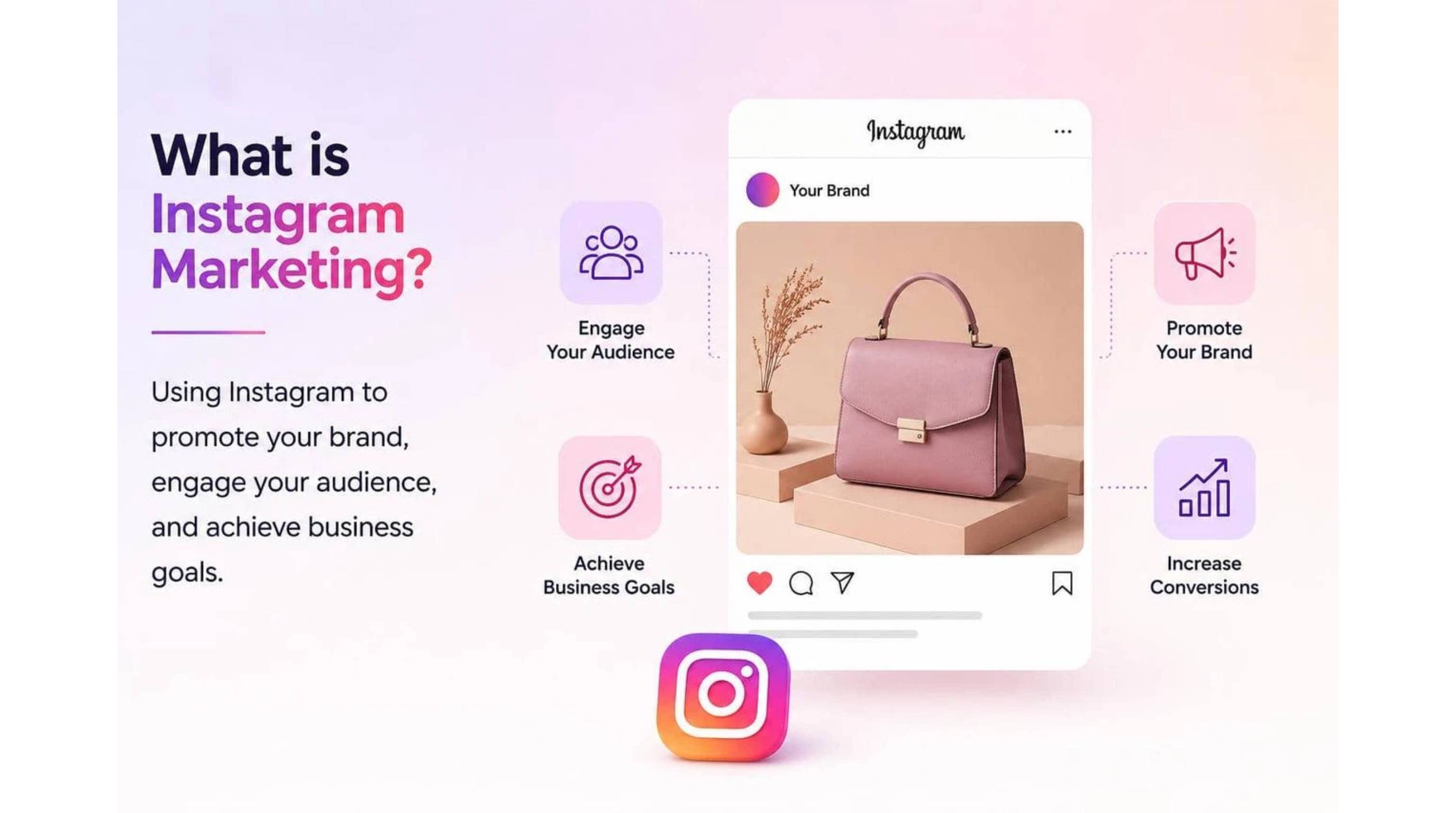
Instagram marketing is the process of using Instagram to market your brand, engage with your audience, and meet business goals.
For many businesses, Instagram social media marketing involves a mix of organic content, paid campaigns, and creator partnerships to increase brand awareness, attract customers, and achieve measurable marketing results.
How Instagram marketing works
The three pillars of Instagram marketing are organic reach, paid promotion, and audience engagement. Top brands don't have a one-size-fits-all posting style. They vary content formats and promotional techniques to increase exposure and foster long-term customer relationships.
Organic Instagram marketing
Organic Instagram marketing is a great way to grow your brand without paying for ads. Feed posts, Reels, Stories and Carousels: Share valuable content, engage your audience and showcase products. Engaging with comments and encouraging user-generated content (UGC) builds trust, strengthens your community and supports long-term audience growth.
Paid Instagram marketing
Paid Instagram marketing allows you to reach more people by showing your content to specific audiences. Meta Ads Manager can help you run Instagram Ads, sponsored posts, retargeting campaigns and Shopping ads. These formats help you more efficiently build brand awareness, drive website traffic, generate leads, and increase ecommerce sales.
Creator and influencer partnerships
Creator and influencer partnerships help you connect with new audiences through trusted recommendations. Collaborate with influencers, roll out UGC campaigns, or engage in affiliate marketing to build brand awareness and trust. These partnerships create real content that builds trust and helps you connect with potential customers and convert them.
Why Instagram marketing matters for businesses
Instagram has become much more than a social networking platform. People use it to discover new brands, research products, read reviews, and make purchasing decisions. Whether you're a startup or an established business, a well-planned Instagram presence can help you attract the right audience and turn engagement into measurable business growth.
Build brand awareness
Instagram's visual-first experience makes it easier for brands to introduce themselves to new audiences. Regularly publishing valuable content through Feed posts, Reels, Stories and collaborations will help you to gain visibility and stay top of mind with potential customers.
Create customer trust
Consumers are more likely to buy from a brand they believe in. Authentic stories, customer testimonials, behind-the-scenes content, and user-generated content are all great ways to demonstrate credibility and foster meaningful interactions that build long-term relationships.
Drive product discovery
Instagram makes it easy for users to find products while browsing content. Brands can use tools like shopping posts, product tags, reels, and creator collaborations to organically showcase their products, helping potential buyers move quickly from discovery to purchase.
How to build an Instagram marketing strategy step by step
Successful Instagram marketing depends more on posting consistently. You need clear goals, a defined audience, engaging content, a reliable way to measure performance, and enough creative variation to keep testing what resonates with your audience.
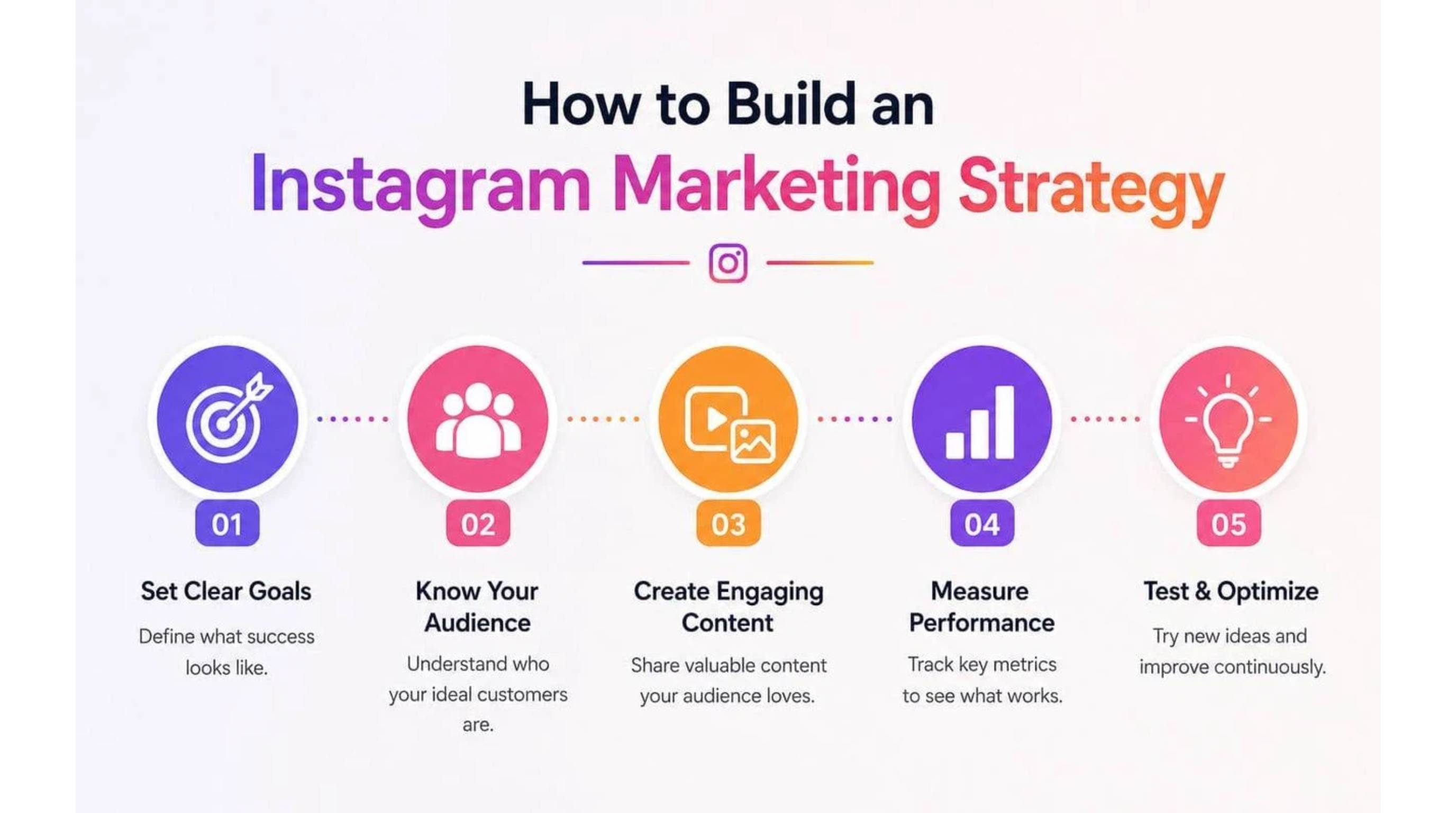
1. Define your Instagram marketing goals
Start by deciding what you want to achieve, whether it's brand awareness, engagement, website traffic, leads, or sales. Then identify your target audience and build content pillars that align with their interests and your business objectives. A clear strategy makes every post more purposeful.
2. Identify your target audience
Knowing who you're trying to reach is the bedrock of any good Instagram campaign. First of all, identify who your ideal customers are. This means looking at things like their age, location, interests, online behavior, and what their buying habits look like. Then find out their challenges, preferences, and what kind of content they enjoy the most. Knowing your audience will help you create more relevant posts, get more engagement, and create an Instagram marketing strategy that will get you better results.
3. Promote your content across Instagram
Creating quality content is just part of it. Share content that informs, promotes, connects, and sells your brand and products in the right amount to appeal to different people at different stages of the buying process.
Educational content
Educational content establishes your brand as an authority by offering value through information that helps your target audience solve their problems. By sharing tutorials, practical tips, and industry insights, you can educate your followers, encourage them to save and share, and generate long-term engagement.
Product content
Product-focused content is about what you offer and how it is valuable to your potential customers. Showcase product demos, before and after comparisons, and posts that highlight the main benefits of your products to help your audience see how your products can meet their needs.
Community content
Community content is the trust-building engine of real experiences and conversations. Highlight satisfied customers by featuring customer stories, reviews, and user-generated content (UGC) to strengthen credibility and foster a stronger connection with your audience.
Promotional content
Promotional content is designed to get users to take action and will help you achieve your business goals. Share discounts, announce product launches, and promote seasonal campaigns to generate interest, drive traffic, and increase conversions. Blend sales-oriented posts with educational and community content to make your feed useful, not just sales-focused.
4. Build a consistent content calendar
A content calendar helps you stay consistent and publish with purpose instead of posting randomly. Plan your content in advance, balance educational, product, community, and promotional posts, and align them with campaigns or seasonal events. Review performance regularly to refine your strategy over time.
Best Instagram content formats and when to use them
Creating great content is one part of the equation; choosing the right format for it is the other. Each format on Instagram serves a different marketing purpose, from reaching new audiences to driving engagement and product discovery, and knowing when to use which one will get you better results from every post.
|
Format |
Best for |
Marketing goal |
|---|---|---|
|
Reels |
Short videos |
Reach new audiences |
|
Stories |
Daily updates |
Community engagement |
|
Carousel Posts |
Education |
Saves and shares |
|
Feed Posts |
Branding |
Product awareness |
|
Live |
Events |
Real-time interaction |
|
Shopping Posts |
Ecommerce |
Product discovery |
Best Instagram format for different goals
Different business goals require different content formats. Instead of relying on one type of post, combine multiple formats to build a well-rounded Instagram presence.
1. For growing followers
If you're looking to reach new audiences, hone in on Reels. Explore and Reels are where Instagram recommends short-form videos so that people who don't already follow you are more likely to see your content.
2. For ecommerce sales
Pair shopping posts with product videos to show your products in action and make it easy to buy. Demos, lifestyle content, and tagged products help shoppers move quickly from discovery to checkout.
3. For engagement
Stories and Carousel posts are excellent for driving interactions. Stories allow you to use polls, quizzes, and question stickers. Carousels are good for educational content that tends to get more saves and shares.
4. For brand building
Make sure your feed looks coherent by using high-quality images, brand colors that are easily recognizable, and a design style that is the same throughout. Having a cohesive profile will boost brand recognition and create a more professional first impression.
Instagram marketing strategies that drive results
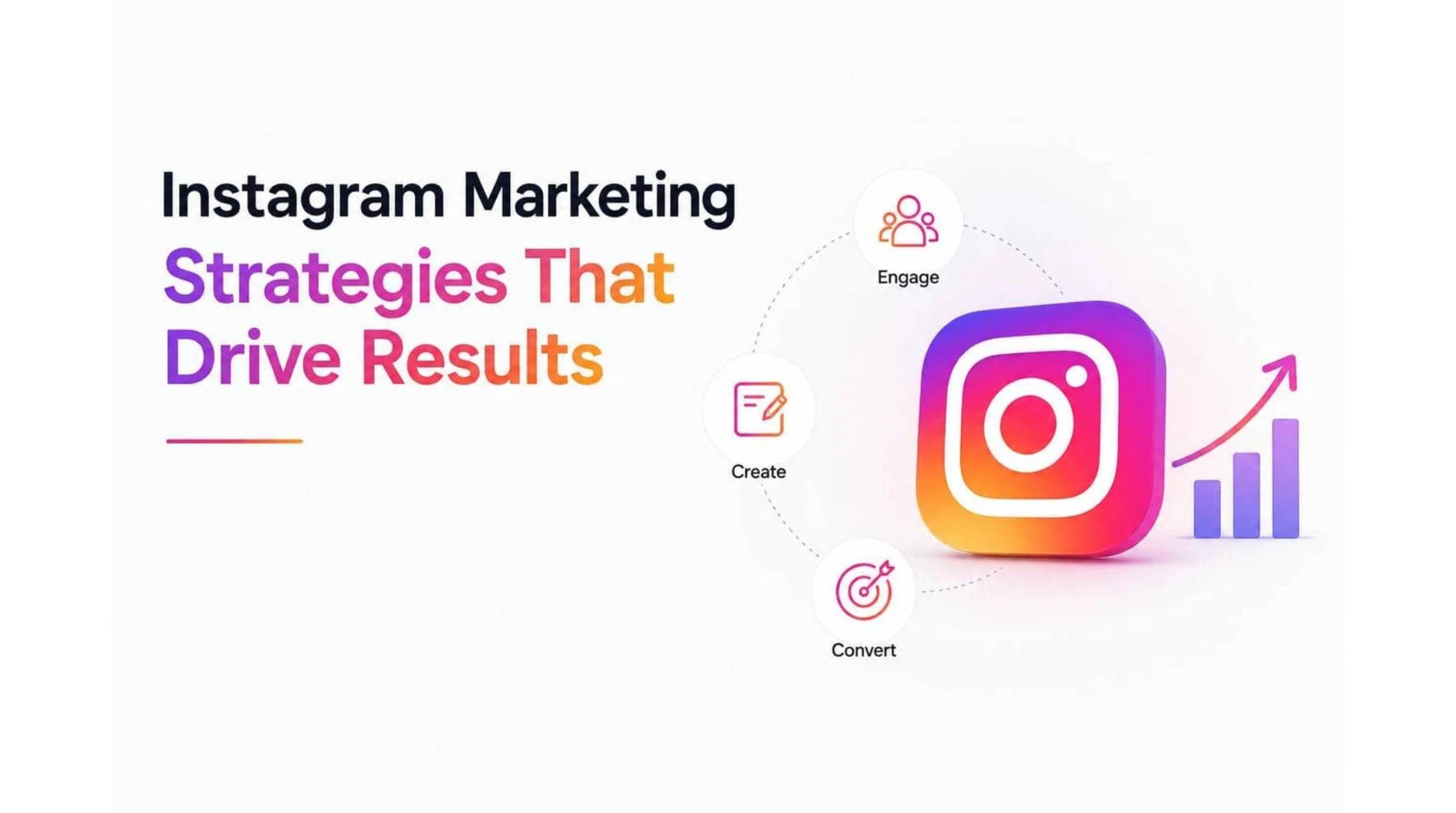
Growing on Instagram is not just about publishing consistently. The most successful brands try different content ideas, analyze performance, and refine their approach over time. Here are proven Instagram marketing strategies to help you increase your reach, engagement, and conversions.
Use short-form video to increase reach
Short-form video is still one of the best ways to grow on Instagram. Grab attention with a strong hook in the first three seconds, keep your audience engaged throughout the video, and share your Reels to Stories for more reach. And by consistently delivering video content, you can reach an audience outside of your current followers.
Create UGC-style and save-worthy content
Content that feels genuine usually does better than overly polished ads. Encourage your customers to share their experiences, show product demos, and make educational carousel posts that people will want to save for later. These Instagram marketing ideas will help you grow both trust and long-term engagement.
Collaborate with influencers and creators
Working with creators will expose your brand to audiences who already trust their recommendations. Define clear campaign briefs, content expectations, and usage rights before entering into collaborations. For paid partnerships, whitelist to boost the reach of high-performing creator content.
Test creatives and double down on winners
Avoid relying on a single creative or message. Test different hooks, visuals, captions, calls to action, and offers to find out what resonates best with your audience. When you find content that is performing well, you should double down on those creative directions and replace the posts that consistently underperform.
Instagram marketing tips and best practices
A strong strategy delivers better results when paired with consistent execution. These marketing tips on Instagram and best practices for Instagram can help improve engagement, strengthen your brand presence, and make your campaigns more effective over time.
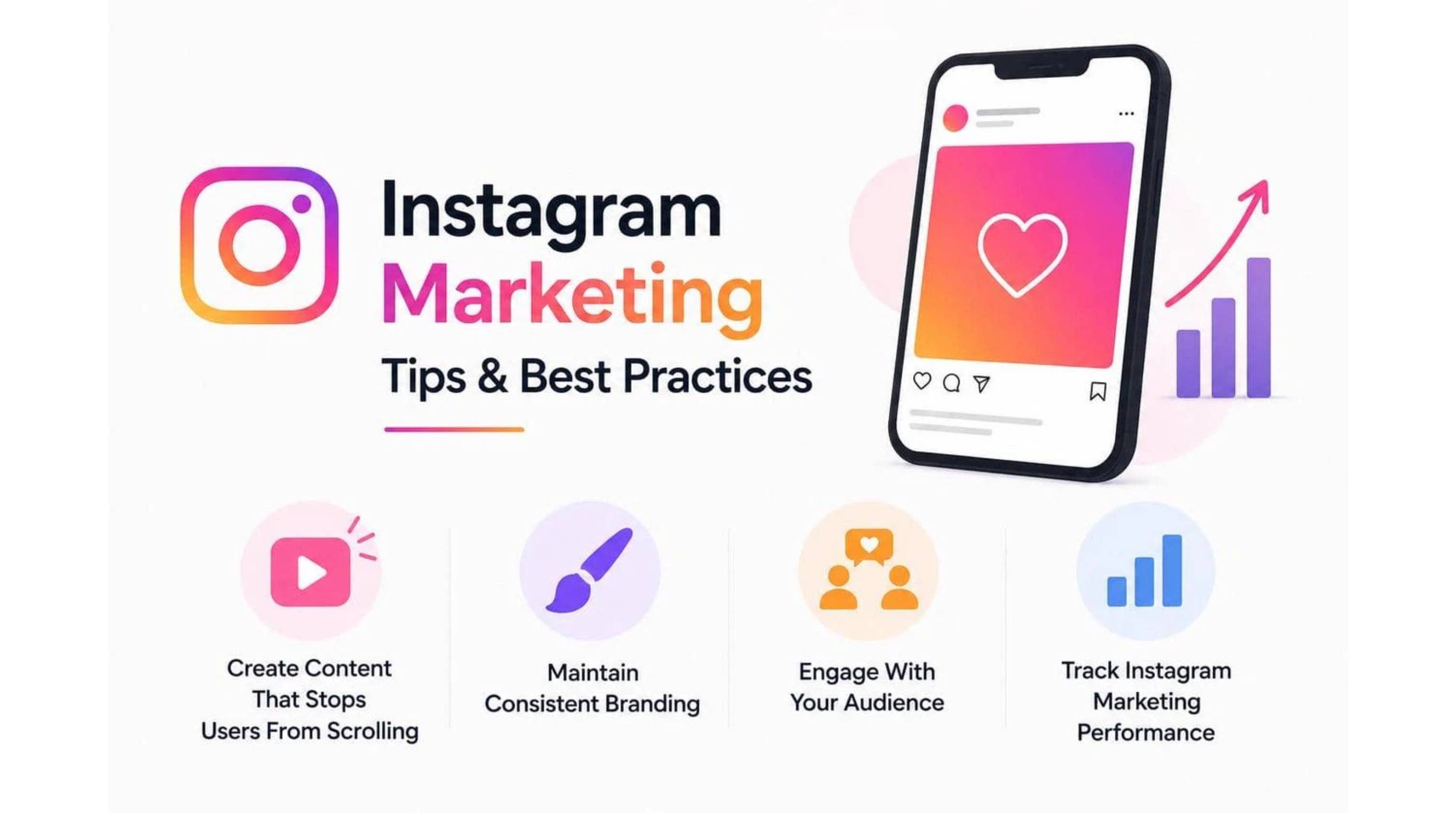
Create content that stops users from scrolling
Those first few seconds are what make someone stay watching or scroll right past your content. An impactful opening hook, a clear value proposition, and pairing your message with eye-catching, mobile-optimized visuals to grab attention in the first few seconds.
Maintain consistent branding
Consistency makes your brand recognizable to people in every post. Create a cohesive feed that builds familiarity and trust with your audience using consistent brand colors, typography, visual style, and product presentation.
Engage with your audience
Instagram rewards the people who interact with it in a meaningful way. Respond to comments and DMs, use polls and question stickers in Stories, and encourage conversation through captions. Being active also helps you grow your community and get more eyes on your content.
Track Instagram marketing performance
Measurement of performance helps you to know what is working and what needs to be improved. Don't forget to track key metrics such as reach, engagement rate, saves, shares, profile visits, website clicks, and conversion rate. Regular analysis helps you to fine-tune your content strategy and make smarter decisions for future campaigns.
Create Instagram marketing content faster with AI Tool
Now that you've built your strategy and chosen the right formats of content, the next challenge is creating enough high-quality creativity to keep testing. Designkit makes it easier for ecommerce and brand teams to create product lifestyle images, virtual-model shots, and short marketing videos for Instagram while launching campaigns and maintaining brand consistency.
How to create Instagram marketing assets with Designkit
You don't have to go through a long design process to create Instagram-ready assets. Designkit lets you quickly create visuals that are optimized for different placements without losing the consistency of your branding.
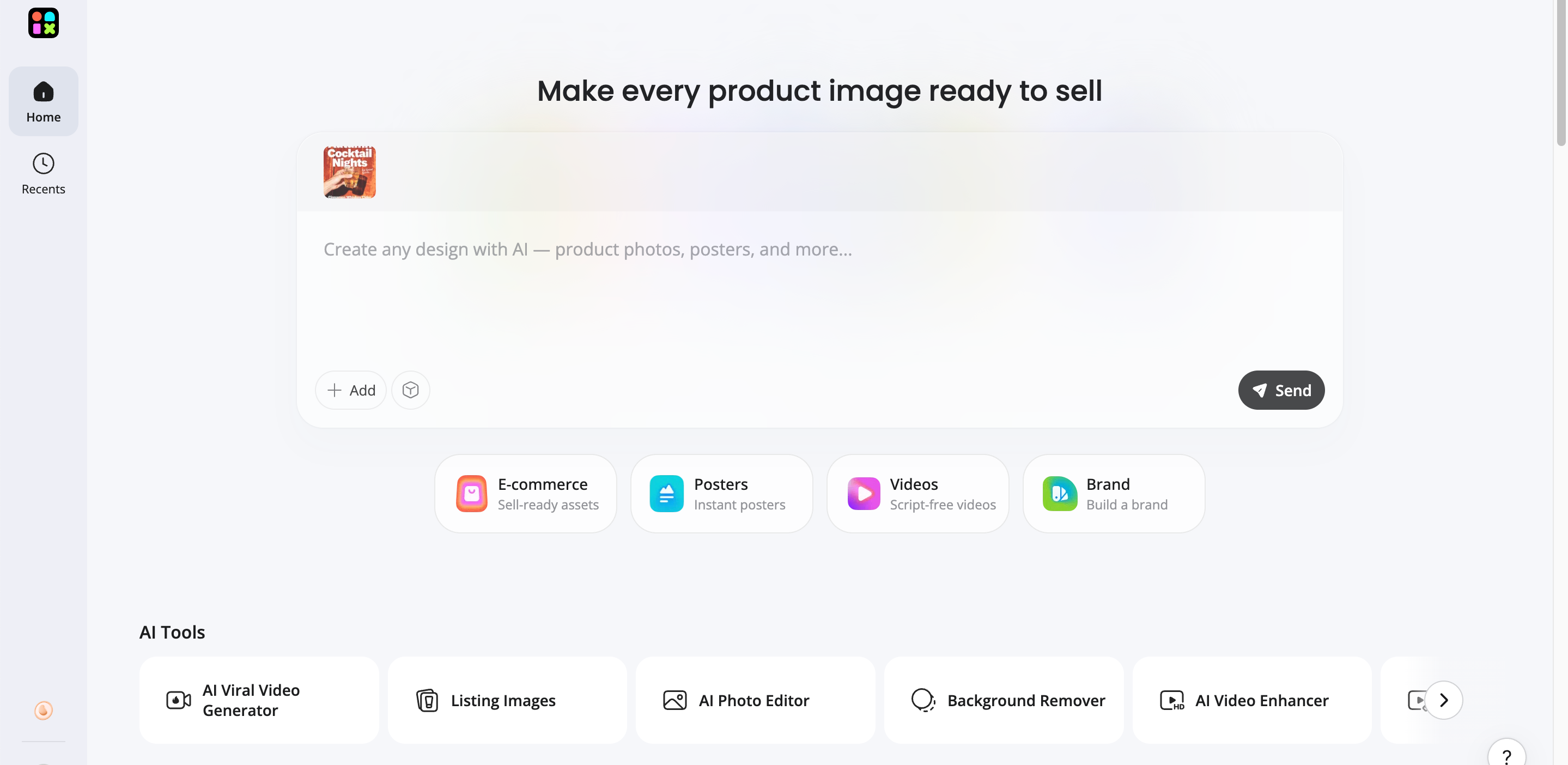
Step 1: Upload your product images or brand assets
Upload your product photos, logos, and other brand assets and then tell us your campaign objective. This provides Designkit with the context required to create visuals that match your marketing goals.
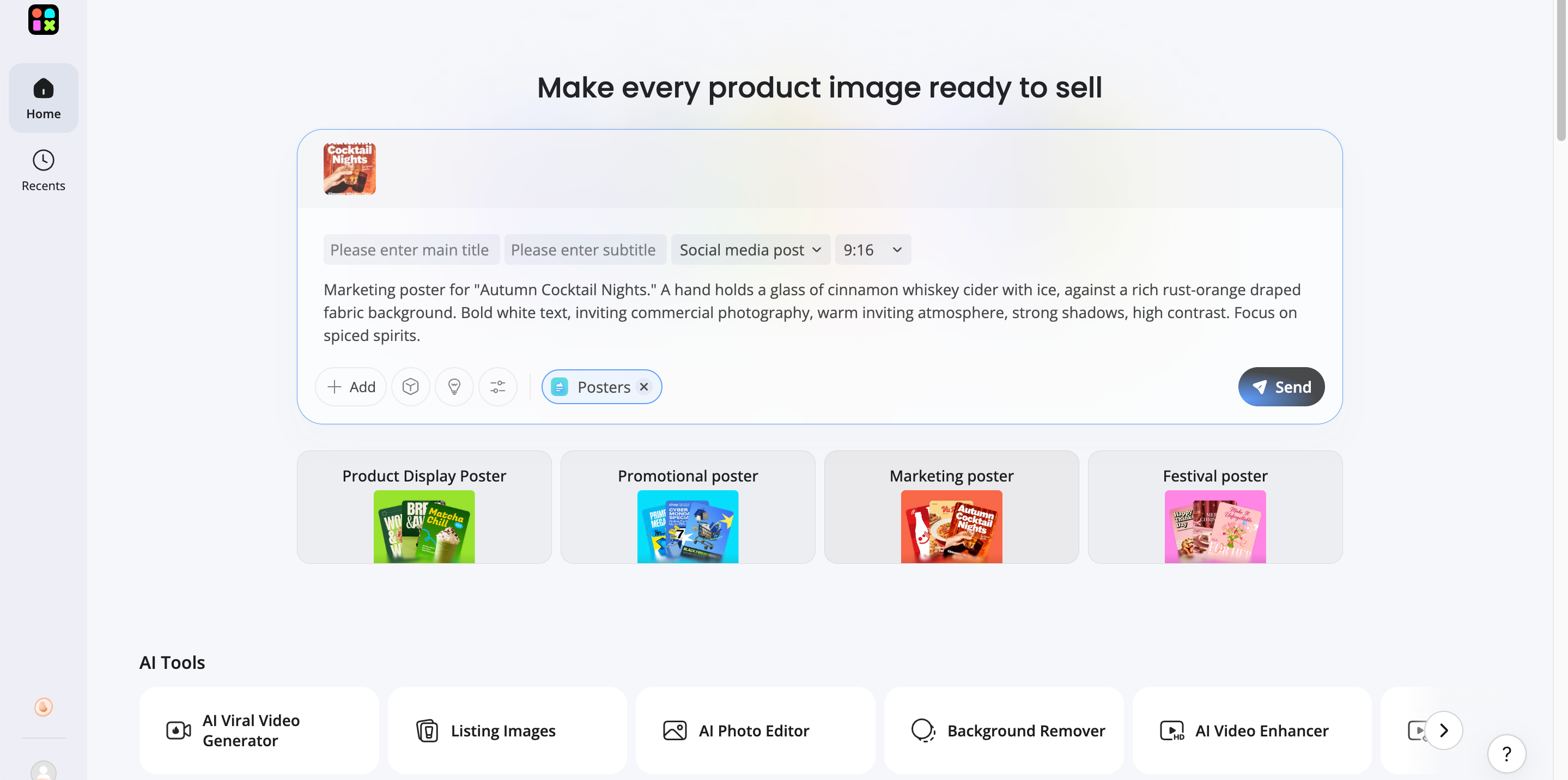
Step 2: Generate Instagram-ready visuals
Develop multiple creative assets such as product lifestyle images, promotional graphics, social media posts, and short marketing videos. Creating multiple creative variations allows you to have more options to test different messages and visual styles.
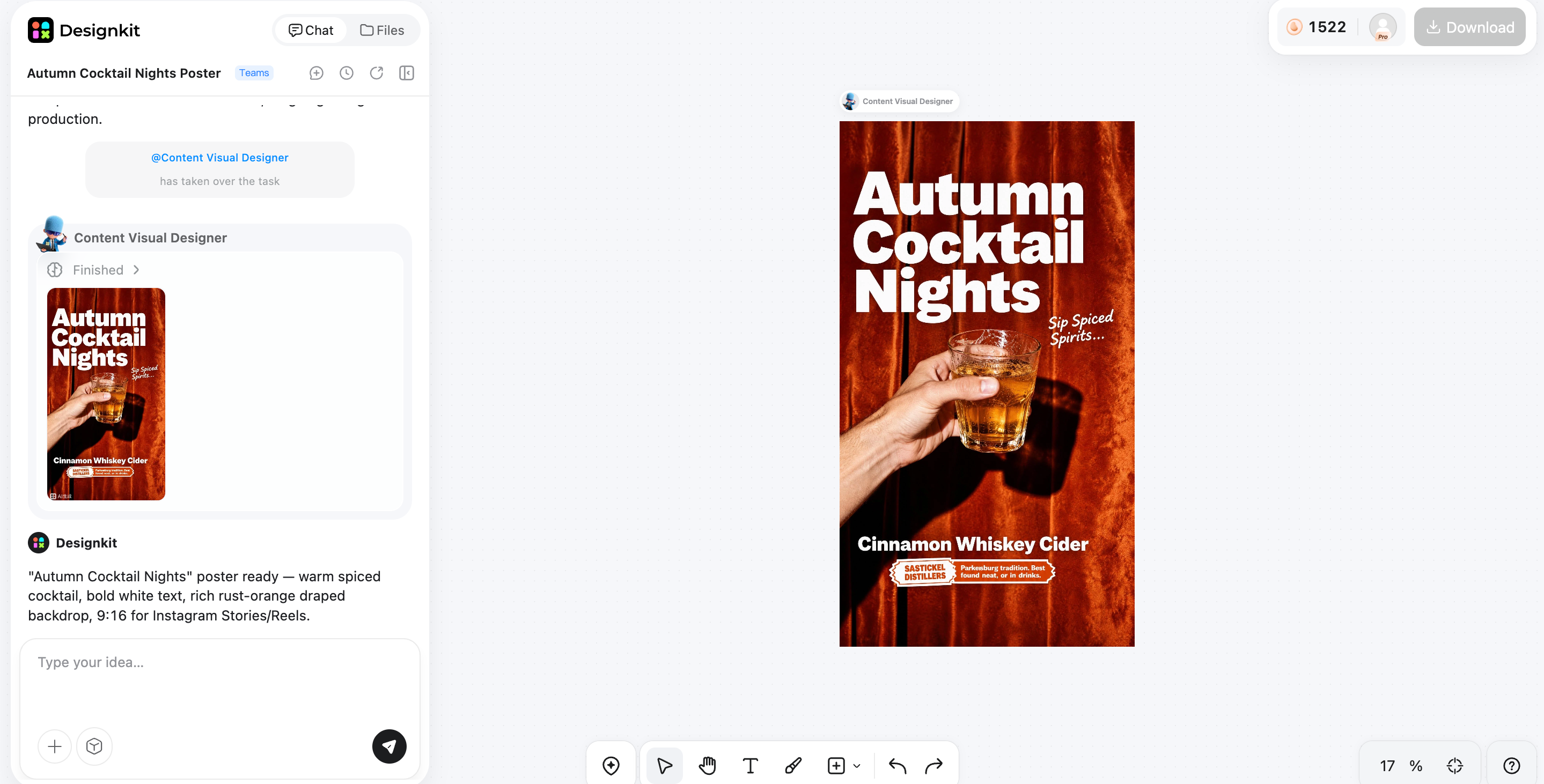
Step 3: Customize and export
Review your creatives, make any necessary changes, and export them in formats optimized for Feed posts, Stories, Reels, and advertising campaigns. It saves time when you have assets ready to be put in place and launches campaigns more easily.
Create Instagram Marketing Content Free
Designkit features for Instagram marketing
-
AI product photography: Create professional product photos without the need for a traditional photoshoot. Produce clear, e-commerce-ready visuals for Feed posts, Stories, and promo campaigns faster.
-
AI virtual models: Showcase your products on AI-generated models that match different styles and audiences. This helps create more relatable marketing visuals while reducing production costs.
-
AI virtual try-on: Let customers visualize products in realistic scenarios before making a purchase. Virtual try-on images make product promotions more engaging and informative.
-
AI marketing video generation: Create short marketing videos from product images for Reels, Stories, and Instagram ads. Video content can help you get noticed and communicate the benefits of your product more effectively.
-
Creative variations: Create multiple versions of the same creative with different layouts, messaging, and visual styles. Test these variations to find out which content works best for your Instagram campaigns.
Common Instagram Marketing Mistakes
Even well-planned campaigns can underperform if common mistakes go unnoticed. Recognizing these issues early helps you improve engagement, optimize resources, and build a stronger long-term Instagram presence.
Posting without a clear strategy
If you publish content without clear goals, you'll often find yourself with inconsistent messaging and disappointing results. Set your goals, know your audience, and create content that fits into your overall marketing strategy.
Focusing only on promotional content
If you're always pushing products, people will start to lose interest and engagement will go down. Mix promotional posts with educational content, customer stories, and entertaining content that offers value beyond sales.
Using inconsistent visuals
Having different styles, colors, and layouts can make your brand look unprofessional. Every post is an opportunity to reinforce branding and create a stronger visual identity.
Ignoring analytics
Analytics can tell you what your audience is reacting to. Keep an eye on things like reach, engagement, saves, clicks to the website, etc. to see what content is working and use that to tweak future campaigns.
Creating too few creative variations
Creative fatigue can occur with repetitive use of a visual. Build multiple versions of your ads and organic posts-with variations in hooks, layouts, and messaging so you can continually test and optimize performance.
Conclusion
Instagram continues to be one of the best platforms for building brand awareness, engaging customers and driving sales. The best marketing strategy for Instagram is to define your goals, create valuable content, publish consistently, experiment creatively, and keep analyzing performance. Larger campaigns can struggle to produce enough high-quality visuals.
Instead of creating every asset manually, Designkit simplifies the creative workflow by generating on-brand product images, marketing videos and multi-size assets for different Instagram placements. That means you can experiment with more ideas, stay on-brand, and scale your Instagram marketing more efficiently.
Frequently Asked Questions
What is Instagram marketing?
How do you promote on Instagram successfully?
Post valuable content regularly. Use Reels, Stories, Feed posts and Carousels. Partner with creators. Encourage user-generated content. Use Instagram Ads to reach your audience. You can also improve future campaigns by checking your performance regularly.
What are the best Instagram marketing strategies?
Some of the most effective Instagram marketing strategies include defining a clear target audience, creating high-quality content, using short-form videos, partnering with influencers, encouraging user-generated content, and testing different creatives to see what performs best.
How can small businesses use Instagram marketing?
Small businesses can start by creating a professional account, optimizing their profile, identifying their target audience, and posting content that educates, engages, and promotes their products or services. As they grow, they can expand their reach through collaborations and paid advertising.
What content works best on Instagram?
The best content depends on your marketing goals. Reels are ideal for reaching new audiences, stories encourage daily engagement, carousel posts are great for educational content, and product demonstrations and customer testimonials help drive purchasing decisions.
How often should brands post on Instagram?
There is no fixed posting schedule that works for every business. Focus on publishing consistently with a content calendar and prioritize quality over quantity. Monitoring your analytics can help you determine the posting frequency that works best for your audience.
How can AI help with Instagram marketing?
AI can simplify content creation by generating product images, marketing visuals, creative variations, and short videos more efficiently. This allows marketers to produce more content, test new ideas faster, and maintain consistent branding across campaigns.
How can brands create Instagram content faster?
Using AI-powered creative tools can significantly reduce the time spent designing content. Designkit helps brands generate product lifestyle images, virtual model visuals, marketing videos, and Instagram-ready creatives, making it easier to create, test, and publish content at scale.
You May Also Like
Influencer Marketing Guide: Strategy, Campaigns & Creator Tips
How to Sell on Facebook Marketplace: Beginner Guide (2026)
How to Use Pinterest for Business: Strategy, Tips & Growth Guide
How to Sell on Etsy in 2026: Setup, Listings & Growth Tips
WooCommerce vs Shopify 2026: Pricing, Features & Which Is Better

What Is a Target Audience? Types, Examples & How to Find Yours
TikTok Marketing Guide 2026: Strategies, Ideas & AI Tools
Vibe Marketing Explained: Strategy, Examples & AI Tools
15 Best Things to Sell on Etsy in 2026 (Listing Tips Included)
How to Sell on Depop: Beginner Guide to Getting Your First Sale
Where to Sell Handmade Items Online (2026): Etsy, Amazon, or Shopify?
Shopify vs Amazon (2026): Brand Store or Marketplace FBA?
Amazon Handmade vs Etsy (2026): Which Is Better for Makers?
Online Advertising Guide: Types, Costs & Examples (2026)
Facebook Advertising Guide: Costs, Strategy & Tools 2026
Etsy vs eBay (2026): Handmade, Vintage, or Secondhand?

Selling on Amazon vs eBay (2026): Fees, Profit & Where to Sell
10 Best Online Selling Platforms (2026): Pick by What You Sell
Shopify vs Etsy (2026): Which Is Better for Handmade Sellers?

What Are E-commerce Ads? Examples, Strategy & Tools (2026)
What Is Brand Awareness? Examples, Strategies & Tools 2026
What Is Brand Identity? Examples, Elements & Strategy
YouTube Automation Step-by-Step AI Guide for Beginners

AI Marketing Agent: How It Works, Benefits & E-Commerce Examples
What Is Personalized Advertising? Examples & How It Works
How to Build a Shopify Store That Actually Converts Visitors
Amazon Marketing Guide 2026: Strategies, Tips & Tools
Local Advertising: Strategies, Examples & Tools (2026)
What Is Branded Content? Examples, Strategy & Tools 2026
What Is Performance Marketing? Strategies & Examples 2026
Inbound Marketing: Strategies, Examples & Tools (2026)
Create Better Instagram Content with AI
Create brand-consistent images, ads, and social posts faster to test more ideas, improve campaign performance, and grow your Instagram presence with Designkit.