
Short Form Video Marketing: How E-commerce Brands Drive Sales
Create high-converting short form video marketing content for e-commerce brands. Turn product images into engaging AI videos with no studio or models. Fast, scalable video creation that boosts engagement, clicks, and conversions across platforms.

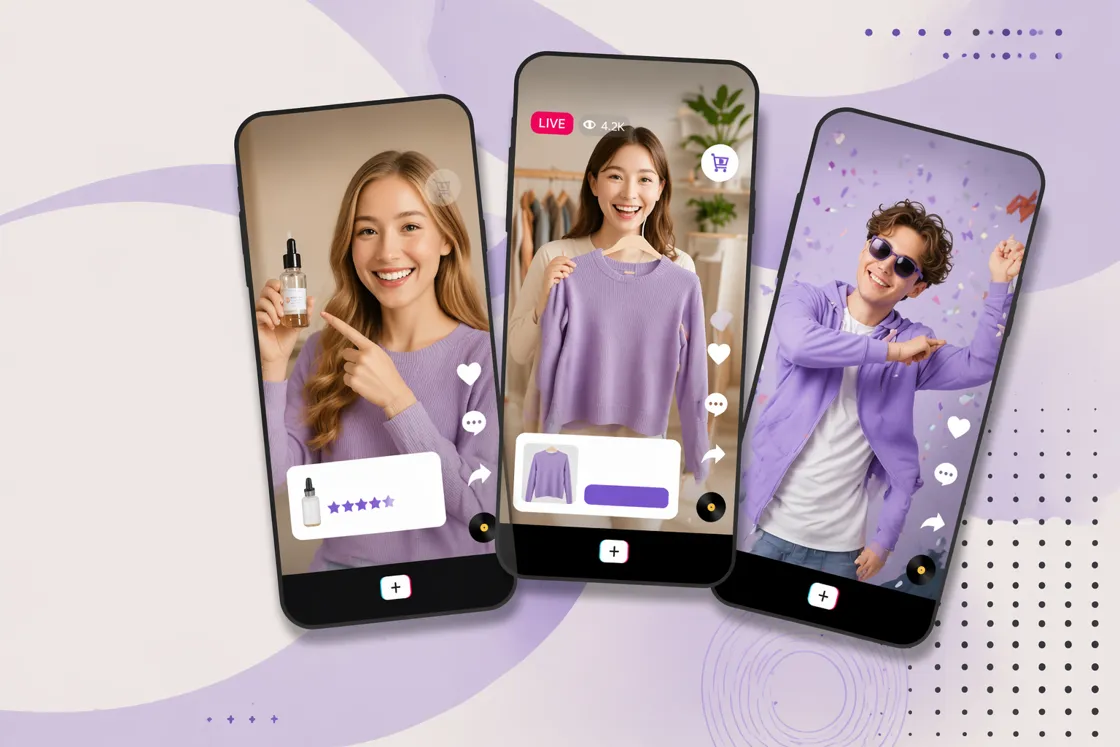
Short form video marketing has become one of the fastest-growing channels for e-commerce brands—and for good reason. Platforms like TikTok, Instagram Reels, and YouTube Shorts now drive significant product discovery and purchase decisions, often in under 10 seconds. This guide covers how short-form video works for online stores, which formats perform best on each platform, the most common mistakes sellers make, and how AI tools are changing the production process entirely.
What Is Short Form Video Marketing and Why It Matters
How Short Videos Influence Online Buying Decisions
Short form videos help customers understand products quickly by showing real usage, making it easier to judge size, quality, and value compared to images. This reduces doubt and speeds up purchase decisions.
They also build trust through real demonstrations and keep attention longer, helping shoppers feel more confident about buying without needing extra explanation.
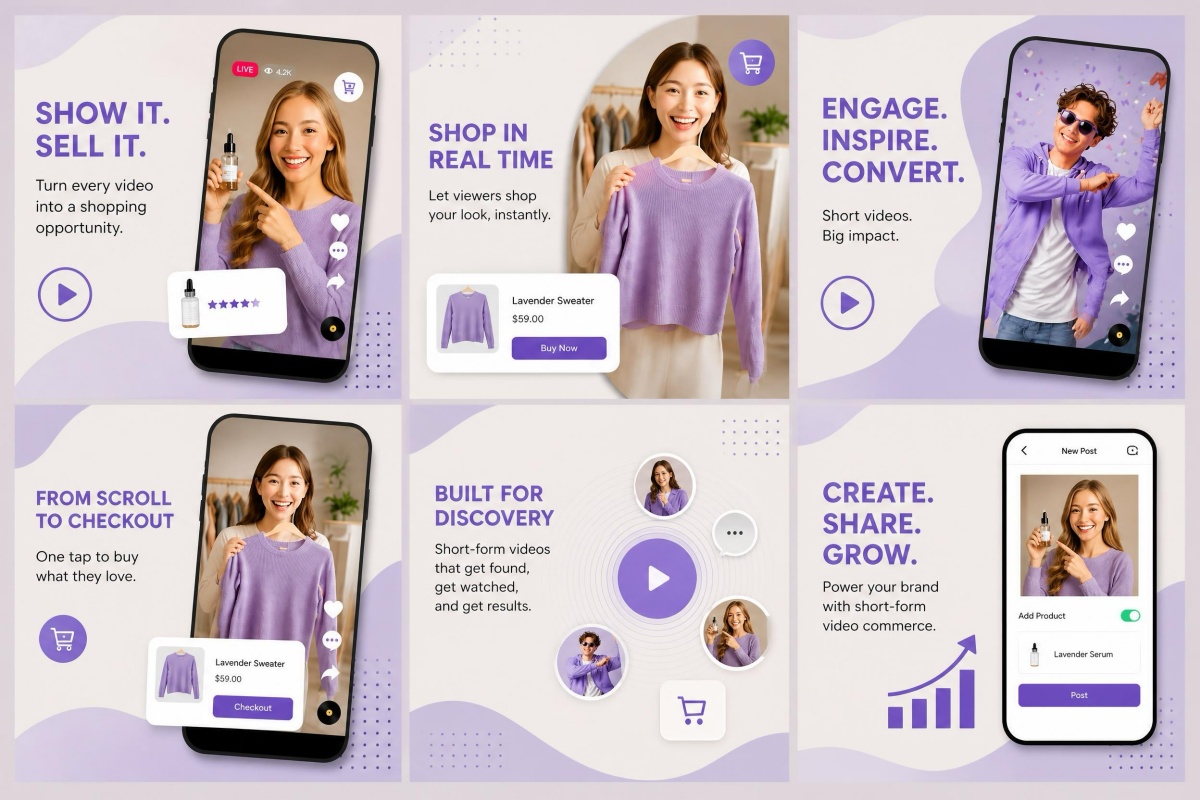
Short Form Video vs Traditional Product Content
| Aspect | Short Form Video | Traditional Product Content |
|---|---|---|
| Product Display | Shows real use, motion, and context | Static images with limited view |
| Customer Understanding | Quick and clear product explanation | Slower understanding, depends on text |
| Engagement | Higher attention and interaction | Lower engagement over time |
| Trust Factor | Feels more real and authentic | Can feel staged or incomplete |
| Conversion Impact | Encourages faster buying decisions | Slower decision-making process |
| Platform Performance | Performs better on social and ads | Limited reach in modern feeds |
Why Shopify and Amazon Sellers Rely on Short-Form Video
Short-form video has become a default content format on TikTok Shop, Amazon, and Shopify because it closes the gap between discovery and purchase. On TikTok, videos with clear product demos generate significantly higher click-through rates than image-based ads. On Amazon, listings with video content see higher conversion rates than those relying on static images alone—buyers get a clearer picture of what they're purchasing before they commit. For sellers running competitive categories, video isn't a nice-to-have; it's a core part of staying visible and converting traffic.
How AI Is Changing Short Form Video Creation
AI is completely reshaping how e-commerce brands approach content creation.
How AI Short Video Tools Generate Marketing Videos Automatically
Traditional video production requires a camera, editing software, lighting setup, and often a creative team—making it slow and expensive to produce content at the volume modern e-commerce demands. AI short-form video tools change this by generating videos directly from product images and text inputs. Sellers upload a product photo, add a few details about the target audience and key benefits, and the AI handles script structure, visual sequencing, transitions, and formatting for each platform. What previously took hours or days now takes minutes, and the output is immediately ready for ads, listings, or social posting.
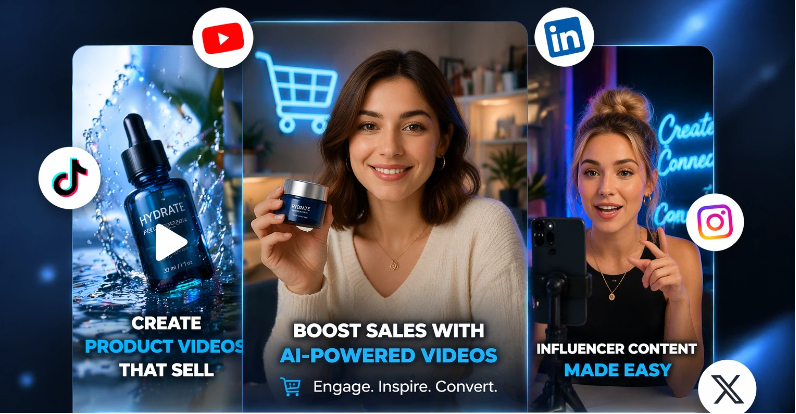
Benefits of AI Video Makers for E-commerce Brands
For Shopify stores and Amazon sellers, the core advantage isn't just speed—it's the ability to test more creative variations without additional production cost. A brand running a product launch can generate five different hooks and three different visual styles in a single session, then run them as A/B tests to see which drives better click-through and conversion. This kind of creative iteration was previously only possible for brands with dedicated ad teams. AI video makers make it accessible at any scale, including for solo sellers and small teams managing dozens of SKUs.
How to Create Short Form Marketing Videos with Designkit
Designkit helps e-commerce brands turn product visibility into real sales by removing the biggest barrier in short-form video marketing—slow, expensive content production. Instead of struggling with editing or inconsistent creatives, sellers can quickly convert product catalogs into engaging videos ready for ads, listings, and social platforms.
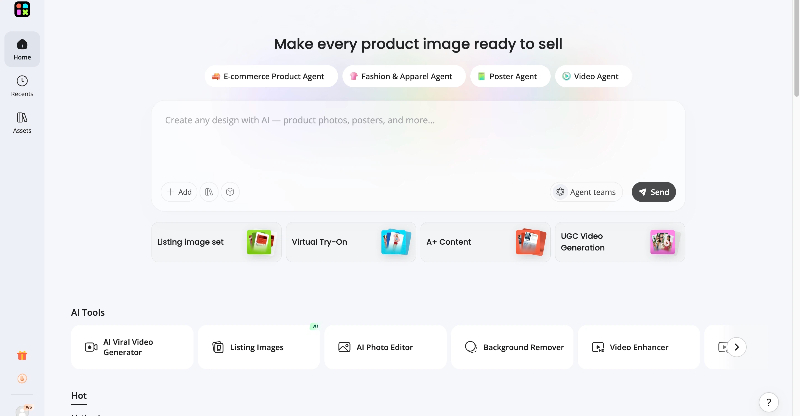
Step-by-Step to Creating Short Form Marketing Videos with Designkit
Step 1: Start a Short Form Video Project
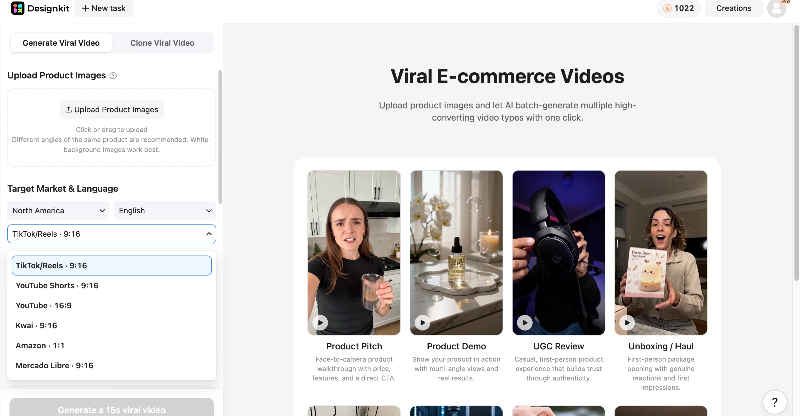
Open Designkit and select the AI Viral Video Generator. Choose your target platform (TikTok, Instagram Reels, or YouTube Shorts)—each template is pre-configured for the format, aspect ratio, and pacing that performs best on that platform.
Step 2: Upload Your Product and Set Campaign Parameters
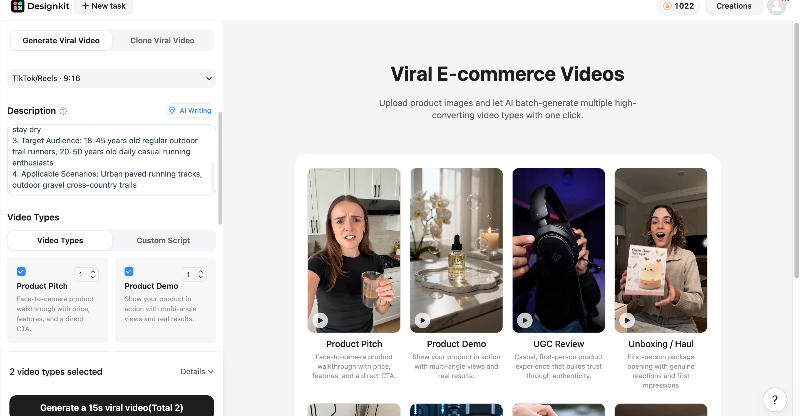
Upload your product images (multiple angles work best). Add your hook idea, key product benefit, target audience, and campaign goal. Designkit's AI uses these inputs to automatically generate a script structure, visual sequence, and transitions—no manual writing or editing required.
Step 3: Preview and Export for Marketing Use
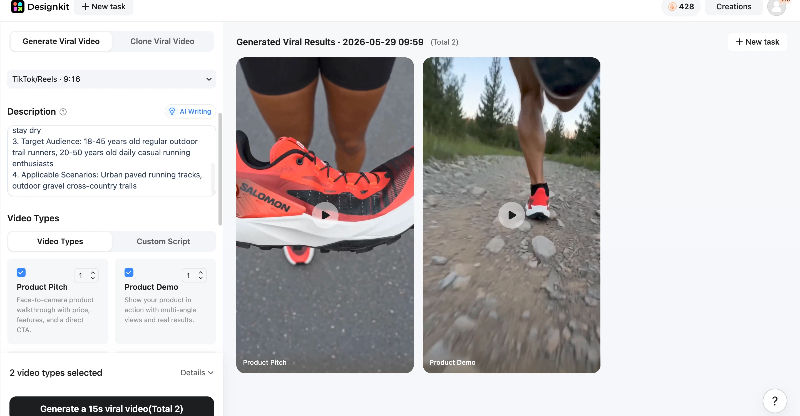
Review the generated video for hook strength, pacing, and visual clarity. Make quick adjustments if needed, then export in the format optimized for your target platform. Your video is ready for social ads, marketplace listings, or organic posting.
Key Features That Drive Short Form Video Performance
Turn Product Images into Short Videos Automatically
Upload a single product photo and Designkit generates a complete short-form video with motion effects, transitions, and platform-optimized formatting—no filming, editing, or design skills required.
Generate Multiple Creative Styles for A/B Testing
Each generation produces different visual directions—cinematic zooms, fast-paced cuts, UGC-style clips—giving brands ready-to-test variations without additional production time.
UGC-Style Videos That Build Trust
Designkit generates content that mirrors real user footage rather than polished brand ads, which tends to perform better on TikTok and Instagram where authenticity drives engagement and purchase decisions.
Multi-Platform Export
Videos are formatted for TikTok, Instagram Reels, Facebook Ads, and Amazon listings in a single workflow—no manual resizing or reformatting required.
Common Mistakes in Short Form Marketing Videos
Weak Hooks and Unclear Product Messaging
Most short-form videos fail because they don't grab attention immediately. If the first 2–3 seconds don't create curiosity or show a clear problem or product benefit, users scroll away. in e-commerce, this directly reduces views, engagement, and conversions.
Focusing on Visuals Instead of Conversion
Many brands focus too much on making videos look cinematic instead of clearly showing what the product does. In short-form marketing, clarity beats design—customers need to understand the product instantly, not decode visuals.
Ignoring Platform-Specific Video Formats
Each platform works differently. A video that works on TikTok may not be performed on Amazon or instagram if it is not optimized. Not adapting format, length, or style reduces performance significantly.
No Clear Call-to-Action or Conversion Goal
Many videos are created for views, not sales. Without a clear call-to-action or product focus, even high engagement does not translate into actual purchases.
No Clear Product Story or Flow
Random visuals without structure confuse viewers. A good short video should follow a simple flow: problem, product, result. Without this, the message gets lost and the video fails to convert.
Short Form Video Marketing Trends in 2026
AI-Driven Video Production at Scale
In 2026, brands are rapidly shifting toward automation in content creation, especially through AI short video maker tools that allow videos to be produced in seconds instead of hours. This is transforming how businesses handle content, making it possible to create high volumes of ads without heavy editing teams. As a result, short-form content is becoming faster, cheaper, and more scalable than ever before.
Short Videos Replacing Static Product Pages
Customers no longer want to read long product descriptions—they prefer quick, engaging visuals. This is where short-form video content for ecommerce marketing is becoming essential, as brands replace static pages with dynamic video-based storytelling. Products are now explained through quick demos and visuals that help users understand value instantly, improving both engagement and purchase decisions.
Rise of Video-First E-commerce Experiences
E-commerce platforms are shifting toward video-first experiences where content drives the buying journey. The use of short-form video marketing trends 2026 shows how brands are prioritizing engaging, fast-paced content to influence decisions quickly. This approach helps businesses create more interactive shopping experiences where videos play a key role in attracting, educating, and converting customers.
Conclusion
Short form video marketing is no longer something brands can ignore. People scroll fast, and businesses only have a few seconds to grab attention and show why a product matters. That is why short, engaging videos have become such a powerful way to connect with customers and drive sales. With AI tools like Designkit, creating these videos is now faster and much easier—brands can turn product images into platform-ready videos, test different creative styles, and maintain content consistency across every channel. The brands building this into their workflow now will be harder to compete with as video-first e-commerce becomes the standard.
Frequently Asked Questions
What is short-form video marketing and how do e-commerce brands use it?
How does short-form video marketing improve product visibility on online platforms?
Platforms like TikTok and Instagram prioritize content that drives high watch time and engagement, pushing it to larger audiences organically. Short-form videos that hold attention or get reshared improve visibility without additional ad spend. On Amazon, video on product pages also improves conversion rates, which in turn boosts organic ranking.
Why do e-commerce stores rely on short-form video content for marketing?
Static images show appearance but can't communicate how a product works or why it's better than alternatives. Short-form video fills that gap—demos, UGC clips, and before/after content give buyers the context they need to feel confident purchasing. For categories like apparel, beauty, and home goods, video significantly reduces hesitation and cart abandonment.
What makes short-form video marketing effective for digital platforms today?
Short-form video matches how people actually browse—quickly and passively. The format forces brands to lead with the most important information in the first 2–3 seconds, which platforms reward with algorithmic distribution. The vertical full-screen format on mobile also eliminates competing visual distractions, making it one of the highest-attention ad formats available.
How does short-form video marketing help increase e-commerce conversions?
Conversions improve when buyers clearly understand what they're getting. Short-form videos show products in real context—size, texture, usage, and who it's for—faster than any description can. Adding a clear call-to-action turns viewing intent into purchase behavior. Brands that test multiple formats (demos, UGC, benefit-led storytelling) consistently find one that outperforms the rest.
What are the latest short-form video marketing trends for e-commerce in 2026?
The dominant trends in 2026 are AI-generated content at scale, UGC-style creative outperforming polished brand videos, and video-first product pages replacing static listings. TikTok Shop has accelerated shoppable video, where content and purchase happen in the same experience. Brands are also running more creative variation tests—generating multiple versions and letting performance data determine which to scale.
How can businesses improve performance using short-form video creation?
The most reliable method is structured creative testing: produce 3–5 variations of the same video with different hooks, visual styles, or calls-to-action, then measure which drives better watch time and conversion. Most brands undertest—they scale one video and miss the variation that would have performed significantly better. Iterating based on real performance data compounds improvements over time.
What is an AI short-form video maker and how does it simplify content creation?
An AI short-form video maker takes product images and text inputs and automatically generates a complete marketing video—including script structure, visuals, transitions, and platform formatting. It removes the need for filming or editing expertise, making professional-quality video accessible regardless of team size or budget. Tools like Designkit output videos ready to publish directly to TikTok, Instagram, or ad platforms.
You May Also Like

PixVerse AI Review 2026: Is It Worth Using for AI Videos?

How to Animate a Picture with AI: Easy Step-by-Step Guide

How to Write a Video Script: Structure, Tips & Examples

What Is B-Roll? Meaning, Examples, and How to Use It

How to Make a TikTok Video: A Step-by-Step Guide 2026

How to Make an Instagram Post: Step by Step Creation Guide

Social Media Copywriting: Tips, Examples & Best Practices

What Are AI Fruits? The Trend, the Formats, and How to Make One

LTX Studio Review: Features, Pricing & AI Filmmaking Guide

HeyGen vs Arcads: Which AI Video Tool Wins in 2026?

Arcads AI Review 2026: Features, Pricing, Pros, Cons & Alternatives
Creatify AI Reviews: Features, Pricing & Alternatives (2026)

What Are Satisfying Videos? Types, Tips & How to Make (2026)

How to Generate Product Videos from Images with AI (2026 Guide)

How to Create a Product Launch Video with AI: A Step-by-Step Guide
What Is a Brand Video? Types, Examples & How to Create One
AI Product Demo vs Live Demo: Which Gets More SaaS Sign-Ups?
How to Create AI Product Promotion Videos in Minutes (Step-by-Step)

Best AI Product Video Ad Generators for Ecommerce in 2026

How to Boost Ecommerce Sales: Proven Strategies That Work
How to Add Video to eBay Listing: Step-by-Step Seller Guide
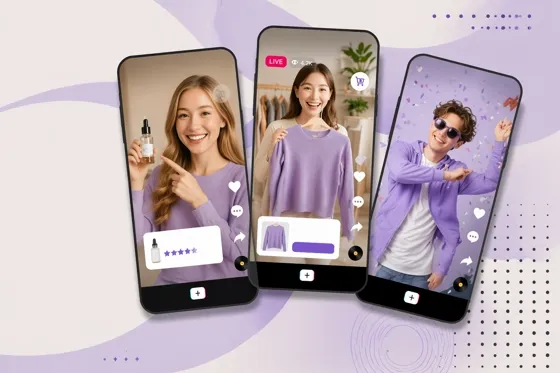
Short Form Video Marketing for E-commerce: AI Video Guide

What Is Video Marketing? E-commerce Guide & Strategies 2026
Short Form Video Marketing Boosts E-Commerce Growth Fast
Static product images often fail to show real value. Designkit turns them into engaging short videos with demos and storytelling, making products clearer, more engaging, and easier to understand for buyers.