
Local Business Marketing: Strategies That Bring Nearby Customers
Grow your local business with practical marketing strategies that attract nearby customers. Learn how to use search, social media, content, video, flyers, posters, and more to build local visibility.

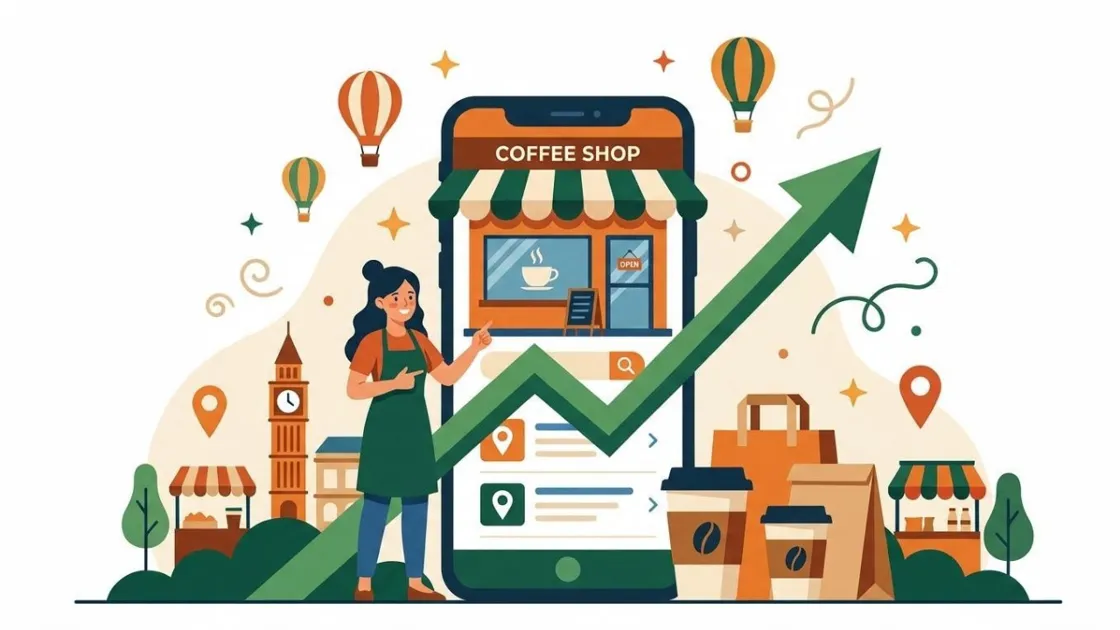
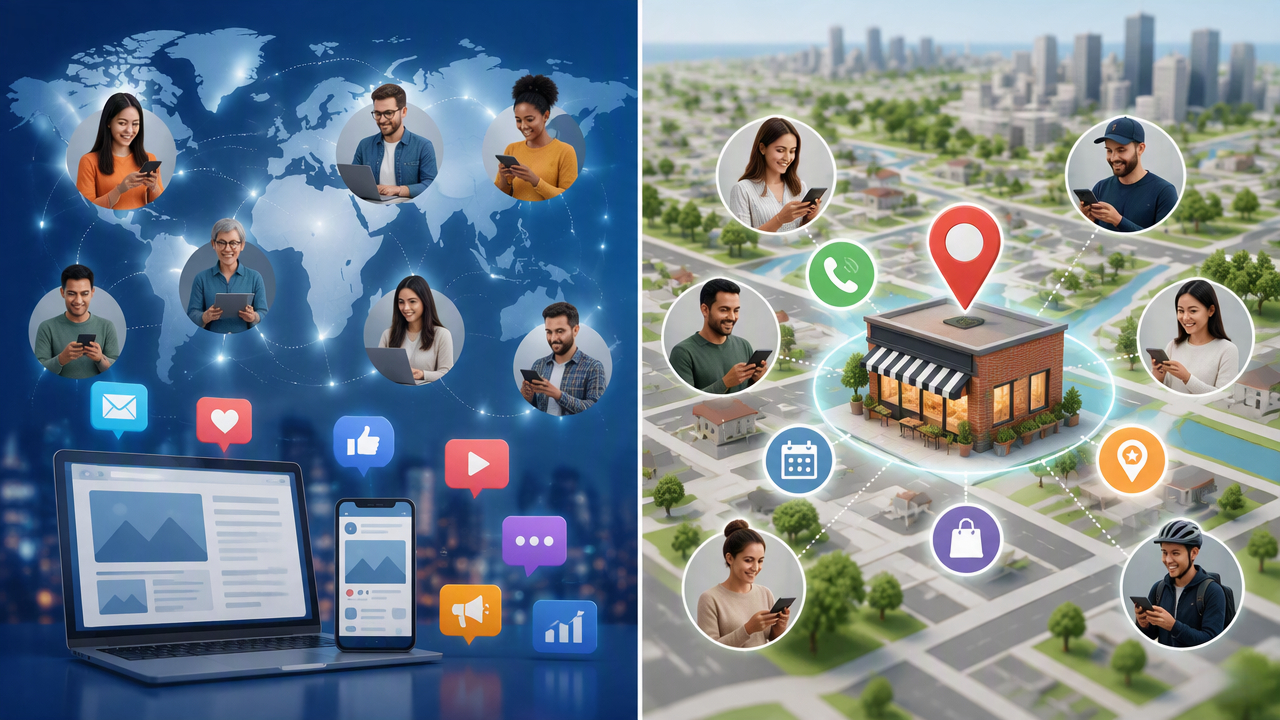
Local business marketing means promoting a business to people in a defined geographic area, online and offline. The point is not maximum reach. It is reaching people who can realistically visit, call, book, or buy.
Start by making the business easy to find, easy to trust, and easy to contact. Then add promotions, content, or paid reach only when they support a measurable next step. This guide covers how local marketing differs from general marketing, which tactics drive action, common mistakes, and how to judge results.
Local Marketing vs General Marketing
General marketing aims to reach a broad audience based on interests, demographics, behaviors, or purchase intent, regardless of where people live. Local marketing adds geographic relevance by focusing on customers within a specific city, neighborhood, or service area. For businesses that depend on nearby customers, the goal is not simply to maximize reach but to reach people who can realistically visit, contact, book, or buy.
|
Factor |
General Marketing |
Local Marketing |
|---|---|---|
|
Audience |
Broad audiences based on interests, demographics, or behavior |
Customers within a defined geographic area |
|
Geographic focus |
May target multiple regions or have no specific location |
Focuses on cities, neighborhoods, or service areas |
|
Content |
Built around broader interests and market needs |
Uses local needs, events, offers, and community context |
|
Customer action |
Website visits, online purchases, leads, or brand awareness |
Store visits, calls, bookings, local orders, or inquiries |
|
Competition |
Competes across a broader market |
Competes for attention within a specific local market |
|
Examples |
National product campaign or industry-focused content |
Restaurant promotion, local service offer, or store event |
Why Local Relevance Matters More Than Reach
A large audience does not automatically create useful results for a local business. Someone outside the service area may see, like, or share a post without becoming a customer. Local marketing focuses on whether the audience is geographically relevant and whether the message gives nearby customers a reason to act.
-
Reach the right customers: Prioritize people who live or work within the business's service area, or regularly spend time there.
-
Match local needs: Connect offers and content with seasonal demand and events that matter in the area.
-
Make the location clear: Include useful location details when they affect the customer's decision, such as service areas, nearby landmarks, or store locations.
-
Create locally relevant promotions: A restaurant can promote a weekend special, while a service business can highlight an offer available to customers in a specific area. A flyer maker can support these local promotions across print and digital distribution.
-
Focus on actionable outcomes: Measure calls, bookings, visits, or purchases rather than relying on reach alone.
Local marketing is therefore more than adding a city name to general content. Location should influence who you target, what you promote, how you communicate the offer, and what action you expect customers to take. This makes geographic relevance an important consideration when developing marketing for a business that serves a defined local area.
How to Build a Local Marketing Strategy
A strong local marketing strategy starts with four decisions: who you serve, why they should choose you, what you want to achieve, and where they are most likely to discover your business. Defining these first helps local businesses focus limited time and resources on channels that can realistically support their goals.
Define Your Local Customer
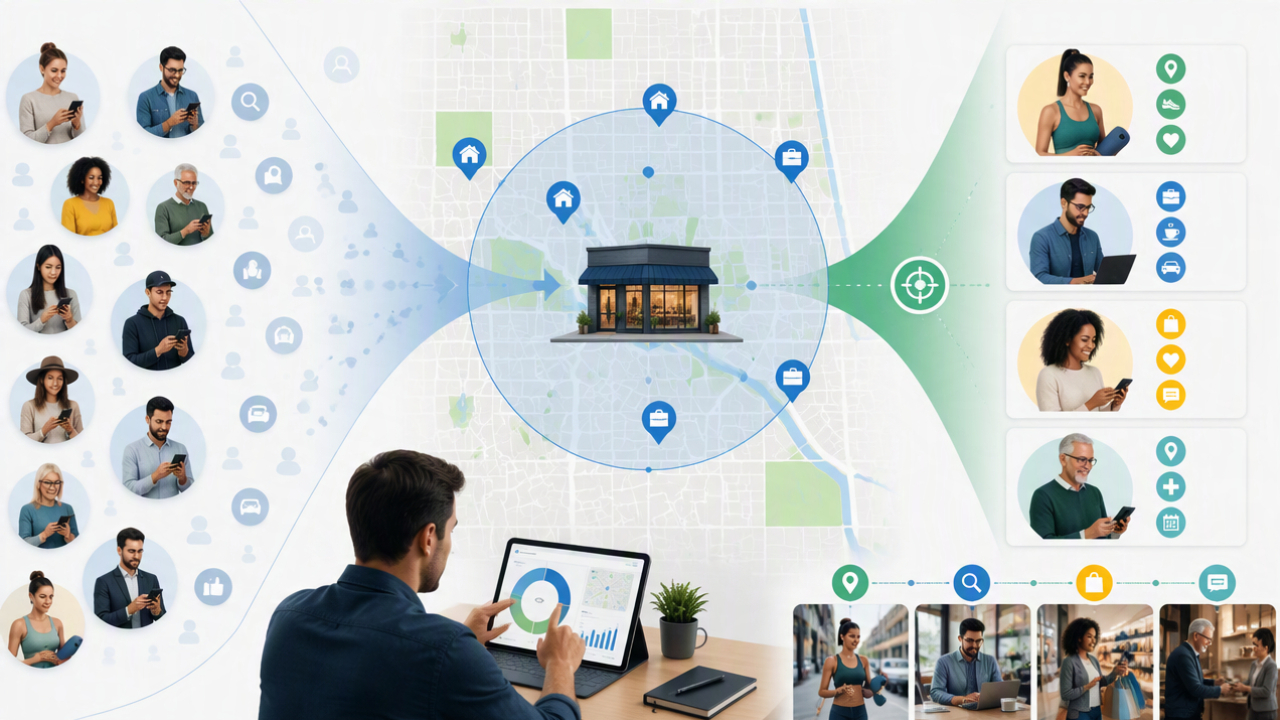
Identify the people you can realistically serve based on location, service area, needs, and buying behavior. Consider where they live or work, what they search for, when they need your offer, and what influences their local buying decisions. This gives your marketing a defined audience instead of targeting everyone in the area.
Clarify Your Local Value Proposition
Explain why customers in your area should choose your business. Your value proposition may come from proximity, specialized services, local expertise, availability, convenience, or an offer relevant to the community. Make the benefit and location clear so customers can quickly understand what you provide and why it matters to them.
Set a Goal You Can Measure
Choose one primary outcome, such as more inquiries, bookings, or store visits. Then define supporting metrics such as website actions, direction requests, or conversions. A measurable goal helps you determine whether your local marketing strategy is generating meaningful results rather than just increasing visibility.
Choose Channels Based on Customer Behavior and Resources
Choose channels based on where your customers discover local businesses and what your team can maintain consistently. Search, social, local listings, and paid ads can each play a different role, and offline outreach still matters when your customers discover businesses that way. For local events or promotions, businesses can also create AI promotional posters to support nearby awareness alongside digital campaigns.
How to Reach and Engage Local Customers
You do not need every marketing channel to reach local customers. If time or money is limited, start with Google Business Profile, reviews, and a website that converts. Then add social media and local content. Paid advertising comes later, once the basics are working. Spreading $200 across six channels often creates weak results everywhere, so focus your resources on one clear customer-acquisition path first.
Get Found With a Google Business Profile
A complete Google Business Profile helps local customers find your business when they search for nearby products or services. Claim and verify the profile, use accurate business categories, add services, update hours, upload relevant photos, publish regular posts, and respond to reviews. Keep business information accurate so customers can quickly understand what you offer, where you operate, and how to contact you.
Build a Website That Supports Local Discovery
Your website should give local visitors the information they need to take action. Clearly show your location or service area, products or services, contact details, hours, and relevant customer proof. Create useful location or service pages when they match genuine demand, rather than adding city names simply to target local keywords. This helps your site support both local SEO and customer conversion.
Use Social Media to Build Local Familiarity
Social media keeps your business visible between searches and purchases. Focus on the platforms your local customers actually use, and share offers, customer stories, and useful local updates. For frequent promotional content, an AI social media poster generator can help create social-ready visuals for offers, announcements, and local updates without requiring a separate design workflow for every post.
Create Local Content Around Real Customer Needs
Create content around questions and problems your local customers actually have. Use seasonal demand, local events, and the questions customers already ask as content ideas. A restaurant might cover local events and seasonal dishes, while a service business could answer questions specific to its service area. Useful local content can support search visibility while giving customers a reason to engage.
Build Trust With Reviews and Customer Proof
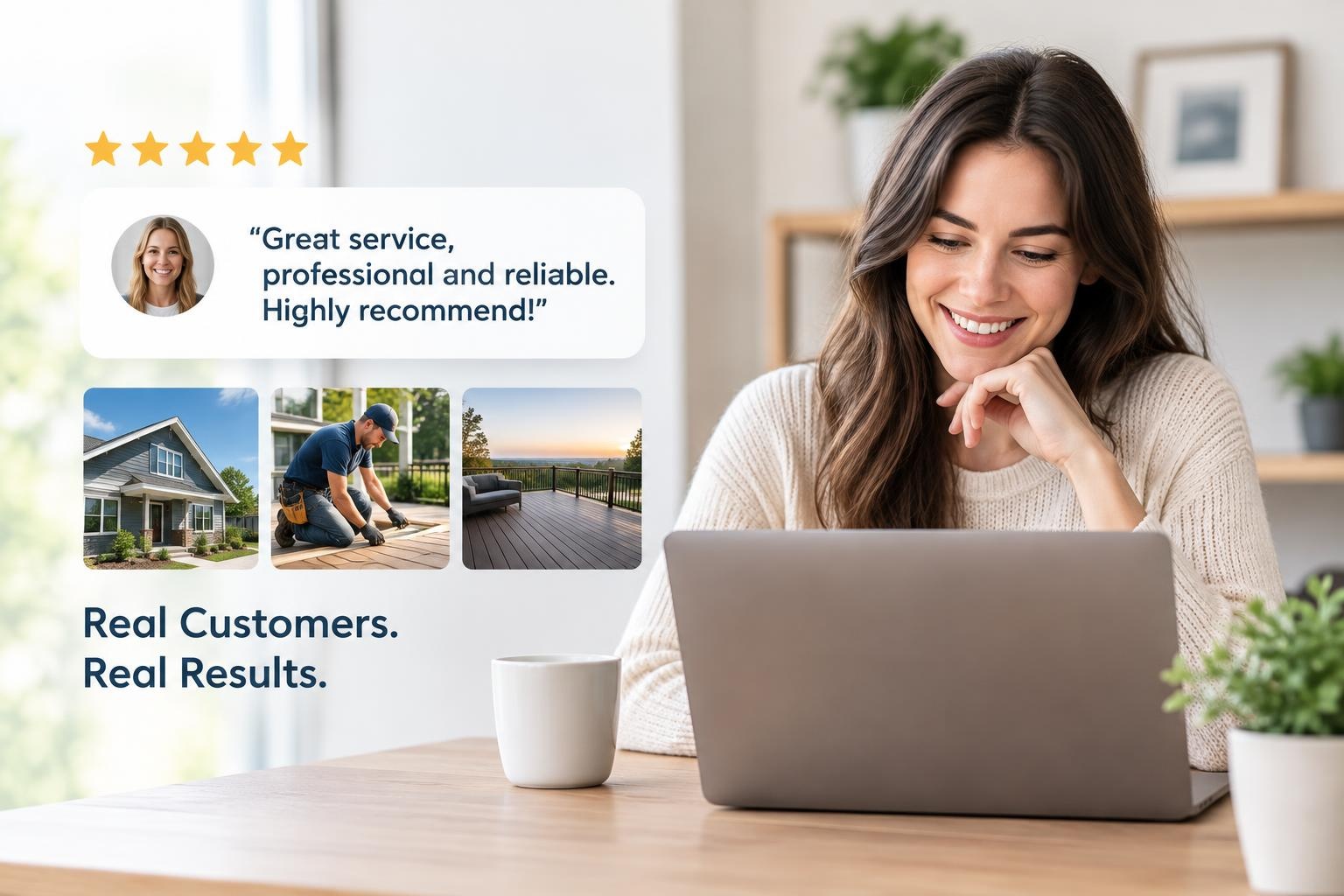
Reviews and customer proof help reduce uncertainty before someone contacts a local business. Encourage genuine customers to share feedback and respond to reviews professionally. Add relevant testimonials or project examples to your website and social channels. Specific proof gives potential customers more context than generic claims and can support decisions at the point of purchase.
Reach Nearby Customers With Paid Advertising
Paid advertising can extend local reach once your website, Google Business Profile, and customer proof are ready. Start with one goal, such as calls, bookings, store visits, or inquiries, and target a defined service area instead of spreading a small budget across multiple channels. For creative-led campaigns, a video ad maker can help produce variations for testing different offers, messages, and local audiences.
Local Business Marketing Ideas That Drive Action
Not every marketing tactic leads to a customer in the same way. For local small business marketing, prioritize ideas that create trust, referrals, or a clear reason to buy. Then use content and local events to extend those efforts when they support the same goal. The goal is not to use every channel, but to connect each activity to a measurable customer action.
Build Referral and Cross-Promotion Opportunities
Partner with complementary local businesses that serve a similar audience without competing directly with you. Create simple referral offers, bundled promotions, or reciprocal recommendations, and track where new customers come from. These partnerships can extend your reach through trusted local relationships without requiring a large advertising budget.
Create Location-Specific Offers and Promotions
Give nearby customers a clear reason to act with offers connected to local needs, seasons, events, or service areas. Use a unique code, QR code, or booking link to measure calls, visits, or sales. This makes promotions more useful than generic discounts and shows which actually generate customer response.
Turn Local Events Into Marketing Opportunities
Community events, markets, workshops, sponsorships, and local gatherings can create direct opportunities to meet potential customers. Promote your participation before the event, share useful or engaging content during it, and follow up afterward. For event promotions, an AI event poster generator can help create visuals for announcements, schedules, offers, and event-specific campaigns.
Use Local Business Video Marketing
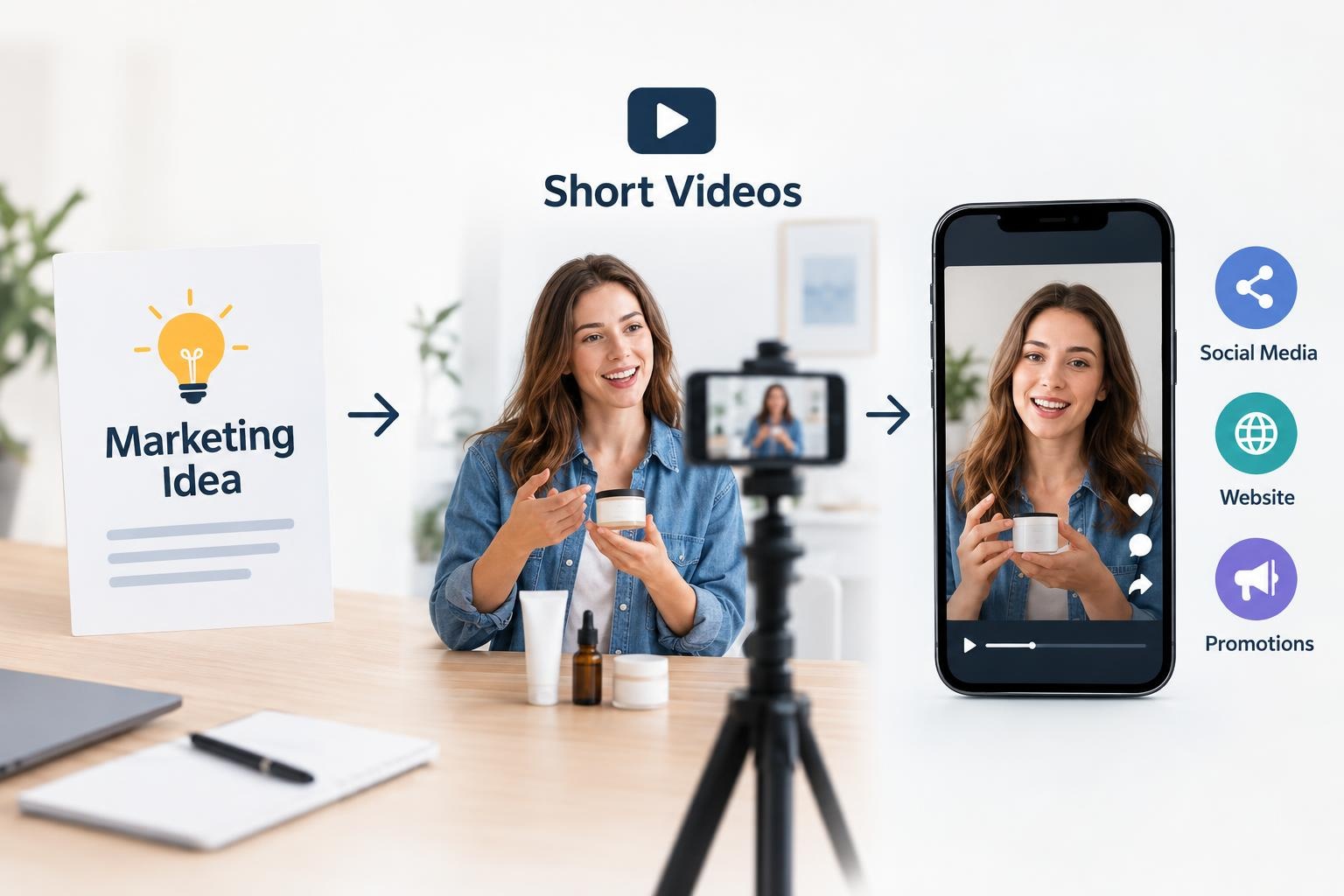
Short videos can help potential customers understand your business before they visit or contact you. Show the product or service, answer common questions, or introduce the team in a way that feels local and specific. A marketing video maker can help adapt one campaign idea into short-form videos for social media, websites, or promotional campaigns.
Use Flyers and Posters With Trackable Offers
Flyers and posters can support local promotion when they include a measurable reason to respond. Add a unique promotional code, QR code, dedicated URL, or specific offer to connect responses with the campaign. This helps digital marketing for local business work alongside offline promotion instead of treating print activity as separate from your measurable marketing efforts.
Repurpose One Campaign Across Multiple Channels
Once you have a campaign built around a genuine customer need, adapt its core message for relevant channels instead of creating unrelated campaigns. A local promotion can become a social post, short video, or email while keeping the same objective, offer, and tracking method.
Common Local Business Marketing Mistakes
Many local businesses do not struggle because they lack marketing ideas. They struggle because their efforts are scattered, outdated, or disconnected from customer actions. Avoiding a few common mistakes can make marketing for local businesses more focused and easier to measure.
Ignoring Google Business Profile
An incomplete or outdated Google Business Profile can prevent potential customers from finding accurate information about your business. Keep your category, services, hours, contact details, photos, and reviews up to date, so local searchers can quickly decide whether to visit or contact you.
Trying to Maintain Every Social Platform
Being active everywhere can spread limited time and resources too thin. For local marketing for small businesses, focus on the platforms your customers actually use and where you can consistently publish useful content. One well-maintained channel can be more practical than several neglected accounts.
Having No Review System
Waiting for reviews to happen naturally can leave customer feedback inconsistent. Create a simple process for requesting genuine reviews after completed purchases or services, then respond appropriately. Reviews can provide both social proof and useful insight into what customers value.
Spending Before Tracking Results
Paid campaigns should not be scaled before you know what they generate. Track calls, leads, bookings, store visits, or sales before increasing spend. Without this data, local business online marketing can quickly become a collection of expenses rather than a measurable customer-acquisition process.
Creating Marketing Without a Clear Next Action
Every promotion should give customers an obvious next step, such as calling, booking, visiting, requesting a quote, or using a trackable offer. If people see the content but do not know what to do next, even strong reach may produce little business value.
How to Measure and Improve Your Local Marketing
Measuring local content marketing is not about collecting every available metric. Focus on whether each channel contributes to real customer actions. Likes and followers can show activity, but they are not success measures by themselves for most local businesses.
Track Local Visibility and Discovery
Monitor how people discover your business through local search, your website, and social content. Look for changes in search visibility, profile interactions, and website traffic. These metrics help explain whether your local marketing efforts are increasing local awareness.
Measure Calls, Bookings, Visits, Leads, and Sales
Connect marketing activity to outcomes that matter to the business. Track phone calls, bookings, store visits, and sales where possible. These metrics show whether attention is turning into meaningful customer activity.
Compare Channels by Customer Value
Do not compare channels only by reach or likes. Compare how much each channel contributes to leads, bookings, or sales. A smaller channel that consistently produces qualified customers may serve a different role from one that generates high visibility but few conversions.
Keep, Improve, or Drop Each Channel
Review performance monthly and place each channel into one of three actions: keep, improve, or cut. Keep channels that generate useful customer outcomes, improve those with potential but clear weaknesses, and reduce activity where results remain poor. This keeps online marketing for local businesses focused on measurable business results rather than maintaining channels simply for the sake of being present.
Local Business Marketing Budget: Where to Start
A local marketing budget does not need to be large to be useful. Start with what your business can consistently afford, then increase spending when you can connect an activity to calls, leads, bookings, visits, or sales. For online marketing local businesses, the priority should be building a reliable customer path before paying to expand its reach.

Time-Only or Nearly Free
When cash is limited, focus on activities that require more consistency than spending. Maintain your Google Business Profile, request genuine reviews, improve key website pages, and publish useful local content. Stay active where your customers already are, and build referral relationships when you can. Basic website visual design also matters: clear navigation, readable layouts, strong service pages, and visible contact options can help turn local traffic into inquiries.
Small Monthly Budget: $100–$500
With a small budget, avoid dividing money across several channels. First cover essential websites and local-search improvements, then use the remaining amount for one measurable paid campaign or local promotion. You might invest in stronger creativity, a targeted social campaign, or a specific local offer. Track the response before increasing spend or adding another channel.
Growth Budget: $500–$2,000+
A larger budget gives you room to test multiple activities, but expansion should still be controlled. Consider paid search, social advertising, content production, local sponsorships, or promotional campaigns based on where previous results indicate an opportunity. Track calls, leads, bookings, visits, and sales, so budget decisions are based on customer outcomes rather than impressions or follower growth.
Where to Put Money First
Before expanding into additional channels, prioritize the parts of the customer journey most likely to influence a purchase:
-
Google Business Profile and local visibility: Make it easy for nearby customers to discover accurate business information.
-
Reviews and customer proof: Build trust with genuine reviews, testimonials, and relevant examples of your work.
-
Website and visual design: Make important pages clear and mobile-friendly, and focus each page on the next customer action.
-
One measurable paid or promotional channel: Start with a defined audience, offer, location, and conversion goal.
-
Additional content and community marketing: Expand into local content, events, or partnerships after the core path produces measurable results.
Create Local Business Marketing Visuals With Designkit
Once a local marketing strategy identifies the right campaigns, offers, and channels, businesses need consistent visuals to turn those plans into customer-facing content. Designkit's Local Business Visual Skill can support this stage by transforming business information, products, promotions, and campaign ideas into polished visual assets. Businesses can use it for social posts, local offers, event announcements, and other location-focused campaigns.
This helps keep a recognizable visual identity across channels while adapting creative content to different local campaigns.
Create Local Marketing Visuals
What Can You Achieve With Designkit for Your Marketing Campaign?
-
Create Local-Language Marketing Visuals: Create campaign visuals with messaging suited to your local audience. Adapt promotional copy, offers, and visual styles for different languages and regional markets while keeping the core campaign message clear across your marketing materials.
-
Create Food and Menu Visuals: Turn food photos, menu items, and special offers into marketing visuals for restaurants, cafés, bakeries, and food businesses. Create campaign assets for new dishes, seasonal menus, meal deals, and limited-time promotions.
-
Create Local Promotional Visuals: Turn local offers, discounts, seasonal promotions, and store announcements into campaign-ready visuals. Adapt the same promotion into different creative formats for social media, websites, print materials, and other local marketing channels.
-
Create Event and Community Visuals: Create visuals for local events, workshops, markets, community activities, and sponsorships. Develop promotional assets around event details, dates, offers, and announcements while adapting the creative for different campaign placements.
-
Create Product and Service Visuals: Present products, services, packages, and special offers through tailored marketing visuals. Transform existing product imagery into campaign assets that explain the offer clearly and fit the needs of local customers.
-
Create Social Content Variations: Turn one local campaign idea into multiple social creatives with different layouts, messages, or visual directions. Adapt promotional content for the platforms your customers use without creating every asset from scratch.
-
Create Creative Variations for Testing: Develop multiple versions of a local campaign by changing headlines, offers, layouts, imagery, or visual direction. Test different creative approaches to understand which message generates more engagement, inquiries, visits, or sales.
3 Steps to Create Local Marketing Visuals
Step 1: Select Local Business Visuals
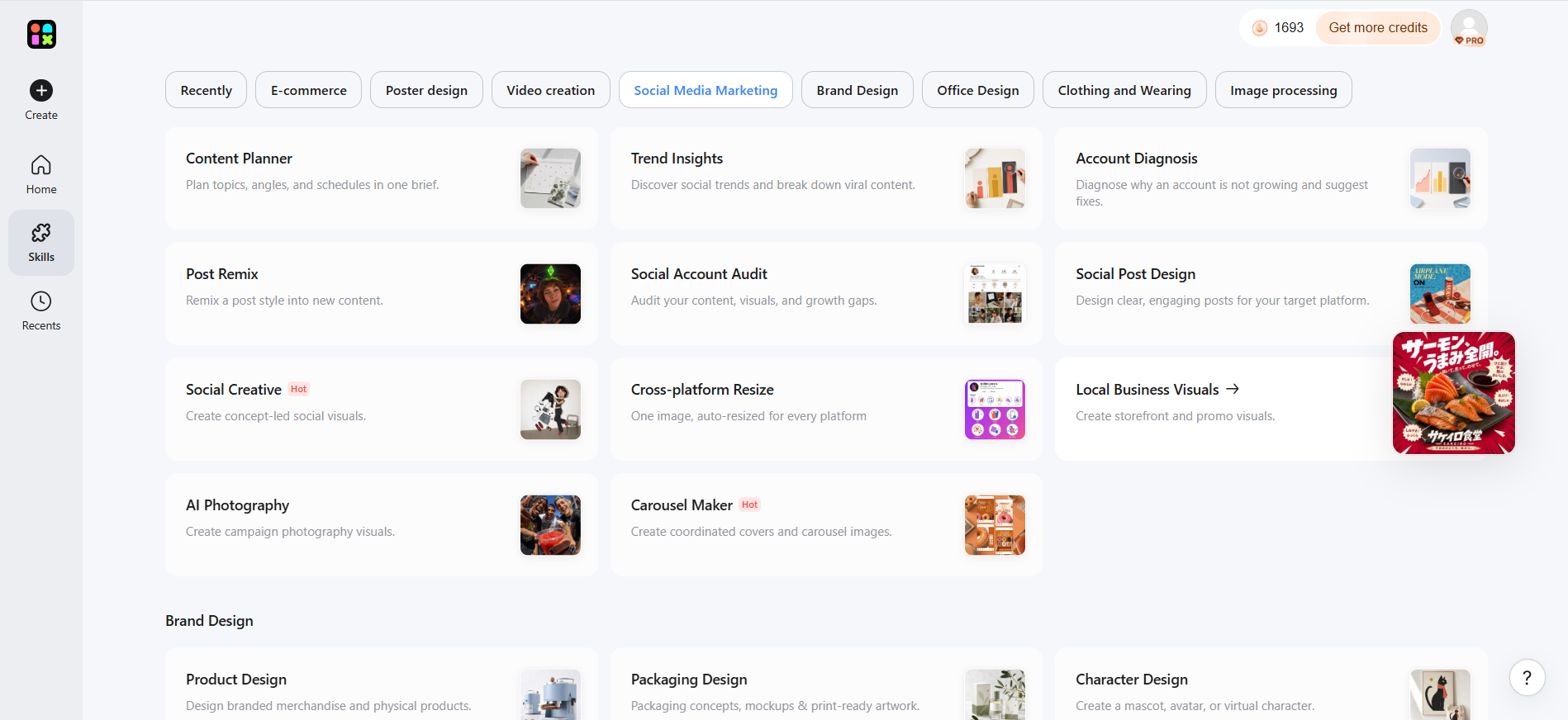
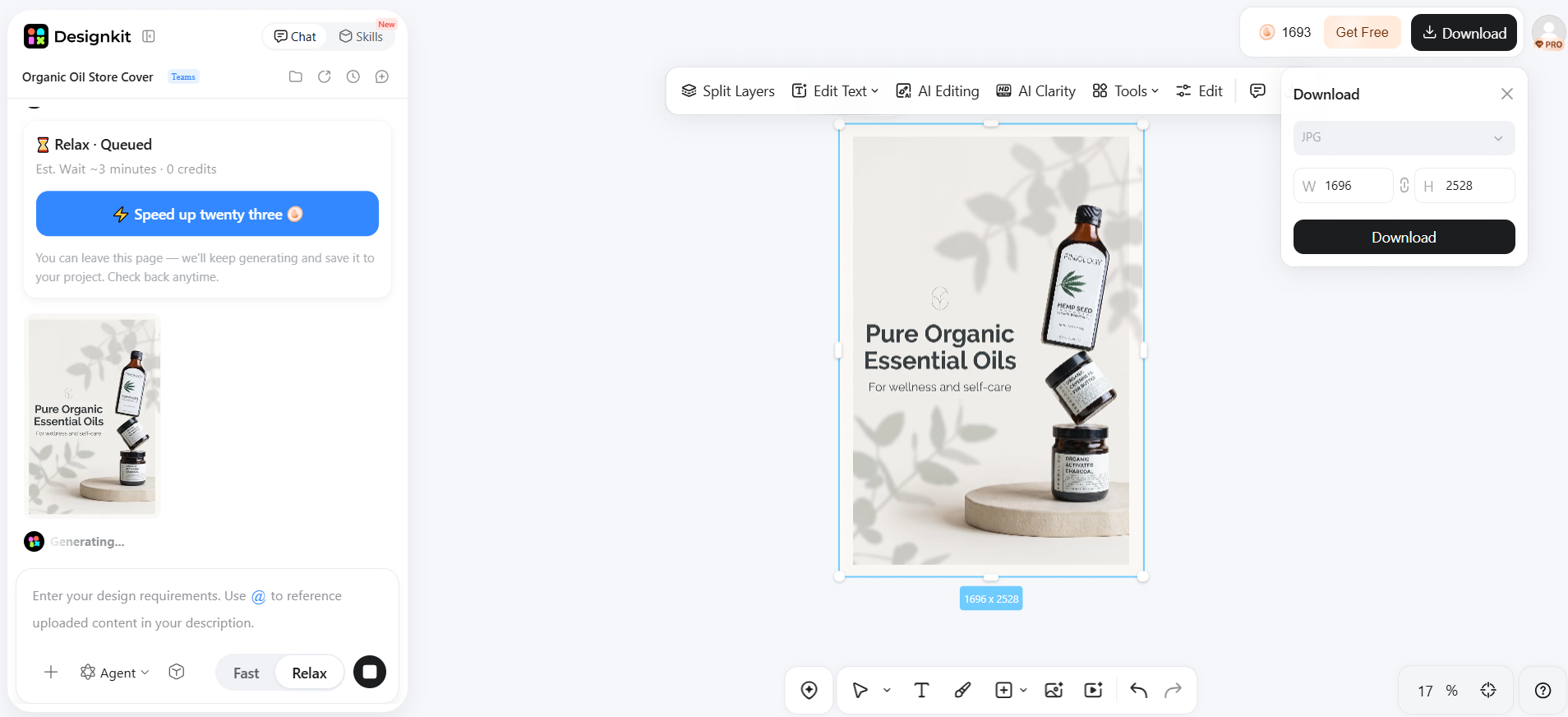
Sign in to Designkit, go to Skills, select Social Media Marketing, then choose Local Business Visuals. Upload your store, product, food, or service assets and add your Business and Promotion Details.
Step 2: Set Visual Requirements
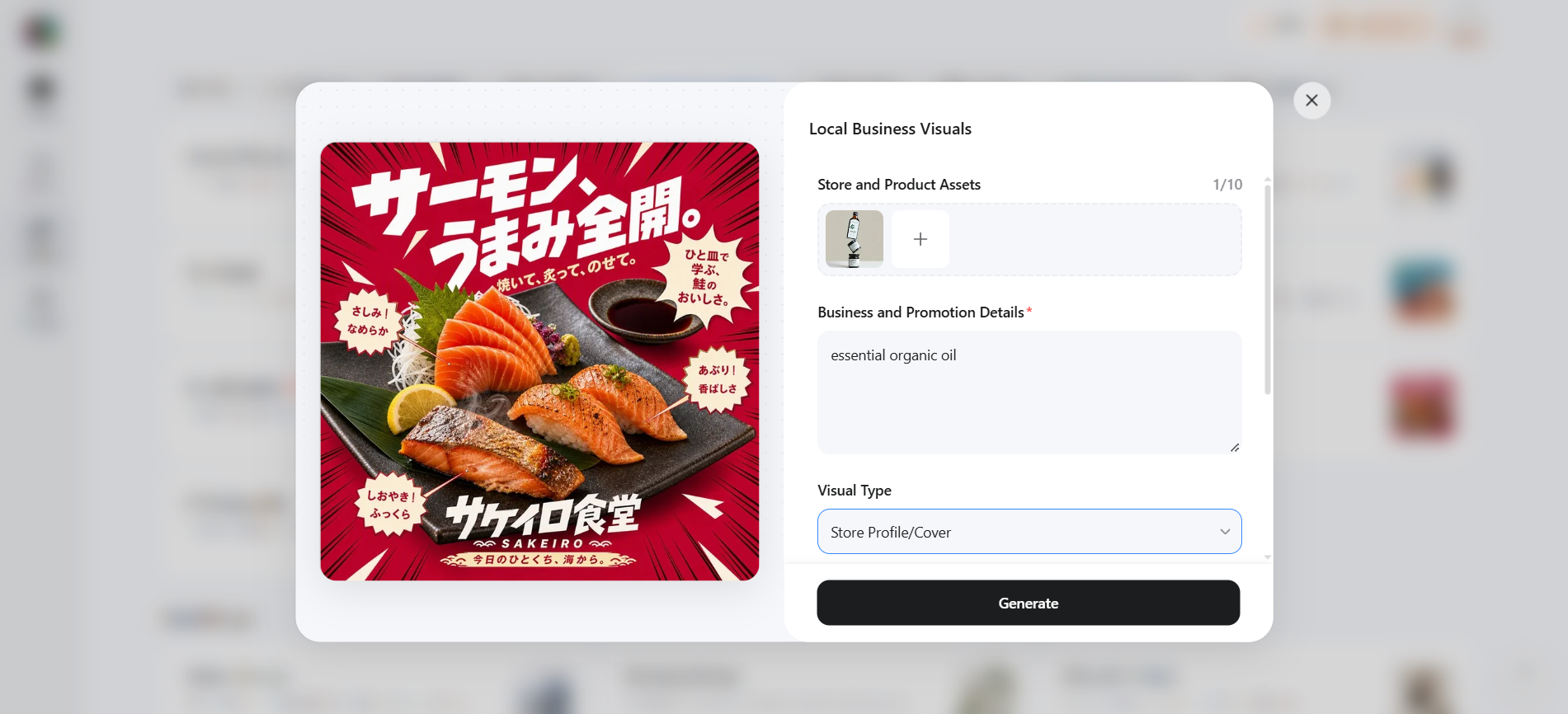
Enter the visual type, platform, and placement. Add requirements such as local language, promotion details, event information, style, colors, and required text, then hit Generate.
Step 3: Download Your Visual
Review the generated visual and make any necessary refinements. Once it meets your campaign requirements, download the asset and use it across your selected local marketing channels.
Conclusion
Effective local business marketing is not about using every available channel. Start by understanding your local audience, defining a clear value proposition, and choosing the channels that support your goals. Combine local search, reviews, and the social or offline tactics that fit your area, then measure the actions that matter to your business. Once you know which campaigns and channels are worth repeating, Designkit can help turn those ideas into consistent visual assets for the placements you already use.
Frequently Asked Questions
What Is the Most Effective Marketing for a Local Business?
How Can a Small Business Attract More Local Customers?
Focus on being easy to find, building local trust, and giving people a clear reason to act. Keep your Google Business Profile accurate, ask satisfied customers for reviews, publish useful local content, stay active on the social platforms your customers use, and promote offers that matter in your service area. Track calls, bookings, visits, or inquiries so you know what is working.
What Is the Difference Between Local Marketing and Local SEO?
Local SEO is mainly about visibility in local search results, including maps and nearby queries. Local marketing is broader. It covers search, social content, referrals, events, advertising, and promotions that help nearby customers choose and contact the business. Local SEO often supports local marketing, but it is not the whole plan.
How Much Should a Small Business Spend on Local Marketing?
There is no fixed amount that works for every business. Start with what you can sustain. Prioritize free foundations such as Google Business Profile and reviews, improve the pages that turn visitors into inquiries, then test one measurable paid or promotional channel before increasing spend. Raise the budget only when you can connect the spend to calls, leads, bookings, visits, or sales.
What Are the Best Free Local Business Marketing Ideas?
Useful free or low-cost options include optimizing your Google Business Profile, requesting genuine reviews, creating content around real local questions, building referral partnerships, posting on the platforms your customers use, and taking part in community events. Keep each activity tied to a clear next step, such as a call, booking link, or trackable offer. When you need matching visuals for those offers or events, Designkit can help you create them quickly.
How Can I Measure Whether My Local Marketing Is Working?
Track actions that connect marketing to business results: calls, bookings, form leads, visits, orders, and sales. Compare those outcomes by channel instead of relying on likes or follower counts alone. Review monthly, keep what produces customers, improve what has potential, and cut what stays weak.
You May Also Like
Amazon Individual vs Professional Selling Plan
Amazon Brand Registry Requirements: Trademark, Account & Cost
How to Create an Amazon Seller Account: Requirements and Steps
Amazon Product Video Requirements: Specs & Upload
Amazon Global Selling: How to Open Multiple Marketplaces
Amazon Vine Program for Sellers: Get Early Product Reviews
Amazon Sponsored Products: How to Launch Your First Campaign
Amazon Sponsored Brands: What They Are and When to Use Them
Is Print on Demand Profitable in 2026? Products and Niches
Print-On-Demand Designs: Create, Prepare, and Preview Your Work
Local Business Marketing: Ideas, Priorities and Ways to Get Local Customers
Social Media Audit: How to Review Performance and Find What Works

How to Build a Personal Brand: A Strategic Guide
How to Create a YouTube Channel for Your Business in 2026
Social Media Content Planner: Plan & Schedule Posts

Amazon A+ Content Dimensions: Module Image Sizes

Amazon A+ Content: What It Is and What to Build First
Amazon Brand Registry Application: How to Submit and Pass Review
How to Ship to Amazon FBA: Your First Shipment
What Is Amazon FBA? Should Beginners Use It in 2026

How to Get Ungated on Amazon: Restricted Category Approval Steps
Amazon Backend Keywords: Title, Bullets & Search Terms
What Is A/B Testing? A Practical Guide to Running Better Experiments
Best Time to Post on Instagram in 2026: Data & Tips
How to Get Verified on Instagram: Complete Guide
TikTok Monetization in 2026: Requirements & Ways to Earn
YouTube Shorts Monetization Requirements & Rules 2026
How to Make an Event on Facebook: Complete Setup Guide (2026)

Instagram Desktop Posting Guide: Upload Posts, Stories & Reels
How Much Does YouTube Pay Per View? 1K, 100K & 1M Views

How to Make Money on Snapchat: 7 Ways to Earn
How to Get More Followers on Instagram in 2026
Best Time to Post on TikTok in 2026 for More Views
How to Repost on Instagram in 2026: A Simple Guide
How to Create Digital Products That Sell in 2026

Cyber Monday Marketing Ideas & Strategies (2026 Guide)
Black Friday Marketing Ideas for Ecommerce Brands (2026)
Instagram Marketing Guide: Strategies, Tips & AI Tools in 2026
Influencer Marketing Guide: Strategy, Campaigns & Creator Tips
How to Sell on Facebook Marketplace: Beginner Guide (2026)
How to Use Pinterest for Business: Strategy, Tips & Growth Guide
How to Sell on Etsy in 2026: Setup, Listings & Growth Tips
WooCommerce vs Shopify 2026: Pricing, Features & Which Is Better
What Is a Target Audience? Types, Examples & How to Find Yours
Multichannel Marketing Guide: Strategy, Tools & Examples
TikTok Marketing Guide 2026: Strategies, Ideas & AI Tools
Vibe Marketing Explained: Strategy, Examples & AI Tools

15 Best Things to Sell on Etsy in 2026 (Listing Tips Included)
How to Sell on Depop: Beginner Guide to Getting Your First Sale
Where to Sell Handmade Items Online (2026): Etsy, Amazon, or Shopify?
Shopify vs Amazon (2026): Brand Store or Marketplace FBA?
Amazon Handmade vs Etsy (2026): Which Is Better for Makers?
Online Advertising Guide: Types, Costs & Examples (2026)
Facebook Advertising Guide: Costs, Strategy & Tools 2026
Etsy vs eBay (2026): Handmade, Vintage, or Secondhand?
Selling on Amazon vs eBay (2026): Fees, Profit & Where to Sell
10 Best Online Selling Platforms (2026): Pick by What You Sell
Shopify vs Etsy (2026): Which Is Better for Handmade Sellers?
What Are E-commerce Ads? Examples, Strategy & Tools (2026)

What Is Brand Awareness? Examples, Strategies & Tools 2026
What Is Brand Identity? Examples, Elements & Strategy
YouTube Automation Step-by-Step AI Guide for Beginners

AI Marketing Agent: How It Works, Benefits & E-Commerce Examples
What Is Personalized Advertising? Examples & How It Works
How to Build a Shopify Store That Actually Converts Visitors
Amazon Marketing Guide 2026: Strategies, Tips & Tools
Local Advertising: Strategies, Examples & Tools (2026)
What Is Branded Content? Examples, Strategy & Tools 2026
What Is Performance Marketing? Strategies & Examples 2026
Inbound Marketing: Strategies, Examples & Tools (2026)
Grow Your Local Business With Better Visuals
Create flyers, posters, social media visuals, promotional graphics, and other marketing materials with Designkit. Turn one local campaign idea into visuals that work across the channels your customers use.