
Seedance vs Kling for Ecommerce Product Video
Match the model to the clip you need to ship. Try Seedance 2.5 when reference control and finished look matter. Try Kling 3.0 when motion and volume matter more.

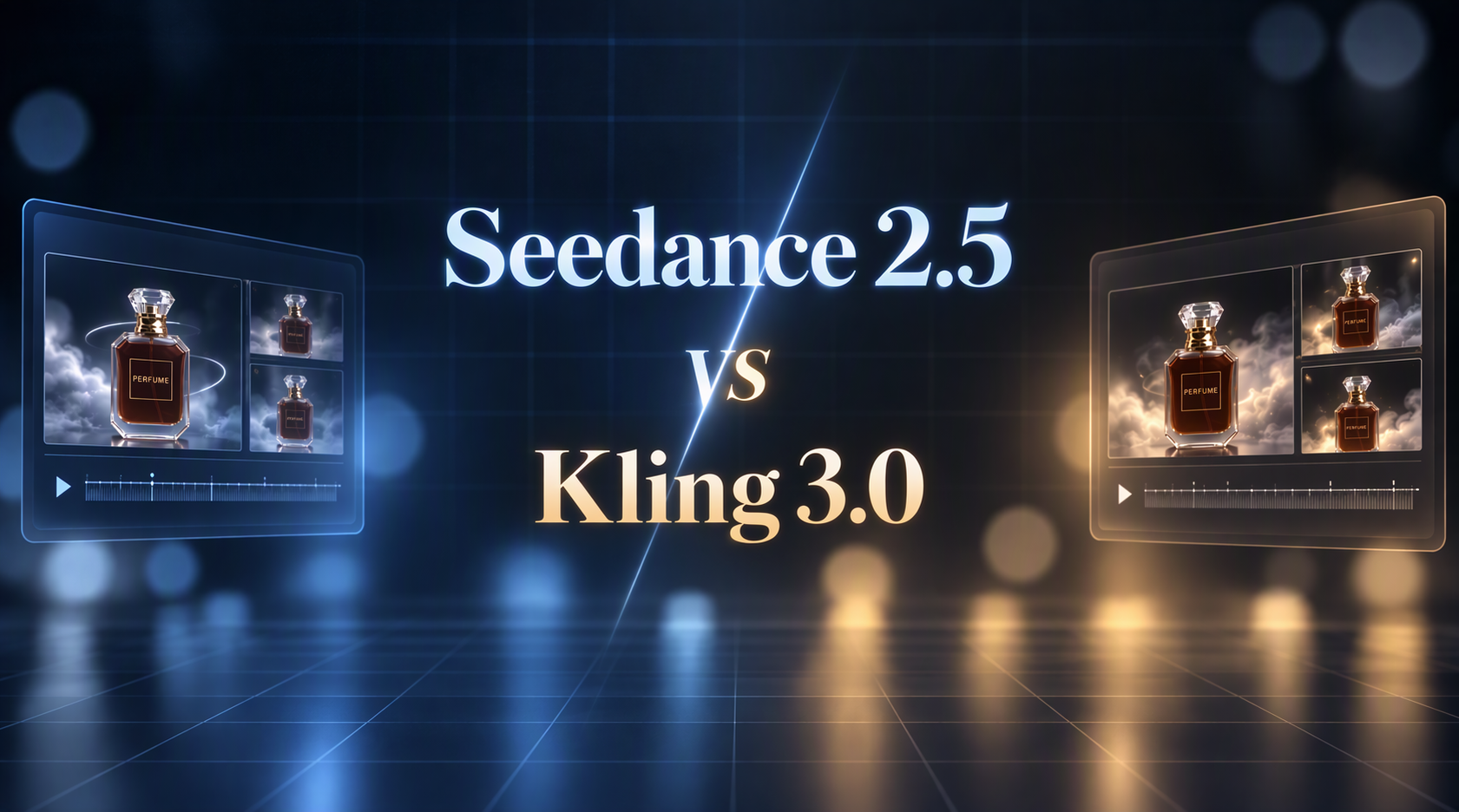
If you are choosing Seedance vs Kling for ecommerce product video, start with the clip you need to ship this week. Seedance 2.5 (ByteDance) is usually the stronger default when you need reference-heavy control and a more finished product or UGC look. Kling 3.0 (Kuaishou) is usually the stronger default when motion and volume matter more than a heavily referenced hero.
This guide compares Seedance 2.5 vs Kling 3.0. If your menu still shows Seedance 2.0, use it for cheap drafts and move keepers to 2.5 when that tier appears. Kling 4.0 is rolling out with longer single generations and stronger keyframe control; until it shows in your model list, keep testing against Kling 3.0.
Quick Verdict: Which Model Fits Your Clip?
Match the model to the publish goal, not the demo that looked best in a feed.
| Your priority | Best choice | Why |
|---|---|---|
| Amazon / PDP product motion from a packshot | Try Seedance 2.5 first; switch to Kling 3.0 if you need many silent variants fast | Seedance holds product look under stronger reference control; Kling retries silent motion cheaper |
| Silent TikTok / Reels product demos | Try Kling 3.0 first | Motion-first image-to-video that usually reaches a usable orbit sooner |
| Reference-heavy hero (multi-image lock on SKU / pack) | Try Seedance 2.5 first; switch to Kling if motion feels stiff | Built for multimodal references and a more finished pass |
| Multi-shot storyboard in one generation | Try Kling 3.0 first | Labeled beats in one board cut stitching for short ads |
| UGC-style beat with speech | Try Seedance 2.5 first; retest on Kling if lip sync fails | Both can generate sound with picture; speech needs a live check on your SKU |
| Large catalog motion variants on a budget | Try Kling 3.0 first | Cheaper to retry silent product motion at scale |
| Draft cheap, finish once | Draft on Seedance 2.0, then finish on Seedance 2.5 or Kling | Common path when your menu still lists 2.0 beside newer tiers |
List prices change by host, resolution, and whether audio is on. Compare cost per approved clip on your billing page before you scale.
What Each Model Is Built For
Seedance 2.5 is ByteDance’s joint audio-video model aimed at longer, reference-controlled clips rather than a single pretty take. Against Seedance 2.0, the practical jump for sellers is longer single generations (up to 30 seconds on ByteDance’s current claims) plus a heavier reference budget and tighter edit controls. For the full version delta, read our Seedance 2.5 review. In a Seedance vs Kling decision, treat Seedance as the side that locks the product and ships a finished-looking beat.
Kling 3.0 is a motion-first generator from Kuaishou. It is built for camera moves and image-to-video from catalog photos. Multi-shot planning helps short product stories without heavy stitching. We already covered Kling’s ecommerce tradeoffs against Google Veo in Kling vs Veo for product video and UGC ads. Here, keep only the contrast that matters: Kling moves the product and batches the variants.
Seedance 2.5 vs 2.0 in one sentence
Use Seedance 2.0 when attempt cost matters more than control; use Seedance 2.5 when the keeper needs longer continuity or heavier reference guidance. That is why seedance 2.0 vs kling 3.0 still shows up in search after 2.5 shipped.
Where Product Clips Diverge
Before the deep dive, here is the short scorecard sellers usually need. Caps vary by host, so confirm anything marked “check current menu.”
| Dimension | Seedance 2.5 | Kling 3.0 | What it means for product clips |
|---|---|---|---|
| Clip length (single pass) | Up to 30 seconds (ByteDance claim) | About 3 to 15 seconds (common Kling 3.0 range) | Longer continuous beat vs shorter passes you may stitch |
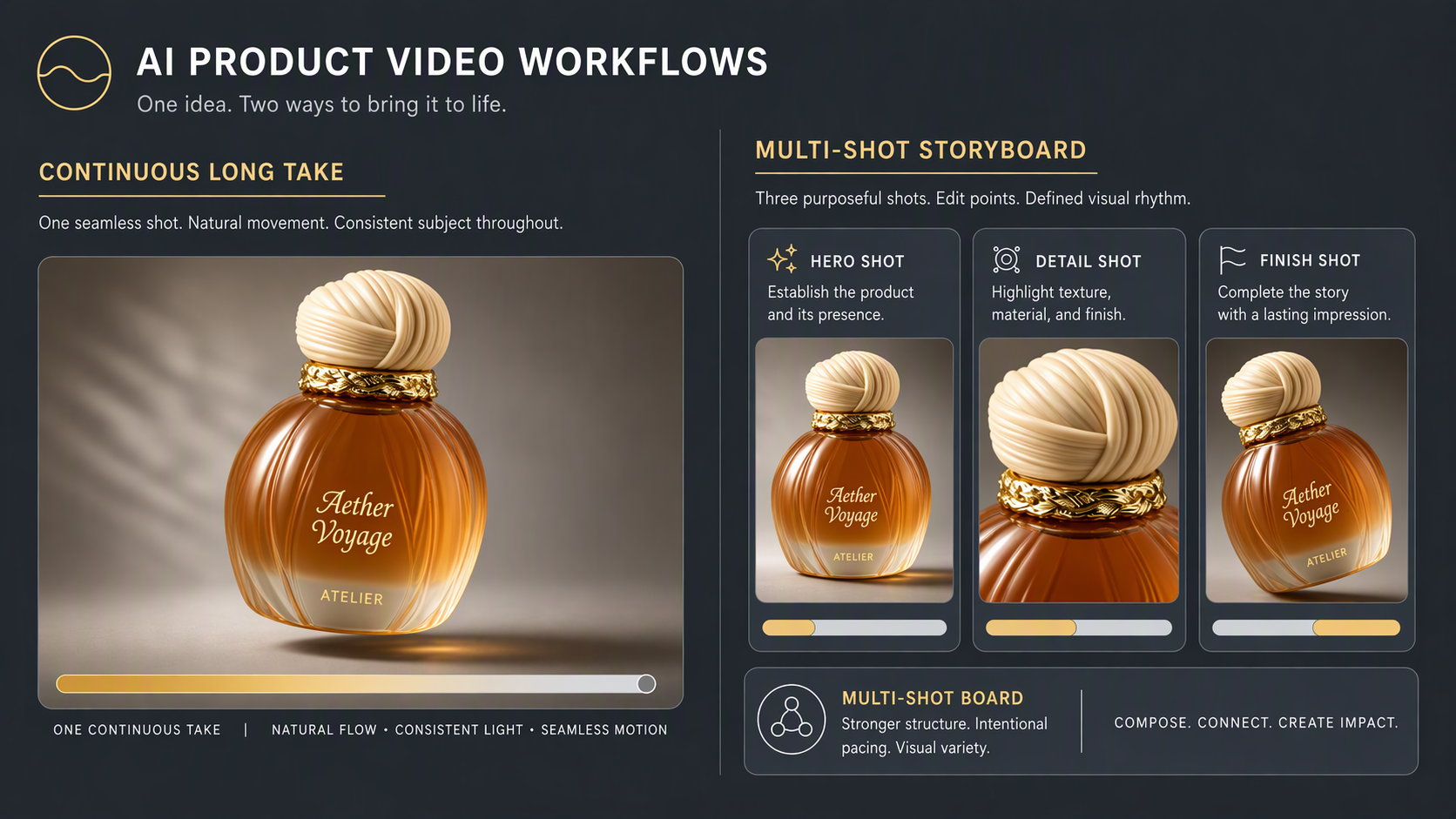
| Multi-shot control | Prompt / timestamp sequencing | Structured multi-shot / storyboard workflows | One long take vs labeled short-ad beats |
| Reference depth | Heavier multimodal reference budget on current claims | Strong image-to-video from a clean hero still | Multi-asset lock vs one strong packshot |
| Audio | Joint audio-video on current tiers | Native audio on current tiers | Test speech on your SKU; silent beauty shots do not decide talking ads |
| Best starting clip | Reference-heavy heroes and finished social cuts | Silent motion demos and volume variants | Pick by the shot you ship this week |
| Menu reality | Check current menu | Check current menu | Workspace labels and caps can lag official pages |
Outside ecommerce, Seedance vs Kling articles often chase cinema demos or Elo screenshots. Sellers need a narrower question: does the SKU stay itself, and can you publish the motion?
Motion and product fidelity
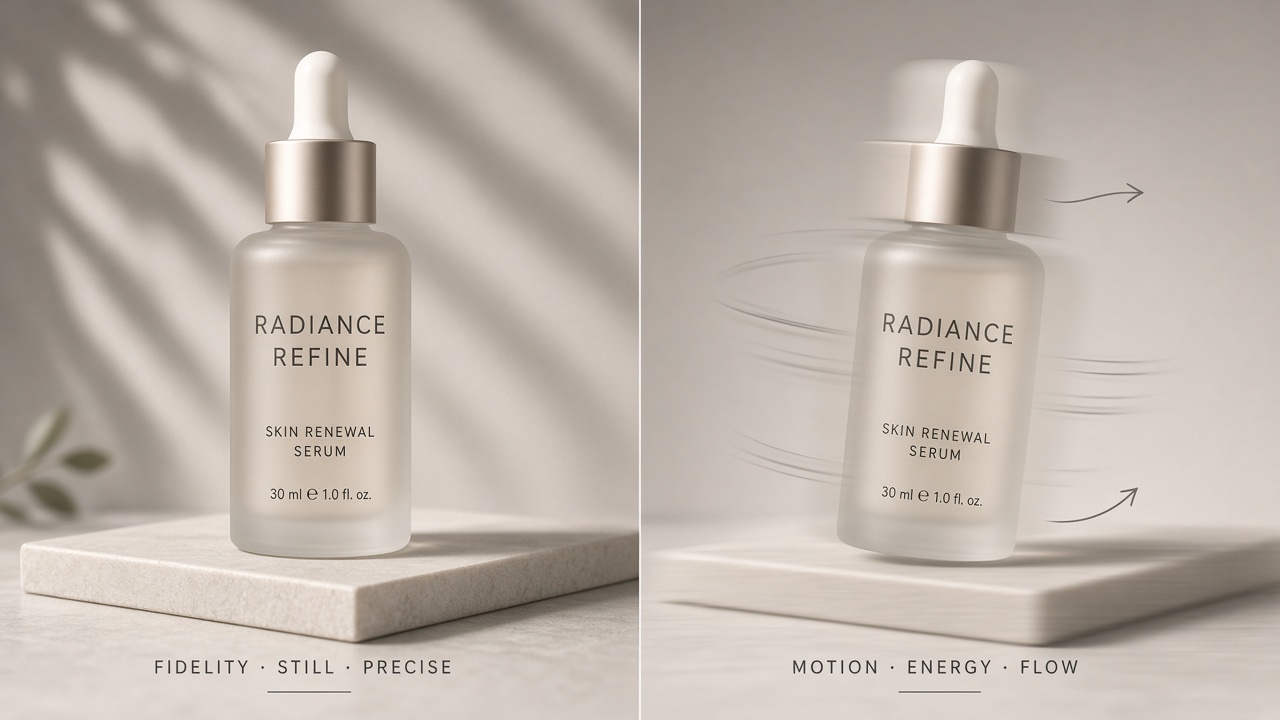
Kling usually ships convincing product motion first. Orbits, push-ins, and catalog-to-video clips often feel usable before any polish pass. Clean-backdrop spins help some listing slots, but they are not every team’s default brief.
Seedance usually wins when the brief depends on reference lock: bottle shape, label layout, or pack proportions must survive the move. Score your own hero SKU instead of importing someone else’s snack demo. If the label drifts on Seedance, switch the same brief to Kling and compare retries.
Clip length and multi-shot control
Seedance 2.5 stretches a single generation further than Seedance 2.0, which helps when one PDP or social cut needs a longer continuous beat. Kling 3.0 commonly lands in a shorter per-pass window with multi-shot boards that label several beats in one generation. If your ad is a short silent product sequence with clear shot changes, Kling’s board is often the simpler path. If your brief is one longer reference-guided take, Seedance 2.5 is often the simpler path.
Audio and publish path
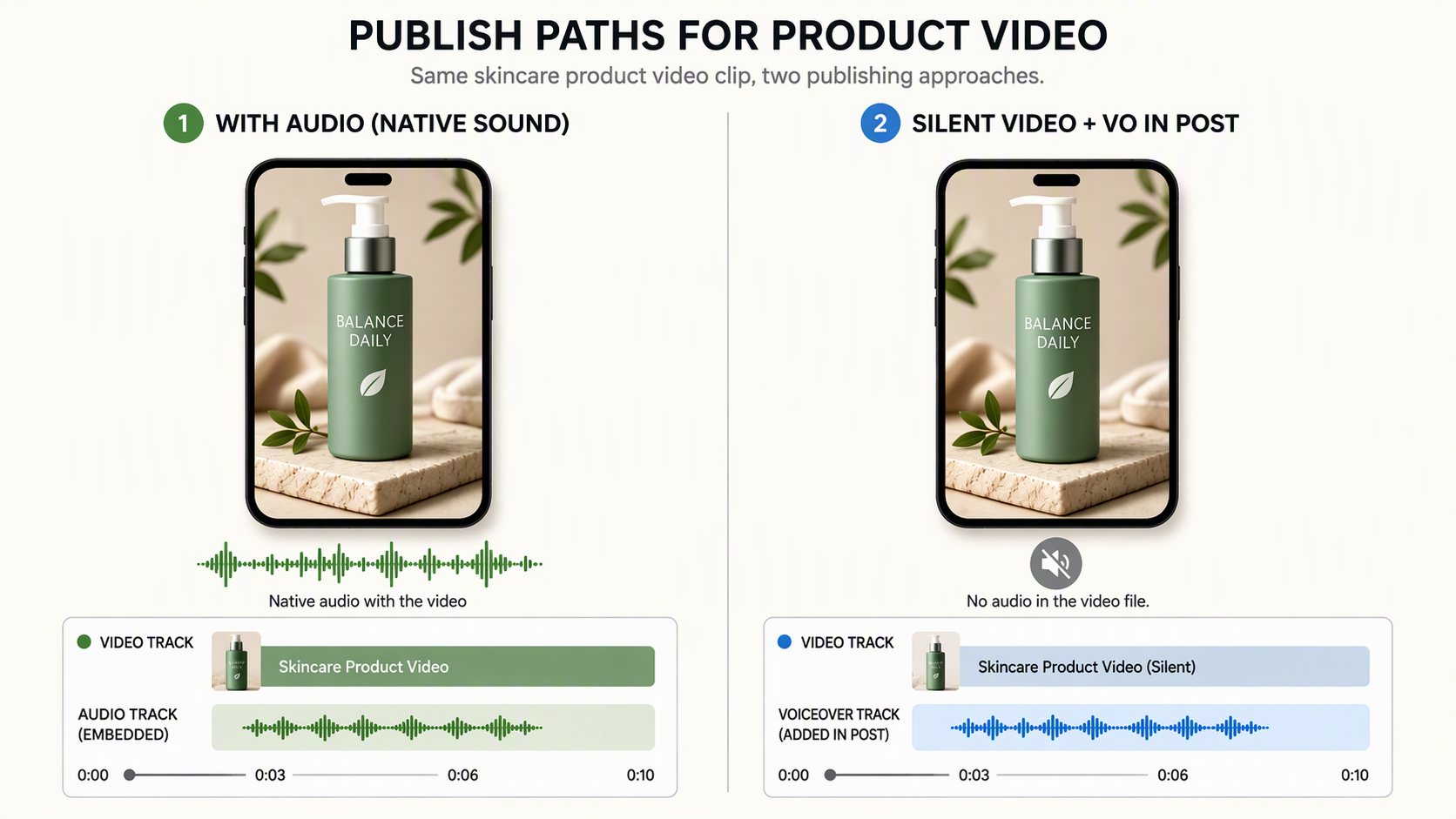
Both families can generate picture and sound together on current tiers, but the publish path still differs by brief. For speech-led creator lines, try native dialogue on Seedance first, then retest on Kling if sync fails. For silent product motion, many teams mute either model and add VO in post. Do not crown a winner from a silent beauty shot if your live ads include speech.
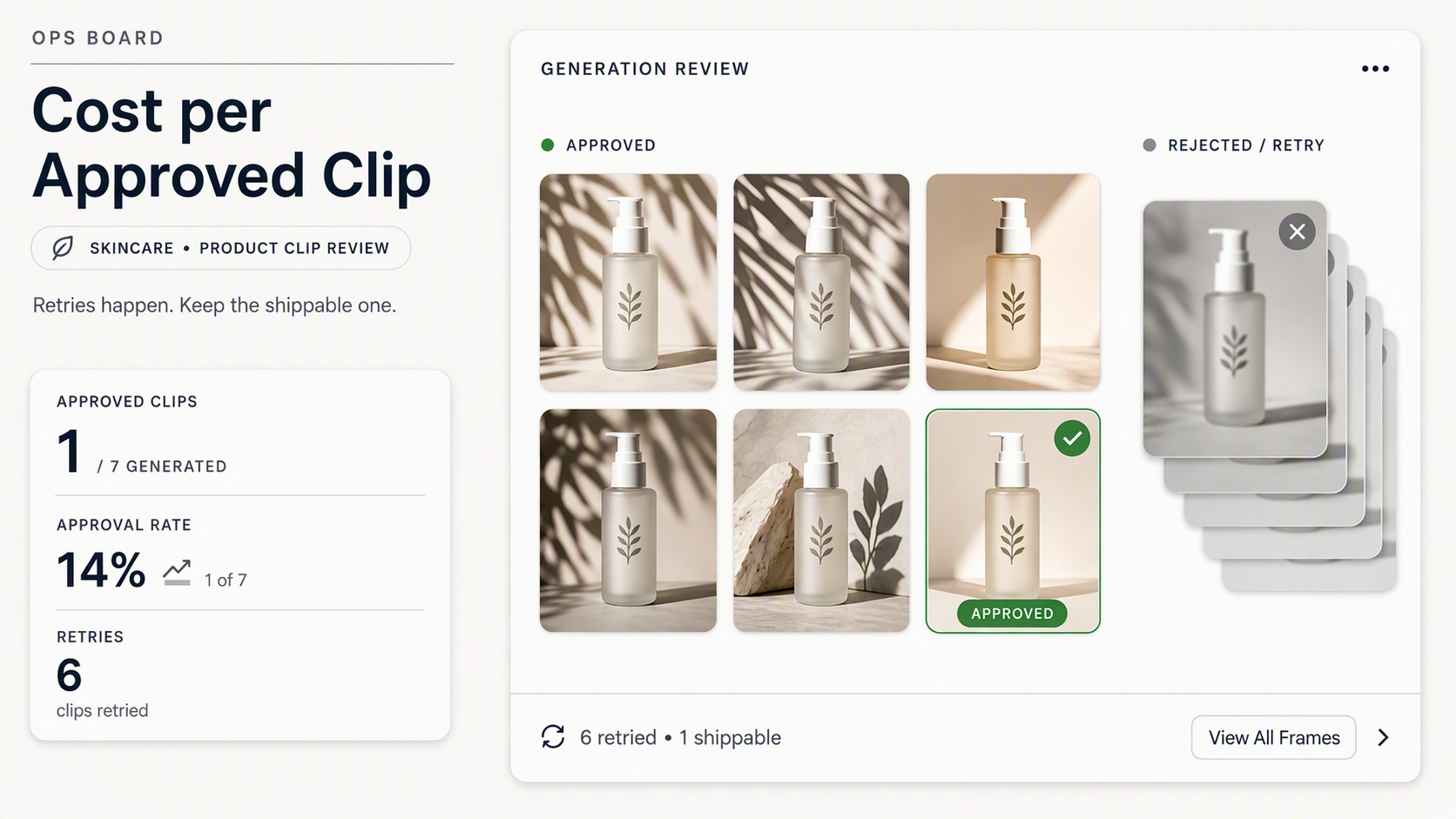
Cost per approved clip
Compare cost per approved video, not list price alone. Your real bill includes retries and edit time. Seedance 2.5 is often the more expensive finish layer than Seedance 2.0; Kling is often the cheaper volume layer for silent motion. Verify on the billing page for the route you actually use.
Test Both on Your Hero SKU
Run one approved product image through both models with the same brief. Match resolution tier as closely as each platform allows (1080p when available) and log how many tries reach a keeper.
| Shot type | Seedance 2.5 | Kling 3.0 | Default pick |
|---|---|---|---|
| Catalog / clean-backdrop product motion | Strong product lock when references are clean | Strong orbit and volume economics | Try Seedance for fidelity; switch to Kling for volume |
| Lifestyle scene insert | Often more finished light and scene hold | Fast variants; watch prop and label drift | Try Seedance for heroes; Kling for quick tests |
| Simple action demo (open, pour, rotate) | Good when the action needs reference guidance | Often more natural product motion first | Try Kling first; switch to Seedance if the SKU drifts |
| Packaging text / logo motion | Still risky on fine type | Same risk on small labels | Add a static end card in post for either |
Test briefs (copy into both tools):
Prompt: Catalog / clean-backdrop motion
Slow orbit or gentle push-in on the product against a clean, simple backdrop. Soft grounded shadow. Smooth camera movement, no text overlays, no people. Premium ecommerce lighting.
Prompt: Lifestyle insert
Place the product on a modern kitchen counter during morning light. Gentle camera push-in. Warm, natural color grade. Keep the product shape and label readable. No people.
Prompt: Simple action demo
Medium shot of the product on a desk. The cap twists open in one smooth motion, then a small pour into a clear glass. Soft indoor light, stable framing, no text, no people.
Score whether the SKU still looks right, whether the motion sells, and how many retries you needed. Default to the model that wins the work you publish most often. Keep the other for shot types where it clearly wins.
Common mistakes: picking the prettier silent clip over the one you can ship; judging listing motion with a film-school prompt; skipping a dialogue test when the ad includes speech.
A Practical Split for Ecommerce Teams
A DTC skincare launch often needs listing motion, silent social demos, and a reference-locked hero. A practical split is Kling for product motion and batch variants, Seedance for reference-heavy heroes, then one timeline for a consistent brand finish.
That hybrid stack sits next to, not on top of, our Kling vs Veo guide. Kling vs Veo answers silent product motion versus speech-led Veo clips. Seedance vs Kling answers reference finish versus motion volume when both models are on the shortlist. If you already compared Luma and Seedance, that pair is a different fork. See Luma Ray 3.2 vs Seedance 2.0 only when HDR or keyframe finishing is the real question.
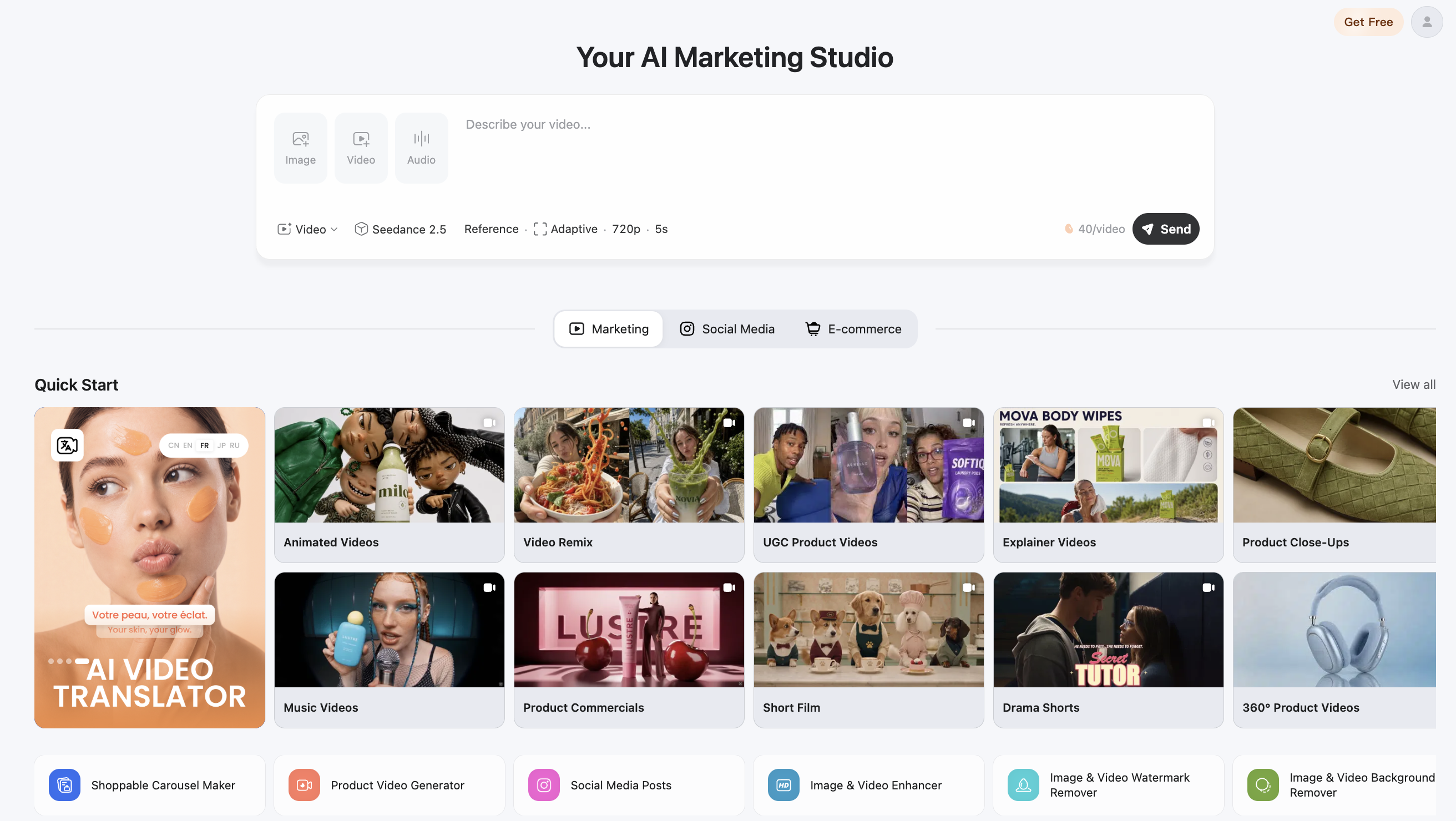
When you are ready to run the same SKU side by side, prepare one on-brand still and open Designkit’s AI product video workspace. Use the model menu to pick the Seedance and Kling tiers on your plan, run one shared brief, and keep the clip you can publish. For UGC methodology beyond model choice, see AI UGC for ecommerce.
Conclusion
Seedance is the stronger default when reference control and a finished look decide the cut. Kling is the stronger default when motion demos and batch variants decide the cut. Pick by the clip you need this week, mix when the campaign needs both, and confirm the exact model name plus billing page before you scale.
Frequently Asked Questions
Should I compare Seedance 2.5 or Seedance 2.0 against Kling 3.0?
How is Seedance vs Kling different from Kling vs Veo?
Kling vs Veo is mostly silent product motion versus speech-led Veo clips. Seedance vs Kling swaps the other seat to Seedance and focuses on reference finish versus Kling’s motion volume and multi-shot boards.
Does Kling Motion Control change the default pick?
Yes, when the brief needs path or pose control that standard text or image prompts cannot hold. For ordinary product orbits and catalog variants, start with the verdict table above, then escalate to Motion Control only if the action still drifts.
How should I compare price between Seedance and Kling?
Use cost per approved clip. Include retries and edit time. Per-second list rates change by host platform, so check the billing page for your route.
Can I use both Seedance and Kling in one campaign?
Yes. A common pattern is Kling for silent product motion and volume tests, Seedance for reference-locked heroes, then one shared grade so the cut still feels like one brand.
Can I use Seedance or Kling output in paid ads?
It depends on the plan and terms of the product you generate from, whether that is an official app, an API, or a reseller workspace. Free tiers are often stricter. Confirm commercial permission and any required AI disclosure on Meta or TikTok before you scale paid traffic.
You May Also Like

Kling Motion Control: When to Use It for Product Clips (2026)
Seedance vs Kling: Which AI Video Model Fits Product Clips?
Seedream vs GPT Image: Which Fits Ecommerce Product Photos? (2026)

Seedream 5.0 AI Review for Ecommerce Product Images
How to Use Google Veo 3.1 for Ecommerce Product Video

Nano Banana 2.1 Review: Features, Release Date & What’s New

How to List a Product on Amazon: Materials Checklist for First Listings

GPT Image 2 Prompts for Product Photos (Copy-Paste Examples)

Nano Banana vs Midjourney for Product Photos and Campaign Visuals (2026)

Kling vs Veo for Product Video & UGC Ads (2026)

Seedance 2.5 Review: What Changed in ByteDance's New Model

MiniMax H3: Features, Benchmarks, Pricing, and How to Use It

Luma vs Seedance (2026): Ray 3.2 or Seedance 2.0?

Gemini Omni Review: Real Tests, Pros & Limitations for Video Generation

GPT Image 2 Review: Features, Prompts & E-commerce Use Cases

Happy Horse 1.0: The AI Video Model E-Commerce Sellers Need to Know About

AI UGC for Ecommerce in 2026: Text-to-Video, Image-to-Video & Reference Replication Guide

HappyHorse AI Review: Features, Benchmarks & How to Use It
Seedance 3.0 Predictions: Will AI Video Enter the Feature Film Era?
Grok AI vs ChatGPT: Features, Pricing & Best Choice (2026)
How to Use Grok AI: Features, Tips & Best Prompts (2026 Guide)
Sora Is Shutting Down? Best AI Video Alternatives for Creators in 2026
Seedance 2.0 for Ecommerce: Create AI Product Videos in Minutes
Seedance 2.0 Review: Features, Improvements, Pricing & How It Works (2026)
Test Both on Your SKU
Prepare one product still, open the model menu, and run the same brief on the Seedance and Kling tiers available to you. Keep the clip you can publish.