
How to Create Digital Products: From Idea to First Sale
Turn skills and knowledge into digital products you can sell repeatedly. Learn how to ideate, create, market, and sell ebooks, templates, printables, and more.

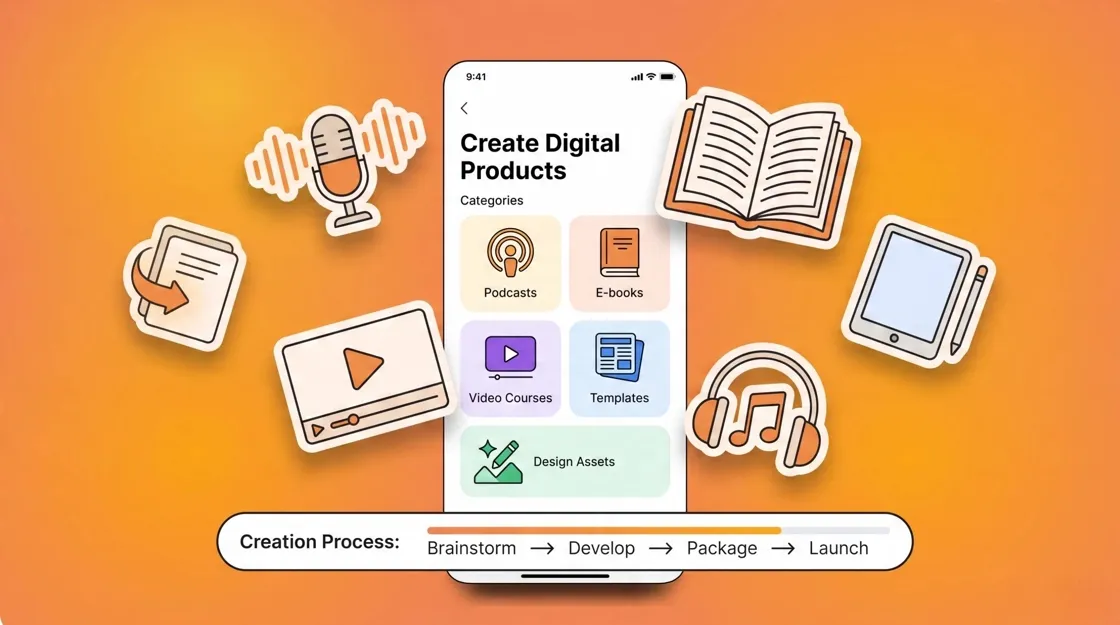
Digital products have become one of the most scalable ways to earn online because they can be sold repeatedly without inventory or shipping. Whether you're a creator, entrepreneur, educator, or business owner, learning how to create digital products starts with solving real customer problems.
This guide explains everything from choosing an idea and creating your first product to marketing, selling, and growing your digital product business using practical strategies and modern tools.
What Are Digital Products and Why Create Them?
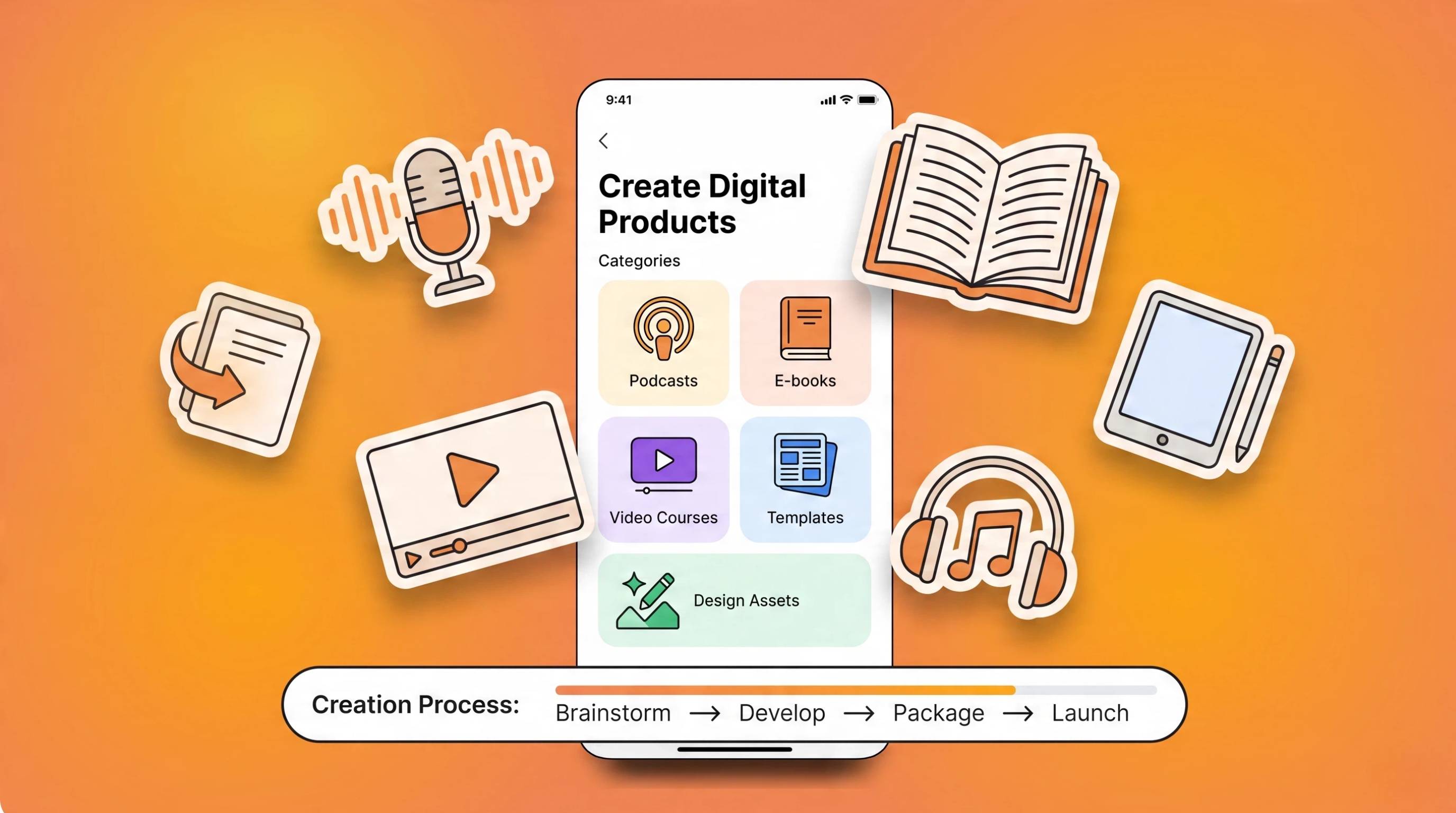
A digital product is basically any piece of media or intangible asset sold and distributed online. Think ebooks, software, Notion templates, or video courses.
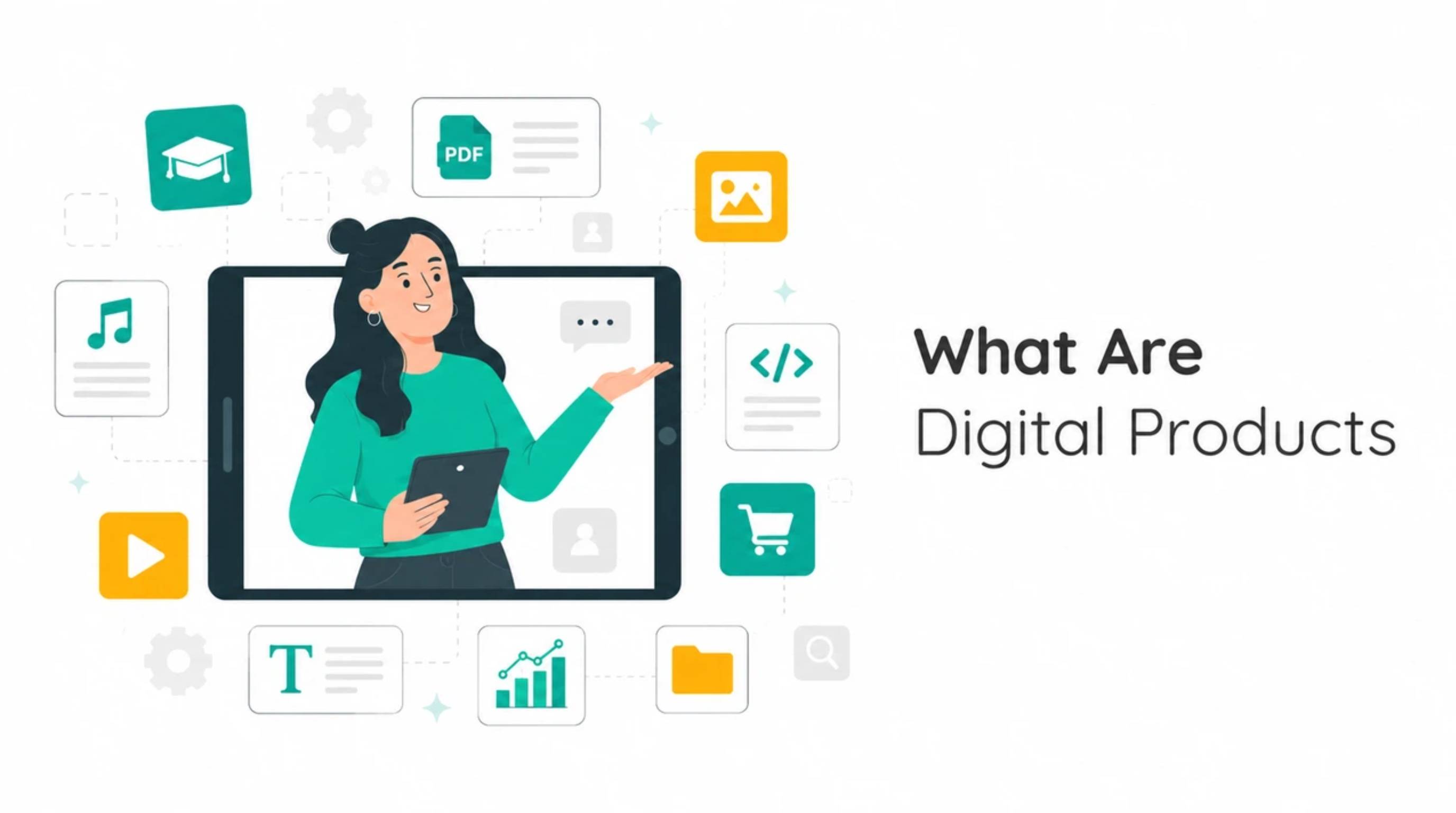
Since the heavy lifting happens just once during creation, this business model scales beautifully. Here is a quick breakdown of how these assets stack up against traditional physical items:
|
Feature |
Digital Products |
Physical Products |
|---|---|---|
|
Inventory |
Infinite supply |
Requires warehouse storage |
|
Profit Margins |
Extremely high (near 100% after creation) |
Lower (materials, shipping, storage) |
|
Fulfillment |
Instant automated download |
Manual packing and shipping required |
|
Updates |
Easily modified and redistributed |
Cannot be changed once shipped |
Best Digital Product Ideas to Create in 2026
Figuring out how to start selling digital products means picking a category that makes sense for the target audience.
Templates
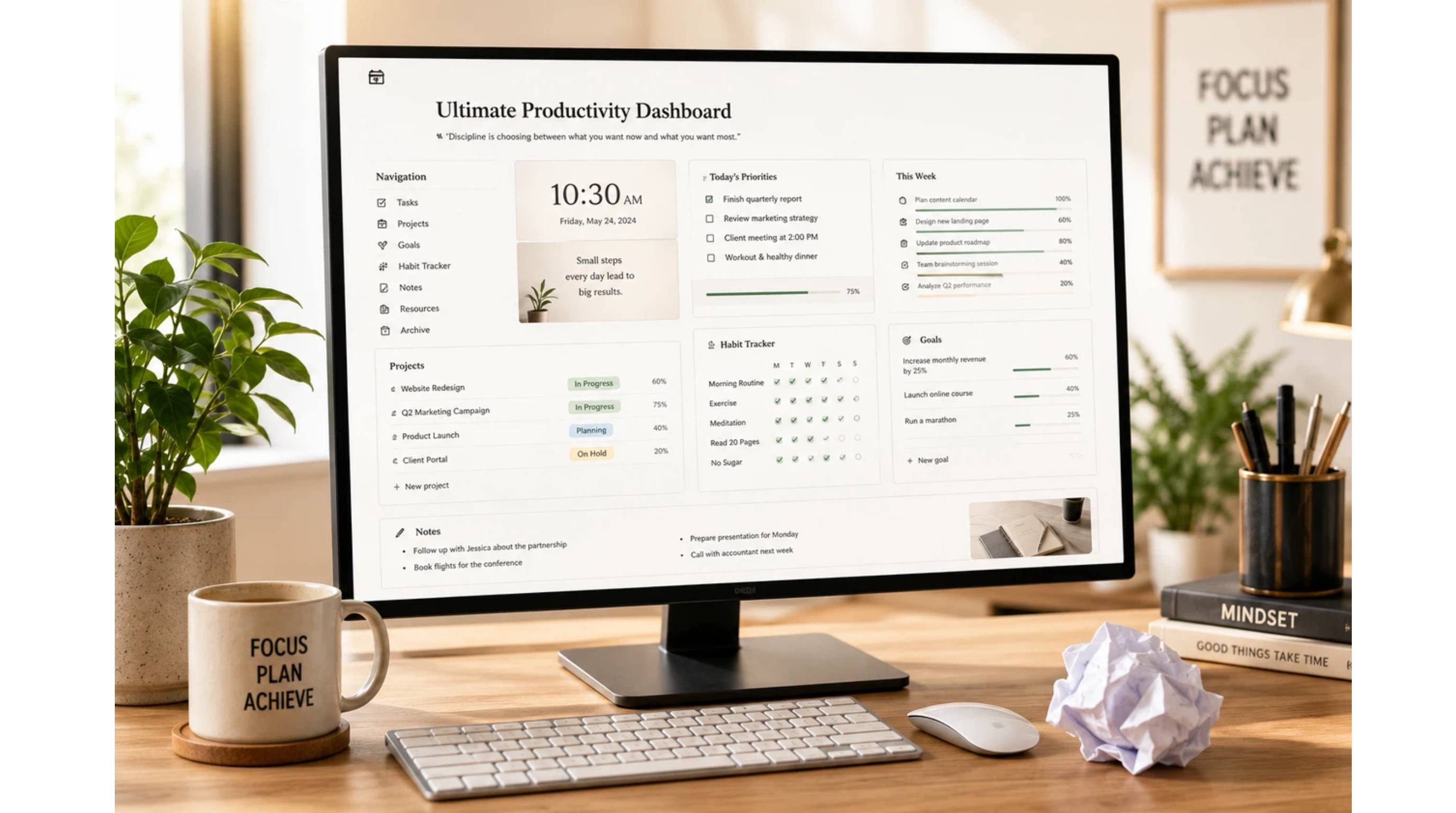
Buyers hate staring at a blank page. That is exactly why Notion setups, resume designs, and Excel trackers sell so well, they offer an instant head start. Plus, putting one together takes very little time. This makes templates a perfect testing ground to see if an audience is actually willing to open their wallets.
Printables
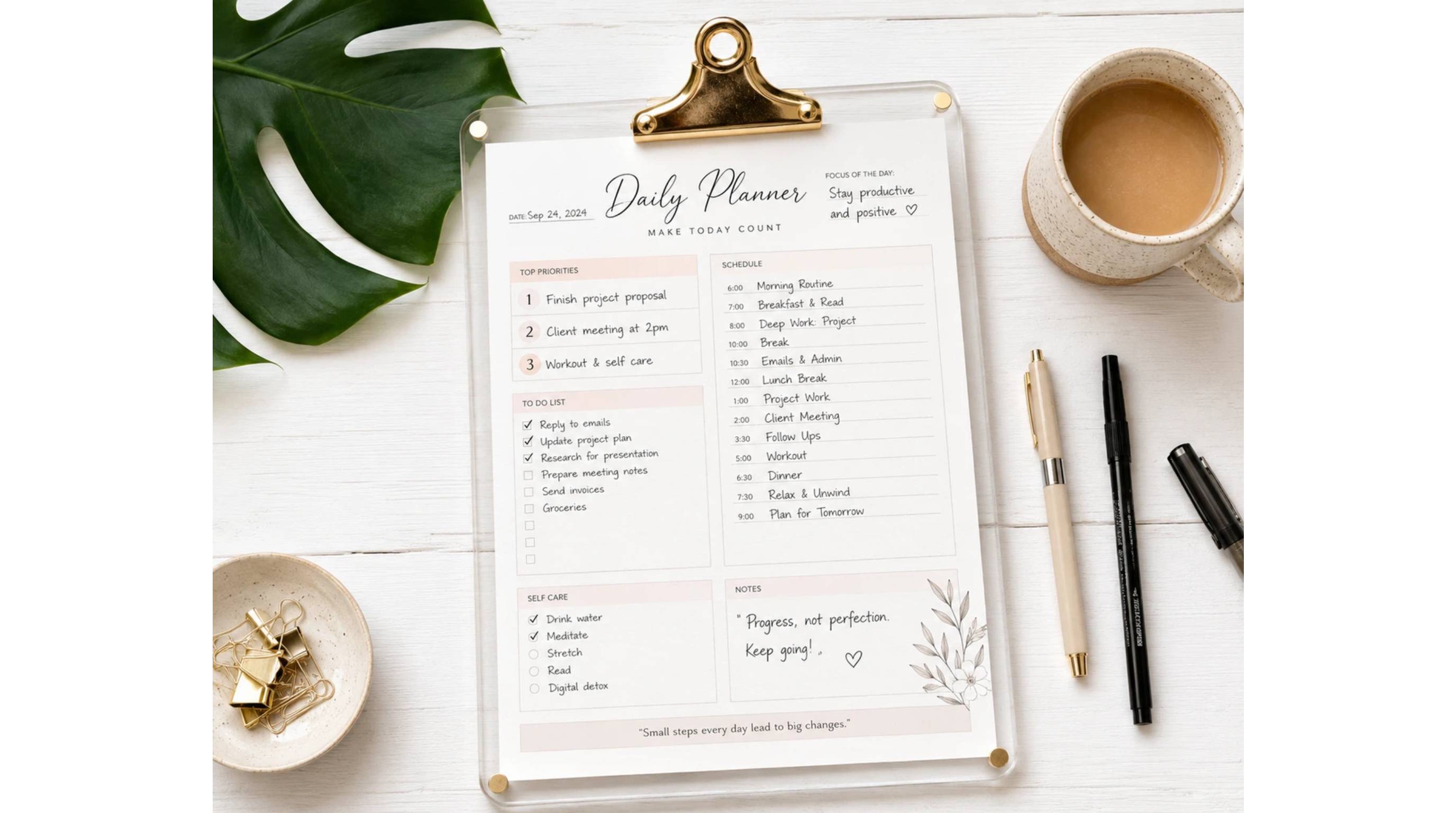
Planners, wall art, and worksheets sell steadily on marketplaces like Etsy, where low price points push volume rather than margin. Hobbyists and gift-buyers browse these categories constantly, so discoverability often matters more than the design itself.
Educational Products
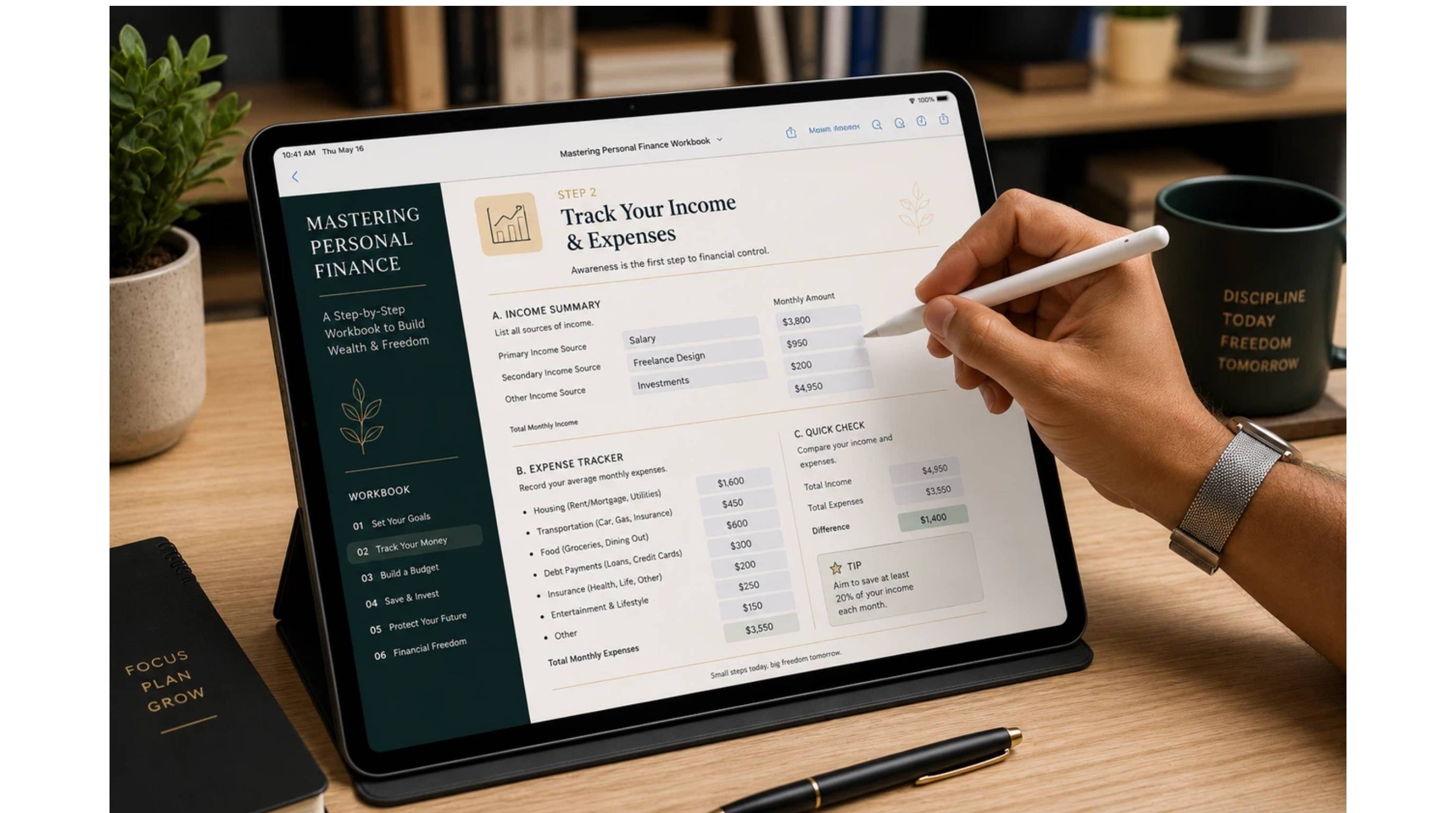
Mini-courses, workbooks, and cheat sheets package expertise into something a buyer can actually follow step by step. Because they require more effort to build than a template, they usually command a higher price and attract a more committed buyer.
Creative Assets
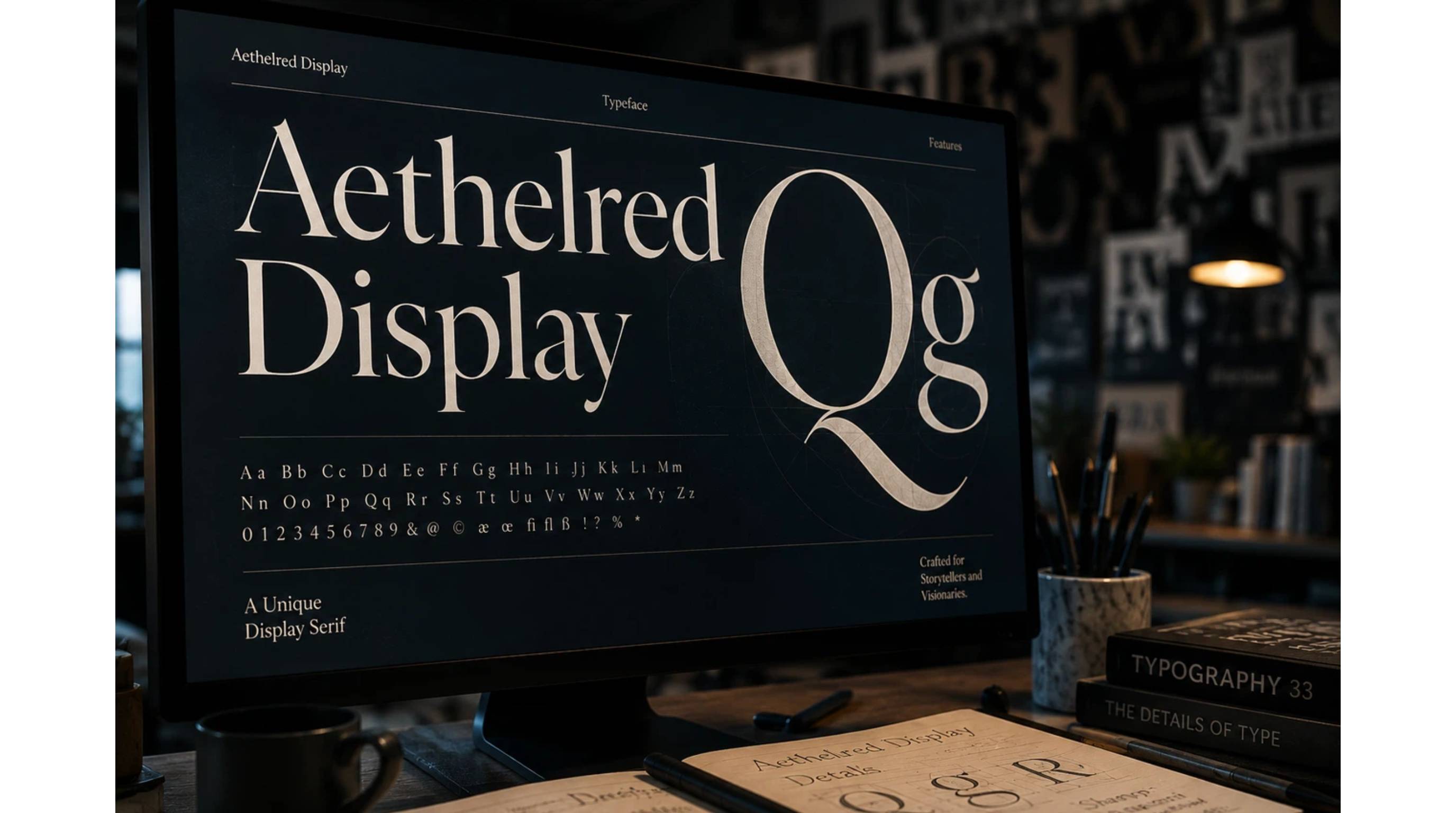
Fonts, presets, mockups, and sound kits serve other creators who need building blocks for their own projects. This audience tends to be more forgiving on price when the quality is genuinely good, since they're comparing it to hiring someone.
Ecommerce and Marketing Resources
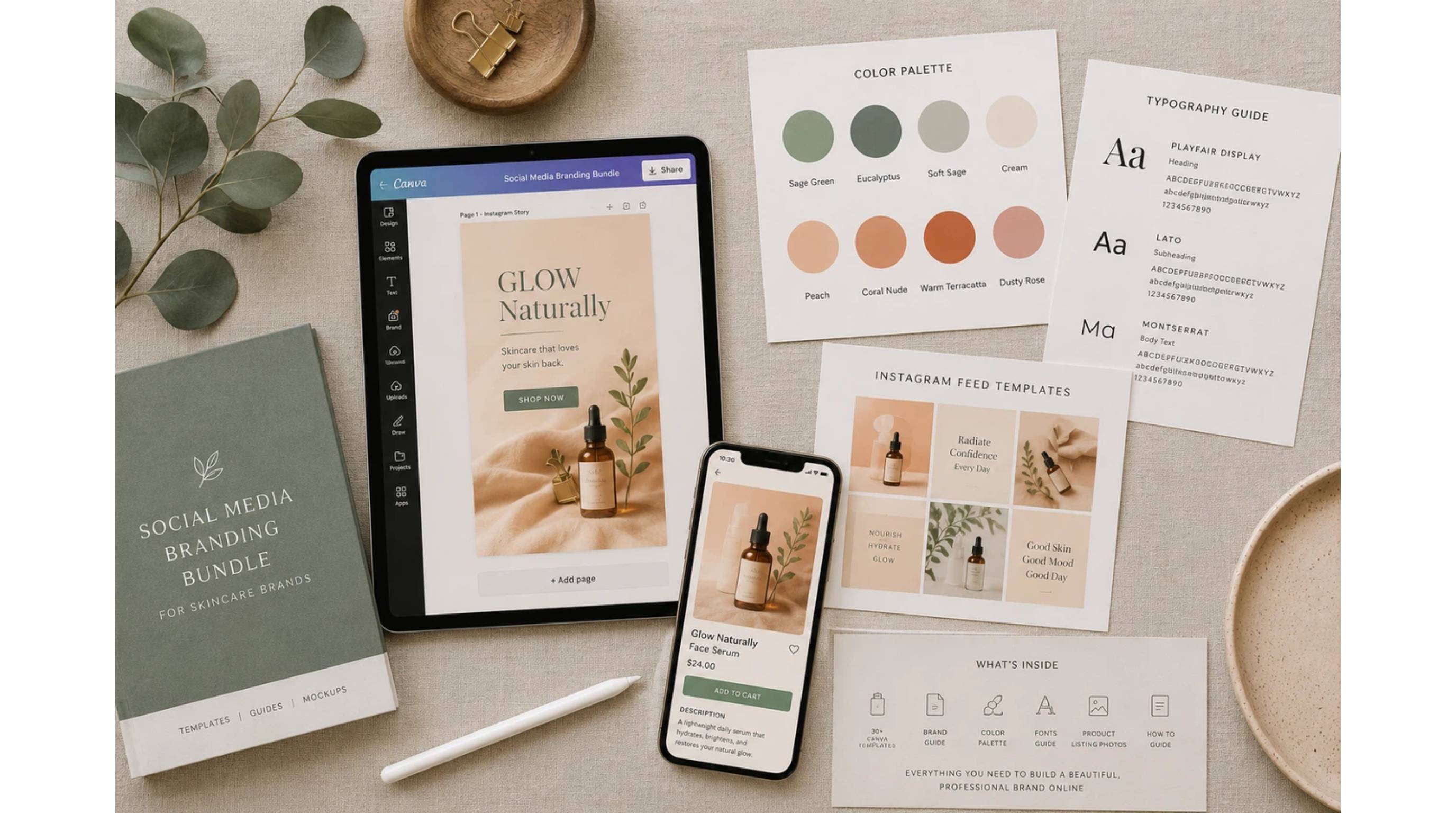
Ad copy swipe files, listing templates, and brand kits target sellers who need to move fast without hiring a designer for every asset. These tend to sell well as bundles, since the buyer is usually trying to solve several related problems at once.
How to Find Profitable Digital Product Ideas
Nobody needs to invent the wheel here. The goal is simply solving a specific issue better than what currently exists.
Research Customer Problems
The best research happens where an audience already complains, Reddit threads, Facebook groups, Etsy reviews, YouTube comments. People describe their exact frustration in these spaces without being asked, and recurring complaints are about as close to a guarantee as this gets.

Analyze Existing Products
Look at what's already selling on Etsy, Gumroad, or course marketplaces, then read the negative reviews carefully. That's usually where the gap sits, the thing the current bestseller doesn't quite do well enough.
Match Your Skills With Market Demand
The strongest ideas sit at the overlap between genuine skill and active search demand. An idea that only satisfies one side of that, something fun to make but with no audience, or something in demand that's hard to execute well, tends to stall out.
How to Create a Digital Product Step by Step
Building an asset requires a tight workflow. These steps move a raw concept directly to launch.
Step 1: Define the Target Customer
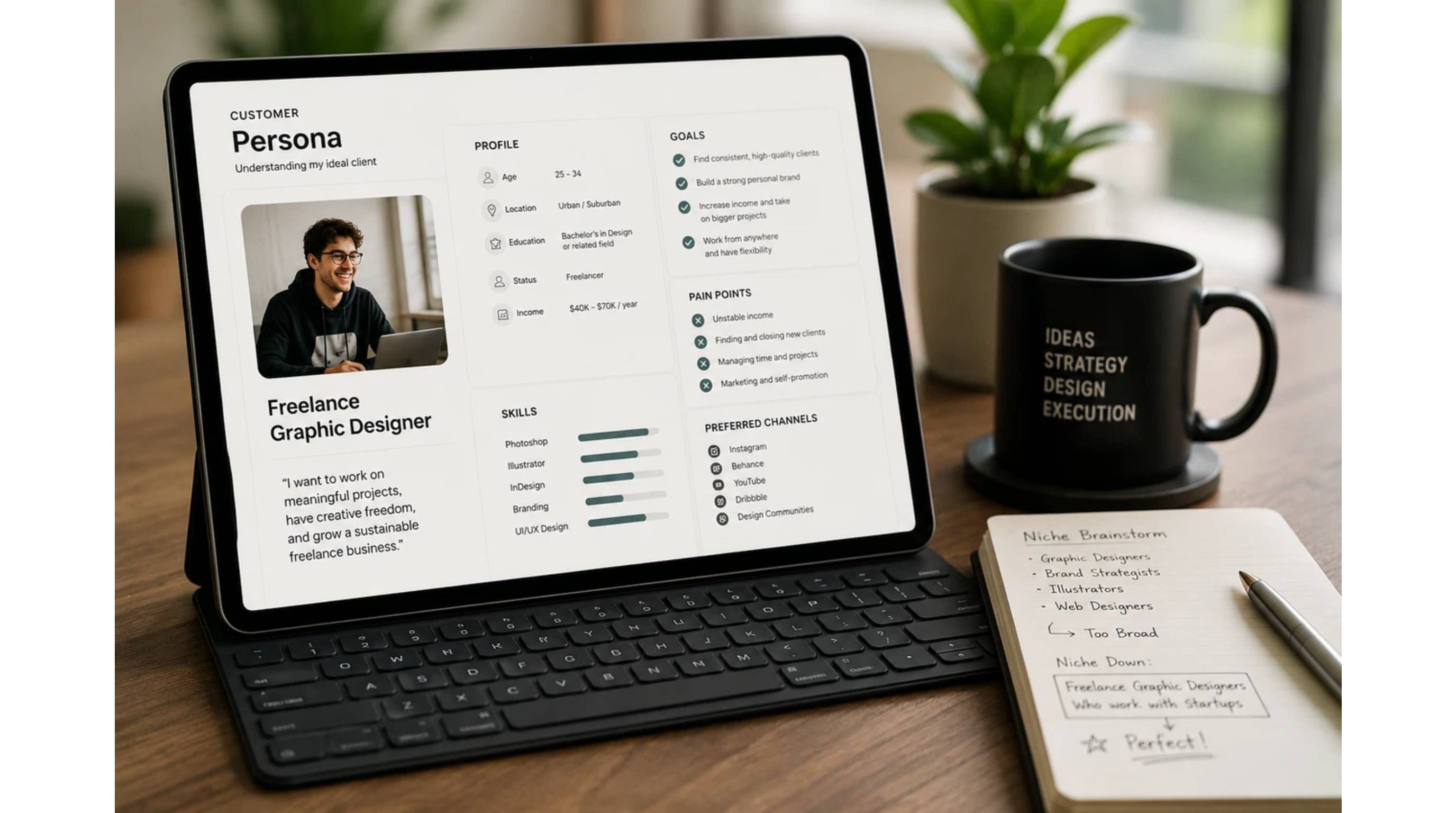
Start with a broad niche like personal finance as the initial input. The main action involves narrowing down exactly who this item helps by pinning down specific daily frustrations. The final output needs to be a highly specific customer avatar, for example, freelance graphic designers struggling with unpredictable taxes, which gives every future decision a clear direction.
Step 2: Validate the Product Idea
Building in secret for weeks usually leads to zero sales. Take that initial concept as the input and hunt for hard demand signals, like competitor proof showing similar items flying off digital shelves. For the action phase, throw up a simple landing page to collect emails or offer a pre-sale discount before touching the heavy build. This guarantees the output is a confirmed waitlist or actual presale cash, proving real market demand.
Step 3: Choose the Right Product Format
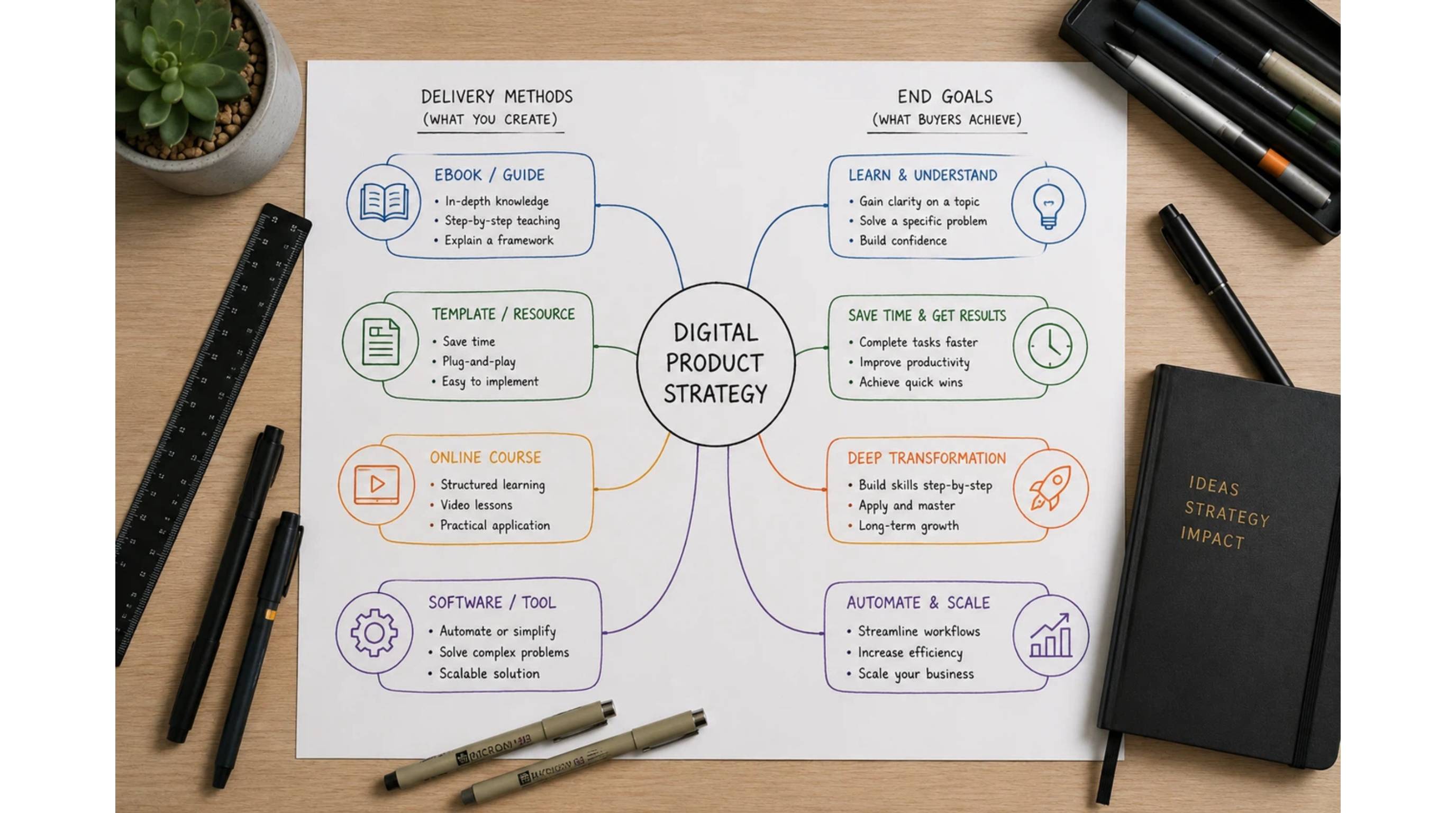
Delivery methods have to match the buyer's end goal.
|
Goal |
Format |
|---|---|
|
Share knowledge |
eBook |
|
Save time |
Template |
|
Teach skills |
Course |
|
Support workflow |
Tool/resource |
Step 4: Create, Package, and Improve the Product
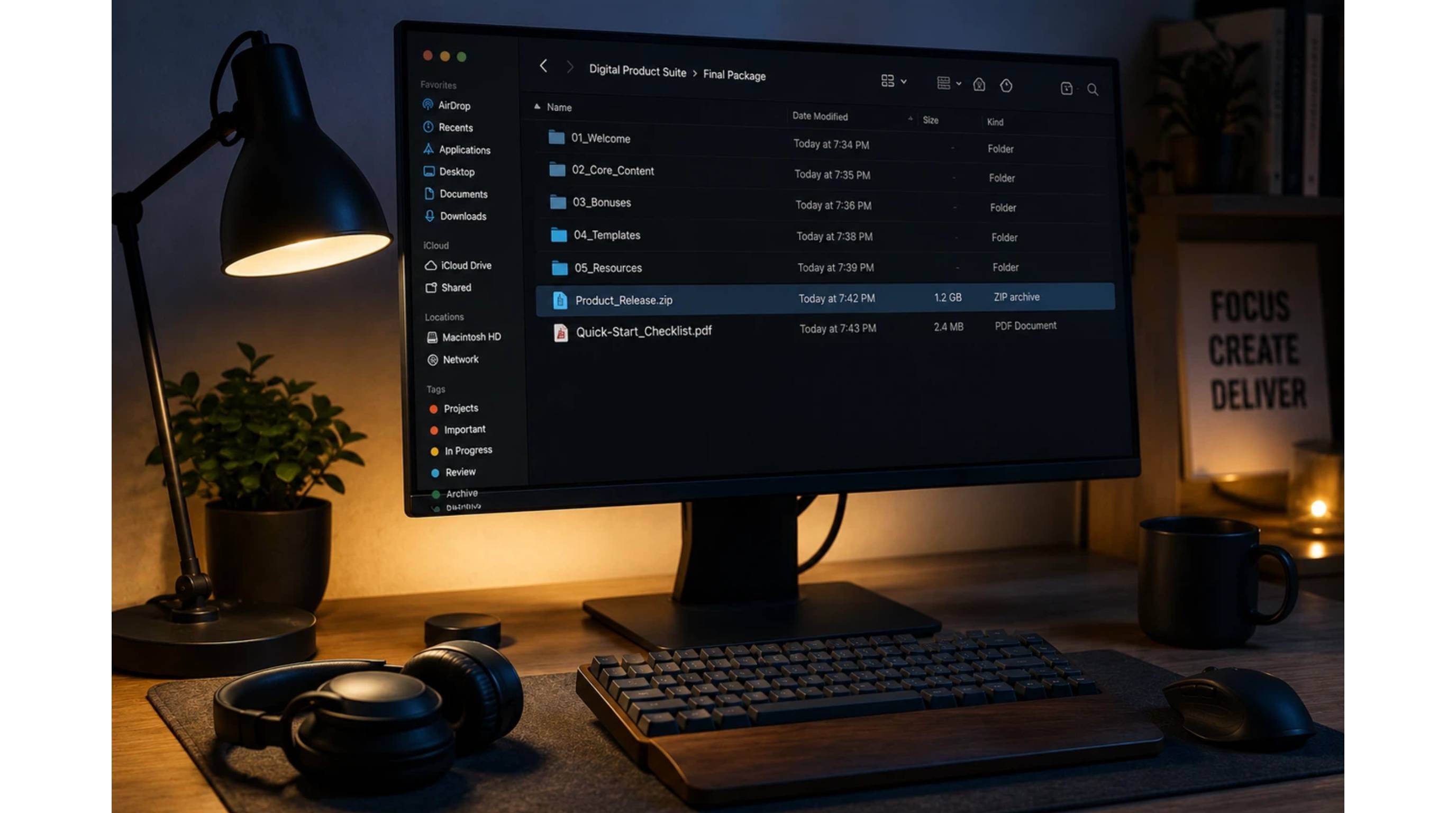
Gather raw research and draft files as the starting input. Take action by focusing purely on a Minimum Viable Product (MVP) that delivers massive core value rather than stressing over a flawless initial design. Package the final delivery files cleanly in a zip folder, toss in a surprise bonus like a quick-start checklist, and map out a plan for version updates later on. The output is a polished deliverable asset ready for the public.
Step 5: Set up Delivery and Sales Basics
With the finished file serving as the input, it is time to build a digital storefront. Take action by picking a reliable hosting and checkout platform that matches current technical skills. Draft crystal-clear license terms covering personal versus commercial use, and write out a detailed support FAQ to block an avalanche of future customer service emails. The output here is a live, working checkout link.
How to Sell Digital Products Online
A solid product needs a reliable place for transactions.
Choose Where to Sell
Match the platform to the product format. Gumroad works perfectly for a quick, low-friction setup. Etsy is a powerhouse for printables thanks to massive built-in search traffic. For total control and serious scaling, setting up an independent site and using a Shopify photo editor to manage product visuals on a custom storefront remains the smartest long-term play.
Create a High-Converting Product Listing
The listing page carries the heaviest workload. Spell out the benefits clearly, drop sneak-peek previews of the inside files, and state exact deliverables like "1 PDF, 3 Excel files." Adding social proof via testimonials builds trust instantly.
Price the Digital Product Strategically
Look at competitor pricing to gauge the baseline. Offering a "founding price" to waitlist members drives immediate momentum. Later on, bundling multiple items together easily increases the average order value.
Tips for Creating Digital Products That Sell
Launching a highly profitable asset requires a mix of sharp positioning and an excellent post-purchase experience.
-
Solve a Specific Problem: Keep the focus razor-sharp to ensure the product acts as a direct painkiller rather than a generic vitamin. A specialized resource like "tax prep for freelance writers" consistently out-sells broad financial advice.
-
Improve onboarding/experience: Drop a simple "Start Here" document into the main folder so buyers know exactly what to click first. Providing clear instructions eliminates early frustration and dramatically reduces the number of confusing customer support emails.
-
Use clear visuals: Listing graphics must honestly and beautifully represent the final deliverables included in the purchase. Using high-quality mockups builds instant trust and helps potential buyers visualize exactly what they are getting.
-
Prepare multiple marketing assets: Have your listing images, a few social posts, and an email announcement ready before you publish, rather than scrambling to create them after the product is already live and losing early momentum.
-
Collect feedback and iterate: Read every review and support message closely. Small updates, fixing a confusing section, adding a missing template variant, compound into stronger long-term sales and better ratings than any single marketing push.
Digital Product Marketing Strategies
Great products rarely sell themselves. A structured marketing approach changes everything.
Build SEO Content
Publish blog posts or YouTube videos targeting long-tail searches. A meal-planning template naturally pairs with an article titled "How to Meal Prep for the Week."
Promote Through Social Media
Show the messy behind-the-scenes creation process on platforms like X or TikTok. To keep up a relentless posting schedule without burning out, an AI social media poster generator helps quickly spin up tailored graphics for different feeds.
Use Email Marketing
Swap a free mini-version of the product (a lead magnet) for an email address. Nurture that growing list with genuinely helpful weekly emails before ever asking for a sale.
Run Digital Product Advertisements
Once organic sales start flowing, pour profits back into paid traffic. Meta and TikTok ads crush it for templates and courses. Scaling ad creatives means understanding how to structure ecommerce video ads that grab attention in three seconds flat and clearly show the asset in action.
Create Professional Digital Product Visuals Faster with AI Tool
Buyers judge a book by its cover. Most people decide to buy based on listing graphics long before opening a file.
Designkit helps creators produce promotional graphics, cover visuals, and campaign variations incredibly fast. It does not write the ebook text or code the template, but acts as a highly specialized AI image generator to handle every visual marketing asset.
Key Designkit Features for Digital Product Creators
-
Create Product Mockups: Turn boring flat PDF covers into realistic 3D book or tablet mockups.
-
Generate Marketing Graphics: Spin up banners, social media posts, and PDP modules in seconds.
-
Enhance Product Images: Clean up messy screenshots and tighten layouts.
-
Create Multiple Promotional Variations: Take one key visual (KV) and scale it into 10–20 different creatives for split testing across various ad placements.
How to Create Digital Product Marketing Assets with Designkit
Step 1: Upload Product Assets
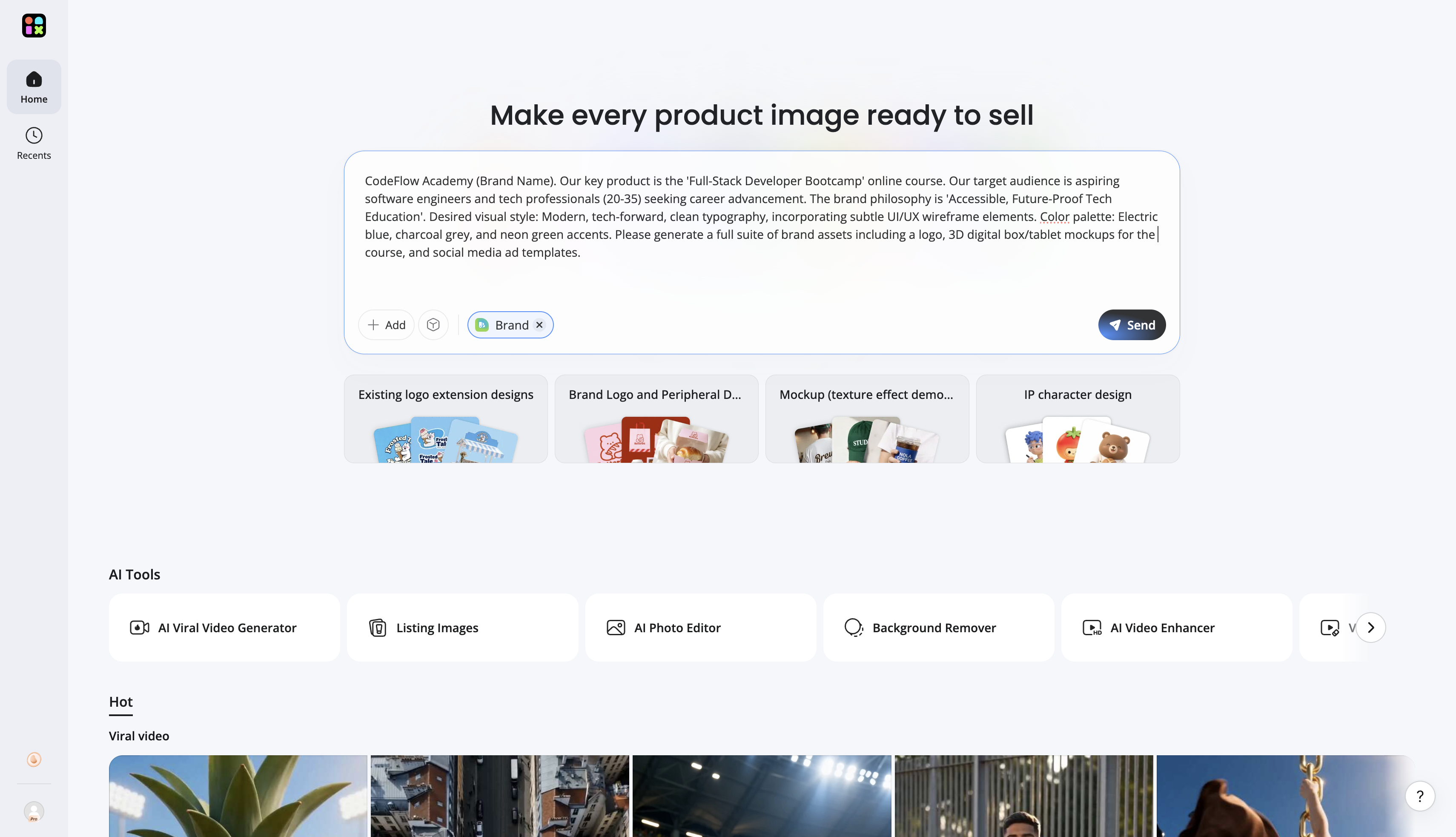
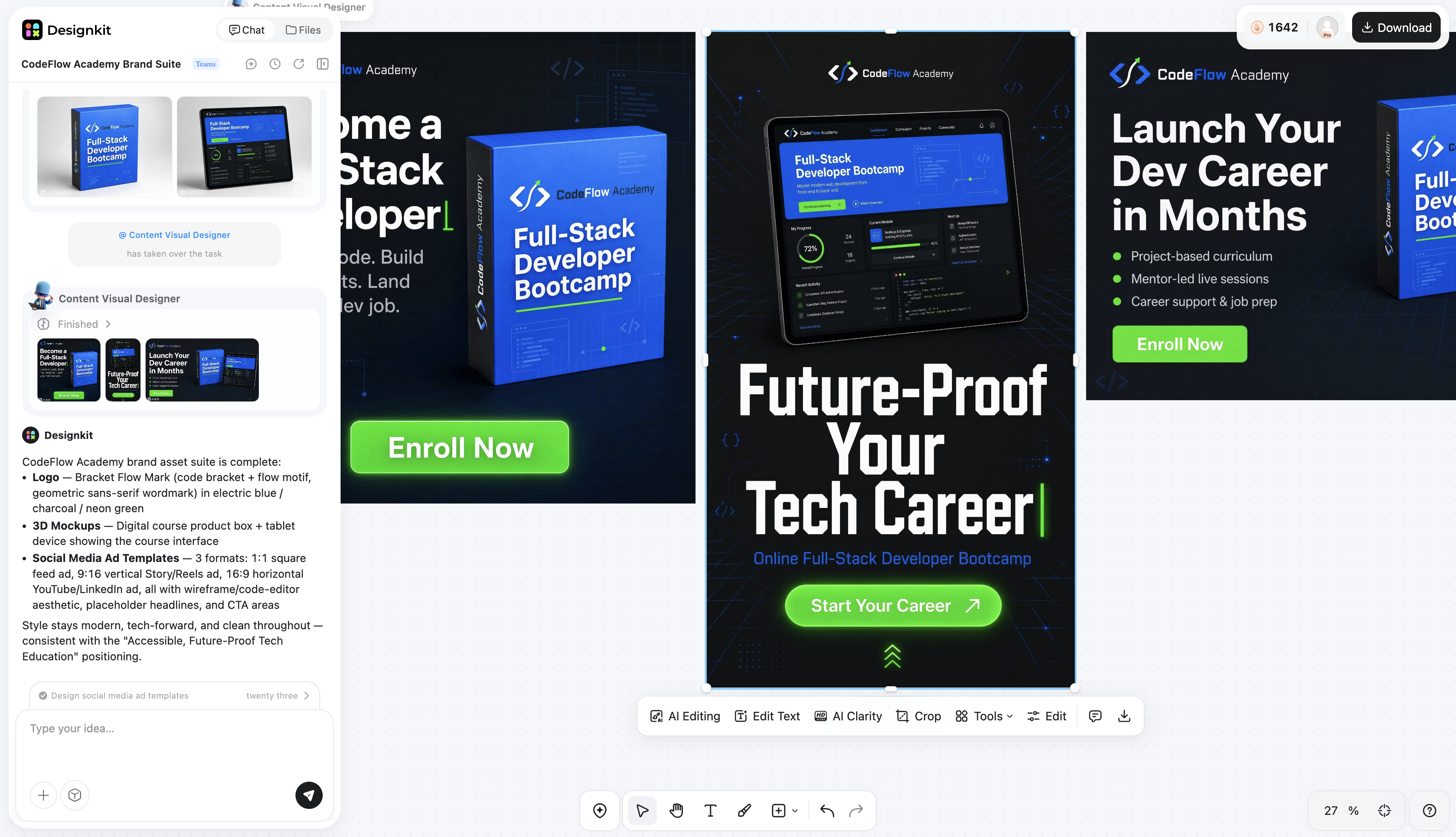
First, just type your brand's core details into Designkit. Instead of digging through old files, you simply provide a text prompt detailing your brand name, target audience, brand philosophy, and desired visual style, down to the specific color palettes and aesthetic elements. The software takes this detailed description and uses it as the engine to build a complete, custom suite of marketing materials from scratch.
Step 2: Generate Professional Visuals
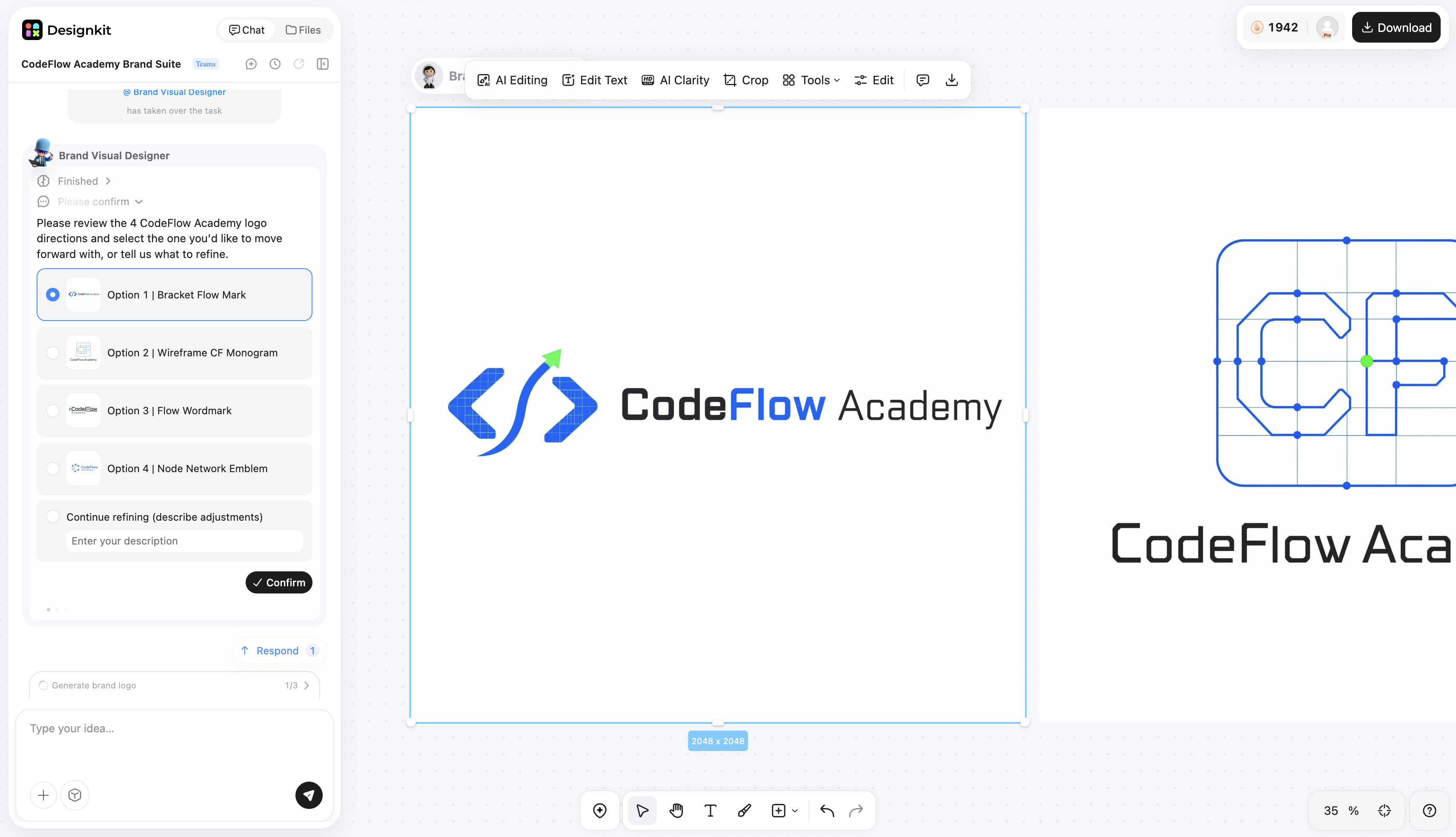
Next, the engine builds out your core brand identity based entirely on your prompt. Instead of spitting out generic templates, Designkit generates custom logo options and applies your favorite straight onto 3D product mockups, giving you high-quality core assets like software boxes and tablet screens.
Step 3: Generate Multi-Format Ad Campaigns
The software applies your new branding and 3D mockups directly into a complete suite of social media ad templates. It automatically generates perfectly sized variations for different platforms (like 1:1 square, 9:16 vertical, and 16:9 horizontal) complete with on-brand copy and CTA buttons, ready to download and launch.
Create Digital Product Images Free
Common Mistakes When Creating Digital Products
Avoiding a few predictable pitfalls saves countless hours of wasted effort and lost revenue.
-
Creating without validating demand: It happens all the time. Someone spends a month making a giant template pack, only to find out zero people want to buy it. Set up a quick waitlist or try a small pre-sell first. Actual numbers tell you a lot more than just guessing.
-
Chasing trends without positioning: Jumping on a trending format because it sold well for someone else usually backfires if you have no distinct angle. Buyers can tell when a product feels copied rather than built for them specifically.
-
Weak product presentation: A great template with a blurry or generic cover image will lose to a mediocre template with a polished one. Listings are judged on their thumbnail long before anyone reads the description.
-
Underestimating marketing: Assuming buyers will magically find the listing just because the file is live remains a massive misconception. Active promotion through content and funnels is required to drive consistent traffic to the checkout page.
-
No clear who-it's-for: Trying to design a single resource that appeals to absolutely everyone results in a generic mess that nobody actually wants. Products sell significantly faster when they target a highly specific audience with a very particular pain point.
-
Never updating after launch: Digital products aren't "set and forget." Outdated templates, broken links, or unaddressed buyer feedback quietly kill reviews and repeat sales over time, even if the initial launch went well.
Final Thoughts
Creating digital products that sell starts with solving a real problem for a specific buyer, not chasing whatever format happens to be trending. As you've seen throughout this guide on how to create and sell digital products, validating the idea before real time goes into building it matters, and so does marketing quality, a great template with a weak listing image will quietly underperform a decent template with a strong one. Visuals that stay consistent across every platform tend to move the needle more than expected, and tools like Designkit can help produce that creative set without eating an entire week. The businesses that stick around are usually the ones that keep publishing, updating, and promoting, rather than treating a single launch as the finish line.
Frequently Asked Questions
How can beginners create digital products to sell?
What are the easiest digital products to make?
Templates and printables are usually the fastest to create since they require less production time than a full course, and clean listing visuals, which you can produce quickly with Designkit, go a long way in making them look market-ready.
How much does it cost to create a digital product?
Often zero dollars. Ebooks write just fine on free word processors. Platforms like Gumroad charge zero upfront fees, only taking a small cut after a sale happens.
Can AI help create digital products?
Yes, it works great for outlining course curriculums, brainstorming template ideas, or cleaning up messy drafts. Just ensure the core value comes from real human experience and insight.
How do I validate a digital product idea?
Drop a small piece of the product for free on social media or inside relevant forums. If people snatch it up and beg for more, a paid version will likely crush it.
Where can I sell digital products online?
Gumroad wins for speed. Etsy dominates printables thanks to crazy organic traffic. Shopify is the endgame for total brand control.
How do I market a digital product?
Show exactly what the product achieves. Search-optimized blogs, email newsletters, and punchy short-form videos demonstrating the solution work best. Paid ads take over once organic sales prove the concept.
What makes a digital product successful?
It delivers exactly what it promises, saves time, reads easily, and looks professional enough to build instant trust.
Can I create digital products without design skills?
Absolutely. If the file solves a painful problem, the document design just needs to be clean. For the promotional side, an AI agent like Designkit jumps in to generate high-converting listing images without requiring a graphic design degree.
You May Also Like

Amazon A+ Content Dimensions: Module Image Sizes
Print-On-Demand Designs: Create, Prepare, and Preview Your Work

Amazon A+ Content: What It Is and What to Build First
Is Print on Demand Profitable in 2026? Products and Niches
Amazon Brand Registry Application: How to Submit and Pass Review

How to Ship to Amazon FBA: Your First Shipment

What Is Amazon FBA? Should Beginners Use It in 2026

How to Get Ungated on Amazon: Restricted Category Approval Steps
Amazon Backend Keywords: Title, Bullets & Search Terms
What Is A/B Testing? A Practical Guide to Running Better Experiments

Best Time to Post on Instagram in 2026: Data & Tips

How to Get Verified on Instagram: Complete Guide

TikTok Monetization in 2026: Requirements & Ways to Earn

Instagram Desktop Posting Guide: Upload Posts, Stories & Reels

YouTube Shorts Monetization Requirements & Rules 2026

How Much Does YouTube Pay Per View? 1K, 100K & 1M Views

How to Make Money on Snapchat: 7 Ways to Earn

How to Get More Followers on Instagram in 2026

Best Time to Post on TikTok in 2026 for More Views

How to Repost on Instagram in 2026: A Simple Guide
Multichannel Marketing Guide: Strategy, Tools & Examples
How to Create Digital Products That Sell in 2026

Cyber Monday Marketing Ideas & Strategies (2026 Guide)
Black Friday Marketing Ideas for Ecommerce Brands (2026)
Instagram Marketing Guide: Strategies, Tips & AI Tools in 2026
Influencer Marketing Guide: Strategy, Campaigns & Creator Tips
15 Best Things to Sell on Etsy in 2026 (Listing Tips Included)
WooCommerce vs Shopify 2026: Pricing, Features & Which Is Better
How to Sell on Facebook Marketplace: Beginner Guide (2026)
How to Use Pinterest for Business: Strategy, Tips & Growth Guide
How to Sell on Etsy in 2026: Setup, Listings & Growth Tips

What Is a Target Audience? Types, Examples & How to Find Yours

TikTok Marketing Guide 2026: Strategies, Ideas & AI Tools

Vibe Marketing Explained: Strategy, Examples & AI Tools
How to Sell on Depop: Beginner Guide to Getting Your First Sale
Online Advertising Guide: Types, Costs & Examples (2026)

Facebook Advertising Guide: Costs, Strategy & Tools 2026

What Are E-commerce Ads? Examples, Strategy & Tools (2026)
Where to Sell Handmade Items Online (2026): Etsy, Amazon, or Shopify?
Shopify vs Amazon (2026): Brand Store or Marketplace FBA?
Amazon Handmade vs Etsy (2026): Which Is Better for Makers?
Etsy vs eBay (2026): Handmade, Vintage, or Secondhand?

Selling on Amazon vs eBay (2026): Fees, Profit & Where to Sell
What Is Brand Awareness? Examples, Strategies & Tools 2026

10 Best Online Selling Platforms (2026): Pick by What You Sell
Shopify vs Etsy (2026): Which Is Better for Handmade Sellers?

YouTube Automation Step-by-Step AI Guide for Beginners
What Is Brand Identity? Examples, Elements & Strategy

AI Marketing Agent: How It Works, Benefits & E-Commerce Examples
What Is Personalized Advertising? Examples & How It Works
How to Build a Shopify Store That Actually Converts Visitors

Amazon Marketing Guide 2026: Strategies, Tips & Tools
Local Advertising: Strategies, Examples & Tools (2026)

What Is Branded Content? Examples, Strategy & Tools 2026

What Is Performance Marketing? Strategies & Examples 2026
Inbound Marketing: Strategies, Examples & Tools (2026)
Make Your Digital Product Look Ready to Buy
Create polished listing graphics, promotional visuals, and campaign assets that help your digital products stand out across marketplaces and social media.