
How to Create a Complete World Cup Product Listing Image Set with AI
Learn how to create professional World Cup product listing images that showcase your merchandise, improve shopper confidence, and support higher conversions across ecommerce platforms.

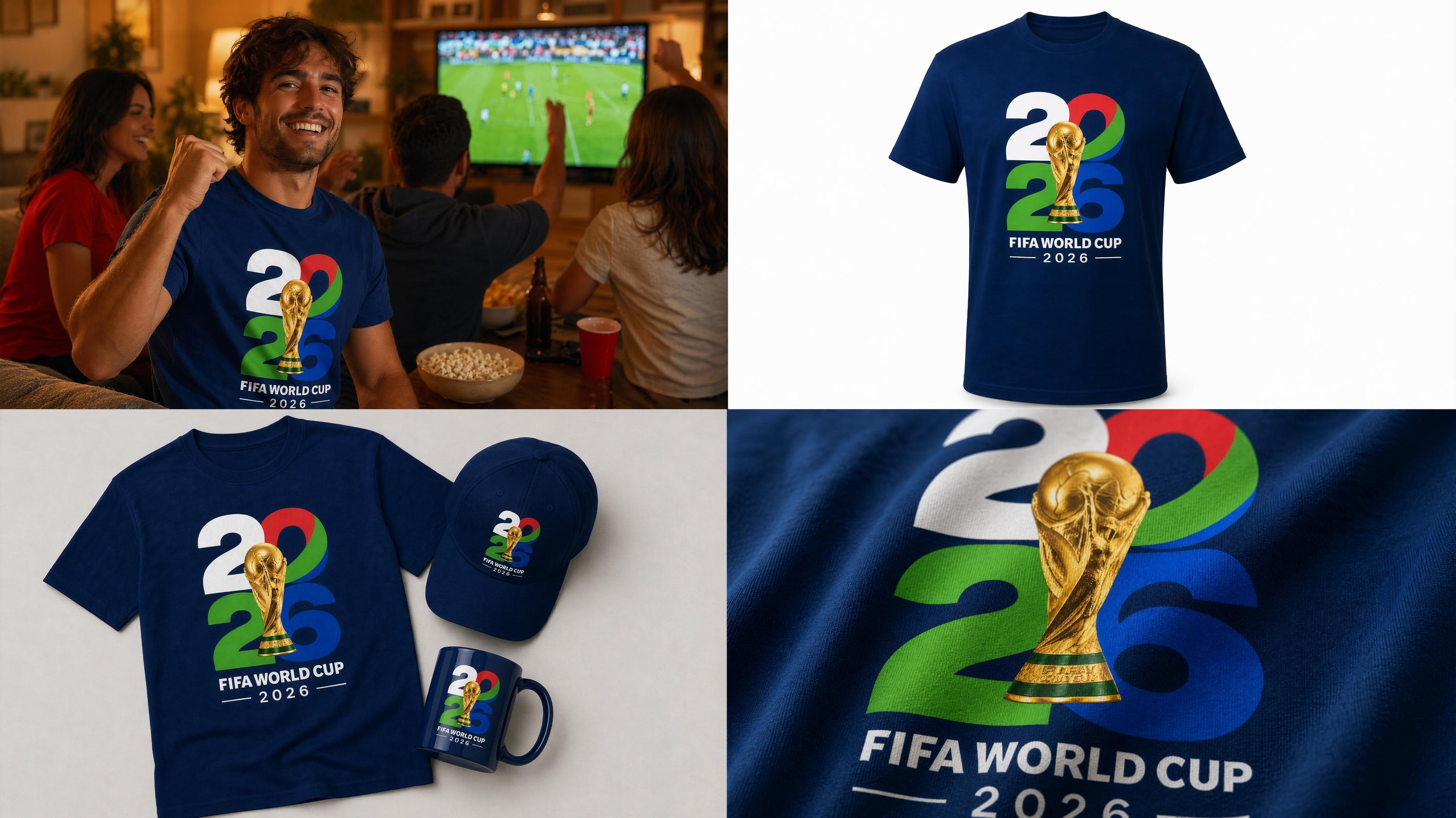
The excitement surrounding the World Cup creates a major opportunity for ecommerce sellers. From custom T-shirts and mugs to hats, flags, and accessories, football-themed merchandise often experiences increased demand during tournament seasons.
However, creating a great product is only part of the equation. The quality of your product listing images plays a significant role in whether shoppers click on your listing, understand your product, and ultimately decide to purchase.
Because online shoppers cannot physically examine products, images serve as the primary source of information. Research from major ecommerce platforms consistently shows that high-quality visuals help improve product understanding and customer confidence.
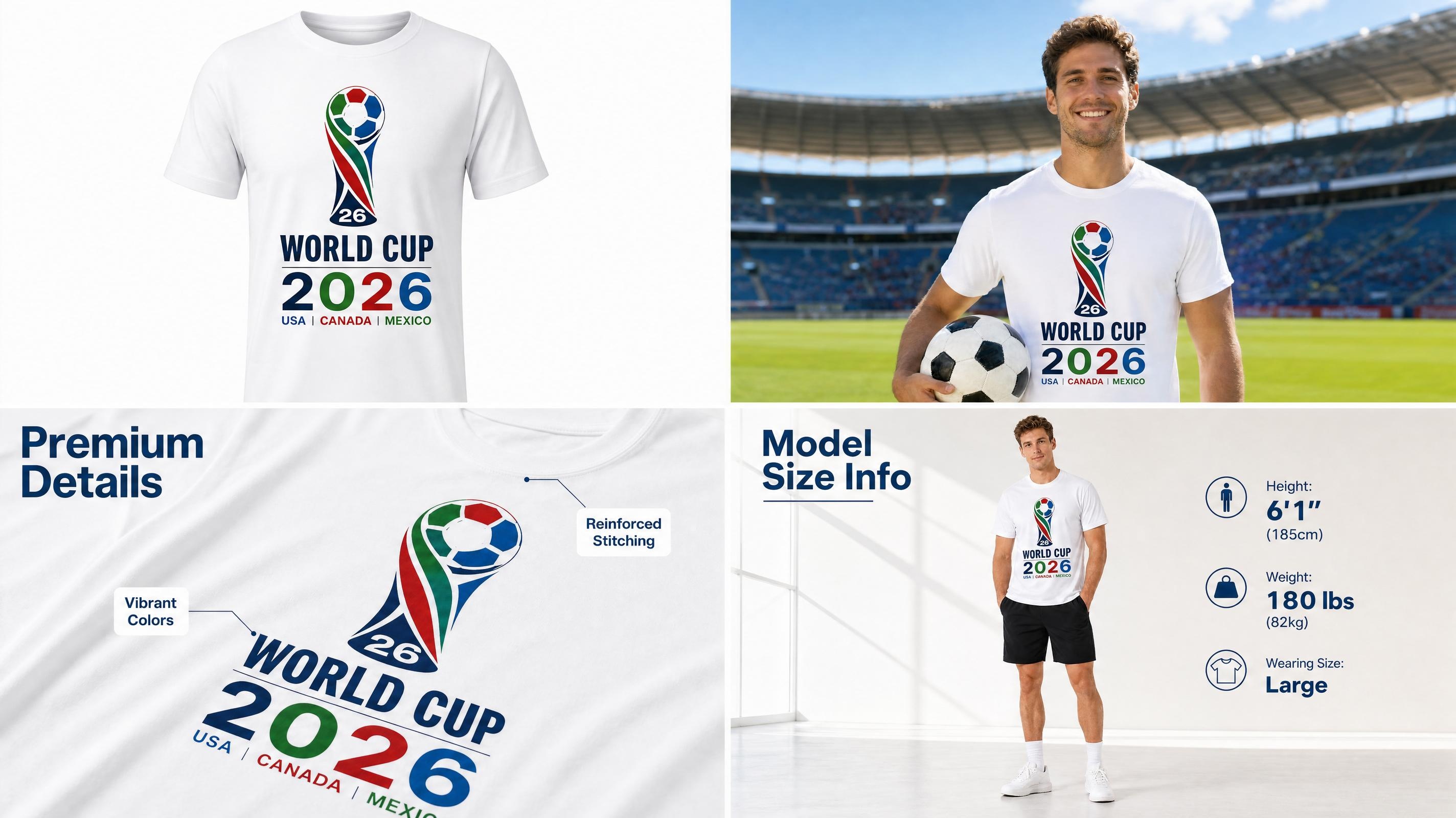
This guide explains how to build a complete World Cup product image set, which images matter most, and how AI-generated visuals can help sellers create professional ecommerce assets without organizing traditional photoshoots.
Why One Product Image Is Not Enough
Many new sellers upload a single product photo and assume it is sufficient. In reality, shoppers often need multiple images before they feel comfortable making a purchase decision.
How Shoppers Evaluate Products Online
When browsing online stores, customers typically want answers to several questions:
- What does the product look like?
- What are the materials and details?
- How large is it?
- How is it used?
- What makes it different from similar products?
A single image rarely provides all of this information.
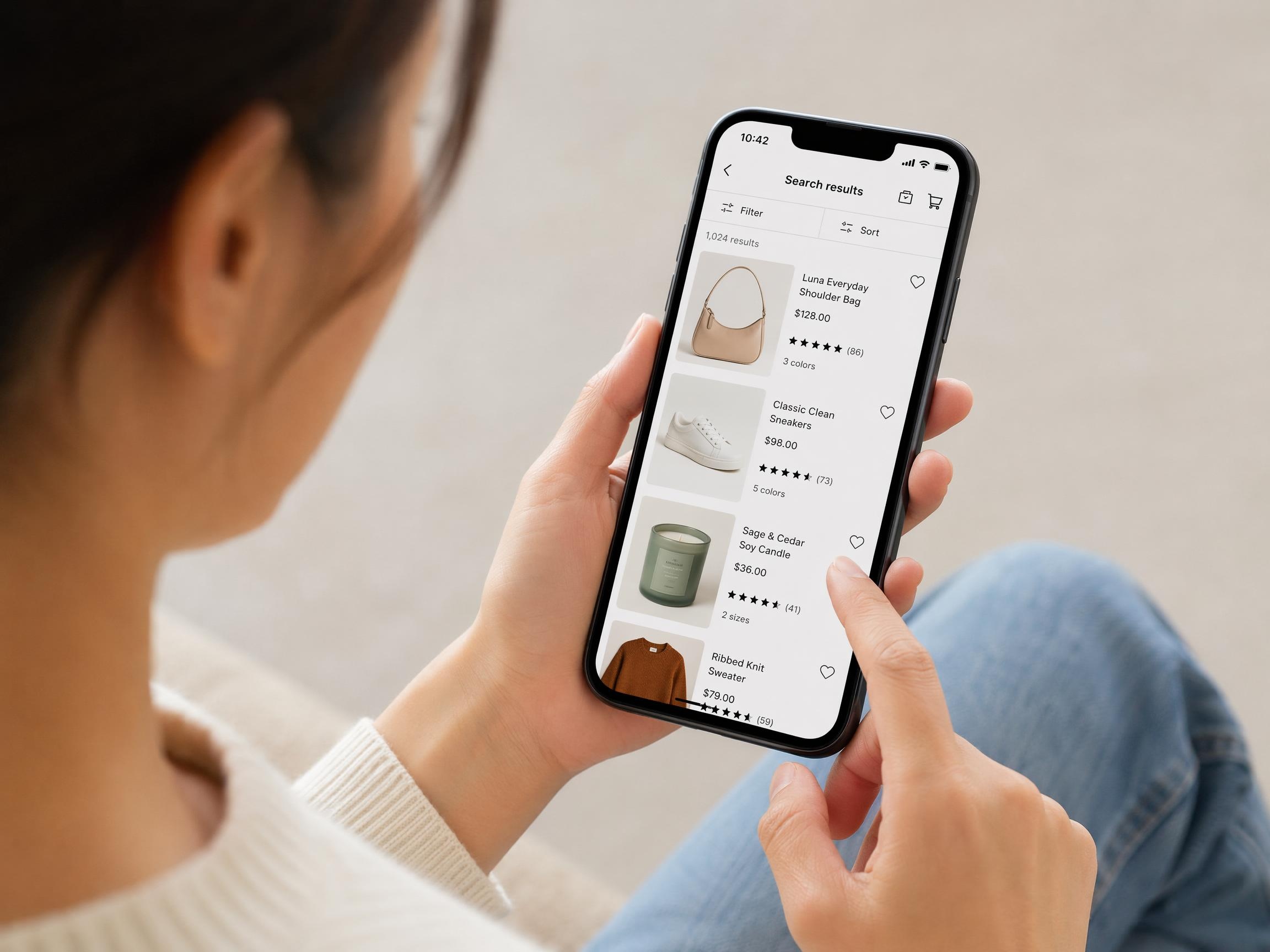
Multiple images help reduce uncertainty and create a more complete understanding of the product. This is especially important for seasonal products such as World Cup merchandise, where buyers may be making impulse purchases and comparing several listings simultaneously.
Before creating listing images, sellers should also consider which products are most likely to resonate with football fans. Popular options range from custom T-shirts and mugs to hats, flags, and supporter accessories. If you're still deciding what to sell, explore these World Cup merchandise ideas to identify products that can benefit from a complete ecommerce image set.
The Role of Listing Images in Conversions
Product images support several important goals:
| Purpose | Why It Matters |
|---|---|
| Attract clicks | Strong visuals increase visibility in search results |
| Explain products | Images communicate information faster than text |
| Build trust | Professional photography improves credibility |
| Reduce returns | Clear expectations help prevent misunderstandings |
| Increase conversions | Better product understanding often supports purchasing decisions |
According to ecommerce usability research from the Nielsen Norman Group, product imagery remains one of the most influential factors in online purchasing behavior.
Common Image Mistakes That Reduce Sales
Many World Cup product listings suffer from avoidable image issues:
- Low-resolution product photos
- Inconsistent backgrounds
- Missing size information
- Lack of lifestyle images
- Overcrowded graphics
- Poor lighting
- No close-up details
These issues can make products appear less professional and reduce buyer confidence.
The 7 Essential Images Every World Cup Product Listing Needs
Rather than uploading random images, sellers should build a structured product image set.
1. Hero Product Image
The hero image is typically the first image shoppers see.
Best practices include:
- Clean white or neutral background
- Product centered in frame
- High resolution
- No distracting elements
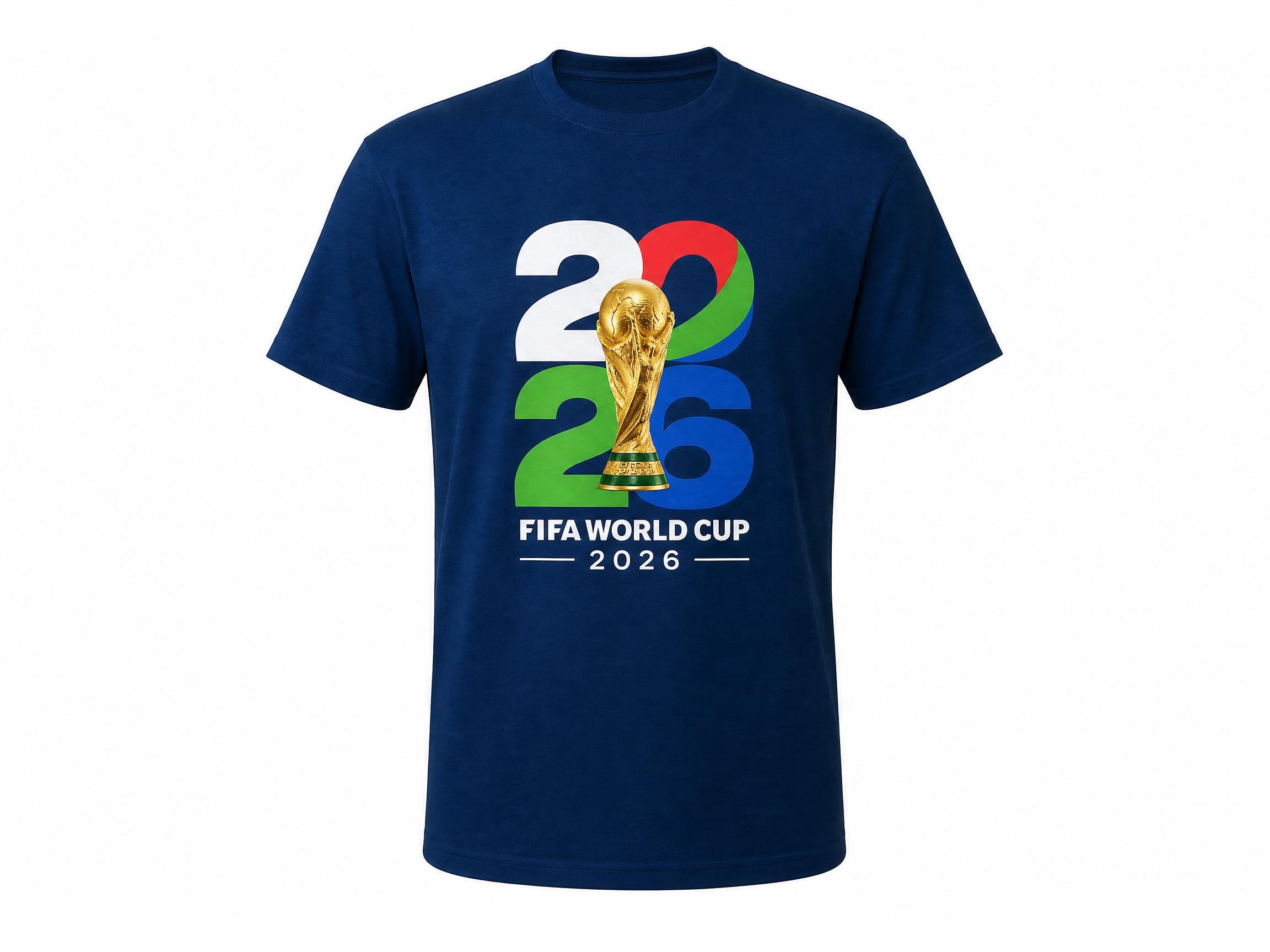
For marketplaces such as Amazon, white-background images are often required for the primary listing image.
2. Lifestyle Image
Lifestyle images show products being used in realistic situations.
Examples include:
- Fans wearing a World Cup T-shirt
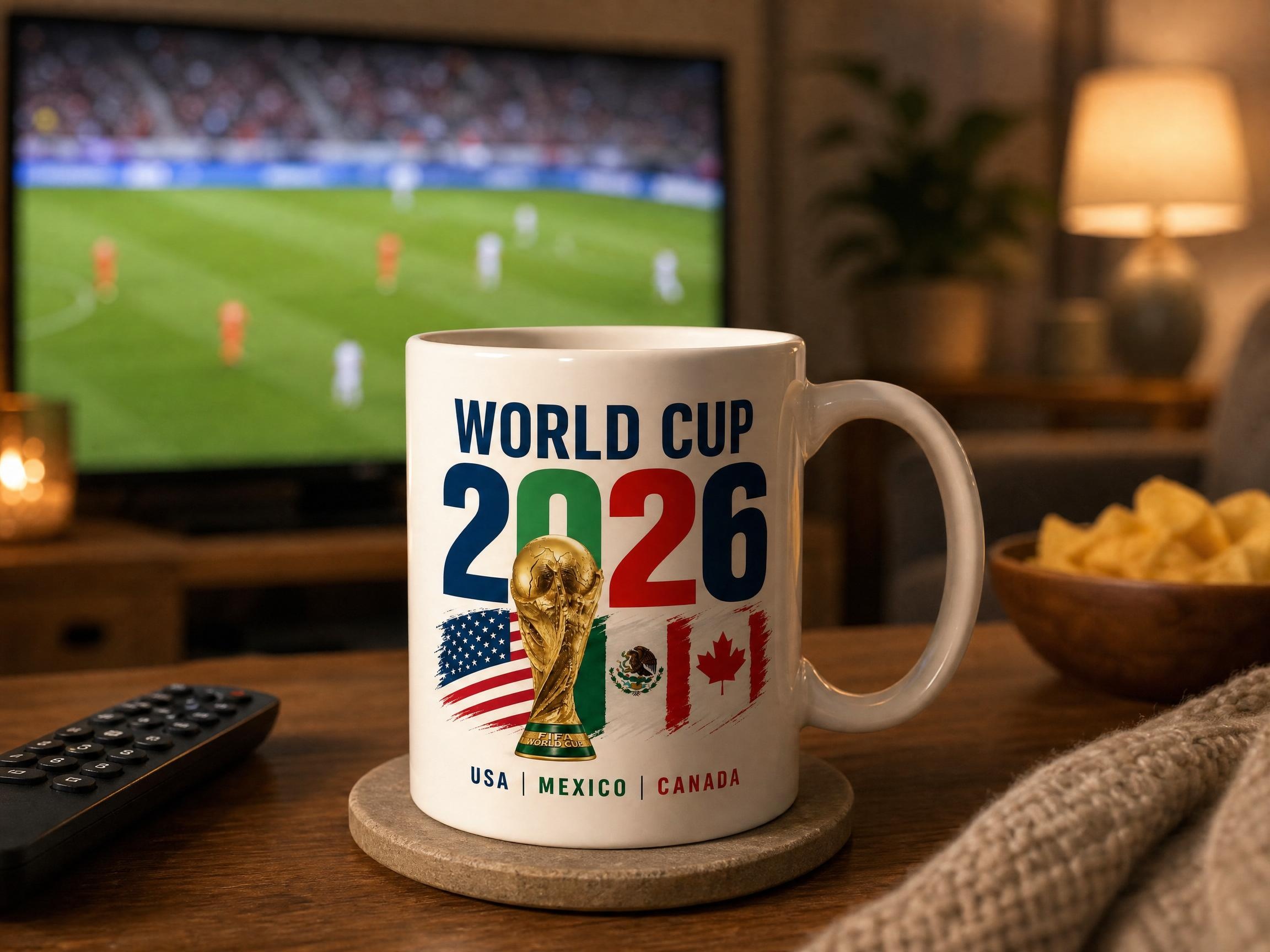
- A football-themed mug on a desk during a match
- Supporters wearing hats at a watch party
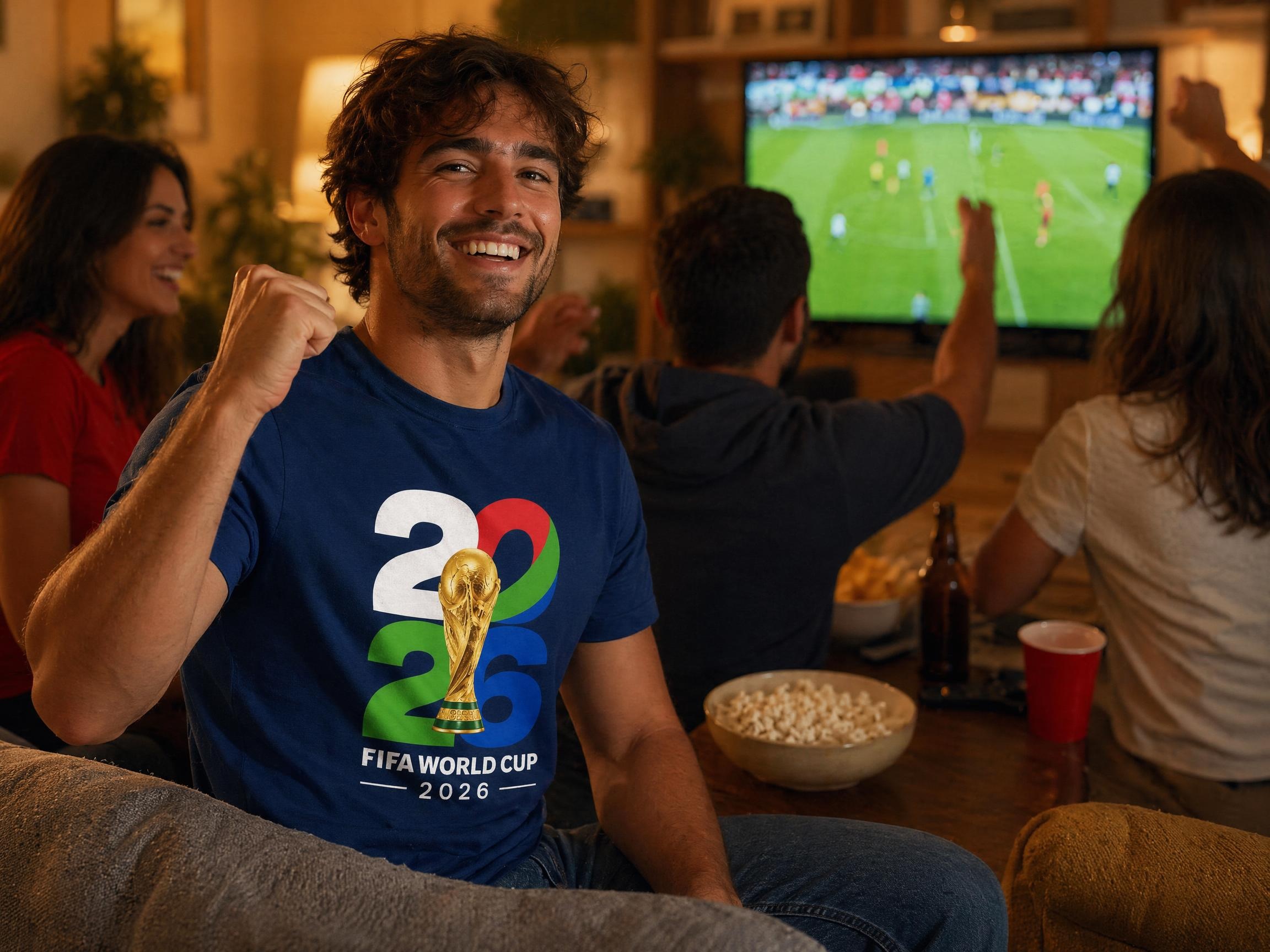
These images help shoppers visualize ownership.
3. Close-Up Detail Image
Detail shots highlight important product characteristics:
- Fabric texture
- Print quality
- Stitching
- Material finishes
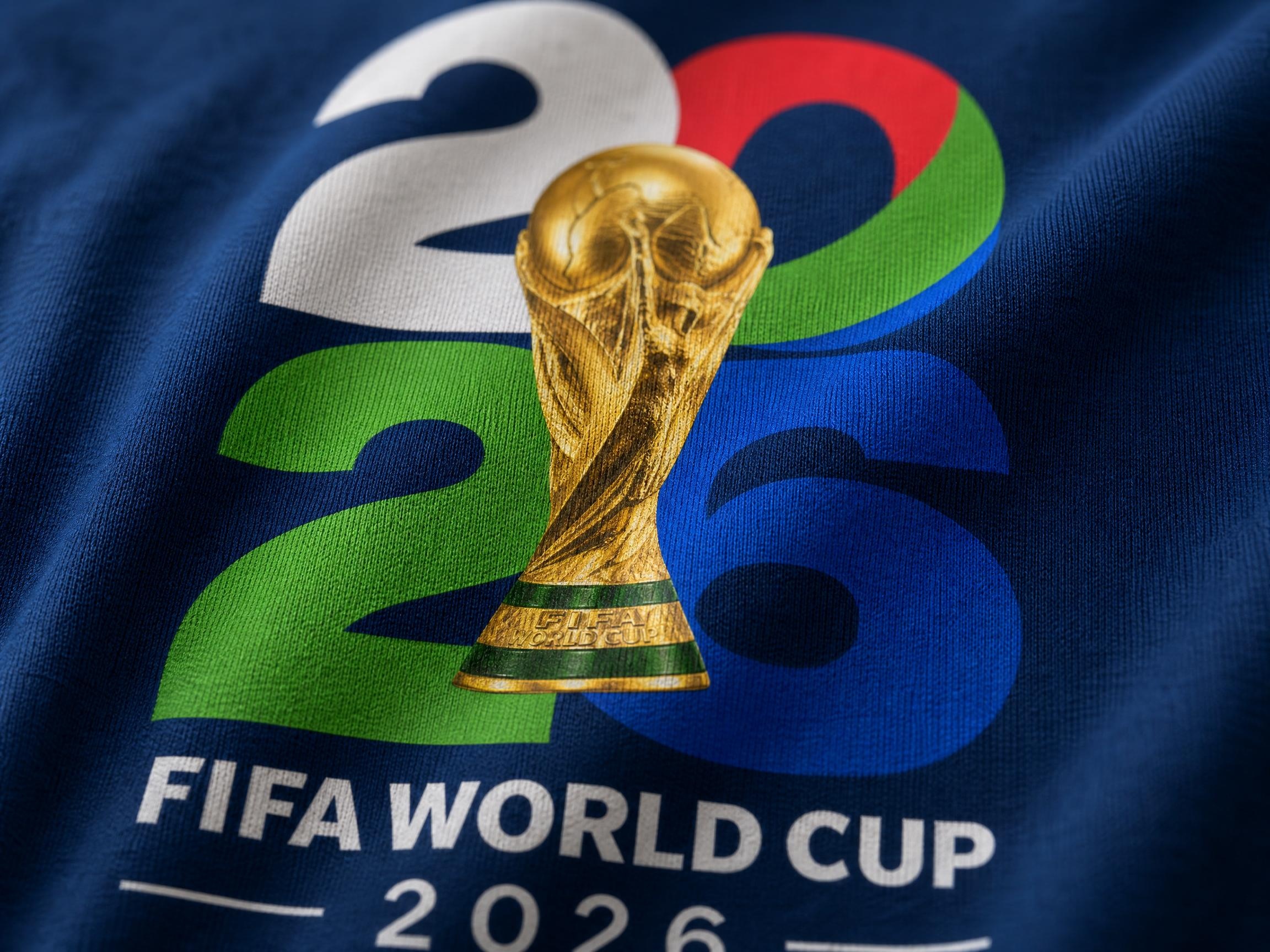
Close-up visuals help demonstrate quality and craftsmanship.
4. Feature Highlight Graphic
Feature graphics combine visuals with concise information.
Examples:
- Soft cotton material
- Double-sided printing
- Dishwasher-safe mug
- Adjustable hat closure
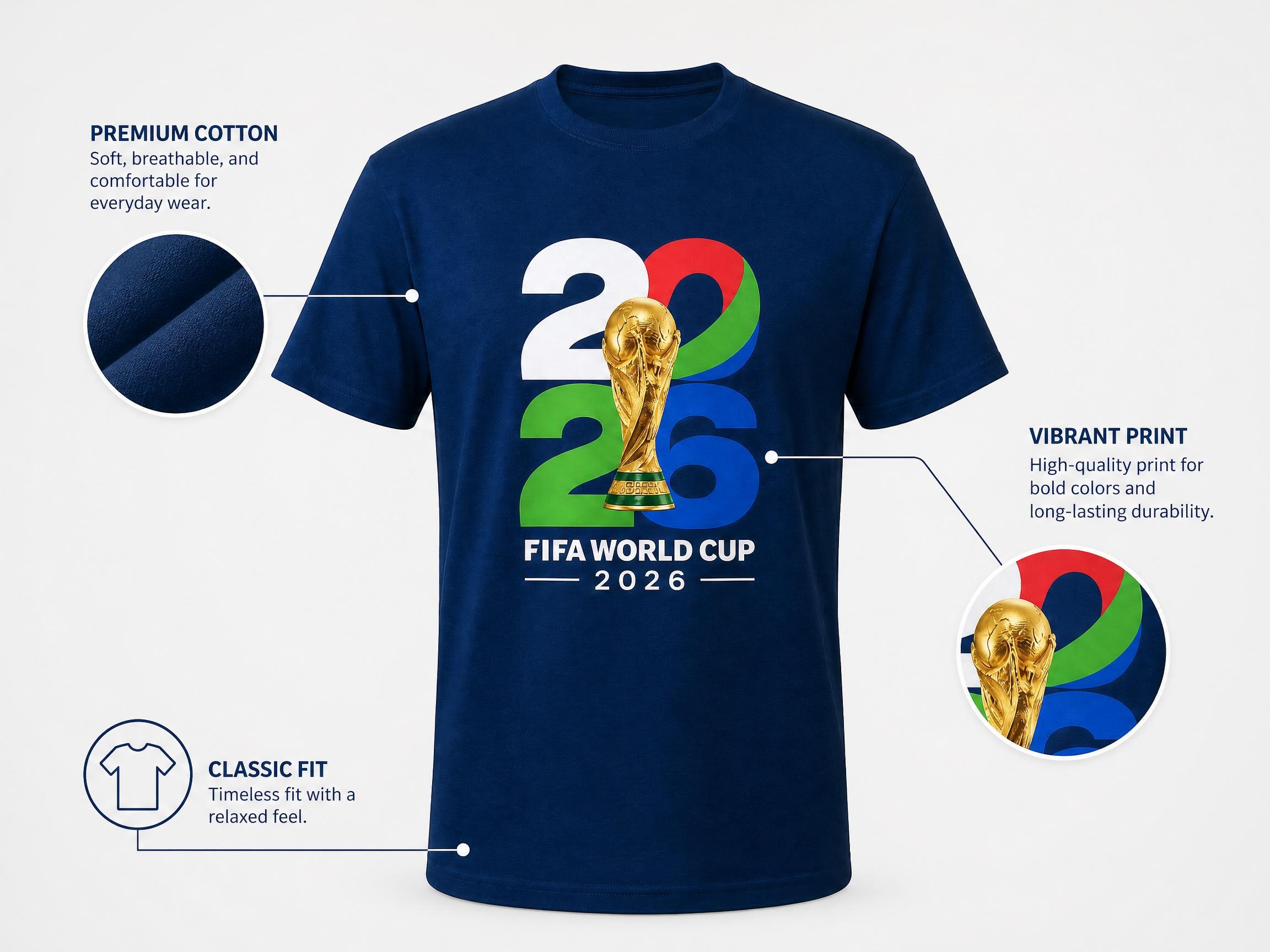
This format quickly communicates product benefits.
Generate Feature Highlight Graphic Free
5. Size or Dimensions Guide
Sizing confusion remains a common reason for product returns.
Include:
- Clothing measurements
- Mug dimensions
- Hat circumference
- Product weight when relevant
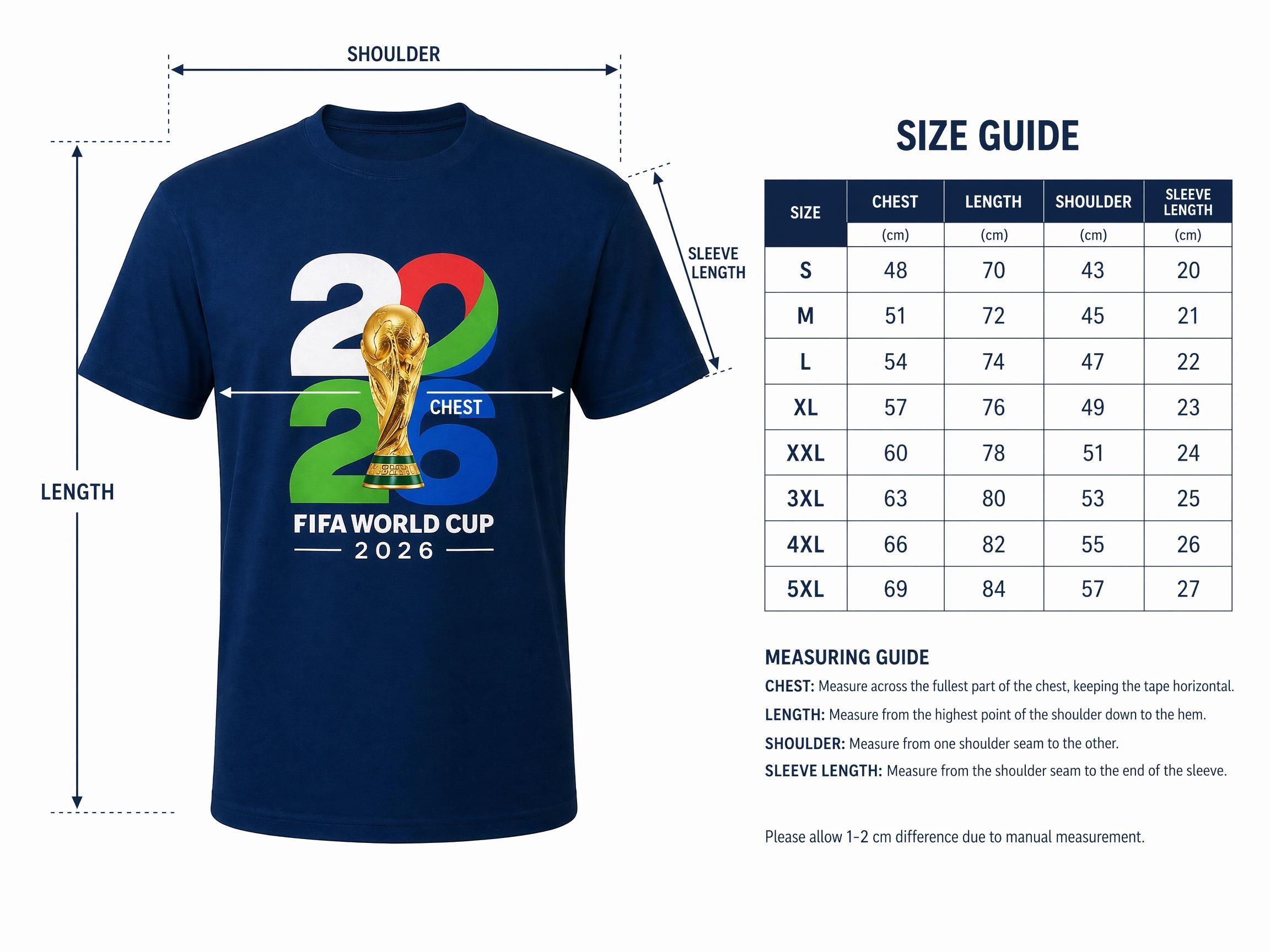
Clear sizing information helps customers make informed purchasing decisions.
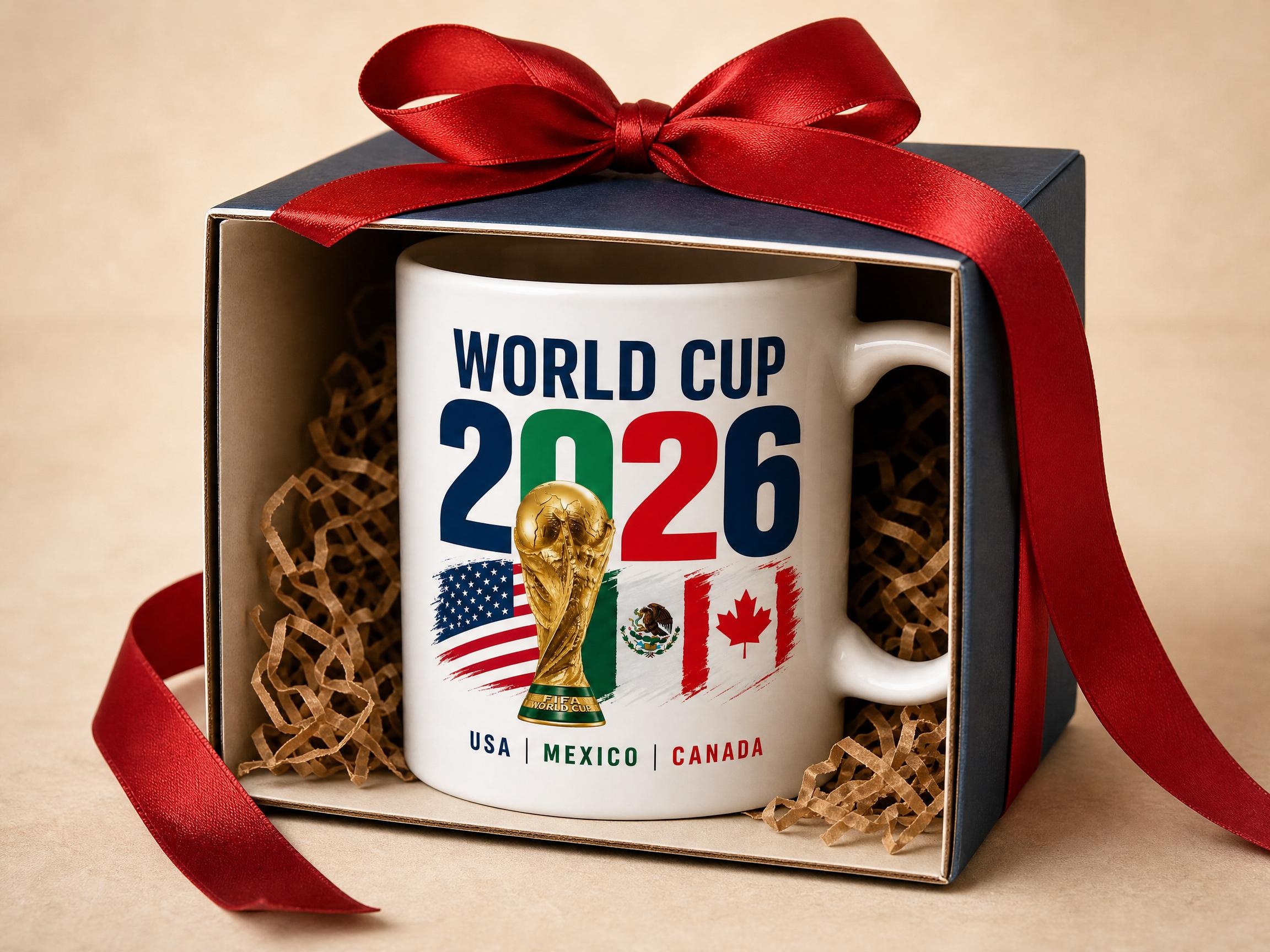
6. Bundle Image
If products are sold together, show the complete package.
Examples:
- T-shirt and hat bundle
- Mug and coaster set
- Fan merchandise gift pack
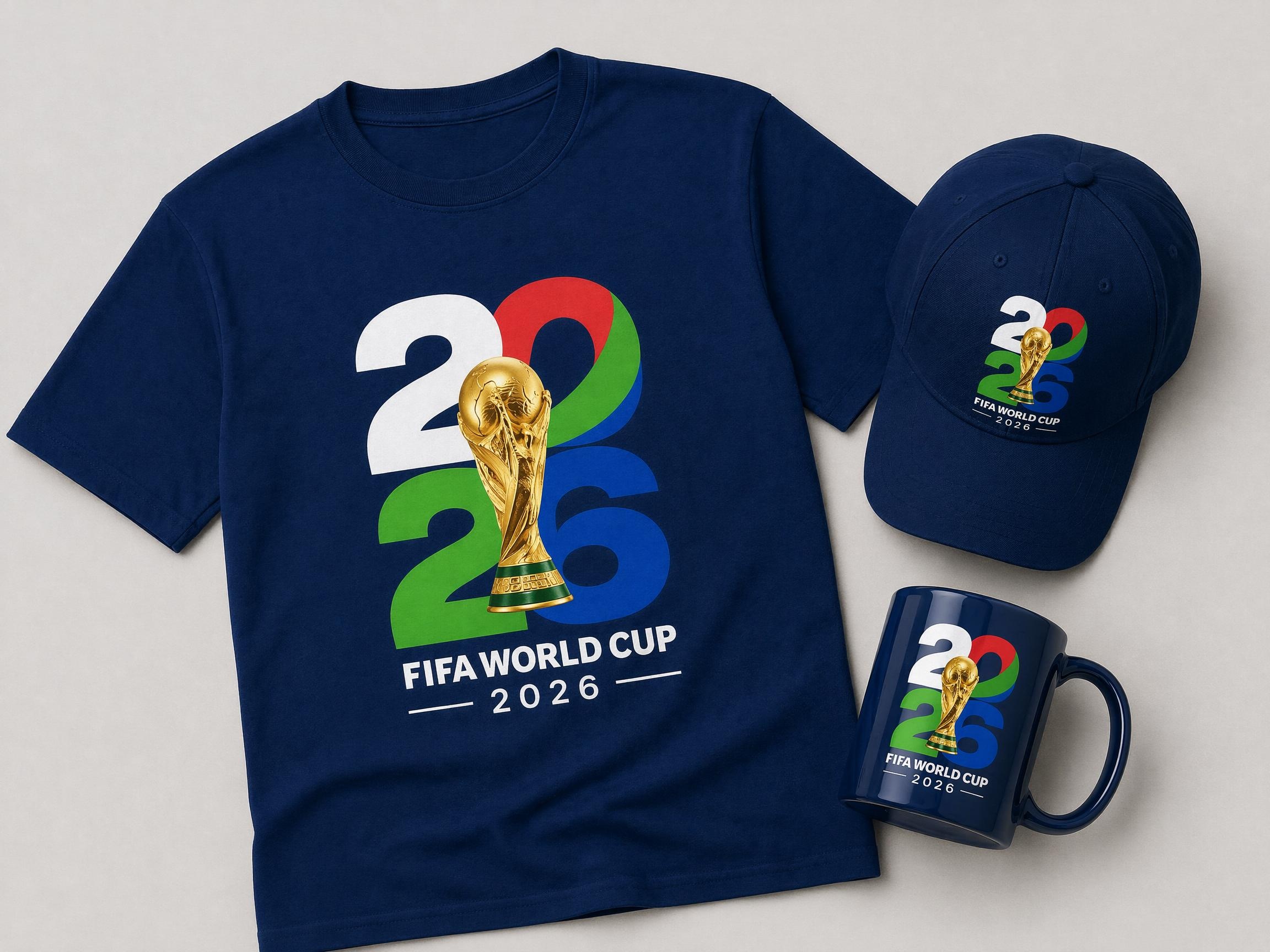
Bundle images help communicate value.
7. Promotional Banner Image
Promotional graphics are useful for:
- Seasonal campaigns
- Limited editions
- Match-day offers
- Special discounts
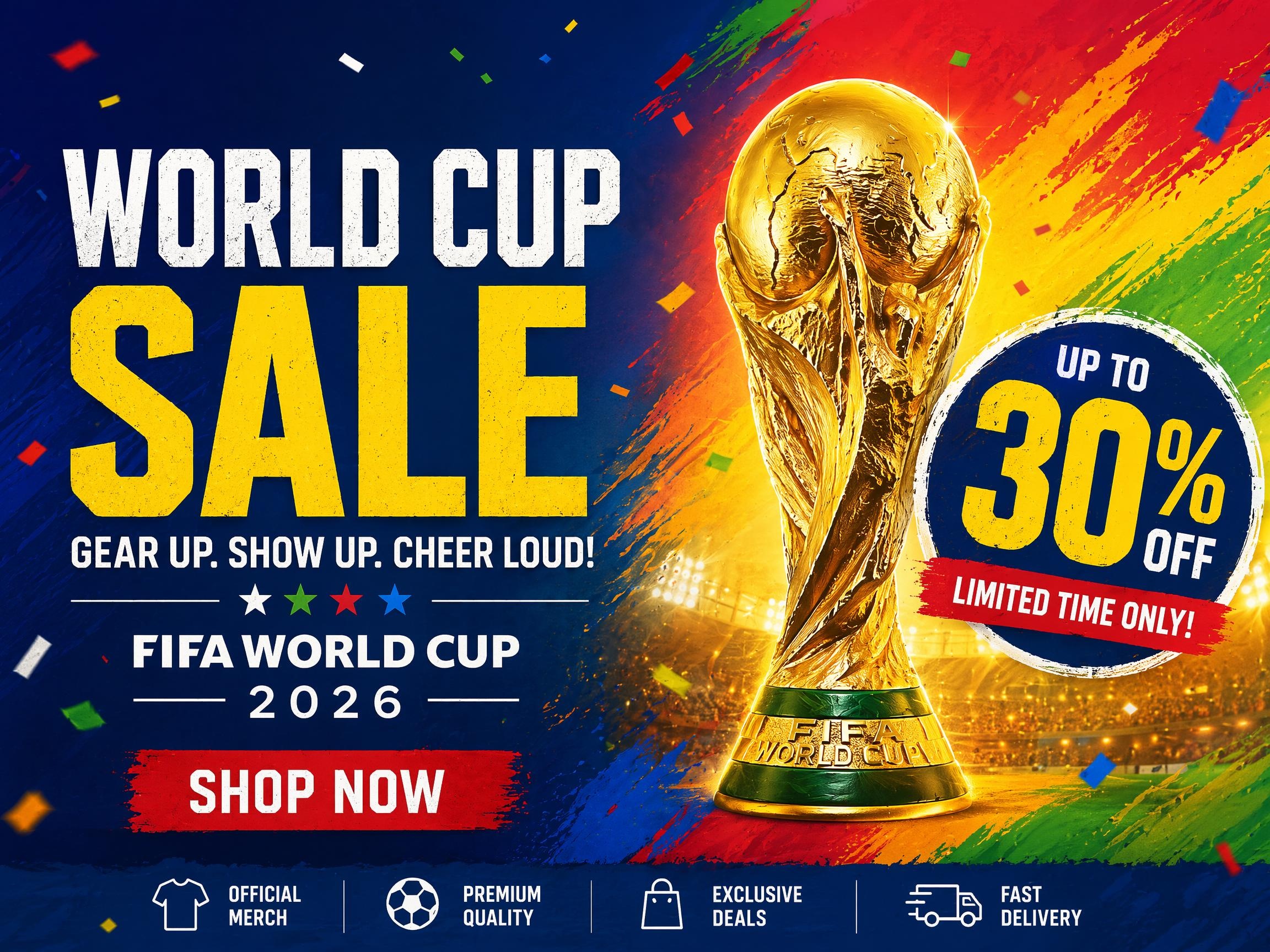
These visuals can also be reused across advertising channels and social media.
Example Product Image Set for a World Cup T-Shirt
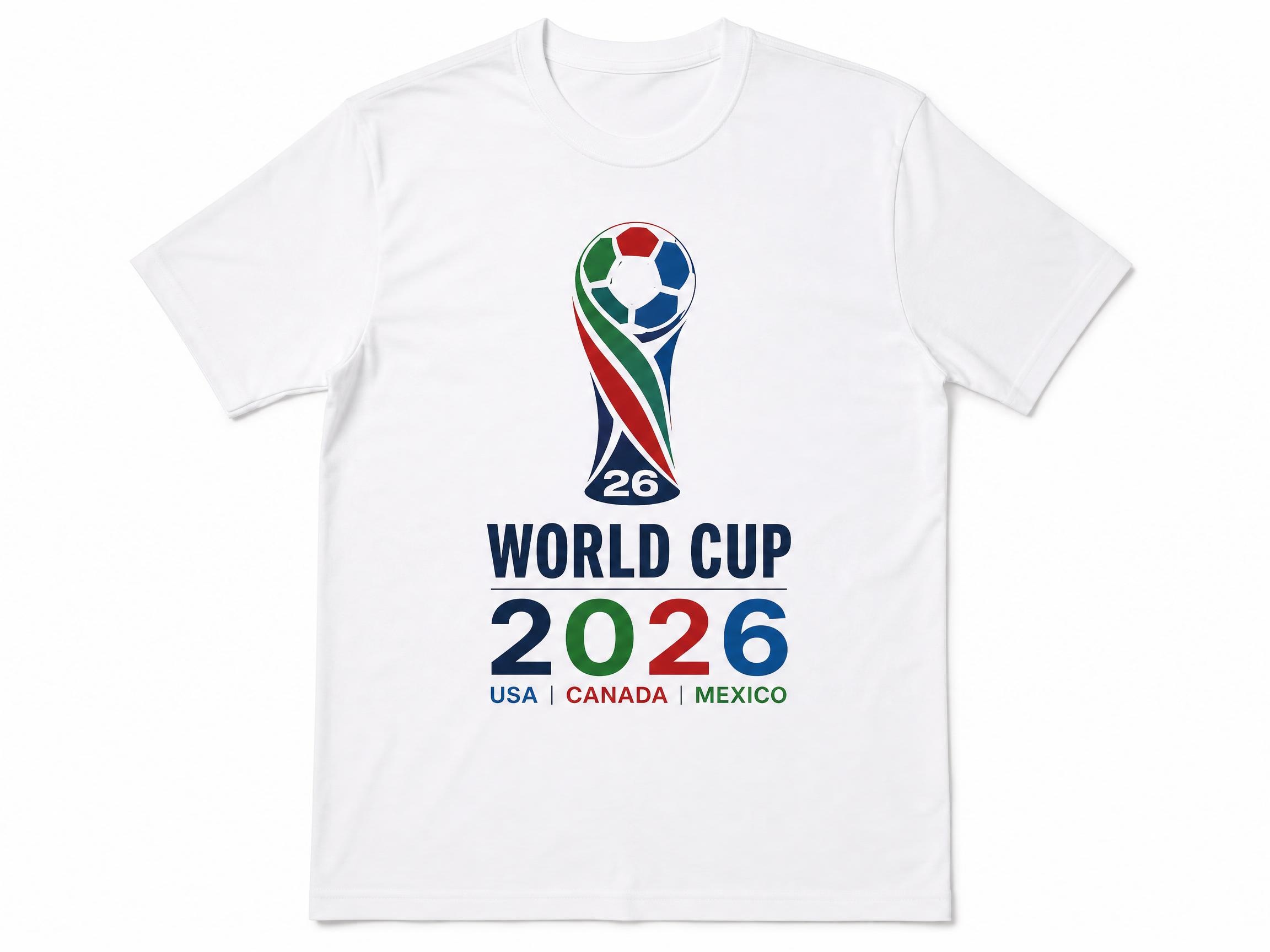
A complete T-shirt listing might include:
Front View
Clear display of the design and colors.
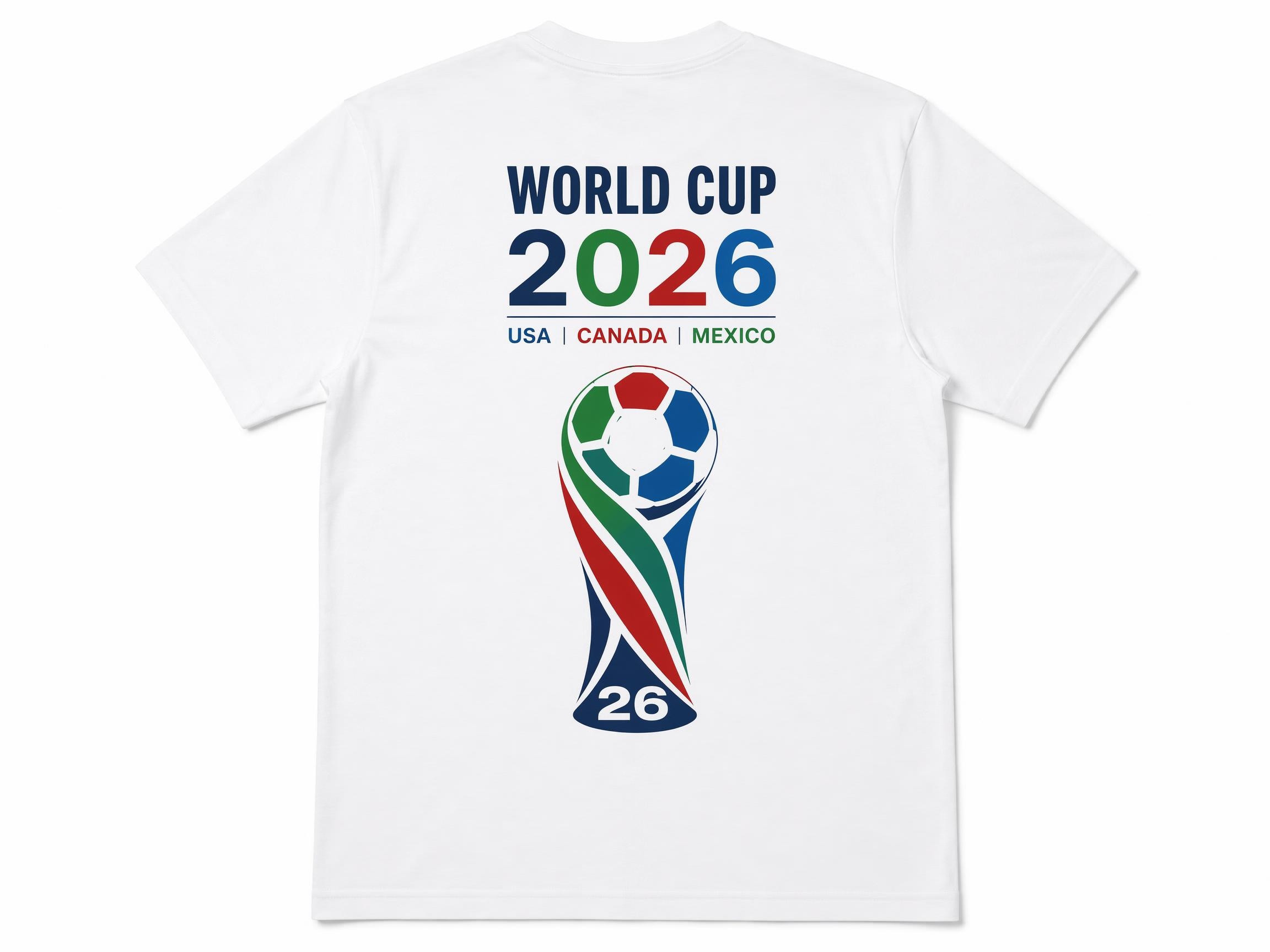
Back View
Shows rear graphics or garment details.
Model Wearing Image
Provides context for fit and styling.
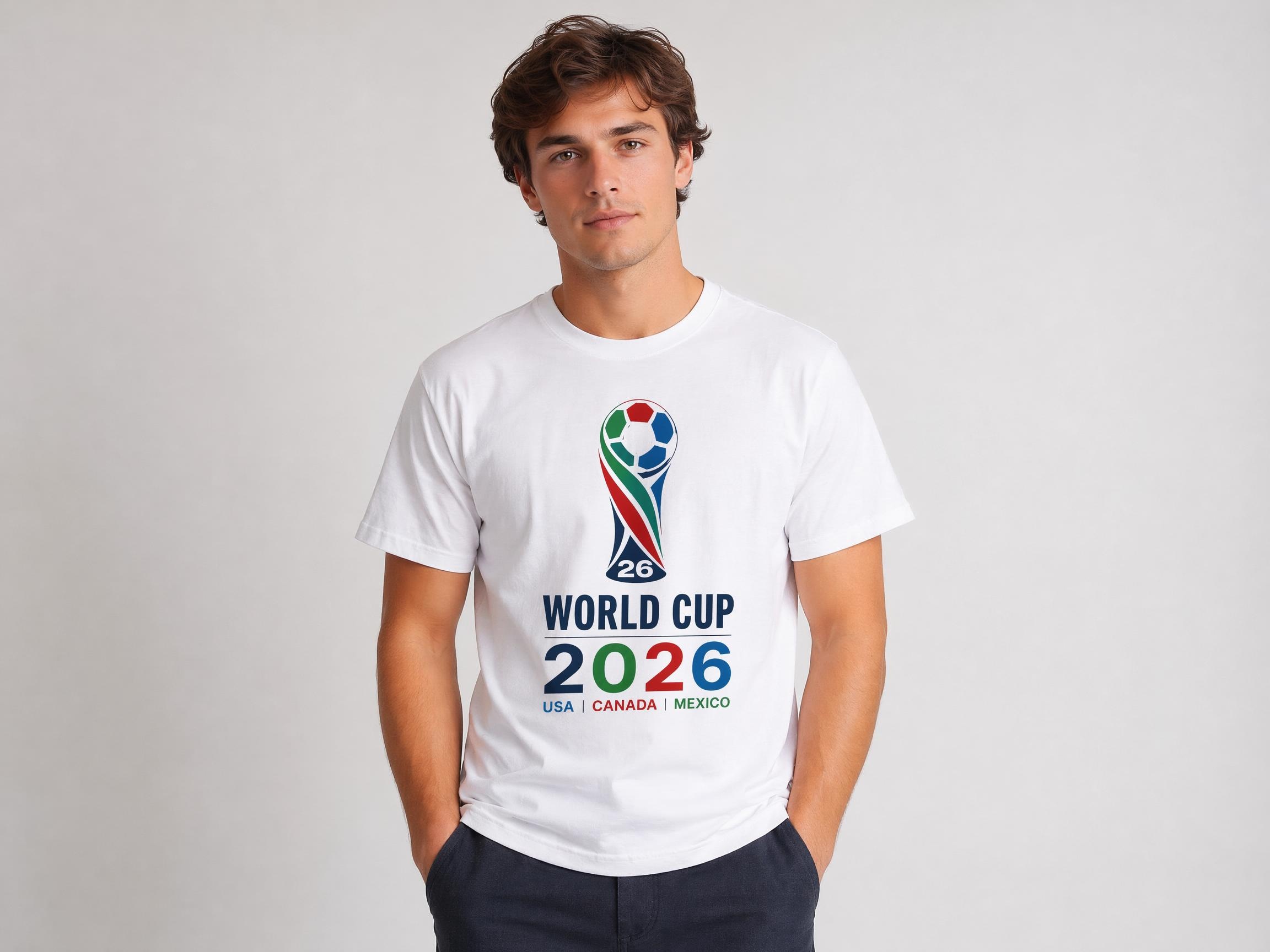
Generate Model Wearing Image Image Free
Fabric Detail Image
Highlights texture and print quality.
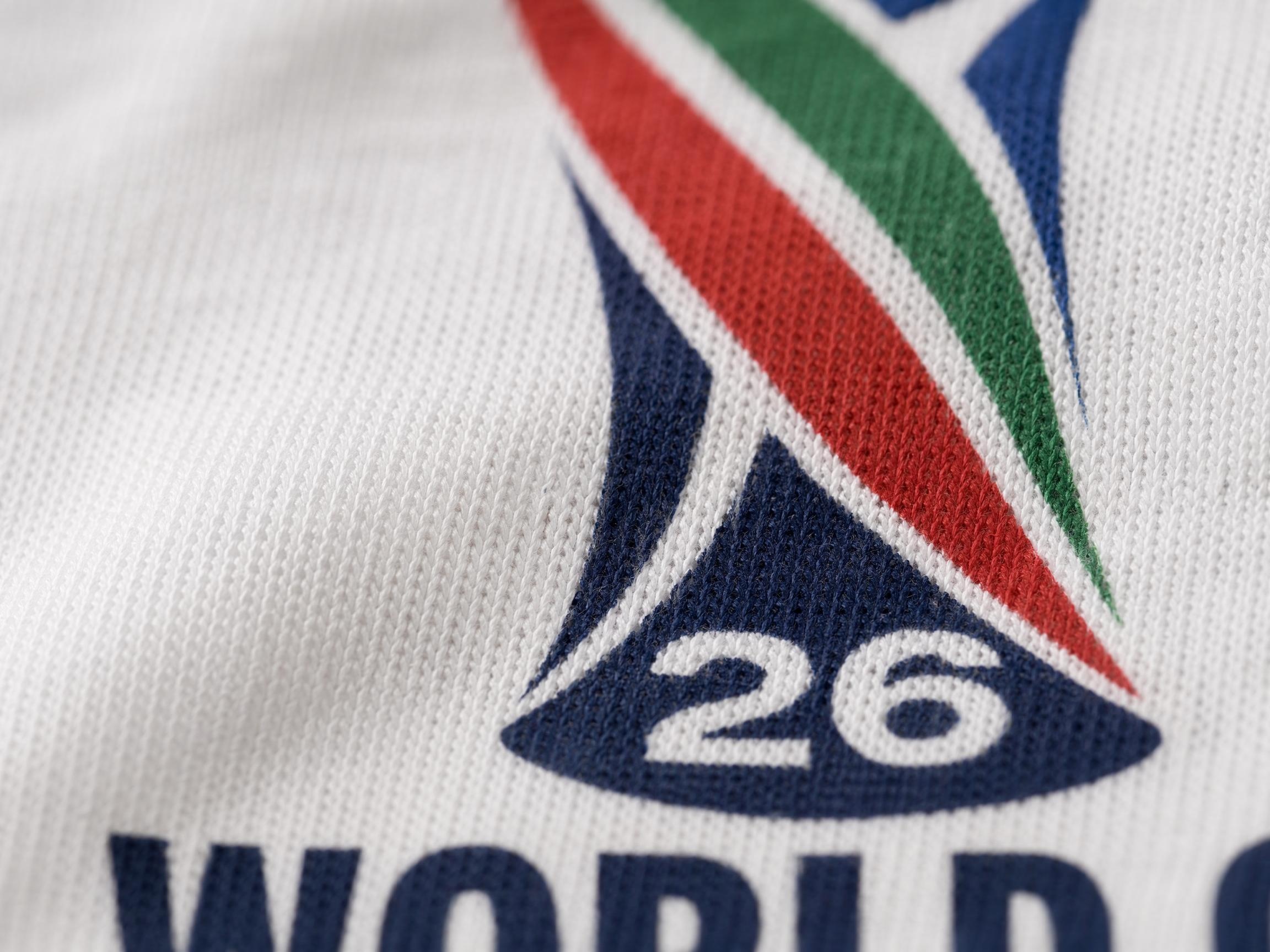
Size Guide Graphic
Displays measurements and sizing information.
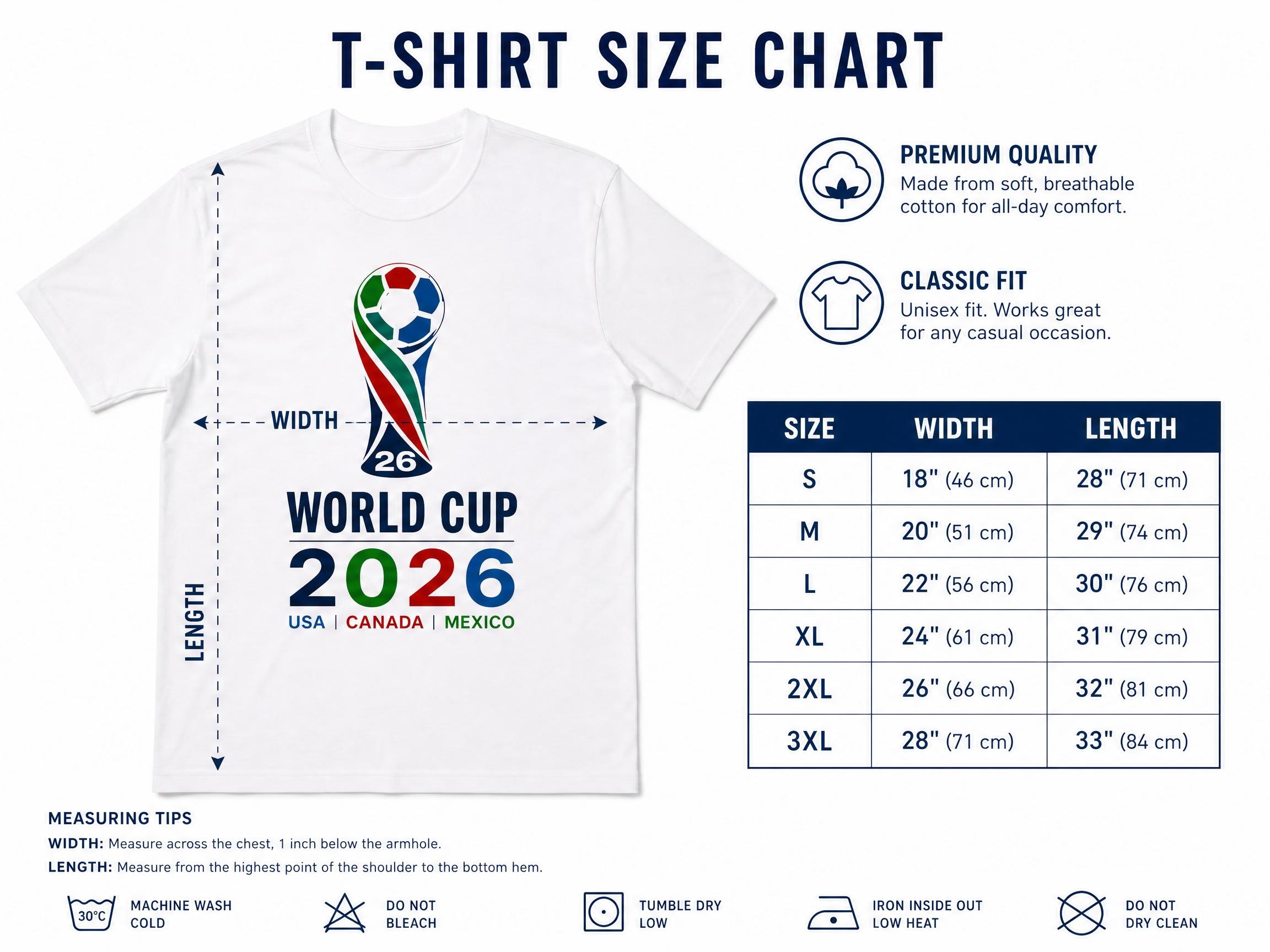
Together, these images answer most common customer questions before purchase.
Example Product Image Set for a World Cup Mug
For mugs, a recommended image set includes:
White Background Product Photo
Clean marketplace-ready product image.
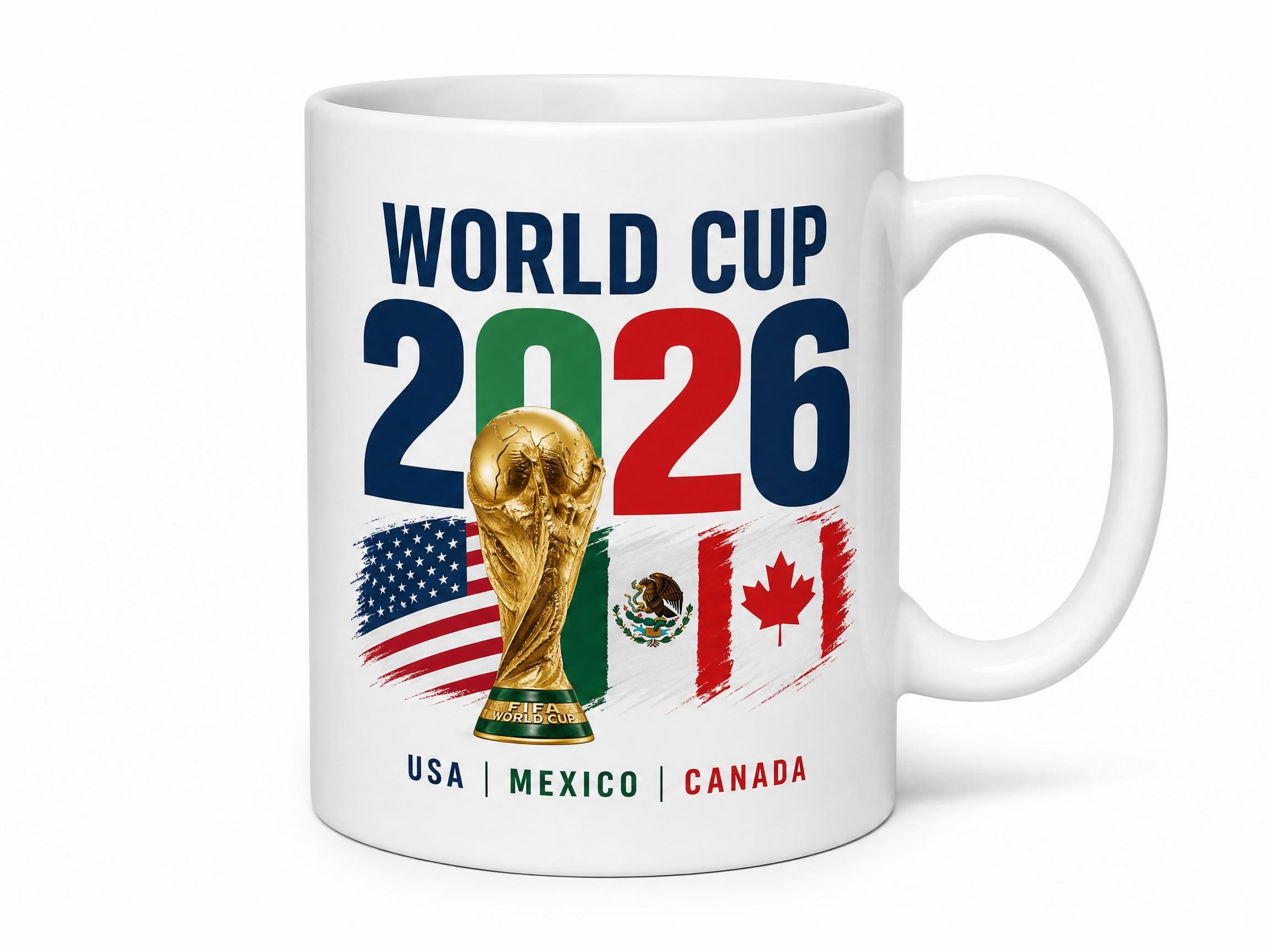
Desk Lifestyle Scene
Shows the mug in a realistic environment.
Close-Up Printing Detail
Demonstrates design quality.
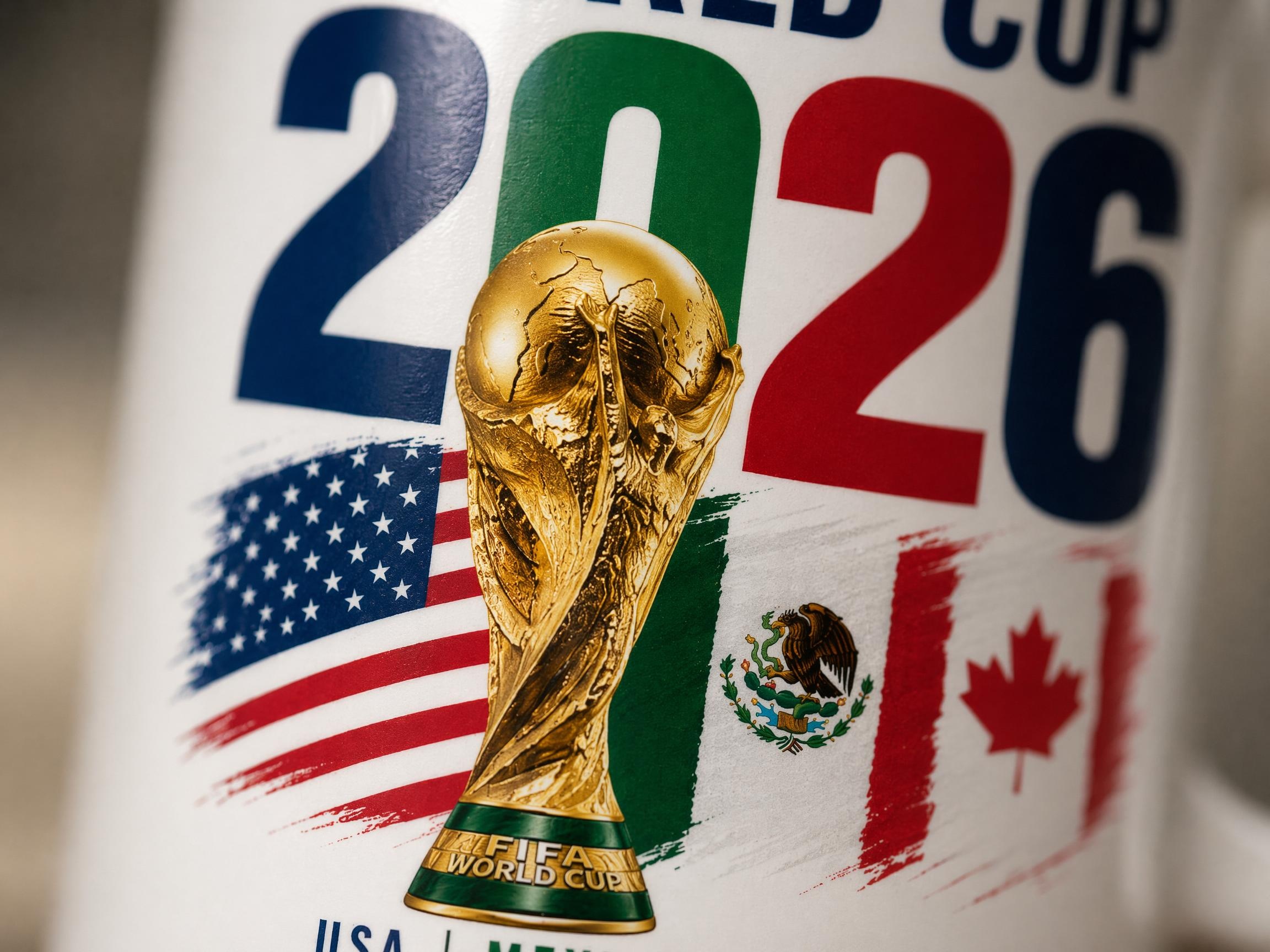
Generate Close-Up Printing Detail Free
Gift Presentation Image
Highlights gifting potential during tournament season.
Example Product Image Set for a World Cup Hat
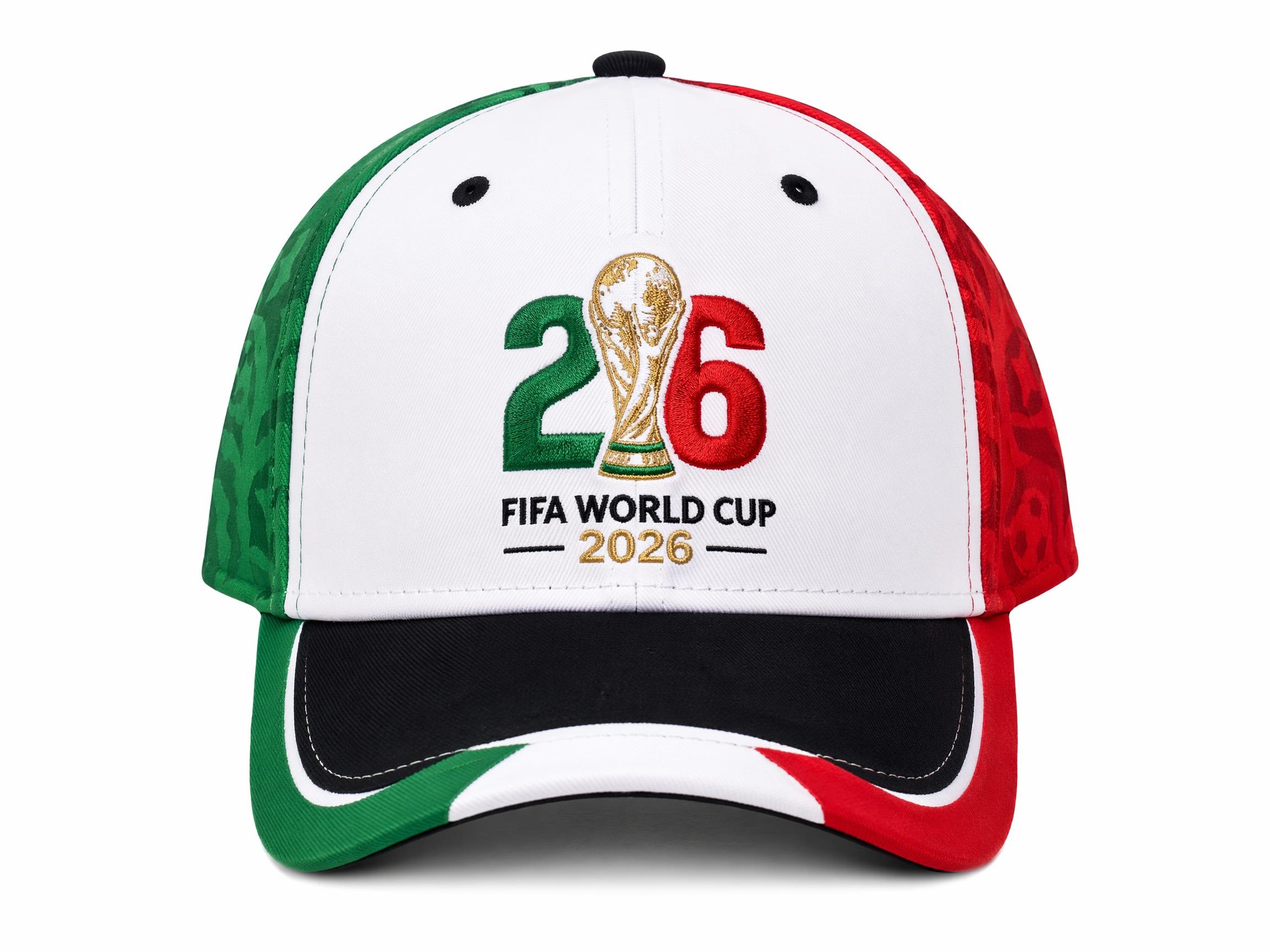
A complete hat listing may contain:
Front Angle Product Photo
Primary presentation image.
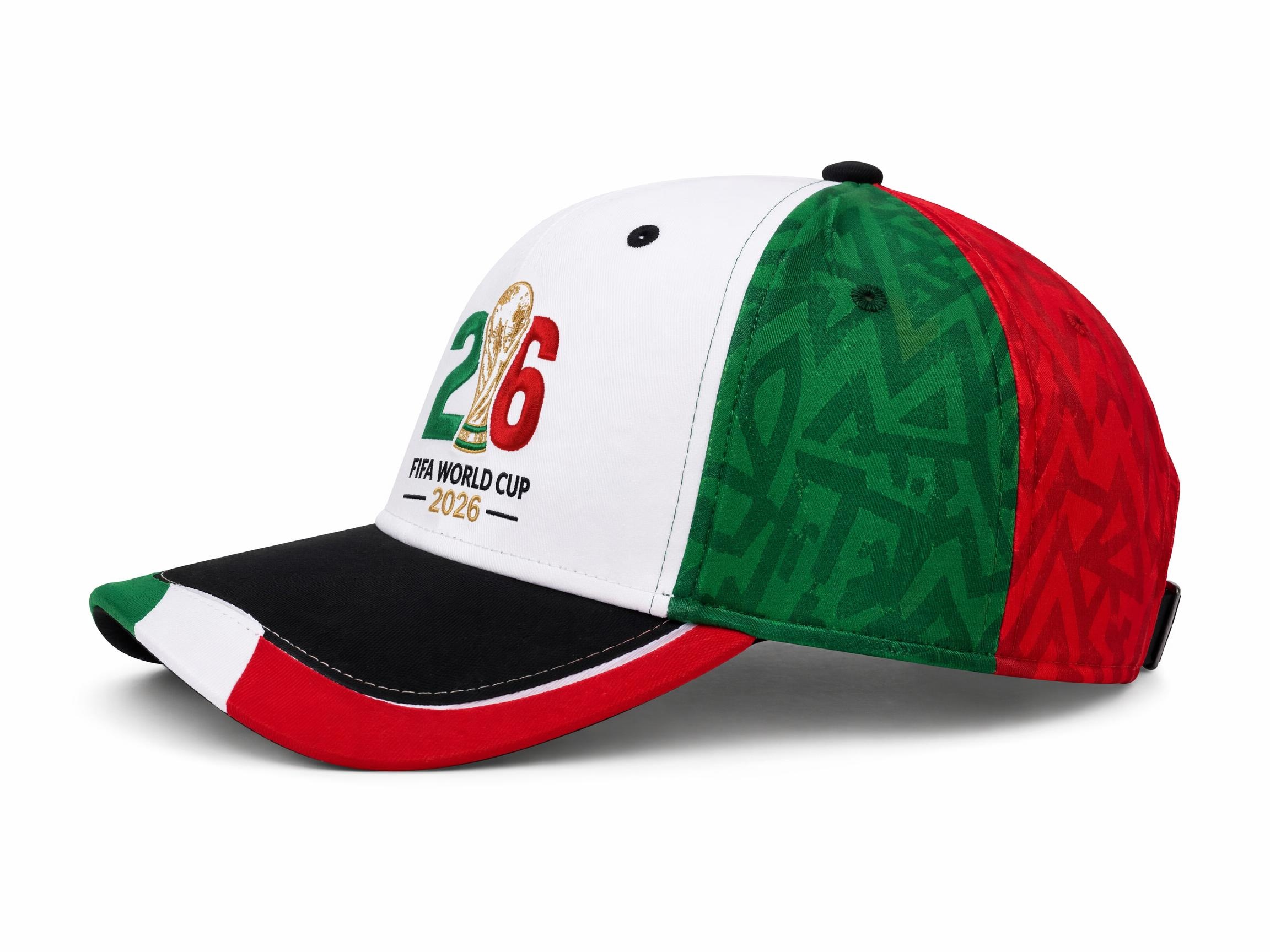
Side View
Displays shape and structure.
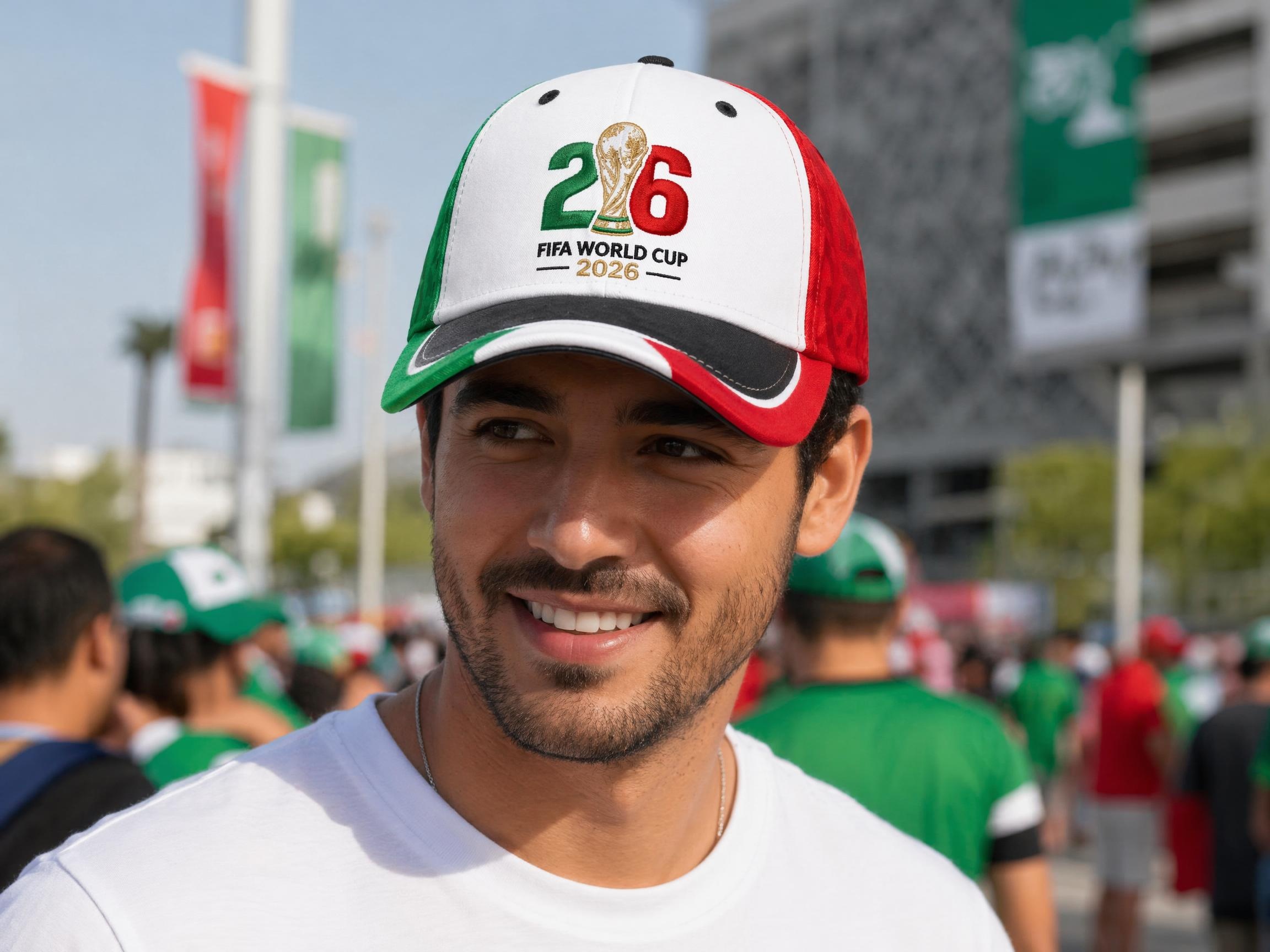
Outdoor Lifestyle Image
Shows the product in use.
Generate Outdoor Lifestyle Image Free
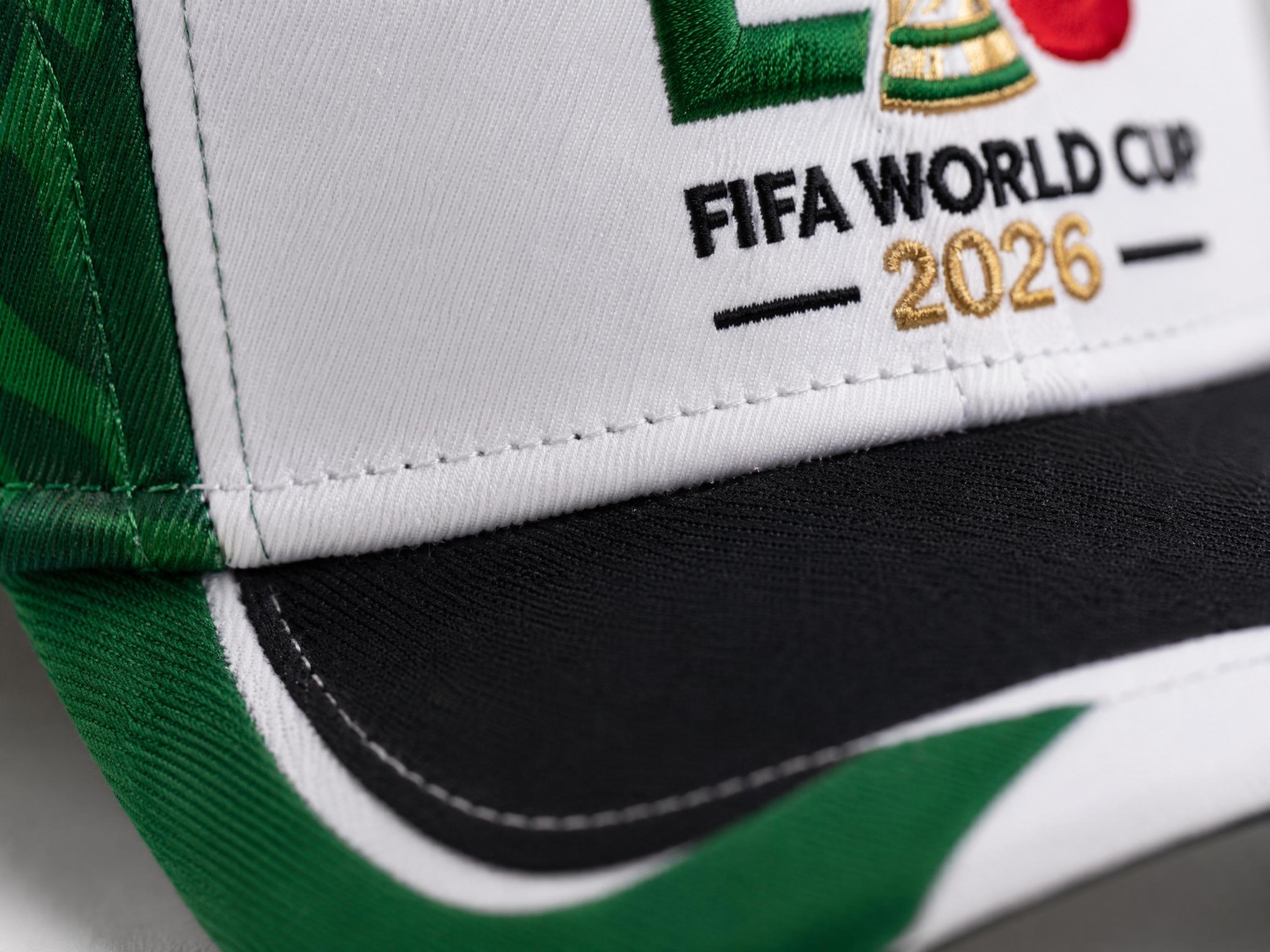
Material Detail Image
Highlights stitching, fabric, and finishing quality.
How to Generate Product Listing Images with AI
AI image generation tools have become increasingly popular among ecommerce sellers because they reduce the time and cost associated with traditional product photography.
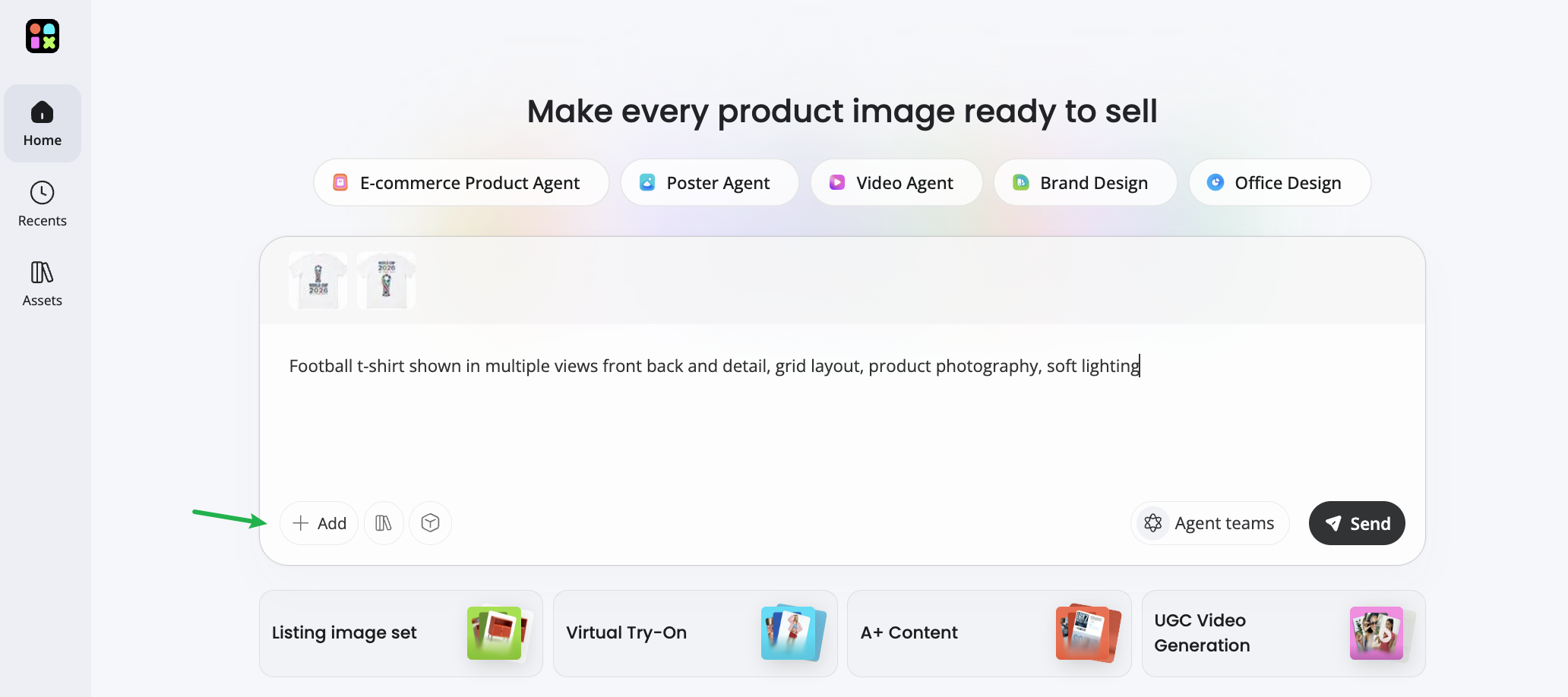
Upload a Design or Product Photo
Start with:
- Existing product images
- Product mockups
- Design files
- Packaging artwork
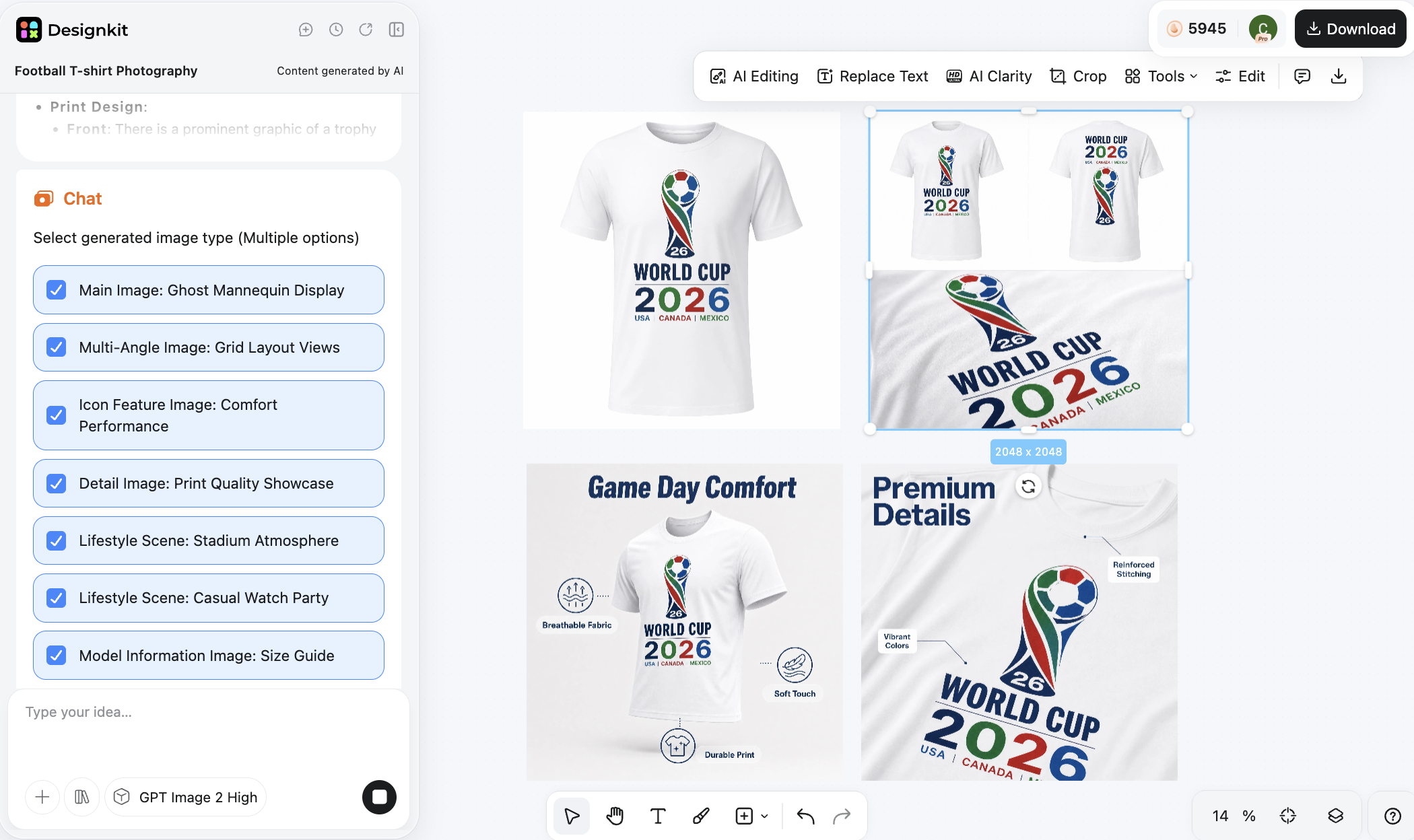
Generate Realistic Product Photography
AI can create:
- Studio-style product photos
- White background images
- Catalog images
- Multiple viewing angles
This helps sellers expand their image libraries quickly.
Create Lifestyle Scenes
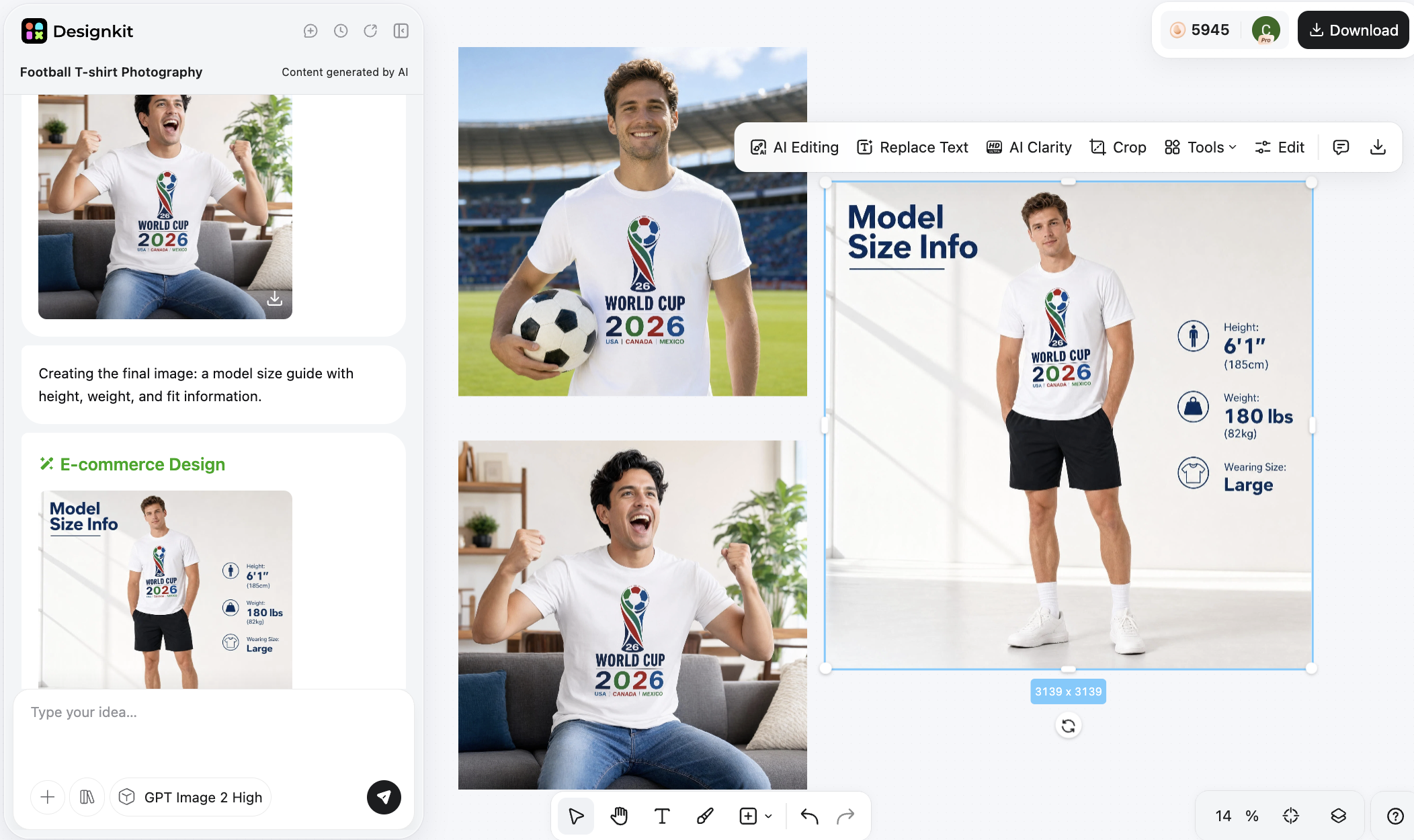
Lifestyle photography traditionally requires models, locations, and photographers.
AI-generated scenes can simulate:
- Living rooms
- Offices
- Cafés
- Sporting events
- Watch parties
This provides contextual visuals without additional production costs.
Generate Product Image Sets Free
Design Promotional Graphics
AI can also assist with:
- Sale banners
- Product feature graphics
- Seasonal campaigns
- Social media creatives
Maintaining visual consistency becomes easier across marketing channels.
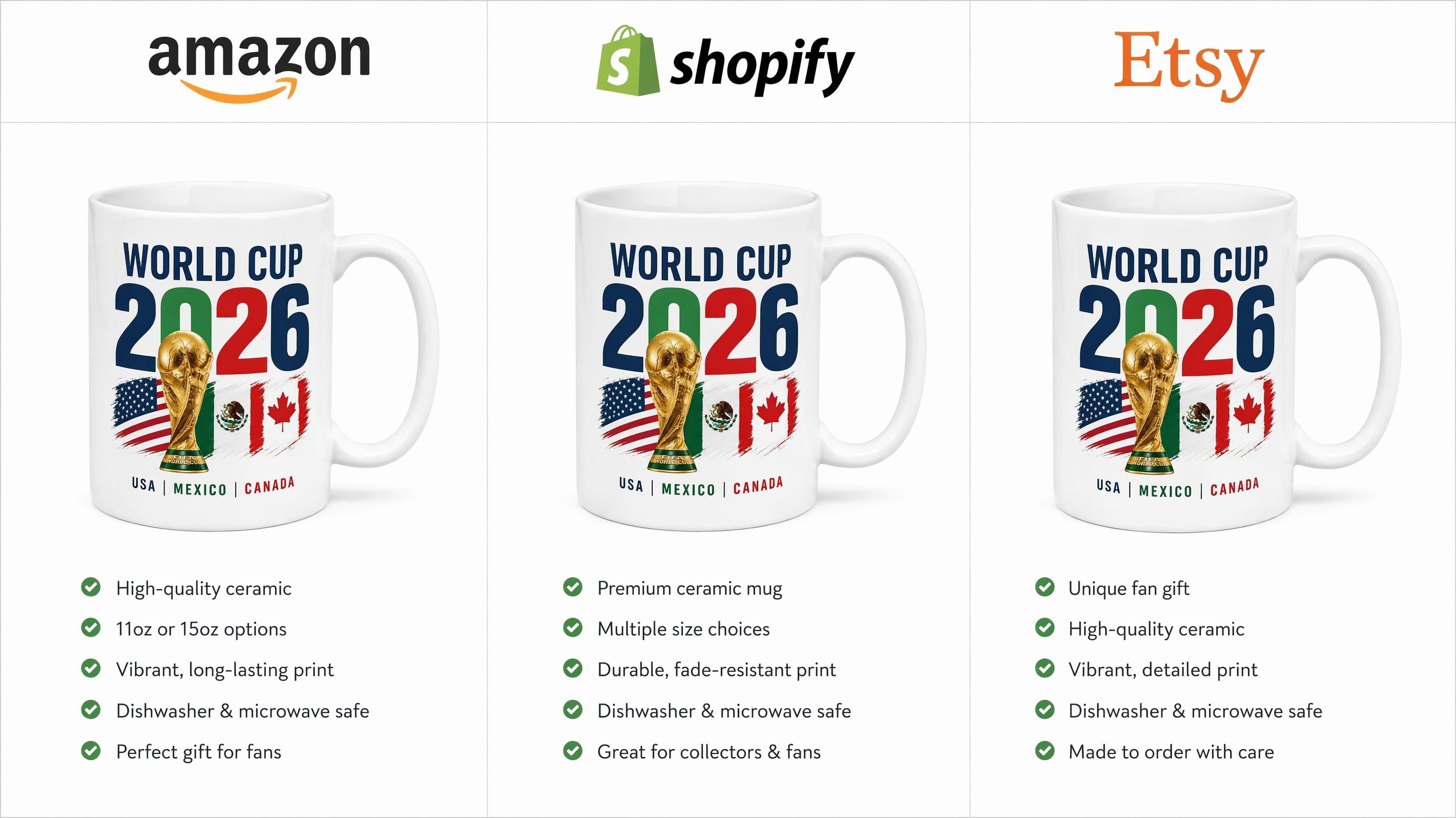
Export Images for Shopify, Etsy, and Amazon
Before publishing, ensure image dimensions and formats align with platform requirements.
Different marketplaces may have different recommendations regarding resolution, aspect ratio, and image count.
Optimizing Listing Images for Different Sales Channels
Not every platform uses images the same way.
Generate Product Images for Different Channels
Amazon Listing Requirements
Amazon product listings typically benefit from:
- White background hero image
- Multiple supporting images
- Infographics
- Size references
Review the latest Amazon image policies before publishing.
Shopify Product Pages
Shopify stores offer greater flexibility.
Consider adding:
- Lifestyle imagery
- Product videos
- Promotional banners
- Brand storytelling visuals
Etsy Product Listings
Etsy shoppers often value:
- Handmade appearance
- Product details
- Creative styling
- Gift-oriented presentation
Images should emphasize uniqueness and craftsmanship.
Social Commerce Stores
For platforms such as Instagram Shops and TikTok Shop, visual storytelling is especially important.
Focus on:
- Attention-grabbing visuals
- Lifestyle scenes
- Mobile-friendly composition
- Consistent branding
Conclusion
A strong product listing image set helps shoppers understand products faster and creates a more professional buying experience. Rather than relying on a single photo, successful ecommerce listings typically combine hero images, lifestyle scenes, feature graphics, detail shots, and sizing information.
For World Cup merchandise, a complete image set can help communicate quality, showcase designs, and improve shopper confidence across Amazon, Shopify, Etsy, and social commerce channels.
As AI image generation technology continues to evolve, sellers now have more options for creating professional ecommerce product images without the time and expense associated with traditional photoshoots.
References
- Ecommerce platform image optimization guidelines
- Nielsen Norman Group research on ecommerce product presentation
- Amazon Seller Central image requirements documentation
Frequently Asked Questions
How many images should a product listing have?
What is the most important product image?
The hero image is usually the most important because it creates the first impression and influences click-through rates.
What images improve ecommerce conversions?
Lifestyle images, feature graphics, close-up detail shots, and clear size guides are commonly used to help shoppers make purchasing decisions.
Can AI generate Amazon listing images?
Yes. AI tools can create product photos, lifestyle scenes, and marketing graphics that can be adapted for Amazon listings, provided they comply with Amazon's current image guidelines.
How do I create lifestyle product photos without a photoshoot?
AI-generated lifestyle scenes can help sellers create realistic contextual imagery without hiring photographers, models, or renting locations.
You May Also Like

20 FIFA World Cup Merchandise Ideas That Fans Actually Buy
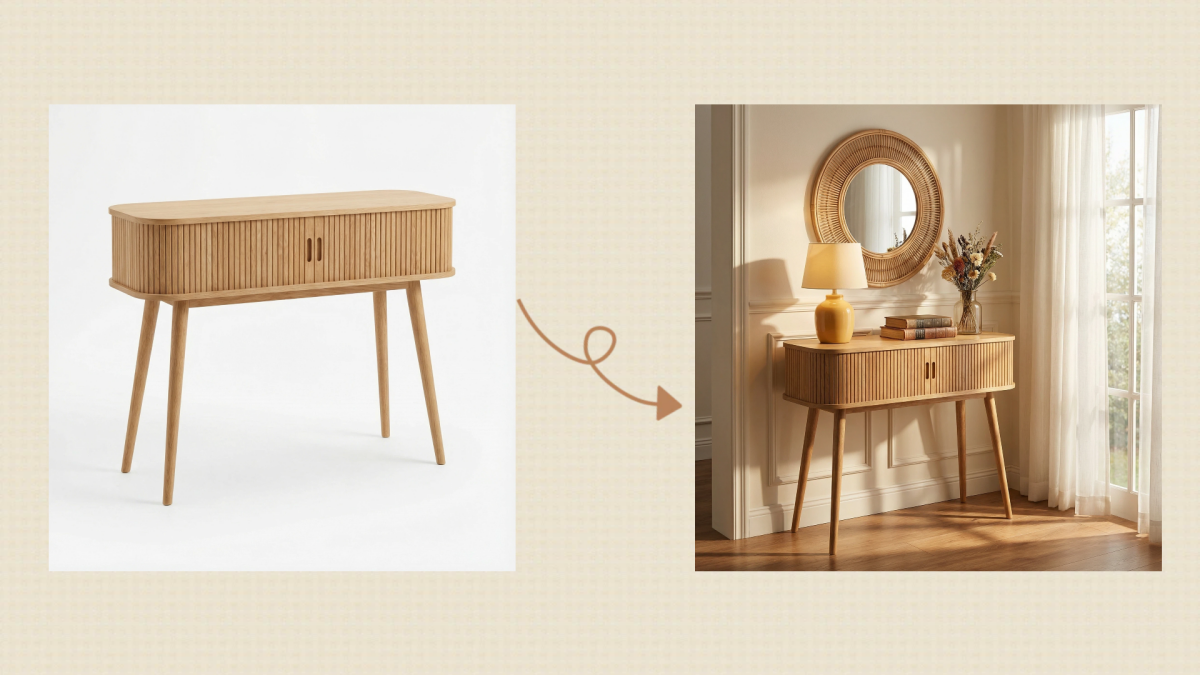
10 High-Converting Lifestyle Product Images for Amazon Listings
Amazon 7-Image Listing Strategy: Boost Sales by Optimizing Every Image
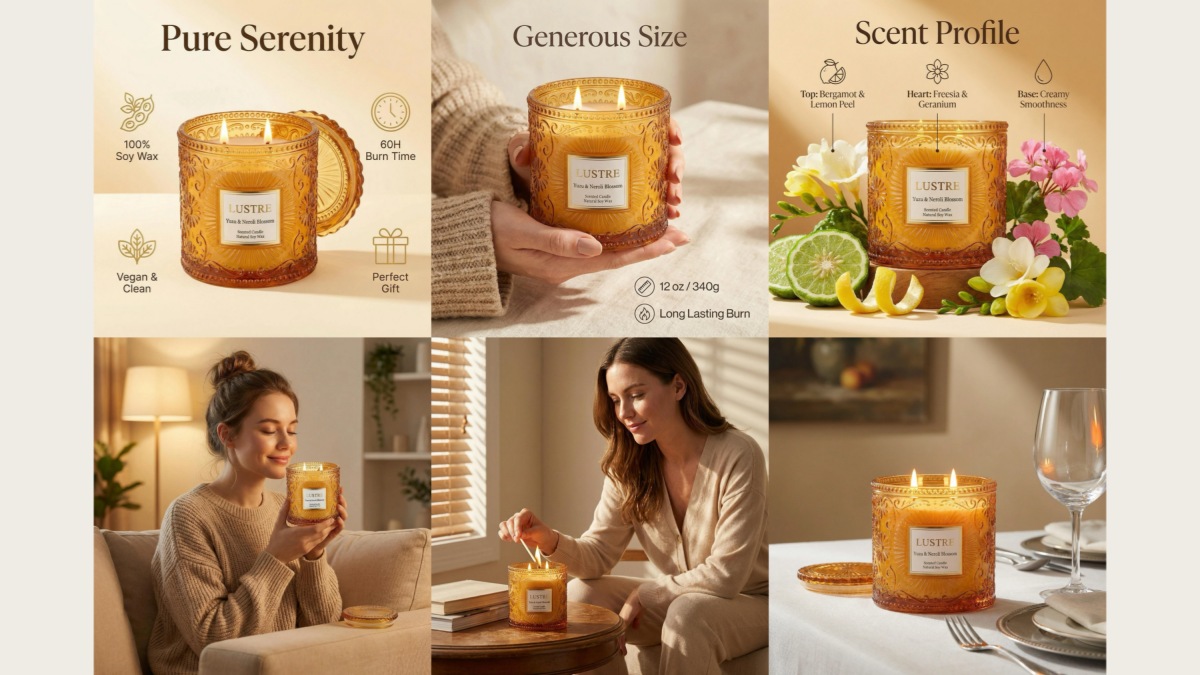
Amazon Listing Images Guide 2026: 7-Slot Strategy & Requirements

How to Turn One Photo into 10 Etsy Listing Images Fast: Batch Workflow
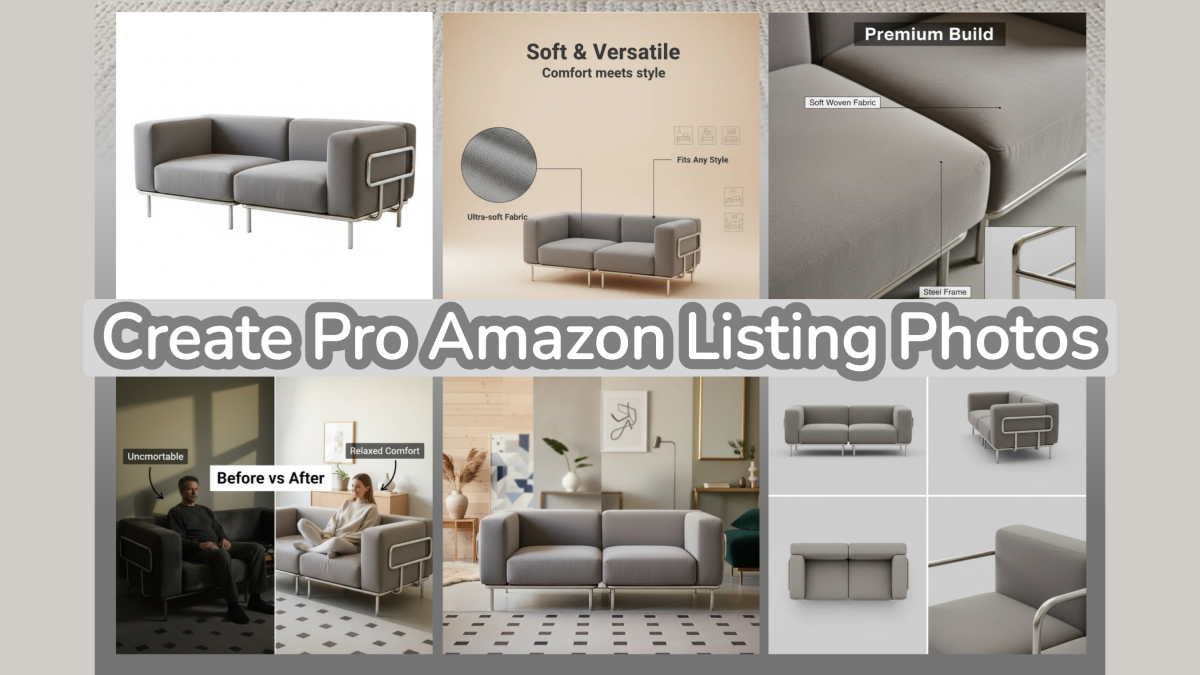
How to Create Pro Amazon Listing Photos Without a Studio
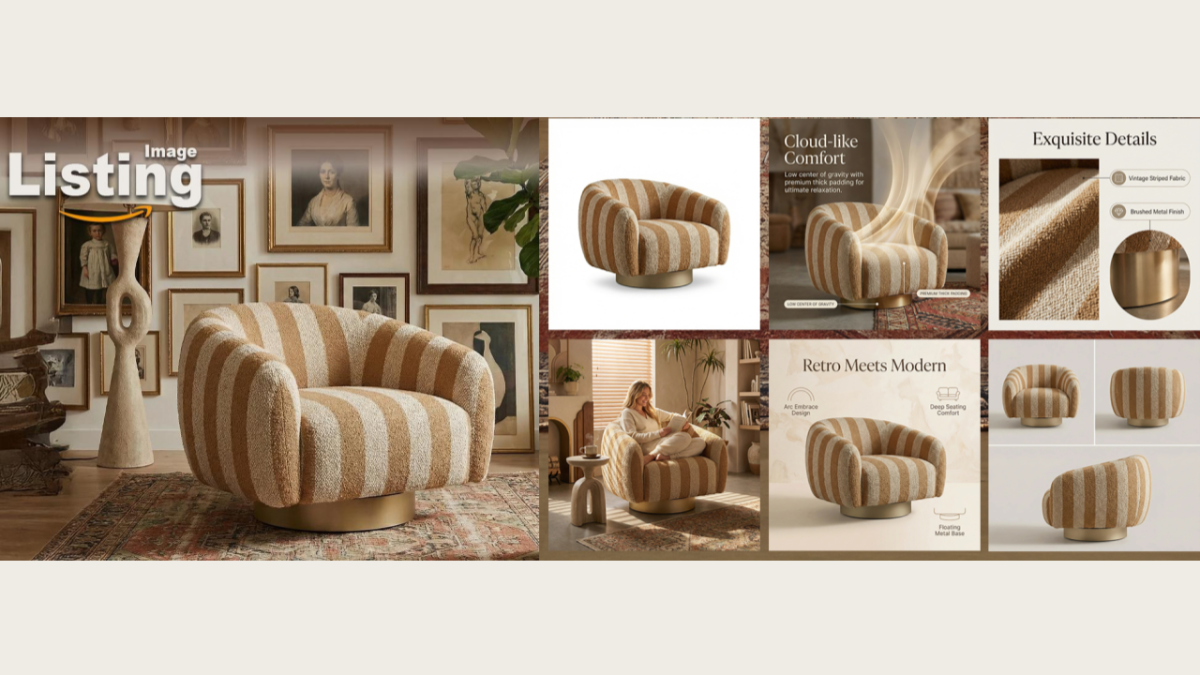
Top 5 AI Tools to Generate Amazon Product Listing Images in 2026
Build Complete Product Listing Images Without a Photoshoot
Creating a full product image set no longer requires expensive equipment or studio sessions. With Designkit, you can generate product photos, lifestyle scenes, and marketplace-ready listing images from a single upload — keeping visual quality consistent across every sales channel.