
15 Chic Outfit Ideas for Every Occasion
Create polished looks for work, weekends, travel, and special occasions with simple formulas from your own wardrobe.
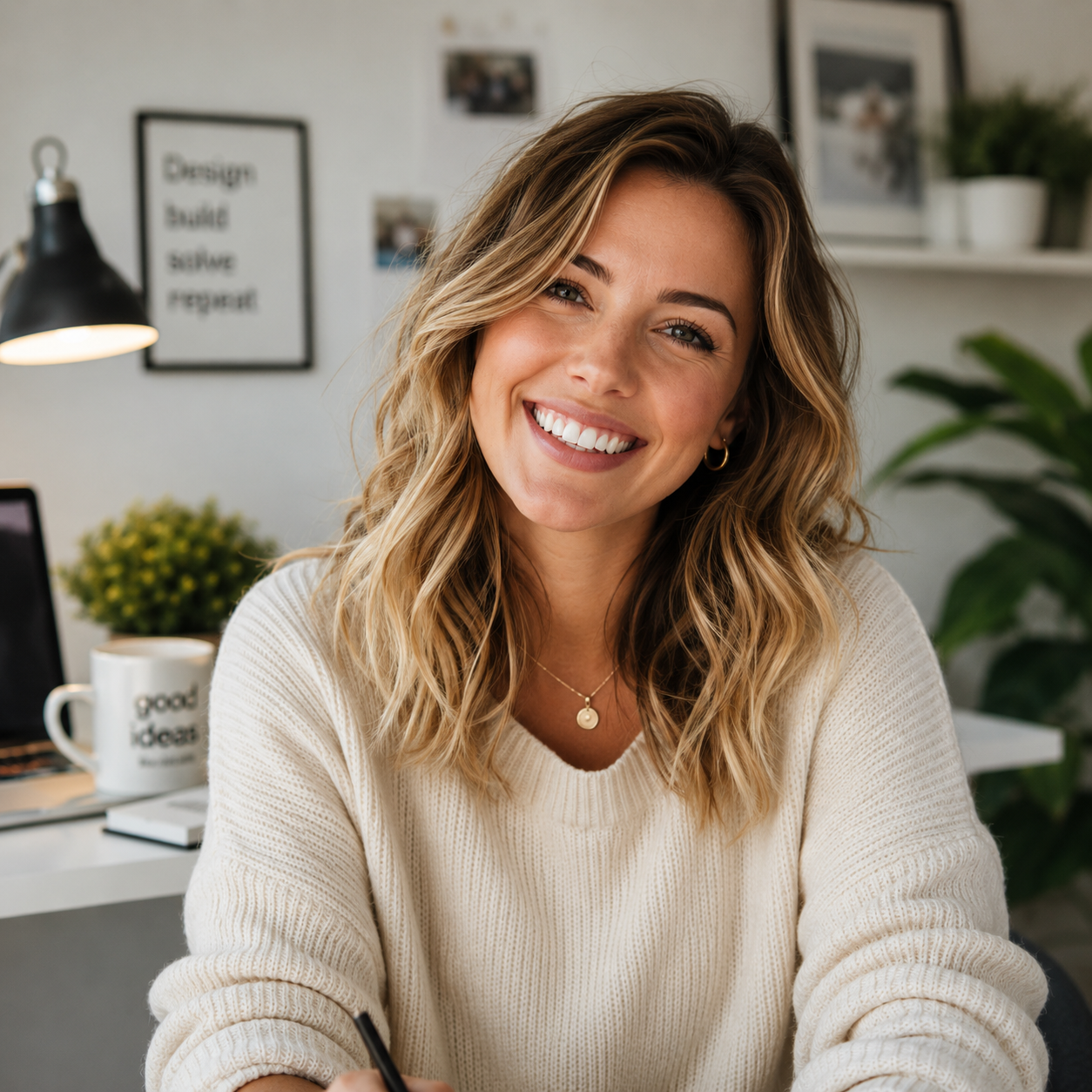

Chic style is less about owning more clothes and more about combining the pieces you already have in a balanced, intentional way. The right proportions, a coordinated color palette, and a few considered accessories can make an everyday outfit feel polished without making it uncomfortable or overly formal.
This guide covers 15 practical looks for work, weekends, travel, dinners, warm weather, and special occasions. Use the formulas as starting points and adjust the fabrics, colors, and shoes for your climate, budget, dress code, and personal style.
Quick Outfit Finder
Start with the occasion you are dressing for, then adapt the formula to pieces you already own.
| If you're dressing for... | A simple outfit to try |
|---|---|
| Running errands | Lightweight knit, straight-leg jeans, and loafers |
| At the office | Tailored blazer, simple blouse, and wide-leg trousers |
| Weekend brunch | Relaxed blazer, T-shirt, jeans, and ballet flats |
| Date night | Satin blouse, tailored trousers, and heeled sandals |
| Dinner out | Simple midi dress, small clutch, and understated jewelry |
| At the airport | Matching knit set, trench coat, and comfortable sneakers |
| Summer vacation | Linen shirt, tailored shorts, leather sandals, and a woven tote |
| Cold-weather days | Wool coat, fine-knit turtleneck, tailored trousers, and ankle boots |
| A wedding or special event | An elegant dress or tailored suit with minimal accessories |
What Makes an Outfit Look Chic?
In everyday styling, chic usually means a look that feels intentional without appearing overworked. It can be casual or formal, minimal or expressive. What matters most is that the clothing works together and suits the setting.
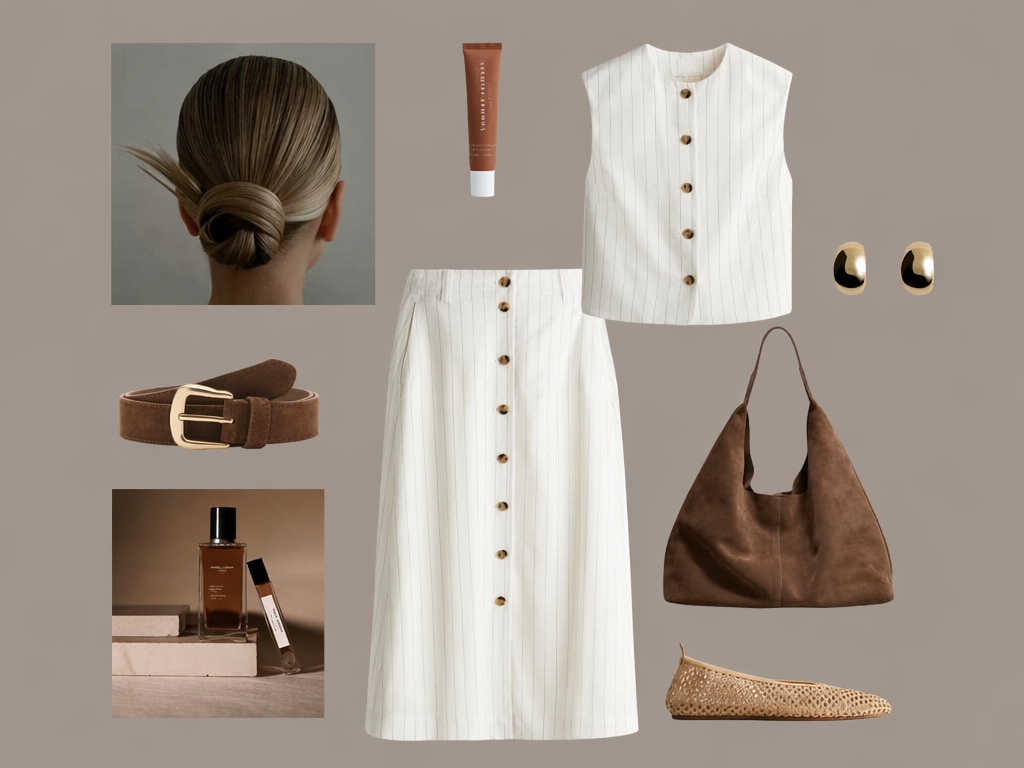
- Balanced proportions: combine volume and structure deliberately.
- Coordinated colors: build around neutrals or a controlled color palette.
- Useful texture: mix fabrics to create depth without adding clutter.
- Intentional accessories: choose one focal piece instead of several competing ones.
- Appropriate styling: consider the dress code, weather, and planned activities.
- Good garment care: clean shoes, wrinkle-free clothing, and functional layers improve the finish.
Expensive designer labels are not required. A garment that fits well and is maintained properly can look more polished than a costly piece that does not suit the wearer or the occasion.
Four Styling Principles That Improve Any Outfit
1. Start with a balanced silhouette
If one part of an outfit is oversized, use a neater shape elsewhere to create contrast. For example, pair an oversized blazer with straight-leg trousers, or wear a fitted knit with wide-leg pants.
| If you're wearing | Balance it with |
|---|---|
| Oversized blazer | Straight-leg trousers |
| Wide-leg pants | Fitted knit or tucked-in shirt |
| Relaxed sweater | Slim jeans or tailored trousers |
| Full skirt | Structured top |
2. Keep the color palette simple
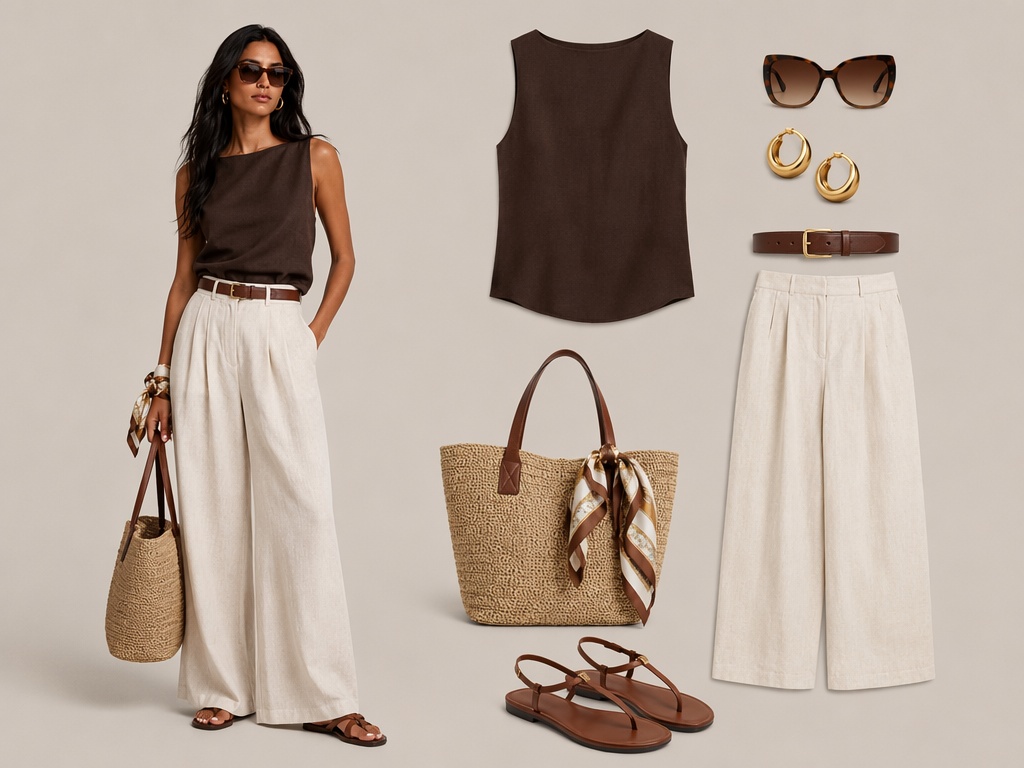
Black, white, cream, navy, camel, gray, and denim are useful foundation colors because they combine easily. Try one dominant color, one supporting neutral, and one small accent through a shoe, bag, scarf, or piece of jewelry.
3. Create one visual focal point
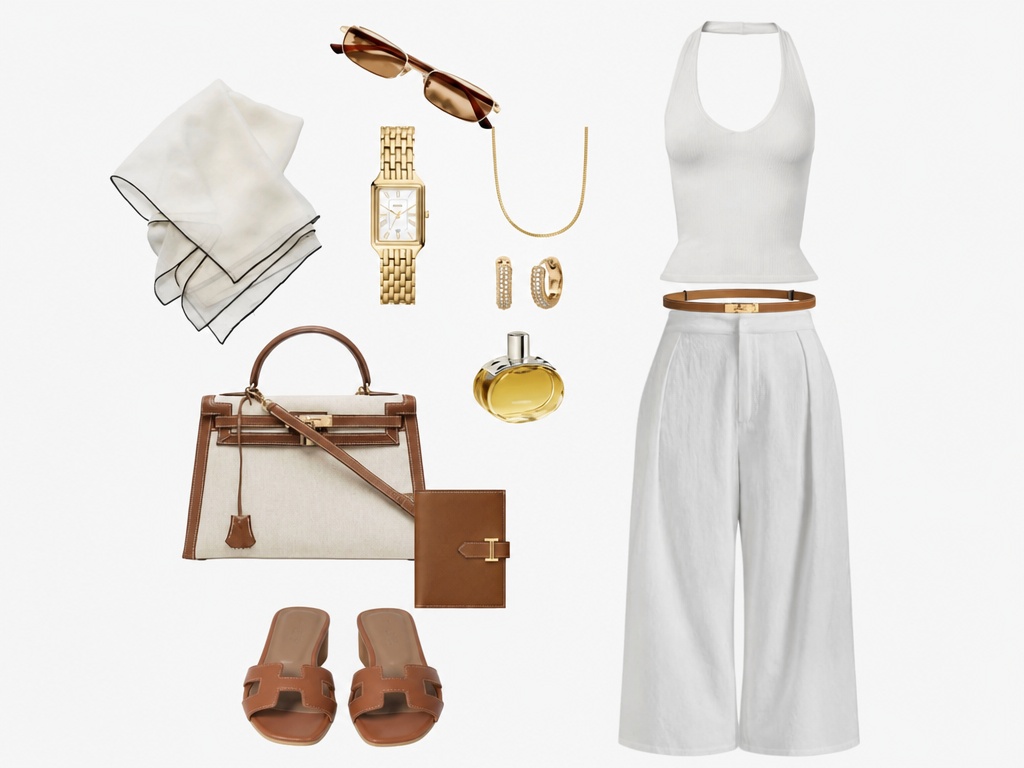
A structured handbag, textured jacket, distinctive shoe, or pair of earrings can give a simple outfit direction. When several statement pieces compete for attention, the result can feel less cohesive, so let one item lead.
4. Finish with practical details
Before leaving home, check that the clothing is comfortable, the shoes are clean, the bag suits the occasion, the layers create a balanced shape, and the accessories work together. These checks take little time and make the outfit easier to wear.
Three Outfit Formulas You Can Reuse
The structured-and-relaxed formula
Pair one tailored item with one relaxed item: a blazer with jeans, tailored trousers with an oversized knit, or a fitted top with wide-leg pants. This balance creates polished outfits that still feel comfortable.
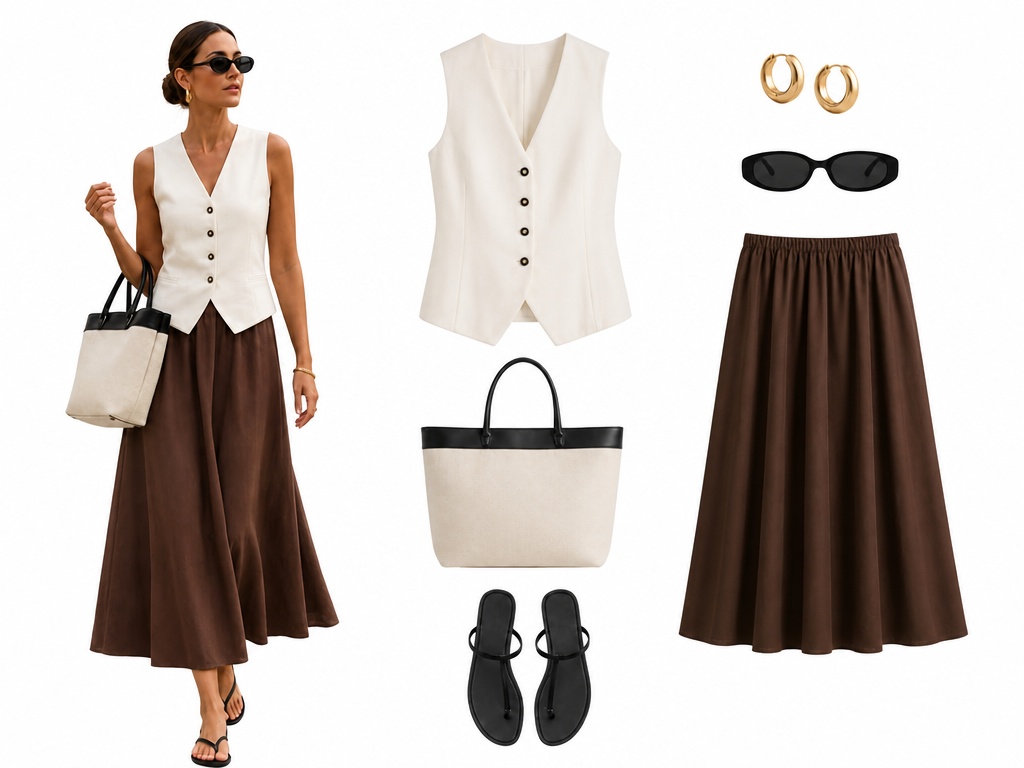
The basics-plus-one formula
Build around wardrobe essentials, then add one standout item such as colorful shoes, a patterned scarf, a textured handbag, or a structured jacket. Keeping the rest simple allows the focal piece to stand out naturally.
The three-color formula
A simple three-color approach can make styling easier: choose one primary color, one supporting neutral, and one small accent. It is a useful guideline rather than a fixed fashion rule.
Try on Chic Outfits Online Free
The 3-3-3 Wardrobe Method
The 3-3-3 method is a flexible wardrobe-planning exercise. Choose three tops, three bottoms, and three pairs of shoes or key accessories, then combine them into several outfits. It can be useful for travel packing, capsule wardrobes, and identifying which basics are genuinely versatile.
There is no universal definition of the method, so treat it as a way to edit your wardrobe rather than a formal fashion rule.
15 Chic Outfit Ideas for Every Occasion
The best outfits are usually the ones you can wear without constantly adjusting them. These ideas focus on comfortable combinations, useful layers, and small details that make familiar clothes feel more considered.
1. A Polished Everyday Look
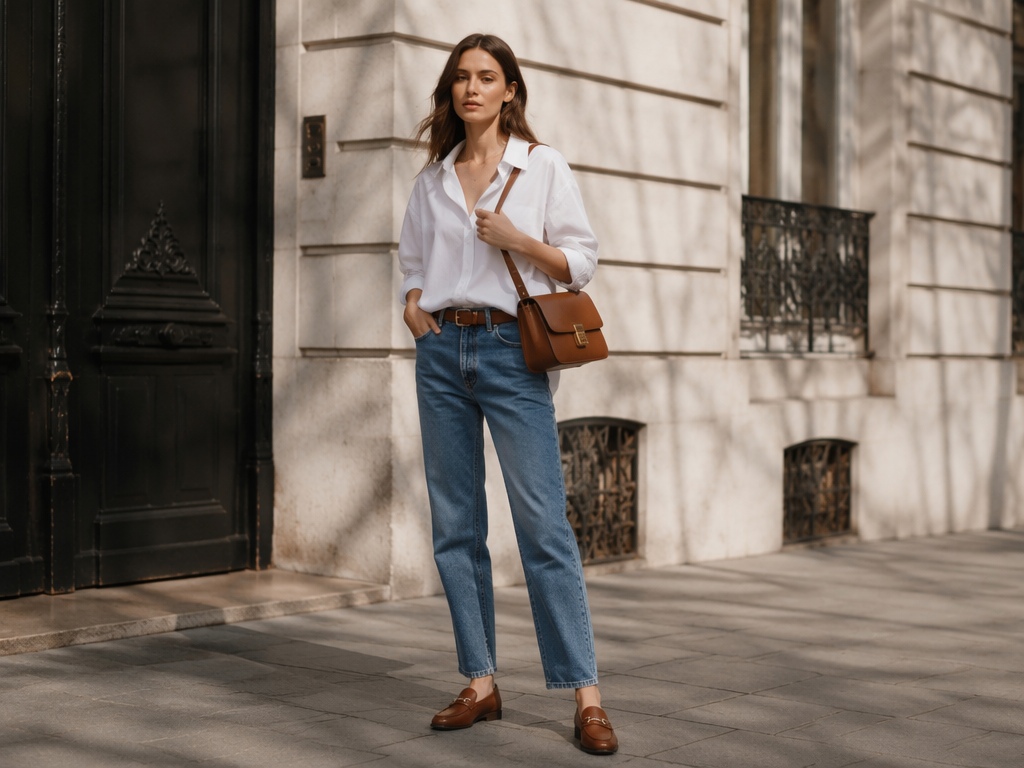
Start with a lightweight knit or a crisp white shirt and pair it with straight-leg jeans. Loafers keep the outfit neat without making it feel too formal, while a structured shoulder bag adds just enough shape.
This combination works well for errands, coffee meetings, shopping, and casual days when you still want to look put together.
2. A Simple Office Outfit
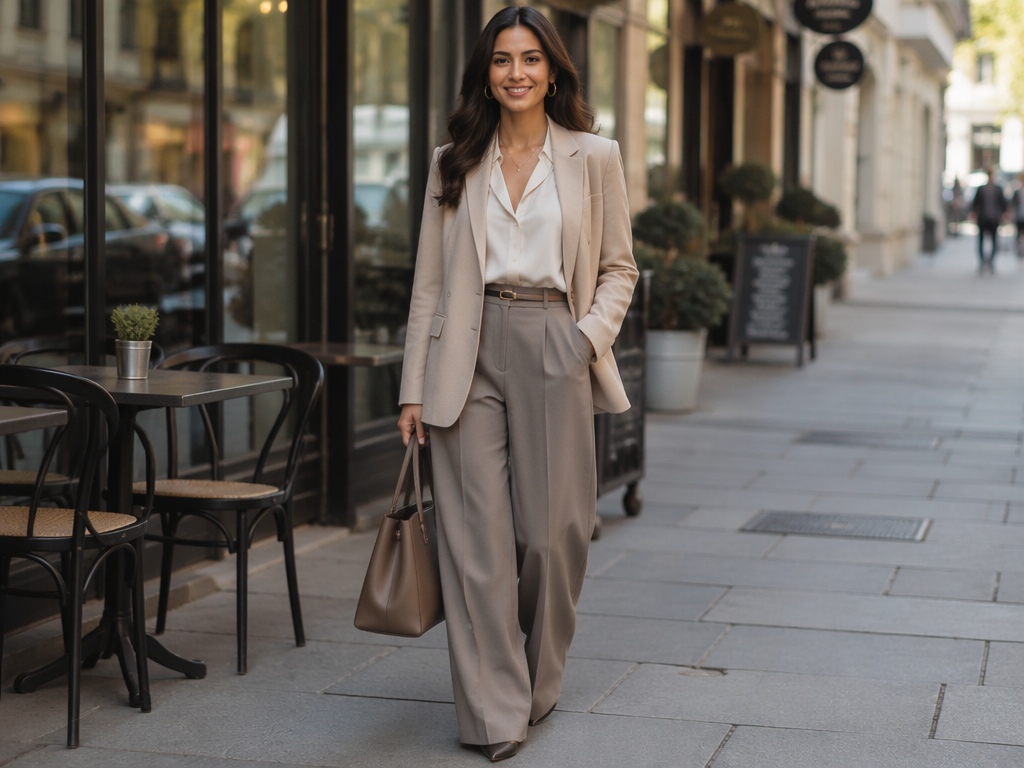
A tailored blazer can make a simple blouse and wide-leg trousers feel office-ready. Choose neutral colors for the main pieces, then add interest with a textured fabric, a slim belt, or understated earrings.
For less formal workplaces, swap the blouse for a fine knit or a clean T-shirt.
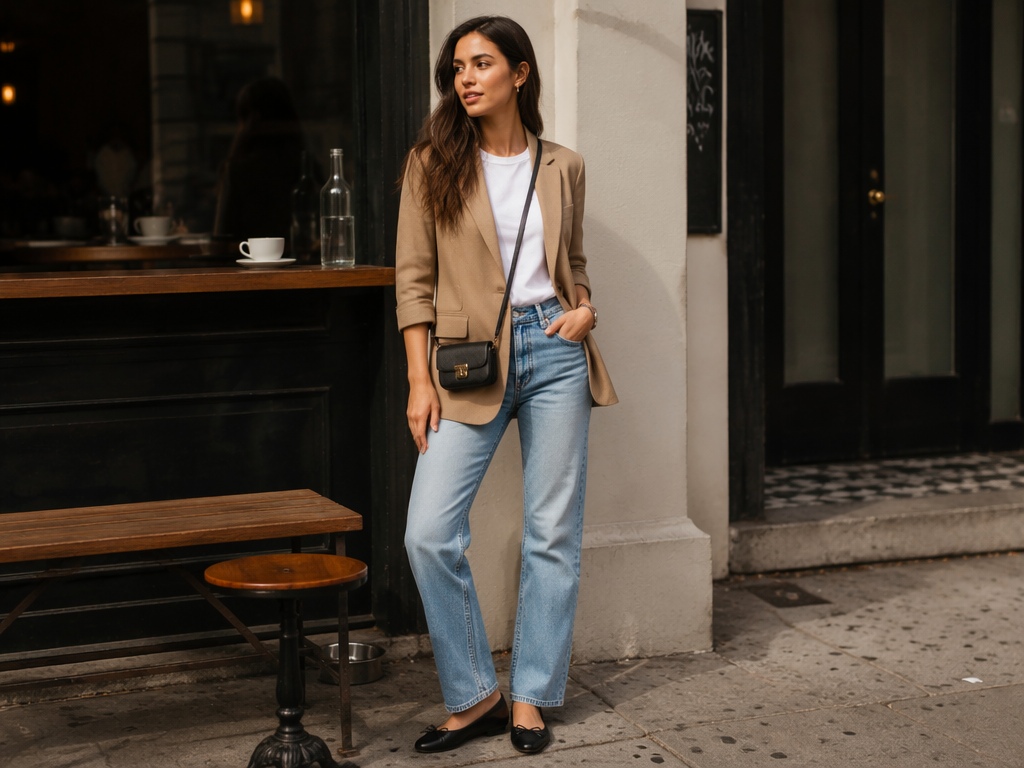
3. A Weekend Brunch Look
Try a relaxed blazer over a plain T-shirt with straight-leg denim and ballet flats. The blazer gives the outfit structure, while the T-shirt and jeans keep it comfortable.
If the weather is warm, replace the blazer with a lightweight cardigan or an overshirt.
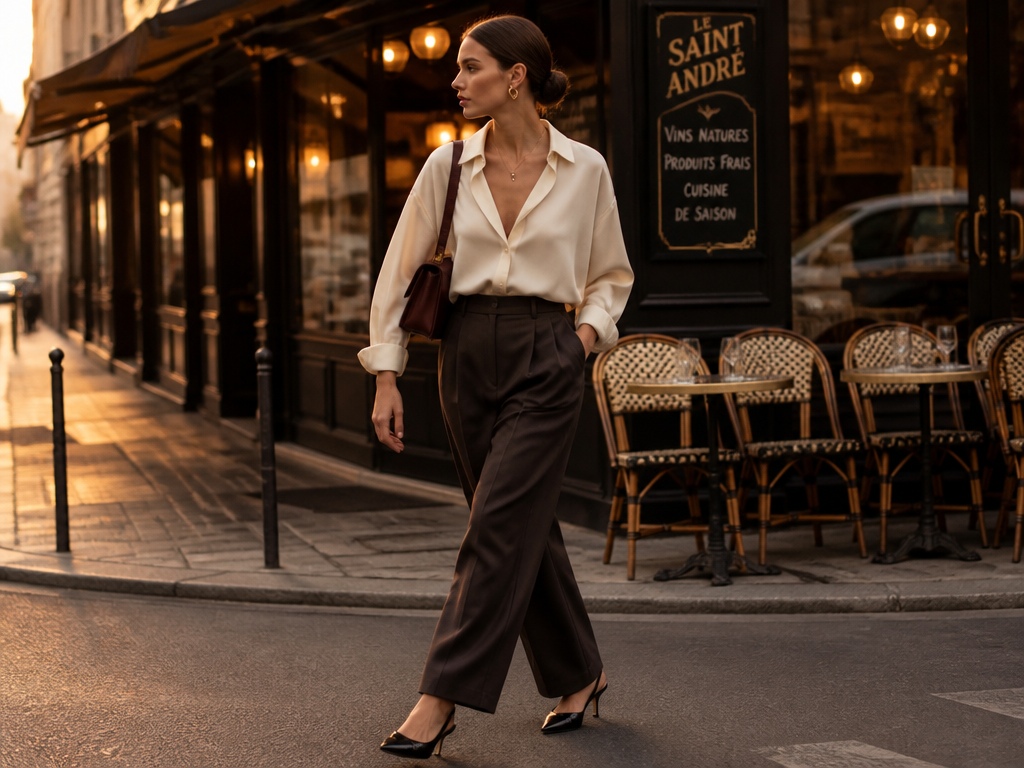
4. A Dinner Date Outfit
A satin blouse and tailored trousers strike a good balance between dressed-up and relaxed. Add heeled sandals and a small handbag, then keep the jewelry simple.
If you prefer dresses, a clean-lined midi dress can create the same effect with less styling.
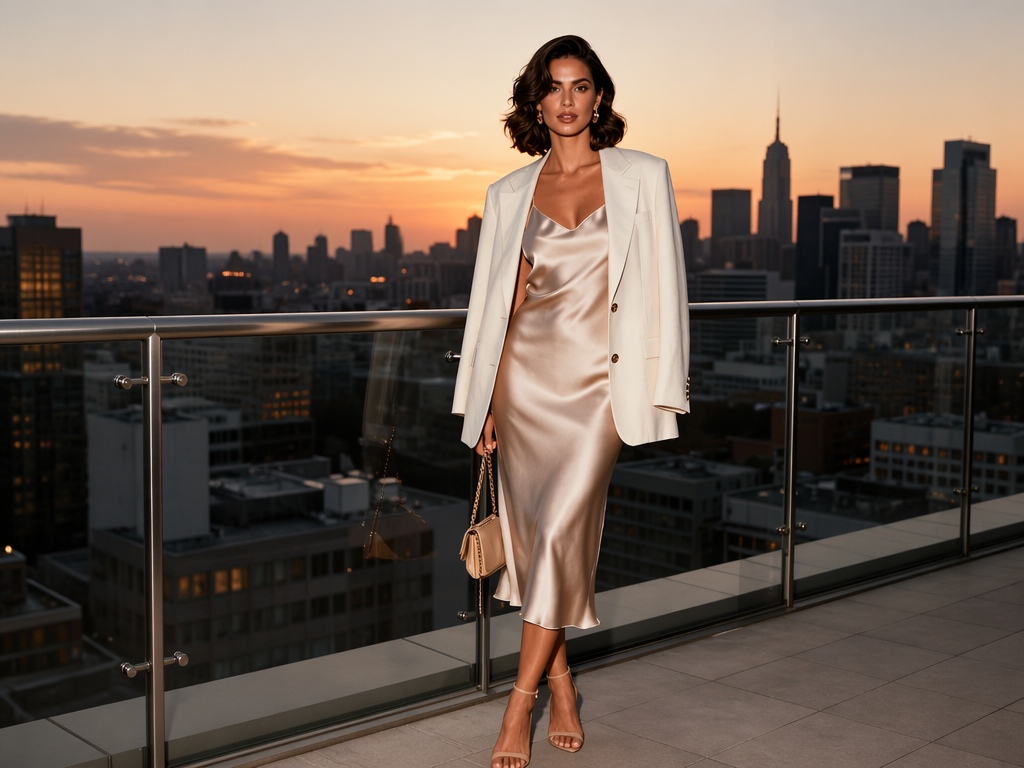
5. An Elegant Evening Look
For an evening event, a simple black or jewel-tone dress is often all you need. Add a compact clutch, elegant heels, and one piece of jewelry rather than layering on several accessories.
When the dress has sequins, draping, or other decorative details, let it remain the focal point.
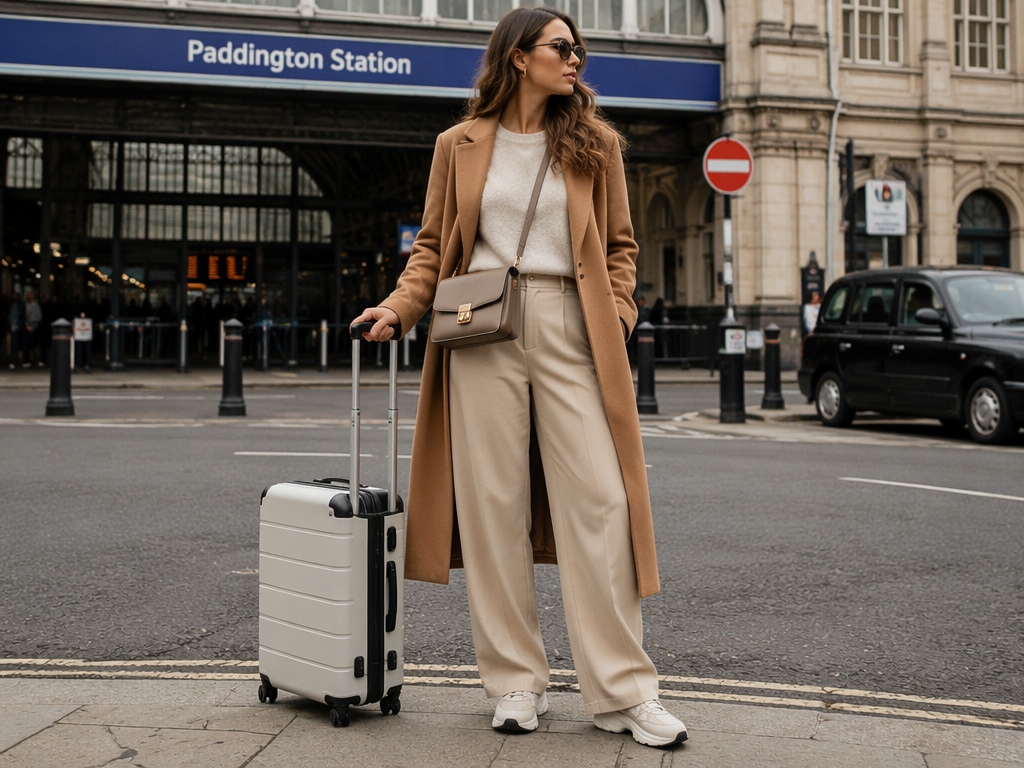
6. A Comfortable Travel Outfit
Wide-leg trousers, a lightweight knit, and a long coat make a practical combination for travel days. Choose fabrics that do not crease easily and shoes that are comfortable enough for walking.
A crossbody bag keeps your essentials close, while keeping the colors within the same family makes the outfit look more coordinated.
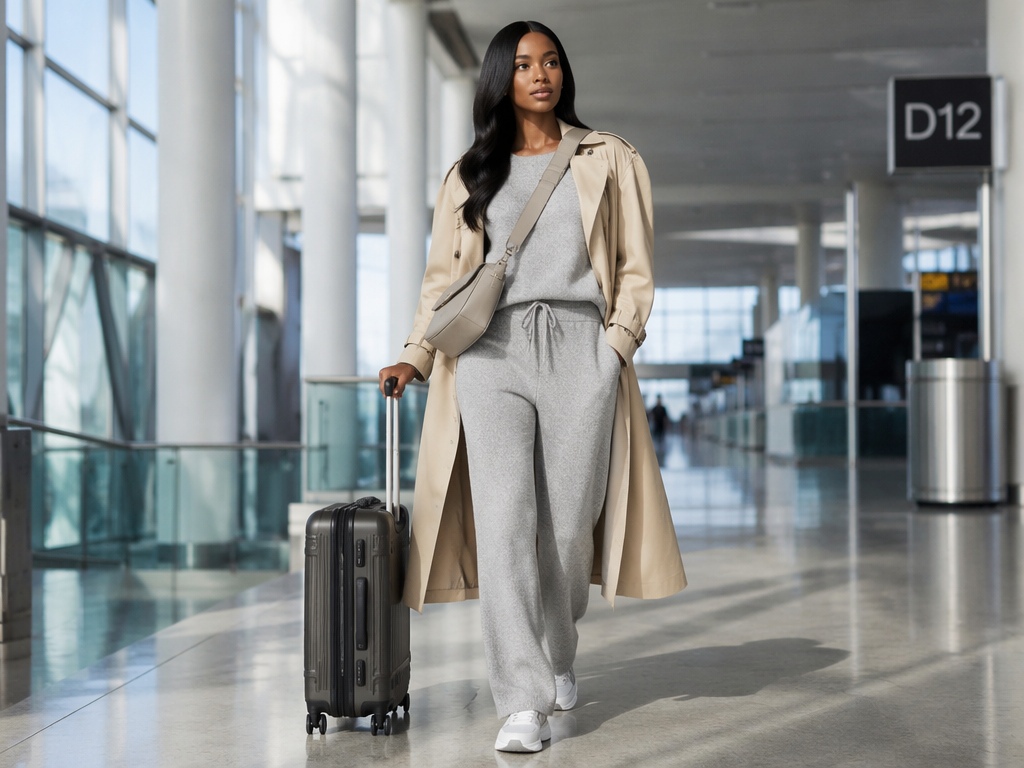
7. A Practical Airport Outfit
A matching knit set is an easy way to look polished while staying comfortable on a flight. Add a trench coat for structure and supportive sneakers for walking through the airport.
Keep jewelry and layers simple so the outfit is easy to manage during security checks.
8. A Light Summer Outfit
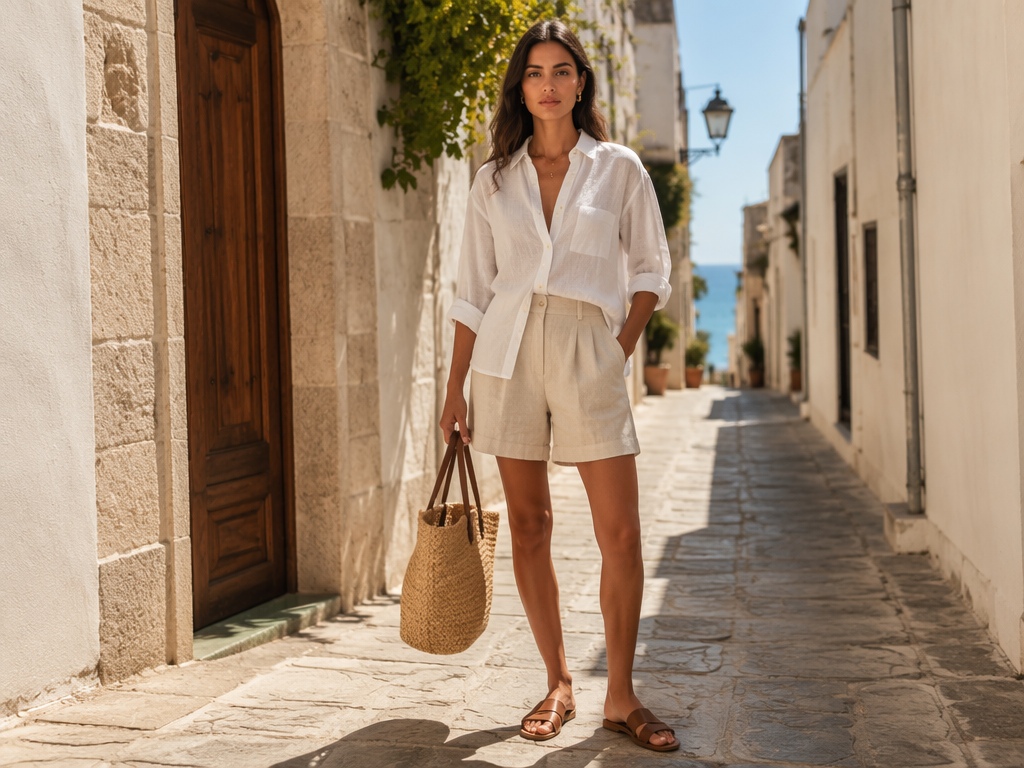
A linen shirt works with tailored shorts, wide-leg linen pants, or a simple skirt. Finish the look with leather sandals and a canvas or woven tote.
You do not need many accessories here. The texture of the fabric and the relaxed fit already give the outfit enough character.
Try on Chic Outfits Online Free
9. A Warm Winter Outfit
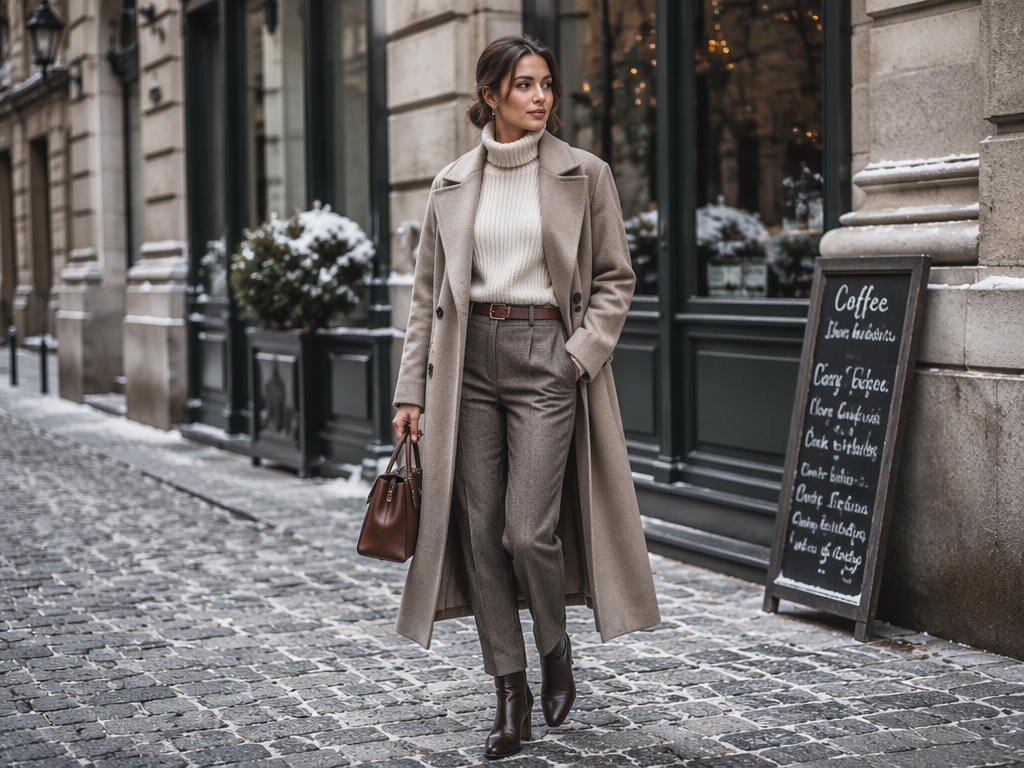
Layer a fine-knit turtleneck under a wool coat and pair it with tailored trousers and ankle boots. Keeping the main colors close in tone creates a clean base.
For extra depth, mix textures such as wool, knitwear, suede, or leather instead of adding more colors.
10. A Monochrome Look
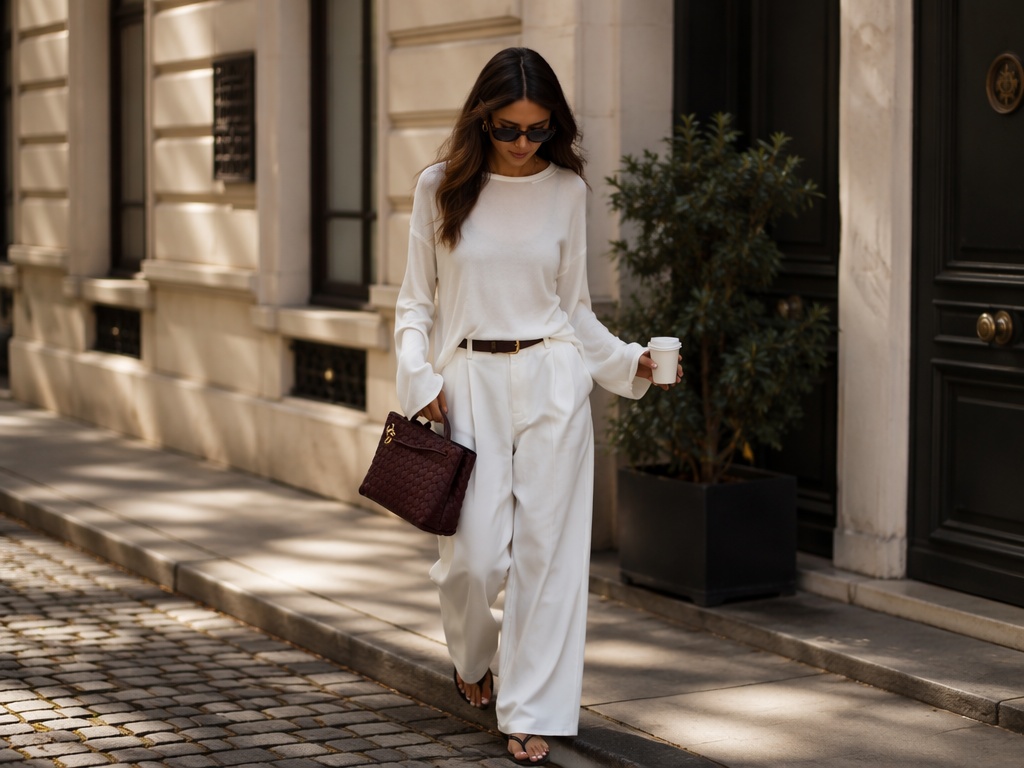
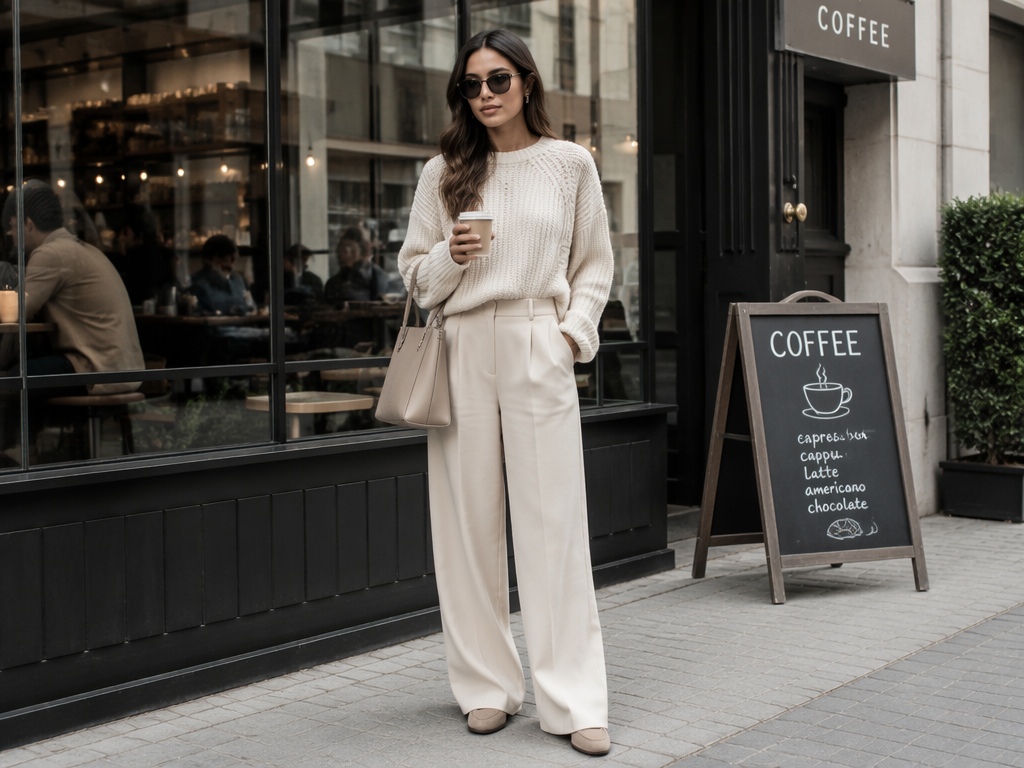
Choose one color family and build the outfit around different shades and textures. For example, an ivory knit with cream trousers and beige suede loafers feels coordinated without looking overly matched.
A darker bag or belt can add definition if the outfit needs more contrast.
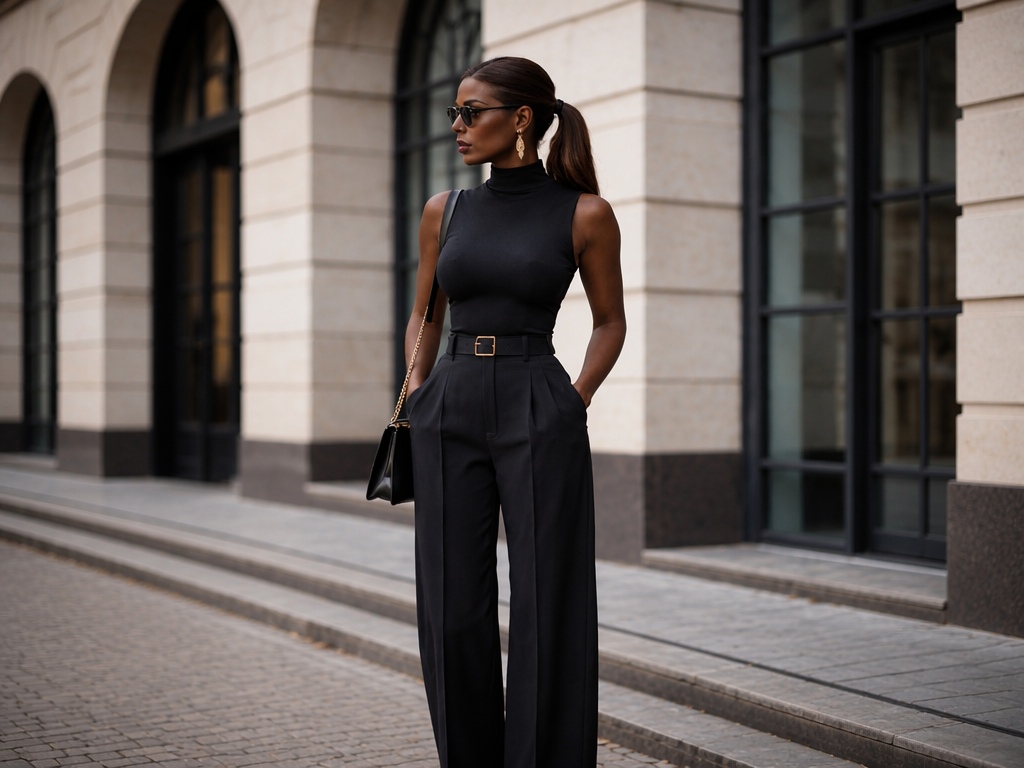
11. An All-Black Outfit
An all-black outfit looks more interesting when the fabrics are varied. Try a soft knit with tailored trousers, leather shoes, and a structured bag.
You can add dimension with a satin detail, a textured scarf, or a small metallic accessory without breaking the simplicity of the look.
12. A White and Cream Combination
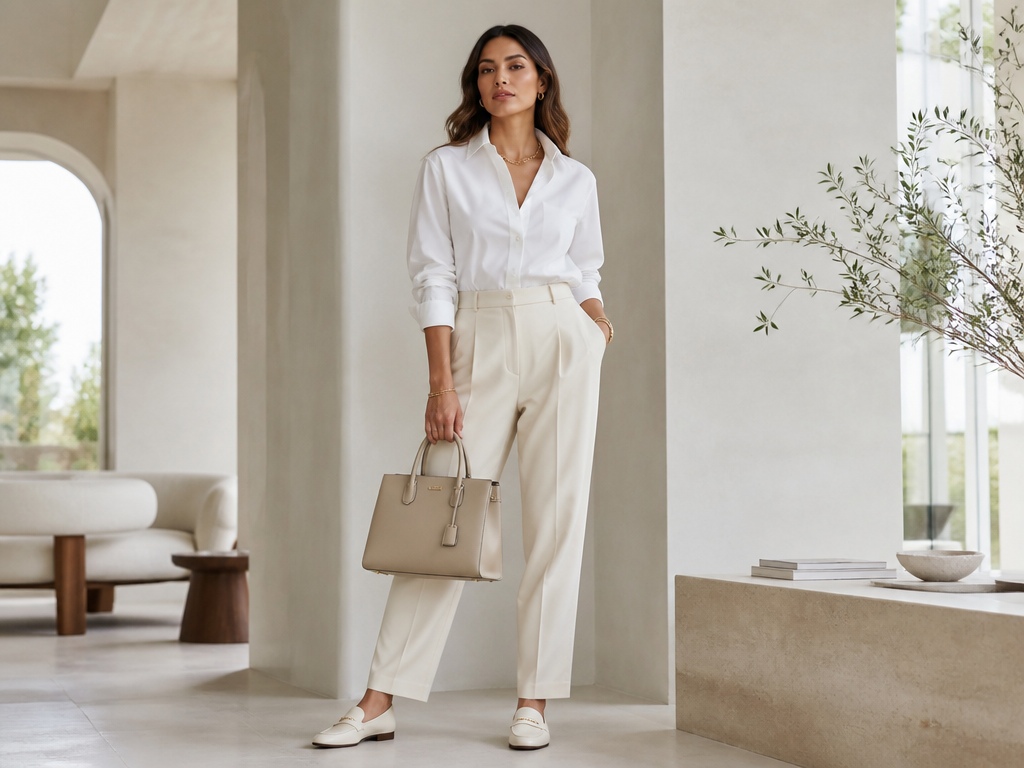
White and cream work particularly well together when the shades are not perfectly identical. Pair a white shirt or knit with cream trousers, neutral shoes, and a structured leather bag.
Mixing cotton, linen, denim, or knitwear keeps the outfit from looking flat.
13. A Special Occasion Look
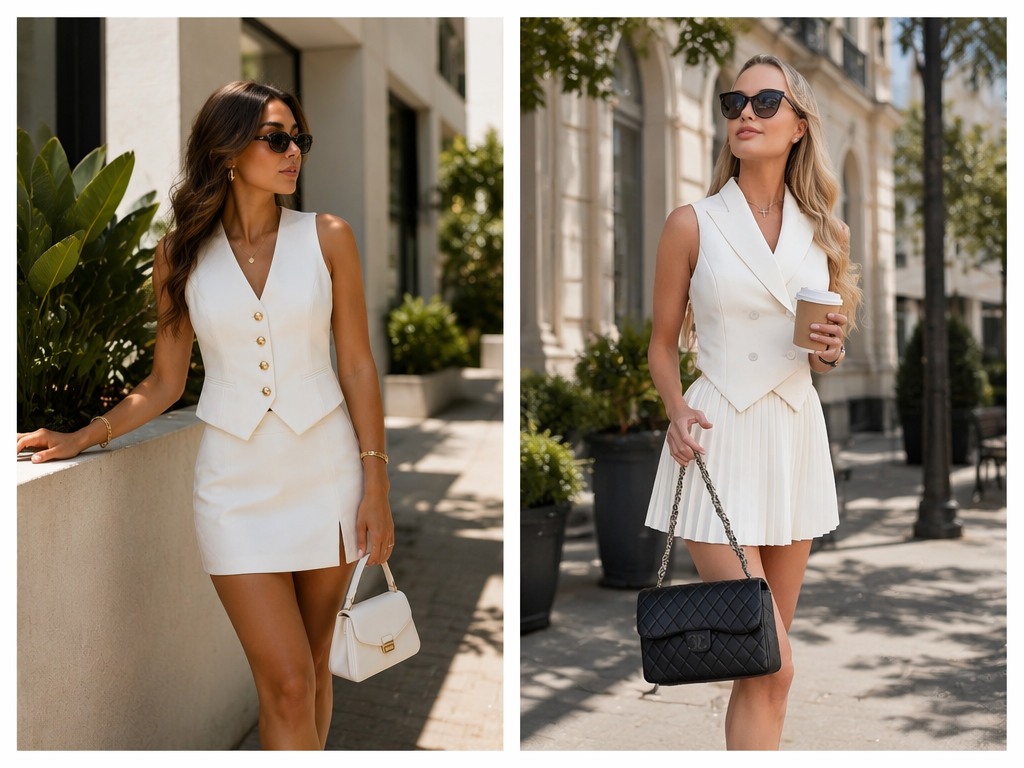
Begin with the piece that sets the dress code, whether that is an elegant dress, a tailored suit, or a statement jacket. Choose the shoes and accessories around that item.
For a formal event, avoid pairing a dressy outfit with an oversized everyday bag or overly casual shoes. Small details can change the overall impression.
Try on Chic Outfits Online Free
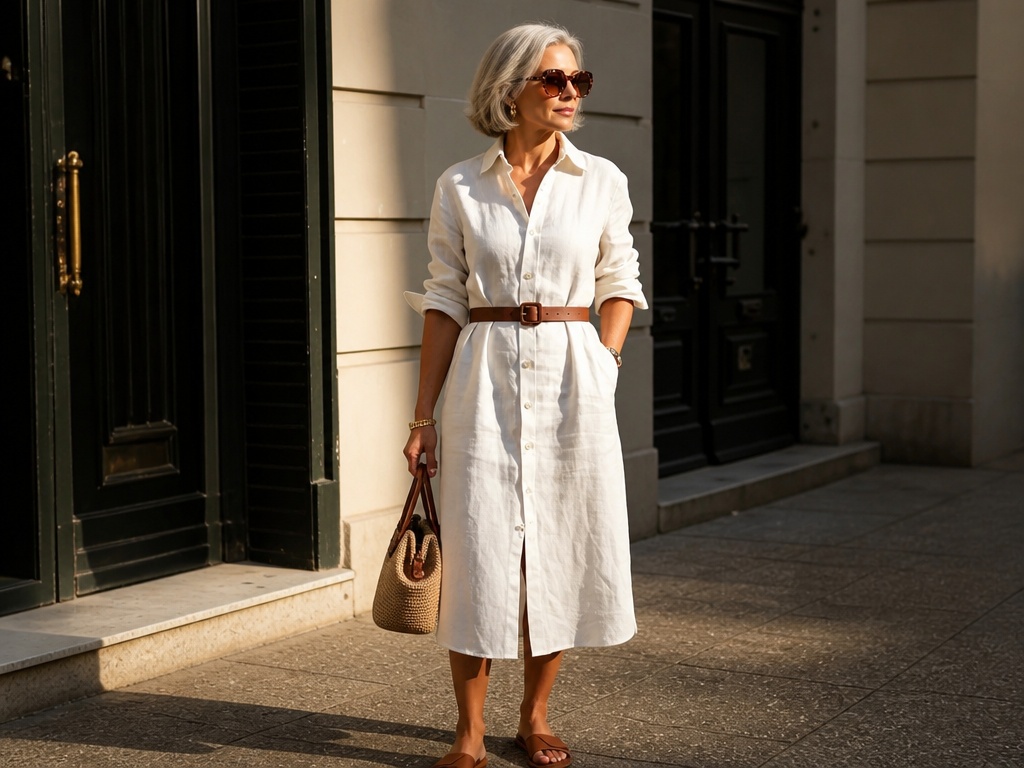
14. An Outfit for Women Over 50
A softly structured jacket, fine knit, straight-leg trousers, and leather loafers make a comfortable foundation for everyday dressing.
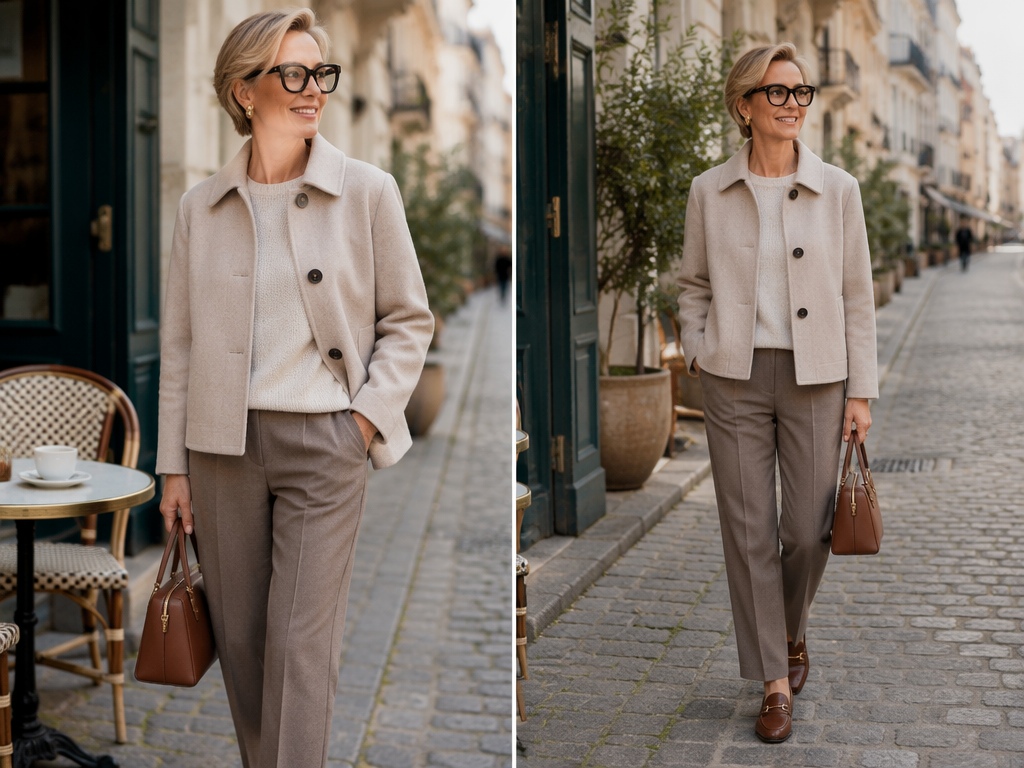
The goal is not to look younger. Choose pieces that fit properly, move easily, and work with the rest of your wardrobe. A modern bag, scarf, or pair of glasses can update a classic combination without making it feel forced.
15. A Modern Outfit for Men
Combine an Oxford shirt or knit polo with tailored trousers and a blazer or overshirt. Loafers, leather sneakers, or simple boots can change the level of formality.
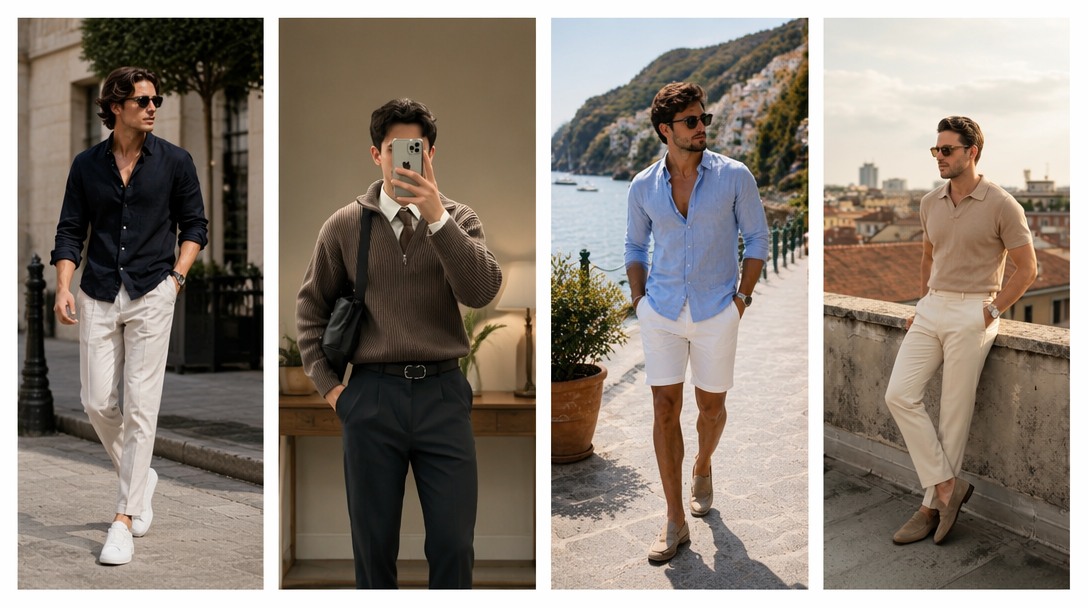
Pay close attention to the shoulders, sleeve length, trouser break, and condition of the shoes. These details often have more impact than adding extra accessories.
These outfits are not strict templates. Keep the proportions that work for you, replace pieces you do not wear, and adjust the fabrics and shoes for the weather and occasion.
How to Dress Chic Without Buying a New Wardrobe
- Prioritize fit: adjust trouser length, sleeve length, waist definition, jacket shoulders, or dress hems when needed.
- Build around wardrobe staples: white shirts, fine knits, tailored blazers, denim, trousers, trench coats, and versatile shoes are easy to recombine.
- Repeat reliable formulas: rotating a few combinations reduces decision fatigue while keeping your wardrobe cohesive.
- Coordinate accessories: repeat a metal finish or similar leather tone so the details feel connected.
- Layer with purpose: add a blazer, coat, cardigan, scarf, or overshirt when it improves function or silhouette.
- Take care of your clothes: steam garments, remove lint, clean leather shoes, fold knitwear, and repair loose buttons.
- Use a full-length photo: a quick photo can make proportions, wrinkles, and accessory balance easier to evaluate.
| Tops | Bottoms | Outerwear | Shoes |
|---|---|---|---|
| White shirt | Straight-leg jeans | Tailored blazer | Loafers |
| Fine knit sweater | Wide-leg trousers | Trench coat | Minimal sneakers |
| Black T-shirt | Black trousers | Wool coat | Ankle boots |
| Knit polo | Midi skirt | Denim jacket | Ballet flats |
Common Styling Mistakes to Avoid
| Common mistake | Better approach |
|---|---|
| Wearing multiple trends together | Choose one current detail and keep the rest timeless. |
| Ignoring proportions | Balance oversized and fitted pieces. |
| Using too many colors | Build around two or three coordinated colors. |
| Choosing oversized accessories | Match accessory size to the scale of the outfit. |
| Prioritizing brands over fit | Focus on tailoring, fabric, and garment care. |
| Ignoring the occasion | Consider the dress code, weather, and planned activities. |
Where to Find Outfit Inspiration
Look for recurring styling patterns rather than copying one outfit exactly. Useful sources include:
- Street-style photography from fashion weeks
- Editorial styling guides from fashion publications
- Capsule wardrobe creators
- Pinterest outfit collections
- Social creators focused on minimalist or classic fashion
Pay attention to repeated ideas such as balanced proportions, restrained color palettes, and purposeful layering. These principles remain useful even when individual trends change.
How to Preview Outfit Concepts Before a Photoshoot
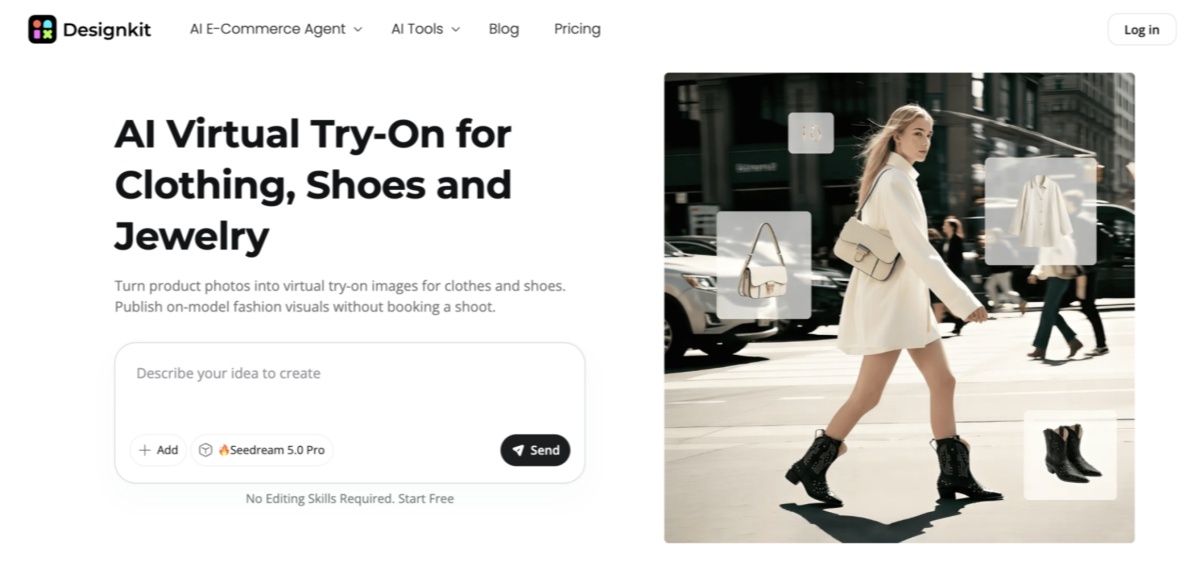
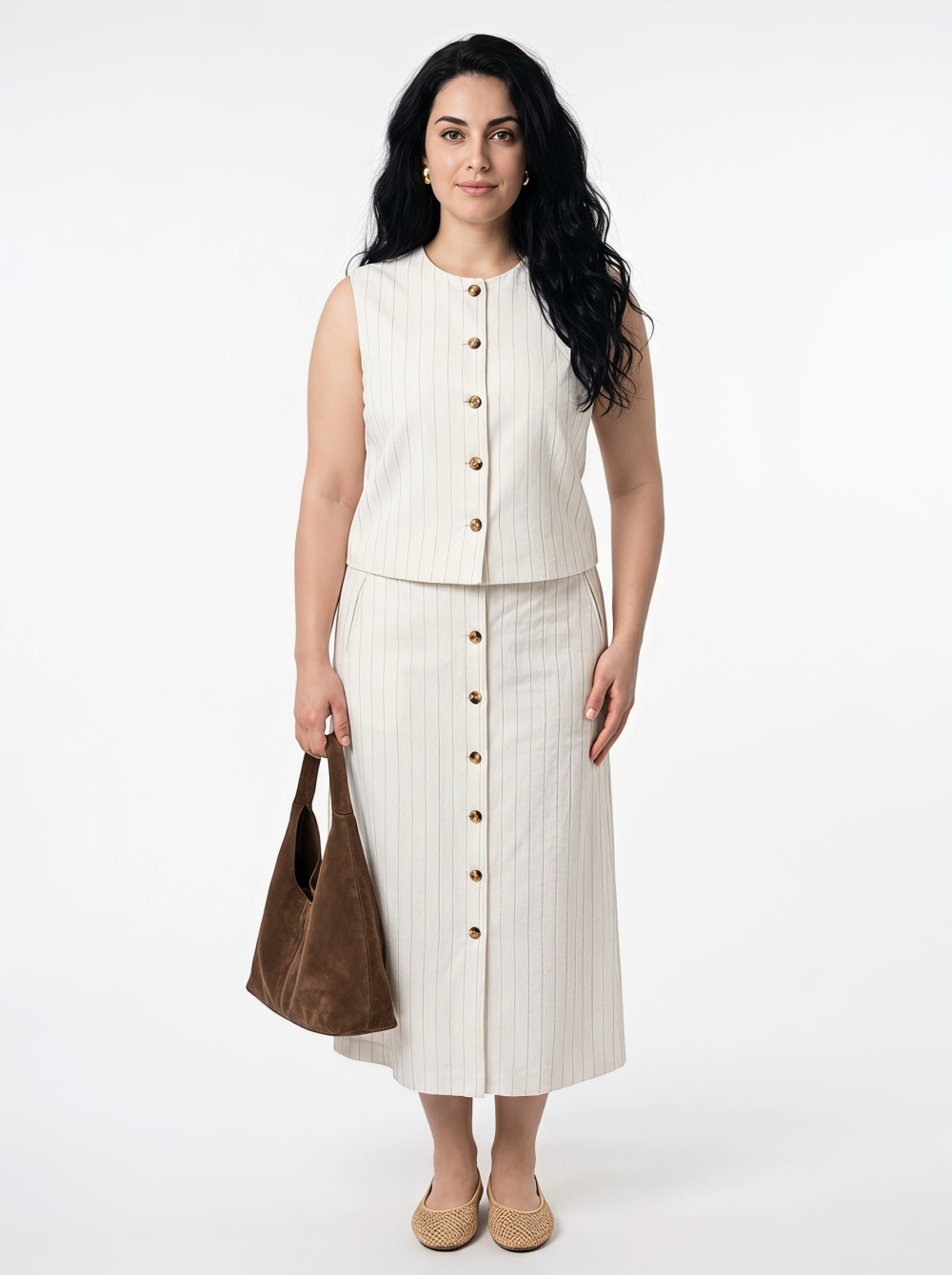
For fashion brands and content teams, visualizing an outfit before arranging a full photoshoot can make creative planning easier. Virtual try-on tools can help preview a garment on a model, compare styling directions, and prepare references for product pages, social campaigns, seasonal lookbooks, or catalog planning.
Tools such as Designkit can support this early visual-planning stage by turning garment images into model-based try-on references. These previews should be treated as creative references, not guarantees of real-world garment fit, fabric behavior, or final color accuracy.
A practical outfit visualization workflow
Upload a clear garment image. Use a clean product image with the clothing visible and unobstructed.
Choose an appropriate model. Match the model, pose, and framing to the intended audience and content channel.
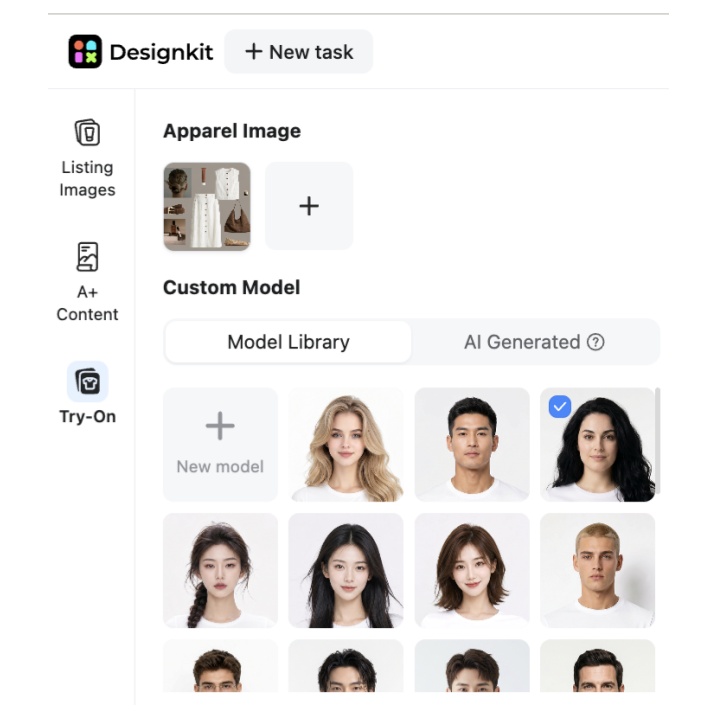
Compare styling directions. Review different colors, silhouettes, layers, or accessory concepts when supported by the workflow.
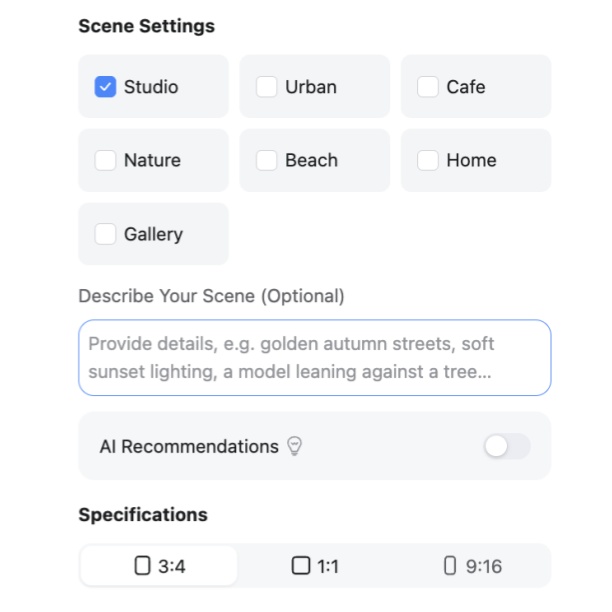
Select the strongest reference. Use the clearest concept to guide a product page, social asset, lookbook, or photoshoot.
Try on Chic Outfits Online Free
Final Thoughts
A polished wardrobe does not require constant shopping. Start with a few versatile pieces, pay attention to fit and proportion, and repeat formulas that suit your lifestyle. These habits make it easier to create outfits for work, weekends, travel, and special occasions.
For fashion brands and creators, previewing outfit concepts before a photoshoot can also make visual decisions more efficient. Use virtual try-on as a planning reference, then validate the final garment fit and appearance through real product checks.
Frequently Asked Questions
What is considered a chic outfit?
How can I dress chic without spending a lot?
Start with fit, garment care, and versatile wardrobe staples. Tailoring, steaming, clean shoes, and consistent outfit formulas can make existing clothes look more polished without requiring a complete wardrobe change.
Which colors make an outfit look more elegant?
Black, navy, white, cream, camel, and gray are easy to coordinate across seasons. However, elegance depends more on color harmony, fabric, fit, and the occasion than on any single shade.
How do I make a casual outfit look more polished?
Add one structured element, such as a blazer, tailored trousers, leather bag, belt, or loafers. Keep the remaining pieces simple and make sure the clothes and shoes are clean and comfortable.
What's the difference between chic, classy, and elegant?
Chic often suggests modern, effortless styling. Classy usually emphasizes restraint and appropriateness, while elegant often refers to refined silhouettes and details. The terms overlap and are not fixed fashion categories.
What is the 3-3-3 outfit rule?
It is a wardrobe-planning exercise that combines three tops, three bottoms, and three pairs of shoes or accessories into multiple outfits. It is commonly used for packing and capsule wardrobes rather than as a formal dress code.
How can I build a chic capsule wardrobe?
Begin with versatile basics such as a white shirt, tailored blazer, straight- leg jeans, wide-leg trousers, knit sweater, trench coat, and neutral loafers or ankle boots. Choose colors that mix easily throughout the year.
What shoes make an outfit look chic?
Loafers, ballet flats, leather ankle boots, minimalist sneakers, and pointed- toe pumps are versatile choices. The best option depends on the occasion, weather, comfort, and the proportions of the complete outfit.
Can virtual try-on tools help me plan outfit concepts?
Yes. Virtual try-on can help brands and content creators compare garment visuals, layering ideas, and styling directions before producing photography. The result should complement, not replace, real garment and fit checks.
You May Also Like

Halloween Marketing Ideas to Boost Sales and Engagement

Halloween Poster Ideas for Parties, Sales and Social Posts
2026 Nail Color Trends: Top Shades and Styles

Hair Color Ideas 2026: Trending Shades & Virtual Try On

How to Write an Instagram Bio: Examples, Tips & Ideas

Best Products to Sell on Amazon: 10 Ideas for Beginners

How to Make a Slideshow for Facebook: Photos, Music & Tips 2026

How to Celebrate National Dog Day 2026: Date & Easy Ideas

Celebrate International Cat Day 2026: Date & 10 Fun Ideas

15 Simple Self-Care Ideas for Busy Schedules and Daily Life

Chic Outfit Ideas for Every Occasion: 15 Stylish Looks & Tips

How to Find a Product by Image: 7 Methods That Work (2026)

Aesthetic Poster Ideas: Find Your Style and Create Printable Art

20 FIFA World Cup Merchandise Ideas That Fans Actually Buy

Father's Day Gift Ideas: Personalized Card, Poster and Video

Father's Day Card Ideas: Messages, Printable and Personalized Cards
Bring Your Outfit Concepts to Life
Preview your outfit direction, compare styling options, and prepare polished fashion visuals before your next photoshoot.