
Product Photography Pricing Guide: Cost Breakdown by Type & Format
Get a clear, practical view of product photography pricing, including Amazon listings, ecommerce images, lifestyle shoots, and 360° visuals. Learn what affects pricing, how services differ, and how to plan your visual production budget.

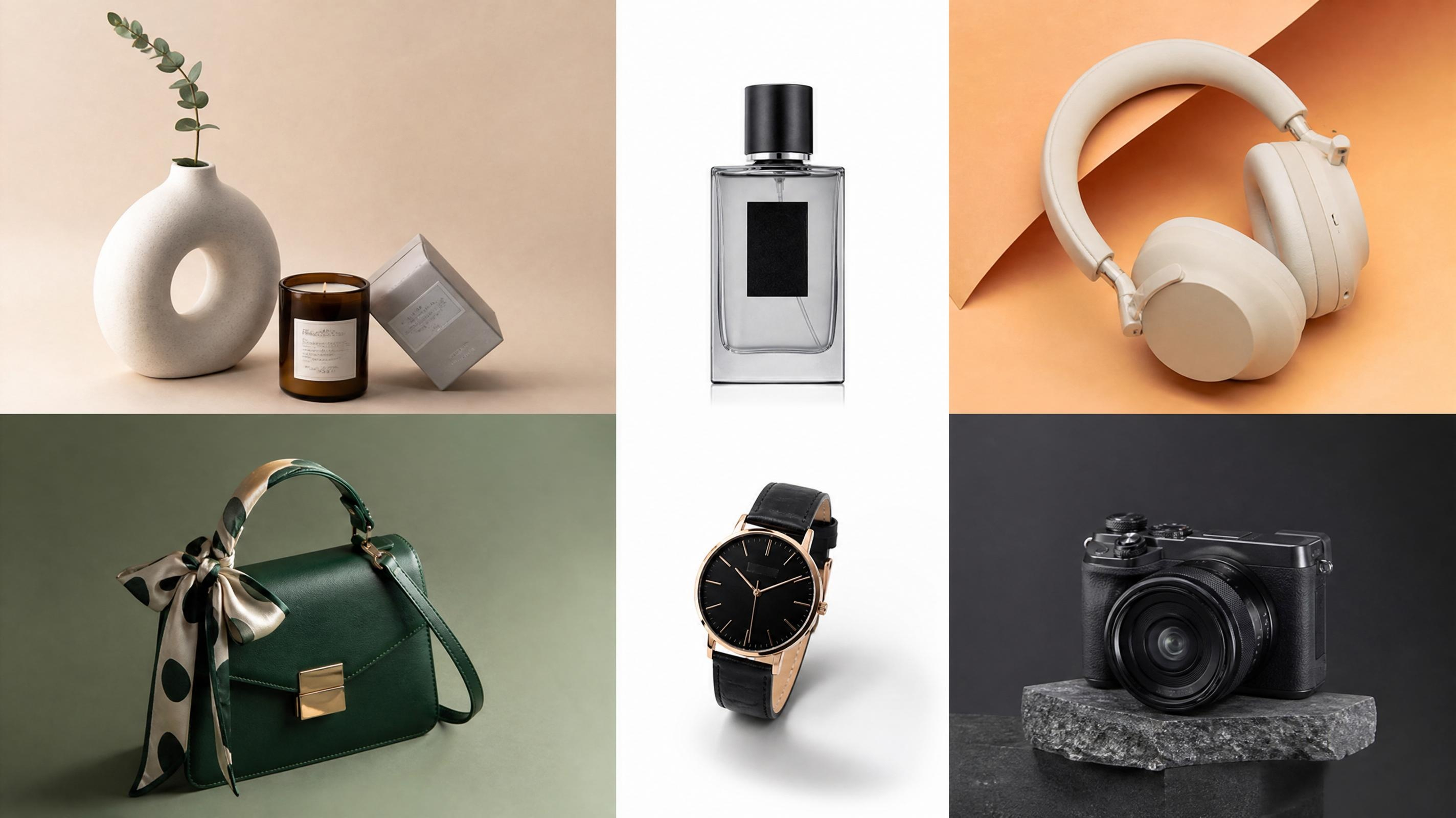
Product photography pricing can range from under $20 to more than $10,000, and many ecommerce sellers end up overspending without realizing it. In this guide, you'll learn the pricing differences between main product photography types, compare traditional photography with AI product photography, understand what actually drives costs, and avoid expensive mistakes when choosing the right solution for your business in 2026.
Part 1: Product photography pricing breakdown by category and format
1: Amazon product photography pricing
Amazon product photography pricing is geared toward product images for listings that comply with the marketplace and convert sales.
Cost range
Main Image (white background): $25 - $75 per Image
Full listing set (5–8 images): $300 – $1,200 per SKU
Most need multiple angles, infographics, and one lifestyle image, which raises the price.
Who is it for?
Ideal for Amazon and private-label brands that require compliant, conversion-oriented photos to improve search performance and CTR.
2: Ecommerce product photography pricing
Ecommerce product photography pricing is for Shopify and DTC brands seeking product catalogs.
Cost range
Per Image: $20 – $100
Full product set (5–10 images): $250 – $1,200 per SKU
Additional angles, variations, and editing to enhance product appearance increase cost.
Who is it for?
Great for Shopify merchants and e-commerce brands looking to achieve a consistent look and feel, and a high-quality product catalog for their online store.
3: Lifestyle product photography pricing
Lifestyle product photography pricing more because it requires models, props, and set design.
Cost range
Per Image: $100 – $500+
Full shoot: $500 – $5,000+
This is a highly stylized type of photography that requires styling, setup, and direction, and as a result, costs more.
Who is it for?
Ideal for brands looking to engage viewers on an emotional level and showcase products in real use cases through visual storytelling.
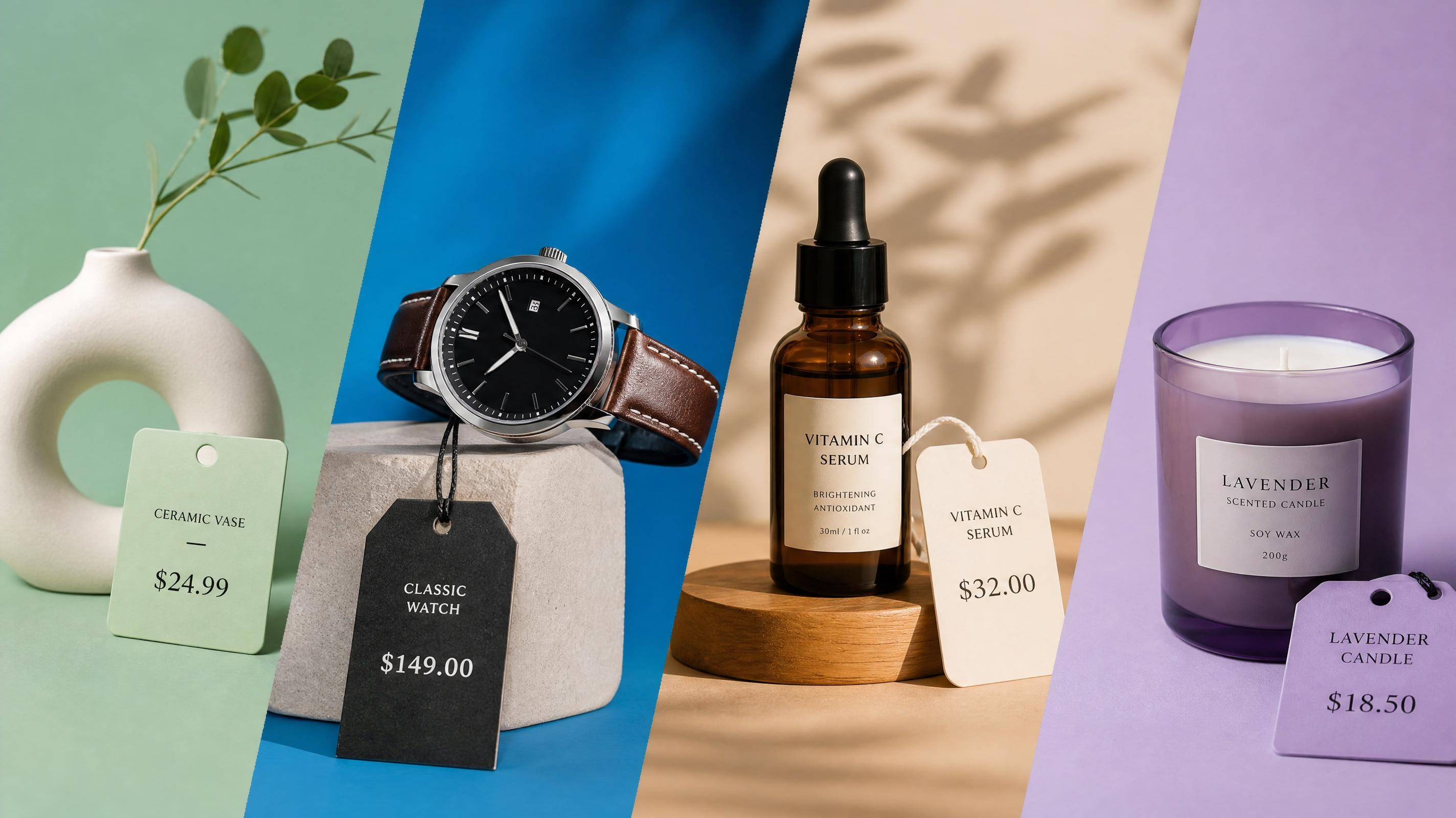
4: 360 product photography pricing
The cost of 360 product photography is based on the number of images taken and the level of interactivity.
Cost range
Basic 360 images: $100 – $300 per product
Advanced interactive views: $300 – $1,000+ per product
The more frames and the slower the spin, the longer it takes and the more it costs.
Who is it for?
Ideal for brands offering products for which customers require an in-depth interactive experience before buying.
5: 3D product photography pricing
3D product photography costs more because more sophisticated modeling, rendering, and interactive technologies are used to create a realistic view of the product.
Cost range
Per product: $150 – $800
Complex 3D models: $500 – $3,000+
3D modeling, texturing, lighting, and rendering are required for this type of photography, which increases production time and cost.
Who is it for?
Ideal for luxury fashion brands and tech companies looking for highly interactive and realistic product visuals for websites, ads, or augmented reality/virtual reality applications.
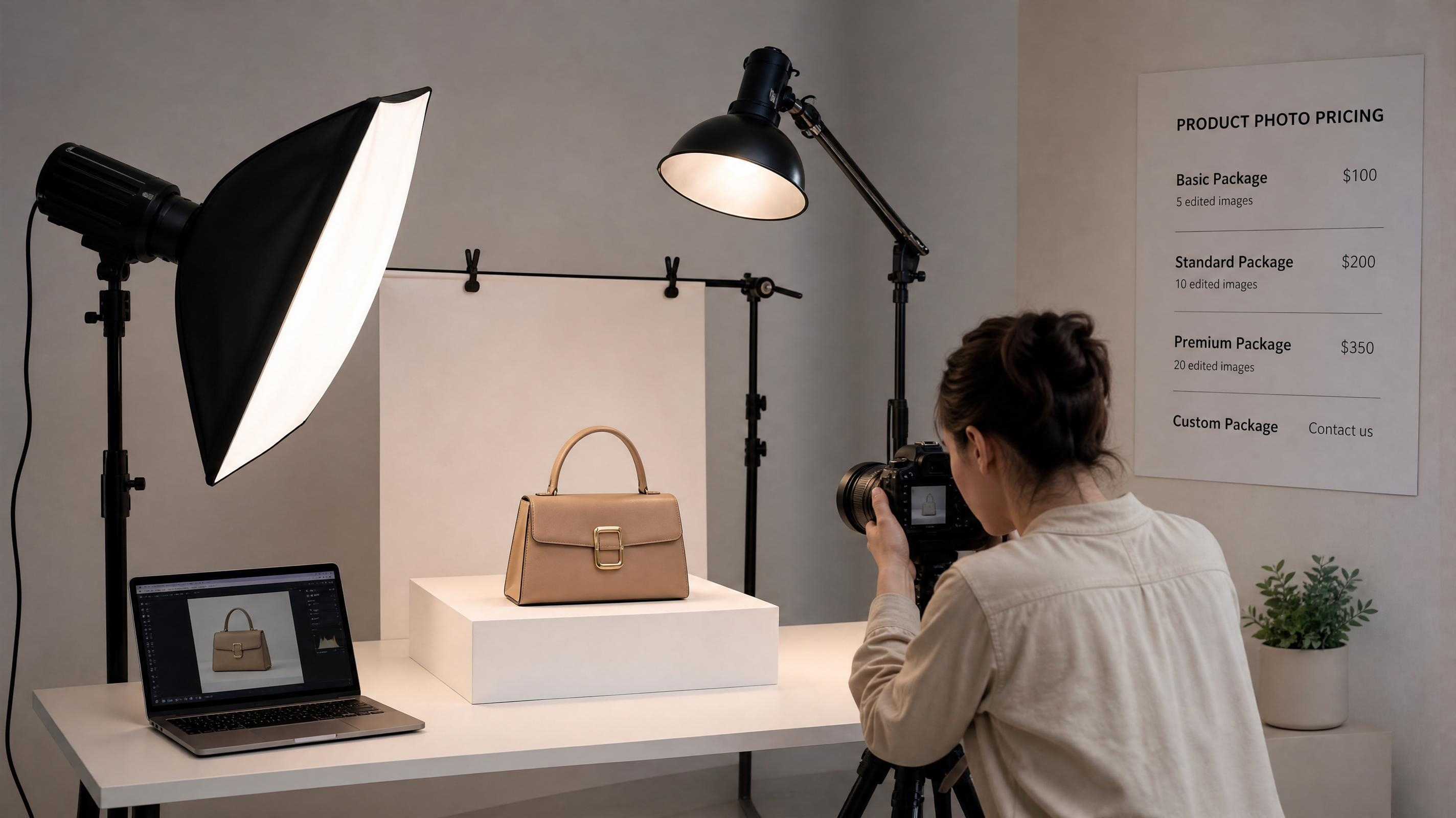
6: Clothing product photography pricing
Clothing product photography pricing depends on the styling technique used (flat lay or model).
Cost range
Flat lay: $25 – $80 per Image
Ghost mannequin: $25 – $120 per Image
Model shoot: $50 – $300 per Image
Models are more expensive due to styling and preparation.
Who is it for?
Ideal for brands, clothing retailers, and Shopify stores looking for professional clothing images for catalogs, advertising, or online stores.
7: Food product photography pricing
Food product photography pricing depends on styling effort and freshness control during shoots.
Cost range
Single Image: $30 – $150
Full shoot: $300 – $2,000+
Lighting and styling are important for food shots and increase costs.
Who is it for?
Best for restaurants, food brands, take-outs, and packaged food manufacturers to entice customers with delicious-looking food images.
8: Commercial product photography pricing
Commercial product photography pricing is highest due to the volume of photos and use in campaigns.
Cost range
Small campaign: $1,000 – $5,000
Large campaigns: $5,000 – $10,000+
These campaigns include creative direction, studio setup, and production crews.
Product photography comparative cost efficiency analysis
| Image Type | Low End | Mid Range | High End | Applicable Platforms | Production Turnaround | Suitable SKU Volume | AI Replaceability |
|---|---|---|---|---|---|---|---|
| White background listing | $25 | $40–50 | $75 | Amazon / Shopify | Fast (1–2 days) | High | High |
| Ecommerce product images | $20 | $50–80 | $100 | Shopify / DTC Websites | Fast (2–3 days) | High | High |
| Lifestyle product photography | $100 | $200 | $500+ | Social / Commercial | Medium (3–7 days) | Medium | Medium |
| On model fashion photography | $150 | $250 | $500+ | Fashion / Social / Ads | Medium (3–7 days) | Medium | Low |
| Clothing flat lay photography | $25 | $50 | $80 | Shopify / Amazon | Fast (1–2 days) | High | High |
| Ghost mannequin photography | $25 | $60–80 | $120 | Fashion / Ecommerce | Fast (2–3 days) | High | High |
| 360 product photography | $150 | $500 | $1,200/product | Ecommerce / Premium Listings | Slow (5–10 days) | Low–Medium | Medium |
| 3D product rendering | $50 | $200–500 | $2,000+ | Commercial / AR / Tech | Slow (7–14 days) | Low | Medium |
| Food product photography | $30 | $80–120 | $150+ | Restaurants / Delivery Apps | Medium (2–5 days) | Medium | Low |
| Hero editorial photography | $200 | $350 | $500+ | Commercial / Campaigns | Medium–Slow (5–10 days) | Low | Low |
| Commercial campaign photography | $1,000/project | $5,000 | $10,000+ | Commercial / Global Ads | Slow (1–3 weeks) | Low | Low |
Part 2: What factors drive product photography pricing?
1. Product complexity and material type
Shape, size, texture, and reflectivity impact the price of product photography. Jewelry, glass, and products in a variety of colors require more attention to styling, lighting, and post-production retouching, which takes longer and costs more. Dull or plain products are cheaper due to the shorter setup time and less post-processing
2. Type of photography shoot
Different types of shoots are more expensive. Product photography with a white background is the least expensive, as it has low production costs, while lifestyle, editorial, and 3D renders involve models, props, locations, and creative direction. These production needs contribute to the time, work, and expense of the project.
3. Licensing and usage rights
There are also price differences based on licensing and usage. Lower prices are paid for basic uses (websites or catalogs) and higher prices for uses that include commercial, advertising, or campaign-specific purposes. Broad licenses that provide greater distribution rights and usage in paid media outlets add value and thus increase the cost of each shoot.
4. Post-production and editing requirements
Editing and post-production costs. Cropping and color correction are relatively inexpensive, but more complex editing, such as removing the background, retouching, adding a shadow, and compositing, takes longer and is more difficult. The more editing required, the more you can expect to pay for photography.
5. Photographer experience and expertise
Photographers and studios of higher cost have more experience, better equipment, and lighting skills. Their expertise reduces errors, improves work quality, and increases sales potential. These quality results justify higher prices than do products of lesser skill.
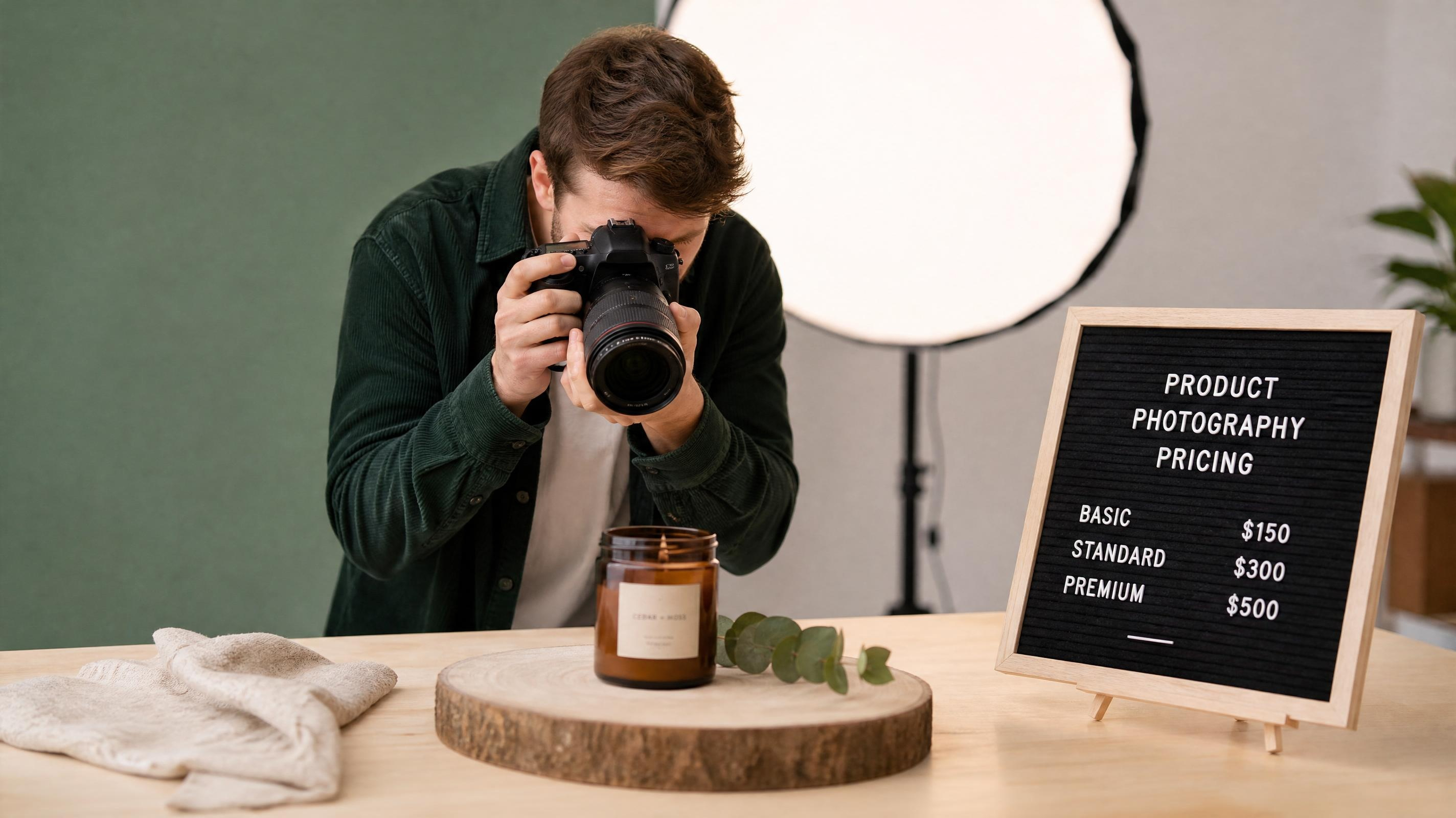
6. Location and production setup
Location is also key to price. Filming in large cities or studios is more expensive due to higher rental costs for locations, production staff, and equipment. The availability of state-of-the-art lighting setups, props, and crews also adds to the price. Smaller setups or locations tend to be cheaper.
7. Delivery time and urgency
Rush or express service is more expensive because it requires prioritizing and scheduling work, overtime, and quicker editing. Longer turnaround times are more affordable, while shorter times require dedicated time and resources and disrupt workflow, increasing the job's production cost.
Part 3: Traditional vs AI photography: Cost & ROI comparison
When traditional photography is worth the cost
Brands that need the highest-quality visuals that convey trust and brand image should invest in traditional photography. It is best for premium products, high-end ad campaigns, and companies creating their initial brand portfolio, where visual content is essential.
When AI photography delivers better ROI
AI photography provides a better return on investment, in terms of time, money, and quantity. It's great for brands with a large number of SKUs that need to test often, have a limited budget, and require product images for multiple channels.
Hybrid workflow for scaling brands
A hybrid workflow uses traditional photography to create impactful images and AI to create product images at scale. It is best suited for brands scaling up that require high-quality campaign assets but also need to efficiently and affordably create a large number of product images.
Part 4: How Designkit creates studio-free photos at a lower cost
If you're looking for a budget-friendly tool for professional photoshoots, Designkit is an AI-powered product photography solution to simplify and cut costs. It helps marketers create high-quality product images without the need for a studio, models, or photo retouching, with its intelligent image optimization and design capabilities. This is a significant advantage for online retailers and startups that require product photos to promote their products but have a constrained budget and cannot afford the usual expenses associated with product photography.
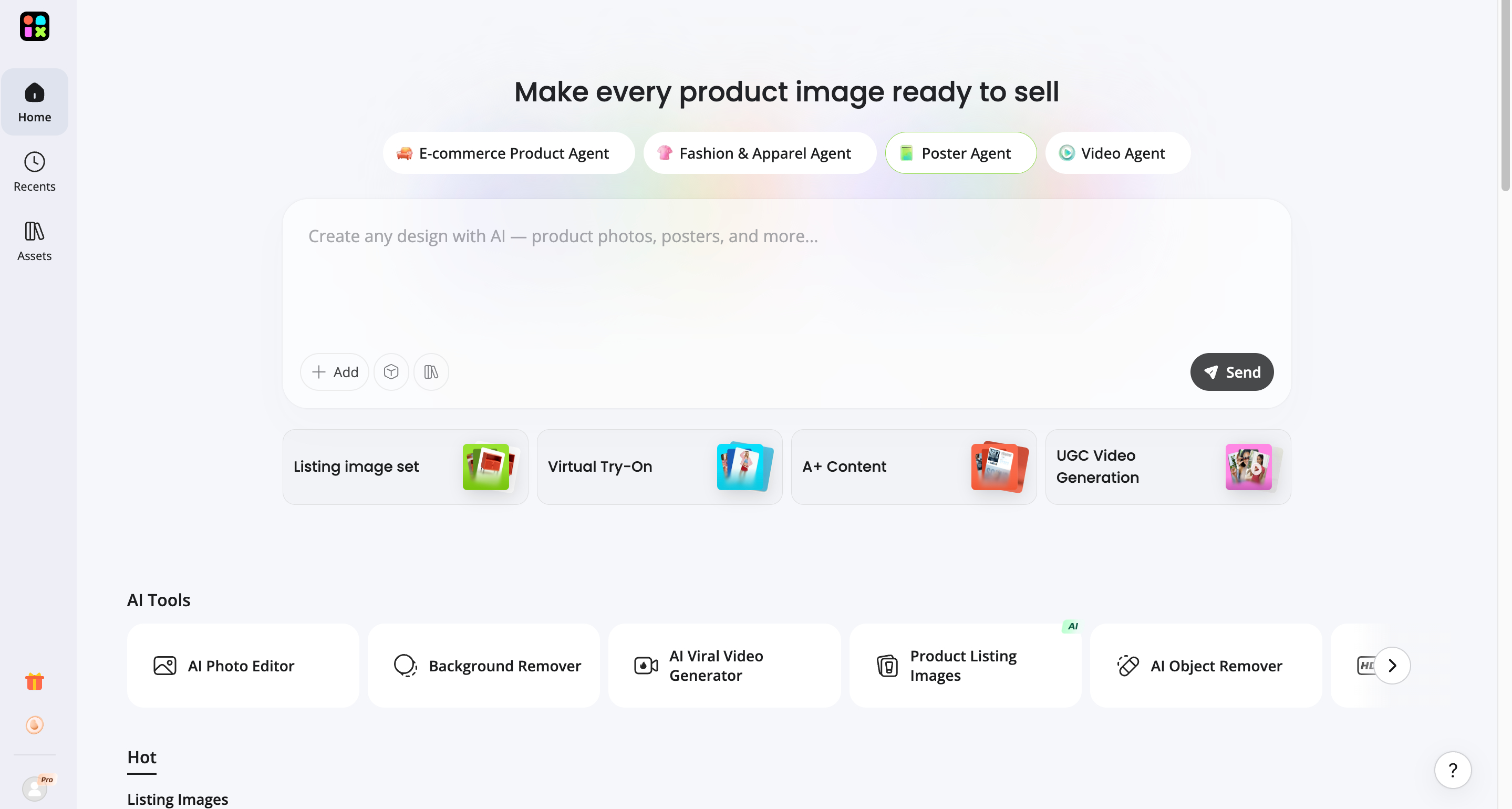
4.1: Step-by-step product photography workflow using Designkit
Designkit enhances the product photography process by using an AI process, rather than a studio process. This enables quick, easy creation, optimization, and distribution of product images. It speeds up image production, offers a non-technical solution, and delivers consistent, e-commerce-friendly images.
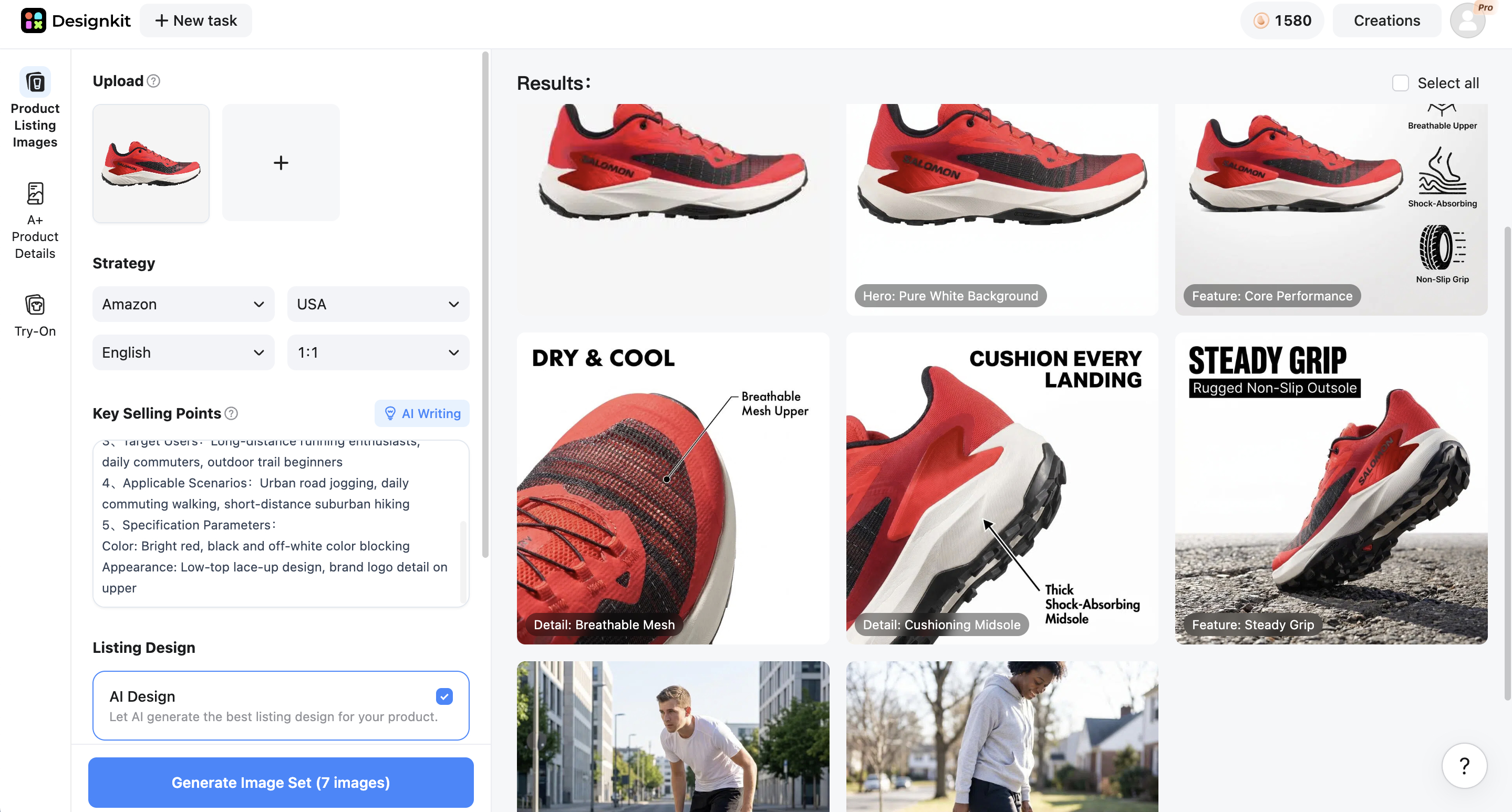
Step 1: Upload product image
Once in Designkit, click "Product Listing Images" and upload a product photo simply taken by your phone. Then enter the product selling points you want highlighted in the picture, such as product features, benefits, or product information. Then enter the required country and image ratio, and select "AI Design" or "Custom Design" to generate an image.

Step 2: Generate product images
With all the settings in place, click "Generate Image Set." Designkit will generate product images with the best ecommerce composition and automatically remove the background. You can then choose the best output from the generated results for your product listing or campaign.
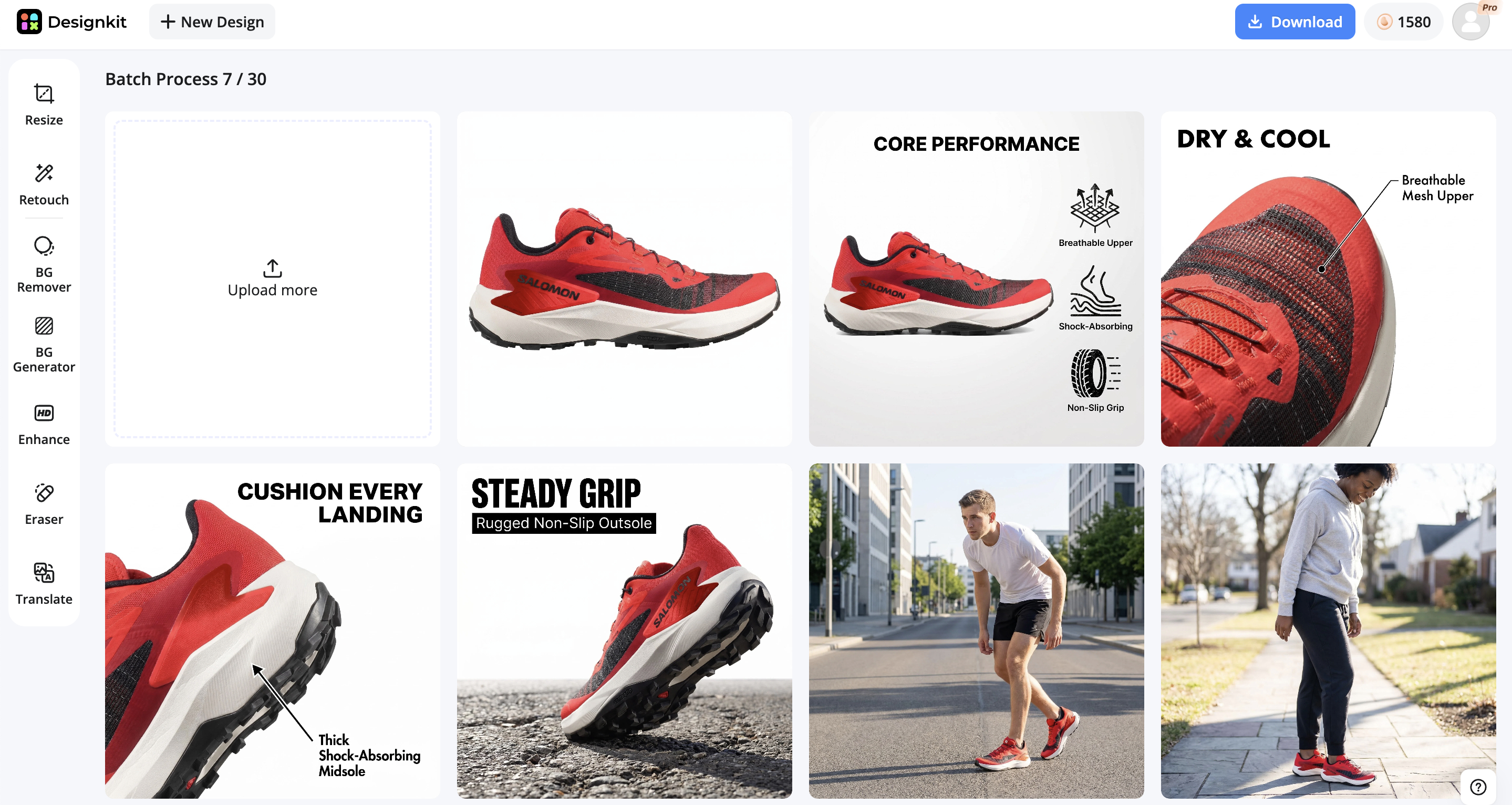
Step 3: Edit and download
If adjustments are required, open the "Photo Editor" to refine layout, styling, or composition. Once finalized, download your product images for use in ecommerce listings, advertisements, or marketing platforms.
Generate product photography now
4.2: Core capabilities of Designkit help control product photography pricing
No studio rental and real professional photographer fees
Designkit removes the need for physical studio setups, camera equipment, and professional photographers by generating high-quality ecommerce product visuals digitally, significantly reducing traditional shoot costs, setup time, and ongoing production overhead for brands and sellers.
Create lifestyle product photos with lower model and talent expenses
Lifestyle product photography normally requires human models, makeup artists, stylists, and full shoot coordination. Designkit replaces this with AI-generated models and virtual lifestyle scenes, eliminating expensive talent hiring, scheduling complexity, and coordination while still producing realistic, conversion-focused product visuals that feel authentic.
Scale product photo production for large catalogs
For stores with hundreds or thousands of SKUs, traditional shoots become costly and time-consuming. Designkit enables fast generation of multiple angles, lifestyle scenes, marketplace-ready images, and social media creatives at scale, reducing per-image production cost significantly while maintaining consistent visual quality across entire product catalogs.
Reduce the costs of expensive post-production
Manual editing often includes color correction, shadow refinement, background removal, and retouching handled by skilled editors. Designkit automates most of this post-production process, reducing dependency on large editing teams, speeding up turnaround times, and lowering overall production costs without compromising visual quality or brand consistency.
Part 5: Common mistakes in product photography pricing and budget planning
1. Choosing the lowest price without checking the output quality
Businesses often opt for the cheapest product photography service without considering technical factors such as lighting accuracy, resolution, and consistency. This may lead to poor product presentation and sales.
Solution: Consider the quality of the output (clarity, lighting, platform compatibility) as well as the cost per image.
2. Ignoring platform-specific image requirements
Images for Amazon, Shopify, and DTC platforms have different formats and structures, yet brands often use the same imagery across them. This reduces listing effectiveness.
Solution: Tailor image sizes and composition to each platform's technical specifications up front.
3. Underestimating post-production costs
Post-production expenses for retouching, background removal, and color correction are often not factored into the initial budget, leading to blowouts. Solution: Always include post-production as part of the total photography pricing plan
4. Lack of long-term scalability planning
Brands often create inconsistent visuals across product lines due to unplanned or one-off shoots. This becomes expensive and time-consuming as catalogs grow. Solution: Use a standardized visual system or scalable tools like Designkit to maintain consistent, cost-efficient product imagery over time.
Conlusion
The pricing of product photography is significant for e-commerce, as high-quality images directly impact customer trust, engagement, and purchase decisions. Though the process can be complex and expensive, with costs varying based on the type of product, shoot type, editing type, and rights of use. Other issues, such as hidden production costs, inconsistent image quality, and the inability to scale visual content across platforms, are also problems faced by many brands. Designkit addresses these issues with its AI-enabled product-photography tool that generates marketplace-ready images instantly, without the need to enter a studio, hire photographers, or possess editing skills. It enables brands to save time and cost, maintain quality consistency, and easily scale product visualization across all e-commerce channels.
Frequently Asked Questions
What factors determine product photography pricing for different ecommerce businesses?
How does a product photography pricing guide help in planning accurate shoot budgets?
A pricing guide helps a business better understand the costs of different types of photography services and prepare its budgets. It also explains the other costs of editing, licensing, and retakes, allowing companies to plan and prevent under-and overestimation of product photography costs.
What affects 360 product photography pricing in terms of frames, setup, and output quality?
The cost of 360 product photography depends on the number of frames; the more frames, the better the rotation. The equipment, setup, and product views also influence the cost. Creating more interactive, realistic product views takes longer, is technically challenging, and costs more.
Why is 3d product photography pricing higher compared to traditional studio photography?
3D product photography is more expensive because it requires additional steps: modeling, texturing, lighting, and rendering. This process is more complex and requires technical and software skills, which takes longer than traditional photography, especially for products with complex textures, shapes, or details.
What drives Amazon product photography pricing under strict marketplace compliance rules?
Amazon sets product photography prices based on strict product placement guidelines, such as a white background, image resolution, and prominent placement. Some merchants may need multiple product images (angles, infographics, lifestyle), which may require additional production and post-processing time and costs.
How is commercial product photography pricing structured for large-scale brand campaigns?
Commercial product photography costs include creative and production teams, studio production, equipment, and rights to use in advertising. Prices increase as campaigns grow, involve more channels, and become more complex, which is why it's the most expensive kind of photography, given its high production values and broad rights to use the images.
What is included in ecommerce product photography pricing for online store listings?
Ecommerce product photography typically involves products staged from several angles, with flat backgrounds and consistent lighting, and basic photo retouching (color correction, cropping, etc.). Additional costs may apply for additional retouching, variations, or styling to achieve a professional, consistent product portfolio.
Why does lifestyle product photography pricing vary based on production complexity and styling?
The pricing for lifestyle product photography depends on the use of models, props, locations, and direction to showcase the product's intended use. More planning, styling, and coordination are required to produce complex product shots, which will increase time and cost compared to standard product photography.
You May Also Like
Amazon Product Photography Requirements & Best Practices 2026
11 Must-Have Tools for Amazon Product Photography in 2026
Product Photography Starter Package: Gear Checklist 2026

Studio Product Photography vs AI Product Photography in 2026
What Is Product Photography? Angles, Lighting & Editing Guide
Lifestyle Product Photography Trends 2026: Authentic Looks at Scale
AI Product Photography: Create Ecommerce Images Without a Photoshoot
Save on product photography with AI-powered visuals
Traditional product shoots are expensive, slow, and hard to scale for growing ecommerce brands.With Designkit, you can create studio-quality images in minutes without photographers or editing teams.