
What Is an AI Clothing Model Generator? A Complete Guide for E-Commerce Sellers

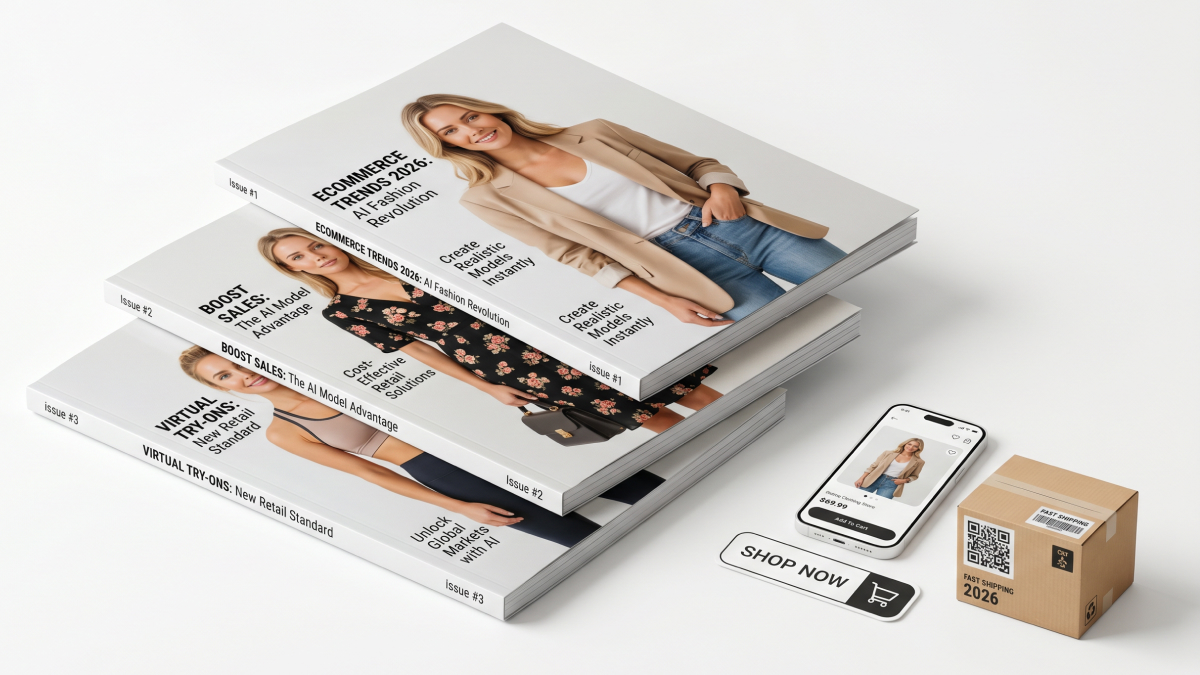
In 2026, the global ecommerce landscape is shifting toward faster digital content production. Every successful online seller needs a quality AI clothing model generator. This innovative technology helps brands create professional lifestyle images without costly photo shoots. On the other hand, traditional photography methods often take weeks to deliver final listing-ready product photos.
Therefore, using an automated system allows you to launch new collections in record time. So, this comprehensive guide explores how virtual modeling works for modern retail business owners. We will also cover technical frameworks, platform compliance, and essential criteria for tool selection here.
Part 1. What Is an AI Clothing Model Generator and How Does It Work?
Understanding the core mechanics of virtual fashion tools is essential for every digital seller. The following details clarify what a high-quality AI clothing model generator truly provides. We provide a clear overview of the innovative processes that drive this powerful tool:
1.1. What an AI Clothing Model Generator Actually Does
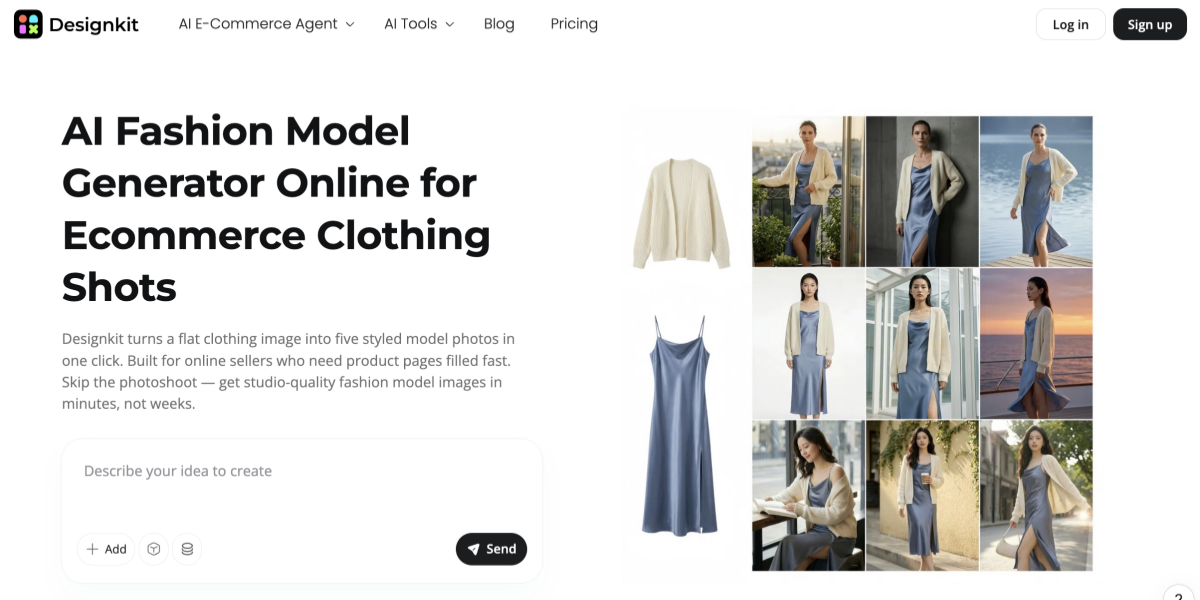
An AI clothing model generator automatically transforms product photos into realistic, on-body model images. A recent Research and Markets report shows that the global AI in fashion market will grow to over $2 billion by 2026. To understand how this technology simplifies your workflow, consider the following primary operational stages:
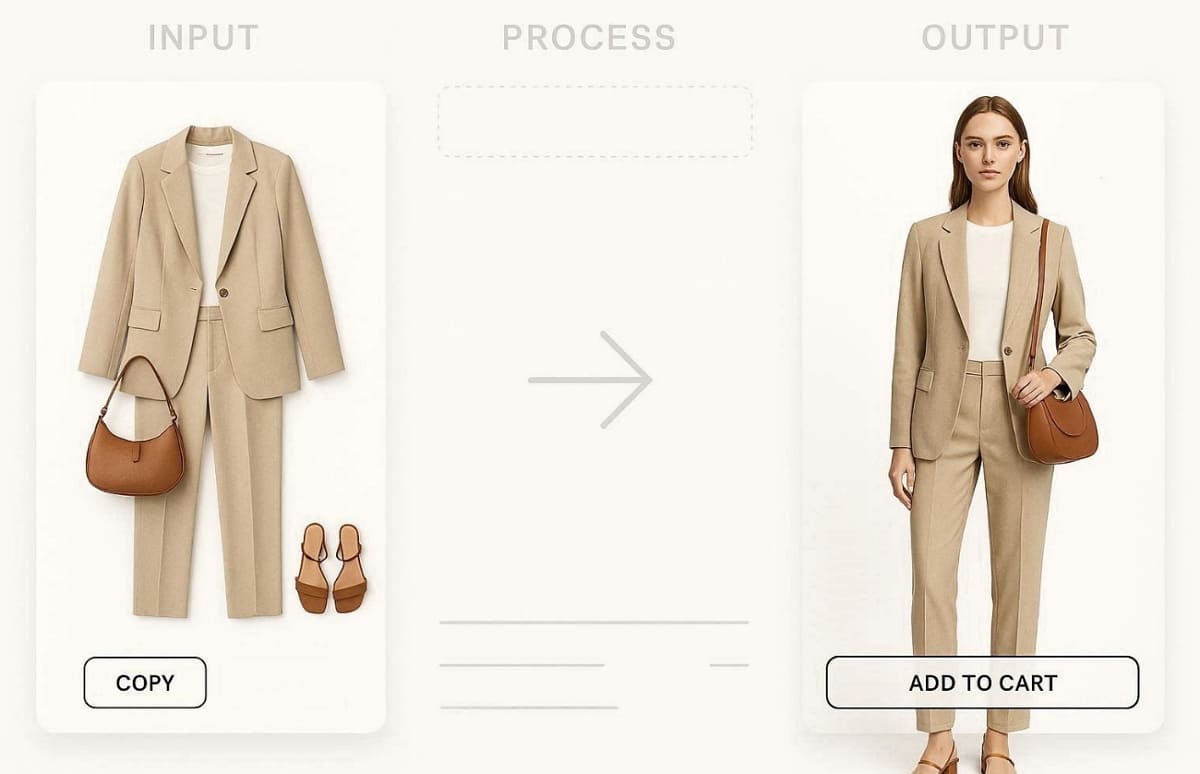
1. Input Stage: Product image and parameters drive AI clothing model generation workflows.
2. Processing Stage: The system maps the garment onto the virtual body using AI clothing model generation logic.
3. Output Stage: Generates a publication-ready AI clothing model image suitable for e-commerce listings.
When evaluating these tools, you must distinguish them from traditional digital methods listed here:
1. Not Manual Editing: Such types of model generators eliminate complex Photoshop compositing processes.
2. Not 3D Modeling: The AI clothing model relies on image synthesis instead of full 3D rendering.
3. Not Face Swapping: These generators create new identities rather than replacing real faces.
1.2. The Technology Behind AI Fashion Model Generation
An AI fashion model generator uses advanced systems to create realistic human visuals automatically. To grasp why these images look so realistic, explore the core technical components below:
1. Diffusion Models: An AI clothing model generator learns patterns to create photorealistic human imagery.
2. Pose Control Systems: Tools like ControlNet guide posture in AI fashion model generator outputs.
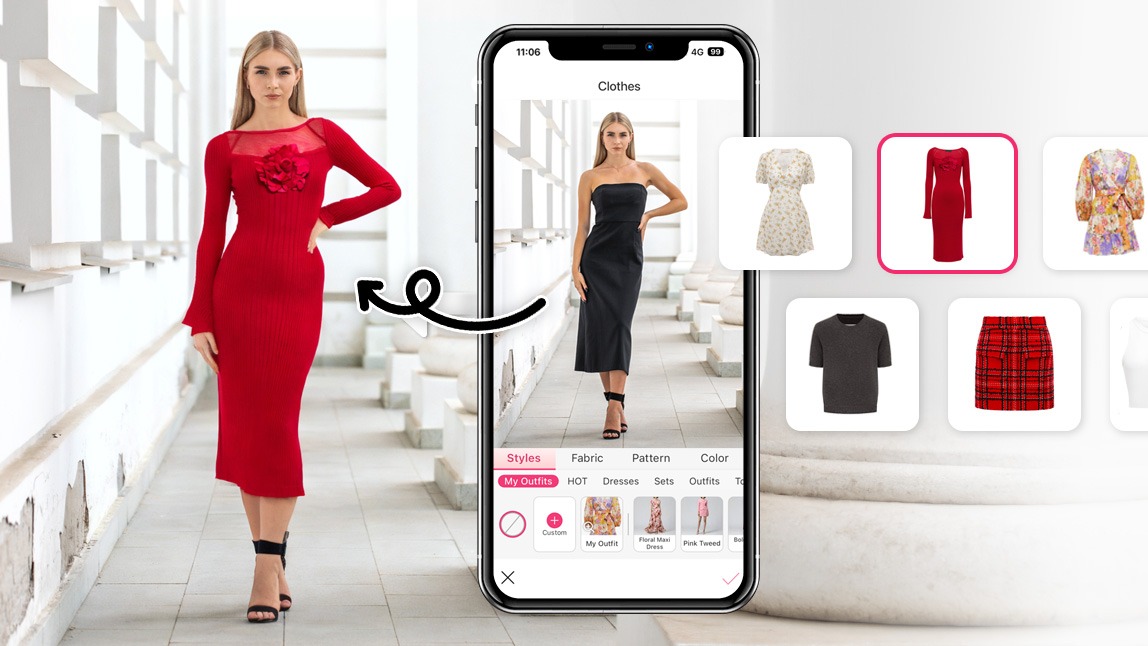
3. Virtual Try-On Engine: AI clothing model generator fits garments while preserving texture and folds.
For a successful generation, every user typically follows this straightforward three-step technical process:
1. Step One: Upload the product image into the AI clothing model generator system interface.
2. Step Two: AI processes the image using pose control and virtual try-on algorithms.
3. Step Three: Output appears as a realistic AI fashion model ready for listing usage.
Key Takeaway: Modern AI clothing model generator delivers commercially viable results for real e-commerce applications.
1.3. Types of AI Clothing Models: On-Model, Flat-Lay Enhancement & Lifestyle Scenes
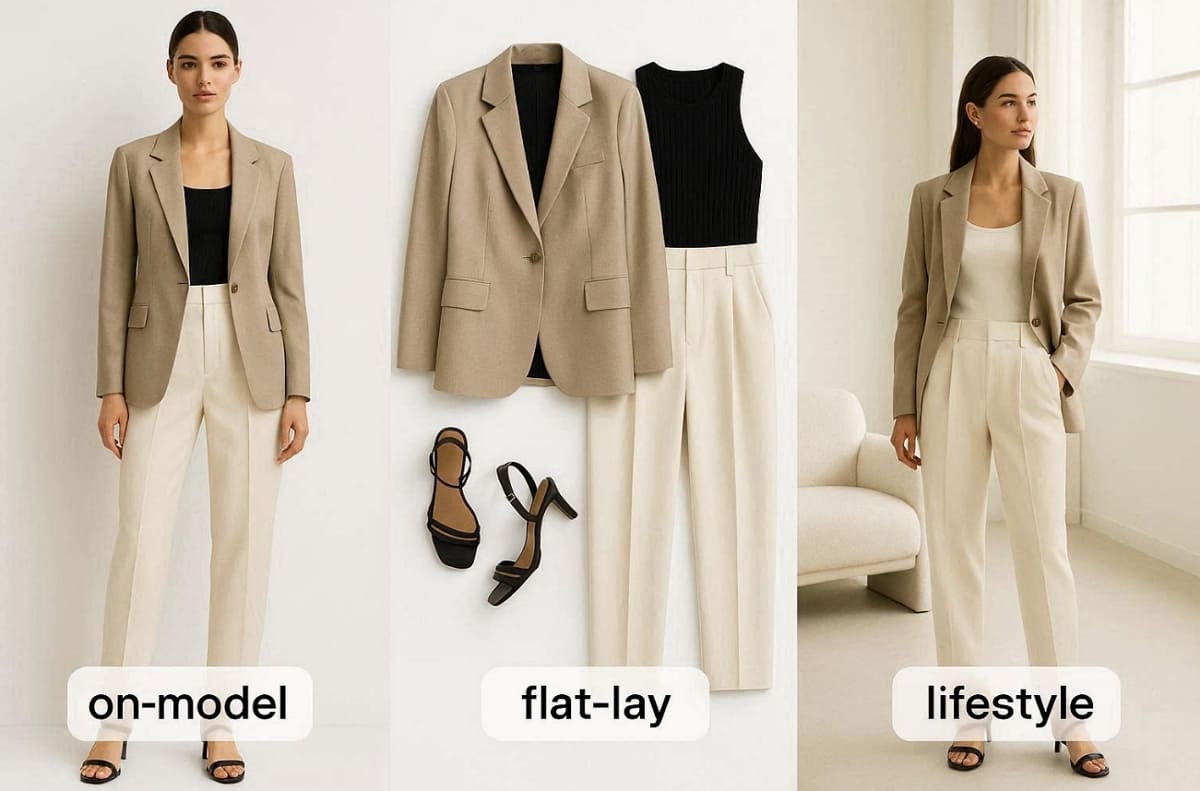
An AI clothing model generator produces multiple output styles for different marketing purposes. To maximize your brand's visual impact, you should utilize these distinct output styles:
1. On-Model Images: Standard AI clothing model showing garments on clean backgrounds for listings.
2. Flat-Lay Enhancement: AI clothing model generator improves depth and realism without adding full models.
3. Lifestyle Scenes: AI fashion model generator creates contextual visuals for storytelling and branding.
Each style serves a specific purpose depending on the marketing channel you select here:
1. Amazon Listings: An on-model AI clothing model works best for compliant product display images.
2. Social Media Content: Lifestyle AI fashion model generator outputs increase engagement and relatability online.
3. Brand Websites: Enhanced AI clothing model visuals improve homepage and hero section presentation.
Practical Insight: Using multiple formats from one AI clothing model generator increases content versatility significantly.
Part 2. Where AI Clothing Models Fit into Your E-Commerce Workflow
Integrating digital assets into your daily operations requires a clear understanding of practical applications. Understanding these workflows helps you maximize the efficiency of every batch of AI clothing models created. So, this section maps how virtual imagery aligns with the specific needs of modern online retail:
2.1. Generating Product Listing Images for Amazon, Shopify, and Etsy
Creating quality listing images requires meeting the unique visual standards of each major marketplace. Yet, a versatile AI clothing model allows you to adapt one product photo for multiple platforms. According to industry reports, using AI tools can reduce annual product photography costs from thousands to just hundreds.
This flexibility ensures your brand looks professional whether you sell it on Amazon or other platforms. To optimize your listings, you must follow these specific platform-driven visual content strategies:
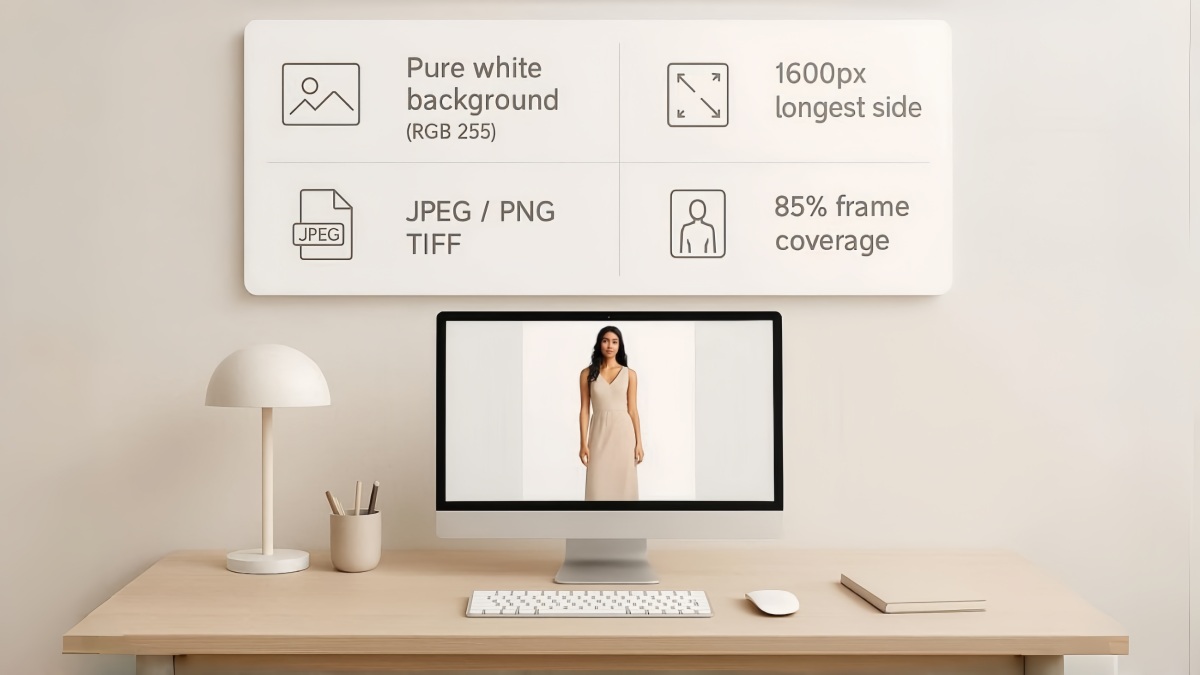
1. Amazon Standards: Requires a pure white background and strict formatting for every main listing image.
2. Shopify Styling: Allows brand-customized aesthetics that match your store's unique theme and colors.
3. Etsy Expectations: Buyers typically look for a handmade and lifestyle-oriented feel in product photography.
The following table demonstrates the efficiency gains when switching to an AI clothing model workflow:
|
Metric |
Traditional Photoshoot |
AI Model Generation |
|---|---|---|
|
Cost Per SKU |
Higher (Studio + Model) |
Significantly Lower Cost |
|
Batch Production |
50 SKUs in 1–2 Weeks |
50 SKUs in 1–2 Hours |
|
Format Flexibility |
One Style Per Shoot |
Multiple Styles Per Session |
|
Marketplace Fit |
Manual Editing Needed |
Automated Platform Presets |
Hence, applying these targeted visuals ensures that your AI model for clothing performs well everywhere.
2.2. Seasonal Launches, Rapid SKU Onboarding, and Market Testing
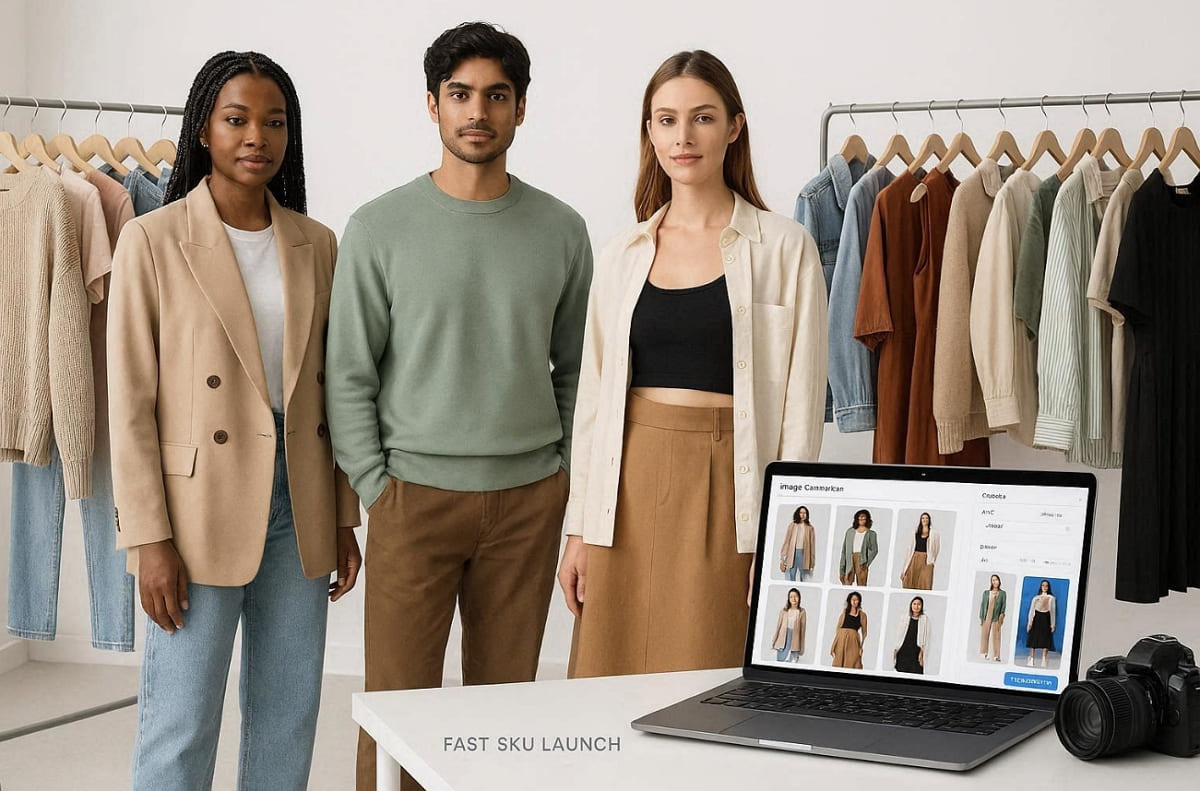
Managing high-frequency inventory changes is easier when you utilize AI clothing model workflows. Seasonal launches require hundreds of fresh images, which these tools can produce in hours. New inventory goes live immediately because you do not have to wait for photography slots.
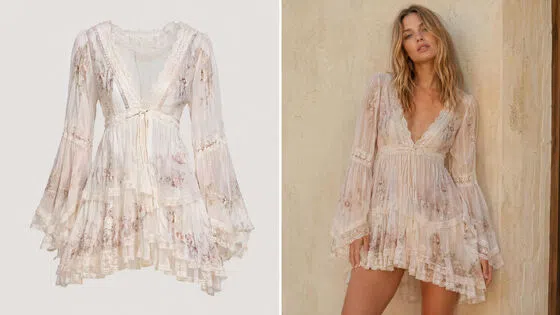
In addition to this, a reliable AI clothes model directly shortens your time to market for every collection. With Designkit, you can upload flat-lay photos and receive listing-ready images by the afternoon:
High-Frequency Operational Scenarios
To understand how high-frequency inventory changes become manageable, evaluate these 3 specific operational workflows:
1. Seasonal Drops: Compress your production timeline from several weeks down to just a few hours.
2. Rapid Onboarding: Launch products the moment they arrive by using simple photos taken on-site.
3. Market Testing: Create test listings for unproven products to measure real customer engagement rates.
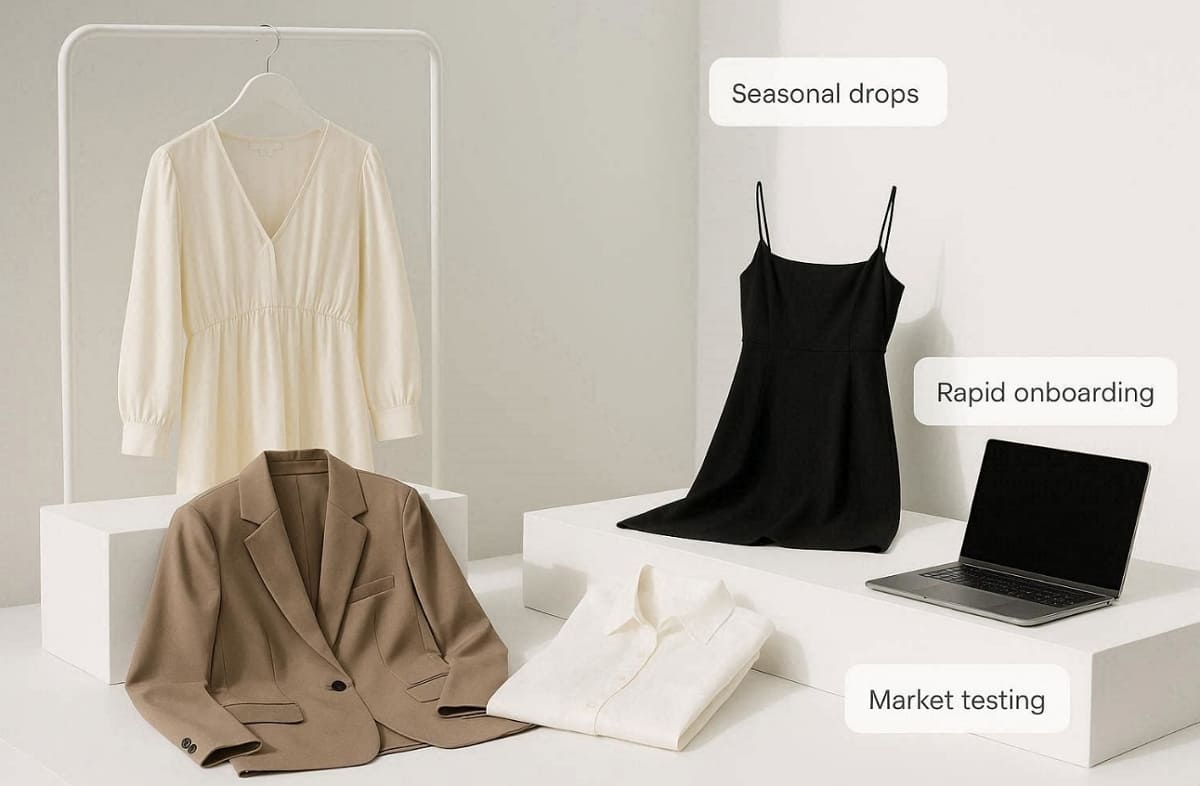
According to various industry reports, AI reduces photoshoot costs 90% while speeding catalog launches 40%.
2.3. Localizing Product Visuals for Multiple Markets Without Extra Shoots
Global sellers often struggle to create diverse imagery that resonates with every local audience. Traditional methods require hiring separate models for different regions, which multiplies your total costs. Therefore, an AI fashion model allows you to adjust skin tones and body types instantly.
You can tailor your aesthetic to different regions like Western European or Middle Eastern markets. Using versatile AI models for clothing also provides a level of inclusivity for small-to mid-sized brands.
The Benefits of Digital Localization
You can consider how these features impact your global growth to grasp the benefits of digital localization:
1. Cultural Resonance: Make your model look like the particular demographics in your target region.
2. Cost Efficiency: Generate targeted variants in minutes without paying for additional physical photoshoots.
3. Global Consistency: Keep the brand essence and modify the styling for foreign customers.
This capability ensures your products feel native and approachable to customers worldwide. By selecting the right AI models for clothing, you build trust with a diverse audience.
Part 3. How to Choose the Right AI Fashion Model Generator for Your Store
Selecting a dedicated software partner is the most critical decision for your digital brand. You must prioritize tools that offer consistent quality and professional support for retail sellers. This section provides a clear framework to help you check every available technical option:
3.1. Five Key Features to Evaluate
It's important to test these 5 performance pillars before choosing an AI-powered platform:
1. Generation Quality: Check for facial realism and accurate garment fit around the neckline and sleeves.
2. Category Compatibility: Ensure the tool handles outerwear and accessories with consistent visual detail.
3. Parameter Controllability: Verify whether you can easily adjust skin tone and specific model poses.
4. Operational Efficiency: Look for batch processing features that support uploading multiple product SKUs together.
5. Export Specifications: Confirm the tool provides high-resolution files suitable for Amazon and Shopify listing requirements.
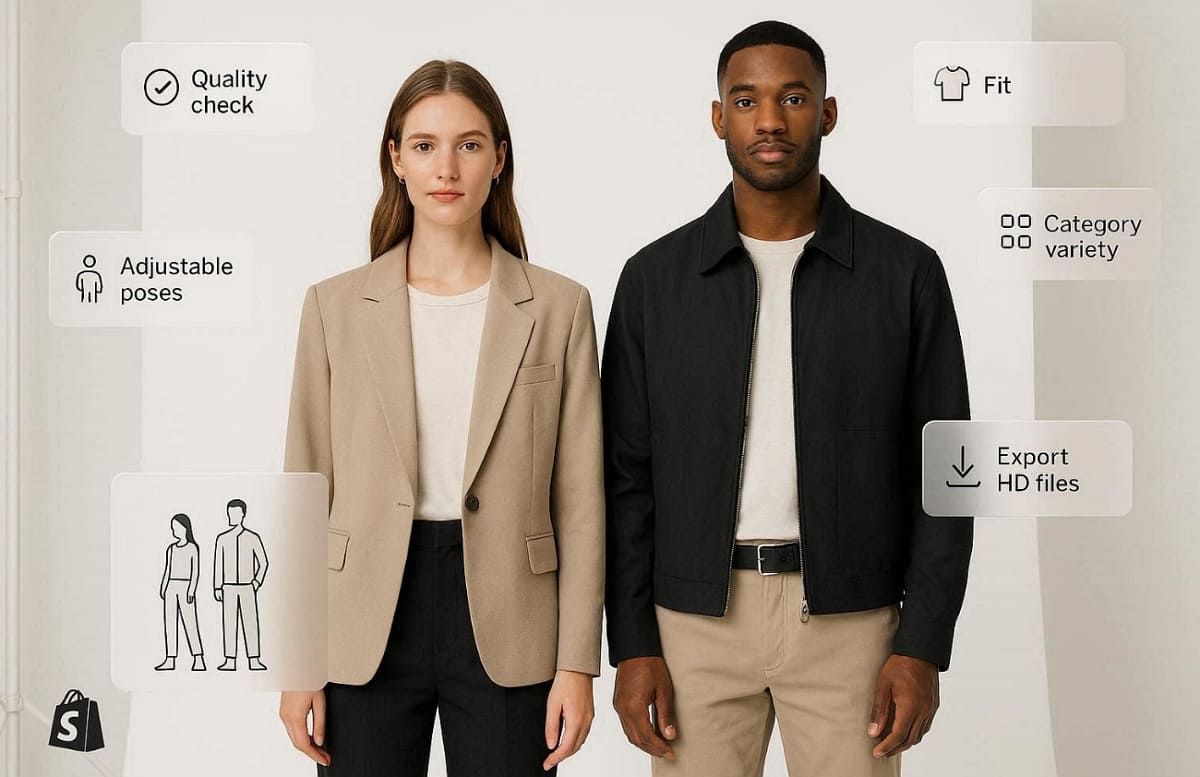
Using these benchmarks allows you to select a superior AI fashion model generator. Every professional AI clothing model generator must provide clean edges and realistic fabric textures.
3.2. How Designkit Measures Up Against These Five Criteria
To demonstrate this evaluation framework, we have analyzed Designkit across all five core categories:
|
Selection Criteria |
Designkit Performance |
Practical Impact for Sellers |
|---|---|---|
|
Visual Quality |
Strong |
Delivers photorealistic textures and high facial realism for all clothing listings. |
|
Category Support |
Adequate |
Handles standard tops and dresses well, but may require refinement for sheer fabrics. |
|
User Control |
Strong |
Offers extensive customization for model demographics, poses, and various lifestyle background scenes. |
|
Batch Processing |
Strong |
Supports rapid bulk uploads to help sellers manage large inventory collections very efficiently. |
|
Export Options |
Strong |
Provides direct downloads in optimized resolutions for major global e-commerce marketplace platforms. |
So, Designkit serves as a highly credible AI fashion model generator for most modern brands. This specific AI clothing model generator balances high-end output with a very simple workflow. The platform is particularly effective for sellers who need to scale their visual content quickly.
Try AI Clothing Model Generator
Part 4. Compliance and Platform Policies for AI-Generated Clothing Model Images
Apart from the above, understanding the legal landscape is vital for protecting your digital ecommerce business assets. Maintaining transparency ensures that your brand follows all emerging international digital safety standards. Therefore, the following insights clarify how to use AI clothing models safely and legally:
4.1. Image Rights and AI-Generated Faces — What Sellers Should Know
When using an AI clothing model, you must consider the legal likeness rights. Since these faces are synthesized, they typically do not trigger standard portrait rights claims. However, some training datasets may carry unresolved legal exposure for unaware retail sellers.
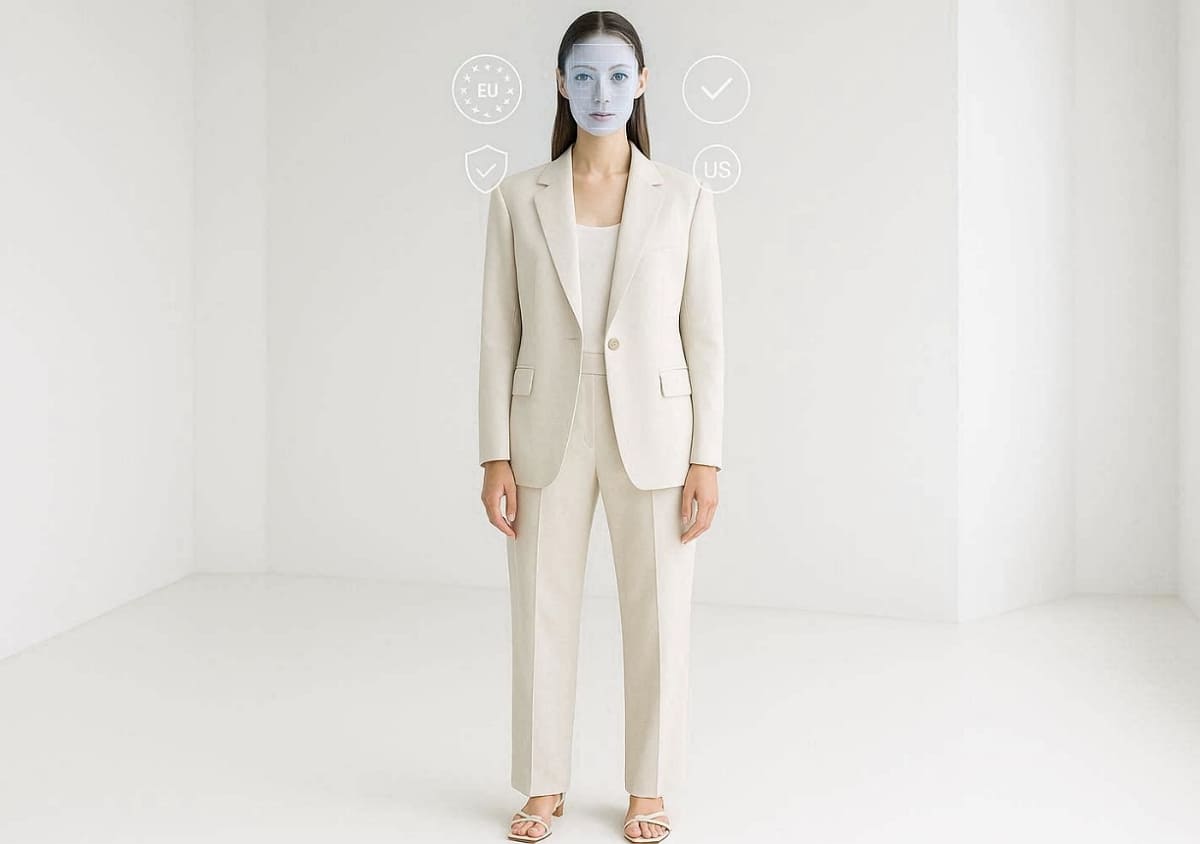
Still, you should always check if your AI-generated fashion models provider follows strict data compliance. Hence, this proactive approach protects your store from future intellectual property disputes.
AI Content Disclosure Obligations in 2026
1. EU AI Act: New regulations require clear disclosure of AI-generated content in European markets.
2. US Legislation: Emerging state laws are introducing similar transparency mandates for all digital media.
3. Public Figures: Avoid creating AI-generated fashion models that specifically resemble real, famous people.
4. Market Monitoring: Stay up to date on regulatory changes to ensure your listings remain fully compliant.
A recent TechPolicy report also shows that the EU AI Act mandates the clear labeling of all synthetic media by August 2026.
4.2. What Amazon, Shopify, and Etsy Currently Allow for AI-Generated Product Images
Each marketplace has updated its 2026 policies to address the rise of AI clothing models. Amazon permits AI visuals but reserves the right to replace images that fail strict quality standards. Along with that, following these platform-specific rules from the table is the only way to protect your account from sudden suspension:
|
Platform |
Policy Focus in 2026 |
Key AI Requirement |
|---|---|---|
|
Amazon |
Strict Main Image Standards |
Pure white background without watermarks, and product fills 85%+ of frame. |
|
Shopify |
Creative Merchant Freedom |
Use AI image enhancement to maintain visual consistency across all pages. |
|
Etsy |
Originality and Transparency |
Sellers must disclose AI use in the item description for any AI model for clothes. |
In addition to the above, regularly check the “Product Image Requirements” pages to track how platform rules evolve each quarter. Moreover, ensure every AI model for clothes maintains high resolution (1600+ pixels) to avoid automatic replacement.
Conclusion
In summary, adopting a modern AI clothing model generator is now essential for every competitive e-commerce seller. This technology lets you produce professional visuals while reducing your overall photography costs. Throughout 2026, brands must prioritize efficiency and compliance to stay ahead in the market.
Furthermore, 49% of shoppers buy based on AI recommendations in 2026, according to Akeneo's research. You should then use tools like Designkit to achieve balanced performance and scalable visual production. Ultimately, the right AI fashion model generator empowers sellers to grow efficiently.
Frequently Asked Questions
Are AI clothing model generators free to use?
Can AI-generated model photos actually improve conversion rates?
Quality AI clothing model images can significantly improve product conversion rates. Moreover, they create professional visuals that increase trust and engagement across competitive ecommerce platforms. Yet, you need to ensure consistent branding and better product presentation for buyers.
What types of clothing work best with AI model generators?
Most AI clothing model generator tools perform best with standard items like tops and outerwear. Simple garments with clear structure produce more accurate results in AI clothing models' outputs. Still, complex fabrics like sheer materials may require adjustments when using AI fashion model systems.
Do I need to disclose that my product images use AI models?
Currently, most platforms do not require disclosure for AI clothing model images in listings. However, regulations like EU laws may soon mandate transparency for AI-generated fashion models. It is recommended to proactively disclose the use of AI fashion models to build customer trust.
How is an AI clothing model generator different from virtual try-on?
This specific technology focuses on creating quality static images for your professional product listings. In contrast, virtual try-on lets buyers see how an AI clothing model fits. Both tools serve unique purposes within a complete and successful modern digital fashion workflow.
You May Also Like
How to Match Makeup by Undertone: Virtual Lipstick and Foundation Try-On
Wedding Dress Styles for Every Body Type: A Practical Guide for 2026
7 Best AI Virtual Makeup Try-On Tools for Realistic Results in 2026
AI Virtual Makeup Try-On: Boost Beauty E-Commerce Sales in 2026
Free Online Glasses Try-On Tools: See Yourself in Glasses Instantly

Top Virtual Ring Try-On Tools for Engagement and Wedding Rings in 2026
How to Try Shoes On Virtually: A Step-by-Step Guide
Best Virtual Shoe Try-On Tools for Ecommerce: 2026 Guide
How to Try On Wigs and Bangs Virtually to Find Your Perfect Style
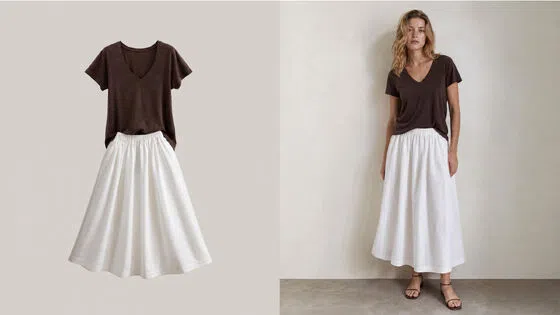
Create Model Outfit Photos Instantly With AI Outfit Generator
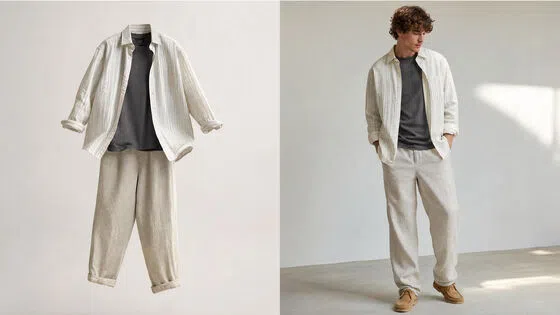
Best AI Virtual Try-On Clothes Tools for Any Body Type
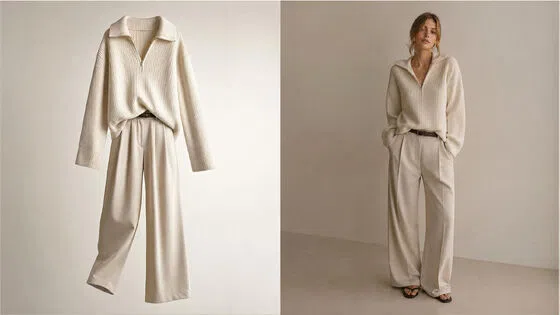
How to Try On Clothes Online with AI for Better Fit & Style
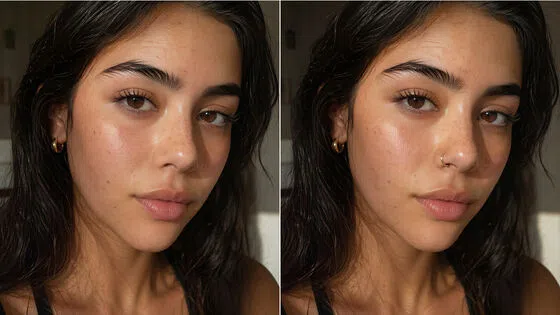
Virtual Nose Ring Try On Online Before Your Piercing
How to Try Makeup Online with AI and Virtual Makeup Try-On Apps (2026)
How to Use Virtual Earring Try-On for a Flattering Look in 2026
How to Try On Engagement Rings Online with AI in 2026
Scale Your Jewelry Brand with Virtual Jewelry Try-On Solutions
How to Try Hairstyles on Your Face Online (Step-by-Step Guide)
Best Virtual Hairstyle Try-On Tools Online for Realistic Previews 2026
How to Use a Free AI Hairstyle Generator to Find Your Perfect Look
Virtual Hair Color Try-On Guide for Every Skin Tone (2026)
Virtual Wedding Dress Try-On Online for Brides in 2026
How to Choose the Right Sunglasses for Your Face Shape Online
How Accurate Is Virtual Glasses Try-On? AI vs AR Compared

Best Virtual Try-On Glasses Apps in 2026 (Free & Paid Tools)
How AI Virtual Try-On Is Transforming Eyewear Ecommerce
5 Best Virtual Try-On Glasses Tools for Ecommerce and Consumers 2026
How to Try On Glasses Online with AI in 2026 (Easy Guide)
How to Create Jewelry Photos with AI Models That Drive Sales in 2026
AI-Generated Fashion Models: Technology, Brand Adoption & Trends
How to Batch Generate 100+ AI Clothing Model Photos Fast
7 Best AI Fashion Model Generators for Ecommerce in 2026
AI Clothing Model Photos for E-Commerce: Platform Rules & Best Practices
How AI Virtual Try-On Helps Fashion Brands Boost Sales & Reduce Returns
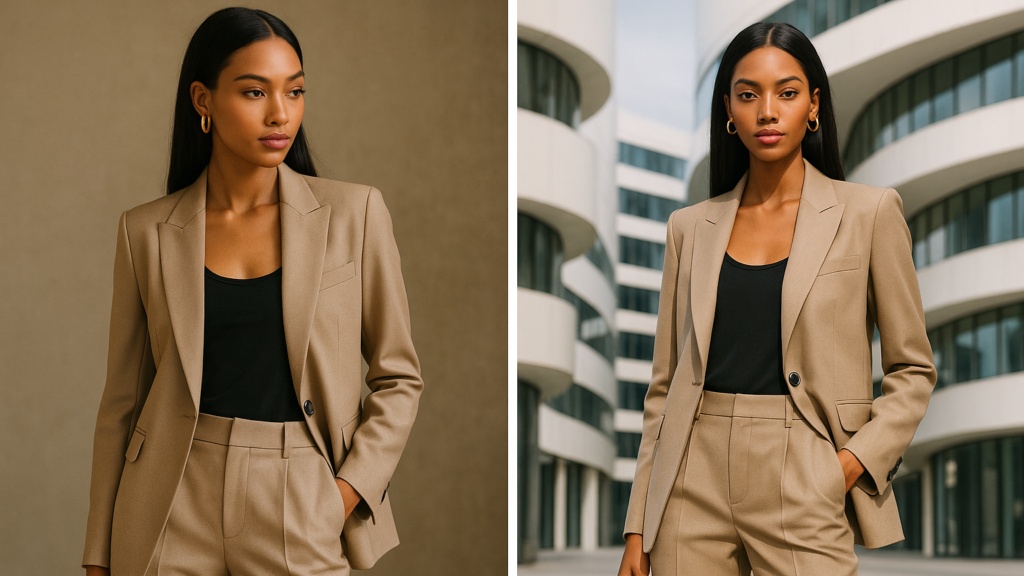
AI Fashion Models vs Real Models: Which Is Better for Brands?
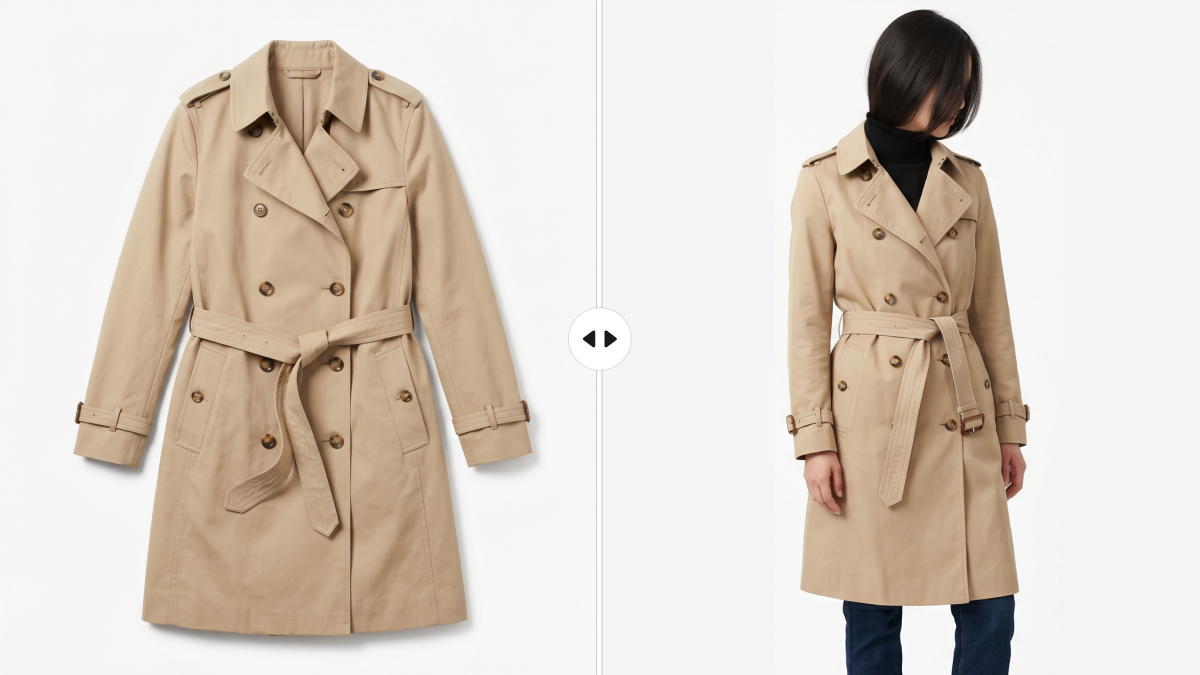
Best Free AI Fashion Model Generators for Real Product Photos
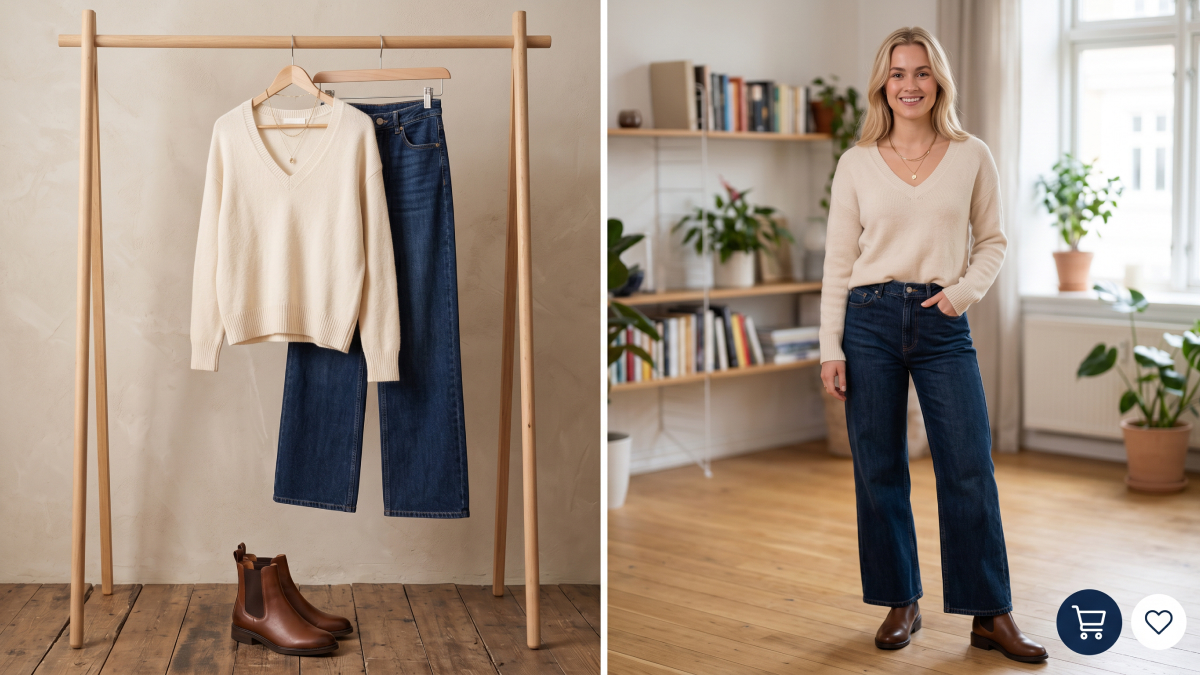
Virtual Outfit Try-On Guide: Plan Outfits Before You Buy
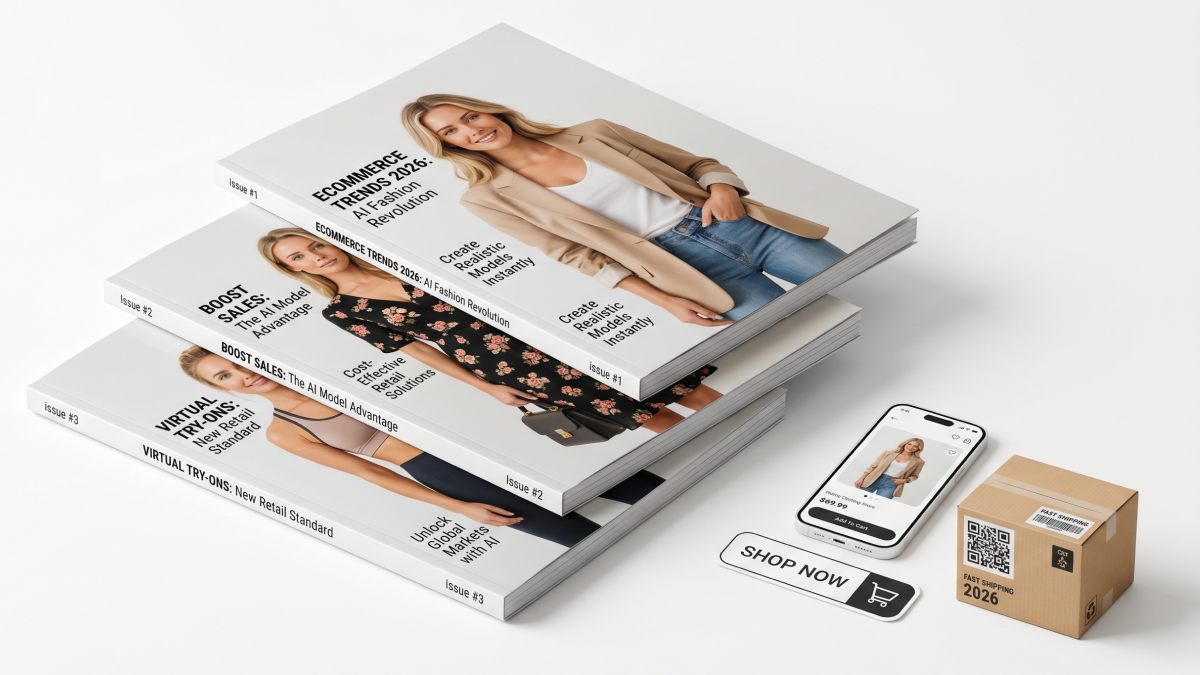
What Is an AI Clothing Model Generator? Full Guide for Sellers
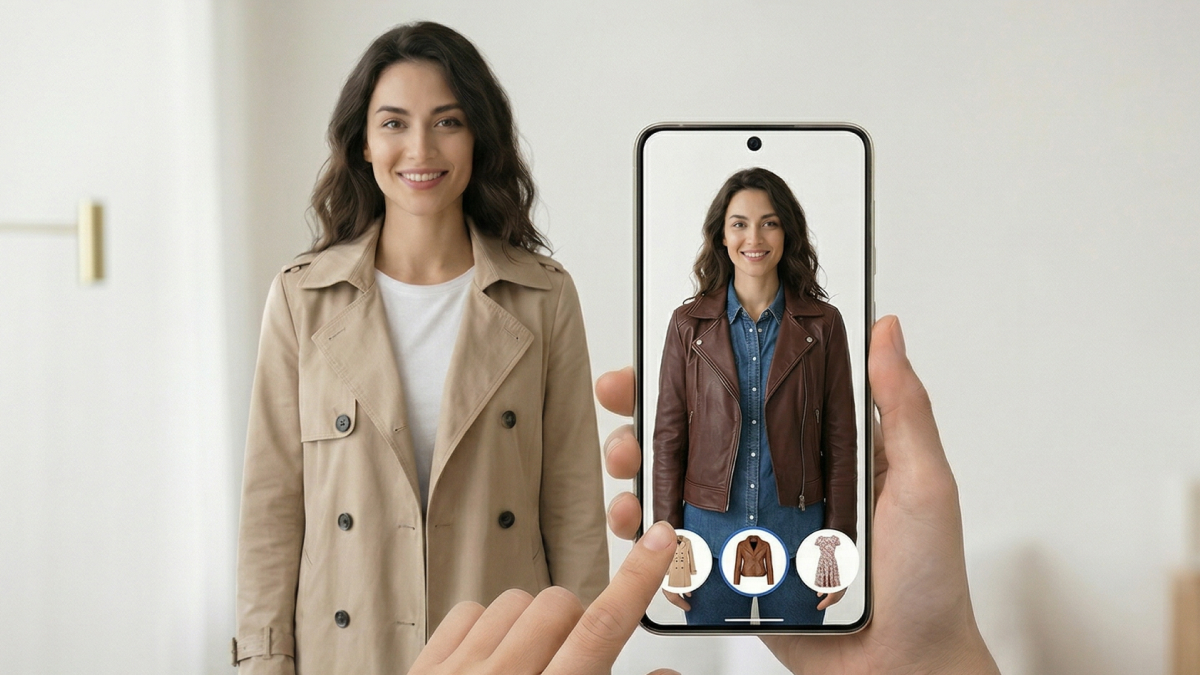
Virtual Try-On Technology in 2026: How It Works & Key Trends
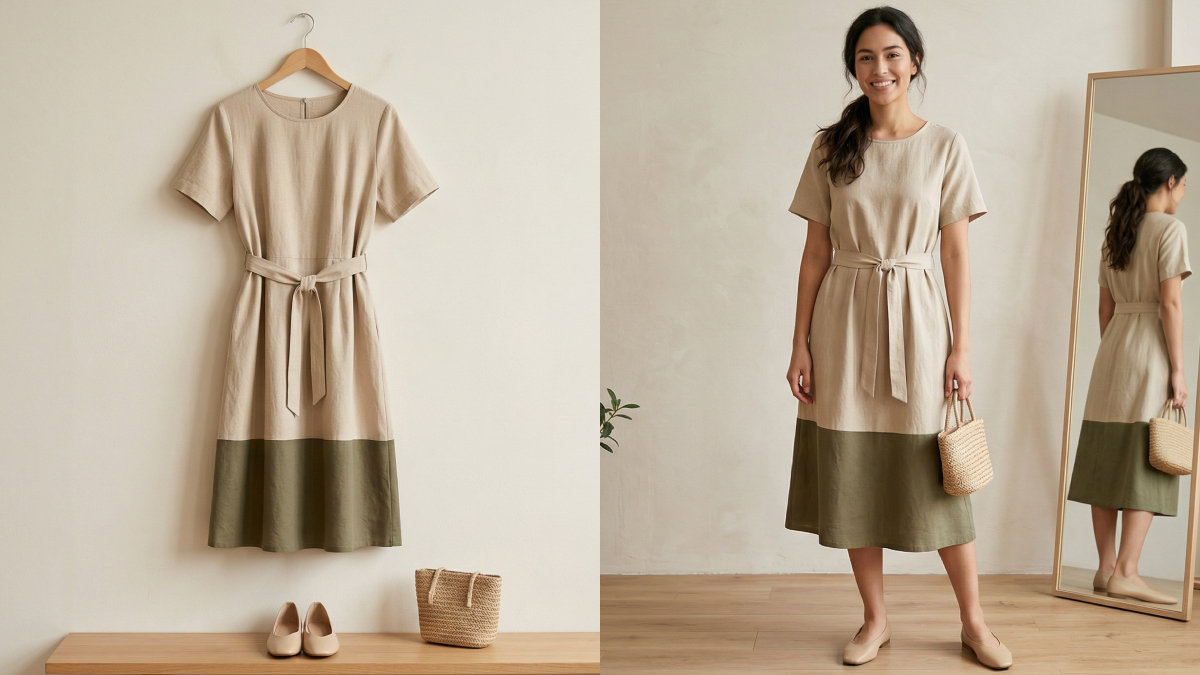
10 Best Virtual Try-On Apps & Tools for Online Shopping in 2026
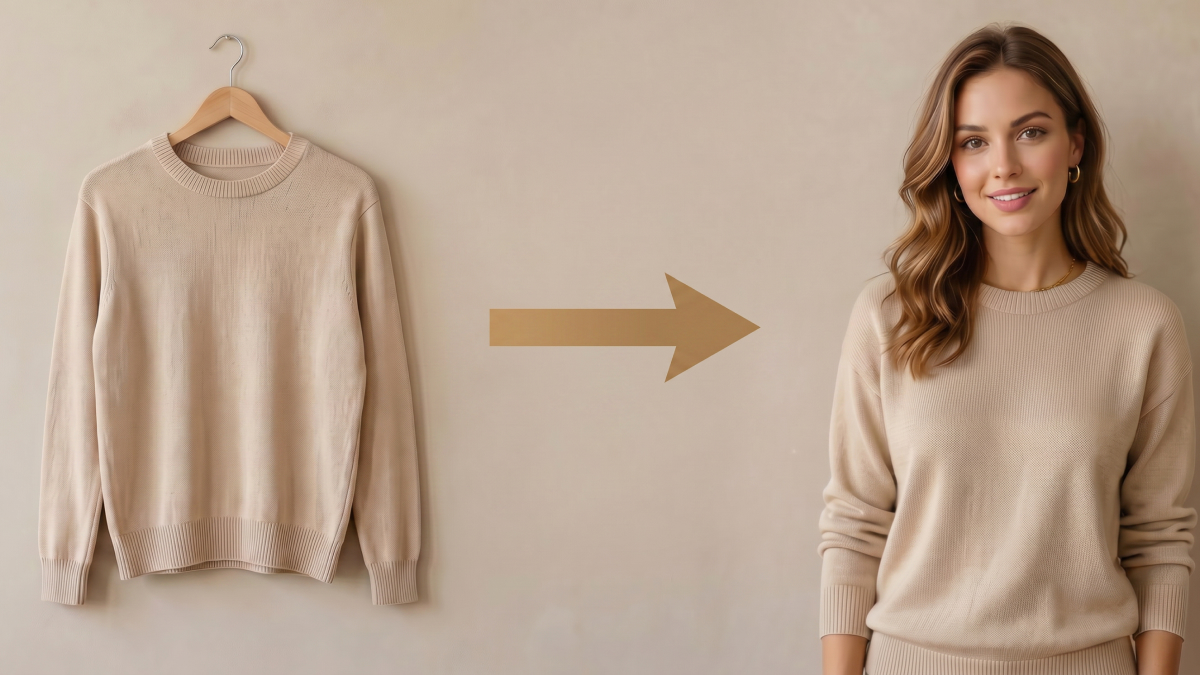
How to Create AI Fashion Models: Complete Step-by-Step Guide
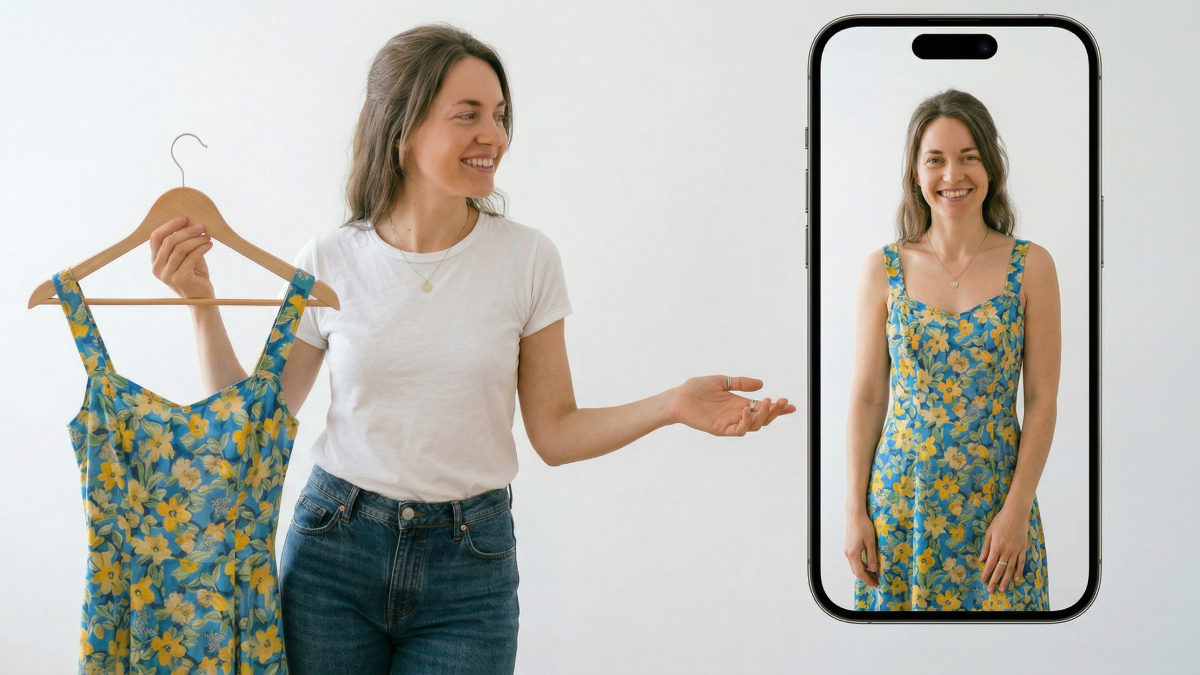
How to Use AI Fashion Models for E-Commerce Product Photos: A Complete 2026 Guide
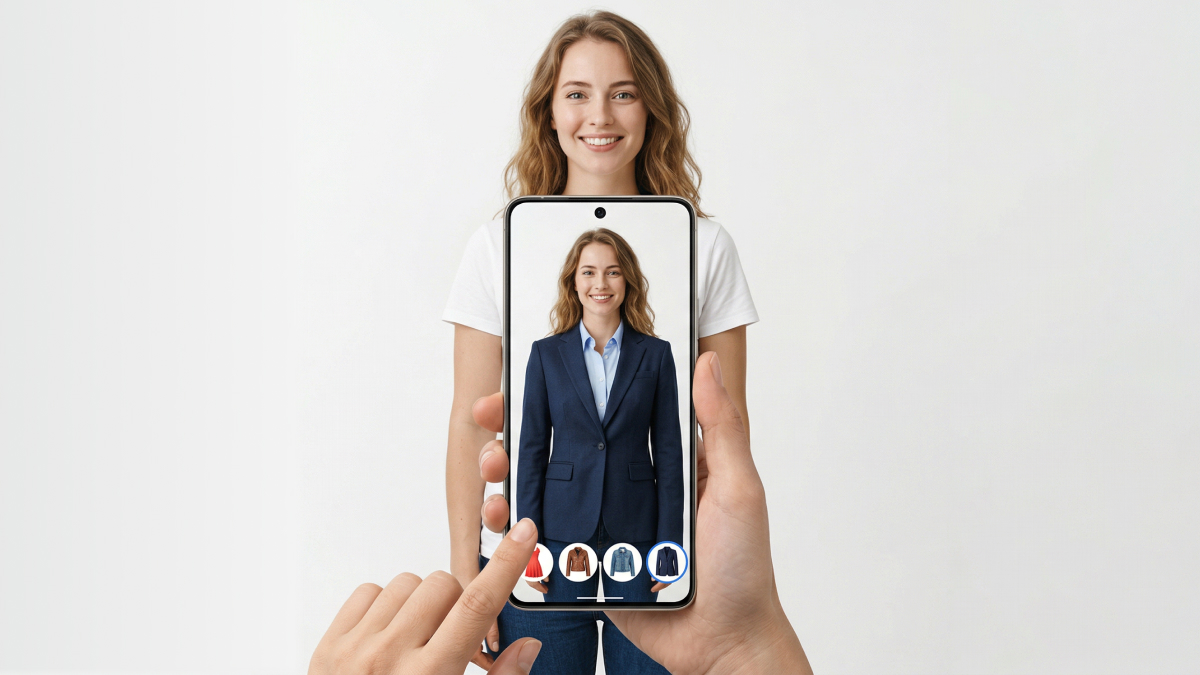
How to Virtually Try On Clothes Online: A Complete Guide
Make every product image ready to sell
Designkit is an all-in-one AI platform for ecommerce visuals. Create product photos, AI videos, virtual try-ons, and Amazon listing images in seconds. Generate HD backgrounds, batch edit photos, and scale your brand with studio-quality content.