
How AI Agents Are Transforming Amazon Product Photography in 2026
Amazon Product Photography with AI Agents: The 2026 Complete Guide


Amazon sellers don't have to worry about costly studios, late shoots, or inconsistent product shots anymore. In 2026, AI agents are revolutionizing Amazon product photography by generating fully compliant main images, lifestyle scenes, and detail shots from simple prompts in a matter of minutes instead of weeks. But images still need to be able to attract shoppers while meeting the strict marketplace rules.
This article will show you how AI agents facilitate the automation of planning, styling, compliance checks, and SKU scaling, enabling you to produce high-converting Amazon product images sets more quickly, more cheaply, and with built-in consistency via platforms such as Designkit.
Part 1. Why Amazon Product Photography Is Changing in 2026
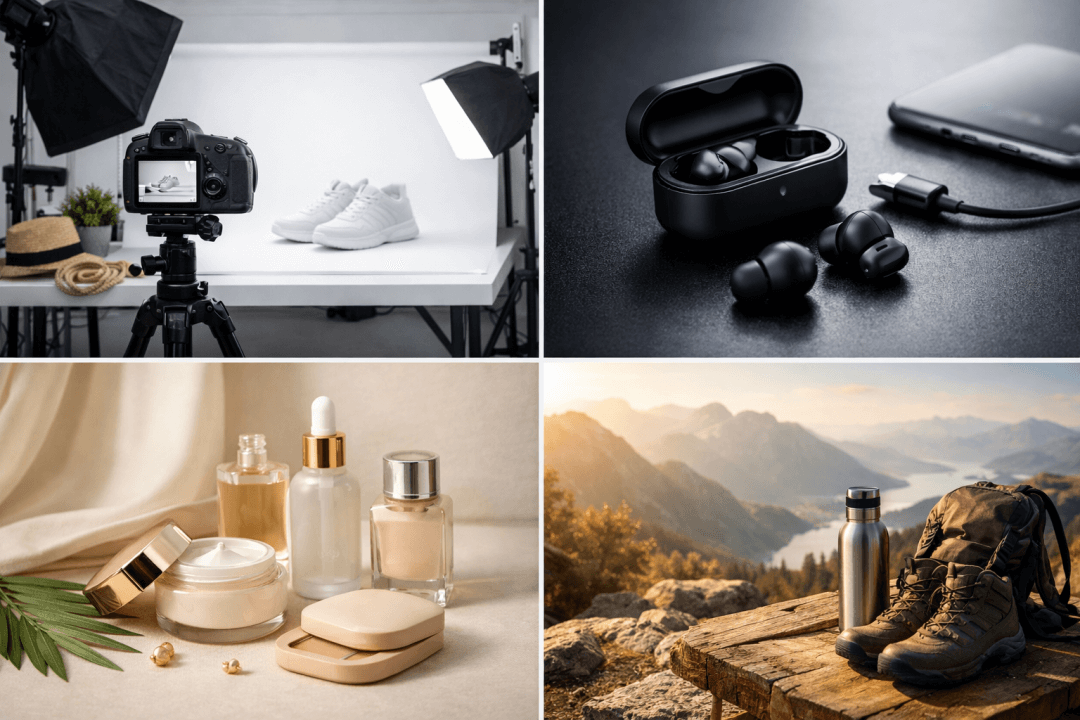
In Amazon product photography 2026, images have become more than just visual support – they are literally the first conversion trigger. When there are many similar products in the search results, customers do not read at first. They scan. So, your Amazon listing pictures now decide if you get the click or if you vanish into the scroll.
1.1 Visual Parity Has Made Differentiation Harder
Across most categories, pricing gaps are narrowing, review counts are equalizing, and feature sets are converging. The result: shoppers make split-second decisions based almost entirely on visuals. Clean lighting, purposeful lifestyle context, and benefit-focused detail shots now directly drive click-through rate (CTR) and conversion — not just aesthetic appeal.
1.2 Multi-SKU Expansion Creates Creative Pressure
Sellers are facing a reality where they must handle multiple SKUs. An individual product can be available in different colors, sizes, bundles, and seasonal variations, and each comes with its own set of ecommerce product images. Further consider multi-market expansion (US, EU, JP, and BR), localized lifestyle scenes, and continuous A/B testing, and the creative workload grows exponentially. Hence, traditional studio methods are unable to match the pace of product launches and iterations.
1.3 Compliance Requirements Are Stricter Than Ever
According to Amazon's official Seller Central image guidelines, main images on Amazon must comply with the following requirements:
- Pure white background: RGB 255, 255, 255 — no gradients or shadows
- Product fill: The product must occupy at least 85% of the image frame
- No text, logos, or badges: Promotional graphics and watermarks are prohibited
- Accurate representation: Images must truthfully depict the product being sold
Amazon also emphasizes that product images must be truthful and must necessarily avoid misleading elements. These criteria have a direct impact on the approval status of the listings. To put it simply, a non-compliant Amazon listing image not only performs poorly but can also be rejected or removed from the listings.
1.4 What AI Made Possible That Didn't Exist Before
Two capability shifts enabled the 2026 AI photography model:
- Coherent batch generation: AI agents can now produce full, consistent image sets—main image, lifestyle shots, and detail views—in a single workflow run, maintaining visual coherence across every output.
- Cheap iteration at scale: Changing a background scene, testing a new angle, or localizing an image for a different market no longer requires a studio booking. Sellers can iterate based on live performance data in hours, not weeks.
Together, these shifts have turned Amazon product photography from a production bottleneck into a performance-driven growth engine.
Part 2. Limitations of Traditional Amazon Product Photography
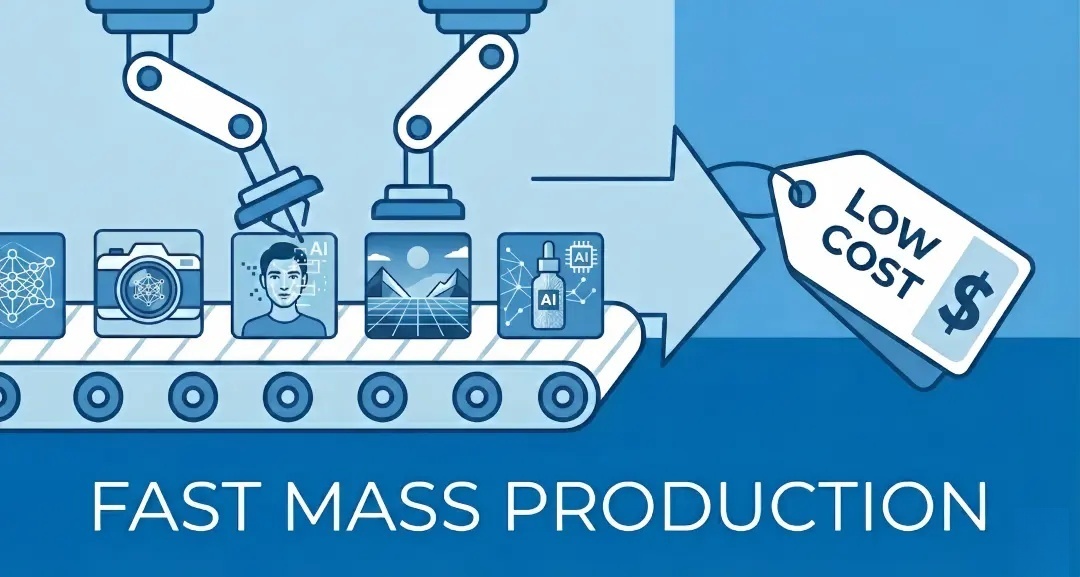
Conventional Amazon photoshoot processes are notoriously sluggish, expensive, and difficult in terms of scaling. As a result, coordinating studios, photographers, models, and props for every single SKU or variant eventually results in postponements, reshoots, and escalating product photography costs. The added challenge of managing assets for different marketplaces further complicates the matter, thus making it very difficult to keep images consistent and rapidly update listings.
2.1 Studio costs, reshoots, and production delays
A professional ecommerce photo shoot typically involves costs across four categories: studio hire, photographer fees, model or prop sourcing, and post-production retouching. For a single SKU with five image types, costs can range from several hundred to several thousand dollars per session. When a variant is missed, a shade is misrepresented, or a compliance issue surfaces after delivery, the entire process — booking, shooting, editing — starts over.
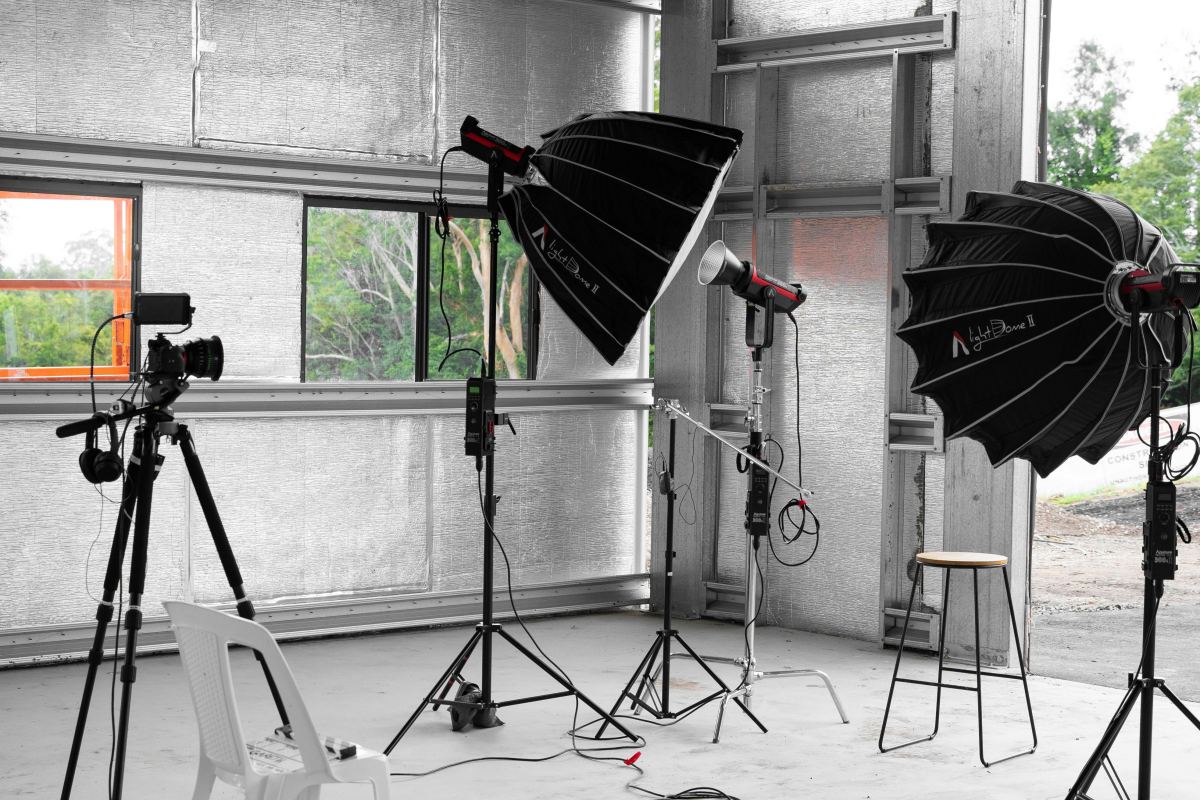
These delays compound at scale. A 50-SKU catalog refresh that takes a studio eight weeks gives competitors two months of iteration advantage.
2.2 Scaling Across SKUs, Variants, and Global Marketplaces
Traditional workflows quickly become a real pain when you handle multiple SKUs, variants, and international marketplaces. Some of the main challenges are:
- Making sure that the angles, framing, and lighting are consistent for each product variant
- Adjusting pictures for different markets in terms of units, texts, or cultures
- Extremely time-consuming workflows for creating bulk product images
- Slow and error-prone Amazon listing image production, especially when scaling to dozens of SKUs
Basically, without the use of automation, ensuring all the images are uniform and compliant will be too difficult for the sellers who want to scale their business.
2.3 Compliance Risks and Image Rejections
Visuals that are non-compliant with the rules represent a significant danger to Amazon listings. Simple errors such as wrong backgrounds, bad cropping, or unauthorized overlays can lead to Amazon image rejection or, in the worst case, Amazon listing elimination. Vendors dealing with many images may overlook minor details, and that's why adhering to an image compliance checklist is essential for preventing delays, listing problems, and lost sales.
Part 3. What Is an AI Agent in Product Photography (vs. an AI Image Generator)?
The distinction matters significantly for sellers evaluating tools.
A standard AI image generator accepts a text prompt and returns a single image. It has no memory, no workflow context, and no ability to check its own output against external criteria like Amazon's image requirements.
An AI agent is architecturally different. It executes multi-step workflows, evaluates intermediate outputs against defined criteria, and produces complete, verified batches without requiring human intervention at each stage. In product photography terms, a well-designed AI agent stack performs the following functions:
- Background isolation: Separates the product from its original environment and places it on a compliant white background
- Scene generation: Creates contextual lifestyle settings appropriate to the product category
- Lighting and shadow matching: Renders realistic illumination so the product integrates naturally into generated scenes
- Template enforcement: Applies consistent framing, crop ratios, and angle specifications across all SKUs
- Compliance formatting: Checks outputs against Amazon's image requirements before export
- Batch export: Delivers correctly sized, named, and versioned files for multiple marketplaces
- Version tracking: Maintains iteration history for accountability and rollback
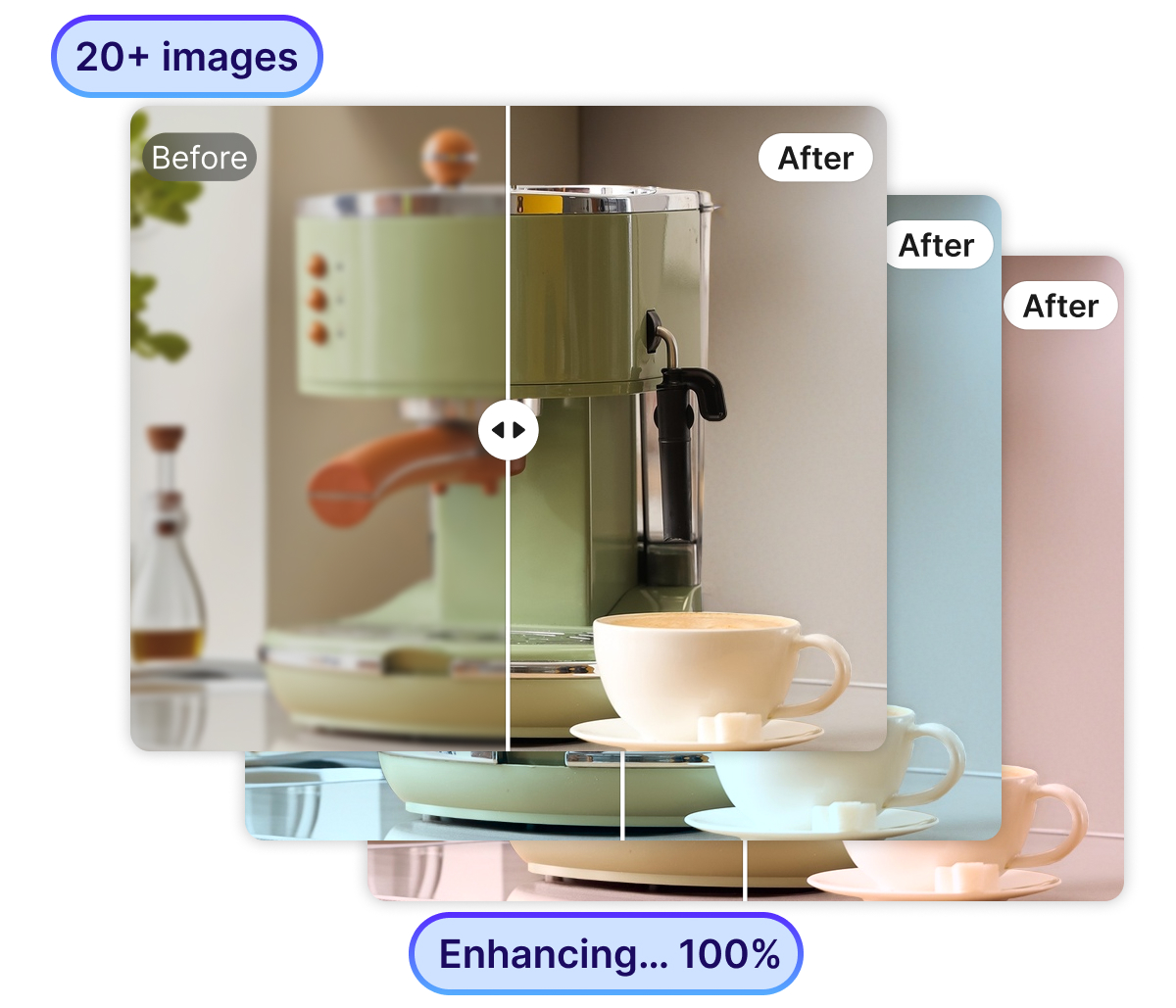
Agents make it possible to speed up production and scale businesses, yet human supervision is still very necessary. Humans safeguard product truth, check product claims, and ensure the accuracy of information in sensitive or regulated product categories. This difference makes AI agents perfectly suitable for AI product listing images generator and Amazon listing images generator workflows, which are still of high quality and reliable
What Humans Must Still Review
Even the smartest AI can't replace judgment entirely. In product photography for Amazon, humans must review:
- Color and material accuracy: AI-generated images must match the physical product — especially for color-sensitive categories like apparel and home décor
- Prohibited enhancements: Any alteration that makes the product appear different from what arrives in the buyer's hands violates Amazon policy
- Regulated and safety-critical categories: Products with health claims, medical applications, or safety requirements demand expert review before image approval
Pre-publish human review checklist:
- Verify color, material, and product dimensions
- Confirm main images meet white-background and framing rules
- Check lifestyle scenes for misleading context or props
- Ensure all claims or text overlays comply with Amazon guidelines
This human-AI collaboration ensures speed and scale without compromising trust, accuracy, or compliance.
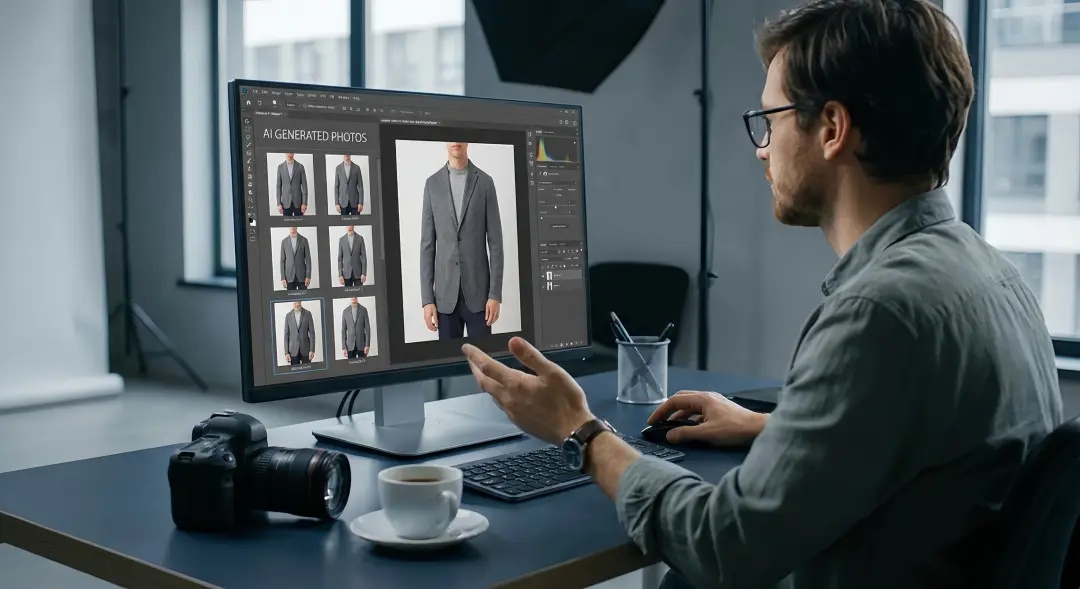
Part 4. 4 High-Impact Jobs AI Agents Do in Amazon Photography Workflows
AI agents are changing the face of Amazon product photography in a major way. They are handling repetitive, technical tasks, etc., etc. The aesthetic enhancement platforms work as double-edged tools of Amazon listing image generators for sellers that, on the one hand, empower them to scale their operations efficiently, maintain a high standard of quality, and, on the other hand, reduce the manual bottlenecks.
Job 1 – Automated main image creation with white-background compliance
The main image is the primary trust signal for any Amazon listing, and it must comply with strict technical requirements. AI agents handle this by:
- Applying precise background removal to achieve the required RGB 255, 255, 255 result
- Enforcing product scale so the subject occupies the required minimum frame area
- Exporting in sRGB color space at the specified resolution for marketplace submission
- Processing multiple SKUs in a single batch run with uniform output standards
Designkit's Amazon Listing Images Generator automates this process across entire catalogs — applying consistent background standards, product fill ratios, and sRGB export specs to every SKU in a single run — ensuring each main image is submission-ready without per-image manual review. This directly reduces the risk of rejection-triggered listing downtime, particularly for sellers managing large or frequently updated catalogs.

Job 2 – Instant lifestyle/context scenes for secondary images
Secondary images serve a different function than main images: they demonstrate use, communicate benefit, and create purchase confidence. AI agents generate these scenes by:
- Selecting contextually appropriate environments based on product category keywords
- Rendering accurate material properties — reflections, shadows, fabric texture — within the generated scene
- Ensuring no prohibited overlays, text, or deceptive props appear in the output
- Producing multiple scene variations from a single product reference for A/B testing input
The output is lifestyle imagery that fits naturally into real-world contexts without requiring a single physical location or model shoot. AI product photography generators like Designkit approach this through category-aware scene matching — analyzing the product type to propose contextually appropriate environments, then rendering lighting and material properties that make the product read as genuinely present in the scene, rather than composited into it.

Job 3 – Batch image production for large catalogs
For sellers managing dozens or hundreds of SKUs, batch generation is where AI agents deliver the clearest efficiency advantage. Key capabilities include:
- Applying consistent lighting direction, angle, and crop ratio across all variants in a product family
- Generating localized versions for different marketplaces — adapting scene context, background elements, or supporting copy where permitted
- Producing complete image sets (main + secondary + detail) for new SKUs at launch, rather than waiting for studio availability
- Maintaining version history so any image can be traced back to a specific input and generation run.
For sellers running catalogs of 50 SKUs or more, this kind of AI image generator infrastructure — where a tool like Designkit maintains consistency rules across the entire batch rather than image-by-image — is what makes scaling catalog photography economically viable.

Job 4 – Faster iteration for A/B testing (without misleading shoppers)
Image A/B testing on Amazon — comparing which main image or lifestyle scene drives higher CTR or conversion — requires producing multiple credible variations quickly. AI agents enable this by adjusting scene environment, product angle, or compositional framing without altering the product itself.
The important constraint: A/B variants must still accurately represent the product. AI agents that allow free-form product manipulation introduce compliance risk; well-designed systems limit variation to scene and composition while locking product representation. Teams can then pause underperforming variants in real time, using performance data rather than creative opinion to guide image strategy .
Part 5. Step-by-step: How to Create Amazon Listing Images with an AI Agent
Here's a concise Amazon listing image workflow through an AI product listing images generator, showing inputs, outputs, and a compliance QA gate.
Step 1 — Build Your "Truth Set" with Real Product Photos
Before AI generation begins, you need a baseline set of real product images that establishes ground truth. This typically includes:
- Hero angle: The product's primary face, shot against a neutral background
- Key detail shots: Textures, labels, ports, fasteners — any feature relevant to purchase decisions
- Size reference: A photograph that establishes actual product dimensions
These images are not published directly — they serve as reference inputs for the AI generation process. Their accuracy determines the accuracy of all downstream outputs, so lighting quality and focus matter here.
Step 2 — Generate Main and Secondary Images via AI
Using the truth set as a reference anchor, the AI agent produces the full image set:
- Select style templates aligned with your brand and product category
- Generate the compliant white-background main image
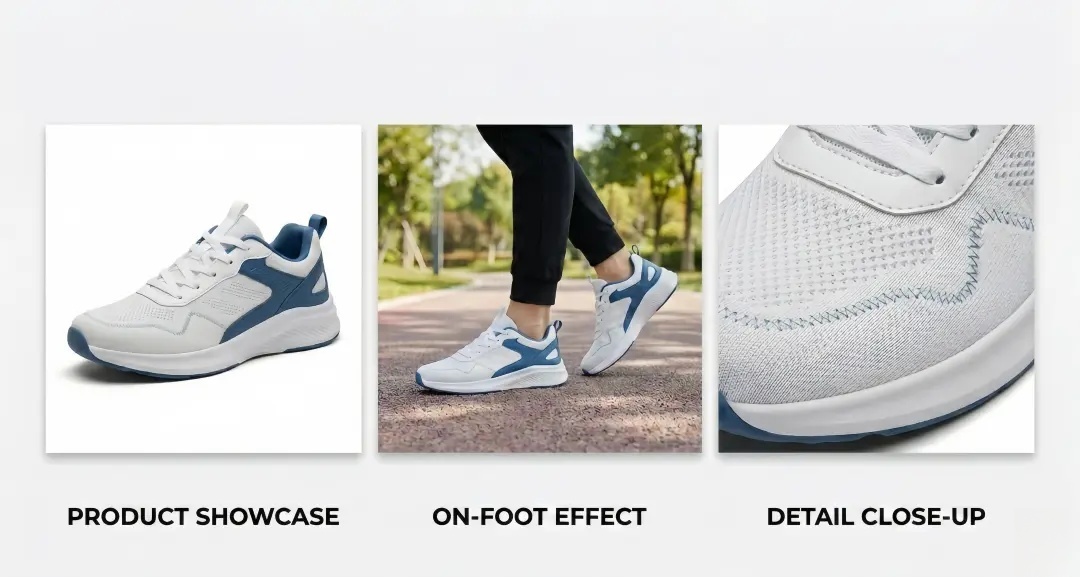
- Produce lifestyle and context scenes for secondary image slots
- Create detail and feature callout views where appropriate
AI product listing image generators like Designkit allow multiple Amazon-ready variations — main image, lifestyle scenes, and detail views — to be generated simultaneously from a single product reference, significantly compressing the production timeline compared to any sequential manual process.
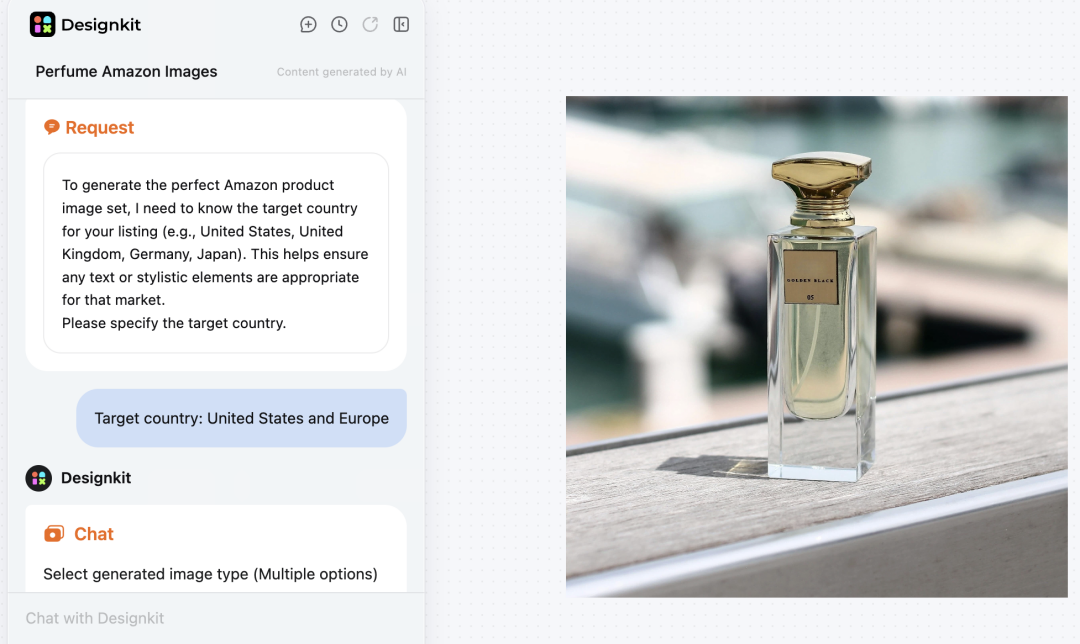
Step 3 — Run Pre-Flight Compliance QA
Before uploading any image, run each output through a structured compliance check:
|
Check |
Pass Criteria |
|---|---|
|
Background |
Pure white, no gradients, no shadows |
|
Product fill |
≥85% of image frame |
|
Overlays |
No text, badges, logos, or promotional graphics |
|
Product accuracy |
Matches physical product in color, finish, and proportion |
|
Lifestyle scenes |
No misleading props, contexts, or implied claims |
|
File specs |
sRGB, correct resolution, within size limits |
Any image that fails a check returns to the generation step—not to manual retouching, which introduces inconsistency.

Step 4 — Export Batch Files, Apply Naming, and Version Control
The final export step prepares images for marketplace submission:
- Apply marketplace-specific sizing and compression standards for each target region
- Use consistent file naming conventions that tie each image to its SKU, variant, and version
- Conduct a final sharpness and quality review before upload
- Archive the generation inputs and outputs together for accountability and future iteration
This versioned archive is particularly valuable when Amazon requests documentation of image compliance or when rolling back to a previous version is needed.
Part 7. AI vs. Traditional Product Photography: When to Use Each
The choice between AI vs traditional product photography is a matter of product type, scale, and objectives:
|
Scenario |
Best Approach |
Reason |
|---|---|---|
|
Standardized consumer goods |
AI-first |
High consistency, low variation, policy-friendly |
|
Large SKU catalogs (50+) |
AI-first |
Studio workflows don't scale cost-effectively |
|
Fast-cycle A/B testing |
AI-first |
Rapid iteration without reshoots |
|
Luxury goods or premium positioning |
Traditional or hybrid |
Surface quality and material authenticity are critical |
|
Reflective/transparent materials (glass, chrome, crystal) |
Traditional for main image |
AI rendering struggles with complex light interaction |
|
Products requiring human models |
Hybrid |
AI handles product isolation; traditional handles model scenes |
The most efficient long-term strategy is hybrid: use real photography to establish a compliant, accurate truth set for critical angles, then use AI agents for secondary images, lifestyle scenes, localization variants, and A/B testing iterations. This approach optimizes across speed, cost, compliance, and visual quality simultaneously.
Part 8. The Future: AI Agents, Human Strategy, and Performance Feedback Loops
In the future of e-commerce photography , AI agents like Designkit will handle routine production tasks—background removal, scene generation, lighting adjustments, and batch image creation—enabling sellers to produce compliant, high-quality Amazon listing images at scale without studios, models, or manual retouching.
There is an optimization loop running the whole cycle: new images get produced, the effectiveness is measured by CTR, conversion, and returns, and the understanding of the situation is used for the next round.
Platforms like Designkit are designed for exactly this operating model — combining agent-level automation for production tasks with human control points for quality, compliance, and strategic direction. The goal isn't to remove humans from the process; it's to ensure human attention is spent on decisions that AI cannot reliably make.
Conclusion
AI agents are revolutionizing the way product images on Amazon are done to be more rapid, scalable, and compliant without humans losing control over brand accuracy and creative direction. Sellers can integrate real photos with AI-generated main, lifestyle, and detail pictures to achieve the most optimized CTR, conversions, and workflow efficiency. With a platform such as Designkit, this hybrid production is easy, hence, your single prompt becomes fully compliant, marketplace-ready visuals at scale.
Frequently Asked Questions
Does Amazon allow AI-generated product images?
Can AI-generated product images pass Amazon's compliance checks?
Yes, consistently—when the right guardrails are in place. AI agents built for Amazon workflows include automated checks for background color, product fill percentage, and overlay detection. Designkit's Amazon Listing Images Generator, for example, runs these compliance checks as part of the generation pipeline itself—so images are validated against Amazon's requirements before they reach your export queue, rather than being flagged after upload.
How much real photography do I still need if I'm using AI?
At minimum, you need a "truth set": real photographs of your product that establish color accuracy, surface finish, and dimensional reference. AI generation builds on this baseline. For most standardized consumer products, a single truth-set shoot can support an entire catalog of AI-generated main images, lifestyle scenes, and detail shots. High-complexity materials—transparent containers, polished metal, fine-grain textiles—may require additional real reference photography for the AI to produce accurate outputs.
Which product types are most challenging for AI image generation?
Three material categories present consistent challenges: reflective surfaces (polished metal, chrome, glossy packaging), transparent materials (glass, clear plastics, crystal), and highly textured fabrics (woven, quilted, embroidered). In these cases, real photography is recommended for the main image and critical detail shots, with AI handling secondary lifestyle scenes and localization variants. Regulated categories—medical devices, supplements, safety equipment—require expert human review at every stage, regardless of image source.
Can AI agents handle large catalogs and multi-market localization?
Yes. Batch generation is one of the strongest use cases for AI agents in Amazon photography. A well-configured agent maintains consistent lighting direction, framing, and angle specifications across hundreds of SKUs simultaneously, and can produce localized variants—adapted for cultural context, marketplace-specific styling preferences, or regional compliance requirements—without a separate shoot for each market. This makes AI particularly valuable for sellers expanding across US, EU, JP, and other Amazon marketplaces concurrently.
You May Also Like

Best AI Ad Generators in 2026: Tools for Creating Better Ads

T-Shirt Design Size Guide: Placement, Dimensions, & DPI

How to Sell on Poshmark: A Complete Beginner's Guide

Zeely Reviews 2026: Features, Pricing, Pros, Cons & Alternatives
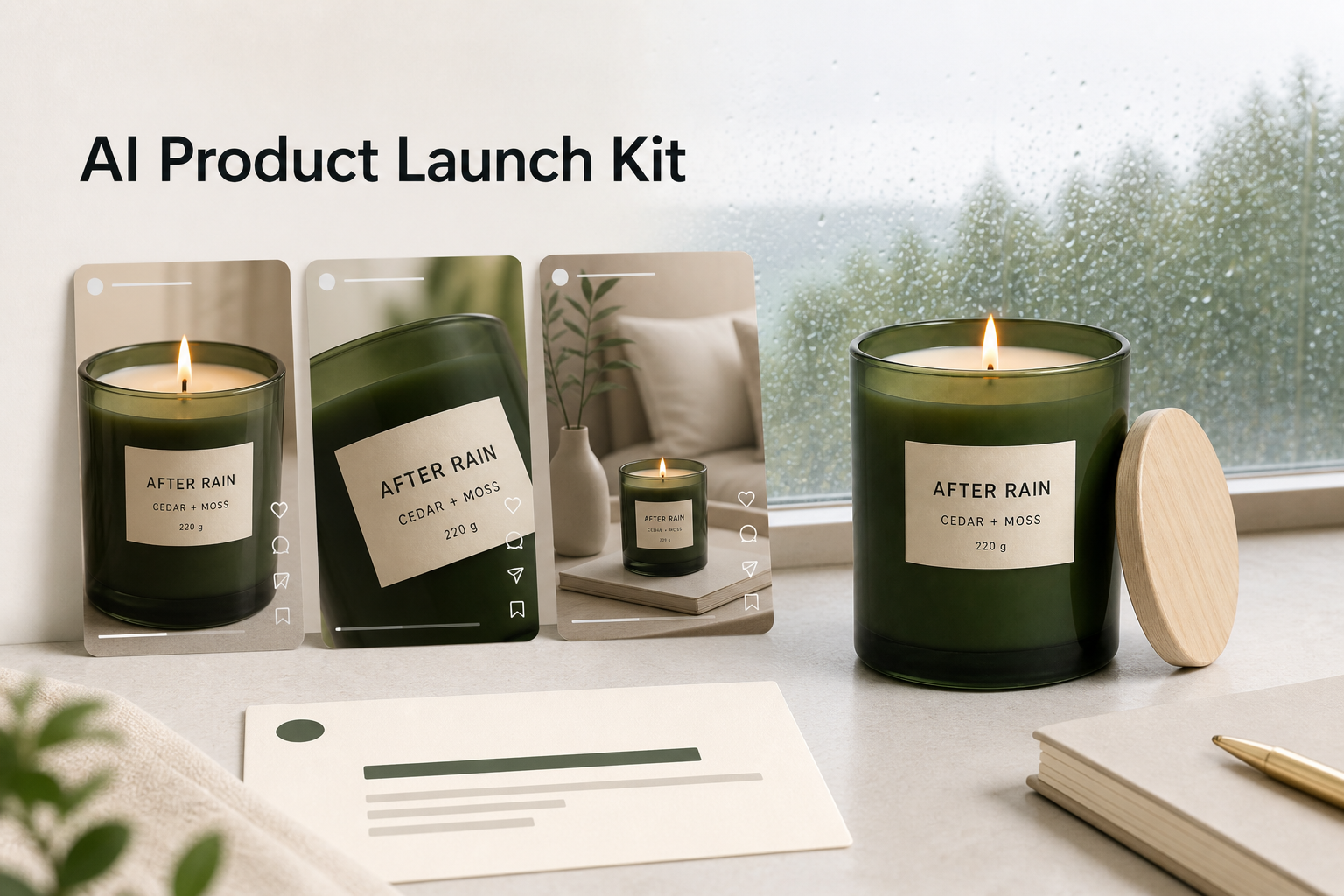
Create TikTok Ads From One Photo: An AI Product Launch Kit
Depop vs Poshmark: Which Is Better for Selling in 2026?

How to Create an Amazon Storefront: 4-Step Guide for New Sellers

How to Sell Books on Amazon in 2026: Beginner Guide

How to Sell on Amazon in 2026: A Complete Seller Guide

AI Product Photography: 7 Best Tools for Ecommerce in 2026

What Is a Hero Image? Definition, Examples & Design Tips

Pippit AI Review 2026: Features, Pricing, Pros & Cons
Back to School Ad: 7 Creative Ideas for Better Campaign Results

Top 7 Back-to-School Sales Ideas to Boost Retail Sales (2026)
How to Create a Complete World Cup Product Listing Image Set

How to Create Amazon Summer Sale Posters and Banners with AI
Amazon Summer Sale 2026: Listing Design Trends & Product Image Ideas
Ecommerce Video Ads: 7 Strategies That Drive Higher Conversions
How to Photograph Shoes for Your Ecommerce Store in 2026

Product Photography Ideas: Creative Tips & Techniques for Better Shots

Product Photography Pricing 2026: Full Cost Guide by Type
White Background Product Photography Guide & Tips 2026
Product Photography Starter Package: Gear Checklist 2026

Shopify Product Photography Guide with Tips & Setup

Amazon Main Image Requirements: Size, Guidelines & Tips

Shopify Image Size 2026: Complete Guide and Tips for Better Product Display

Studio Product Photography vs AI Product Photography in 2026

7 Product Photography Mistakes That Hurt Ecommerce Sales
Change Outfit Colors Online for Outfit Preview with AI Clothes Color Changer

How to Create Amazon Infographics: Boost Sales with Compelling Visuals
How to Create Outdoor Product Scenes Without a Photoshoot Using AI

Optimize Etsy Images for Mobile: Listing Photos That Convert

Amazon 7-Image Listing Strategy: Boost Sales by Optimizing Every Image
Etsy Thumbnail Optimization: Keep Your Product Fully Visible

The Etsy Thumbnail Formula That Drives More Clicks and Sales

How to Create Pro Amazon Listing Photos Without a Studio

10 High-Converting Lifestyle Product Images for Amazon Listings

How to Automate Your E-commerce Visuals with OpenClaw Workflow

Top 5 AI Tools to Generate Amazon Product Listing Images in 2026

How to Turn One Photo into 10 Etsy Listing Images Fast: Batch Workflow
Etsy Listing Photo Size Guide (2026): Mobile, Desktop & Shop View Specs
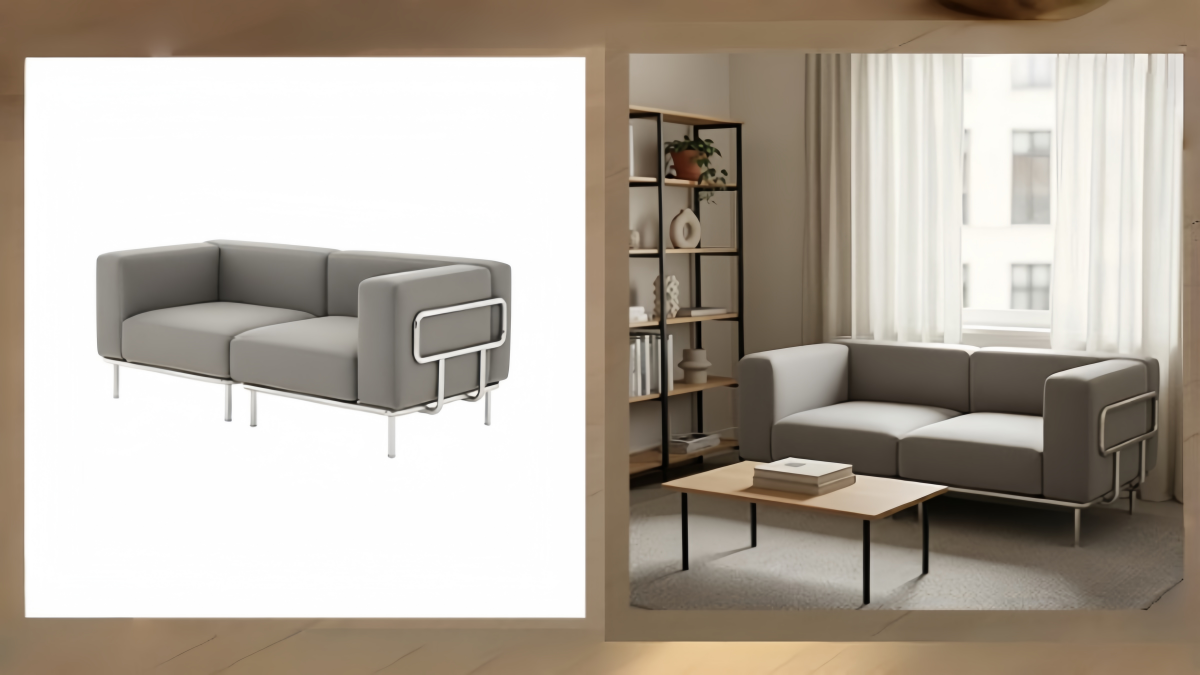
Turn White Background Images into Lifestyle Amazon Listings

Fix Etsy Image Cropping: Optimize Listing Photos for Every Device

Amazon Listing Images: Essential Shot List & Optimization Guide

How to Create Lifestyle Product Images Without a Studio

Lifestyle Product Photography Trends 2026: Authentic Looks at Scale

How to Master Lifestyle Product Photography in 2026

Amazon Listing Images Guide 2026: 7-Slot Strategy & Requirements
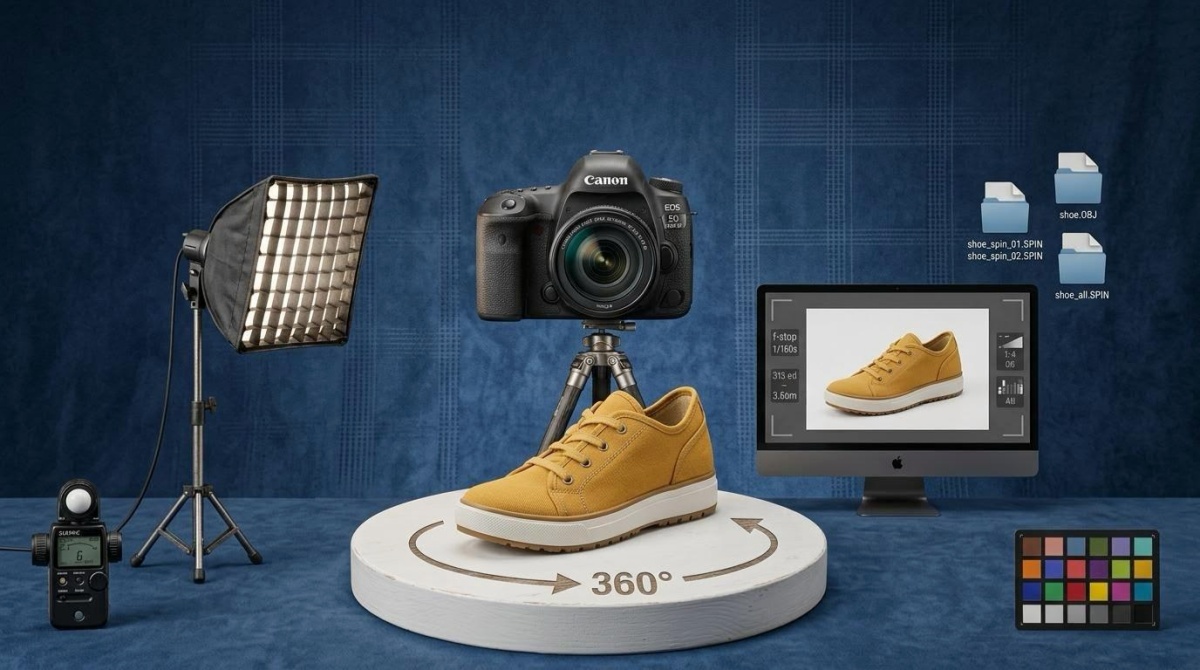
360 Product Photography Guide 2026: Setup, Shoot and Workflow
Beginner's Guide to Generate Product Photos from Different Angles
AI Product Photography: Create Ecommerce Images Without a Photoshoot

How to Create Realistic AI Product Photos: Step-by-Step Pro Guide
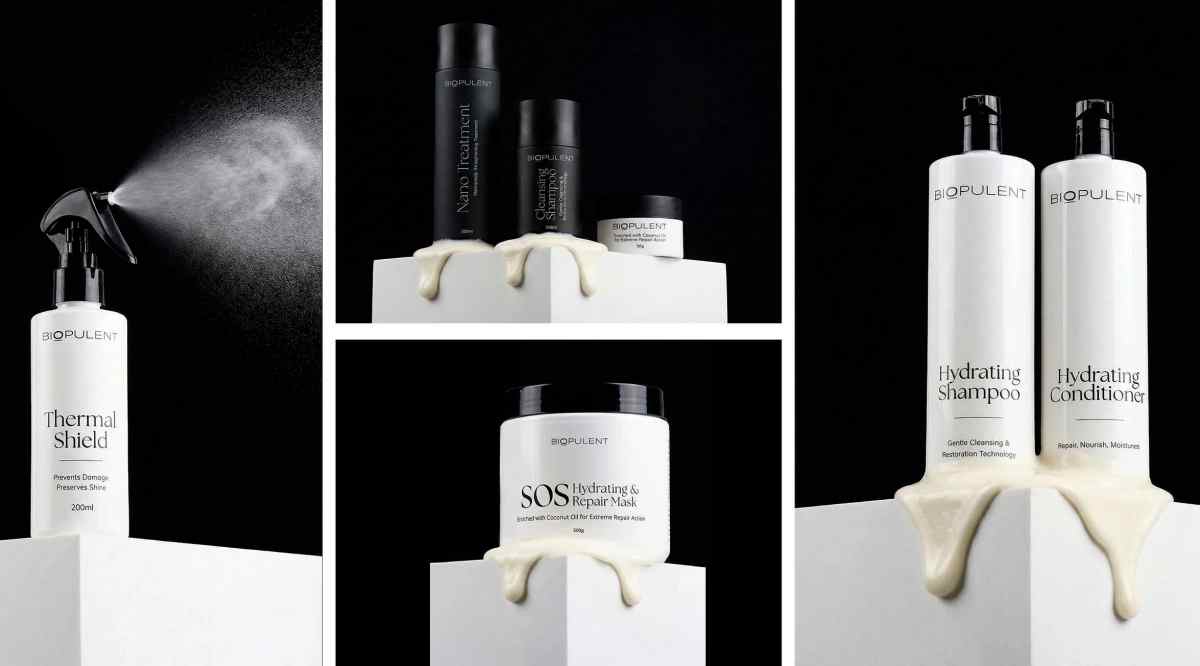
Keep AI Product Images Consistent Across SKUs: Lighting, Color, Background

How to Scale E-commerce with a Product Image Generator
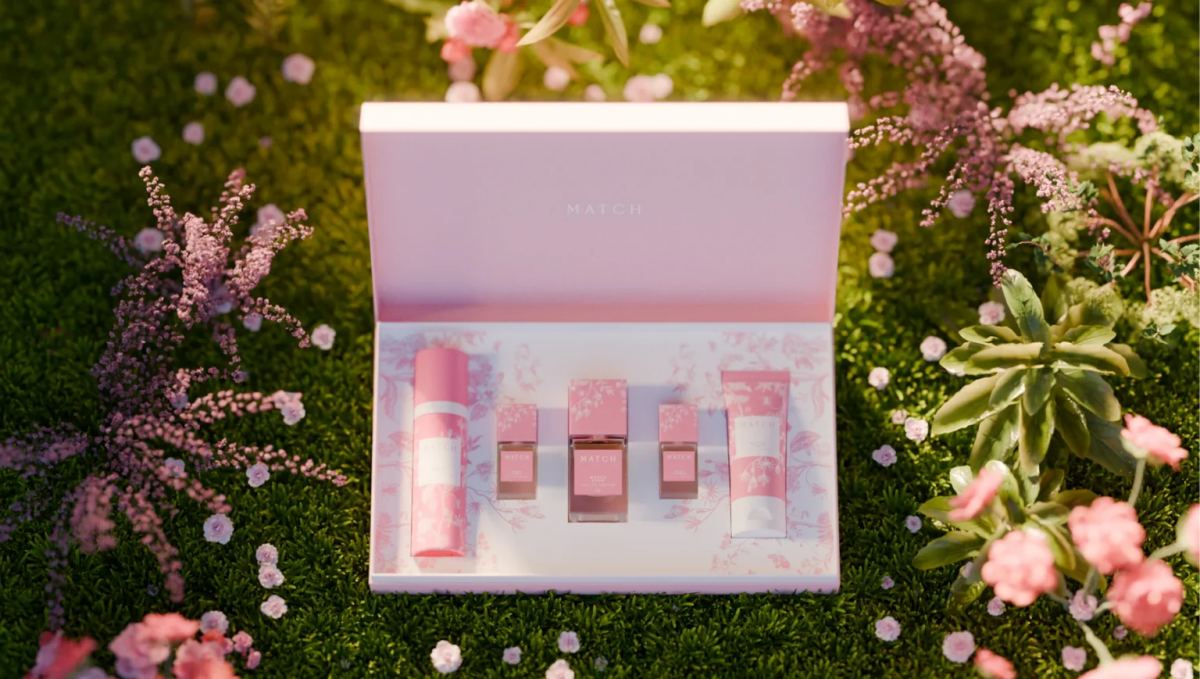
How to Use AI for Spring Product Photography: 2026 Amazon Guide
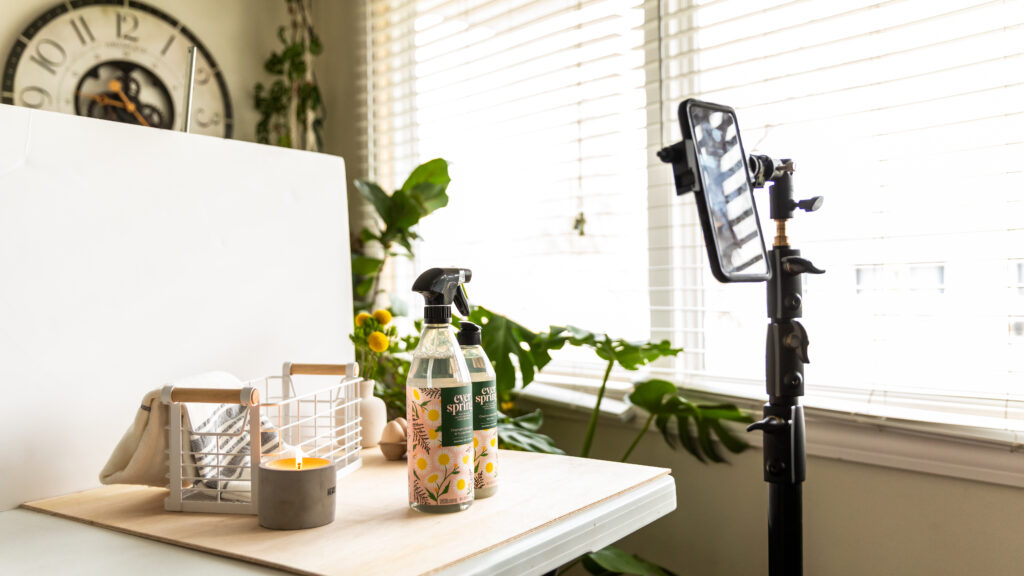
How to Create a Budget Home Product Photography Setup with AI

How to Achieve Professional Product Photography Standards in 2026

How to Take Product Photos with Phone: Pro Guide for Amazon & AI

6 Best AI Product Image Generators in 2026
Amazon Photography Service vs. AI Generator: Best Choice for Sales
What Is Product Photography? Angles, Lighting & Editing Guide
Amazon Spring Sale 2026: Create High-Converting Listing Images (Guide)

AI Agents Transform Amazon Product Photography in 2026
Amazon Photoshoot in 2026: Do You Still Need a Studio?
11 Must-Have Tools for Amazon Product Photography in 2026

2026 Amazon Image Trends Shaping Seller Success and Conversions
Amazon Product Photography Requirements & Best Practices 2026
Make every product image ready to sell
Designkit is an all-in-one AI platform for ecommerce visuals. Create product photos, AI videos, virtual try-ons, and Amazon listing images in seconds. Generate HD backgrounds, batch edit photos, and scale your brand with studio-quality content.