
Shopify vs Amazon: Should You Build a Brand or Sell on Amazon?
Brand store or Amazon marketplace? Compare Shopify vs Amazon, then generate channel-ready product images free.

Choosing between Shopify vs Amazon is one of the first channel decisions many ecommerce sellers make. Shopify is a platform for building your own online store. Amazon is a marketplace where you list products in front of shoppers already browsing Amazon, often with optional Fulfillment by Amazon (FBA).
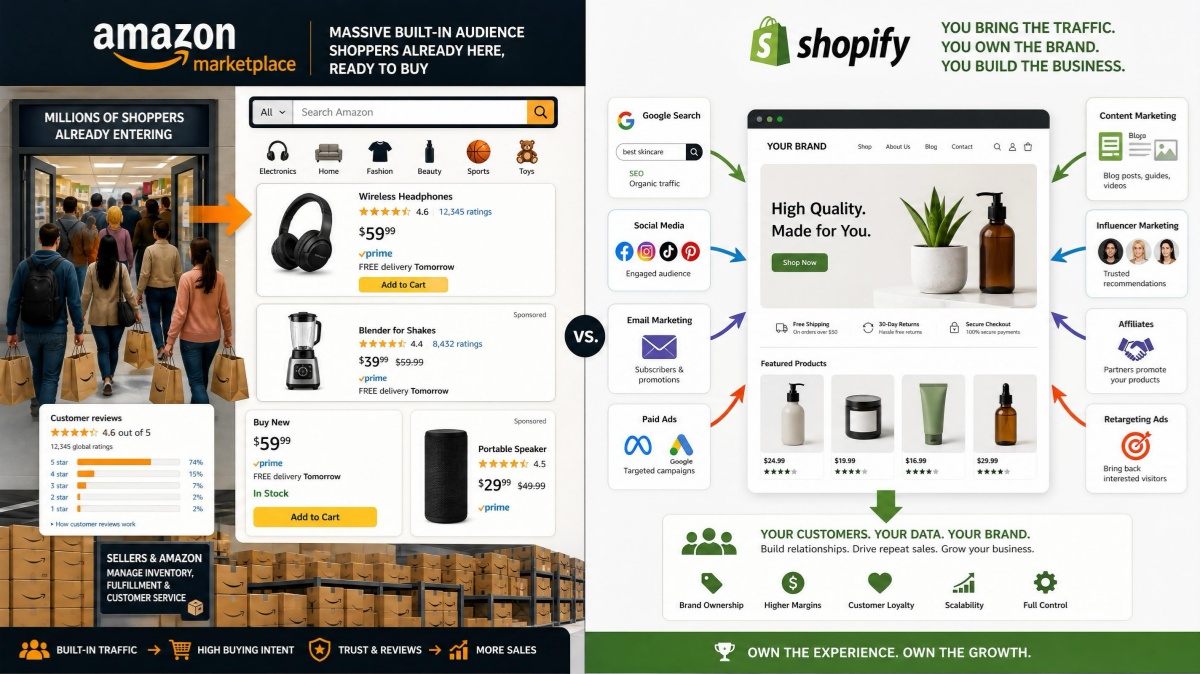
The real split is brand store vs marketplace traffic. Shopify favors brand control, packaging, and owned customer relationships, but you must acquire visitors. Amazon favors discovery and volume, especially with FBA and Prime expectations, in exchange for referral fees, on-page competition, and less control of the customer relationship.
This guide compares models, fees on a sample $100 sale, traffic and branding, Shopify vs Amazon FBA operations, and when sellers use both. Fee figures are U.S.-oriented illustrations. Always verify current rates on Shopify Pricing and Amazon selling pricing before you launch.
Quick Verdict: Shopify vs Amazon
Start with the differences that change contribution margin and growth path.
| Feature | Shopify | Amazon (often with FBA) |
|---|---|---|
| Business model | Independent online store (DTC) | Online marketplace listings |
| Traffic | You generate traffic (SEO, ads, social, email) | Built-in marketplace demand |
| Branding | Full control over site and checkout experience | Limited branding inside Amazon’s template |
| Customer relationship | You own relationships within platform policies | Amazon manages most of the relationship |
| Fulfillment | Self, 3PL, or partners; packaging control | FBA (Prime path) or FBM |
| Pricing structure | Monthly plan + payment processing | Referral fees + selling plan + optional FBA/ads |
| Best for | Brand building and retention / LTV | Fast validation and marketplace volume |
Choose Shopify if you sell unique or premium products, want control over pricing and promotions, can invest in SEO/content/ads, and care about email/SMS lists and repeat purchase.
Choose Amazon if you want marketplace demand quickly, sell products with broad appeal, prefer FBA outsourcing, and can compete on reviews, price, and delivery speed.
Use both if Amazon handles discovery and early volume while Shopify builds the branded experience and retention. Sync inventory and run channel-specific creative and pricing.
Who is Shopify best for?
DTC founders, lifestyle and premium categories, subscription or high-repeat products, and teams that can run acquisition creatively enough to feed a store.

Who is Amazon (FBA) best for?
Sellers validating demand, standardized catalogs that win on Amazon search, and small teams that want Prime-speed logistics without building a full warehouse stack on day one.
How Do Shopify and Amazon Work for Sellers?
What is Shopify?
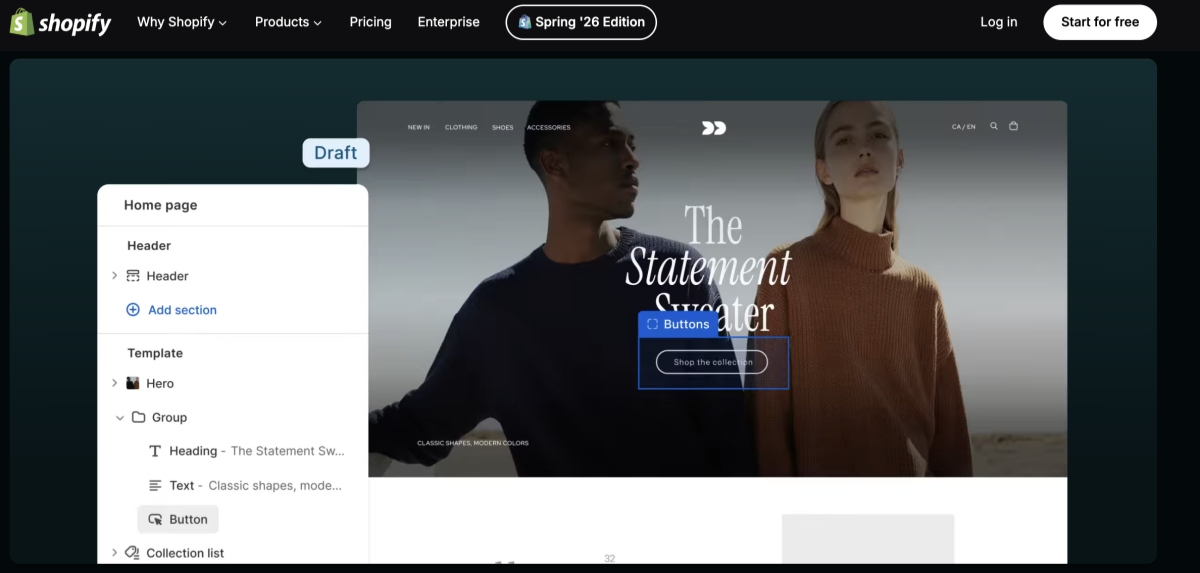
Shopify hosts your ecommerce storefront: product pages, checkout, payments, inventory, marketing integrations, analytics, and apps. You own the storefront asset and domain experience. Shopify does not automatically send Amazon-scale purchase intent to a new store. Most merchants rely on SEO, paid ads, social, influencers, or email for consistent sales.
What does selling on Amazon mean?
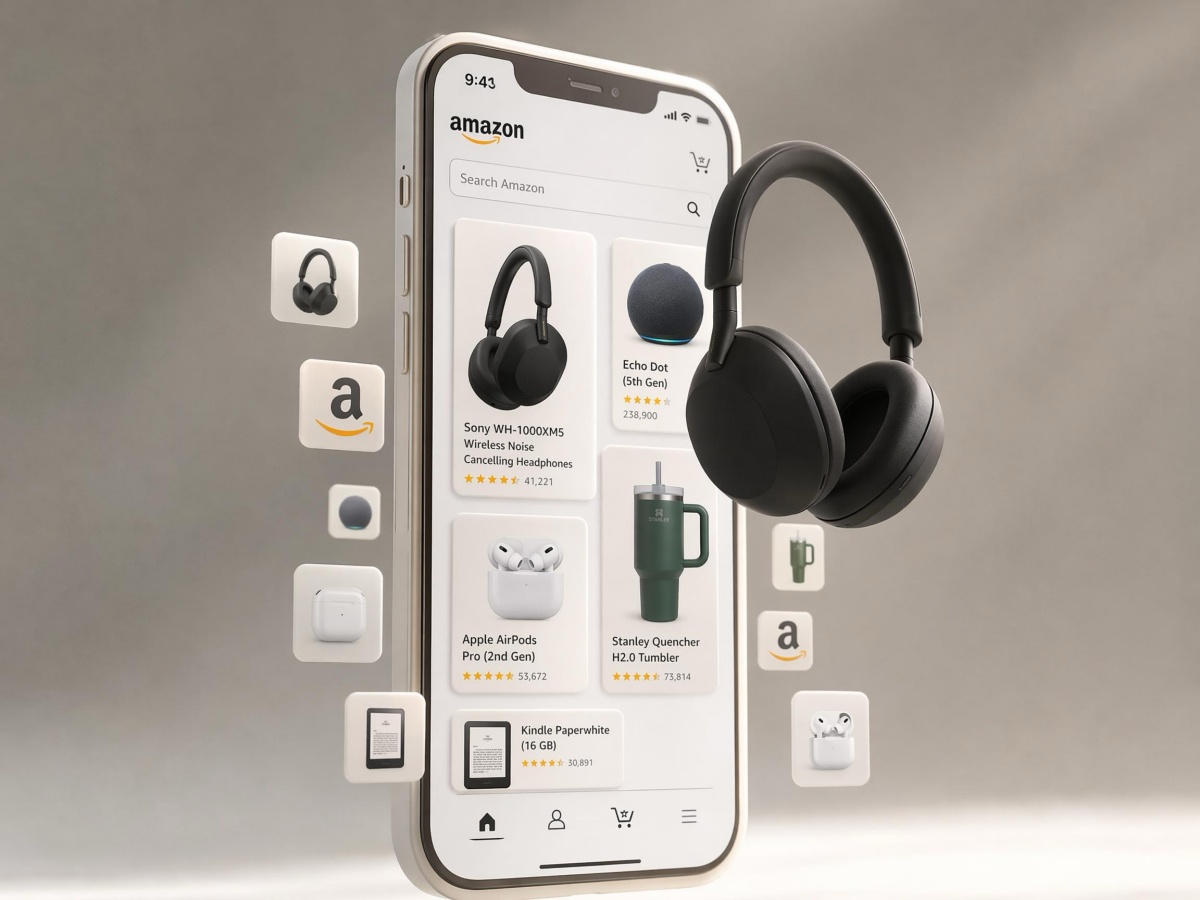
You list inside Amazon’s marketplace. Shoppers discover products through Amazon search, browse, and sponsored placements, then compare price, reviews, delivery speed, images, and product facts on a standardized page.
- FBA: Amazon stores inventory, ships orders, handles many fulfillment-related issues, and can support Prime benefits for eligible offers.
- FBM: You store inventory and ship while still listing on Amazon.
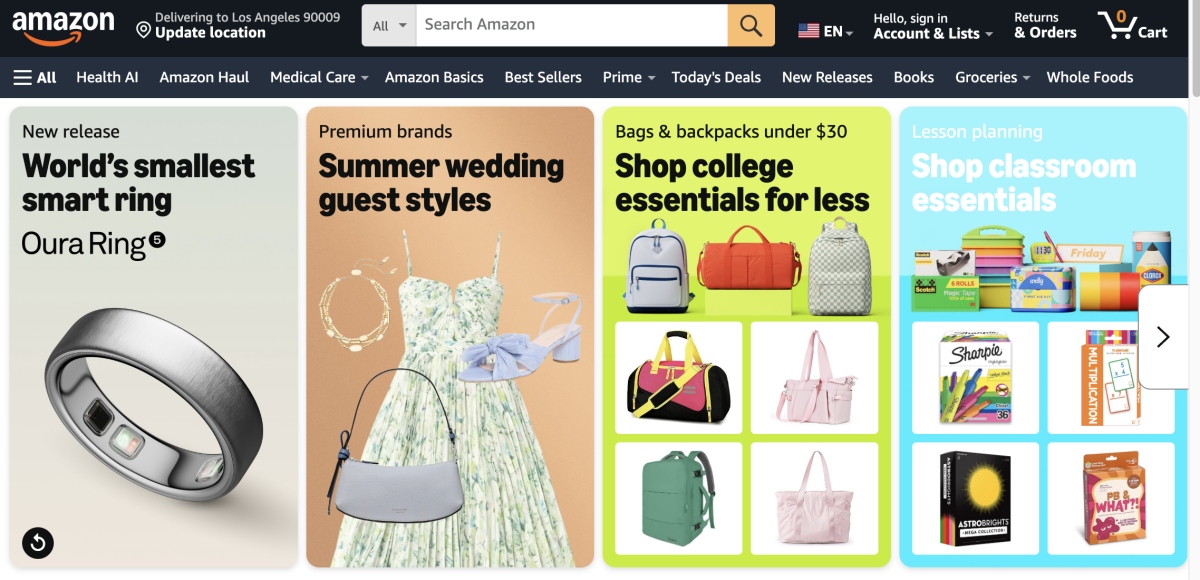
Eligible brands can use Brand Registry, A+ Content, and Amazon Stores, but the shopping frame remains Amazon’s. Referral fees, fulfillment costs, and optional ads are separate expense lines.
Shopify vs Amazon at a glance
| If your priority is… | Better fit |
|---|---|
| Building a long-term brand | Shopify |
| Reaching shoppers quickly | Amazon |
| Owning customer relationships | Shopify |
| Prime shipping leverage | Amazon FBA |
| Testing product demand | Amazon |
| Repeat customer marketing | Shopify |
| Selling across multiple channels | Both |
What Does It Cost: Shopify vs Amazon Fees?
Platform fees are only part of total cost. Profitability also depends on advertising, fulfillment, returns, storage, and customer acquisition cost (CAC).
Shopify fee stack
- Monthly (or yearly) subscription plan
- Payment processing (Shopify Payments or third-party)
- Optional apps, themes, and freelancers
- Marketing and advertising (often larger than the subscription)
- 3PL or shipping if outsourced
For U.S. merchants on Shopify Payments, online card rates vary by plan; higher tiers usually mean lower processing rates. Source: Shopify Pricing.
Amazon fee stack
- Individual ($0.99/item) or Professional ($39.99/month) selling plan
- Category-based referral fees
- FBA fulfillment and storage fees if used
- Sponsored Products and related ads
- Returns, removals, and long-term storage where applicable
Referral percentages vary by category. Use Amazon’s Revenue Calculator for ASIN-level FBA estimates. Source: sell.amazon.com/pricing.

Example: what a $100 sale can look like
Assumptions: $100 item, U.S. seller, no ads, no returns. Shopify processing assumes Shopify Payments at 2.9% + $0.30. Amazon referral assumes a 15% category example. Illustrative only.
| Channel | Estimated platform cut on $100 | Notes |
|---|---|---|
| Shopify (payments only) | About $3.20 | 2.9% + $0.30. Monthly plan is extra and should be amortized across monthly orders. |
| Amazon (referral only) | About $15.00 | 15% example referral. Professional plan and FBA fees are additional when used. |
| Amazon + FBA | Often materially higher than $15 | Add pick/pack/weight and storage from Amazon’s calculator for your dimensions. |
Shopify’s direct take can look lower before ads. Amazon’s higher take buys marketplace demand and optional Prime logistics. Ask which channel produces sustainable contribution margin after CAC, FBA, PPC, and returns.
Hidden costs sellers overlook
- Shopify: CAC (ads, SEO, creators), CRO and photography work, app-stack creep, chargebacks, and fulfillment complexity.
- Amazon: Sponsored ads dependency, FBA storage peaks, return and removal fees, and constant price/review/delivery comparison on the results page.
Traffic, Branding, and Customer Ownership
Who brings the traffic?
Amazon shoppers already arrive with purchase intent. Your job is relevance, reviews, pricing, images, ads, and in-stock availability. A Shopify store starts with no built-in audience. You attract visitors through search, paid media, social, email, content, or influencers. That is the traffic-model vs brand-model core of Shopify vs Amazon FBA debates.
How much brand control do you get?
Shopify controls layout, storytelling, navigation, checkout offers, loyalty flows, and visual identity. That matters in fashion, beauty, jewelry, home décor, and other lifestyle categories. Amazon offers Brand Registry, A+ Content, and Stores for eligible brands, but shoppers still compare nearby offers inside Amazon’s standardized page. If story and experience close the sale, Shopify fits better. If speed, price, and reviews close it, Amazon often wins.
Who owns the customer relationship?
On Shopify, you can build first-party relationships for email, launches, retention, and loyalty (within privacy and platform rules), which supports LTV. On Amazon, repeat purchase often stays inside Amazon. Many brands treat Amazon as acquisition and Shopify as the owned retention engine.
Shopify vs Amazon FBA: Fulfillment and Operations
How fulfillment works on Shopify
Shopify does not mandate one fulfillment method. Sellers use self-fulfillment, 3PL, dropshipping, or print-on-demand. Advantages: packaging control, custom inserts, flexible ops. Challenges: more logistics ownership and shipping speed that depends on your setup.
What is Amazon FBA vs FBM?
With FBA, Amazon handles storage, picking, packing, shipping, and many fulfillment-related service issues. Eligible products can receive Prime benefits that lift conversion. You pay fulfillment and storage fees. FBM keeps fulfillment in-house while you still list on Amazon and must hit performance metrics.
When does FBA beat a Shopify ops model?
FBA often fits standardized, fast-turn, easy-to-ship SKUs when margins can absorb fees (for example many household goods, accessories, or beauty staples). Shopify ops often fit custom or personalized orders, premium unboxing, subscriptions, and handmade or fragile goods that need packaging as part of the product.
Can you use Shopify and Amazon together?
Yes. A common hybrid split:
| Channel | Main purpose |
|---|---|
| Amazon | Discovery, demand tests, volume |
| Shopify | Brand storytelling, bundles, email, retention |
Running both requires inventory sync, channel-specific pricing, separate listing creative, and different customer expectations. Amazon images need to read in a search grid; Shopify images support brand narrative. Related reading: Shopify vs Etsy, Selling on Amazon vs eBay, Amazon Handmade vs Etsy.
Which Should You Choose?
Evaluate three factors: how customers will find you, how much experience control you need, and whether margins clear platform-plus-ops costs.
Pros and cons: Shopify
Pros: Brand and checkout control; owned relationships; flexible fulfillment and packaging; often lower direct platform take per order before CAC.
Cons: No built-in marketplace demand; paid acquisition pressure; you own more conversion and logistics work unless outsourced.
Pros and cons: Amazon
Pros: Built-in demand; FBA logistics leverage; familiar checkout; useful for product validation.
Cons: Referral + FBA/ad stacks; limited storytelling; direct competitor comparison; weaker ownership of the buyer; policy and ranking dependency.
Start on Amazon, Shopify, or both?
- Start on Amazon when you need faster validation, the product fits marketplace comparison shopping, and FBA helps a small team scale shipping.
- Start on Shopify when storytelling, packaging, or retention is the business thesis and you already have a traffic plan or audience.
- Run both when Amazon funds acquisition and Shopify compounds brand and repeat purchase, and you can manage dual-channel ops.
Four questions before you commit
- How will you acquire customers if the store must create its own demand?
- Do margins still work after product cost, shipping, ads, platform fees, returns, and fulfillment?
- Is brand experience part of the product, or do buyers mainly optimize for price and convenience?
Are you building a long-term DTC asset, optimizing marketplace volume, or deliberately doing both?
Do Product Images Matter on Shopify and Amazon?
Yes, and the same shot list rarely wins on both channels. Amazon listings compete in a crowded grid; the main image must show what the product is immediately, with angles, scale, and allowed lifestyle or feature secondaries. Shopify images support lifestyle, brand color systems, campaign crops, and social-ready formats that explain why a customer should choose the brand.
How to create channel-ready images with Designkit
Once you know which SKUs belong on Shopify, Amazon, or both, matching visuals becomes the execution bottleneck. Designkit is an AI content tool for ecommerce product visuals. It helps produce channel-ready images. It does not choose your platform, run ads, or manage FBA.
- Upload a clear product photo. Use a sharp, true-to-color shot of the real item.
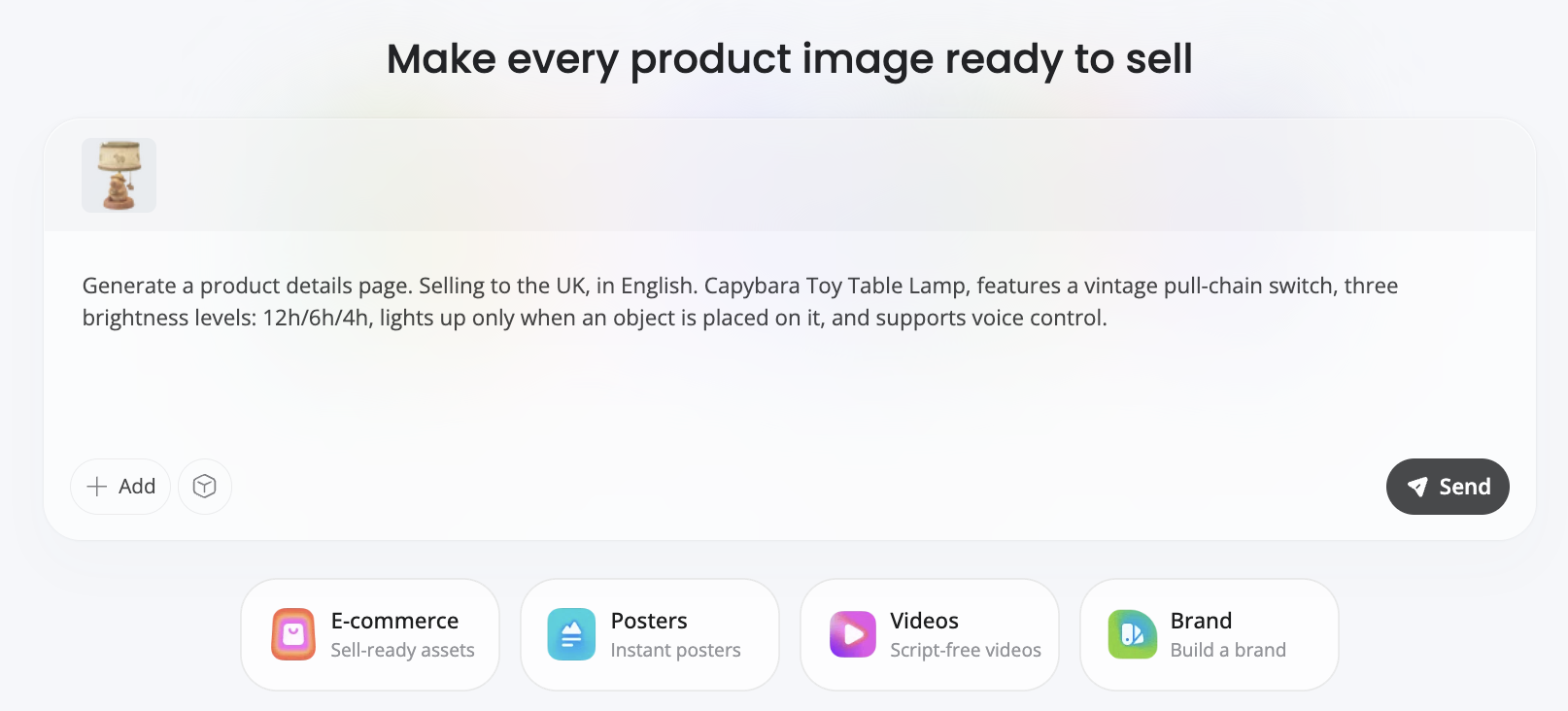
- Create an Amazon-ready main image. Generate a clean hero suitable for marketplace search results.
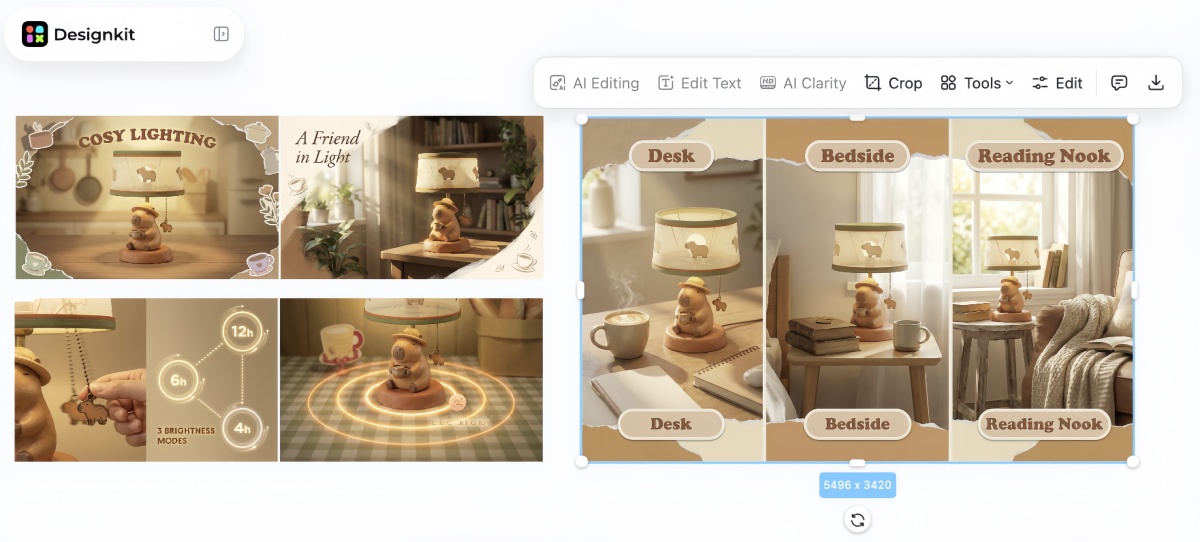
- Build Shopify and ad variants. Produce lifestyle and campaign frames for PDPs, collections, and paid creative.
- Export and test. Download consistent sizes, write copy that matches the photo, and iterate on conversion.

Create product images free on Designkit when you need faster storefront and listing photo tests.
Conclusion
Shopify vs Amazon is a business-model decision. Amazon provides marketplace demand and fulfillment leverage. Shopify provides brand control, owned relationships, and a DTC asset. For many sellers, Amazon works as discovery and volume while Shopify works as brand and retention.
Calculate real costs, decide how customers will find you, then match listing and storefront images to each channel. If you need faster product visuals after that decision, create product images with Designkit.
Frequently Asked Questions
Is Shopify better than Amazon for selling online?
Is Shopify or Amazon better for beginners?
Amazon can be faster when demand already exists inside Amazon search. Shopify fits beginners who already have an audience, marketing skill, or a strong brand concept. Many new sellers underestimate Shopify traffic work.
Shopify vs Amazon FBA: which is more profitable?
Neither is automatically more profitable. FBA can improve logistics efficiency but adds referral, fulfillment, ads, and competition costs. Shopify can look cheaper per order before CAC. Compare contribution margin after all costs.
How much does Shopify take from a $100 sale?
Shopify does not charge an Amazon-style referral fee. Using a common Shopify Payments example of 2.9% + $0.30, processing is about $3.20 on a $100 order, plus your monthly plan amortized across sales. Confirm live rates on Shopify Pricing.
How much does Amazon take from a $100 sale?
With a 15% referral example, about $15 before FBA, ads, or the Professional plan. Your category rate may differ. Use Amazon’s pricing page and Revenue Calculator for ASIN-specific estimates.
Does Shopify charge a monthly fee?
Yes. Shopify uses subscription plans, and processing fees apply per order depending on payment setup. Treat the subscription as an operating cost, not only a per-SKU fee.
What are the disadvantages of Shopify?
No built-in marketplace traffic, heavy reliance on acquisition, more responsibility for site conversion, and added marketing/tech tool costs.
What are the disadvantages of selling on Amazon?
Marketplace competition, referral and fulfillment fees, limited control over customer relationships, and dependence on Amazon policies and ranking systems.
Can I sell on both Shopify and Amazon?
Yes. Many brands use Amazon for reach and Shopify for brand and retention. Manage inventory, channel pricing, content, and expectations separately.
Do I need FBA to sell on Amazon?
No. You can fulfill as merchant (FBM). FBA is optional when you want Amazon to handle storage, shipping, and eligible Prime fulfillment.
You May Also Like

10 Best Online Selling Platforms (2026): Pick by What You Sell
Amazon Handmade vs Etsy (2026): Which Is Better for Makers?
Selling on Amazon vs eBay (2026): Fees, Profit & Where to Sell
Etsy vs eBay (2026): Handmade, Vintage, or Secondhand?
Shopify vs Etsy (2026): Which Is Better for Handmade Sellers?

How to Create Pro Amazon Listing Photos Without a Studio

Top 5 AI Tools to Generate Amazon Product Listing Images in 2026

How to Take Product Photos with Phone: Pro Guide for Amazon & AI
Amazon 7-Image Listing Strategy: Boost Sales by Optimizing Every Image
Create Product Images for Shopify and Amazon
Match visuals to each channel: lifestyle for Shopify, clean heroes for Amazon. Generate both from one product photo with Designkit.