

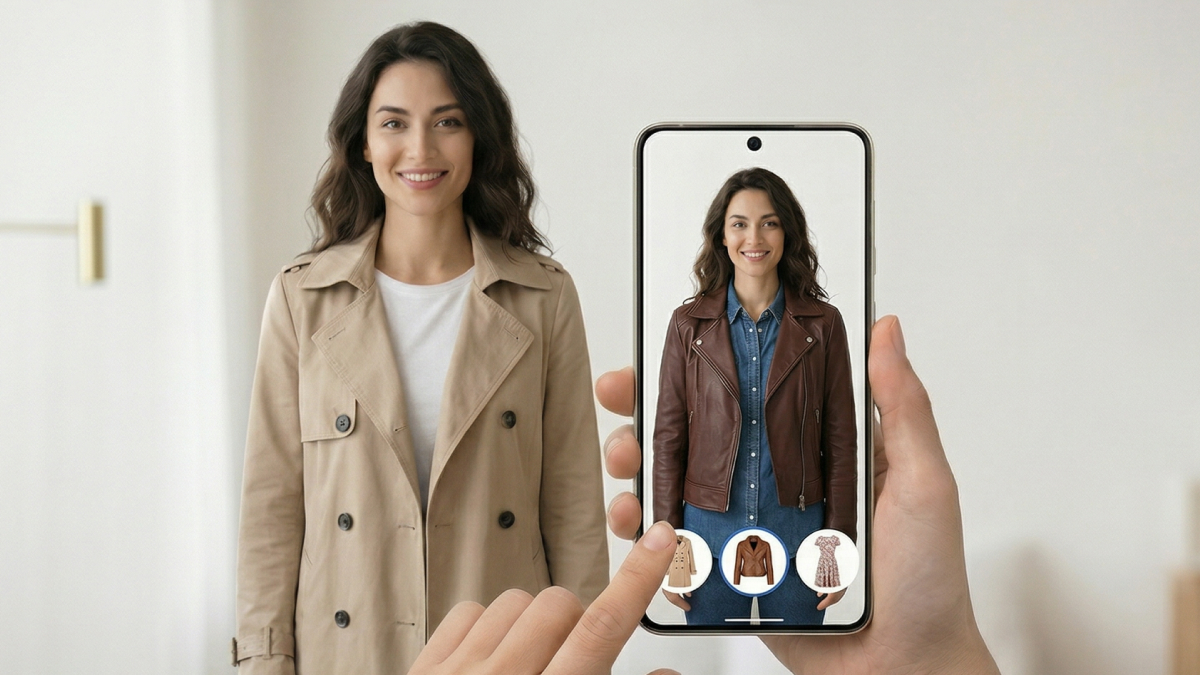
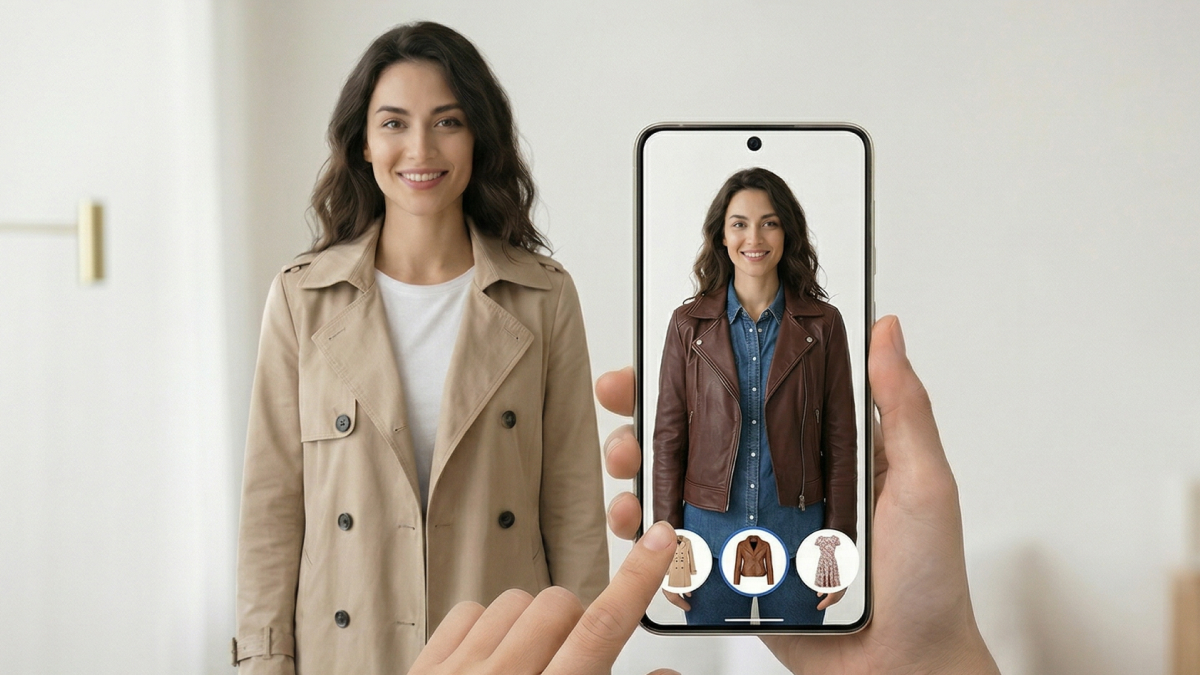
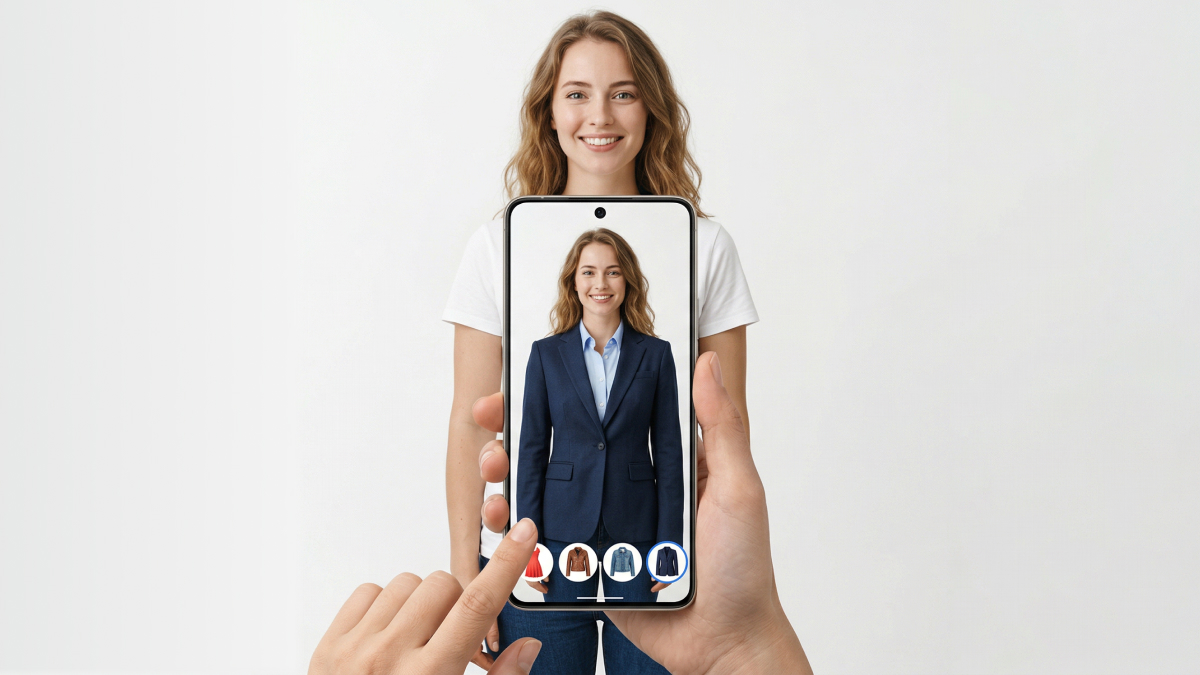
The change in fashion retail is growing very fast due to modern innovations. In 2026, more online shoppers will be offered a hassle-free, efficient experience by virtual try-on technology. This advanced digital solution helps brands bridge the gap between imagination and reality.
Yet, understanding the core technical stack allows businesses to make much smarter adoption decisions. Furthermore, the global virtual try-on technology market will likely reach $15 billion by 2026, according to Research and Markets. This forward-looking guide examines the latest trends shaping our future.
Part 1. How Virtual Try-On Technology Actually Works
Modern virtual try-on technology combines multiple AI layers working together for realistic outputs. Each layer processes data differently, contributing to the accuracy, realism, and responsiveness of the results. A recent Mordor Intelligence research shows that advanced AI-driven size prediction tools can help retailers trim return rates by 60%. Thus, take guidance from the core systems powering today’s AI-powered virtual try-on tools:
1.1. Computer Vision: Body Parsing/Pose Estimation
Computer vision allows software to identify key human body landmarks accurately. Systems use body pose estimation to map garments on shoulders, waists, and limbs. Popular technical frameworks like OpenPose and MediaPipe provide the foundation for this mapping. Moreover, sophisticated edge detection ensures that digital fabrics retain a natural, realistic drape. To clarify the process, these specific pillars support the foundation of modern body parsing:
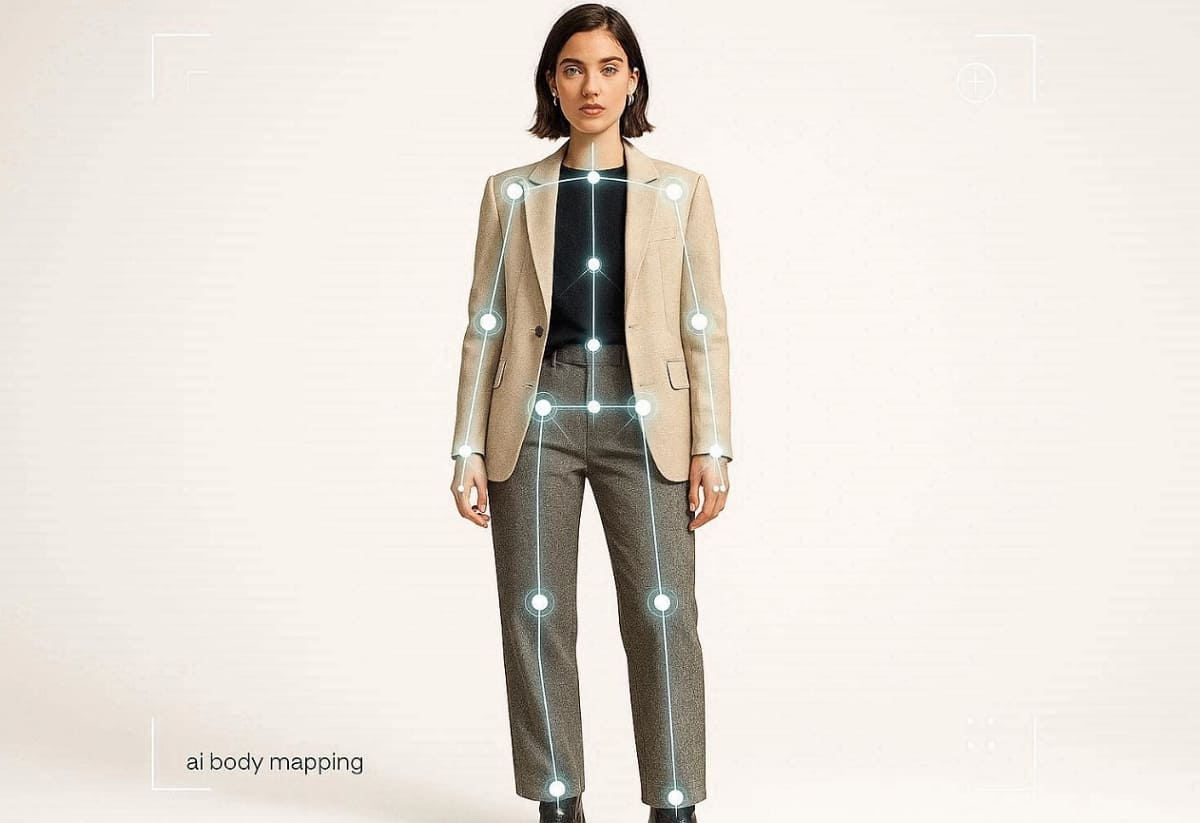
1. Landmark Mapping: Identifies specific joints to align clothing with every unique movement.
2. Surface Geometry: Analyzes the physical curves of a user to predict fabric behavior.
3. Boundary Refinement: Uses pixels to keep garment edges sharp against any background image.
1.2. Generative Models & Diffusion Models
Generative models power the visual realism behind clothing overlays and transformations. Before comparing approaches, here is a quick overview of how these models differ:
|
Approach |
Strength |
Limitation |
|---|---|---|
|
GANs |
Fast generation with decent realism. |
Struggles with fine texture and lighting consistency. |
|
Diffusion Models |
Highly photorealistic outputs with strong detail preservation. |
Slower processing compared to GAN-based systems. |
You can now explore how these models improve AI image generation quality through the following core techniques:
1. GAN-Based Image Synthesis: Generative models like GANs create visuals using competing networks that improve realism progressively.
2. Diffusion Model Rendering: Diffusion models refine images gradually to produce better texture and even lighting.
3. AI Image Generation Quality: AI image generation now preserves shadows and textures more accurately than earlier systems.
4. Quality vs Speed Trade-Off: Generative models prioritize speed, while diffusion models prioritize photorealistic output quality.
5. Adaptive Learning from Data: Both generative models and diffusion models continuously improve using diverse fashion training datasets.
1.3. AR & 3D Rendering: The Visual Layer
An AR virtual try-on overlays garments directly onto a live camera feed, enabling real-time interaction on mobile devices. Moreover, advanced 3D rendering uses rigged models and textured meshes to replicate realistic fabric behavior, including movement, folds, and draping. This process relies on powerful GPU acceleration and edge computing to deliver smooth, low-latency performance. As a result, users can view highly responsive and lifelike outfit previews almost instantly.
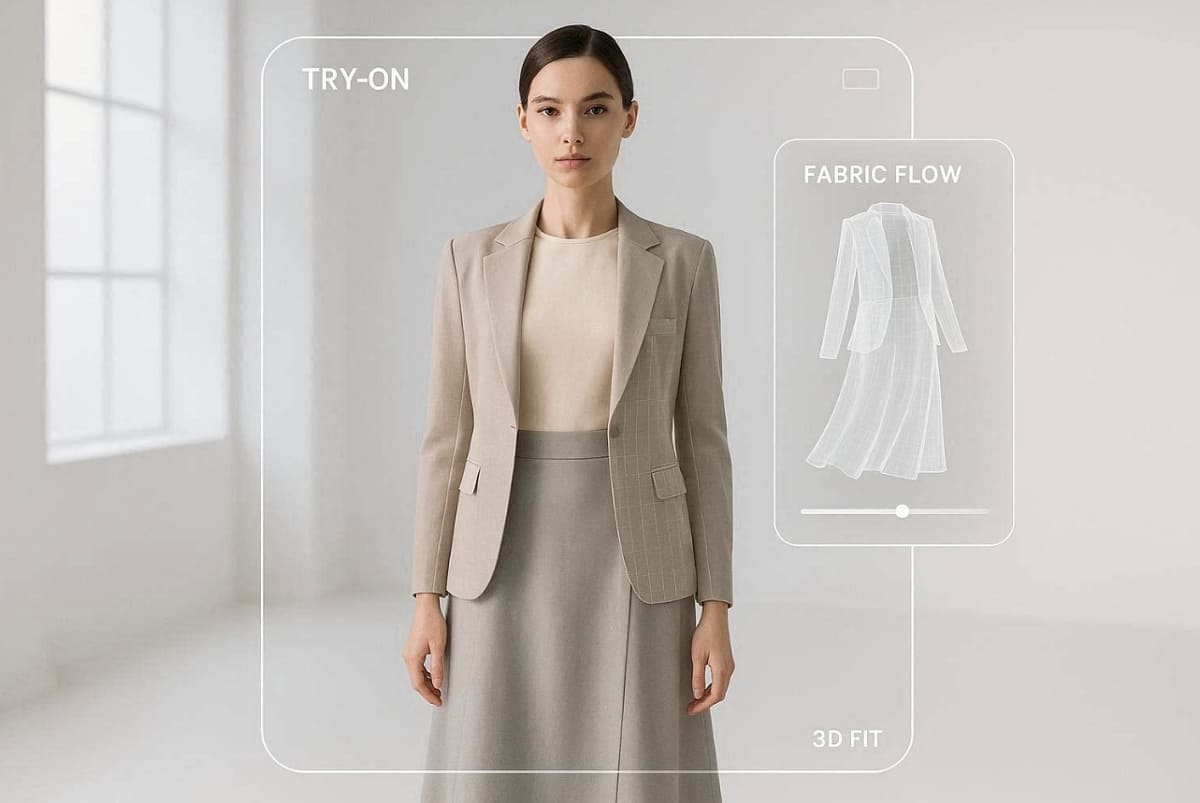
We can now see how modern platforms apply these technical standards in real-world implementations:
● Platforms like Designkit apply edge-detection and object-retention algorithms for high-fidelity results. These systems deliver professional-quality fashion visuals in under 15 seconds. Such benchmarks show how far real-time processing has come within the modern industry.
● AR systems use real-time body tracking to anchor garments accurately on the user’s live camera feed, ensuring stable alignment during movement.
● Edge computing processes data closer to the user, reducing latency and enabling faster, real-time visual output on mobile devices.
● 3D garment simulation relies on rigged digital models and textured meshes that replicate fabric stretch, folds, and natural draping behavior.
● GPU acceleration handles complex rendering tasks instantly, enabling smooth frame rates and responsive visual updates during try-on sessions.
● Lighting and shadow simulation further refine the visual layer by matching garments with real-world environmental conditions for better consistency.
Part 2. Virtual Try-On Trends Defining 2026
Technology has finally matured to offer impressive speed and deep personalization for all users. We observe a significant focus on channel expansion across the global fashion market. These emerging virtual try-on news updates highlight a major shift in consumer shopping habits. Thus, the following shifts represent the biggest advancements visible throughout the year 2026:
2.1. Real-Time Processing Goes Mainstream
Latency has dropped dramatically, as what used to take minutes now takes mere seconds. Along with that, widespread 5G adoption and edge computing make real-time try-on viable at a massive scale. Therefore, this change reflects a shift in total consumer expectations rather than just a tech upgrade.
Hence, shoppers now demand an instant and seamless mobile shopping experience on their personal devices. According to Onix Systems analysis, retailers implementing digital fitting solutions report an average 30% increase in sales conversions. Plus, the transition toward high-speed generation is clearly defined by these specific production benchmarks:
1. Instant Feedback: Low-latency AI lets users see clothing changes without annoying delays.
2. Edge Efficiency: Processing data closer to the user ensures a much smoother visual performance.
3. Production Speed: Platforms like Designkit demonstrate instant processing to generate outputs within 15 seconds consistently.
2.2. Social Commerce and Live Shopping Integration
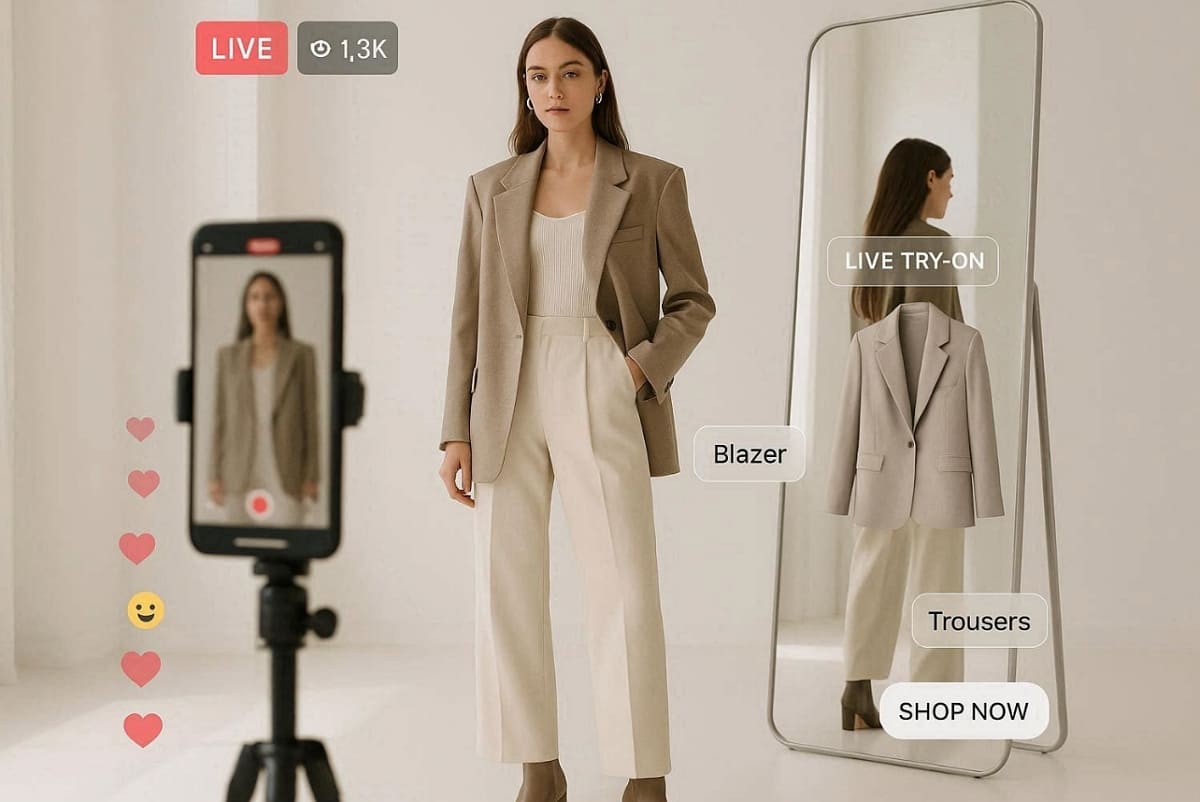
Apart from the above, digital fitting is moving beyond static product pages into TikTok and active Instagram feeds. The combination of social proof and instant previews creates a powerful and effective conversion loop. Alongside this, new formats like shoppable stories and influencer-led fitting are currently dominating virtual try-on social commerce. Brands use AR fashion to engage younger audiences during any interactive live shopping event.
2.3. Inclusive and Customizable Virtual Models
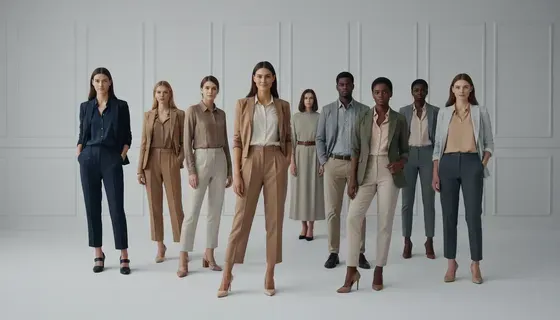
As retailers shift away from static mannequins, they now utilize highly customizable virtual models. The easy try-on experience is now offered in modern brands with different body types and skin tones. This focus on body-positive shopping is essential for building long-term brand trust and inclusivity.
In addition, using inclusive fashion tech ensures that every customer feels seen and represented during shopping. One Focal research report also finds that modern shoppers report a 45% boost in confidence when using digital fitting rooms. Thus, to ensure total representation, these platforms support a wide variety of customizable model attributes:
|
Attribute Type |
Range of Diversity |
Impact on Conversion |
|---|---|---|
|
Body Shape |
Full inclusive scales |
Increases buyer confidence |
|
Ethnic Origin |
Diverse skin tones |
Strengthens global brand trust |
|
Age Range |
Gen Z to seniors |
Broadens total market reach |
At this particular point, you can utilize Designkit, which supports custom virtual model generation across race, age, body type, and gender. This serves as a real-world example of inclusive try-on design in active professional use.
Part 3. Real-World Examples — How Leading Brands Use Virtual Try-On
Analyzing real industry examples strengthens topical authority and builds global reader trust. Today, both major corporations and smaller sellers actively use digital fitting solutions to improve performance. This section explores how diverse businesses apply modern e-commerce innovations to drive growth. It balances large enterprise implementations with practical strategies tailored for mid-market brand owners.
3.1 Amazon Virtual Try-On and Enterprise Platforms
The Amazon virtual try-on initiative currently covers shoes, eyewear, and various apparel categories. Users just need to tap a button to visualize products through their own mobile cameras. Furthermore, digital fashion genome technology helped brands increase revenue by 2% while reducing returns, according to Mordor Intelligence. The following table summarizes how major global retailers apply these digital fitting solutions:
|
Retailer Name |
Primary Category |
Core Technology Used |
|---|---|---|
|
Amazon |
Shoes and eyewear |
Real-time AR overlays |
|
Walmart |
Ready-to-wear |
Personalized model mapping |
|
Zalando |
Premium apparel |
3D garment simulation |
3.2. How Mid-Market Sellers Use AI-Powered Virtual Try-On Tools to Cut Costs
Smaller brands use AI-powered virtual try-on tools to eliminate the costs of a photography studio. This practical approach significantly reduces the need for hiring professional human fashion models. Along with that, faster time-to-market allows sellers to test various trends without high financial risk.
Hence, implementing these smart seller solutions ensures a much higher e-commerce ROI for brands. According to a Mordor Intelligence report, product return handling can account for 17% of total prime costs for fashion retailers. Plus, mid-market leaders often prioritize these specific benefits when adopting new digital fitting tools:
1. Studio Independence: Generate high-quality imagery without renting any physical space or equipment.
2. Rapid Scaling: Swap garments across hundreds of different virtual models in mere minutes.
3. Dynamic Testing: You can also run multi-variant product shots to see which styles convert the most.
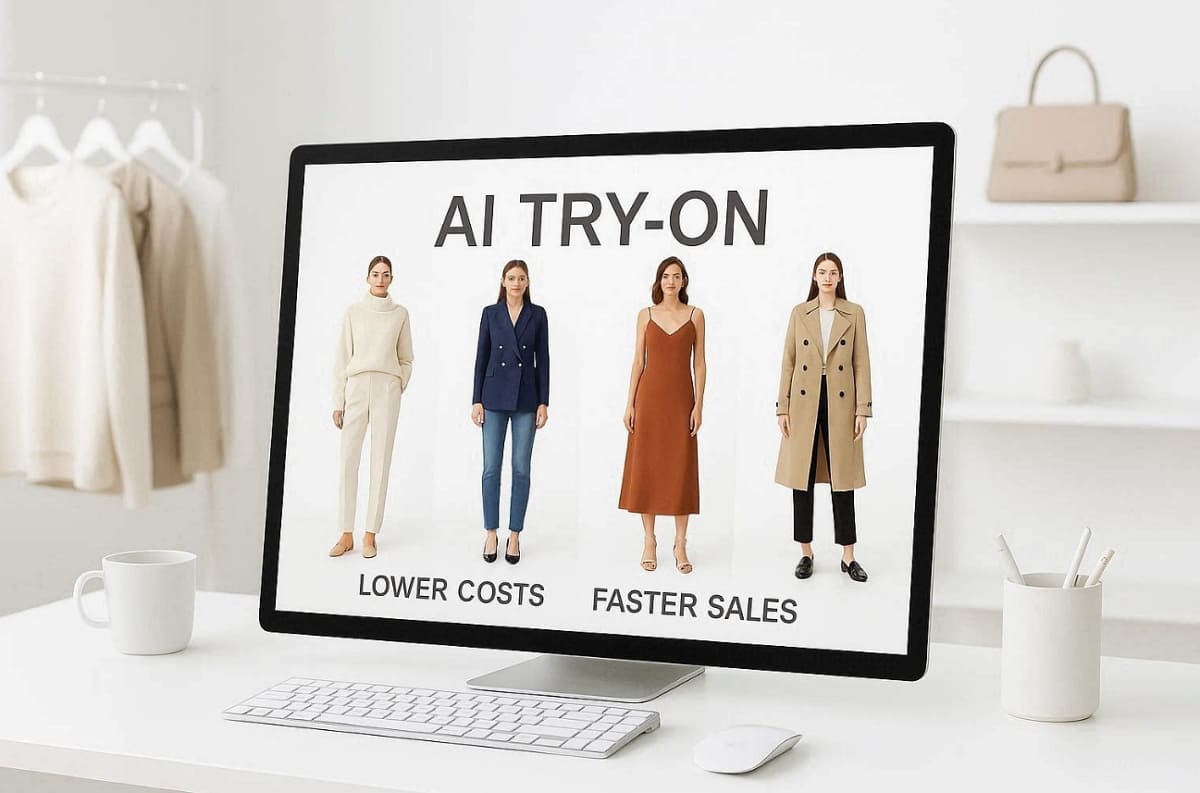
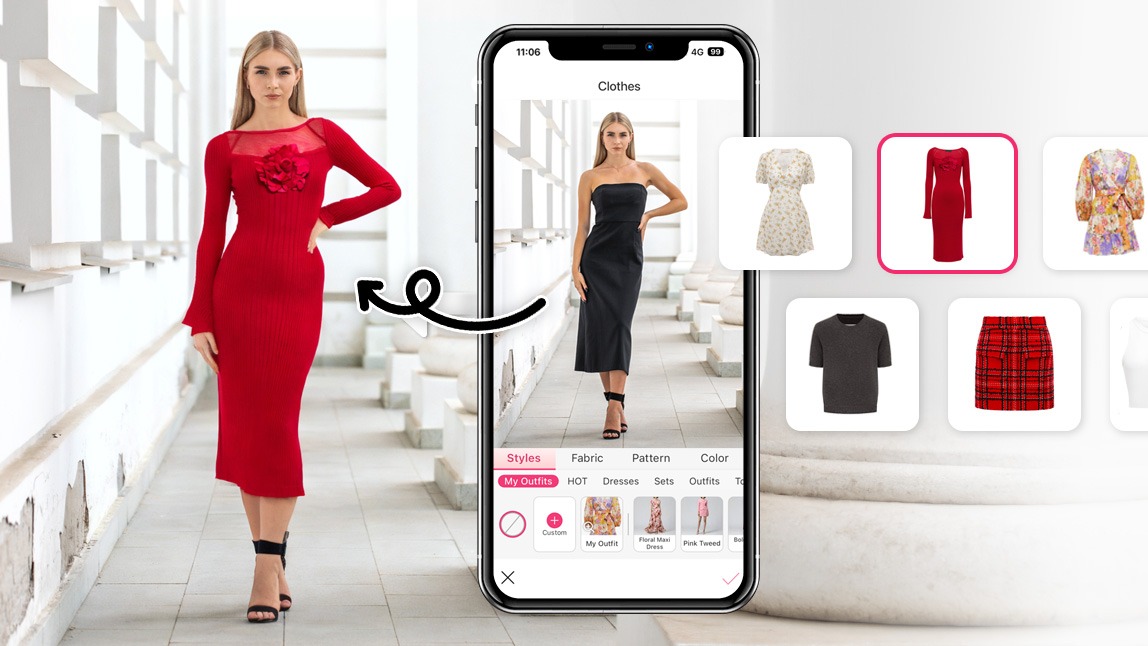
In addition to this, Designkit serves as a powerful resource by offering a professional Virtual Try-On dashboard. Sellers can also leverage the AI Clothes Changer to update product visuals instantly. These features allow teams to swap garments at scale without hosting a single photoshoot. This serves as a natural reference for achieving high efficiency in modern retail.
Part 4. Honest Limitations — What Virtual Try-On Still Can't Do Well
Despite rapid progress, virtual try-on limitations still affect accuracy and reliability. Understanding these gaps helps brands make informed decisions when adopting advanced fitting technologies. Therefore, this section highlights critical AI accuracy issues and ongoing fabric rendering challenges:
4.1. Privacy, Data Security, and User Consent
The fear among modern consumers is that their personal biometric information is safely stored. Responsible platforms should be keen on the privacy of their data and meet global regulatory requirements. In this case, GDPR and CCPA will guarantee that the information of users is completely safeguarded.
Every system should also clearly explain how it handles user consent and personal anonymization. Some shoppers remain hesitant about tools that require advanced face recognition for operation. So, the following table highlights the essential privacy standards required for modern digital fitting:
|
Security Goal |
Technical Solution |
Impact on Users |
|---|---|---|
|
Data Safety |
End-to-end encryption |
Protects sensitive body photos |
|
Legal Compliance |
Anonymized data storage |
Meets rigorous global regulations |
|
User Transparency |
Clear opt-in prompts |
Increases total consumer trust |
4.2. Complex Fabrics & Material Accuracy
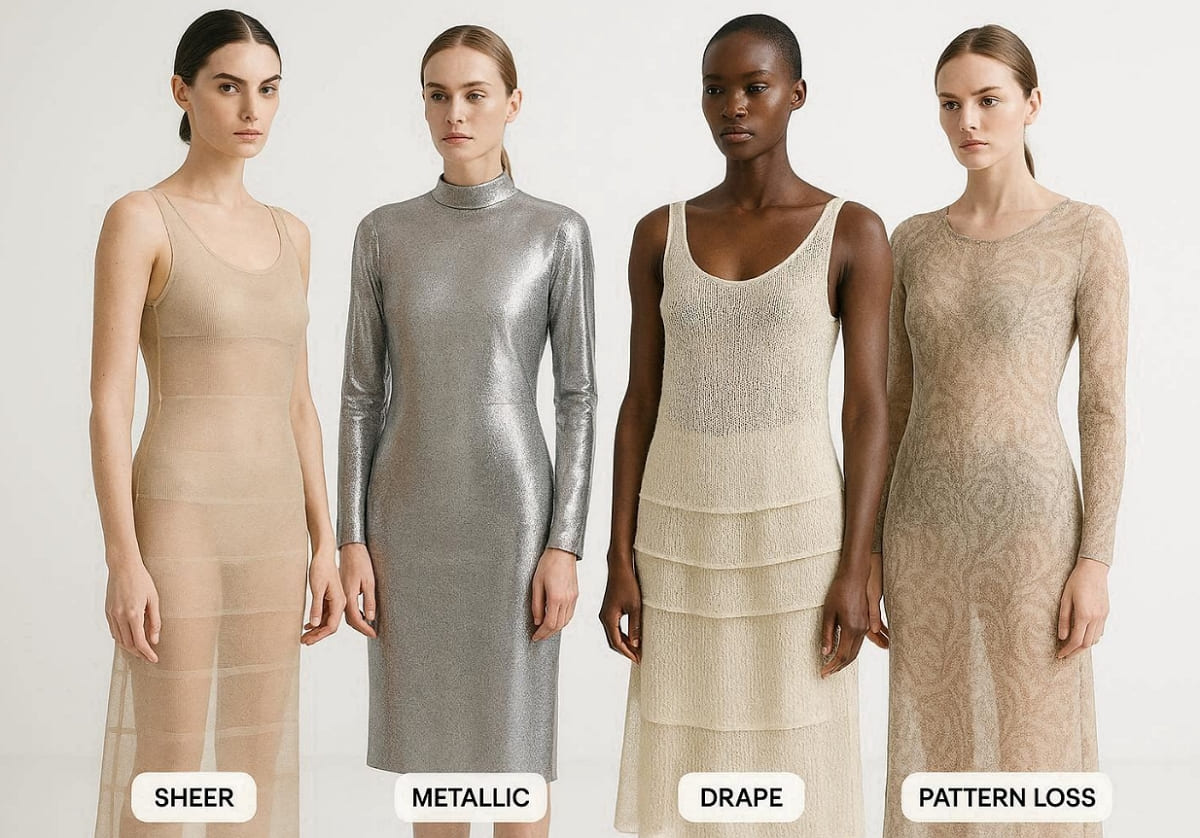
Material realism remains a major limitation due to ongoing fabric rendering challenges in AI. Below, you will understand how garment simulation struggles with complex physical behaviors:
Fabric Rendering Limitations
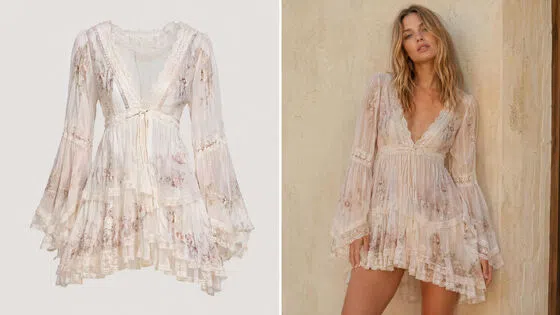
1. Sheer and Transparent Materials: Fabric texture rendering struggles with transparency and makes sheer garments difficult to simulate accurately.
2. Light Reflection and Metallic Surfaces: Material accuracy drops when simulating reflective fabrics due to complex light interaction behaviors.
3. Dynamic Draping Under Movement: Garment simulation cannot fully replicate how fabrics move naturally during real human motion.
4. Heavy and Layered Textures: Thick materials like knitwear challenge AI accuracy due to depth and layering complexities.
5. Pattern and Detail Preservation: Maintaining consistent patterns during transformations remains difficult across different body poses.
Industry Progress Example
Advanced object-retention algorithms now improve fabric texture rendering and overall material accuracy. For example, Designkit preserves garment patterns, textures, and colors during complex transformations. This demonstrates how innovation continues to address key fabric rendering challenges in real applications.
Part 5. What's Next — The Future of Virtual Try-On Beyond 2026
The future of virtual try-on will combine immersive environments with advanced AI personalization systems. Emerging innovations in VR shopping and metaverse fashion signal a major shift ahead. Anyhow, these developments indicate how digital fashion experiences will evolve beyond current platform limitations:
5.1. Full-Body Virtual Fitting Rooms & Immersive Commerce
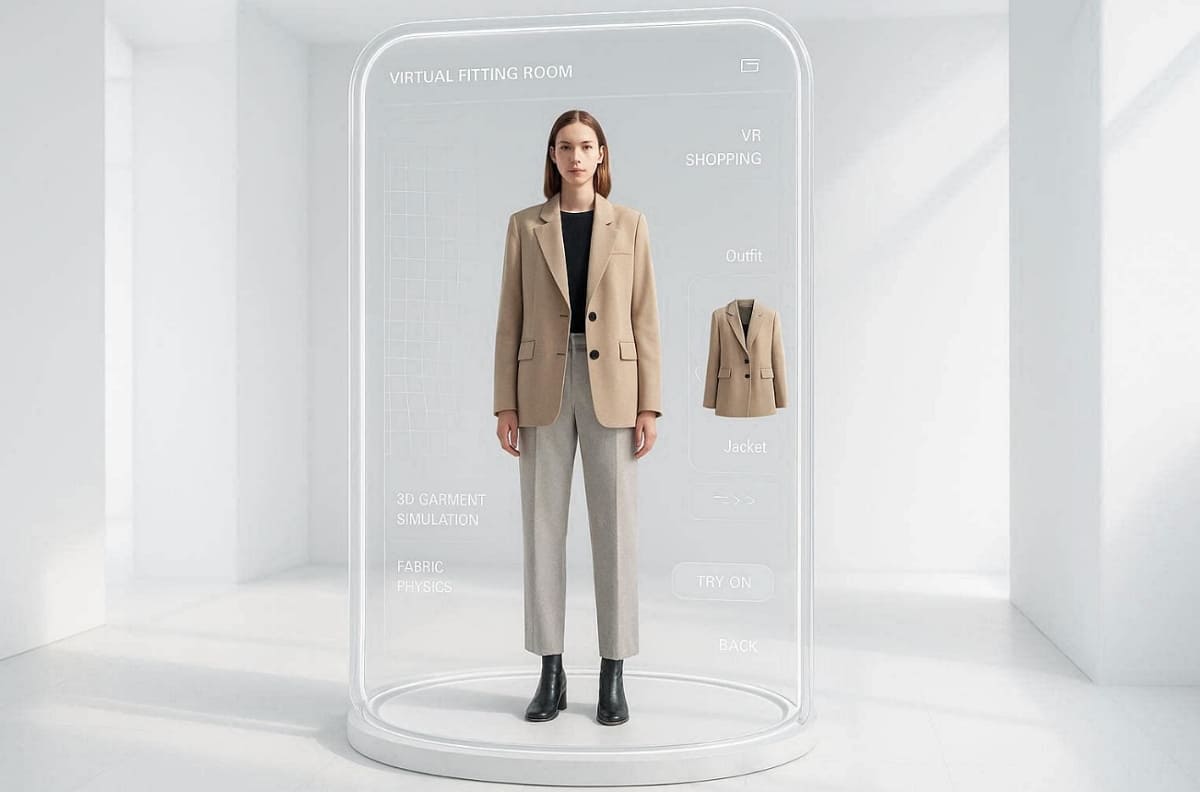
Next-generation headsets will enable a fully immersive and native VR shopping experience. A high-fidelity virtual fitting room uses physics to simulate every natural fabric movement. Early experiments in metaverse fashion also show how digital assets bridge social and retail. Moreover, current platforms like Fortnite and Roblox signal a massive shift toward metaverse retail.
As a result, users can enjoy immersive shopping from any location with complete visual and physical realism. To understand this immersive transition, go through these primary pillars of future retail environments:
1. Spatial Commerce: Shopping inside 3D environments that mimic real-world physical stores.
2. Physics Engines: Algorithms that simulate weight and gravity for every unique digital garment.
3. VR Fashion: Designing outfits specifically for digital avatars within high-fidelity virtual spaces.
5.2. AI-Driven Personalized Styling & Outfit Recommendations
The next wave combines virtual fitting with personalized styling in one seamless flow. A sophisticated AI outfit generator suggests complete looks based on your unique body. This converged experience helps reduce decision fatigue while significantly increasing total basket size.
Modern fashion AI learns your preferences to provide a much more relevant selection. In addition, virtual try-on boosts average order value by 18% for Shopify sellers. Anyways, the table highlights the benefits of combining fitting with automated style suggestions:
|
Future Feature |
Technical Logic |
Value to Shoppers |
|---|---|---|
|
Smart Styling |
Learns personal user tastes |
Removes the stress of choosing |
|
Instant Preview |
Real-time visual generation |
Saves time during shopping |
|
Basket Growth |
Upsells matching fashion accessories |
Creates a complete editorial look |
At this point, Designkit's AI Outfit Generator is a working example of this converged experience today. This tool proves that the trend of automated styling is already underway globally. So, influencers and brands can leverage this tech to build highly engaging fashion content.
Conclusion
In conclusion, the year 2026 marks a major turning point for global virtual try-on technology innovation. Brands must prioritize seamless integration to meet the rising demands of digital shoppers. So, successful virtual try-on adoption will define the next decade of immersive fashion commerce.
We encourage industry leaders to explore these advanced tools for better consumer engagement. Along with that, Designkit provides an accessible platform for brands looking to implement these smart solutions.
Frequently Asked Questions
What datasets train virtual try-on models?
How does virtual try-on accuracy compare to trying on clothes in person?
Modern systems use deep neural rendering to simulate how every fabric drapes realistically. AI learns how different garments behave across various body types and active poses. While physical trials are tactile, digital previews offer a highly precise and reliable visual fit.
What are the primary benefits of using an automated AI outfit generator?
An AI outfit generator helps by suggesting complete looks based on personal style. Along with that, it reduces decision fatigue while significantly increasing the total basket size. Among the top options, Designkit offers this feature to help influencers build highly engaging and professional content.
Is it possible to implement virtual fitting rooms for accessories like jewelry?
Retailers use AR to overlay rings, watches, and necklaces onto a live camera. The software tracks hands or necks to ensure the jewelry sits very naturally. So, it helps customers explore an extensive collection of items from their home.
You May Also Like
How to Match Makeup by Undertone: Virtual Lipstick and Foundation Try-On
Wedding Dress Styles for Every Body Type: A Practical Guide for 2026
7 Best AI Virtual Makeup Try-On Tools for Realistic Results in 2026
AI Virtual Makeup Try-On: Boost Beauty E-Commerce Sales in 2026
Free Online Glasses Try-On Tools: See Yourself in Glasses Instantly

Top Virtual Ring Try-On Tools for Engagement and Wedding Rings in 2026
How to Try Shoes On Virtually: A Step-by-Step Guide
Best Virtual Shoe Try-On Tools for Ecommerce: 2026 Guide
How to Try On Wigs and Bangs Virtually to Find Your Perfect Style
Create Model Outfit Photos Instantly With AI Outfit Generator
Best AI Virtual Try-On Clothes Tools for Any Body Type
How to Try On Clothes Online with AI for Better Fit & Style
Virtual Nose Ring Try On Online Before Your Piercing
How to Try Makeup Online with AI and Virtual Makeup Try-On Apps (2026)

How to Use Virtual Earring Try-On for a Flattering Look in 2026

How to Try On Engagement Rings Online with AI in 2026

Scale Your Jewelry Brand with Virtual Jewelry Try-On Solutions
How to Try Hairstyles on Your Face Online (Step-by-Step Guide)
Best Virtual Hairstyle Try-On Tools Online for Realistic Previews 2026

How to Use a Free AI Hairstyle Generator to Find Your Perfect Look

Virtual Hair Color Try-On Guide for Every Skin Tone (2026)

Virtual Wedding Dress Try-On Online for Brides in 2026
How to Choose the Right Sunglasses for Your Face Shape Online
How Accurate Is Virtual Glasses Try-On? AI vs AR Compared

Best Virtual Try-On Glasses Apps in 2026 (Free & Paid Tools)
How AI Virtual Try-On Is Transforming Eyewear Ecommerce
5 Best Virtual Try-On Glasses Tools for Ecommerce and Consumers 2026
How to Try On Glasses Online with AI in 2026 (Easy Guide)

How to Create Jewelry Photos with AI Models That Drive Sales in 2026
AI-Generated Fashion Models: Technology, Brand Adoption & Trends
How to Batch Generate 100+ AI Clothing Model Photos Fast
7 Best AI Fashion Model Generators for Ecommerce in 2026
AI Clothing Model Photos for E-Commerce: Platform Rules & Best Practices
How AI Virtual Try-On Helps Fashion Brands Boost Sales & Reduce Returns
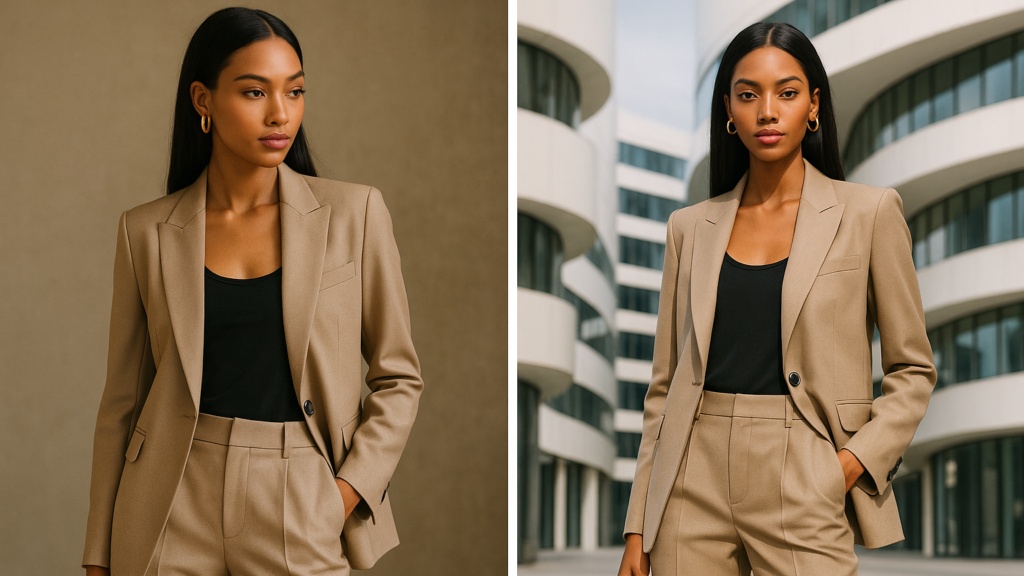
AI Fashion Models vs Real Models: Which Is Better for Brands?
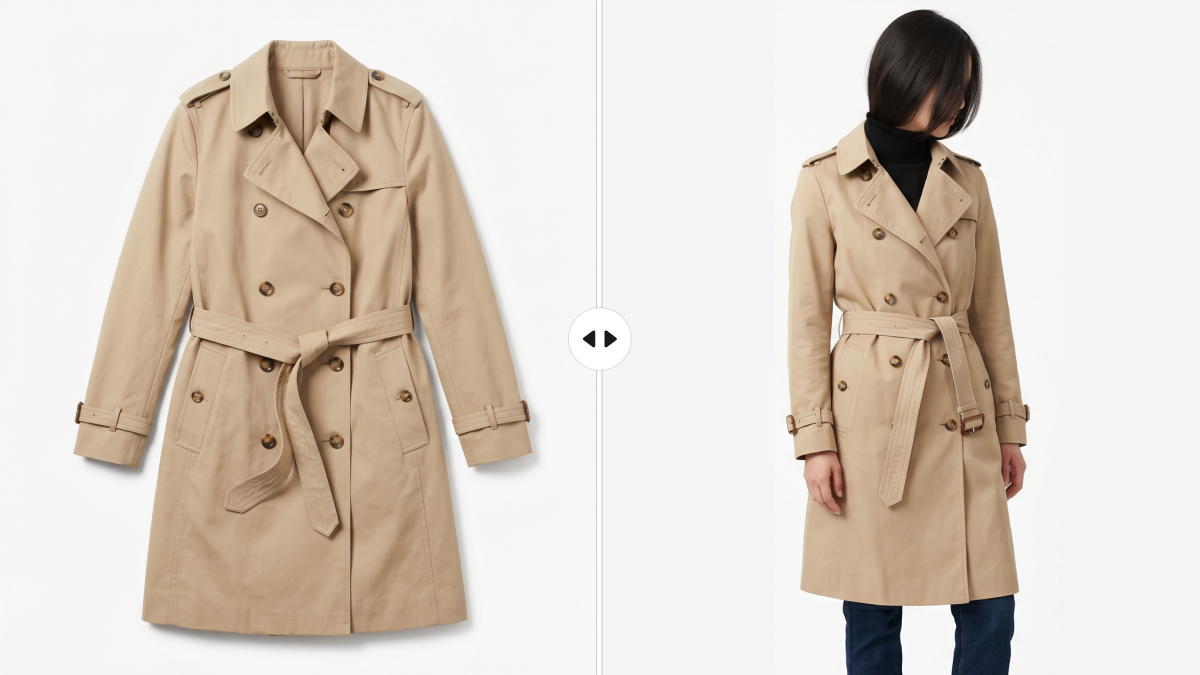
Best Free AI Fashion Model Generators for Real Product Photos
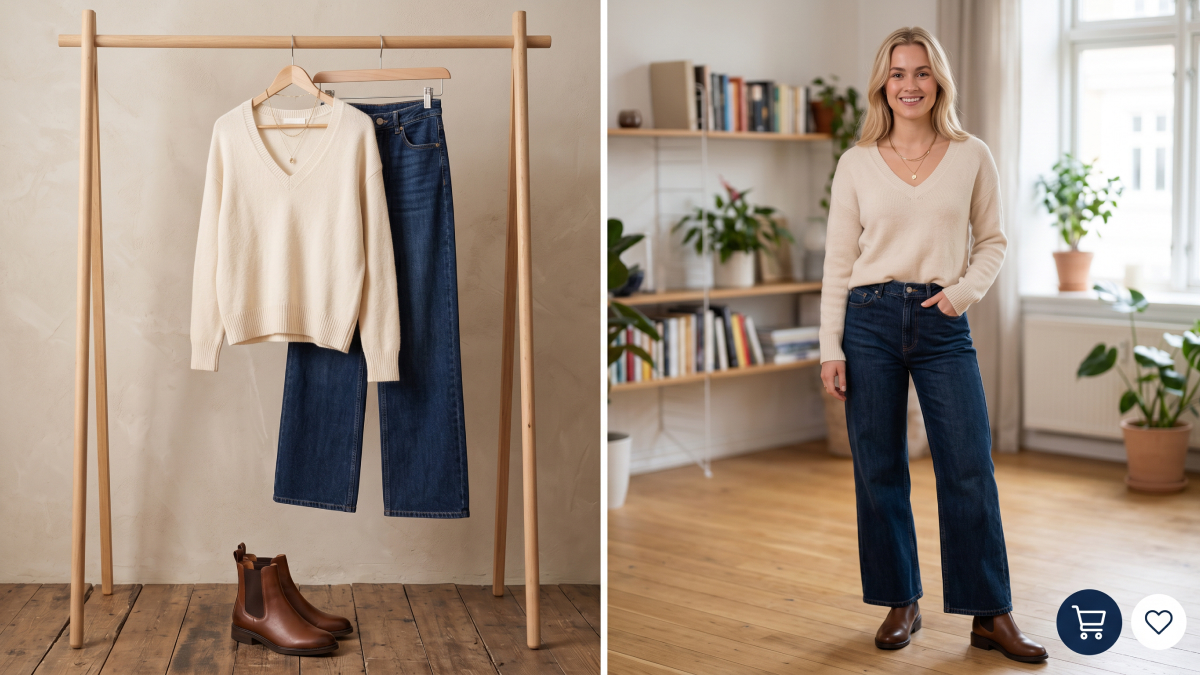
Virtual Outfit Try-On Guide: Plan Outfits Before You Buy
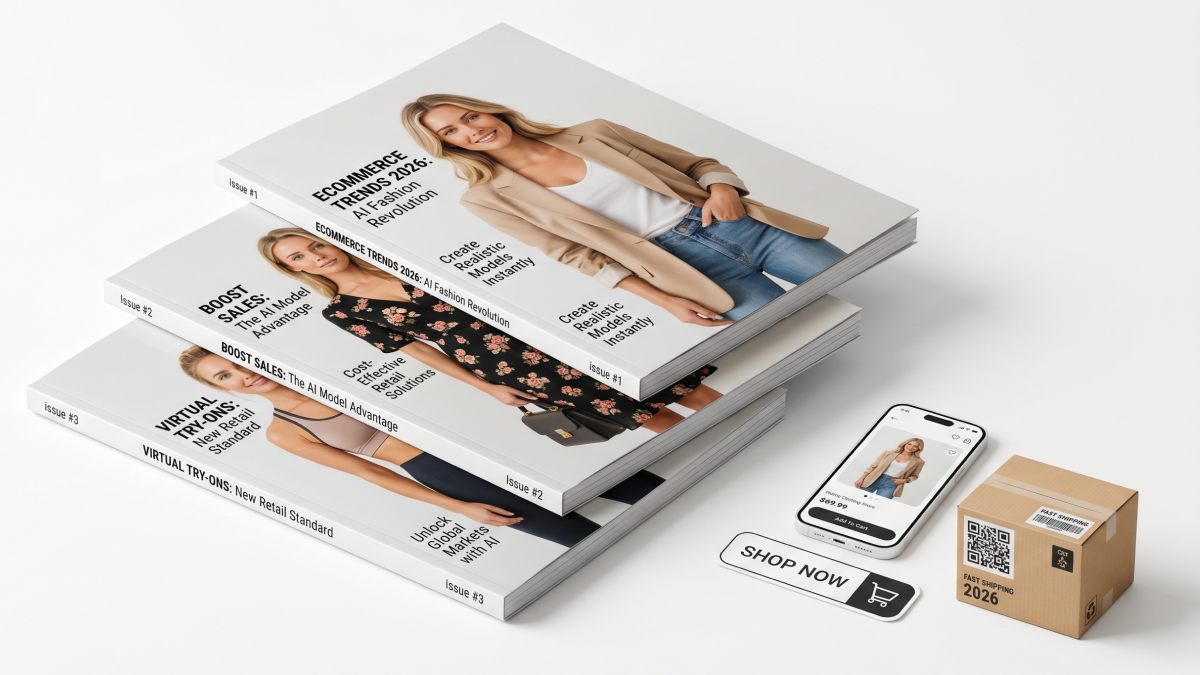
What Is an AI Clothing Model Generator? Full Guide for Sellers
Virtual Try-On Technology in 2026: How It Works & Key Trends
10 Best Virtual Try-On Apps & Tools for Online Shopping in 2026
How to Create AI Fashion Models: Complete Step-by-Step Guide
How to Use AI Fashion Models for E-Commerce Product Photos: A Complete 2026 Guide
How to Virtually Try On Clothes Online: A Complete Guide
Make every product image ready to sell
Designkit is an all-in-one AI platform for ecommerce visuals. Create product photos, AI videos, virtual try-ons, and Amazon listing images in seconds. Generate HD backgrounds, batch edit photos, and scale your brand with studio-quality content.