
Best Virtual Shoe Try-On Tools for E-Commerce Brands: Complete Guide
Explore the best virtual shoe try-on tools for e-commerce. Compare AI and AR solutions that help increase conversions, improve customer confidence, and reduce returns.

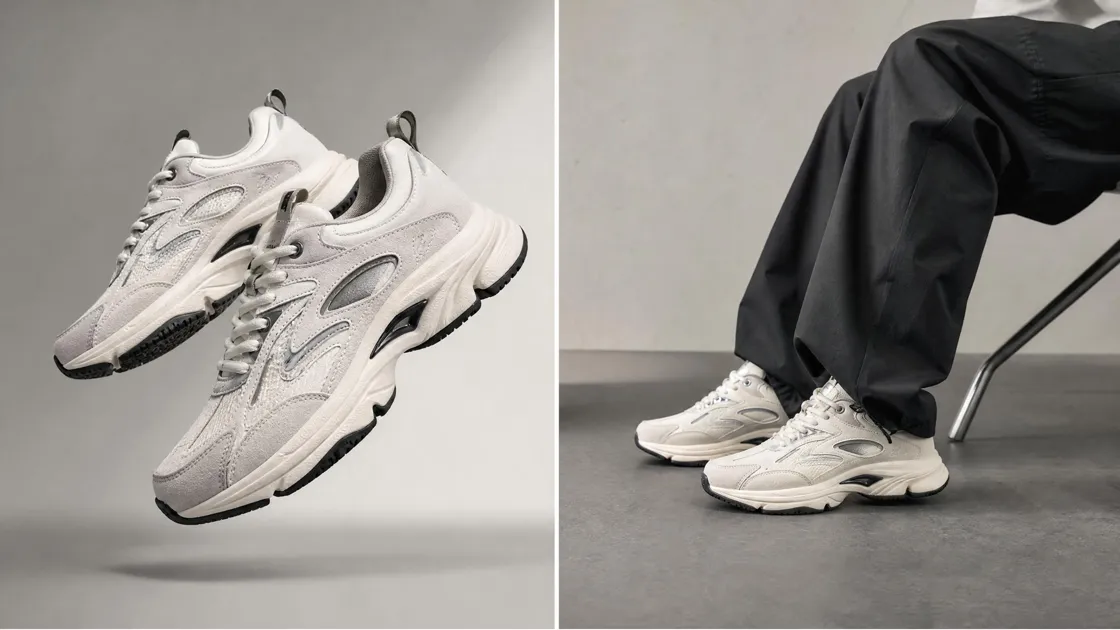
The online footwear market is changing fast, and the interactive visualization systems are improving purchasing confidence. Shoppers now expect realistic previews before purchasing, especially when choosing premium or stylish footwear online. This growing demand pushes brands to adopt the best virtual shoe try-on tool. The virtual try-on market will reach $48 billion by 2030, according to Mordor Intelligence projections.
Accurate previews reduce returns while increasing conversions across mobile-first e-commerce platforms significantly. Recent data from Branvas shows that footwear suffers from the highest return rates among all online categories. However, not all tools offer equal realism and scalable output quality. Thus, this guide compares free and paid options while exploring complete workflows for e-commerce success.
How to Choose the Best Virtual Shoe Try-On Tool
Selecting the best virtual shoe try-on tool requires analyzing several critical technical factors. Modern brands must prioritize realism and fast processing speeds for their digital inventory. Moreover, scalable solutions allow your store to grow without compromising the user experience or quality.
Successful e-commerce retailers need complete visual workflows rather than just basic foot previews. These specialized evaluation criteria ensure that your investment drives long-term profitability and customer loyalty. To select the ideal technology, you must evaluate several specific technical performance categories carefully:
Why Photorealistic Rendering Matters for Footwear Sales
Implementing quality AI shoe visualization ensures that every digital texture looks completely authentic. Superior rendering technology helps bridge the visual gap between online browsing and physical retail stores. The following technical elements define the success of a premium virtual footwear try-on:
1. Leather and Mesh Accuracy: Advanced shaders replicate the unique grains of leather and breathable mesh patterns.
2. Dynamic Light Reflections: The realistic surface highlights change with the movement of the shoe in the app.
3. Color Accuracy: Extremely advanced processing can ensure that digital shades are exact replicas of the actual physical product.
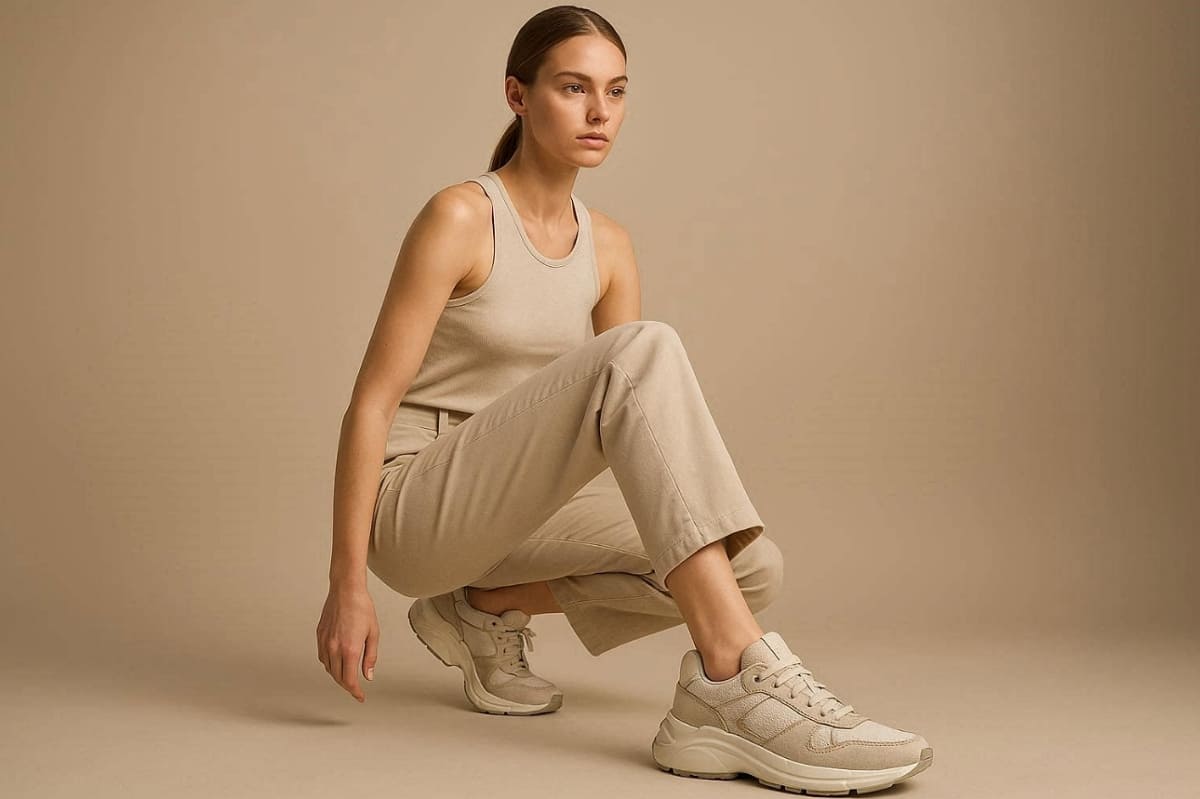
These photorealistic details directly improve customer trust by providing a transparent and honest preview. When shoppers see accurate materials, they feel much more secure in their final investment decisions. Additionally, SENSAPE shows that interactive visualization tools provide a 45% boost in buyer confidence.
Why Mobile and Shopify Integration Drives Conversions
Every successful virtual shoe try-on app must offer a flawless experience across all devices. Mobile optimization is no longer optional since most shoppers browse using their portable handheld smartphones. Consider these essential features when evaluating a professional and robust e-commerce integration for shoes:
1. Mobile-First Display: Responsive design ensures that interactive buttons and viewers fit perfectly on smaller screens.
2. Fast-Loading Assets: Optimized cloud processing delivers high-resolution shoe models without causing any frustrating site lag.
3. Native Platform Syncing: Direct integration allows for automatic inventory updates across your entire digital product catalog.
4. One-Click Accessibility: Users can launch the try-on feature immediately without downloading any heavy external software.
According to BrandXR research, products featuring advanced interactive content see an average of 94% higher conversion rates.
Speed and Output Quality for High-Volume Listings
In addition to the above, choosing an AI shoe try-on tool depends on how quickly it processes images. Batch generation capabilities are essential when launching new seasonal collections for your growing brand. Furthermore, HD exports maintain visual clarity across large desktop monitors and high-end mobile screens. The following table summarizes how these key technical factors directly impact your overall business growth:
|
Feature Factor |
Impact on Business |
Technical Requirement |
|---|---|---|
|
Visual Realism |
Higher Sales Confidence |
Photorealistic Material Shaders |
|
System Speed |
Lower Bounce Rates |
Rapid Cloud Processing Power |
|
Integration |
Operational Efficiency |
Native Shopify Platform Support |
|
Scalability |
Future Brand Growth |
High Volume Batch Processing |
Best Virtual Shoe Try-On Apps for E-Commerce Brands
The choice of the right virtual shoe try-on app will be determined on the basis of the business objectives. Brands must balance engagement features with scalable production needs for consistent results. Some tools focus on immersive experiences, while others prioritize quality product visuals. Therefore, understanding these categories from the upcoming parts helps you select the most effective solution:
AR-Based Shoe Try-On Apps for Real-Time Experience
AR shoe try-on tools use cameras to overlay shoes on feet instantly. This camera-based technology tracks the user's feet in real-time for an interactive shopping session. While engaging, many basic virtual shoe try-on app versions lack photorealistic material textures. Yet, explore these points before integrating augmented reality into your digital storefront:
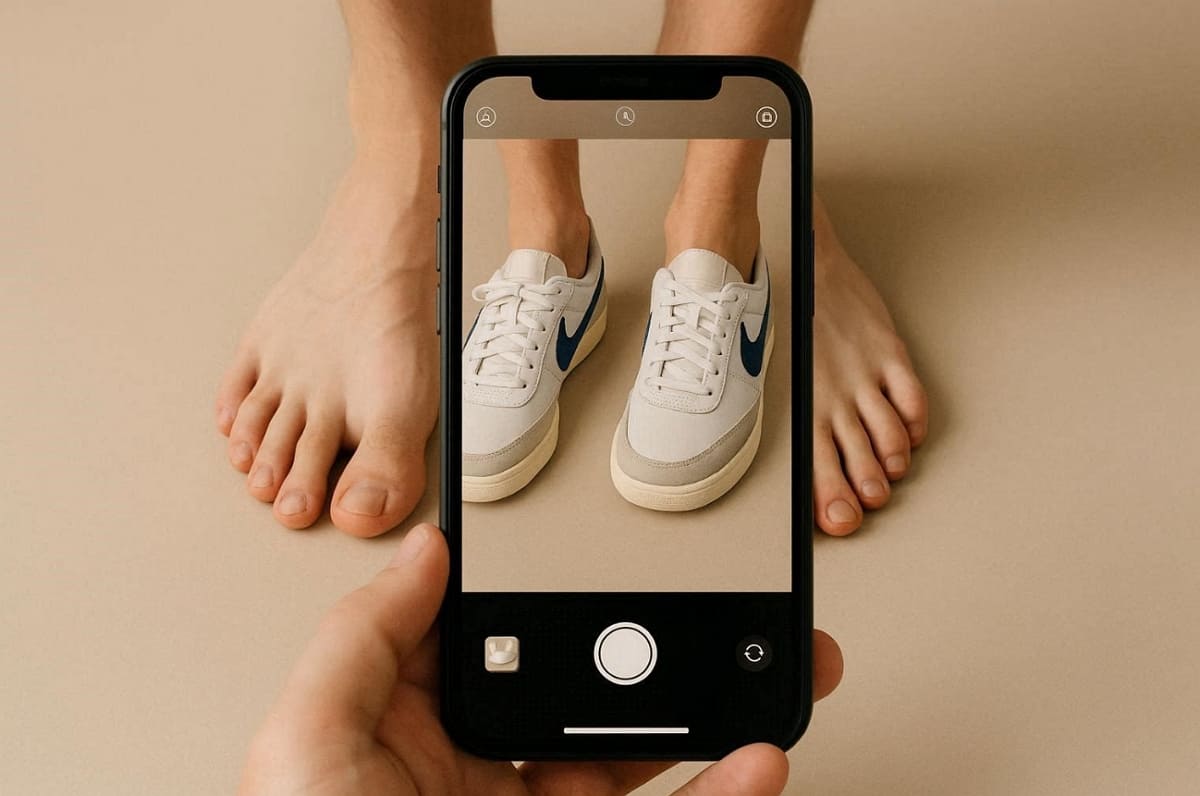
1. Higher Customer Engagement: Real-time tracking keeps shoppers entertained and active on your website longer.
2. Lower Final Accuracy: Live video feeds often struggle to render complex lighting and shadows perfectly.
3. Increased Bounce Rates: Heavy augmented reality assets might slow down older smartphones and mobile devices.
AI-Based Shoe Try-On Tools for Product Image Generation
A professional AI shoe try-on tool creates high-resolution static images for your listings. Instead of live tracking, these tools focus on perfect draping and studio-quality lighting results. Brands seeking total visual perfection often choose tools like Designkit as a more sophisticated AI-first alternative.
Moreover, this method ensures that your footwear looks impeccable across every single digital marketing channel. The given features define why static generation is essential for modern professional product pages:
1. Flawless Visual Quality: AI models produce sharp images that capture every stitch and material detail.
2. Consistent Lighting Control: You can maintain a uniform look across your entire footwear catalog easily.
3. Versatile Asset Use: Generated images work perfectly for social media ads and high-end lookbooks.
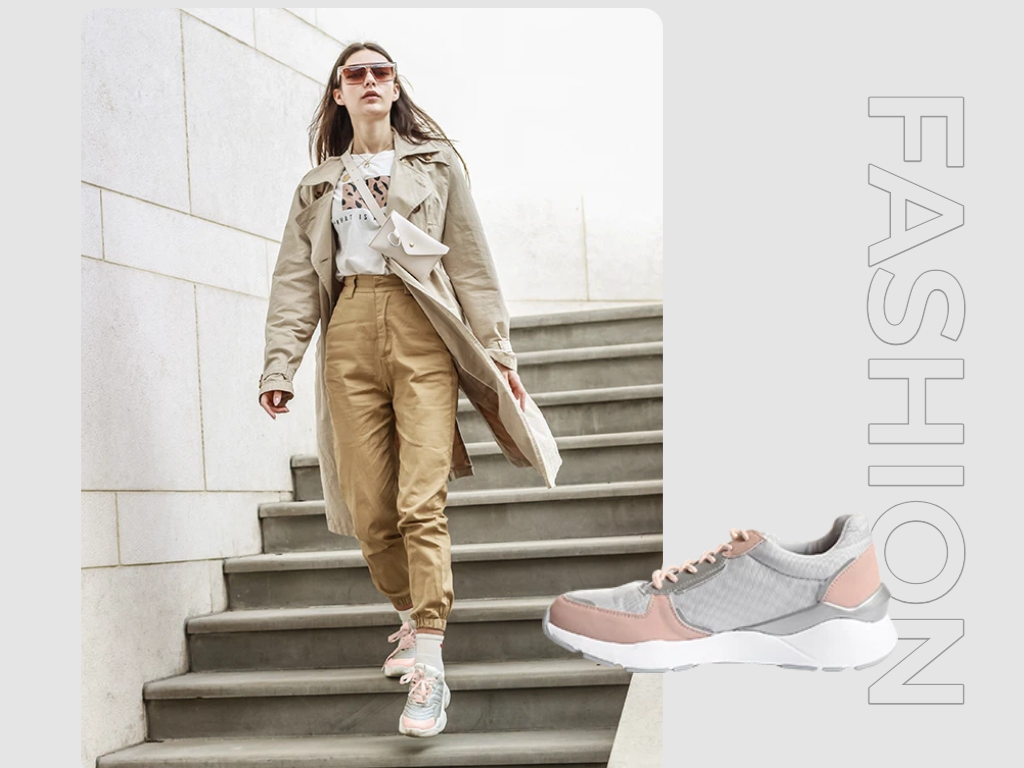
Why Designkit Works for Growing E-Commerce Brands
Designkit stands out as the best virtual shoe try-on tool for modern scaling. It functions as a unified visual ecosystem for brands needing high-volume and quality assets. Along with that, the platform combines Virtual Try-On with an AI Model and Outfit tools for complete workflows.
This comprehensive approach helps you build professional lifestyle imagery without expensive and slow photography. Explore the unique benefits of using an all-in-one visual solution for your e-commerce store:
|
Solution Benefit |
Impact on Scaling |
Business Advantage |
|---|---|---|
|
Unified Workflow |
Faster Content Cycles |
Everything is managed in one central dashboard |
|
Cost Efficiency |
Lower Production Fees |
No need for physical models or studio rentals |
|
Multi-Feature |
Better Brand Storytelling |
Combine footwear try-on with full-body AI styling |
|
Rapid Export |
Faster Store Launches |
Generate thousands of product visuals in a single day |
Best AI Shoe Try-On Free Tools for Beginners
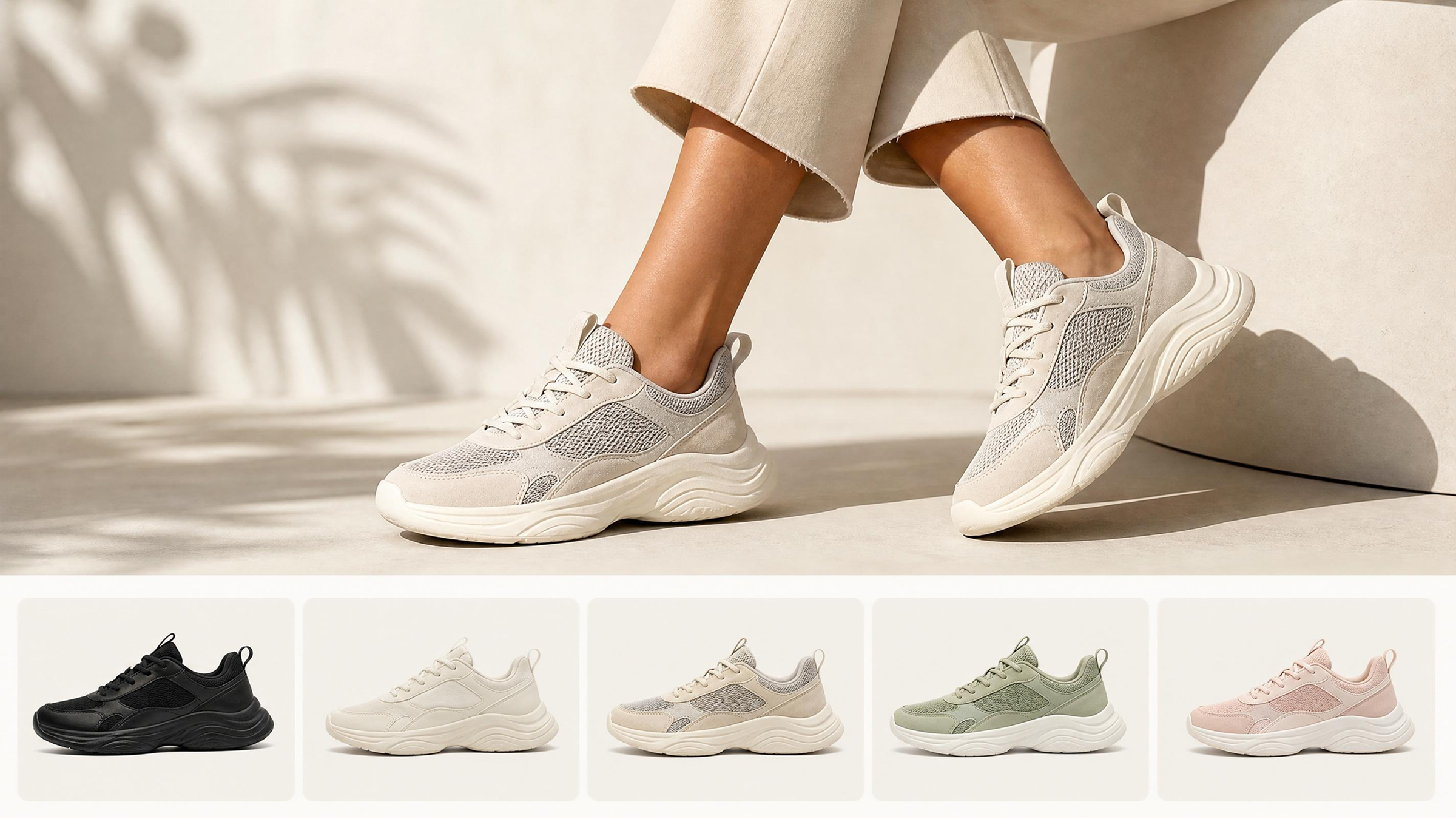
If you're just starting out, a free AI shoe try-on tool is a smart way to test ideas before committing budget. New sellers often lean on these no-cost options to validate product concepts quickly and see what resonates. The key is understanding where free tools fit into a larger sales strategy—and where they fall short. Below, we break down the best free resources for early-stage testing, their limitations, and when it makes sense to upgrade.
Free Virtual Shoe Try-On Apps for Quick Testing
Free virtual shoe try-on services are ideal for generating fast social media mockups. They make it easy to spin up simple promotional posts for Instagram or TikTok, and they give you immediate feedback on new designs without any upfront cost. Here are six tools offering free tiers or trials worth exploring for early testing and validation:
- Media.io — A web tool that renders realistic sneakers or heels on feet for quick previews.
- Pic Copilot — Popular with ecommerce sellers for placing shoes on models in studio-style shots.
- Style3D AI — Offers around fifty free generations for putting shoe designs on diverse digital models.
- LightX — An online editor that customizes models through text prompts for social posts.
- Shoes Try-On — An iOS app delivering augmented reality views through your phone camera.
- Kivisense — A Shopify-ready solution that lets shoppers try on shoes via QR codes.
These accessible platforms let you experiment with zero financial risk, helping you identify which visual styles connect with your audience before you invest in a professional setup.
Limitations of Free Tools for E-Commerce Scaling
Relying only on free tools eventually holds back brand growth. Most trial versions stamp watermarks on your images, which quietly erodes your storefront's credibility. Inconsistent output also makes it hard to maintain a cohesive look across listings. Before you try to scale, it's worth understanding these common drawbacks:
|
Limitation Factor |
Impact on Brand |
Resulting Technical Issue |
|---|---|---|
|
Mandatory Watermarks |
Reduced Professionalism |
Obscured product details and messy visuals |
|
Low Resolution |
Poor Customer Trust |
Blurry images on large desktop and mobile screens |
|
Lack of Consistency |
Messy Store Catalog |
Varying lighting and angles across different products |
|
Limited Features |
Restricted Creativity |
Missing advanced styling and custom background removal tools |
|
Scalability Issues |
Slower Growth Speed |
Manual one-by-one processing instead of efficient batch generation |
These constraints often stop brands from meeting the standards global marketplaces demand, making free tools a starting point rather than a long-term solution.
When to Upgrade to a Paid AI Shoe Try-On Tool
As sales grow, moving to a professional tool becomes necessary. It's usually time to upgrade once your catalog expands beyond a handful of items and manual editing starts eating into your day. Paid solutions like Designkit remove the quality bottlenecks of free tools—delivering watermark-free, high-resolution images with consistent lighting and angles across every SKU.
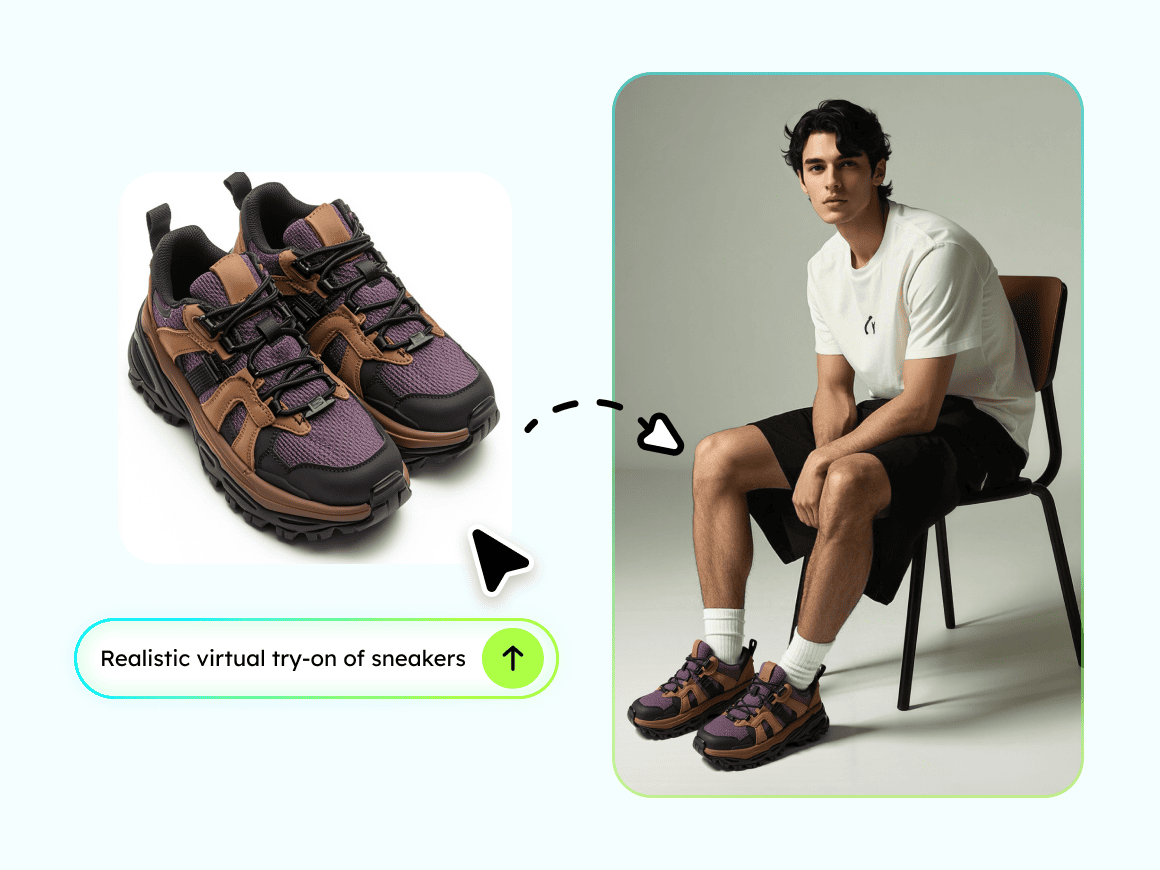
Beyond cleaner output, upgrading unlocks batch generation and advanced styling workflows, so your team can produce hundreds of listing-ready visuals without the one-by-one grind. This is the shift that keeps a growing brand competitive in modern fashion retail.
How to Create High-Converting Shoe Images Beyond Try On
Modern footwear marketing requires moving far beyond a basic foot try-on experience. The best virtual shoe try-on tool is used by successful brands to tell their stories more deeply. In addition, creating a narrative around your products helps customers visualize themselves wearing your items.
Comprehensive visual strategies ensure your storefront looks professional and highly polished for buyers. This is where it becomes possible to integrate platforms such as Designkit, which will enable you to control all the elements of your brand online. To build a truly immersive brand, you must explore these advanced visual storytelling techniques:
Using AI Fashion Models to Improve Product Context
Quality visuals from an AI model generator provide essential lifestyle context for shoppers. Full-body images outperform simple product shots by showing how shoes look on people. Here, using a professional AI Fashion Model Generator helps create diverse and inclusive campaigns. Consider these advantages when incorporating digital human models into your e-commerce product pages:
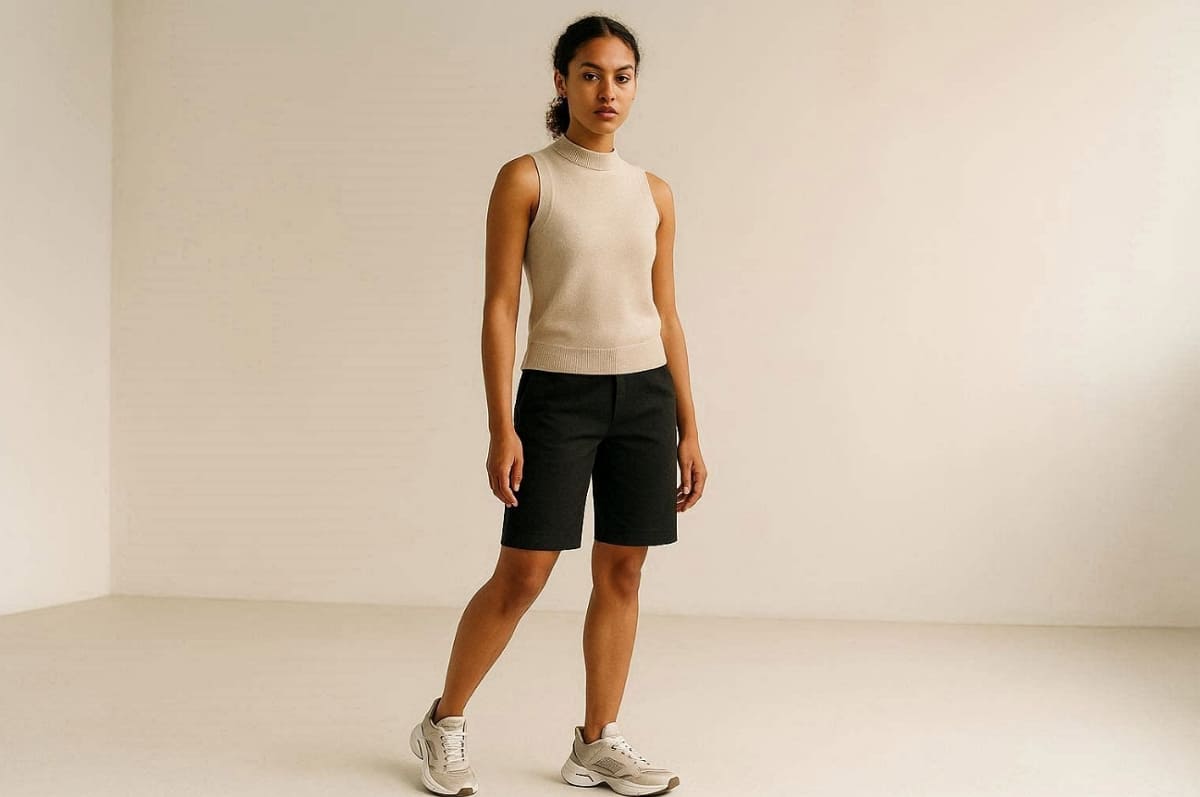
1. Improved Relatability: Customers connect better with products when they see them in human forms.
2. Diverse Representation: Easily swap models to represent various ethnicities and body types for inclusivity.
3. Reduced Shoot Costs: Skip expensive photography sessions by using realistic and high-fidelity digital fashion models.
Matching Shoes with Outfits Using AI Styling Tools
An AI outfit generator ensures that your footwear perfectly matches the overall look. Along with that, using an AI clothes changer allows you to test different styles with ease. Consistency across your digital catalog is maintained through these advanced automated styling features. The table below explores how integrated styling tools enhance your modern fashion brand:
|
Styling Feature |
Marketing Benefit |
Customer Impact |
|---|---|---|
|
Outfit Coordination |
Cross-Selling Success |
Increases the total average order value significantly |
|
Style Consistency |
Stronger Brand Identity |
Builds a recognizable and professional aesthetic for stores |
|
Visual Variety |
Higher User Engagement |
Keeps the browsing experience fresh and visually exciting |
Building a Complete AI Workflow for Shoe Listings
A strong AI product image workflow combines multiple tools into one efficient production system. The best virtual shoe try-on tool, like Designkit, works best within a connected visual ecosystem. Follow these essential steps to build a high-conversion pipeline for your digital footwear brand:
● Step One: Generate accurate footwear visuals using a quality AI try-on solution.
● Step Two: Enhance images using an AI fashion model generator for a realistic full-body product presentation.
● Step Three: Apply the AI outfit generator for consistent styling across all product variations.
● Step Four: Export assets optimized for marketplaces, ads, and high-conversion landing pages.
● Final Outcome: AI product image workflow ensures scalable, consistent, and conversion-focused visual production.
Along with that, research from The Interline shows that try-on users add to cart 52% more often than non-users. Hence, finalizing your strategy with an all-in-one platform maximizes efficiency and your total ROI.
Conclusion
To summarize, adopting the best virtual shoe try-on tool is essential for any modern e-commerce brand. This innovative technology reduces return rates while increasing customer confidence during the shopping journey. Yet, you should prioritize photorealistic rendering and seamless mobile integration for the best results.
Whether choosing free apps or premium platforms, focus on your specific business growth goals. Hence, a unified AI workflow helps you create professional lifestyle imagery without expensive photography sessions.
Frequently Asked Questions
Are free AI shoe try-on tools suitable for professional e-commerce stores?
How do AI-based shoe try-on tools improve product image quality significantly?
An AI shoe try-on tool generates photorealistic images with consistent lighting and material detail. These visuals help customers understand texture and overall style presentation more clearly. HD outputs even enhance trust and improve conversion rates across competitive e-commerce marketplaces globally.
Why should brands combine AI models with virtual shoe try-on tools?
Using an AI model generator adds lifestyle context beyond basic product-only footwear images. Customers connect emotionally when they see shoes styled on realistic human models digitally. This strategy increases engagement and drives higher purchase intent significantly online.
When should businesses upgrade to a paid virtual shoe try-on tool solution?
Upgrade when your product catalog expands and requires consistent, scalable visual production workflows. Paid tools provide advanced features like batch processing, HD exports, and automation capabilities. They ensure your brand maintains quality standards across marketplaces, ads, and social media channels.
You May Also Like
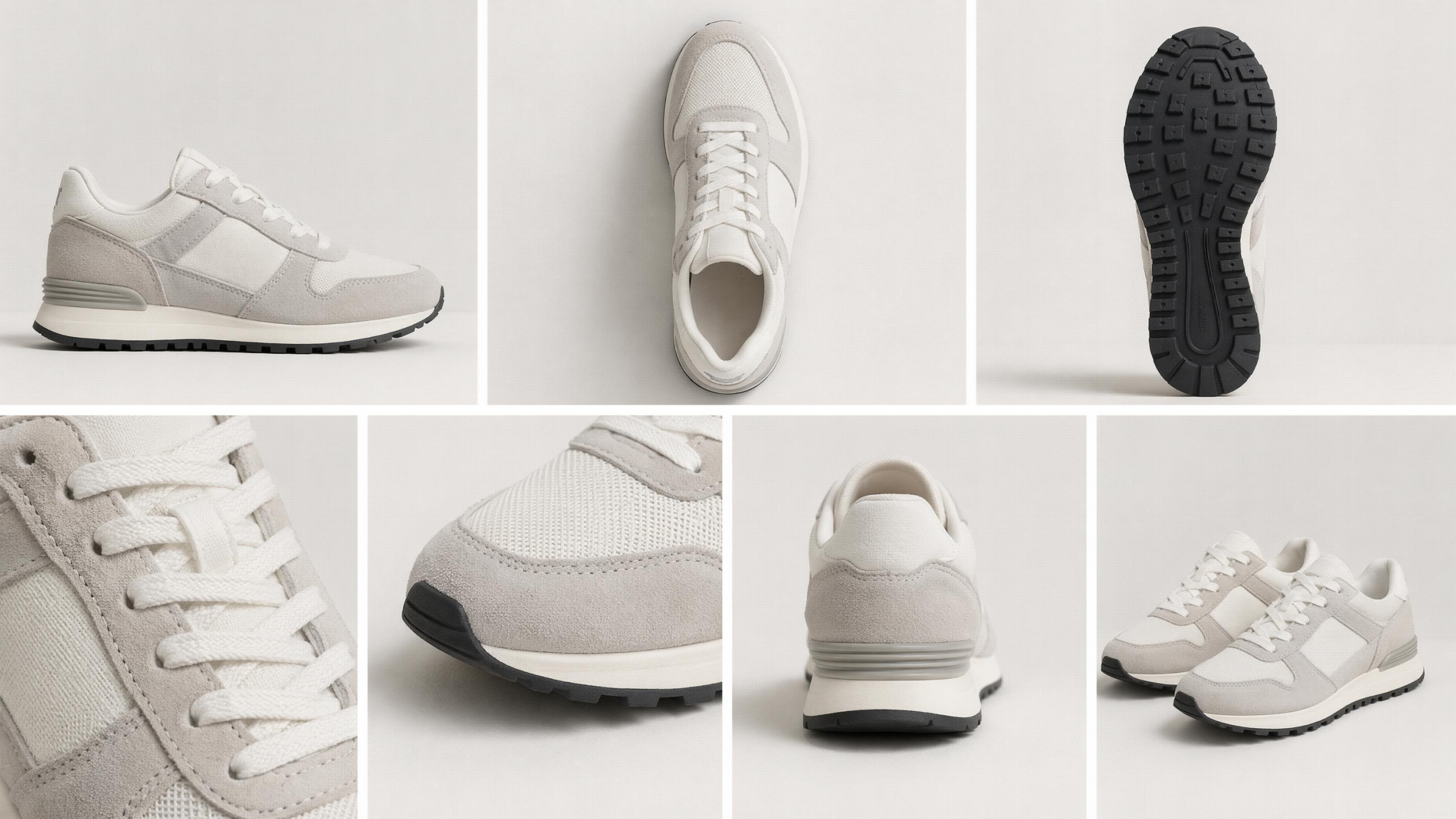
How to Photograph Shoes for Your Ecommerce Store in 2026
How to Try On Clothes Online with AI for Better Fit & Style
How AI Virtual Try-On Is Transforming Eyewear Ecommerce
5 Best Virtual Try-On Glasses Tools for Ecommerce and Consumers 2026
Virtual Try-On Technology in 2026: How It Works & Key Trends
Scale Your Jewelry Brand with Virtual Jewelry Try-On Solutions
Build Shoe Visuals That Convert—Beyond Try-On
Realistic previews are just the start. With Designkit, generate white background shots, AI fashion model scenes, and styled outfit pairings from a single shoe photo—a complete visual workflow that cuts returns and drives conversions across every listing.