
Depop vs Poshmark: Which Marketplace Is Better for Sellers in 2026?
Depop or Poshmark, which marketplace is better for selling in 2026? Compare fees, buyers, shipping, and listing features to choose the right platform for your products.

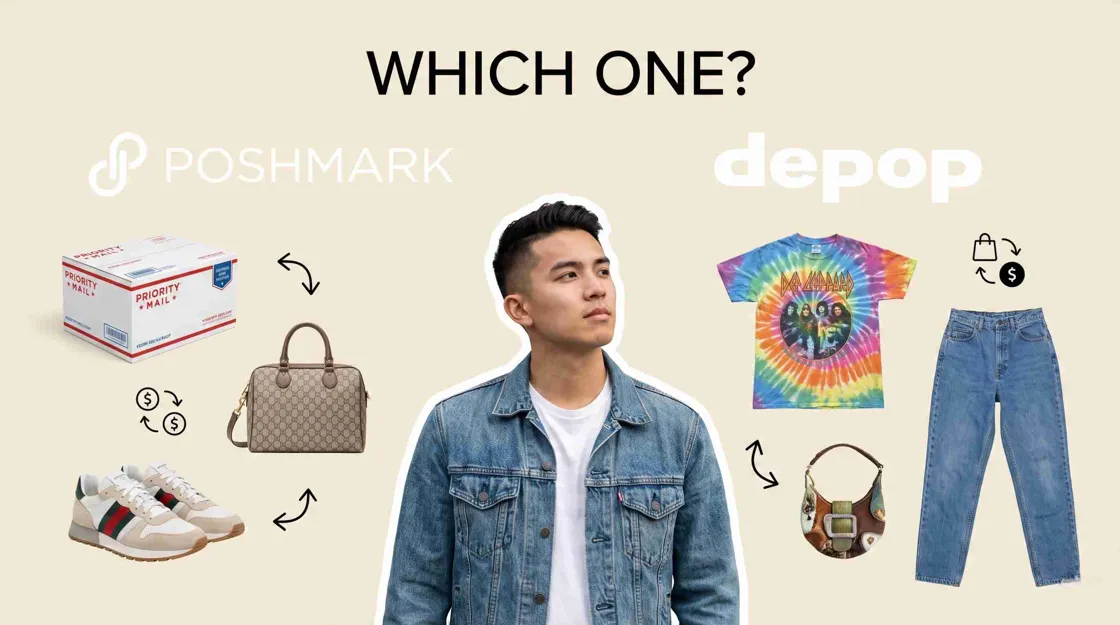
Choosing the right marketplace can make a big difference in how quickly and effectively you sell your products. Whether you're selling vintage clothing, branded fashion, accessories, or everyday items, professional product photos can make your listings more appealing and easier for buyers to evaluate. Understanding these differences can help you choose the platform that best matches your inventory and goals.
In this guide, you'll learn how Depop and Poshmark compare, what types of products work well on each platform, and which option may be better for different types of sellers. You'll also discover practical tips for creating stronger listings and presenting your products effectively across both marketplaces.
Key Takeaways
-
Depop is often better suited for vintage, streetwear, Y2K, and trend-focused fashion.
-
Poshmark works well for branded clothing, shoes, handbags, and everyday resale items.
-
Fees, buyer behavior, shipping, and listing style all affect your selling experience.
-
Strong product photos and accurate descriptions can improve buyer trust on both platforms.
-
Selling on both marketplaces can help sellers reach different audiences when inventory allows.
Depop vs Poshmark: A Complete Comparison
Before diving deeper, here's a quick side-by-side overview of how Depop and Poshmark compare across the most important selling factors. This snapshot helps you quickly understand which platform may better suit your products and selling style. Create a quick comparison table.
|
Factor |
Depop |
Poshmark |
|---|---|---|
|
Best for |
Vintage, streetwear, Y2K, unique fashion |
Branded fashion, shoes, handbags, everyday resale |
|
Buyer behavior |
Discovery-driven, trend-focused |
Search-driven, brand-focused |
|
Shopping style |
Social, discovery-led marketplace |
Structured resale marketplace |
|
Product presentation |
Aesthetic, creative, and lifestyle-focused |
Clear, detailed, and information-focused |
|
Listing style |
Creative photos with personal branding |
Structured listings with detailed product information |
|
Seller fees (US) |
0% selling fee + 3.3% + $0.45 payment processing |
$2.95 for sales under $15; 20% for sales of $15+ |
|
$50 item payout* |
About $47.90 |
$40.00 |
|
Shipping (US) |
Seller chooses the shipping method and who pays |
Buyers usually pay $6.49 for a prepaid USPS label, up to 5 lb |
|
Ideal seller |
Trend-focused sellers and vintage curators |
Closet sellers, brand resellers, and high-volume sellers |
What Is Depop?
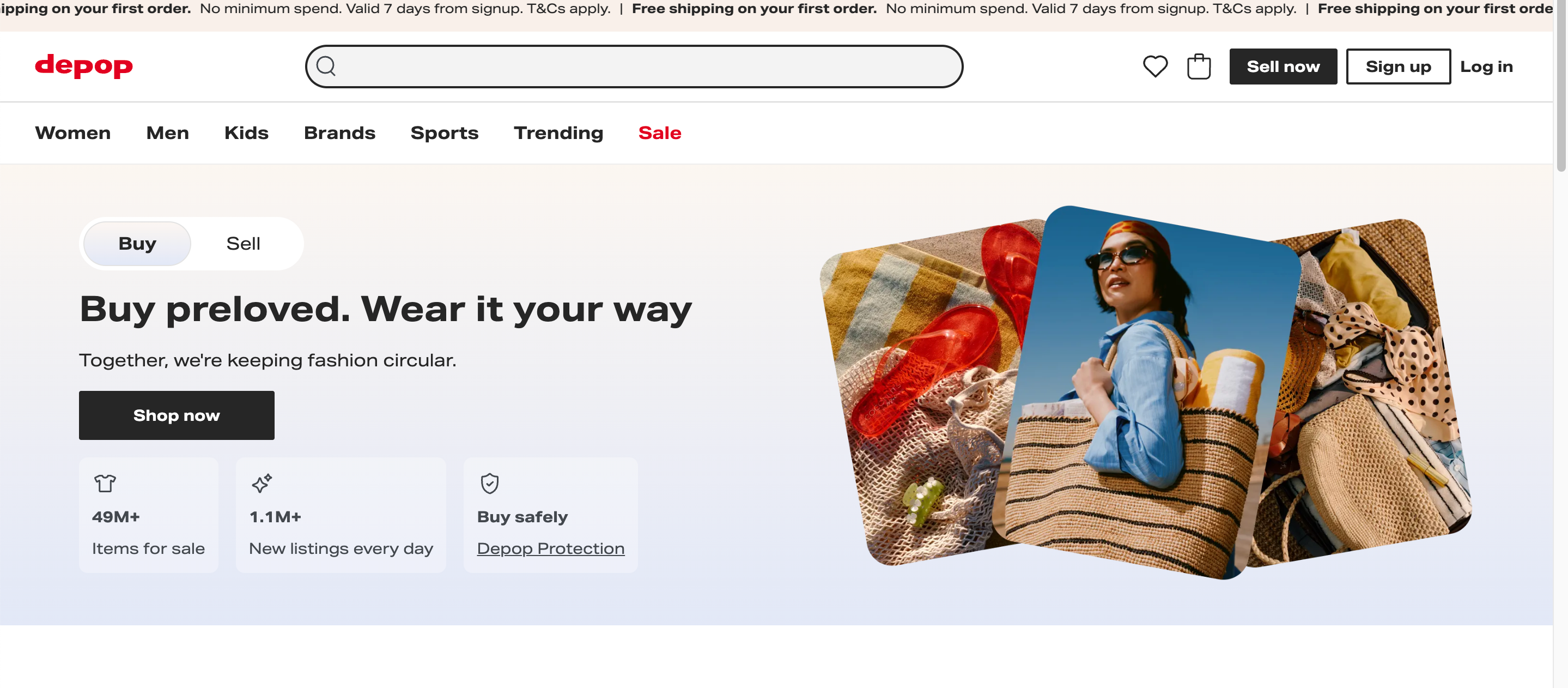
Depop is a fashion resale marketplace built around discovery, personal style, and social shopping. Sellers create listings with photos, descriptions, pricing, and shipping details, while buyers discover products through search, recommendations, and seller profiles.
Who Should Sell on Depop?
Depop is a strong choice for sellers whose inventory has a distinct style or appeals to trend-conscious shoppers. Vintage sellers, streetwear curators, independent fashion sellers, and people with unique or limited-edition pieces can benefit from its discovery-focused shopping experience. It can also work well for sellers who enjoy building a recognizable aesthetic through their product photos, descriptions, and storefronts. You can explore how to sell on Depop to get more informative messages.
What Sells Best on Depop?
Vintage clothing, Y2K fashion, streetwear, graphic tees, denim, statement pieces, accessories, and unique secondhand finds tend to fit Depop's style-driven audience. Items with distinctive designs or strong visual appeal can perform particularly well because shoppers often browse the platform for inspiration and one-of-a-kind pieces. Strong product photography can also help these items stand out in a visually competitive marketplace.
Depop Pros and Cons
|
Pros |
Cons |
|---|---|
|
Strong fashion-focused audience |
High competition for attention |
|
Good for unique products |
Requires strong visual branding |
|
Social discovery helps new sellers |
Trends change quickly |
What Is Poshmark?
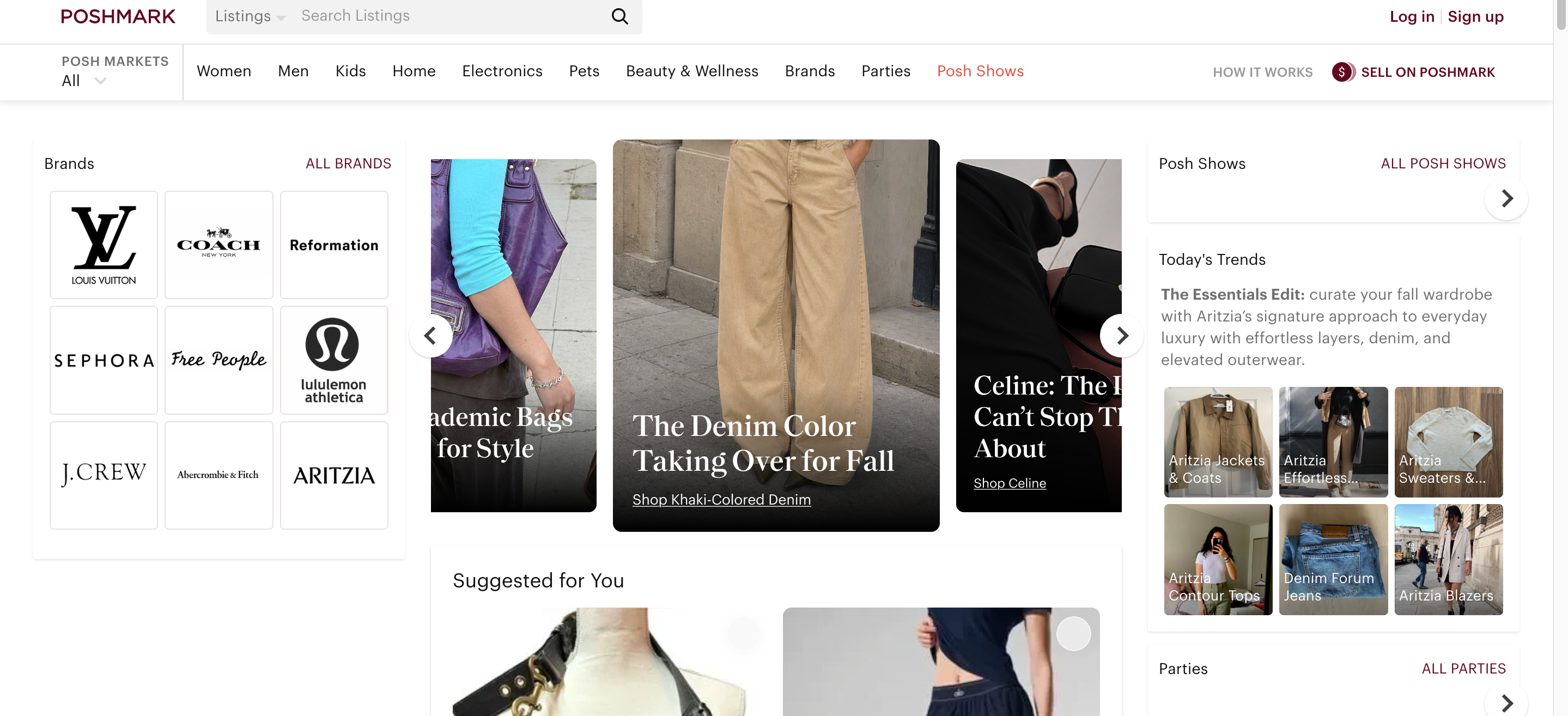
Poshmark is a resale marketplace focused on fashion, accessories, and lifestyle products. It provides sellers with structured listings, buyer offers, shipping support, and a marketplace environment built around resale.
Who Should Sell on Poshmark?
Poshmark is a good fit for sellers who want to resell branded clothing, shoes, handbags, accessories, and everyday fashion items. It works particularly well for closet sellers, brand-focused resellers, and those with a mix of new and pre-owned products.
What Sells Best on Poshmark?
Branded clothing, designer handbags, shoes, activewear, accessories, and recognizable fashion labels are popular categories on Poshmark. Items from well-known brands can attract shoppers who search specifically by brand, size, or category. Sellers can improve their listings by using high-quality product images, showing multiple angles, and highlighting details such as condition, measurements, materials, and visible flaws. For a more polished storefront, sellers can also use AI product photography tools to improve the visual presentation of their inventory.
Poshmark Pros and Cons
|
Pros |
Cons |
|---|---|
|
Large resale audience |
More competition in popular categories |
|
Simple listing process |
Fees can affect margins |
|
Good for recognizable brands |
Less focused on trend-driven discovery |
Depop vs Poshmark: Key Differences Sellers Should Know
Depop and Poshmark may look similar at first because both allow users to resell fashion items, but they attract different buyers and encourage different selling styles. The better choice depends on your inventory, pricing strategy, and how much effort you want to put into building your storefront. When comparing Poshmark vs. Depop, these differences can help you decide which marketplace better fits your selling strategy.
Audience and Buyer Behavior
Depop tends to attract shoppers interested in vintage, streetwear, Y2K, and trend-focused fashion. Its discovery-driven experience encourages buyers to browse based on style and visual appeal. Poshmark, meanwhile, has a more structured shopping experience where buyers often search for specific brands, categories, sizes, and products.
Fees and Seller Payouts
Seller fees can have a significant impact on your final earnings. Depop and Poshmark use different fee structures, so sellers should consider both the selling price and the amount they actually receive after applicable fees. Comparing your expected payout for typical products can help you determine which platform offers better margins for your inventory.
Shipping and Fulfillment
Shipping is another important difference when choosing between the two marketplaces. Poshmark provides a prepaid shipping label for eligible orders, which can simplify fulfillment for sellers. Depop gives sellers more flexibility over shipping methods and who covers the shipping cost. Your preferred fulfillment process and the size or weight of your products can therefore influence which marketplace works better for you. Sellers exploring different marketplaces can also compare their options with thebest online selling platforms.
Is Depop or Poshmark Better for Selling?
There is no single winner when comparing selling on Depop vs Poshmark. The better option depends on what you sell, who you want to reach, and how you prefer to present your products. If your inventory is trend-driven and visually distinctive, Depop may be the better fit. If you mainly sell branded fashion and everyday resale items, Poshmark can be a stronger choice. For some sellers, using both platforms can provide broader reach.
Depop Is Better If You Sell:
Depop is often better for vintage clothing, Y2K pieces, streetwear, graphic tees, unique accessories, and trend-focused fashion. Its discovery-driven audience makes it a good option for sellers whose products have a distinctive aesthetic and can stand out through creative presentation.
Poshmark Is Better If You Sell:
Poshmark can be a better choice if you sell recognizable brands, shoes, handbags, activewear, or everyday fashion items. Buyers often search by brand, category, and size, making it suitable for sellers with more conventional resale inventory and established brands.
Selling on Both May Be Better If:
If you have enough inventory and can manage listings across both platforms, selling on Depop and Poshmark can help you reach different types of buyers. You can adapt your presentation to each marketplace while keeping your core product information consistent. Sellers looking to expand beyond individual marketplaces can also explore multichannel marketing as part of a broader selling strategy. This approach can increase your reach without relying entirely on one platform.
Depop vs Poshmark for Different Types of Sellers
Best for Beginners
Both platforms can work for beginners, but Poshmark may be easier for sellers who want a more structured resale experience. Its straightforward listing process and shipping system can make it easier to get started. Depop can be a better option for beginners who already understand fashion trends and enjoy creating visually distinctive listings.
Best for Vintage Sellers
Depop is generally the stronger choice for vintage sellers because its audience is particularly interested in unique, retro, Y2K, and trend-driven fashion. Sellers who know how to style and photograph distinctive pieces can use Depop's discovery-focused environment to attract shoppers looking for something different.
Best for Designer Sellers
Poshmark can be a strong fit for sellers offering designer clothing, handbags, shoes, and recognizable brands. Buyers often search for specific brands and product categories, making it easier to position high-value items around their brand recognition, condition, and details.
Best for Casual Sellers
For casual sellers clearing out their closets, Poshmark offers a relatively simple way to list and sell everyday fashion items. Depop may be more suitable if your closet contains trend-focused or visually unique pieces. If you're comparing Poshmark or Depop is better for selling, consider which platform better matches the type of items you already own.
Best for Full-Time Resellers
Full-time resellers may benefit from using both platforms to reach different buyer groups. Depop can help attract trend-focused shoppers, while Poshmark can provide access to buyers searching for established brands and categories. For sellers managing a larger inventory, maintaining a consistent ecommerce design approach can also help keep product visuals organized and professional across different sales channels.
How to Create Listings That Stand Out on Depop and Poshmark
Regardless of whether you sell on Depop or Poshmark, strong listings can help buyers understand your products and feel more confident about purchasing. The goal is to present each item clearly while adapting your content to the way shoppers browse and evaluate products.
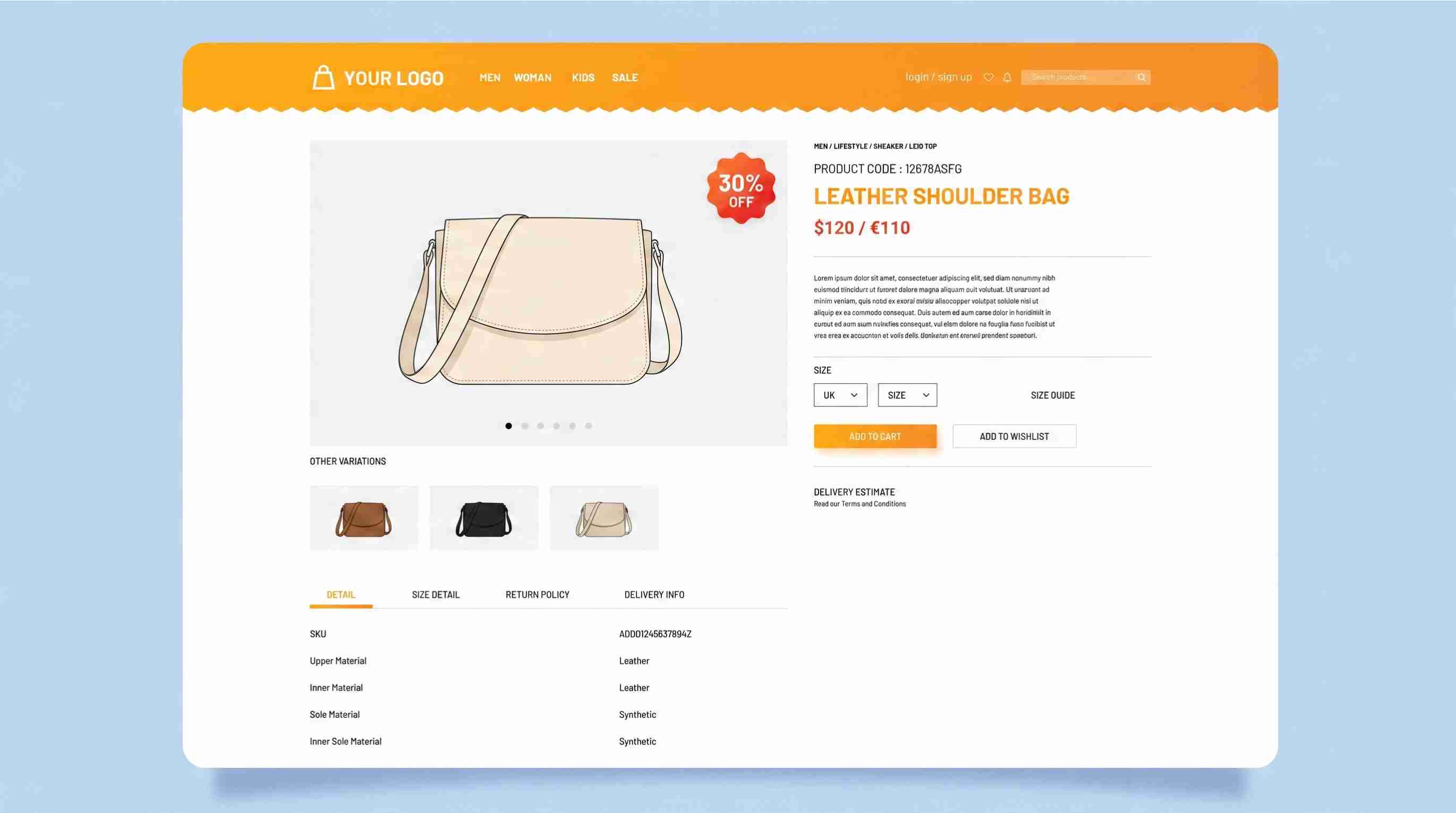
Use Clear Product Photos
Use bright, sharp photos that show the product from multiple angles. Include close-ups of important details, labels, textures, and any flaws, so buyers know exactly what they are getting. Consistent product photography can also make your listings look more professional.
Write Complete Product Information
Include essential details such as brand, size, measurements, material, condition, color, and any visible wear. Specific information reduces uncertainty and helps shoppers decide whether the item is right for them.
Show the Product in Context
Whenever appropriate, show clothing, accessories, or other products in a realistic setting or being used as intended. Lifestyle visuals can help shoppers understand the product's appearance and appeal beyond a basic product shot.
Adapt Your Listing to the Buyer
Think about what your target shopper is likely to look for when writing the title, description, and selecting photos. If you're still deciding whether it is better to sell on Depop or Poshmark, consider how your target audience responds to different listing styles and product presentations.
Create Multiple Creative Variations
Using several visual variations can help you present the same product from different perspectives without overwhelming the buyer. You might combine standard product shots with detailed images, lifestyle visuals, or alternative compositions. For inspiration, explore product photography ideas to find practical ways to make your listings more visually engaging.
Create High-Converting Product Listings With Designkit
As sellers expand across Depop, Poshmark, and other marketplaces, creating consistent, high-quality product listings becomes increasingly time-consuming. Each item needs clear visuals, accurate details, and platform-ready presentation, but doing this manually for every product quickly turns into repetitive work. Designkit helps streamline this process by turning raw product information into structured, listing-ready creative assets that can be used across multiple e-commerce channels.
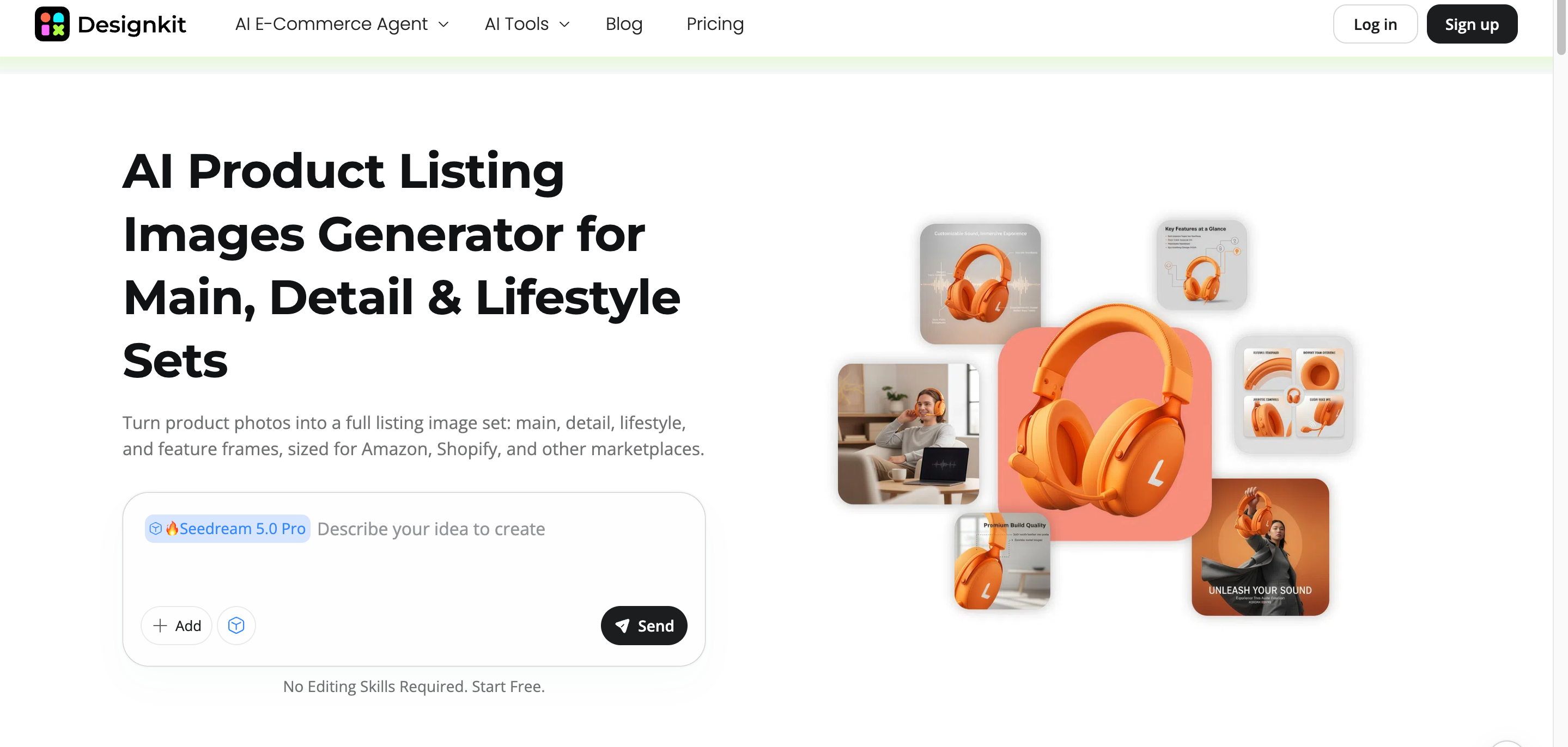
How to Create Marketplace-Ready Product Listings With Designkit
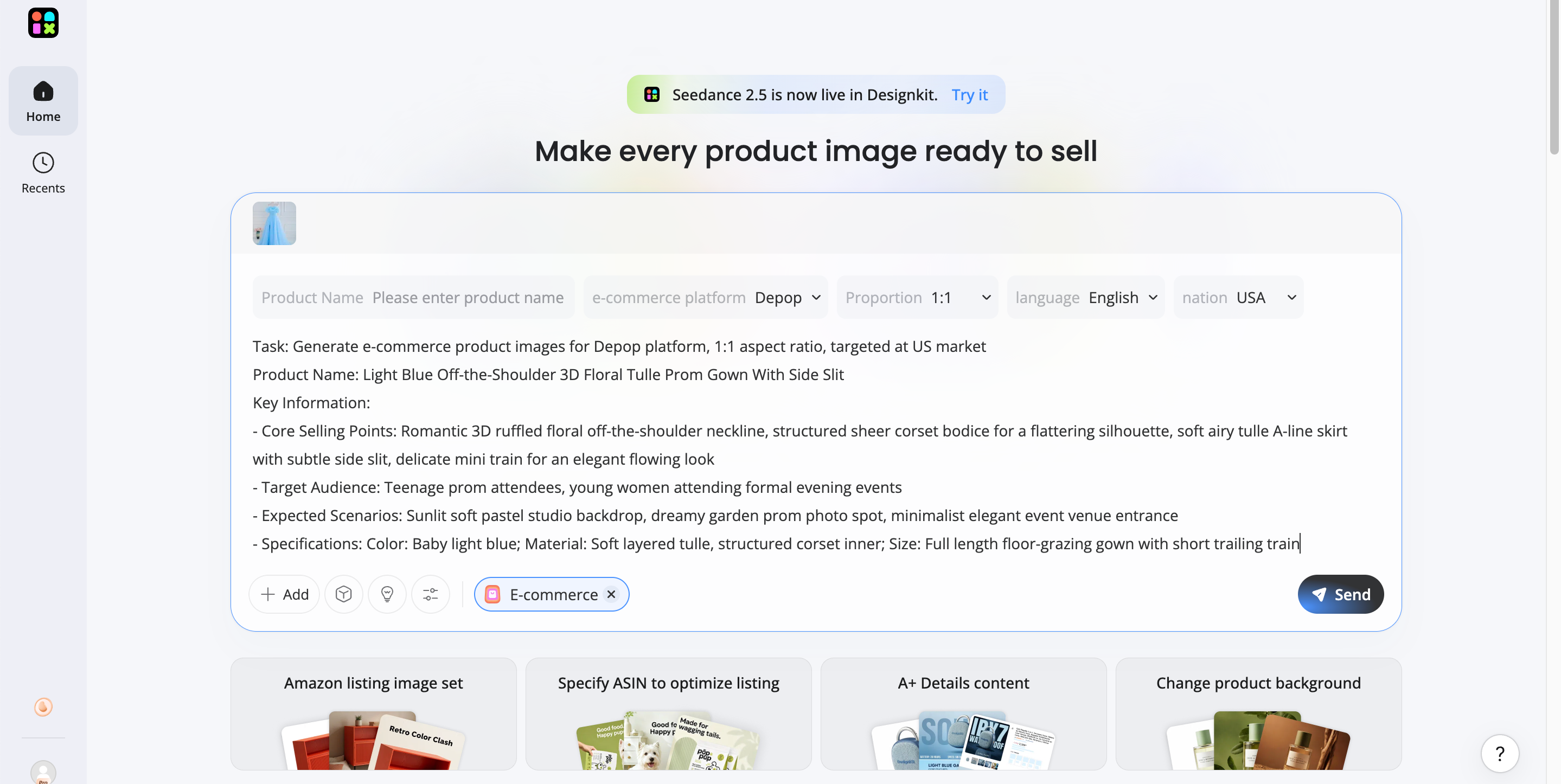
Step 1: Add Your Product Information
Upload product photos and include essential details such as brand, size, condition, materials, and key features. This forms the foundation for your listing assets.
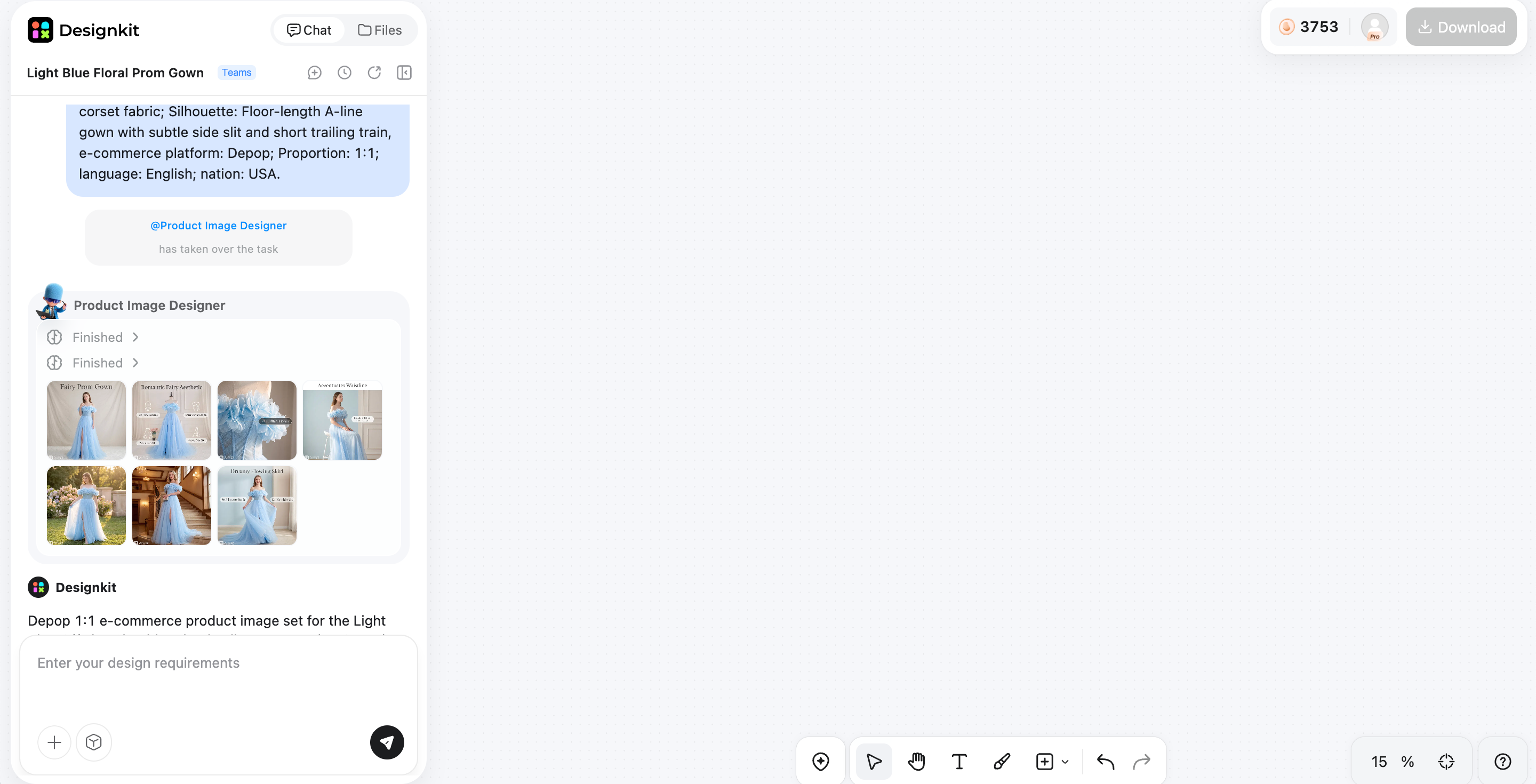
Step 2: Generate Listing-Ready Visuals
Use Designkit to turn your product input into structured visuals, including main images, detail highlights, and supporting lifestyle-style creatives.
Step 3: Adapt and Publish Across Channels
Refine the generated assets for different marketplaces like Depop and Poshmark, then publish consistent, optimized listings across all platforms.
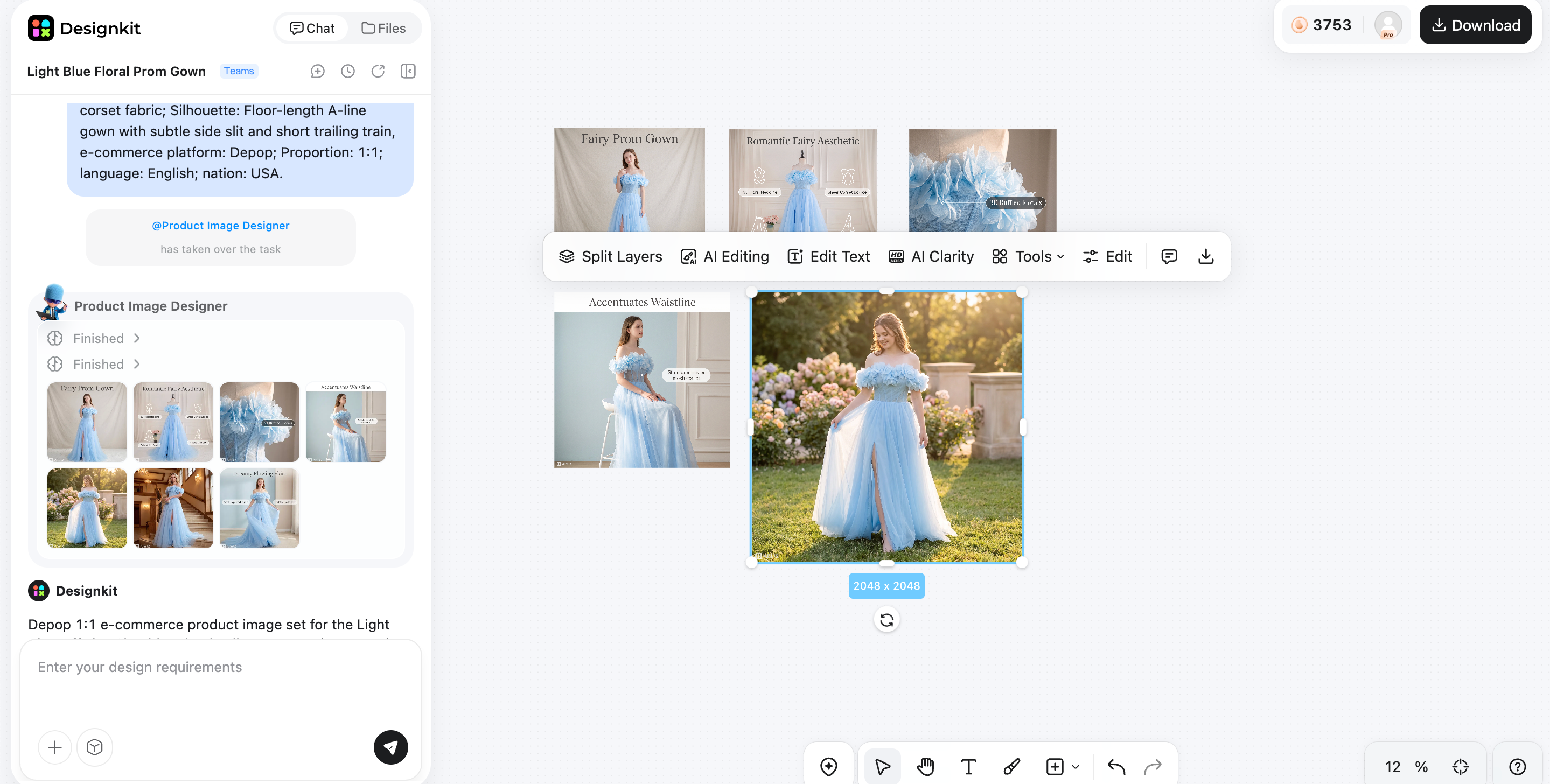
Why Choose Designkit for Product Listing Creation
Designkit helps sellers transform basic product inputs into complete listing visuals.
-
AI Product Photography: Turn basic product photos into polished visuals with AI. Improve presentation, create different styles, and prepare professional-looking images for marketplace listings.
-
AI Background Generator: Replace plain or distracting backgrounds with clean, relevant scenes. Give your products a more professional look while keeping the focus on the item.
-
Product Listing Image Creation: Turn product information and images into engaging listing visuals. Highlight key features, product details, and selling points in a clear, shopper-friendly format.
-
AI Photo Editor: Refine product images with quick AI-powered edits. Adjust backgrounds, improve visual quality, and make changes that help your listings look cleaner and more consistent.
-
Multi-Channel Content Workflow: Adapt product visuals for different marketplaces and selling channels. Keep your images consistent while adjusting creative assets to match each platform's requirements.
Common Mistakes When Selling on Depop or Poshmark
Small listing mistakes can make products harder to evaluate and may reduce buyer confidence. Whether you're selling on Depop or Poshmark, clear visuals, complete information, and a consistent approach can make your listings more effective.
Using Only One Product Photo
A single image rarely shows everything a buyer needs to know. Include multiple angles to show the front, back, details, labels, texture, and any signs of wear. This gives shoppers a better idea of the item's condition, shape, and fit before purchasing.
Leaving Out Measurements
Measurements are especially important for secondhand clothing because sizing can vary between brands and styles. Include details such as chest, waist, length, inseam, or shoe measurements where relevant. This helps buyers compare the item with something they already own.
Using Poor Lighting or Cluttered Backgrounds
Dark, blurry, or distracting photos can make even a good product look less appealing. Use clean backgrounds and sufficient lighting, so buyers can easily see the item's color, texture, and condition. Following professional product photography standards can help you maintain a more polished visual presentation.
Writing Generic Descriptions
Avoid descriptions that simply call an item "beautiful," "high quality," or "must-have." Instead, provide useful information about the brand, size, material, condition, fit, features, and any imperfections. Specific details give buyers more confidence in what they are purchasing.
Ignoring Platform-Specific Buyer Expectations
Depop and Poshmark attract different types of shoppers, so listings should reflect how buyers browse each marketplace. Consider the products you sell, the way you present them, and the information your target audience is most likely to value.
Creating Listings Manually From Scratch Every Time
Rebuilding every listing from the beginning can become repetitive, particularly when managing multiple products or selling across different marketplaces. A repeatable workflow for organizing product information, images, and supporting visuals can make the process more consistent and easier to manage.
Final Thoughts
There is no universal winner between Depop vs Poshmark. The better platform depends on what you sell, who you want to reach, and how you prefer to present your products. Depop is often a stronger choice for vintage, streetwear, and trend-focused fashion, while Poshmark may work better for branded clothing, shoes, handbags, and traditional resale products. For sellers with enough inventory, using both platforms can expand reach and create more sales opportunities. No matter where you sell, high-quality photos, accurate descriptions, and a consistent listing workflow can help your products stand out.
Tools like Designkit can make the creative process easier by helping sellers create professional product visuals faster across multiple marketplaces.
Frequently Asked Questions
Which platform is easier for beginners, Depop or Poshmark?
What should I sell on Depop to get more views?
Vintage clothing, Y2K fashion, streetwear, graphic tees, unique accessories, and trend-focused pieces can perform well on Depop. Designkit can help you present these products with clear, polished visuals that highlight their style, details, and overall appearance.
What products sell better on Poshmark?
Branded clothing, shoes, handbags, activewear, designer items, and recognizable fashion labels are popular choices on Poshmark. Designkit can help improve the visual presentation of these products with professional-looking images that make important details easier for shoppers to evaluate.
Can I sell the same item on both Depop and Poshmark?
Yes, you can list the same item on both platforms, but remove the other listing when it sells. Designkit can support this multi-platform approach by helping you maintain consistent product visuals while adapting your listings for different marketplace audiences.
How do I make my Depop or Poshmark listings look more professional?
Use clear photos, multiple product angles, accurate measurements, detailed descriptions, and uncluttered backgrounds. Designkit can further improve your presentation with AI-powered photo editing, helping you refine product images and maintain a consistent visual style across your listings.
Do product photos really affect sales on Depop and Poshmark?
Yes. Product photos help buyers judge condition, color, fit, and details before purchasing. Designkit can help sellers improve these visuals by enhancing product photos and creating cleaner, more professional-looking listing assets without requiring a complete photoshoot every time.
Is it worth selling on both Depop and Poshmark at the same time?
Selling on both can be worthwhile if your inventory suits both audiences and you can manage the listings efficiently. Designkit can make the creative side easier by helping you prepare consistent product visuals, allowing you to maintain a professional appearance across multiple resale platforms.
You May Also Like

T-Shirt Design Size Guide: Placement, Dimensions, & DPI
How to Sell on Poshmark: A Complete Beginner's Guide

Zeely Reviews 2026: Features, Pricing, Pros, Cons & Alternatives
Create TikTok Ads From One Photo: An AI Product Launch Kit
Depop vs Poshmark: Which Is Better for Selling in 2026?
How to Create an Amazon Storefront: 4-Step Guide for New Sellers

How to Sell Books on Amazon in 2026: Beginner Guide

How to Sell on Amazon in 2026: A Complete Seller Guide
AI Product Photography: 7 Best Tools for Ecommerce in 2026

What Is a Hero Image? Definition, Examples & Design Tips

Pippit AI Review 2026: Features, Pricing, Pros & Cons
Back to School Ad: 7 Creative Ideas for Better Campaign Results

Top 7 Back-to-School Sales Ideas to Boost Retail Sales (2026)

How to Create a Complete World Cup Product Listing Image Set

How to Create Amazon Summer Sale Posters and Banners with AI
Amazon Summer Sale 2026: Listing Design Trends & Product Image Ideas

Ecommerce Video Ads: 7 Strategies That Drive Higher Conversions
How to Photograph Shoes for Your Ecommerce Store in 2026

Product Photography Ideas: Creative Tips & Techniques for Better Shots
Product Photography Pricing 2026: Full Cost Guide by Type
White Background Product Photography Guide & Tips 2026
Product Photography Starter Package: Gear Checklist 2026
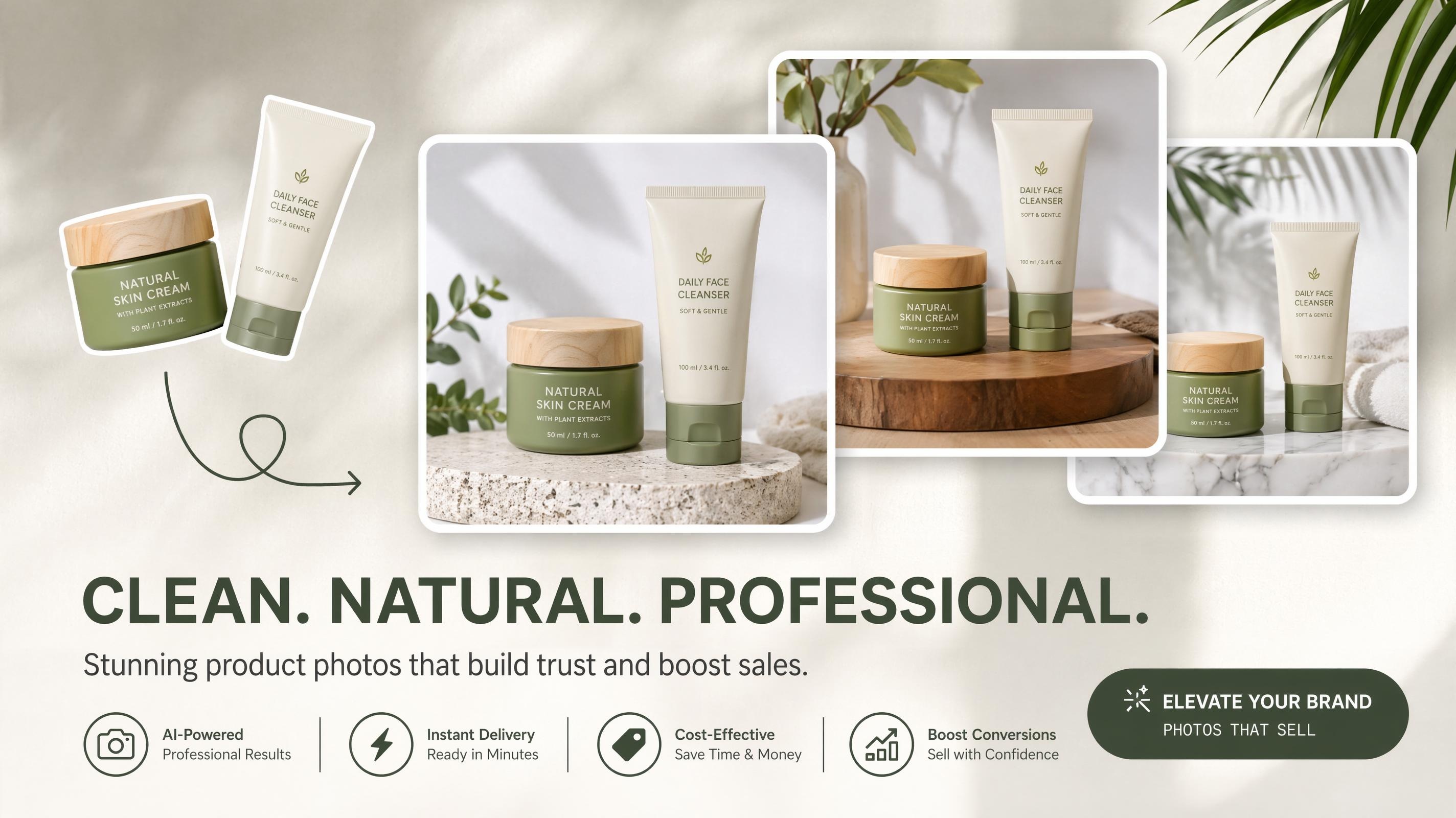
Shopify Product Photography Guide with Tips & Setup
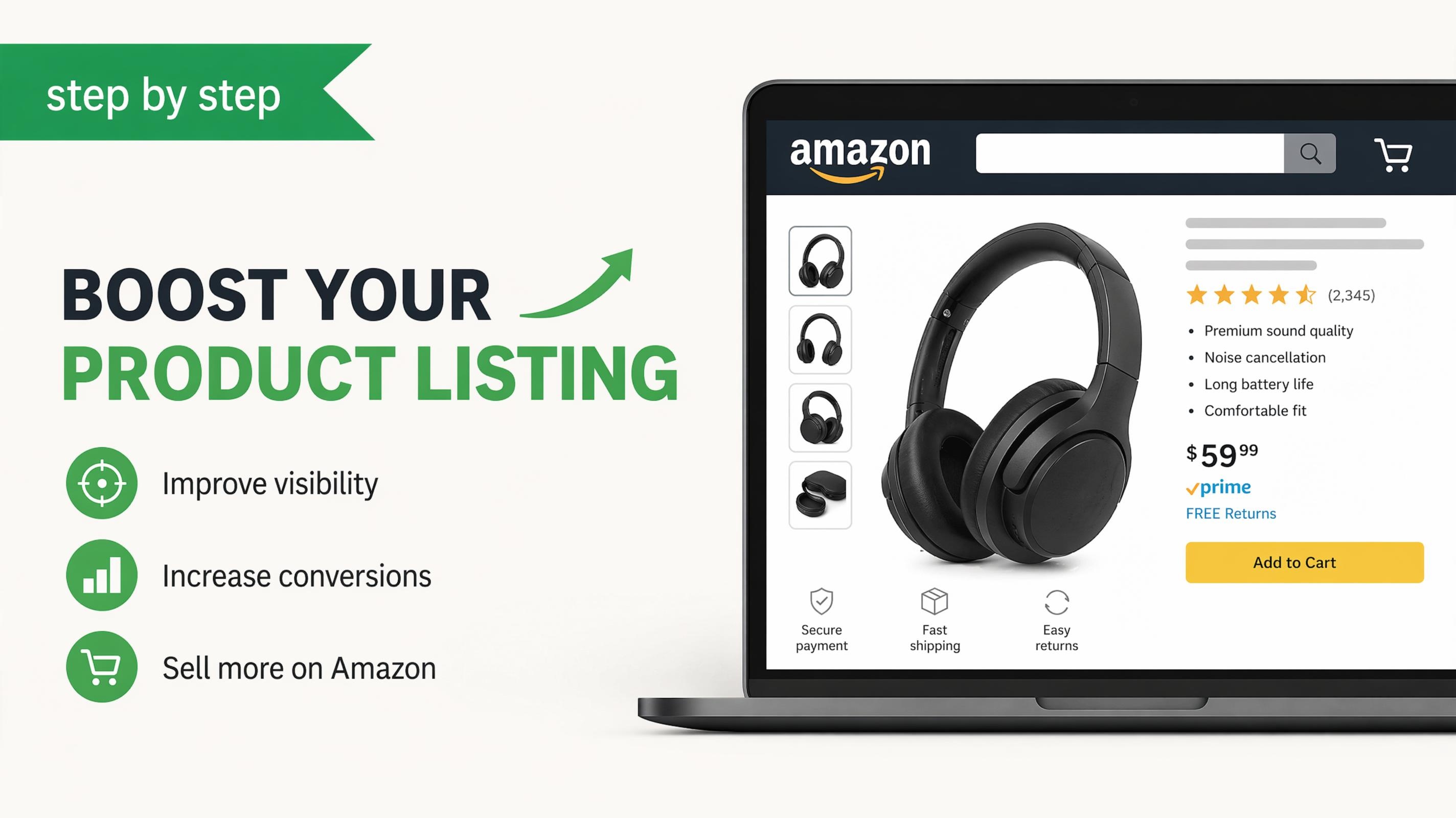
Amazon Main Image Requirements: Size, Guidelines & Tips
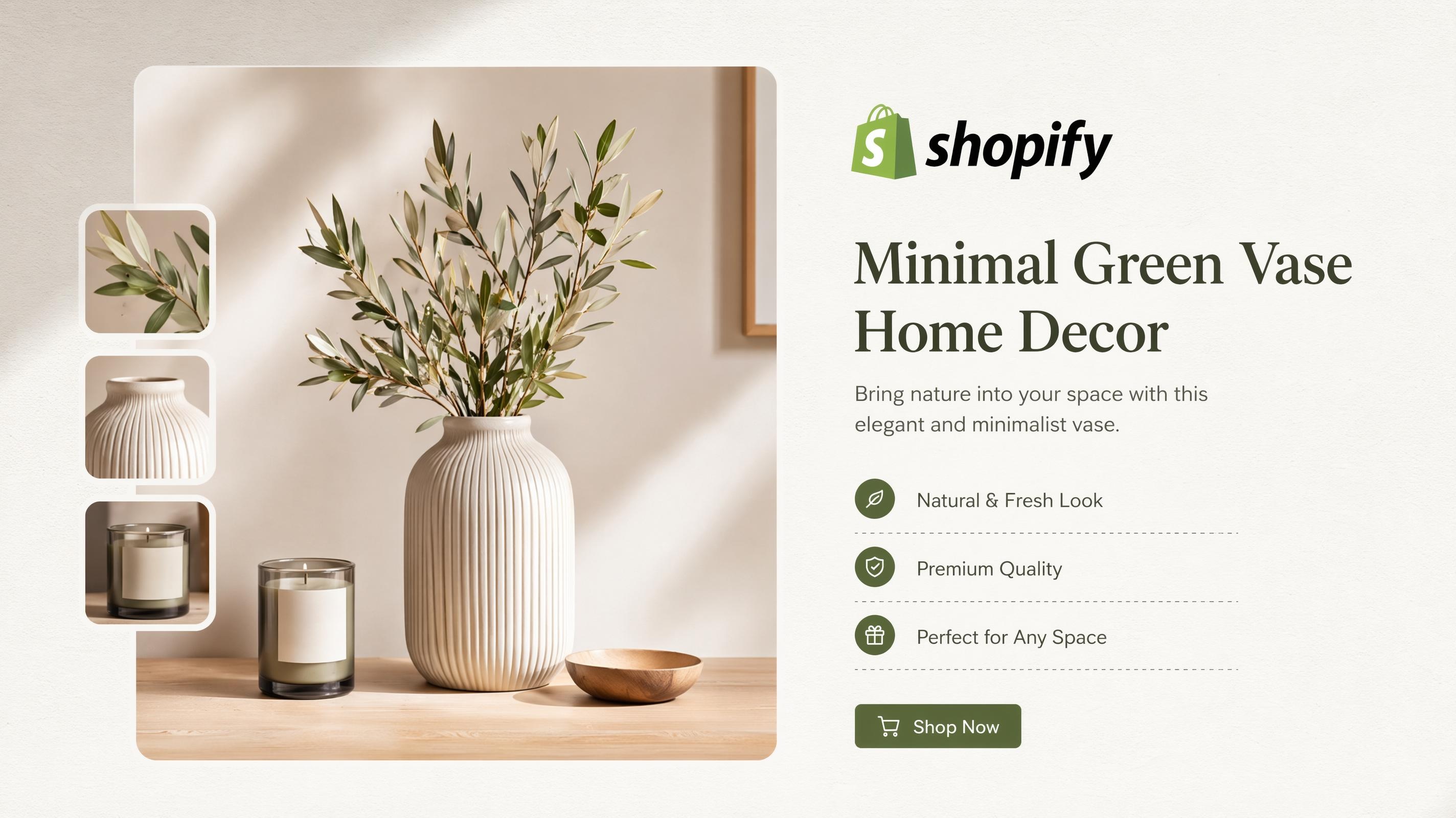
Shopify Image Size 2026: Complete Guide and Tips for Better Product Display

Studio Product Photography vs AI Product Photography in 2026

7 Product Photography Mistakes That Hurt Ecommerce Sales
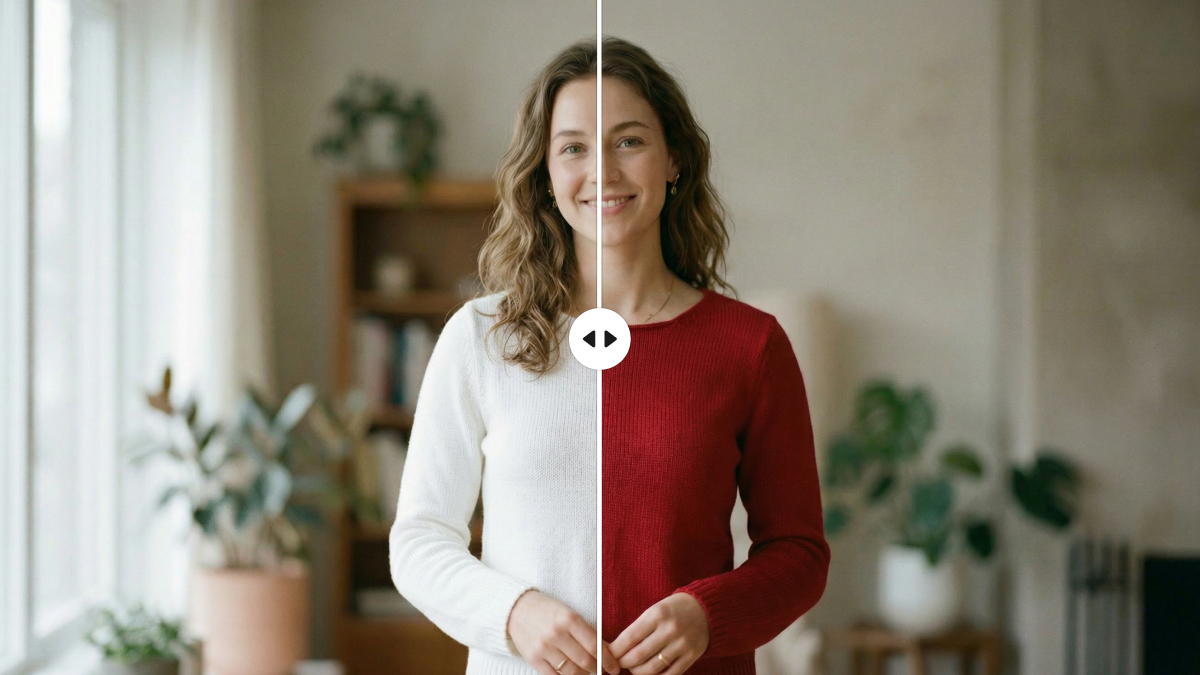
Change Outfit Colors Online for Outfit Preview with AI Clothes Color Changer
How to Create Amazon Infographics: Boost Sales with Compelling Visuals

How to Create Outdoor Product Scenes Without a Photoshoot Using AI
Optimize Etsy Images for Mobile: Listing Photos That Convert
Amazon 7-Image Listing Strategy: Boost Sales by Optimizing Every Image
Etsy Thumbnail Optimization: Keep Your Product Fully Visible
The Etsy Thumbnail Formula That Drives More Clicks and Sales
How to Create Pro Amazon Listing Photos Without a Studio
10 High-Converting Lifestyle Product Images for Amazon Listings

How to Automate Your E-commerce Visuals with OpenClaw Workflow
Top 5 AI Tools to Generate Amazon Product Listing Images in 2026

How to Turn One Photo into 10 Etsy Listing Images Fast: Batch Workflow
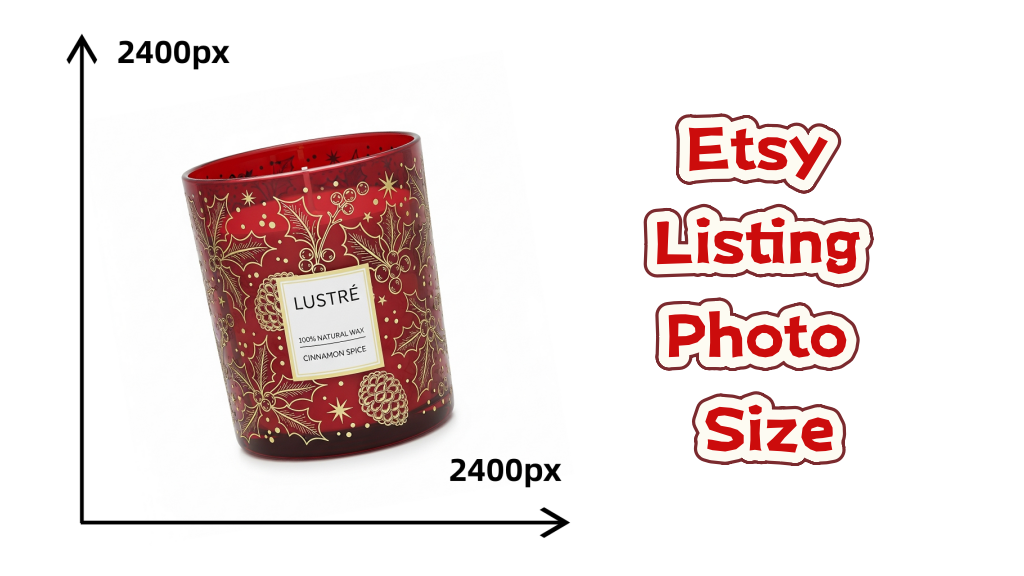
Etsy Listing Photo Size Guide (2026): Mobile, Desktop & Shop View Specs
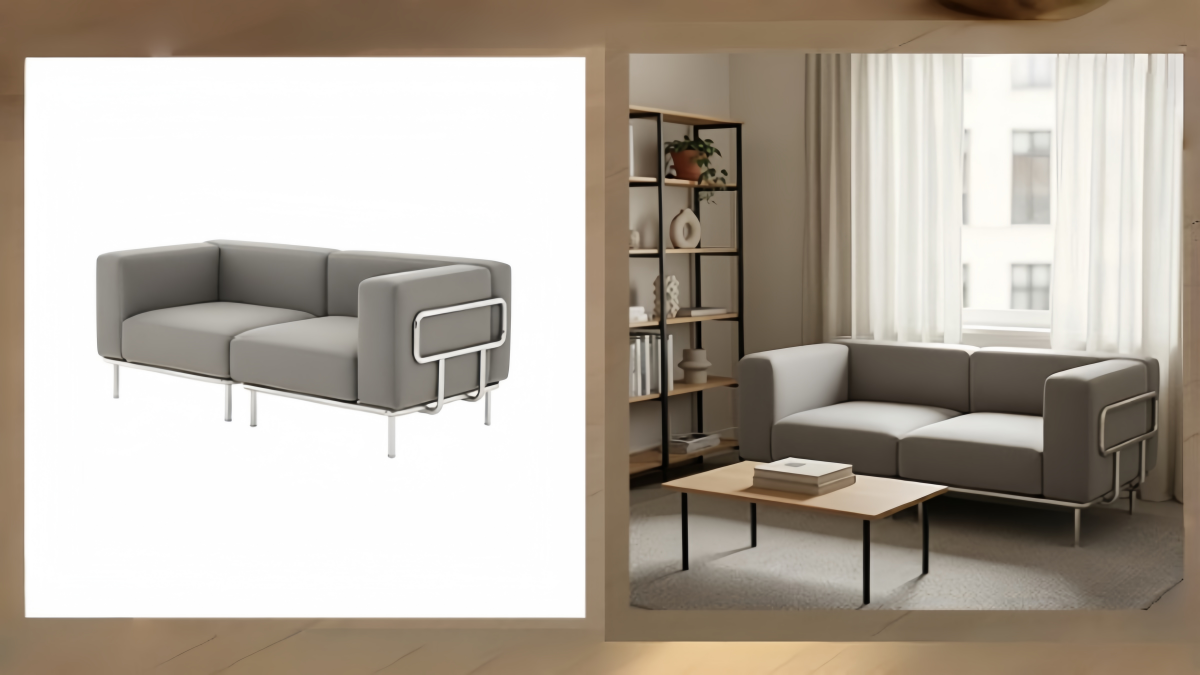
Turn White Background Images into Lifestyle Amazon Listings

Fix Etsy Image Cropping: Optimize Listing Photos for Every Device
Amazon Listing Images: Essential Shot List & Optimization Guide

How to Create Lifestyle Product Images Without a Studio
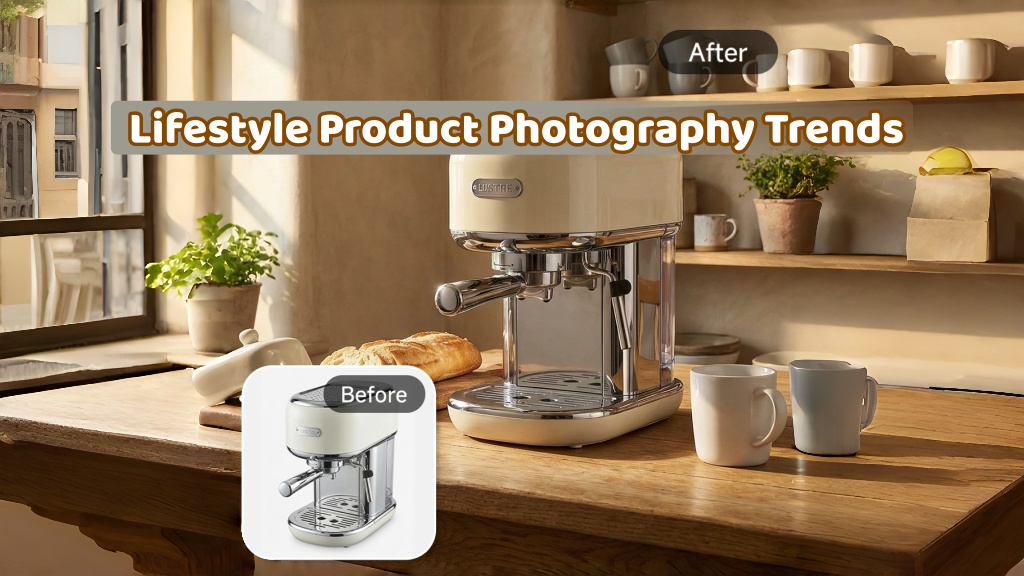
Lifestyle Product Photography Trends 2026: Authentic Looks at Scale
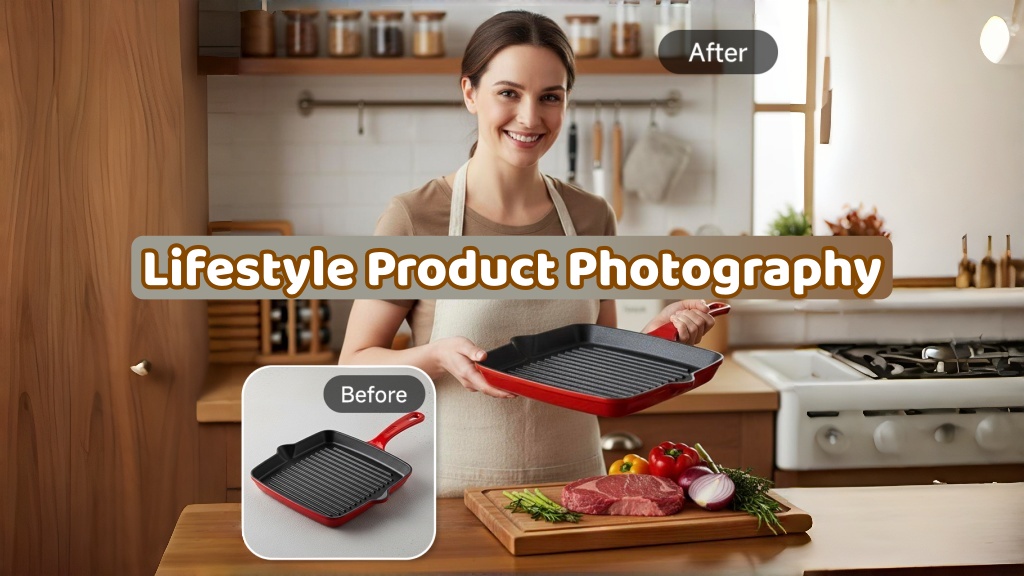
How to Master Lifestyle Product Photography in 2026
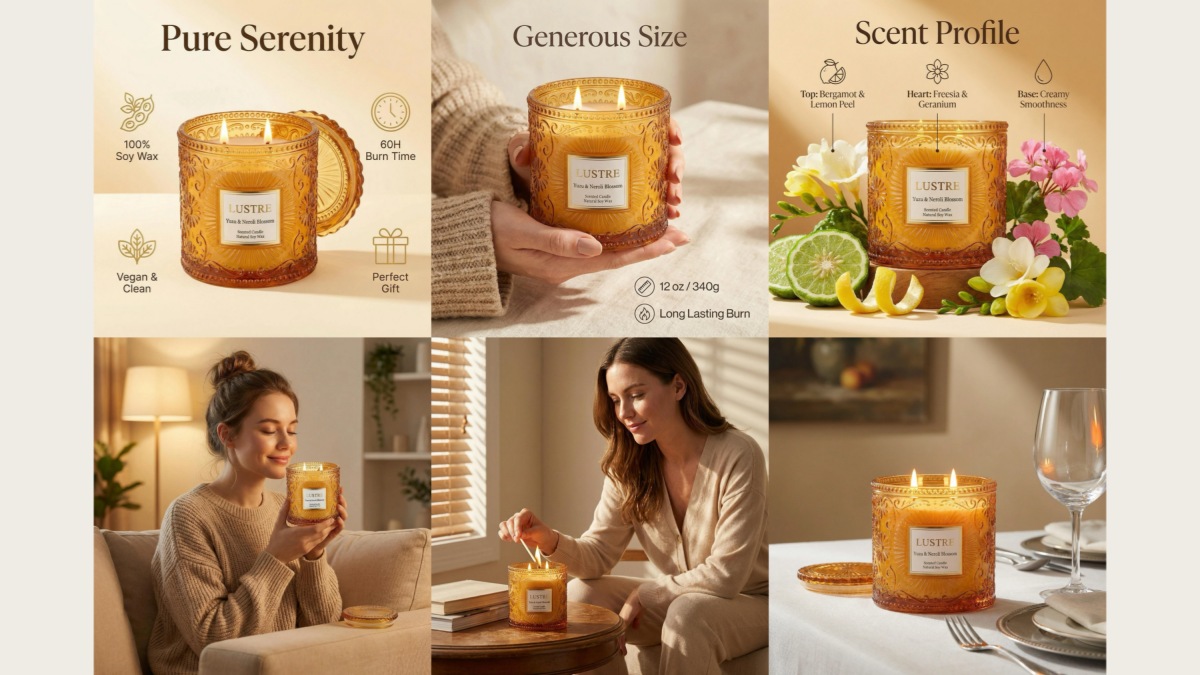
Amazon Listing Images Guide 2026: 7-Slot Strategy & Requirements
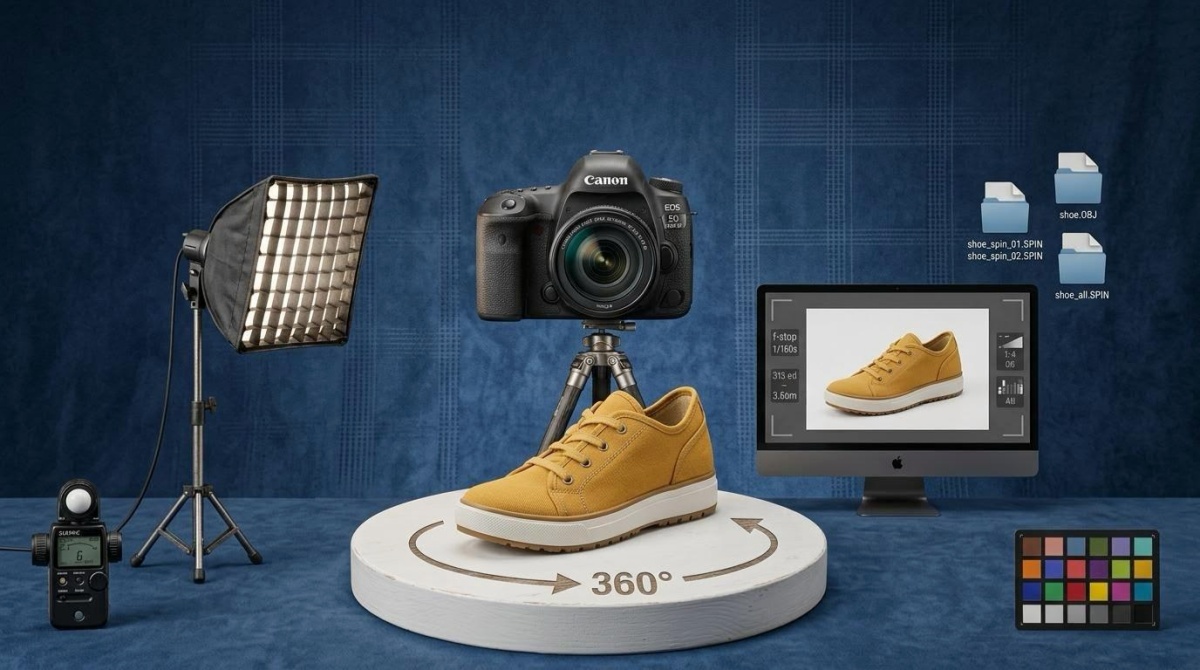
360 Product Photography Guide 2026: Setup, Shoot and Workflow
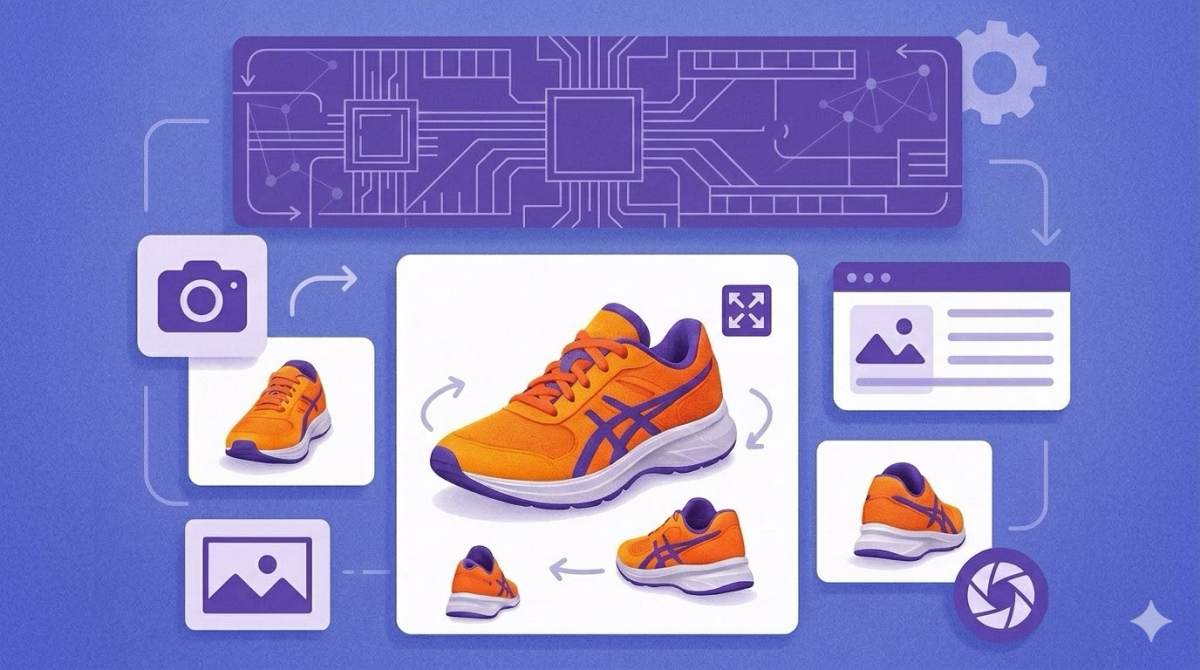
Beginner's Guide to Generate Product Photos from Different Angles
AI Product Photography: Create Ecommerce Images Without a Photoshoot

How to Create Realistic AI Product Photos: Step-by-Step Pro Guide
Keep AI Product Images Consistent Across SKUs: Lighting, Color, Background
How to Scale E-commerce with a Product Image Generator

How to Use AI for Spring Product Photography: 2026 Amazon Guide

How to Create a Budget Home Product Photography Setup with AI
How to Achieve Professional Product Photography Standards in 2026

How to Take Product Photos with Phone: Pro Guide for Amazon & AI
Best AI Product Image Generator 2026: Top Tools for Amazon Sales
Amazon Photography Service vs. AI Generator: Best Choice for Sales

What Is Product Photography? Angles, Lighting & Editing Guide
Amazon Spring Sale 2026: Create High-Converting Listing Images (Guide)

AI Agents Transform Amazon Product Photography in 2026
Amazon Photoshoot in 2026: Do You Still Need a Studio?

11 Must-Have Tools for Amazon Product Photography in 2026
2026 Amazon Image Trends Shaping Seller Success and Conversions
Amazon Product Photography Requirements & Best Practices 2026
Create Sale-Boosting Product Listings for Your Online Store
Create professional product visuals for Depop, Poshmark, and other marketplaces with Designkit. Turn simple product photos into polished listing assets and save time creating content.