
Where to Sell Handmade Items Online: Etsy, Amazon Handmade, or Shopify?
Where to sell handmade items online: compare Etsy, Amazon Handmade, and Shopify, then create channel-ready product images.

If you are deciding where to sell handmade items, the right answer depends on what you make, how quickly you can produce it, and how you plan to find customers. A custom necklace, a box of candles, a ceramic vase, and a digital pattern do not need the same sales channel.
Etsy gives makers access to shoppers already looking for handmade, personalized, and giftable products. Amazon Handmade adds Amazon marketplace reach and optional Fulfillment by Amazon (FBA), but requires an application and rewards reliable inventory. Shopify gives you a branded store and more control over the customer relationship, but you must create or bring the traffic yourself.
This guide compares platforms by product type, seller stage, traffic, fees, branding, fulfillment, and customer ownership. It also covers selling without Etsy, common operating mistakes, and the signs that you are ready to add another channel. Fees and policies change, so check the official resources linked throughout before making a business decision.
What Is the Best Place to Sell Handmade Items?
For most new makers, Etsy is the easiest place to test demand because its shoppers already understand handmade products. Amazon Handmade becomes more attractive when a product is proven and repeatable. Shopify is strongest when the business needs a branded store, repeat purchases, and more control over the customer journey.
| Seller situation | Best starting point | Reason |
|---|---|---|
| Testing first products | Etsy | Existing handmade intent and a relatively simple launch |
| Personalized or made-to-order products | Etsy | Buyer messages and customization fit the workflow |
| Proven products with stable inventory | Amazon Handmade | Marketplace demand and eligible FBA options |
| Brand-led business with repeat purchases | Shopify | Control over store, checkout, and retention |
| Wholesale expansion | Faire | Retail buyers and wholesale ordering |
| Local or community-led sales | Craft fairs, markets, or social commerce | Direct feedback and local discovery |
The best marketplace for handmade sellers is the one that matches your current constraint. A seller with no audience needs discovery. A seller with strong demand may need fulfillment. A brand with repeat customers may need ownership and retention tools.
Best Websites to Sell Handmade Items Online
The three core options below solve different problems. Use the comparison pages linked in each section for deeper fee and platform analysis instead of repeating every detail in this hub.
Etsy: Best for Handmade Discovery and Custom Products
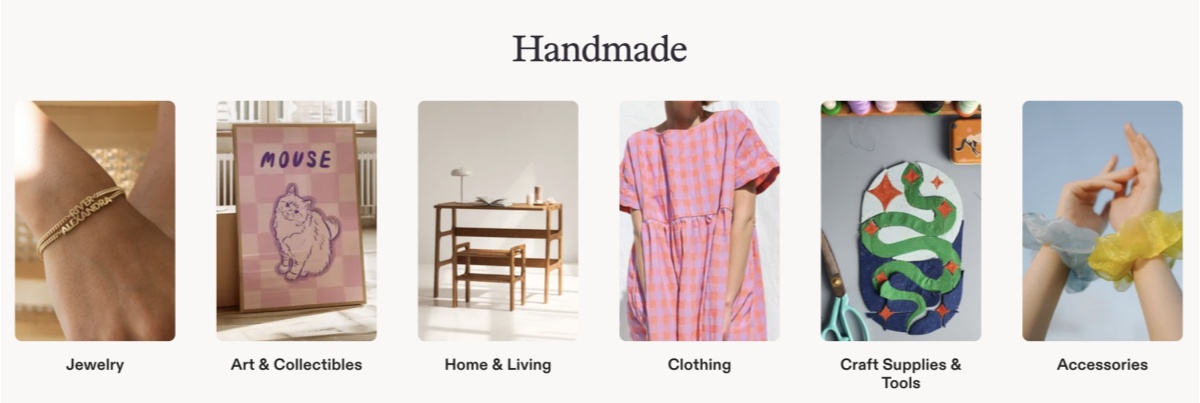
Etsy is a marketplace centered on handmade products, vintage items, craft supplies, gifts, and personalization. It is often the most practical starting point for a new handmade business because shoppers arrive with relevant intent instead of discovering an entirely new store from scratch.
Etsy fits personalized gifts, custom jewelry, wedding accessories, ceramics, small-batch products, and one-of-a-kind work. Shop pages, About sections, product photos, and seller messages give makers room to explain materials and process. The platform also requires sellers to follow its current seller policies and Creativity Standards.
Costs can include listing, transaction, payment processing, and advertising fees. Review the official Etsy Fees page and the Etsy Seller Handbook before calculating profit.
Amazon Handmade: Best for Proven Products and Fulfillment
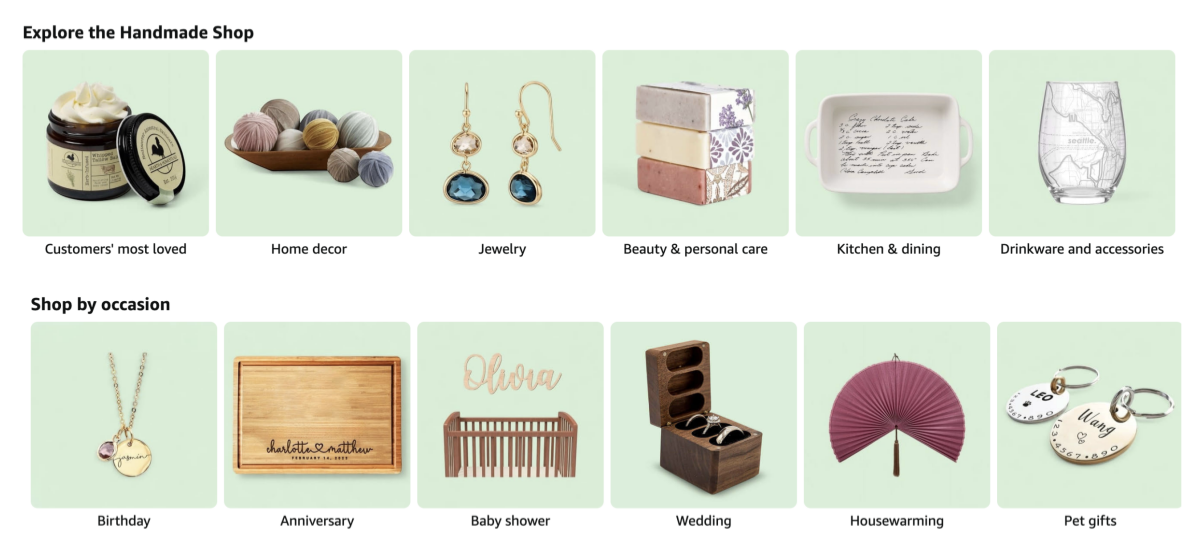
Amazon Handmade is a maker-focused program inside Amazon. According to Amazon’s official program documentation, eligible products can be handcrafted, hand-designed, hand-altered, repurposed, or upcycled. Sellers apply with information about their products and production process before listing in the Handmade program.
Amazon Handmade may fit standardized gifts, home products, accessories, and other goods that can be produced and shipped consistently. FBA can handle storage, picking, packing, and shipping for eligible non-custom items. Personalized products generally need seller fulfillment because production begins after the order.
Amazon states that Handmade sellers pay a 15% referral fee or $0.30 per unit, whichever is greater. The program page also explains the Professional selling plan and fee waiver for approved Handmade sellers. Verify the live terms at the Amazon Handmade program.
Shopify: Best for Owning Your Brand and Customer Relationships
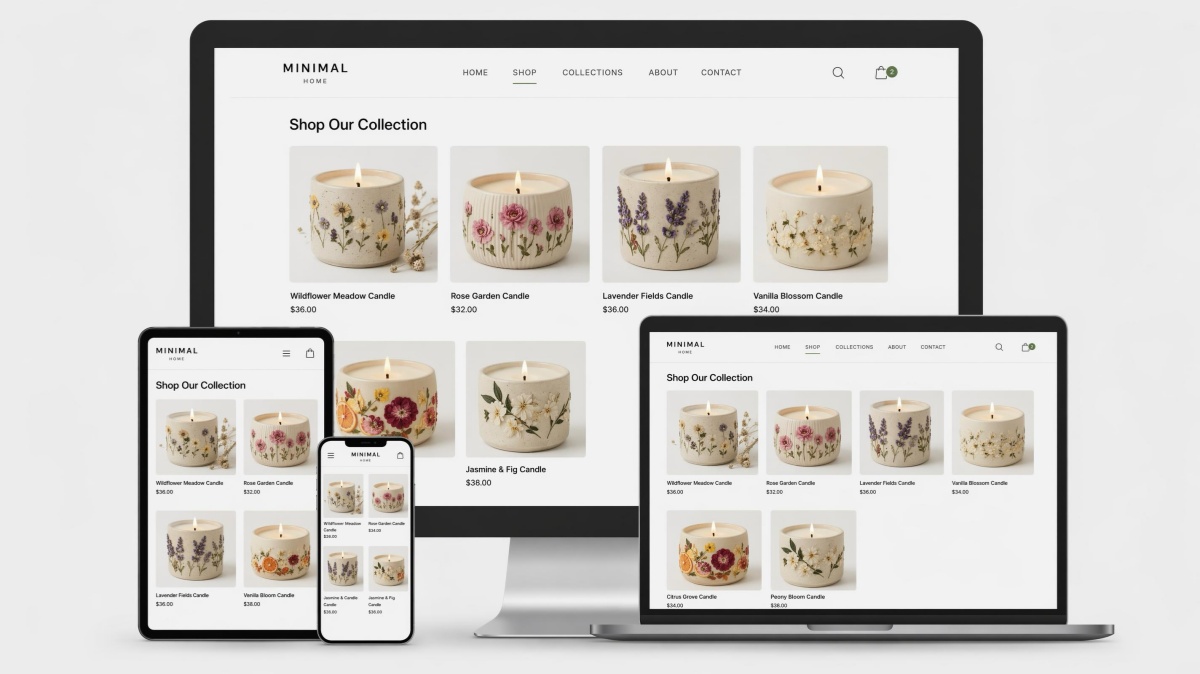
Shopify lets you build an independent store with your own domain, design system, product pages, checkout, and marketing integrations. It is a strong handmade ecommerce platform for premium products, subscriptions, bundles, repeat purchases, and makers who want customers to remember the brand rather than only the marketplace listing.
The limitation is traffic. A new Shopify store does not automatically have Etsy or Amazon’s search audience. You must attract visitors through SEO, paid advertising, social content, influencers, partnerships, or email. Costs may include the Shopify plan, payment processing, apps, creative production, customer acquisition, and fulfillment.
Shopify’s official pricing and commerce resources explain its plans, checkout, customer tools, and multichannel selling options. Start with Shopify Pricing and the Shopify Future of Commerce resources.
Other Places to Sell Handmade Products
If you are looking for where to sell handmade items besides Etsy, consider these options based on your business model rather than simply adding every available channel.
| Platform or channel | Best for | Main limitation |
|---|---|---|
| Faire | Wholesale handmade products | Wholesale margins and retailer requirements |
| TikTok Shop | Trend-led products with video potential | Requires consistent content and platform activity |
| WooCommerce | Sellers wanting self-hosted control | More technical setup and maintenance |
| eBay | Vintage, collectibles, or commodity-adjacent products | Weaker handmade brand presentation |
| Craft fairs and local markets | Local discovery and direct feedback | Booth fees and time commitment |
| Social commerce | Makers with an existing community | Depends on content and audience engagement |
Smaller online marketplaces for handmade goods can be worth testing when they have a clear audience, transparent fees, and active buyers. Check seller eligibility, payout terms, traffic, and policy updates before moving a large catalog.
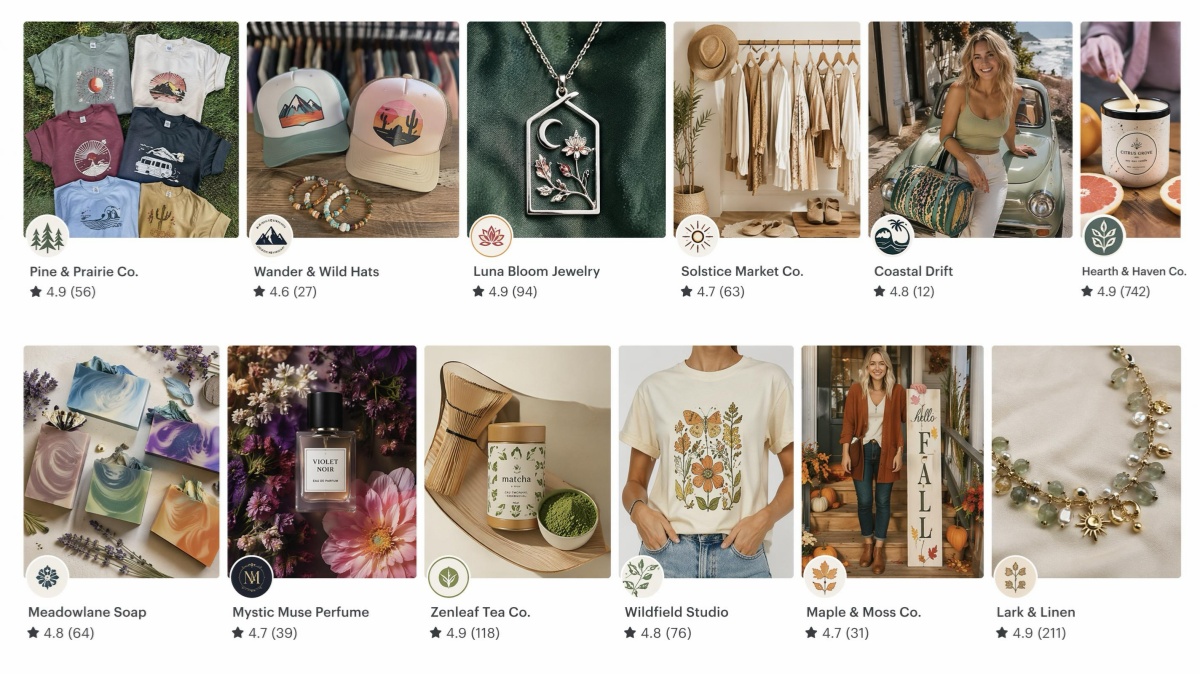
Which Platform Is Best for Your Handmade Product?
Product category is one of the most useful ways to narrow the choice. The same platform is not equally suitable for a custom necklace, a box of candles, a fragile vase, and a digital pattern.
| Product category | Best starting platform | Strong second option | Main consideration |
|---|---|---|---|
| Handmade jewelry | Etsy | Shopify | Customization, storytelling, and visual detail |
| Personalized gifts | Etsy | Shopify | Buyer communication and made-to-order workflow |
| Candles and bath products | Etsy or Amazon Handmade | Shopify | Shipping, labeling, and repeat purchase |
| Ceramics and pottery | Etsy | Shopify | Fragility, packaging, and shipping cost |
| Woodwork and home décor | Etsy or Amazon Handmade | Shopify | Size, weight, and inventory consistency |
| Art prints and stationery | Etsy | Shopify | Design, copyright, and repeatable production |
| Knitwear and textile products | Etsy | Shopify | Sizing, returns, and production time |
| Digital craft products | Etsy or Shopify | None required | Instant delivery and policy fit |
| Standardized giftable products | Amazon Handmade | Shopify | Inventory and fulfillment speed |
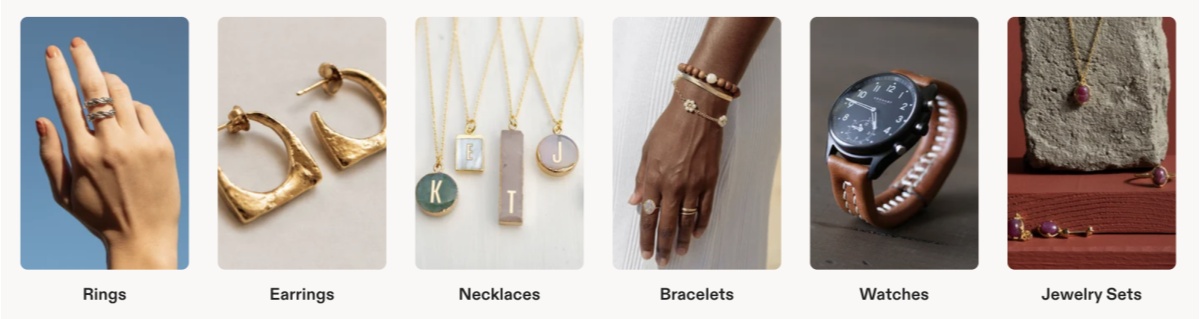
Where to sell handmade jewelry
Etsy is often the best place to sell handmade jewelry when the product is custom, giftable, or built around a maker story. Shopify becomes more valuable when you have a recognizable collection, repeat buyers, or a premium brand experience. Amazon Handmade may fit standard-size designs that can be produced and shipped consistently, but highly personalized jewelry is usually better suited to Etsy or seller-fulfilled Shopify orders.
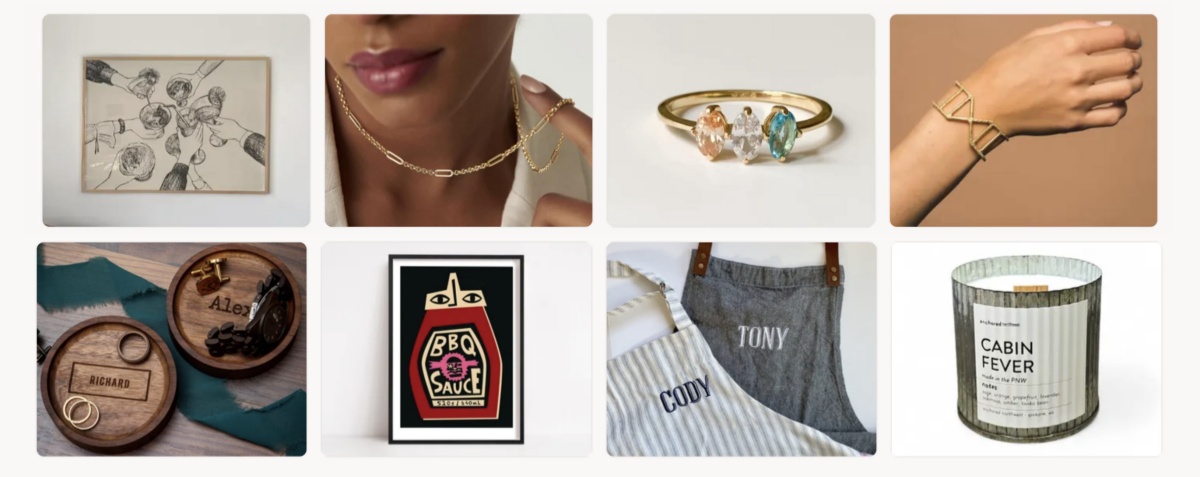
Where to sell personalized and custom gifts
Etsy is usually the strongest first channel for personalized gifts because buyers may need to communicate names, dates, colors, sizes, or delivery requirements. Shopify can support a stronger brand and repeat-purchase strategy. Amazon Handmade should be considered only when the customization workflow, production time, and fulfillment method fit its requirements.
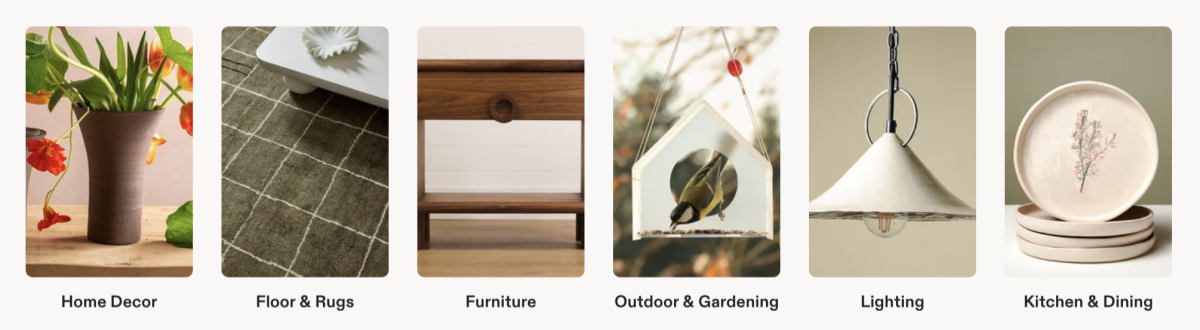
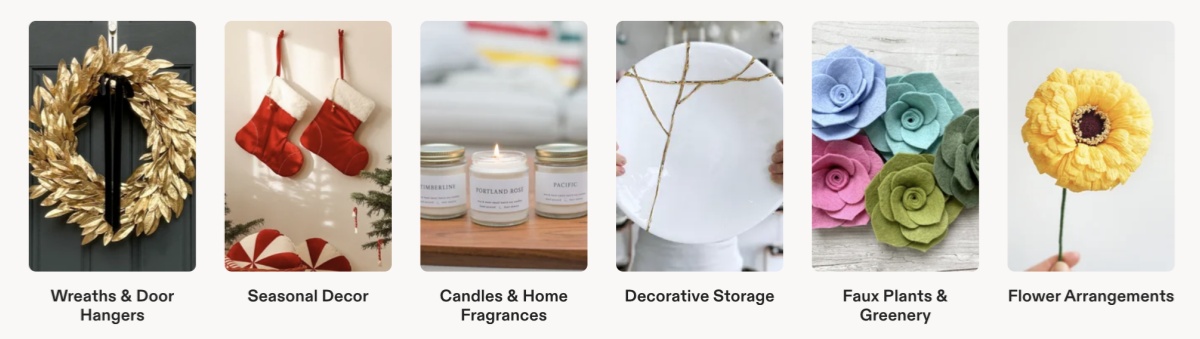
Where to sell handmade home décor
Choose based on weight, dimensions, fragility, and production cycle. Small custom décor often fits Etsy. Standardized, replenishable items may fit Amazon Handmade. Design-led collections can benefit from Shopify, especially when packaging, room scenes, and brand story influence the purchase.
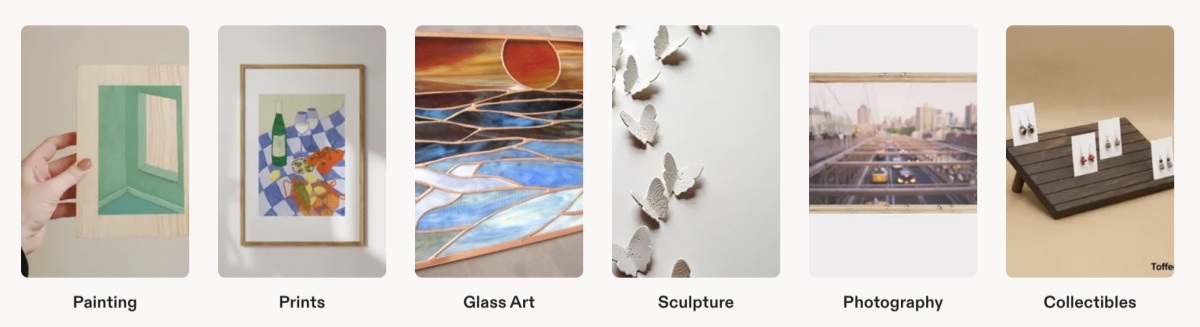
Where to sell handmade art and prints
Etsy can help artists reach shoppers searching for gifts, prints, and creative products. Shopify offers more control for artists building a recognizable collection or selling to an existing audience. Separate digital downloads from physical prints because delivery, support, and platform policies differ.
How to Choose the Right Handmade Selling Platform
A platform decision should answer four questions: How will buyers find you? How much brand control do you need? How predictable is your production? Can your margin support the full cost of the channel?
Decision framework
- Need built-in buyers while testing your first products? Start with Etsy.
- Need full control over brand, checkout, packaging, and retention? Choose Shopify if you have a traffic plan.
- Have consistent inventory and products that ship quickly? Consider Amazon Handmade and FBA eligibility.
- Want to sell to retailers in larger quantities? Explore Faire or another wholesale channel.
- Already have a community or local audience? Add social commerce or markets as a direct channel.
Traffic, brand control, and fulfillment checklist
| Question | If yes | Likely fit |
|---|---|---|
| Do you need buyers immediately? | You want marketplace discovery | Etsy or Amazon Handmade |
| Do you already have an audience? | You can send traffic to your store | Shopify |
| Is every order customized? | You need buyer communication | Etsy or Shopify |
| Can you replenish inventory predictably? | You can support scale | Amazon Handmade |
| Is packaging part of the product? | Brand experience matters | Shopify or Etsy |
| Do you need wholesale buyers? | You want retailer orders | Faire |
A decision framework is more useful than a platform ranking. Start with the channel that solves your biggest current problem, then add another only when your operations are ready.
How to Start Selling Handmade Online
- Define your product and production capacity. Record materials, labor time, weekly output, dimensions, customization, and processing time.
- Choose one primary platform. Match the channel to your current strength instead of launching everywhere at once.
- Calculate real profit per order. Include materials, labor, packaging, shipping, fees, advertising, returns, storage, and plan costs.
- Create a complete listing. Add accurate titles, materials, dimensions, production times, policies, and product images.
- Review performance before expanding. Track conversion, profit, repeat purchases, cancellations, customer questions, and delivery reliability.

Product Images for Handmade Selling
Good product photos matter regardless of which platform you choose. Each channel emphasizes a different visual job: Etsy rewards craftsmanship and storytelling, Amazon prioritizes clarity and marketplace compliance, and Shopify gives brands more creative freedom across product pages, ads, and social content.
Image needs by platform
- Etsy: craft details, gift scenes, personalization examples, texture, and scale references.
- Amazon Handmade: a clear main image, material details, dimensions, packaging, and use-case images that follow Amazon requirements.
- Shopify: branded lifestyle scenes, consistent colors, collection visuals, campaign crops, and images that support the wider story.
How to create handmade listing images with Designkit
If creating multiple versions of listing images becomes time-consuming, AI image generation tools such as Designkit can help produce marketplace-ready visuals more efficiently while keeping product presentation consistent. Designkit supports visual production, not platform selection, advertising strategy, or fulfillment.
- Upload a clear product photo. Use a sharp, true-to-color image of the real product.
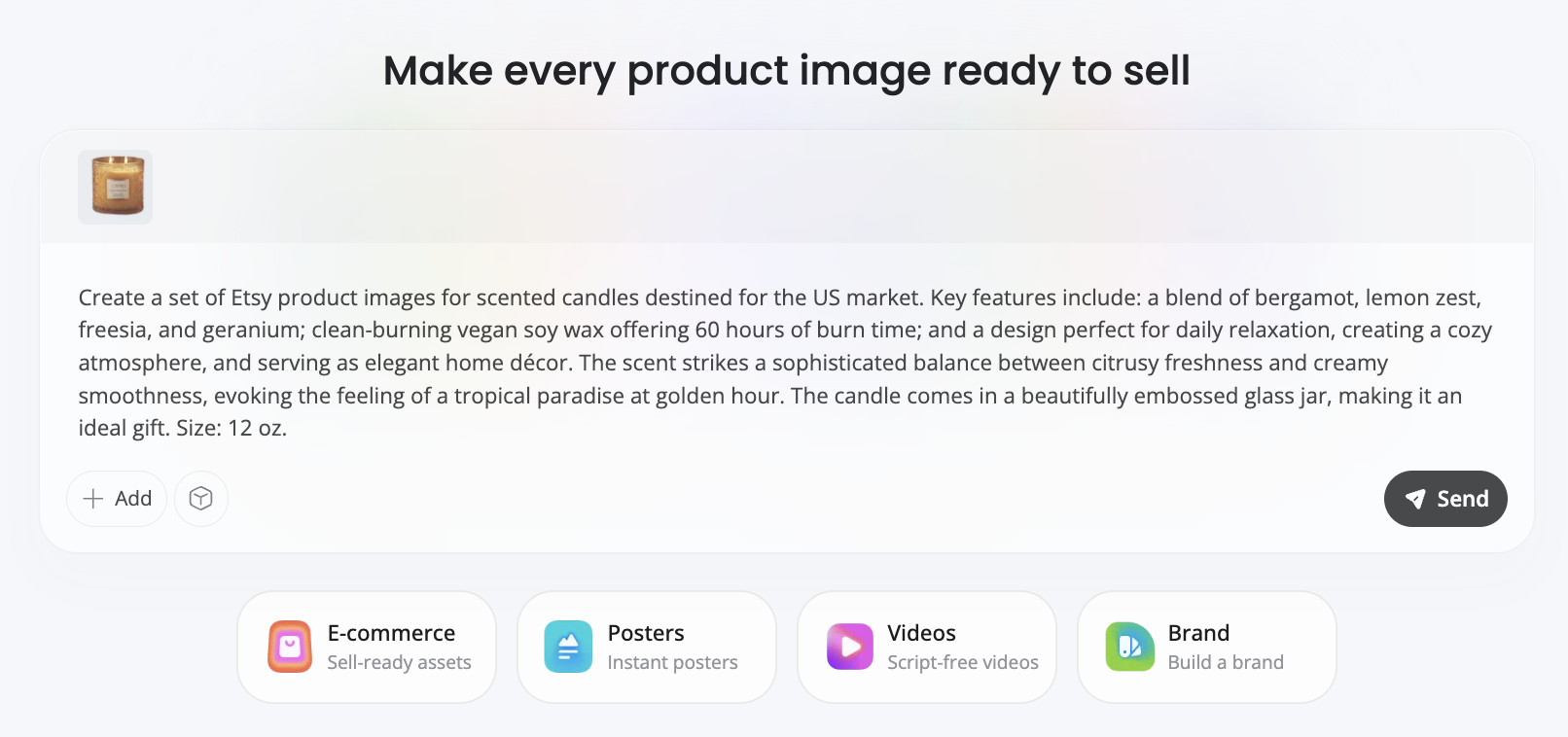
- Create a marketplace version. Generate a clean hero and detail variations for Etsy or Amazon Handmade.
- Build lifestyle versions. Create gift, home, or usage scenes for Etsy, Shopify, and campaign creative.
- Export and review. Make sure the final image accurately represents the product and matches each channel’s requirements.
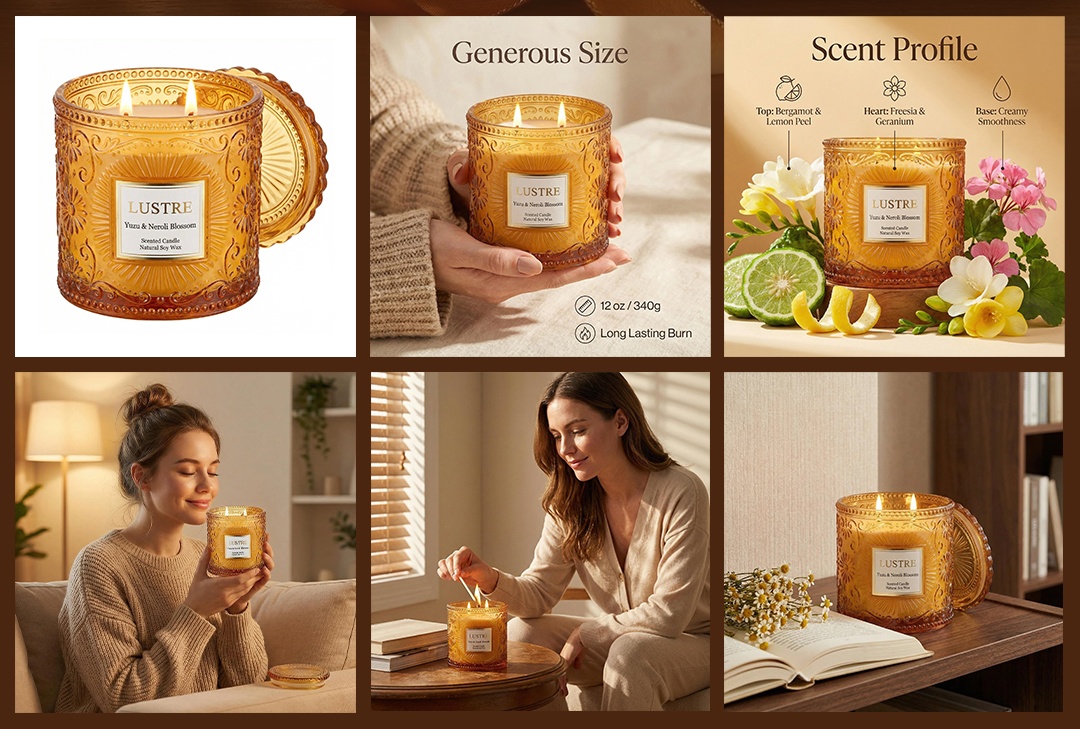
Create product images free on Designkit when you need faster listing and storefront photo tests.
Common Mistakes New Handmade Sellers Make
These problems appear repeatedly when makers move from hobby sales to a handmade business. Fixing them early can matter more than choosing between two similar marketplaces.
Pricing only by material cost
Many new makers include materials but forget labor, packaging, platform fees, shipping supplies, returns, and customer service. A product that looks profitable on paper may produce very little margin after the full cost of an order is included.
Expanding to multiple marketplaces too early
Managing Etsy, Amazon Handmade, Shopify, social commerce, and local events at the same time creates inventory conflicts and inconsistent delivery promises. Add a second channel after your production schedule, stock tracking, and customer support process are stable.
Using the same images everywhere
An Etsy buyer may want a close-up craft detail or gift scene. An Amazon shopper may need a clean catalog-style main image and fast product recognition. A Shopify visitor may need a lifestyle image that explains the brand. Reuse the product, not necessarily the exact image set.
Ignoring platform and product policies
Handmade claims, production partners, AI-assisted designs, cosmetics, food products, and children’s goods may have specific requirements. Read the platform’s current policies and keep evidence of materials, production, and product information where relevant.
Choosing a platform before calculating fulfillment
A lightweight product with predictable inventory may support FBA. A fragile vase, personalized gift, or slow-made item may not. Calculate packaging, shipping, storage, return handling, and labor before promising faster delivery.
Can You Build a Handmade Business Without Etsy?
Yes. Some handmade brands build audiences through Instagram, Pinterest, TikTok, YouTube, email, SEO, local events, or wholesale relationships, then sell through Shopify or another owned store.
- Instagram and TikTok for product demonstrations and maker stories
- Pinterest for evergreen discovery and gift-led search behavior
- YouTube for tutorials, process videos, and trust building
- Email for launches, repeat purchases, and customer retention
- SEO for product education and long-term organic traffic
- Wholesale and local markets for retailer and community relationships
This approach usually takes longer because traffic is not built in. It can provide greater control over pricing, branding, and customer relationships once the audience exists. Shopify is often the store layer for this model, while marketplaces can remain useful for discovery and testing.
Compare Handmade Selling Platforms
| Factor | Etsy | Amazon Handmade | Shopify |
|---|---|---|---|
| Built-in traffic | Strong handmade intent | Large Amazon demand | You generate traffic |
| Best product type | Custom and unique | Repeatable and shippable | Brand-led and repeat purchase |
| Brand control | Medium to strong | Limited to medium | Strong |
| Customer relationship | Marketplace controlled | Amazon controlled | More direct control |
| Fee structure | Listing + transaction + processing + ads | Referral + optional FBA and ads | Subscription + processing + CAC |
| Fulfillment | Mostly seller fulfilled | FBA or seller fulfilled | Self, 3PL, or partners |
| Setup | Fast shop setup | Application required | Store setup required |
How much does traffic matter?
Etsy and Amazon can provide faster discovery when you do not yet have an audience. Shopify gives you more control when you can generate demand through content, ads, social, email, or search. Marketplace traffic is not guaranteed traffic for every product, so validate the specific niche and price point.
How much control do you need?
Shopify gives the most control over design, packaging, checkout, bundles, and retention. Etsy gives more shop storytelling while retaining marketplace discovery. Amazon offers Brand Registry, A+ Content, and Stores for eligible brands, but the shopping environment remains standardized.
What costs should you compare?
Compare platform fees, payment processing, advertising, packaging, shipping, FBA or 3PL, returns, storage, labor, and monthly plan costs. The cheapest visible fee does not always produce the best contribution margin.
When Should You Expand to Another Platform?
Add another channel when the first one is predictable enough that expansion will increase reach rather than create operational debt. Look for these signs:
- Your core inventory sells consistently instead of only during one-off spikes.
- Production and processing timelines are predictable.
- Customer support is manageable during busy periods.
- Profit margins remain healthy after platform and fulfillment costs.
- You can keep product information and branding consistent across channels.
- You have a clear role for the next platform, such as discovery, FBA, wholesale, or retention.
A common progression is Etsy for validation, Amazon Handmade for proven and replenishable products, and Shopify for brand ownership and repeat purchase. It is a useful path, not a rule. Move at the pace your production and customer service can support.
Should You Sell Handmade Products on More Than One Platform?
Yes, if each channel has a clear job and you can manage the extra work. A practical multi-channel strategy might look like this:
| Channel | Main role |
|---|---|
| Etsy | Custom products, experiments, and handmade discovery |
| Amazon Handmade | Proven products, volume, and eligible FBA fulfillment |
| Shopify | Brand story, bundles, subscriptions, and retention |
| Faire or local markets | Wholesale and direct community sales |
Keep inventory synchronized, price with each fee structure in mind, and adapt listings to each audience. Do not assume reviews, customer data, or platform permissions transfer between channels.
Conclusion
The best place to sell handmade items depends on your product, stage, and operating model. Etsy is often the strongest starting point for handmade discovery and customization. Amazon Handmade can help approved sellers scale proven products with marketplace demand and optional FBA. Shopify is the better long-term home for makers building a branded store and direct customer relationships.
A practical path is Etsy for validation, Amazon Handmade for scalable products, and Shopify for brand ownership and repeat purchase. Start with one clear channel, calculate real profit per order, and add another platform only when your inventory, listings, and customer service can support it.
Once you know where each product belongs, create channel-specific product visuals with Designkit for Etsy, Amazon Handmade, Shopify, or all three.
Frequently Asked Questions
What is the best place to sell handmade items online?
Where can I sell handmade items besides Etsy?
Common alternatives include Amazon Handmade, Shopify, Faire, TikTok Shop, WooCommerce, eBay, social commerce, and local craft markets. Choose based on product type, audience, fees, fulfillment, and brand control.
Is Etsy still worth selling on in 2026?
Etsy can still be useful when your products match handmade, gift, personalization, or craft-search intent. It should not be your only risk plan forever. Track profit, traffic, policy changes, and repeat purchase, then consider a second channel when your operations are ready.
Is Etsy or Shopify better for handmade products?
Etsy is usually better for early discovery, custom products, and sellers without an existing audience. Shopify is better for brand control, repeat purchase, and sellers with a traffic or community strategy. Many makers use Etsy first and add Shopify as the brand grows.
Is Amazon Handmade better than Etsy?
Amazon Handmade is better for approved sellers with repeatable inventory, fast fulfillment, and a desire to reach Amazon shoppers. Etsy is usually better for beginners, personalized products, and makers whose sales depend on shop story and buyer communication.
What is the best place to sell handmade jewelry?
Etsy is often the best first channel for custom and giftable jewelry. Shopify can support a premium jewelry brand and repeat purchase. Amazon Handmade may fit standard designs that can be produced and shipped consistently.
What handmade products have the highest profit margins?
Margins depend on materials, labor, shipping, returns, platform fees, and price positioning. Lightweight products, digital products, repeatable designs, and products with efficient production can have favorable economics, but no category guarantees profit.
Can I make a full-time income selling handmade products?
Some makers do, but income depends on demand, pricing, production capacity, marketing, and repeat purchases. Calculate profit per hour and per order, then test whether the business can support consistent volume before treating it as a full-time income.
Should I start with Shopify or Etsy?
Start with Etsy if you need marketplace discovery and are testing products. Start with Shopify if you already have an audience or a clear customer-acquisition plan and want to build an owned brand.
Do I need an LLC to sell handmade products?
Requirements depend on your location, business structure, sales activity, and liability situation. You may be able to start without an LLC, but check local rules and consult a qualified professional about registration, taxes, and licenses.
Do I have to pay taxes on handmade items I sell?
Possibly. Tax obligations depend on your location, business structure, revenue, and type of sale. Keep accurate records and consult a qualified tax professional rather than relying only on a marketplace fee summary.
Can I sell handmade products on Etsy and Shopify at the same time?
Yes. Use Etsy for marketplace discovery and Shopify for your branded store, bundles, and repeat-purchase strategy. Keep inventory synchronized and adapt pricing, images, and policies to each channel.
Do I need FBA to sell on Amazon Handmade?
No. You can fulfill orders yourself. FBA is optional and may suit eligible, standardized products when faster delivery and outsourced storage justify the additional fees. Custom products generally need seller fulfillment.
You May Also Like

10 Best Online Selling Platforms (2026): Pick by What You Sell
Amazon Handmade vs Etsy (2026): Which Is Better for Makers?
Shopify vs Etsy (2026): Which Is Better for Handmade Sellers?
Etsy vs eBay (2026): Handmade, Vintage, or Secondhand?

Selling on Amazon vs eBay (2026): Fees, Profit & Where to Sell
Shopify vs Amazon (2026): Brand Store or Marketplace FBA?
Etsy Listing Photo Size Guide (2026): Mobile, Desktop & Shop View Specs
Top 5 AI Tools to Generate Amazon Product Listing Images in 2026
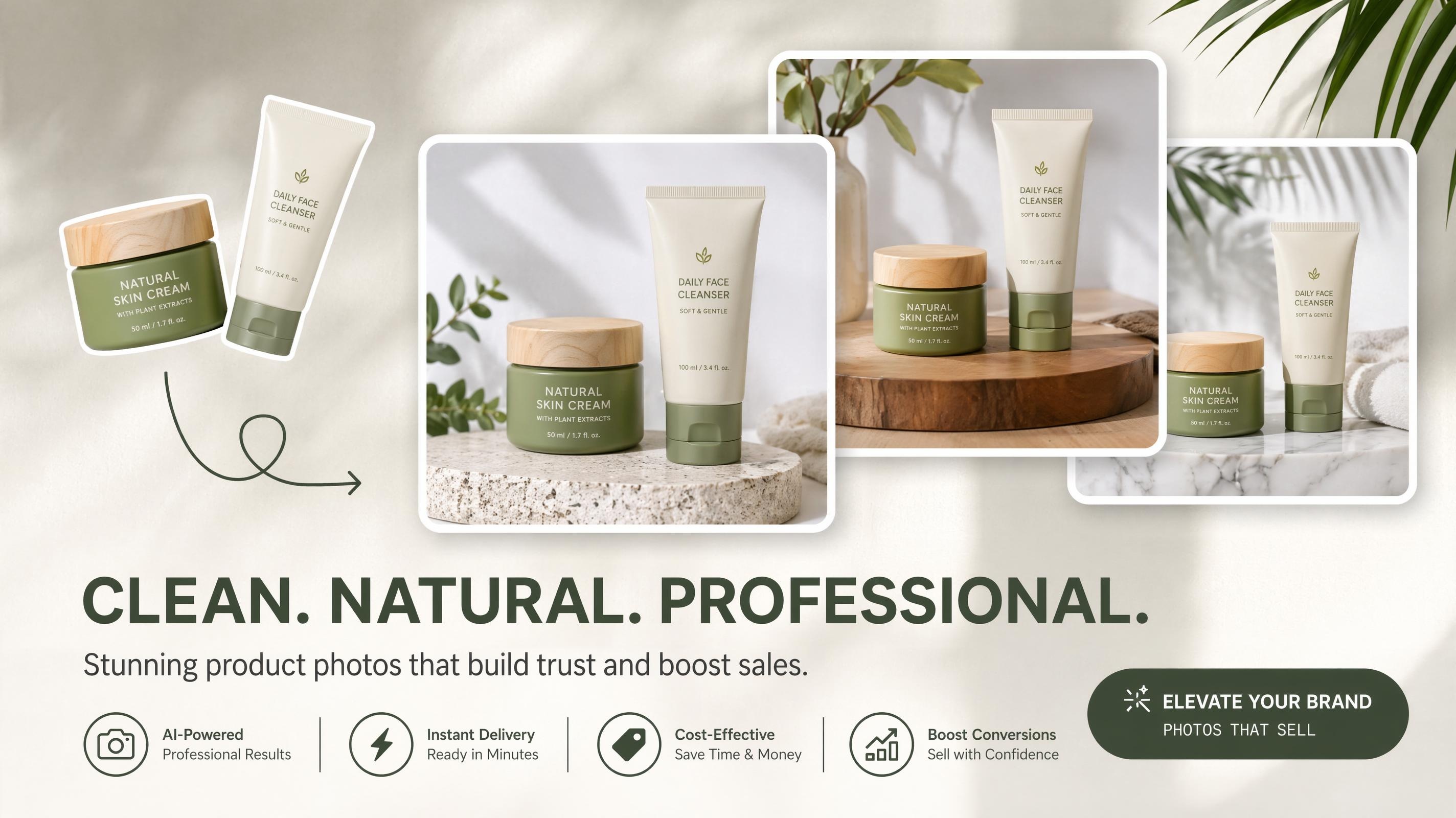
Shopify Product Photography Guide with Tips & Setup
Create Product Images for Etsy, Amazon Handmade, and Shopify
Choose your channel, then turn one clear product photo into Etsy, Amazon Handmade, and Shopify-ready images with Designkit.