
How to Build a Personal Brand That People Remember
Build a personal brand people recognize and trust. Learn to define your niche, share expertise, grow an audience, and turn it into real opportunities.

Building a personal brand is about becoming known for something valuable, not simply gaining followers or maintaining a polished social media profile. A strong personal brand starts with clear positioning, a defined audience, and expertise you can consistently share. How you show up online should reinforce what you want people to remember about you.
This guide focuses on defining your niche, shaping your message, and building credibility over time. You'll also learn how to turn audience attention into professional opportunities without making every post promotional.
What Is a Personal Brand and What Makes It Valuable?
Before building a personal brand, clarify what you are actually building. A personal brand is how people perceive and remember you based on repeated contact with your work and professional presence. It can influence whether people trust you, recommend you, or consider you for opportunities.

Why People Build Personal Brands
People build personal brands for different professional and business goals. Understanding your primary objective helps determine what you should communicate, which audience you need to reach, and what kind of reputation you want to develop.
|
Goal |
What the Personal Brand Can Support |
|---|---|
|
Career growth |
Recognition within an industry |
|
Freelancing |
Client trust and inbound leads |
|
Consulting |
Authority and expertise |
|
Creator business |
Audience and monetization |
|
Entrepreneurship |
Founder visibility |
|
Job opportunities |
Professional credibility |
|
Thought leadership |
Industry recognition |
What Makes a Personal Brand Strong?
A strong personal brand usually comes down to a few things people can notice quickly:
-
Clear positioning: what you want to be known for
-
A real point of view, not a copied persona
-
Consistent communication across how you show up online
-
Proof through useful work
-
Relevance to a specific audience
-
A clear reason to follow or work with you
Find What Your Personal Brand Should Stand For
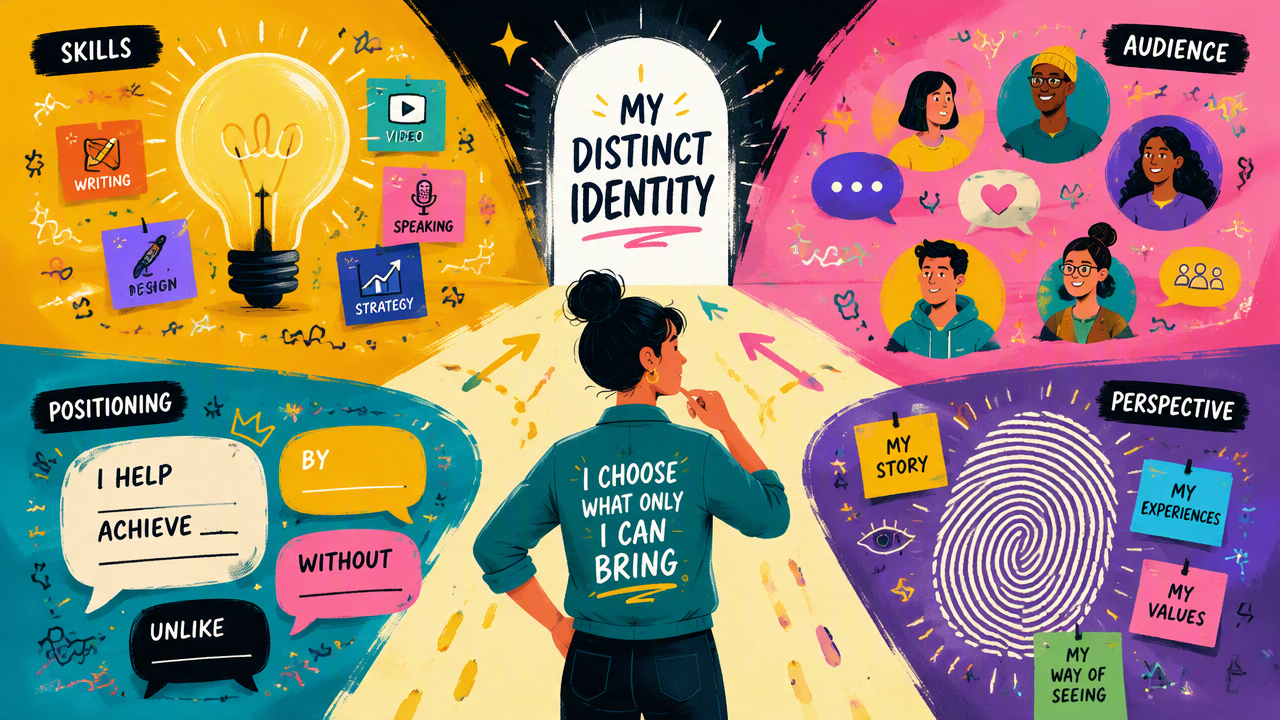
The biggest personal branding mistake is trying to be known for everything. Instead of beginning with "What should I post?", start with "What do I want the right people to associate with my name?" A focused identity makes your content more consistent and gives people a clear reason to remember you. As your interests evolve, shift gradually and keep new topics connected to what people already know you for, so recognition does not reset every few months.
Identify Your Expertise
Start with the subjects you can genuinely speak about. Look for the overlap between what you know well, what you enjoy discussing, and what your audience needs. This gives you a strong foundation for how to develop a personal brand around real expertise rather than temporary trends.
Before you invent a new identity, do a quick audit. Search your name, skim your main profiles, and ask two or three people what they think you are known for. The gap between that feedback and what you want to be known for is where your personal brand work should start.
Choose a Clear Audience
Decide exactly who you want your content and expertise to reach. Consider what they are trying to achieve and where they get stuck. A specific audience makes it easier to choose relevant topics, language, and platforms while helping you build stronger relationships with people who are most likely to value your work.
Develop Your Positioning Statement
Your positioning statement should explain who you help, what result you provide, and how you approach it. Use this simple formula:
I help [specific audience] achieve [specific outcome] through [method/perspective].
Example: "I help small business owners improve their social media presence through practical content strategies and simple visual storytelling."
Use this statement to guide your profile bio, content topics, services, and networking conversations as you create your personal brand.
Find Your Differentiator
Your differentiator is the approach that makes your work recognizable. It could be your background, teaching style, or the way you solve a common problem. When deciding how to build your personal brand, identify what you can consistently offer that feels useful and distinctly yours.
Write one short story you can reuse: why you care about this work and who it helps. Keep it specific enough that it sounds like you, not a generic mission line.
Next step: Draft one positioning sentence and save it where you can reuse it in your bio.
Build the Identity People Associate With Your Name
Once your positioning is clear, translate it into a recognizable identity. This includes both what you say and how you present yourself, but the visual layer should reinforce your positioning rather than replace it.
Define Your Brand Voice
Choose a communication style that reflects your expertise and personality while remaining appropriate for your audience. Decide whether your voice should feel educational, conversational, or practical. Keep this tone consistent across how you show up online. Other creators can inspire you, but copying their style usually makes your brand feel generic. Keep the principles that work, then adapt them to your own experience.

Create a Simple Visual Identity
Use a small set of consistent visual elements rather than designing every piece of content differently. Choose a simple visual system that supports your positioning. A simple visual system makes your content easier to recognize while keeping attention to your message and expertise. A polished feed cannot compensate for unclear positioning, so settle what you want to be known for before spending heavy time on design details.
Make Your Profiles Communicate the Same Message
Review your profiles across platforms and make sure they communicate a consistent professional identity. Your profile details should clearly explain what you do and who you help. Consistency across profiles reduces confusion and strengthens recognition.
Pick one home base, such as a simple website, portfolio, or landing page, and point your main profiles there. People who find you on social should have one clear place to learn what you do next.

Build Proof Into the Brand
Support your positioning with evidence of your skills and experience. Share proof of your work, such as projects, results, or lessons learned. Proof gives audiences something concrete to evaluate and makes your claims more credible than self-promotion alone.
When learning how to create a personal brand, remember that visual consistency should support your expertise rather than become the brand itself. Resources such as personalized advertising can also provide useful context for thinking about how tailored communication connects with a specific audience.
Next step: Align your main profiles around one message, then choose the home base link you will share everywhere.
Create a Content System That Builds Recognition
Content is how most audiences repeatedly encounter a personal brand. The goal is not to publish something completely different every day, but to develop recognizable themes that reinforce the same positioning from different angles.
Choose 3–5 Content Pillars
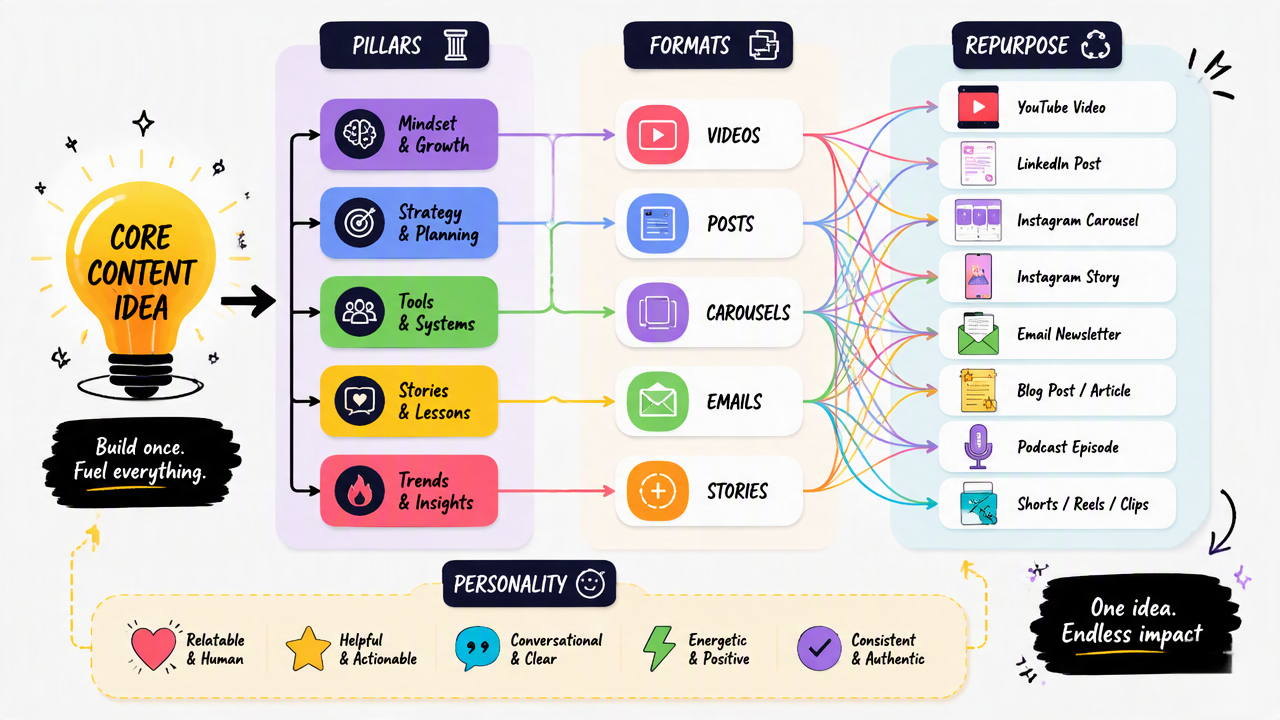
Select three to five recurring subjects that connect directly to your expertise and audience. For example, a marketing consultant might focus on strategy, content, and proof from real work. These pillars make planning easier while repeatedly reinforcing what you want to be known for.
Keep individual posts tied to that same focus. If each update stands alone, your work feels scattered. Use a trend only when it helps you communicate an idea you already own.
Set a publishing rhythm you can keep, such as two or three useful posts a week on one main platform. Consistency matters more than posting everywhere every day.Create Different Types of Content
Turn your core topics into different formats based on the platform and audience. Use different formats for the same ideas, based on what each platform does well. Variety keeps your content engaging without changing your core positioning.
Balance Expertise With Personality
Useful information establishes authority, while personality makes your content easier to connect with and remember. Share personal lessons and point of view alongside professional insights. The balance helps audiences understand not only what you know, but also the person behind the expertise.
Turn One Idea Into Multiple Assets
Avoid treating every piece of content as a completely separate task. Start with one strong idea and adapt it into a few formats your audience already uses. This reinforces the same message across multiple touchpoints and supports how to build personal branding consistently.
Next step: Choose three content pillars and schedule the first two posts for this week.
Grow Your Personal Brand Through Distribution and Relationships
Publishing is only one part of building recognition. Your ideas need to reach the right people consistently, while conversations and collaborations help turn visibility into meaningful professional relationships. Focus on being present where your audience already spends time rather than trying to maintain every platform.
Choose Platforms Based on Audience Fit
Choose platforms based on where your target audience actively looks for information, opportunities, or professional connections. Consider the content formats each platform supports and whether they suit your strengths. A focused presence on two or three relevant channels is usually more manageable than spreading your effort across every network.
Build Distribution Around Your Best Ideas
Identify content that consistently earns useful engagement from the right people. Repurpose strong ideas into different formats and distribute them through relevant channels. Instead of constantly producing new topics, extend the reach of ideas that already demonstrate value to your target audience.
Participate Instead of Only Broadcasting
Personal branding becomes stronger when you contribute to conversations rather than simply publishing your own content. Join relevant conversations instead of only publishing your own posts. Meaningful participation can increase visibility while helping you build relationships around your expertise.
Measure Brand Progress Beyond Followers
Follower count does not fully reflect whether your reputation is growing. Track whether the right people are reaching out, not just whether your following is growing. These signals show whether your visibility is reaching the right people and producing meaningful professional interest.
Next step: Pick one or two platforms where your audience already spends time, and commit to showing up there first.
Turn Your Personal Brand Into Professional Opportunities
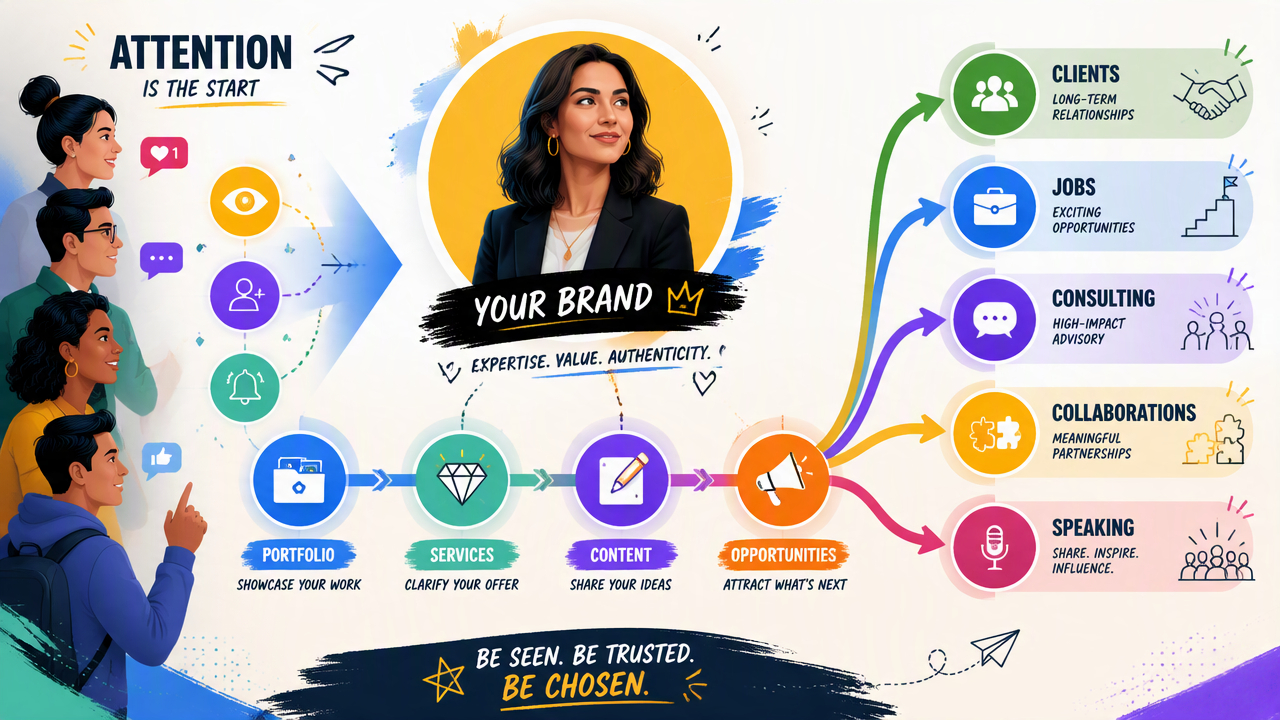
A strong personal brand should eventually connect attention with an outcome. That might mean a job, clients, consulting work, or another clear professional outcome. The next step is making it easy for interested people to understand what you offer and what to do next.
Define Your Conversion Path
Decide what action you want interested people to take after discovering your work. This could be visiting your portfolio, contacting you, or viewing your services. Make that next step clear across your profiles and relevant content so attention can move toward a useful outcome.
Make Your Expertise Easy to Hire or Work With
Clearly communicate what you offer and how people can work with you. Keep your portfolio and contact path easy to find. When someone becomes interested in your expertise, they should not have to search through multiple platforms to understand how they can work with you.
Create Content That Supports Business Goals
Use your strongest posts to point people toward a next step, such as your portfolio, services page, or contact path. The goal is not more content themes. It is making it easier for interested people to act.
Avoid Turning Every Post Into a Sales Pitch
Constant promotion can weaken trust and make your content feel transactional. Keep most posts useful, and only promote occasionally. When most of your content provides genuine value, promotional posts have more context and are less likely to feel intrusive.
Next step: Make one clear call to action visible on your home base and main profile.
Build and Scale Your Personal Brand With Designkit
Once your positioning and content themes are clear, the next gap is usually visual consistency. People should recognize your work in a feed the same way they recognize your point of view in a post. That is where Designkit fits: it helps you turn the brand you already defined into graphics you can reuse. For a broader brand workflow, explore Designkit's brand design tools.
Start with the surfaces people check first. If your profile still looks generic, use Designkit's LinkedIn banner maker to reflect your niche and the outcome you help people get. Then reuse that same visual direction in your posts so one idea can become a few formats without rebuilding every update from scratch.
Keep design supporting your voice rather than competing with it. Open Designkit, start from your positioning and existing materials, and create visuals you can edit before you publish.
Conclusion
A strong personal brand is built through repeated alignment between what you know, who you help, what you communicate, and how people experience your work. Start with a clear position rather than chasing followers, then build content around a few recognizable themes and distribute those ideas where your audience already spends time. Over time, useful work, proof, and consistent presentation can turn recognition into professional opportunities. Designkit can help you create polished, on-brand visuals that support this process, but the foundation remains your expertise and the value you provide.
Frequently Asked Questions
What is the best way to start building a personal brand?
How long does it take to build a personal brand?
There is no fixed timeline because results depend on your niche, content quality, consistency, audience, and distribution. You may begin building recognition within a few months, but strong credibility usually takes longer. Focus on consistently demonstrating expertise and building meaningful audience relationships rather than expecting immediate results.
What should I post when building a personal brand?
Share content that demonstrates your knowledge while addressing questions or problems your target audience cares about. Educational posts, personal experiences, opinions, case studies, behind-the-scenes insights, and practical tips can all work. A strong content strategy should balance expertise with personality, while branded content can help keep your visuals consistent. When you need AI-assisted visuals, Designkit can turn ideas and existing assets into polished social content without taking attention away from your messag
How do I choose a niche for my personal brand?
Look for the overlap between your expertise, genuine interests, audience demand, and the problems you can credibly help solve. Your niche should be specific enough to establish recognition but broad enough to provide sustainable content ideas. You can refine it over time as you discover which topics generate the strongest audience response.
Can a personal brand help me get clients or job opportunities?
Yes. A well-developed personal brand can demonstrate your expertise before a potential client, recruiter, or employer contacts you. Consistently publishing useful work provides evidence of your skills, perspective, and experience. It can also help people quickly understand what you specialize in and why they should consider working with you.
How do I make my personal brand look professional?
Start with consistency rather than making every asset overly elaborate. Use a recognizable visual direction, clear typography, appropriate imagery, and consistent layouts across your main channels. Your profile, portfolio, and content should communicate the same positioning.
Can AI tools help with personal branding content?
Yes. AI can help when you need to generate or transform visual content, such as creating supporting images, developing visual concepts, adapting assets into different formats, or producing variations from existing creative material. Designkit can help with these visual workflows while maintaining a consistent direction. Use AI to support your expertise and ideas rather than allowing generated content to replace your personal perspective.
You May Also Like
Amazon Individual vs Professional Selling Plan
Amazon Brand Registry Requirements: Trademark, Account & Cost
How to Create an Amazon Seller Account: Requirements and Steps
Amazon Product Video Requirements: Specs & Upload

Amazon Global Selling: How to Open Multiple Marketplaces
Amazon Vine Program for Sellers: Get Early Product Reviews
Amazon Sponsored Products: How to Launch Your First Campaign
Amazon Sponsored Brands: What They Are and When to Use Them
Is Print on Demand Profitable in 2026? Products and Niches
Print-On-Demand Designs: Create, Prepare, and Preview Your Work

Local Business Marketing: Ideas, Priorities and Ways to Get Local Customers

Social Media Audit: How to Review Performance and Find What Works
How to Build a Personal Brand: A Strategic Guide
How to Create a YouTube Channel for Your Business in 2026
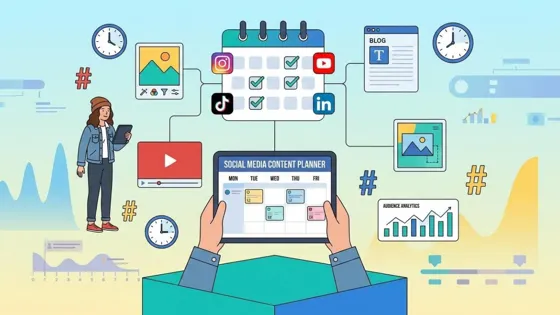
Social Media Content Planner: Plan & Schedule Posts

Amazon A+ Content Dimensions: Module Image Sizes

Amazon A+ Content: What It Is and What to Build First
Amazon Brand Registry Application: How to Submit and Pass Review

How to Ship to Amazon FBA: Your First Shipment

What Is Amazon FBA? Should Beginners Use It in 2026
How to Get Ungated on Amazon: Restricted Category Approval Steps
Amazon Backend Keywords: Title, Bullets & Search Terms
What Is A/B Testing? A Practical Guide to Running Better Experiments

Best Time to Post on Instagram in 2026: Data & Tips
How to Get Verified on Instagram: Complete Guide
TikTok Monetization in 2026: Requirements & Ways to Earn

YouTube Shorts Monetization Requirements & Rules 2026
How to Make an Event on Facebook: Complete Setup Guide (2026)

Instagram Desktop Posting Guide: Upload Posts, Stories & Reels
How Much Does YouTube Pay Per View? 1K, 100K & 1M Views

How to Make Money on Snapchat: 7 Ways to Earn
How to Get More Followers on Instagram in 2026

Best Time to Post on TikTok in 2026 for More Views
How to Repost on Instagram in 2026: A Simple Guide
How to Create Digital Products That Sell in 2026

Cyber Monday Marketing Ideas & Strategies (2026 Guide)
Black Friday Marketing Ideas for Ecommerce Brands (2026)
Instagram Marketing Guide: Strategies, Tips & AI Tools in 2026
Influencer Marketing Guide: Strategy, Campaigns & Creator Tips
How to Sell on Facebook Marketplace: Beginner Guide (2026)
How to Use Pinterest for Business: Strategy, Tips & Growth Guide
How to Sell on Etsy in 2026: Setup, Listings & Growth Tips
WooCommerce vs Shopify 2026: Pricing, Features & Which Is Better

What Is a Target Audience? Types, Examples & How to Find Yours
Multichannel Marketing Guide: Strategy, Tools & Examples
TikTok Marketing Guide 2026: Strategies, Ideas & AI Tools
Vibe Marketing Explained: Strategy, Examples & AI Tools
15 Best Things to Sell on Etsy in 2026 (Listing Tips Included)
How to Sell on Depop: Beginner Guide to Getting Your First Sale
Where to Sell Handmade Items Online (2026): Etsy, Amazon, or Shopify?
Shopify vs Amazon (2026): Brand Store or Marketplace FBA?
Amazon Handmade vs Etsy (2026): Which Is Better for Makers?
Online Advertising Guide: Types, Costs & Examples (2026)
Facebook Advertising Guide: Costs, Strategy & Tools 2026
Etsy vs eBay (2026): Handmade, Vintage, or Secondhand?
Selling on Amazon vs eBay (2026): Fees, Profit & Where to Sell
10 Best Online Selling Platforms (2026): Pick by What You Sell
Shopify vs Etsy (2026): Which Is Better for Handmade Sellers?

What Are E-commerce Ads? Examples, Strategy & Tools (2026)
What Is Brand Awareness? Examples, Strategies & Tools 2026
What Is Brand Identity? Examples, Elements & Strategy
YouTube Automation Step-by-Step AI Guide for Beginners

AI Marketing Agent: How It Works, Benefits & E-Commerce Examples
What Is Personalized Advertising? Examples & How It Works
How to Build a Shopify Store That Actually Converts Visitors

Amazon Marketing Guide 2026: Strategies, Tips & Tools
Local Advertising: Strategies, Examples & Tools (2026)
What Is Branded Content? Examples, Strategy & Tools 2026

What Is Performance Marketing? Strategies & Examples 2026
Inbound Marketing: Strategies, Examples & Tools (2026)
Turn Your Personal Brand Into Better Content
Share your expertise, build recognition, and stay consistent across your platforms. Use Designkit to turn your ideas, brand assets, and content into polished visuals for personal brand marketing.