
7 Back-to-School Sales Ideas for a Stronger Promotion
Plan a focused seasonal promotion with seven practical sales ideas, smarter timing, consistent campaign visuals, and effective channels for reaching back-to-school shoppers.

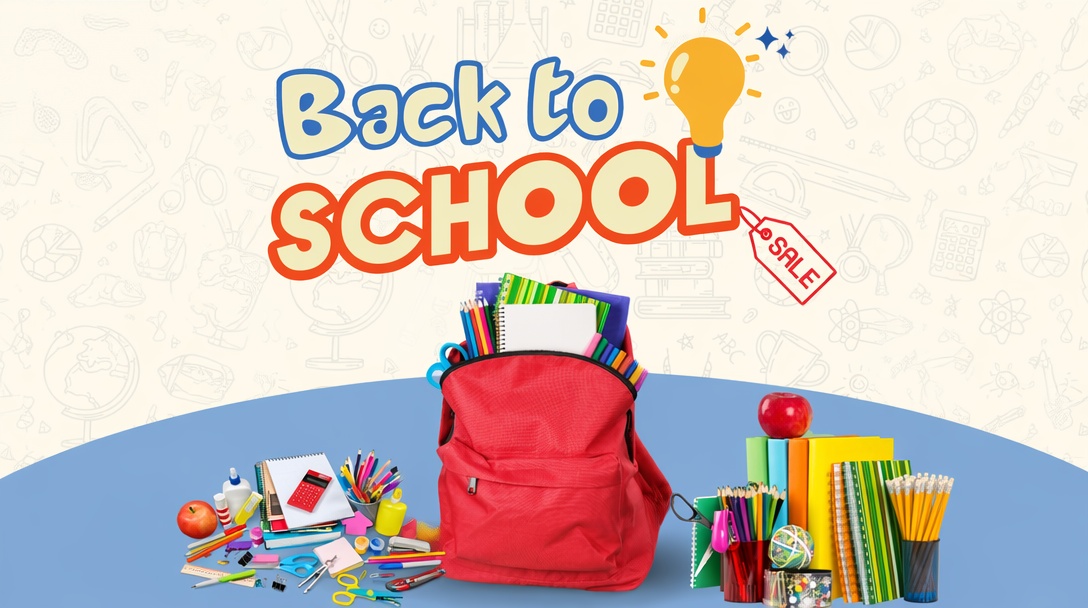
Back-to-school season is a concentrated purchasing period, with families making most of their planned purchases inside a tight window each year across every income level. A strong back-to-school sales campaign depends on the offer and its timing. It shouldn't be a generic seasonal discount slapped onto a storefront at the last minute.
This guide is written for retailers, ecommerce brands, and small businesses planning their own promotion. It covers back-to-school deals businesses can plan and run, not a list of current discounts from major stores. You'll discover seven sales ideas, a simple campaign planning process, the Designkit workflow for creating visuals, and the best channels to promote your offer.
When Should You Start a Back-to-School Sale?
Launching your campaign in three stages generally performs better than an all-at-once launch. Each stage plays a distinct role across the full campaign timeline:
|
Stage |
Focus |
|---|---|
|
Early |
Previews or member-only access, building anticipation before the public launch. |
|
Main |
The weeks when seasonal demand is strongest. |
|
Final |
A clear reason for late shoppers to act before the season ends. |
The right dates depend on the local school calendar and the product category. A supply-focused back-to-school sale often needs to start earlier. Dorm and apartment-focused offers can launch later in the season instead.
Review your own historical sales data before locking in a schedule. About a third of shoppers start browsing for deals by early June. Over 60% had already started purchasing by early July, according to NRF. A school supplies sale calendar won't necessarily suit a college-focused campaign.
7 Back-to-School Sales Ideas
Most businesses succeed by choosing one or two ideas that match their goal. The 7 back-to-school deals below explain how the offer works:
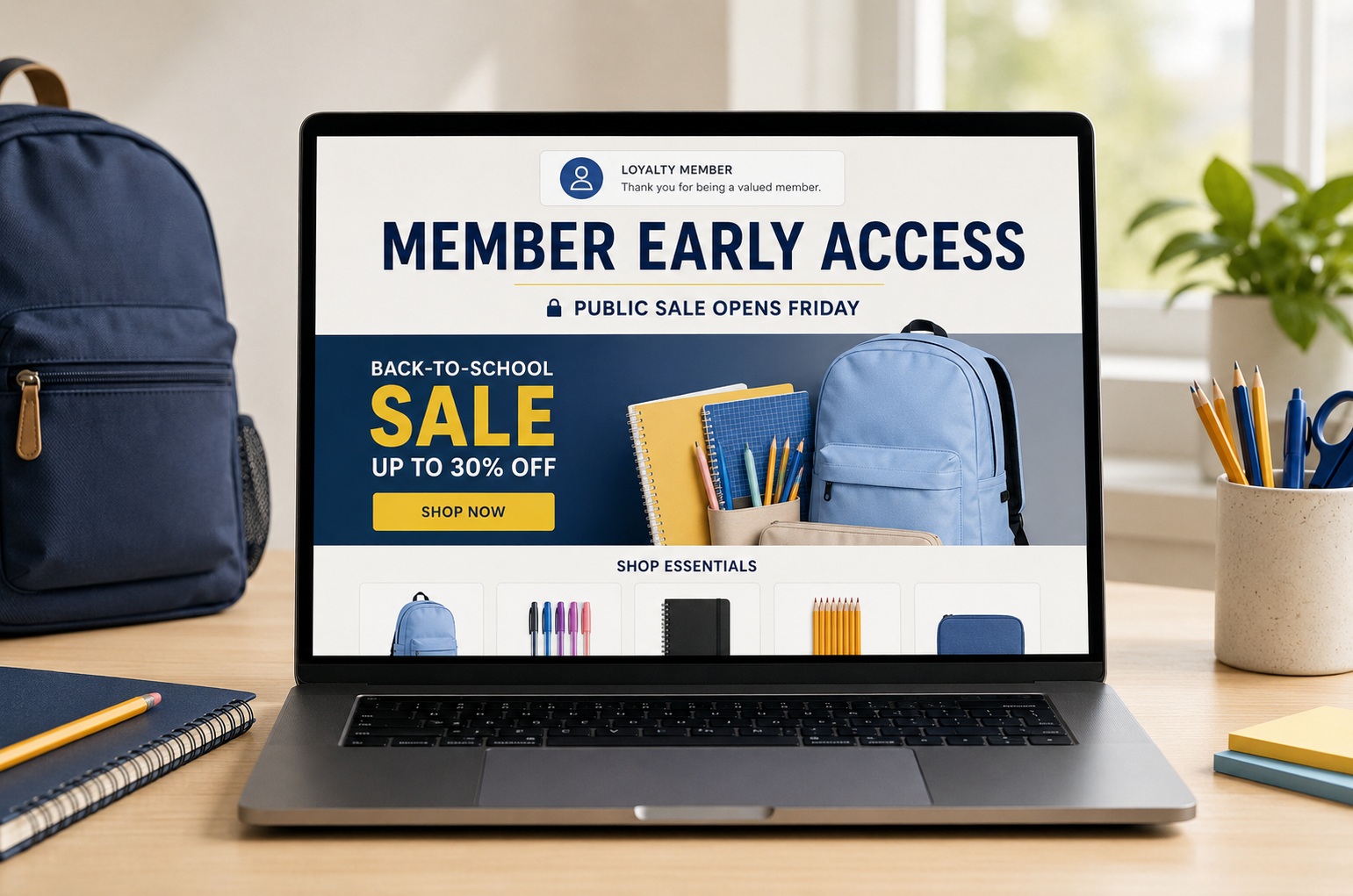
1. Give Loyalty Members Early Access
Open the sale to existing members before the public launch begins for everyone. Such rewards repeat customers and give the campaign an early sales push already. Keep the exclusive window short so it still protects interest in the public launch.
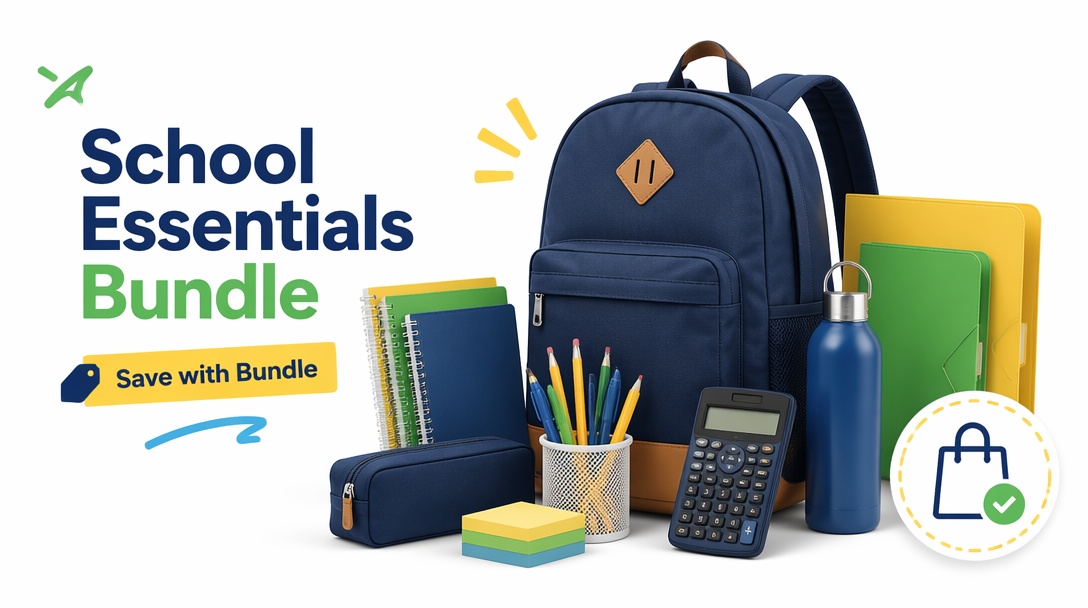
2. Bundle Related School Essentials
Combine products that support the same purchase need, like backpacks with school supplies. Bundling makes selection easier for shoppers while it increases average order value nicely. These school supply deals work best when shoppers clearly understand exactly what's included.
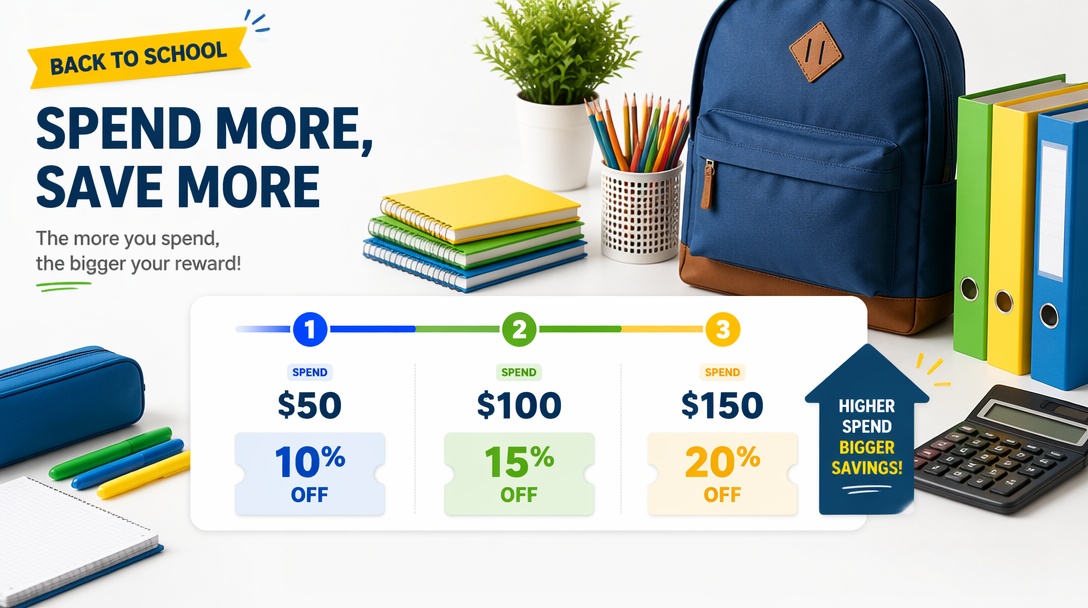
3. Offer Tiered Savings
Increase the reward as the order reaches a higher spending threshold. Tie this structure to your current average order value, not a random number. Keep tiers limited to two or three so customers follow the structure. Display each reward clearly across your website and every back-to-school ad.
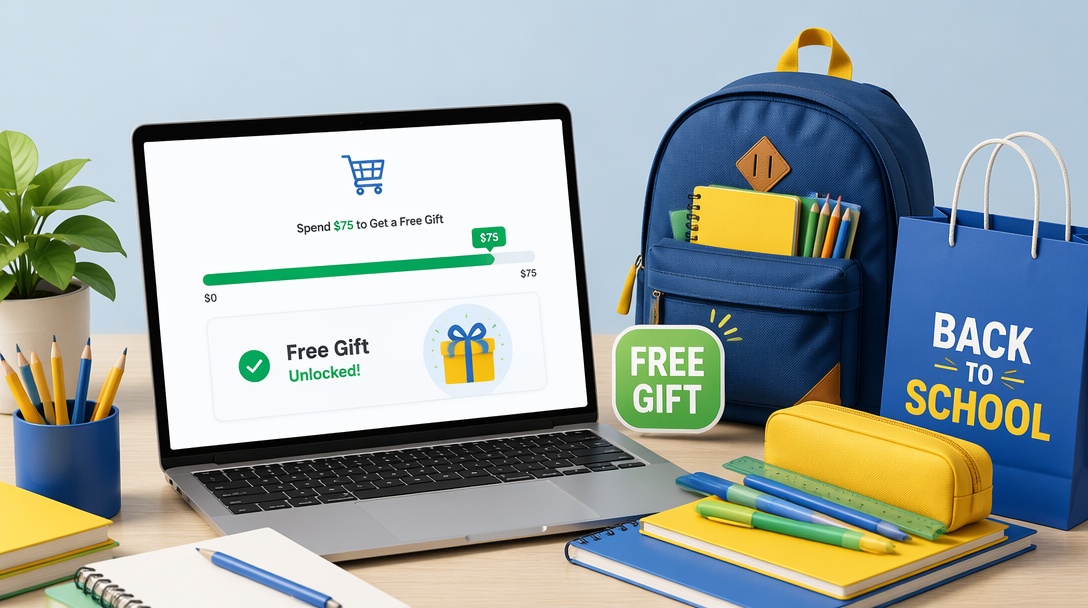
4. Add a Gift with Purchase
Offer a useful seasonal gift after customers reach a minimum spending amount during checkout. Extra value often feels more rewarding than offering a small discount on featured products alone. Explain the qualifying amount clearly so shoppers know exactly how to receive the free gift.
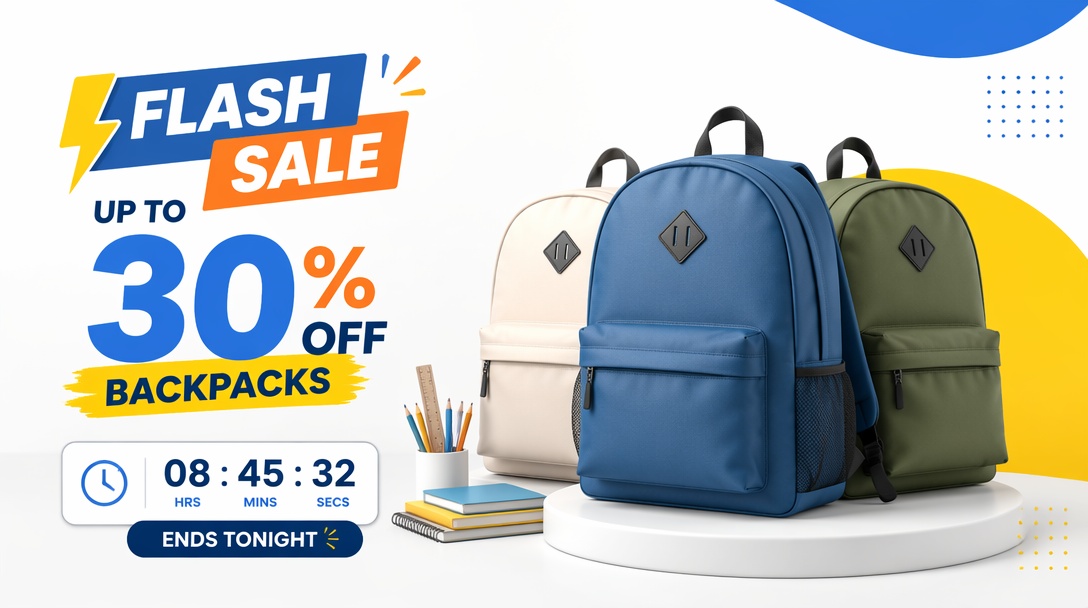
5. Run a Limited-Time Flash Sale
Apply a short promotional window to one selected product category, not the whole store. This limited period is exactly what creates real urgency among hesitant, browsing shoppers. Show the deadline clearly across your website and back-to-school social media posts.
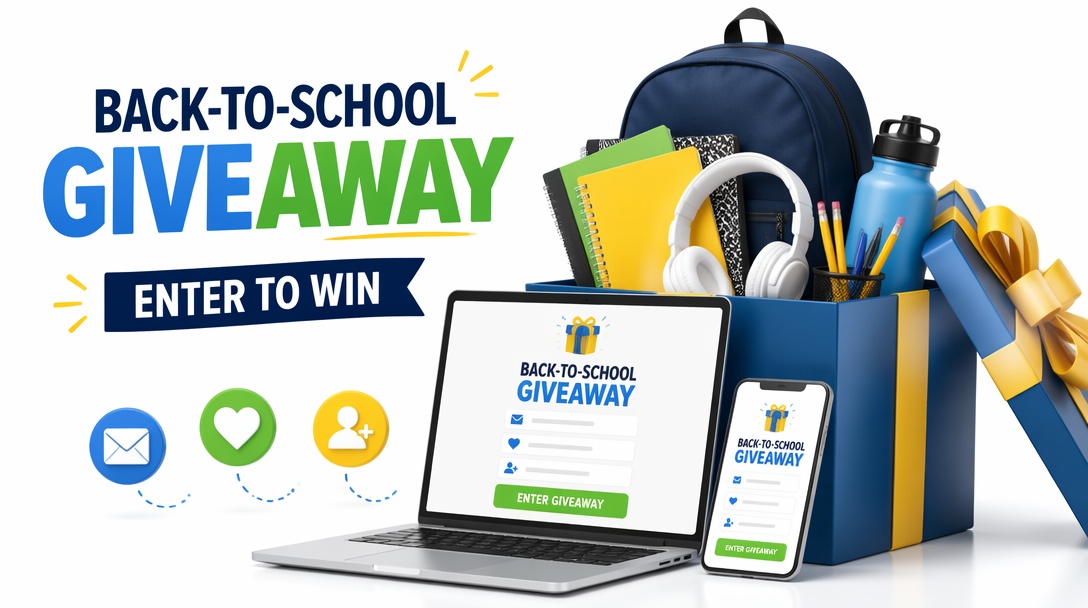
6. Launch a Back-to-School Giveaway
Run a back-to-school giveaway before or during your campaign to attract potential customers. Connect each entry to goals like email subscriptions or social media follows instead of random participation. Choose prizes your target audience wants so the campaign attracts genuine buyers.
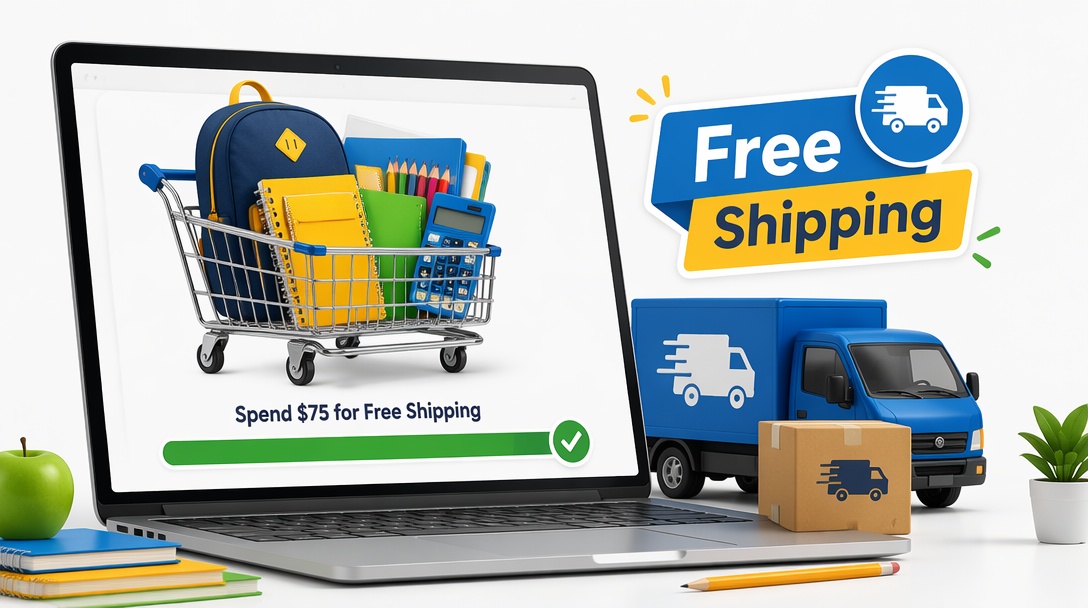
7. Offer Free Shipping Above a Threshold
You can also use free shipping as the main incentive instead of lowering product prices directly. Set the threshold slightly above your current average order value to nudge spending. Show this requirement before checkout begins, not as a surprise inside the cart.
How to Plan Your Back-to-School Campaign
A strong offer alone won't carry a campaign without proper structure behind it. The steps below help you build a back-to-school campaign that stays focused from launch to finish:
1. Match the Offer to One Main Goal
Decide your main objective before choosing discounts or any other promotional offer carefully. Focus on one goal, like increasing order value or clearing seasonal inventory efficiently. Using several offer types together can confuse shoppers and make your promotion harder to understand.
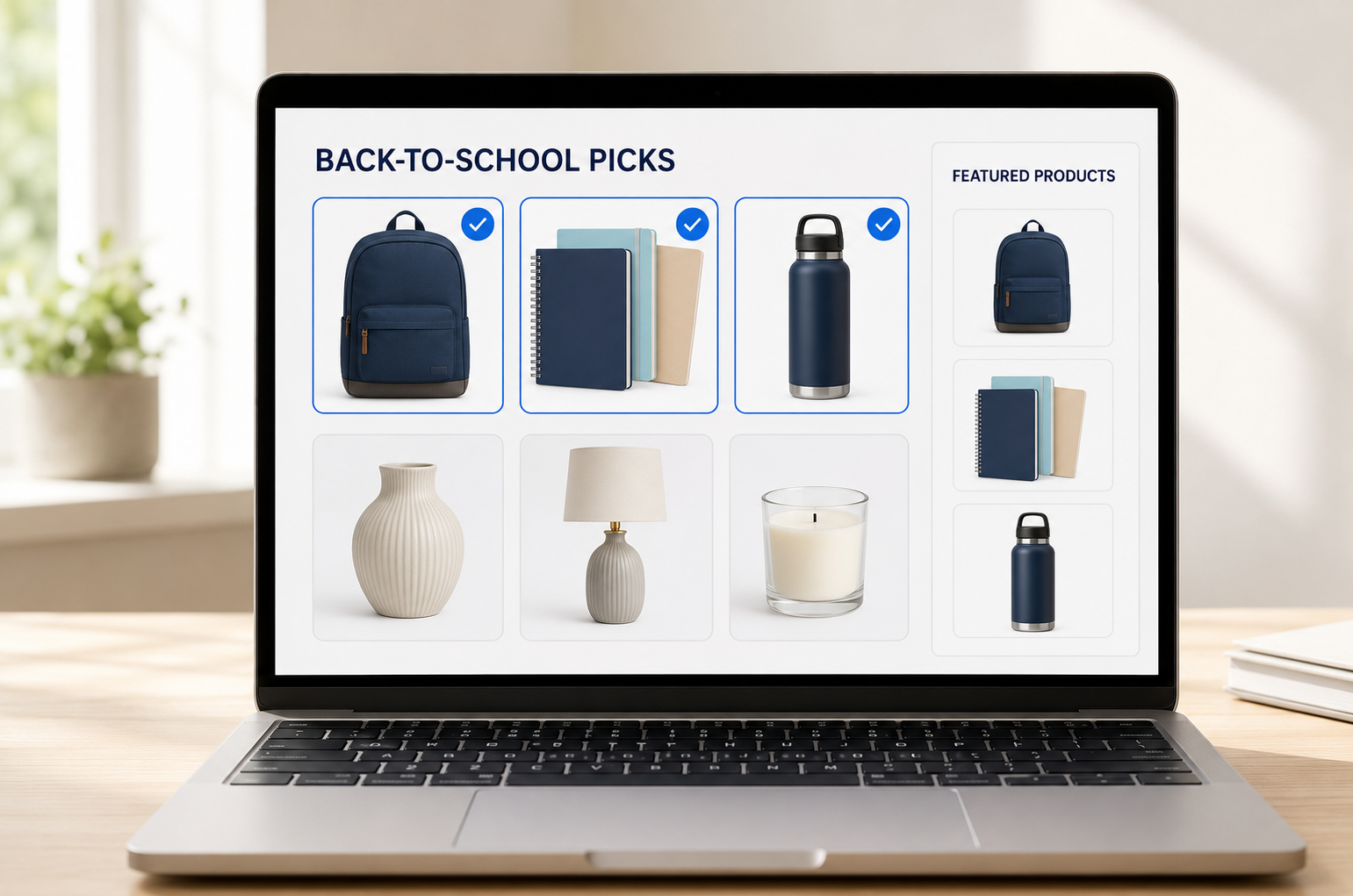
2. Choose Featured Products
Select products with a clear connection to school preparation or new-term routines. Products outside typical school supplies still need a credible seasonal role to qualify. Decorative school graphics alone won't make an unrelated product feel genuinely relevant.
3. Build a Phased Campaign Calendar
Divide your campaign into launch, reminder, peak, and final-call stages with different communication purposes. Match every stage with the earlier, main, and final shopping periods discussed earlier in this guide. Avoid repeating the same discount message because fresh content keeps customers interested throughout the campaign.
How to Create Back-to-School Sale Visuals
Visual production belongs after the offer, the featured products, and the campaign schedule are already confirmed, not before any of them are settled. Designkit's role here is focused: producing a consistent campaign concept that adapts across different placements.
That might mean a back-to-school poster ideas feed post or a full back-to-school ad built for a website banner. The three steps below use one continuing sale as an example throughout:
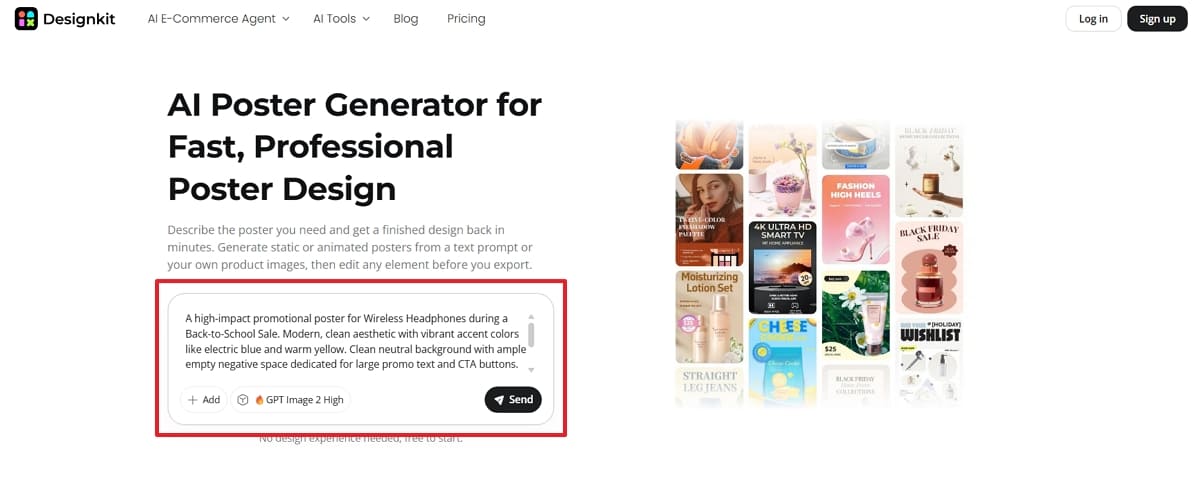
Step 1. Generate the Promotional Poster
Open Designkit's AI Poster Generator and describe the featured product and the sale theme. Note how much space the promotional text will need on the layout and press “Send. ”
Step 2. Add the Offer and Campaign Details
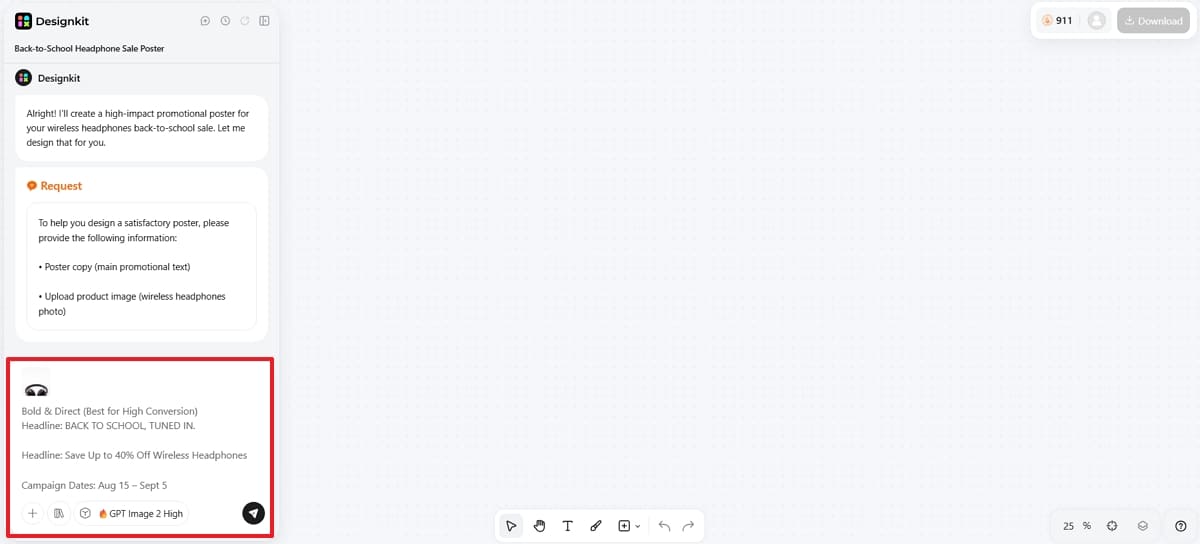
1. The tool then lets you add the offer, the campaign dates, and the product photo. Keep the product and the sales message more prominent than any decorative elements sitting around them.
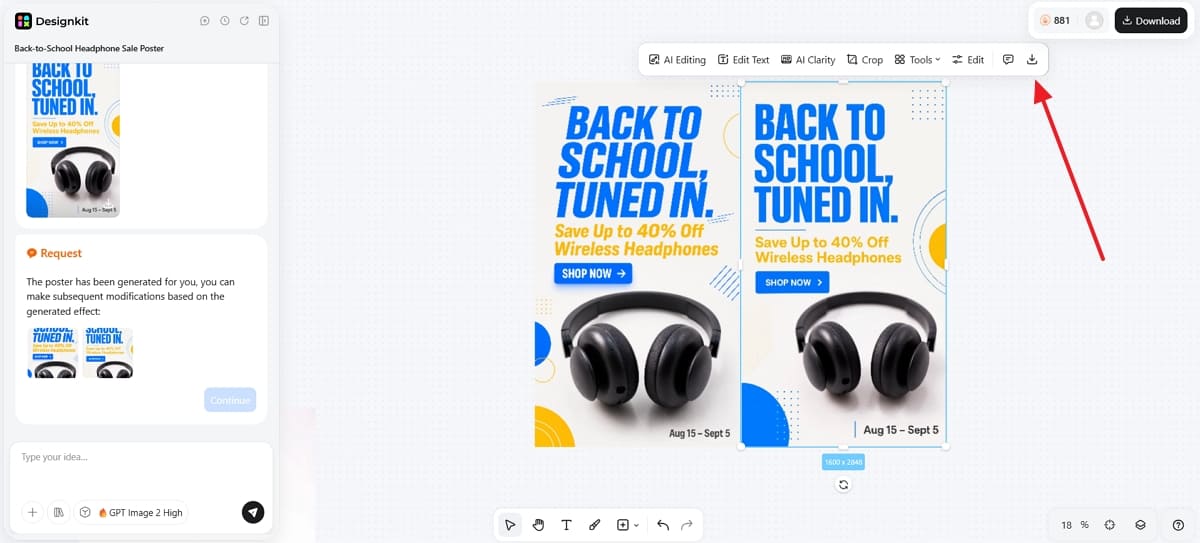
2. As Designkit generates multiple poster variants, choose your preferred one and click the “Download” icon to export it.
Create Back-to-School Sale Visuals
Step 3. Resize the Design for Each Channel
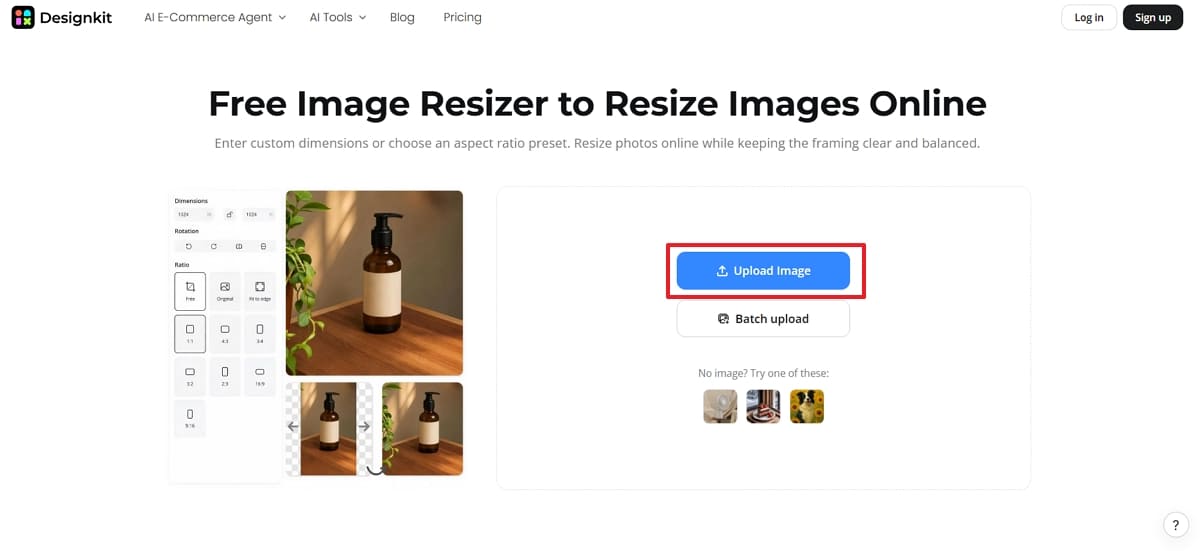
1. Use Designkit's Resize Image tool and press the “Upload Image ” button to import the newly downloaded poster.
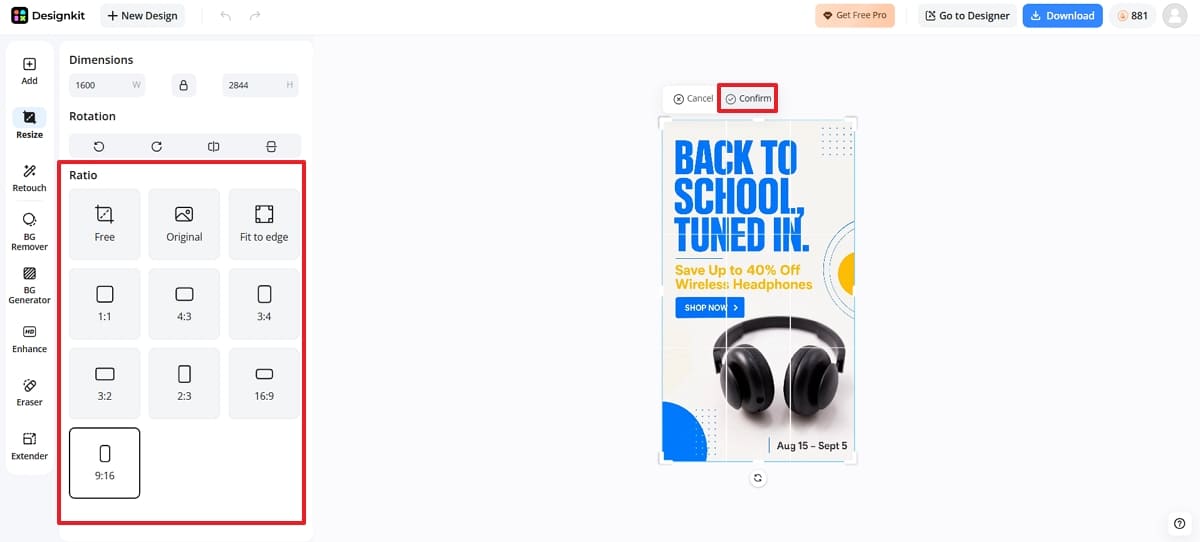
2. Upon accessing the “Resize ” option, choose your desired ratio for your poster and click “ Confirm. ”
How to Promote Your Back-to-School Sale
Promoting sales is a practical exercise in back-to-school marketing ideas. These back-to-school campaign ideas focus purely on distributing the offer already built:
1. Create a Dedicated Sale Page
Keep the featured products, offer conditions, campaign dates, and CTA together. Match the wording used across your promotional visuals for full consistency. Give every promotional channel the same clear destination to point toward.
2. Prepare an Email Sequence
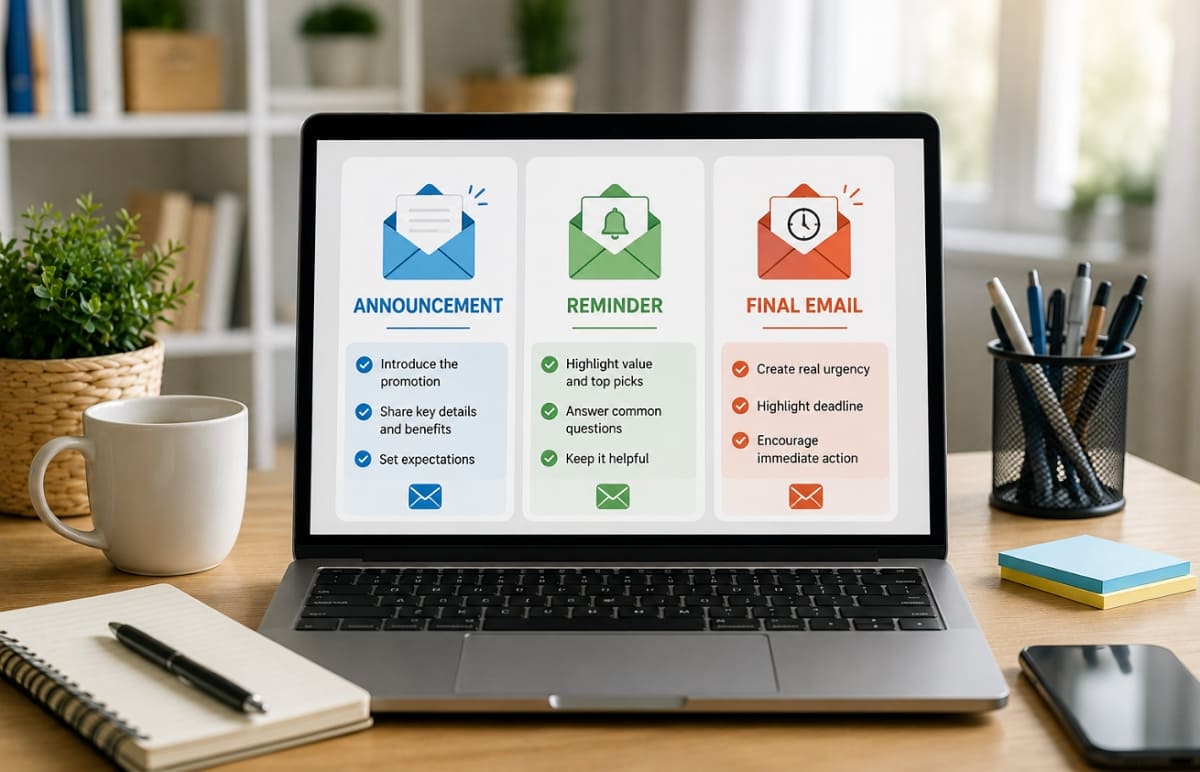
Assign a distinct purpose to the announcement, reminder, and final email. Use the first email to introduce the promotion and set expectations. Reserve real urgency for the final message instead of repeating it earlier.
3. Plan Back-to-School Social Media Posts
Create back-to-school social media posts with one clear message for each published update. Make the featured product and offer easy to recognize while keeping text suitable for platforms. Focus on promoting the offer instead of adding separate countdowns or checklist-style content here.
4. Support the Campaign with Ads
Every back-to-school ad should clearly highlight the product and campaign deadline together. Link each advertisement directly to the dedicated sale page for a consistent customer experience. Keep your messaging clear and consistent without explaining advanced advertising strategies or targeting techniques.
Conclusion
Strong back-to-school sales start with the right offer, clear timing, and focused promotion. Instead of using every sales tactic, choose one idea that fits your business goals and build your campaign around it. Get your visuals ready before launch, so customers recognize the same message wherever they see your promotion. After the campaign ends, review the results against your original goal.
Track revenue and conversion rate for direct sales, average order value for threshold offers, and new-customer numbers for acquisition campaigns. Note which offer, message, and marketing channel performed best, then use those insights to strengthen your next campaign. When you're ready, create polished back-to-school sale visuals with Designkit and bring your promotion to life.
Frequently Asked Questions
What is a back-to-school promotion?
When should back-to-school sales start?
Most back-to-school sales start in stages. An early period covers previews or member access, a main period covers peak demand, and a final period covers late shoppers. The right dates depend on your local school calendar and the specific products you're selling that season.
What is the best back-to-school sale idea?
There's no single best idea. Basically, the right one depends entirely on your main goal for the campaign. Early access suits loyalty-focused brands. Tiered savings and bundles work well for raising order value, while free shipping or a flash sale suits a simple, clear push.
Should I combine multiple back-to-school sales ideas?
Usually not. Combining several offer mechanics at once can make a promotion harder for customers to understand quickly. You should choose one or two ideas that match your main goal. It generally performs better than stacking all seven of them into a single, crowded campaign.
What are good back-to-school marketing ideas beyond the offer itself?
A dedicated sale page, a short email sequence with a distinct purpose per message, and focused social posts all help distribute an offer. Consistent ad creative rounds it out, without changing the offer itself mid-campaign.
How do I measure a back-to-school sales campaign?
Match your metric to your original goal before you start comparing numbers across channels. Use revenue and conversion rate for direct sales offers, average order value for threshold-based promotions like tiered savings, and new customer counts for offers built around acquisition.
You May Also Like

T-Shirt Design Size Guide: Placement, Dimensions, & DPI

Best AI Ad Generators in 2026: Tools for Creating Better Ads
How to Sell on Poshmark: A Complete Beginner's Guide
Zeely Reviews 2026: Features, Pricing, Pros, Cons & Alternatives
Create TikTok Ads From One Photo: An AI Product Launch Kit
Depop vs Poshmark: Which Is Better for Selling in 2026?
How to Create an Amazon Storefront: 4-Step Guide for New Sellers
How to Sell on Amazon in 2026: A Complete Seller Guide

How to Sell Books on Amazon in 2026: Beginner Guide
AI Product Photography: 7 Best Tools for Ecommerce in 2026

Pippit AI Review 2026: Features, Pricing, Pros & Cons
What Is a Hero Image? Definition, Examples & Design Tips
Back to School Ad: 7 Creative Ideas for Better Campaign Results
Top 7 Back-to-School Sales Ideas to Boost Retail Sales (2026)
How to Create a Complete World Cup Product Listing Image Set

How to Create Amazon Summer Sale Posters and Banners with AI
Amazon Summer Sale 2026: Listing Design Trends & Product Image Ideas
Ecommerce Video Ads: 7 Strategies That Drive Higher Conversions

Product Photography Ideas: Creative Tips & Techniques for Better Shots

Product Photography Pricing 2026: Full Cost Guide by Type
Product Photography Starter Package: Gear Checklist 2026
How to Photograph Shoes for Your Ecommerce Store in 2026
White Background Product Photography Guide & Tips 2026
Shopify Product Photography Guide with Tips & Setup
Shopify Image Size 2026: Complete Guide and Tips for Better Product Display
Amazon Main Image Requirements: Size, Guidelines & Tips
How to Create Amazon Infographics: Boost Sales with Compelling Visuals

7 Product Photography Mistakes That Hurt Ecommerce Sales
Studio Product Photography vs AI Product Photography in 2026

How to Create Outdoor Product Scenes Without a Photoshoot Using AI
Change Outfit Colors Online for Outfit Preview with AI Clothes Color Changer
The Etsy Thumbnail Formula That Drives More Clicks and Sales
How to Automate Your E-commerce Visuals with OpenClaw Workflow
Amazon 7-Image Listing Strategy: Boost Sales by Optimizing Every Image
Optimize Etsy Images for Mobile: Listing Photos That Convert
Etsy Thumbnail Optimization: Keep Your Product Fully Visible
How to Create Pro Amazon Listing Photos Without a Studio
Top 5 AI Tools to Generate Amazon Product Listing Images in 2026

How to Turn One Photo into 10 Etsy Listing Images Fast: Batch Workflow
Etsy Listing Photo Size Guide (2026): Mobile, Desktop & Shop View Specs
Turn White Background Images into Lifestyle Amazon Listings

Fix Etsy Image Cropping: Optimize Listing Photos for Every Device
Amazon Listing Images: Essential Shot List & Optimization Guide

How to Create Lifestyle Product Images Without a Studio
10 High-Converting Lifestyle Product Images for Amazon Listings
Lifestyle Product Photography Trends 2026: Authentic Looks at Scale
How to Master Lifestyle Product Photography in 2026
Amazon Listing Images Guide 2026: 7-Slot Strategy & Requirements
360 Product Photography Guide 2026: Setup, Shoot and Workflow
Beginner's Guide to Generate Product Photos from Different Angles
AI Product Photography: Create Ecommerce Images Without a Photoshoot

How to Create Realistic AI Product Photos: Step-by-Step Pro Guide
Keep AI Product Images Consistent Across SKUs: Lighting, Color, Background
How to Use AI for Spring Product Photography: 2026 Amazon Guide
How to Scale E-commerce with a Product Image Generator
Amazon Spring Sale 2026: Create High-Converting Listing Images (Guide)
How to Create a Budget Home Product Photography Setup with AI
How to Achieve Professional Product Photography Standards in 2026
How to Take Product Photos with Phone: Pro Guide for Amazon & AI

6 Best AI Product Image Generators in 2026
Amazon Photography Service vs. AI Generator: Best Choice for Sales
What Is Product Photography? Angles, Lighting & Editing Guide

AI Agents Transform Amazon Product Photography in 2026

2026 Amazon Image Trends Shaping Seller Success and Conversions
Amazon Photoshoot in 2026: Do You Still Need a Studio?
11 Must-Have Tools for Amazon Product Photography in 2026
Amazon Product Photography Requirements & Best Practices 2026
Put Your Back-to-School Sale into Action
Create a consistent back-to-school sale design with Designkit for the channels you plan to use.