

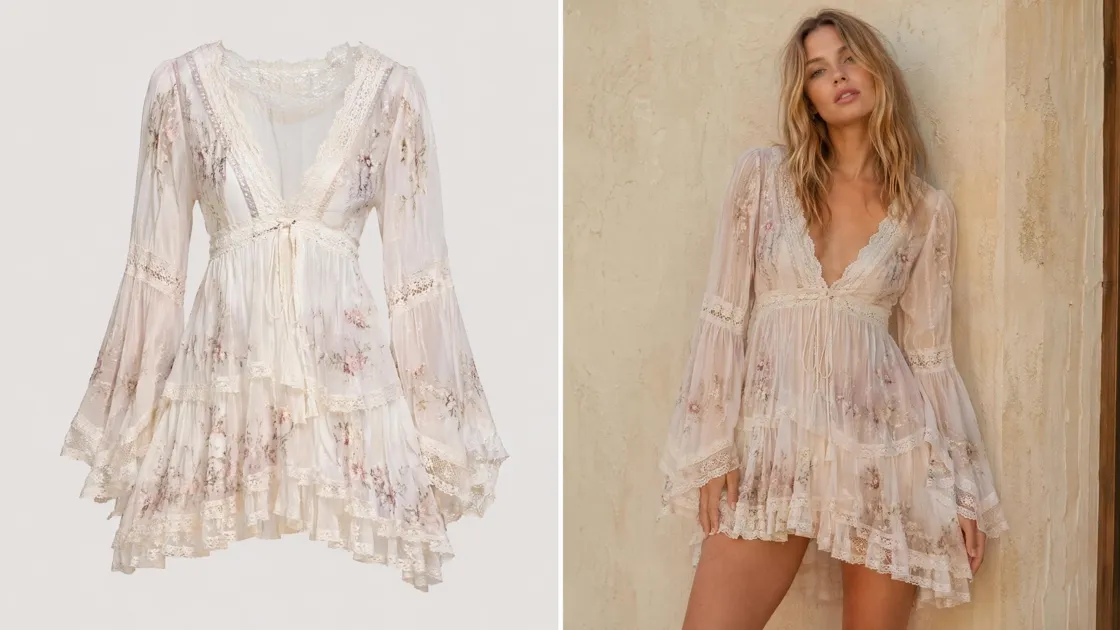
Ecommerce sellers now rely heavily on visuals to influence online purchase decisions. Yet, traditional photoshoots are expensive and difficult to scale across large catalogs. That is why many brands are exploring an AI fashion model generator for faster workflows. FashionINSTA reports that AI image generation reduces traditional fashion photography costs for brands by over 90%.
However, not all tools deliver consistent quality or reliable commercial usage outputs. So, this guide compares seven tools using a structured, transparent testing and ranking methodology. You will discover which tool best fits your specific marketplace listing and marketing goals.
Part 1. How We Tested and Ranked These AI Fashion Model Generators
Establishing a credible review process ensures you can select a reliable digital partner. We evaluated each software using real-world e-commerce scenarios and technical stress tests. Each tool was tested using identical inputs to maintain consistency across all generated outputs.
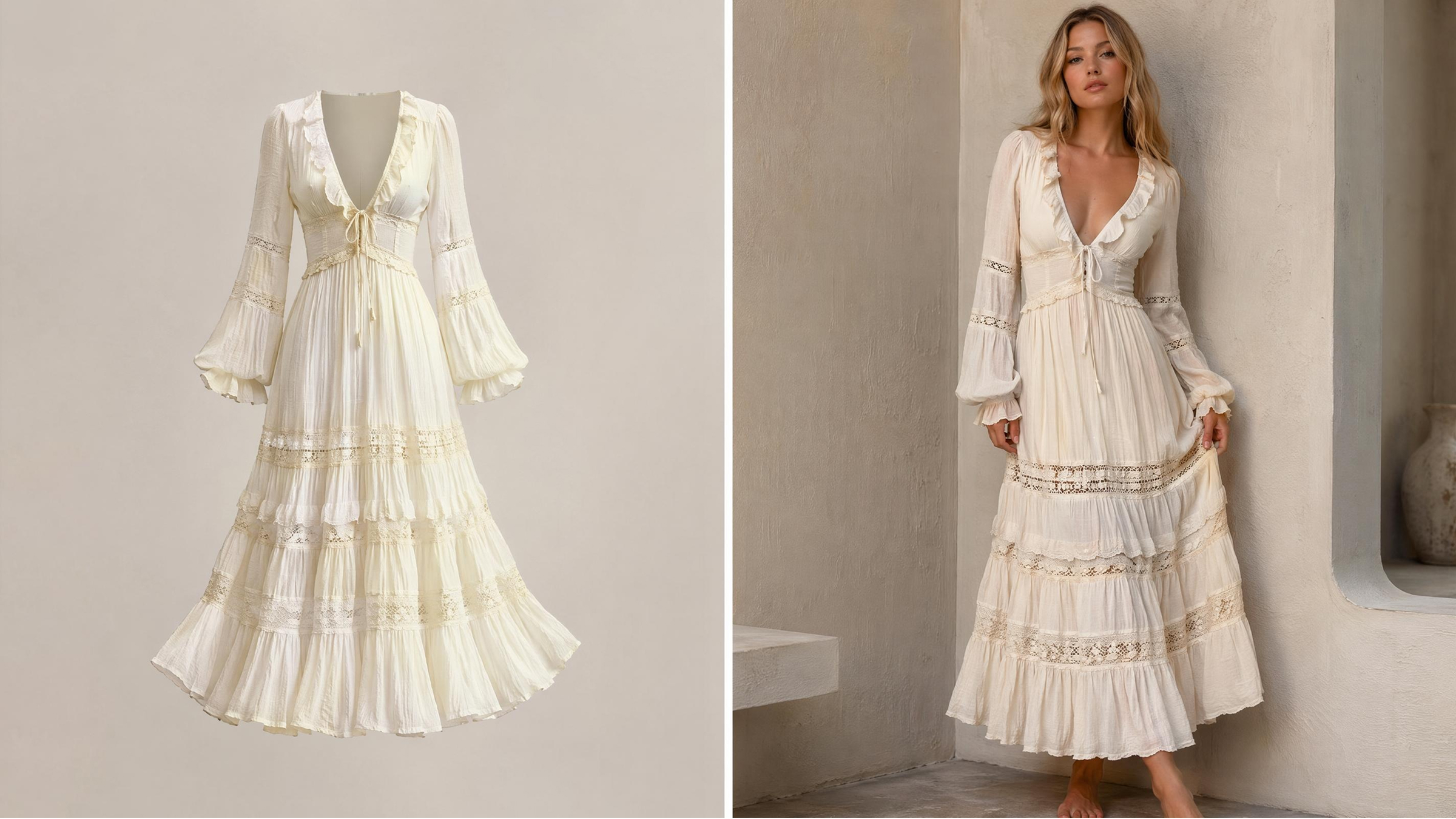
This section explains the evaluation process behind every AI fashion model generator reviewed here:
1.1. Our Testing Methodology and Five Scoring Criteria
All tools received identical product images, including T-shirts, dresses, and jackets for consistency. Along with that, outputs were compared side by side to evaluate realism and garment detail preservation accurately. The following table explains the core dimensions used to score each unique AI fashion model generator:
|
Criteria |
What Good Looks Like |
Red Flag Indicators |
|---|---|---|
|
Image Quality |
Realistic models, sharp details, consistent lighting across images |
Blurry outputs, distorted clothing, inconsistent shadows, or proportions |
|
Category Coverage |
Supports diverse apparel types, including accessories and layered outfits |
Limited clothing categories or inconsistent handling of complex garments |
|
Customization |
Flexible control over model appearance, pose, scene, and backgrounds |
Restricted editing options or minimal personalization controls available |
|
Batch & Integration |
Efficient bulk processing with API and ecommerce platform compatibility |
Manual workflows, slow processing, and no integration with selling platforms |
|
Pricing |
Clear pricing model with commercial-use licensing and scalable plans |
Hidden costs, restrictive usage rights, unclear subscription limitations |
In addition, this article focuses only on paid tools offering reliable commercial-use AI fashion model generator outputs. Moreover, research from Squareshot shows that 67% of online shoppers rank high image quality as their top buying factor.
1.2. Finding the Right Tool for Your Seller Profile
Filter our recommendations based on your specific business size and your current marketing priorities. The right AI fashion model generator depends entirely on your existing e-commerce operational needs. Thus, these points help sellers filter options before reviewing every tool in detail:
1. High-SKU Sellers: Prioritize batch efficiency and API connectivity for hundreds of weekly product updates.
2. Brand-Focused DTC: Focus on maximum image quality and deep customization for unique social media assets.
3. Small Store Owners: Look for a low cost-per-image and an easy user interface for daily tasks.
4. Cross-Border Brands: Select tools that offer high model diversity to match various global target markets.
Hence, this framework allows readers to skip irrelevant tools and focus on suitable solutions.
Part 2: 7 Best AI Clothing Model Generators in 2026 — Full Breakdown
Reviewing these professional platforms helps you identify the ideal software for your unique branding goals. This breakdown ensures every e-commerce seller finds a reliable AI clothing model generator for scale:
2.1. Photoroom’s AI Fashion Model Generator
Best For: Professional brands needing highly realistic on-model photos for competitive online marketplace product listings.
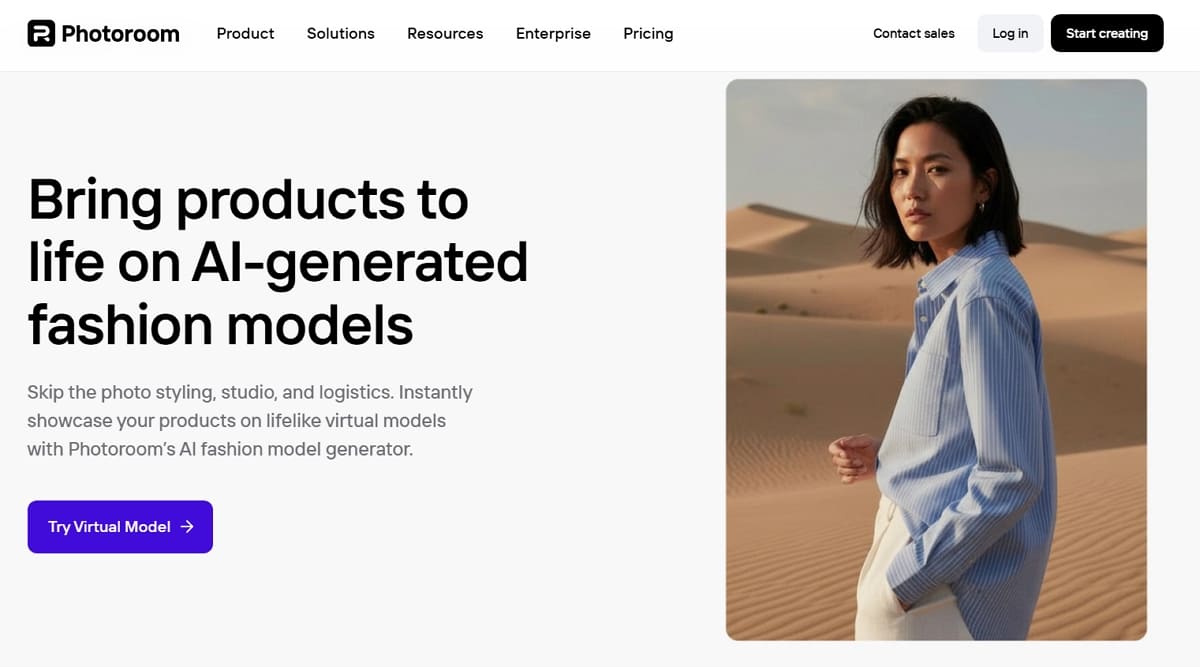
This powerful AI fashion model generator transforms simple garment photos into professional lifestyle product images. Sellers can easily maintain fabric textures and realistic clothing drapes across various digital models. Besides, the platform integrates advanced editing tools to deliver final marketplace-ready assets within a single workflow.
Key Features
1. Users can choose from a vast library featuring diverse body types and various ethnic skin tones.
2. Built-in background removal and smart shadows create polished results for every single product category.
3. High-volume sellers can export thousands of SKU images quickly using efficient bulk mode.
Limitations
● Occasional artifacts require generating multiple variations for perfect hero images.
● Subscription changes frustrate users with unexpected billing and feature shifts.
Ratings
● Image Quality: ★★★★★
● Category Coverage: ★★★★☆
● Customization: ★★★★☆
● Batch & Integration: ★★★★☆
● Pricing: ★★★☆☆
2.2. Uwear
Best For: High-volume fashion brands needing robust batch tools and scalable API connections for massive ecommerce catalogs.
Uwear is a professional AI fashion model generator designed to handle thousands of product SKUs. It utilizes a proprietary Drape AI engine to maintain realistic fabric textures and lighting consistency. Moreover, retailers can quickly convert simple warehouse snaps into effortless on-model images for their online storefronts.
Key Features
1. Automatically removes messy backgrounds and removes wrinkles on a rough photo or phone shot.
2. Large volume sellers can use one CSV upload to work with as many as 10,000 items simultaneously.
3. Features an asynchronous architecture for seamless integration with existing PIM or DAM enterprise systems.
Limitations
● Requires technical setup for full automation workflow implementation effectively.
● Generated images expire after 4 hours, requiring immediate download storage.
Ratings
1. Image Quality: ★★★★☆
2. Category Coverage: ★★★★☆
3. Customization: ★★★☆☆
4. Batch & Integration: ★★★★★
5. Pricing: ★★★★☆
2.3. WearView
Best For: Independent clothing brands wanting deep creative control over specific model identities and diverse lifestyle poses.
WearView serves as a versatile AI clothing model generator offering a full digital photography pipeline. The platform allows users to create specific model personas from text and keep them consistent. In addition, it is an ideal solution for generating both clean catalog shots and dynamic lifestyle campaign visuals.
Key Features
1. Design custom models by describing specific traits like ethnicity and unique body types.
2. Lock in a signature face and body style across multiple different outfits and scenes.
3. Direct specific movements and seated positions to match your brand's unique marketing aesthetic perfectly.
Limitations
● Requires detailed prompts for optimal creative control and best results.
● Limited mainstream ratings require direct testing for quality validation.
Ratings
1. Image Quality: ★★★★☆
2. Category Coverage: ★★★★★
3. Customization: ★★★★★
4. Batch & Integration: ★★★★☆
5. Pricing: ★★★☆☆
2.4. Botika
Best For: Independent Shopify merchants and smaller fashion brands requiring predictable monthly costs and generous credit rollover.
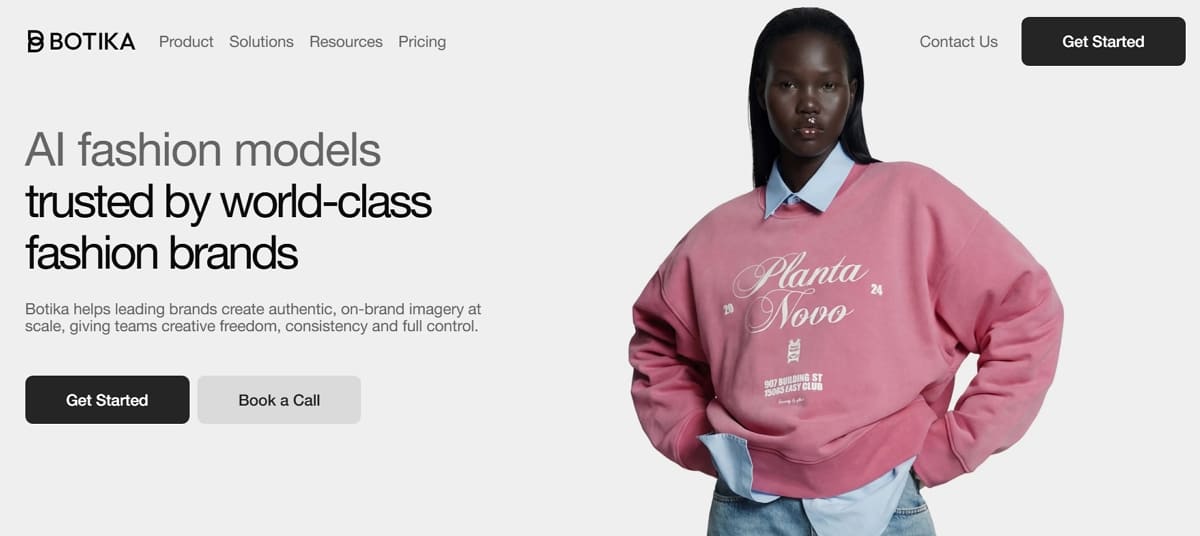
Botika is a practical AI clothing model generator focused on producing clean, on-model catalog images efficiently. It converts standard garment photos into realistic model visuals without requiring complex creative workflows or setups. This platform also offers a streamlined experience that cuts traditional photography costs while maintaining consistent visual quality.
Key Features
1. Core technology that converts standard garment photos into realistic images with diverse AI models.
2. Automatically removes physical mannequins and reconstructs garment interiors for a professional retail look.
3. Swap products into pre-made lifestyle scenes to create polished marketing assets without shoots.
Limitations
● Preset poses restrict creative control for campaign storytelling needs.
● Variable realism affects complex garments requiring post-editing fixes.
Ratings
1. Image Quality: ★★★☆☆
2. Category Coverage: ★★★☆☆
3. Customization: ★★★☆☆
4. Batch & Integration: ★★★★☆
5. Pricing: ★★★★☆
2.5. Designkit
Best For: Amazon and Shopify sellers who need a high-frequency, all-in-one visual production suite for listings.
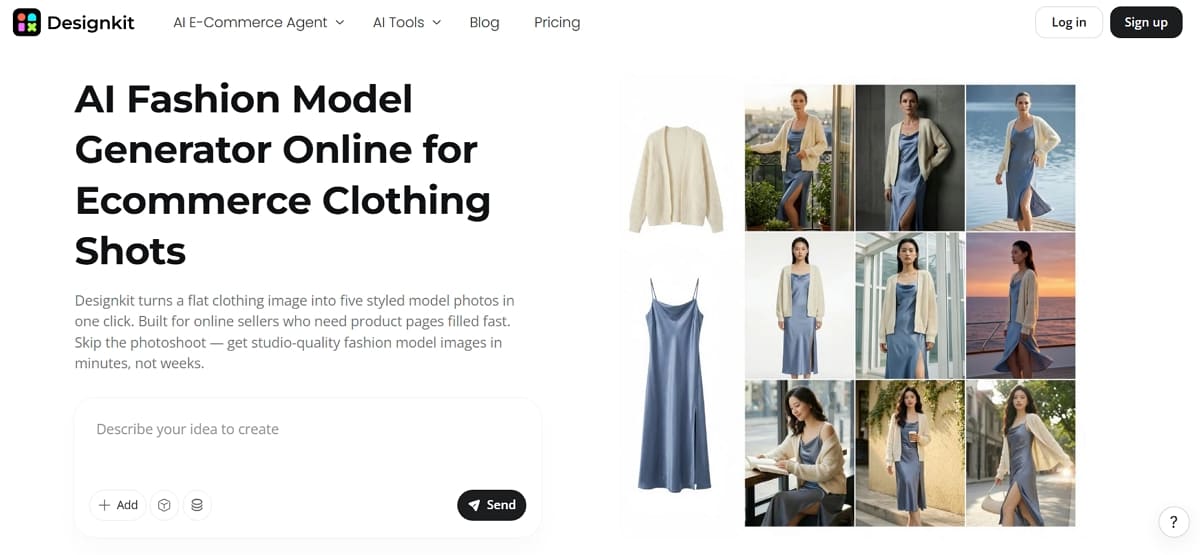
Designkit is an all-in-one AI clothing model generator that has been designed to complete the ecommerce image lifecycle. It serves as a centralized hub for creating product photos and marketplace-ready listings. Sellers can move from a raw flat-lay to a fully formatted Amazon set in one workflow.
Additionally, the platform streamlines repetitive design tasks, helping sellers save time across large product catalogs. It also ensures visual consistency across listings, which is critical for building a strong brand presence. This makes it a practical choice for scaling ecommerce operations efficiently.
Generate AI Fashion Models Free
Key Features
1. Product Photography Generator: This AI clothing model generator turns simple flat-lays into realistic multi-angle model shots.
2. Batch Listing Generator: Automatically creates a full set of high-converting images for new product catalog entries.
3. Amazon Listing Formatter: Outputs images that are pre-sized and formatted specifically to meet strict Amazon marketplace requirements.
4. AI Lifestyle Generator: Produces quality scene images for social media and direct-to-consumer brand marketing campaigns.
5. Advanced Customization: Provides full control over model skin tone, body type, and specific background environment settings.
Limitations
● Less flexible than specialists for highly custom creative directions.
● Subscription scales with volume, potentially increasing costs.
Ratings
1. Image Quality: ★★★★★
2. Category Coverage: ★★★★★
3. Customization: ★★★★★
4. Batch & Integration: ★★★★★
5. Pricing: ★★★★☆
2.6. Claid.ai
Best For: Fashion brands styling complete outfits, including shoes and hats, across diverse categories.
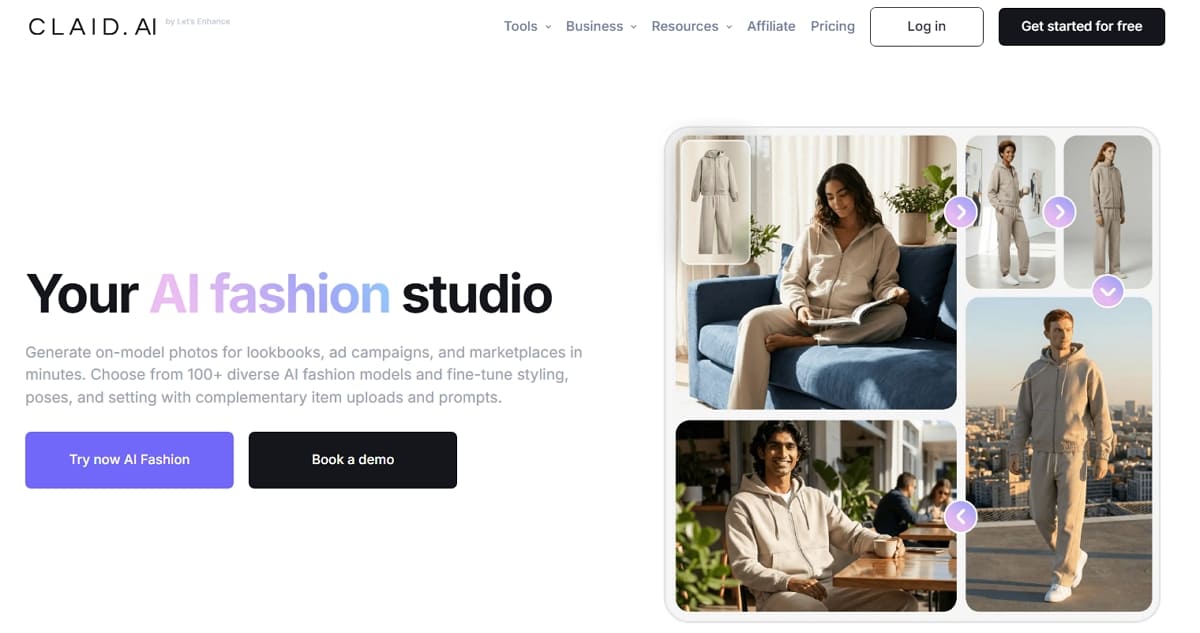
Claid is a comprehensive AI fashion model generator suite designed for high-end product photography and styling. It supports full-outfit generation, allowing sellers to combine tops and accessories into a coherent look. The platform excels at maintaining intricate patterns and fabric details even at professional 4K resolutions.
Key Features
1. Style the entire outfits by posting more than one item or writing about what matches, such as shoes and hats.
2. Access over 100 lifelike models spanning different ethnicities and inclusive plus-size body types.
3. Maintain strict brand consistency by placing specific faces onto various AI-generated bodies and poses.
Limitations
● Accessory handling for fine jewelry and bags is still evolving through its beta phase.
● Tracking costs across multiple tools can feel complex due to the multi-use credit system.
Ratings
1. Image Quality: ★★★★☆
2. Category Coverage: ★★★★☆
3. Customization: ★★★★☆
4. Batch & Integration: ★★★★☆
5. Pricing: ★★★☆☆
2.7. FASHN.ai
Best For: Beginner merchants and solo creators who prioritize a simple, guided workflow for realistic virtual try-ons.
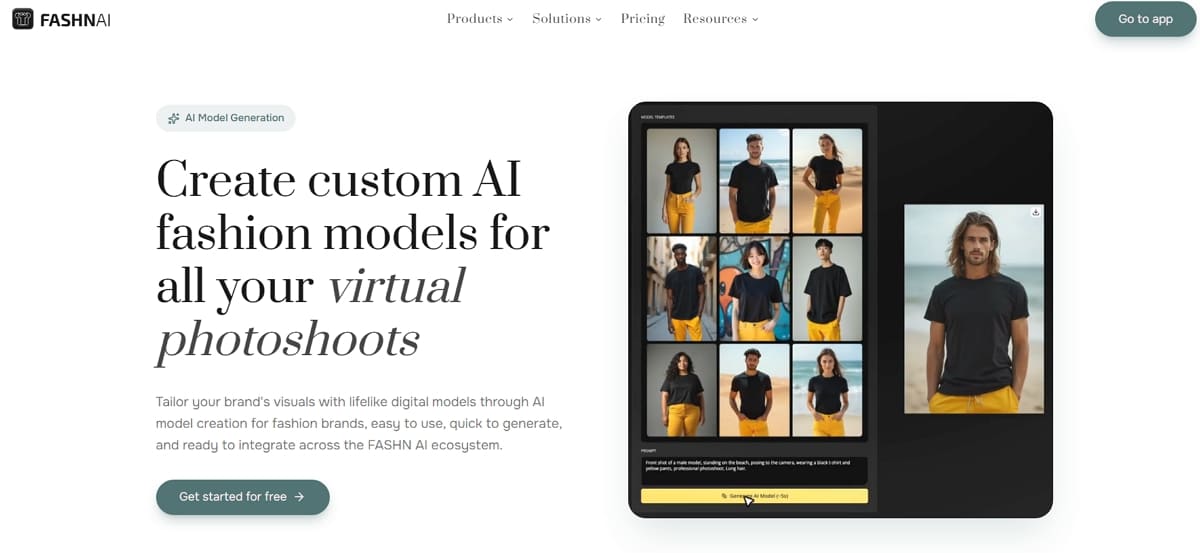
It is an intuitive AI fashion model platform built for speed and ease of use. The system focuses on realistic garment simulation, ensuring fabrics drape naturally on digital human models. FASHN is the perfect entry point for sellers who want professional results without technical complexity.
Key Features
1. High-quality on-model photos are produced in under 15 seconds for rapid creative experimentation.
2. Easily modify the model’s stance to highlight garment fit from various professional camera angles.
3. Create and reuse consistent digital personas to build a recognizable face for your brand.
Limitations
● Niche focus on try-ons means it lacks broader studio features like complex scene construction.
● Advanced consistency features require multiple seed images, which may challenge true first-time users initially.
Ratings
1. Image Quality: ★★★★☆
2. Category Coverage: ★★★☆☆
3. Customization: ★★★☆☆
4. Batch & Integration: ★★★☆☆
5. Pricing: ★★★★☆
Part 3. AI Fashion Model Generator Comparison Table and Decision Guide
Fast decision tools help ecommerce sellers choose a quality AI fashion model generator. This section helps readers compare every generator quickly using structured evaluation criteria:
3.1. Side-by-Side Feature and Pricing Comparison
Selecting the best AI clothing model generator requires a clear look at specific technical capabilities. Review the table below to compare the market's leading options before committing to a tool:
|
Tool Name |
Image Quality |
Batch/API |
Starting Price |
Free Trial |
Best For |
|---|---|---|---|---|---|
|
Photoroom |
★★★★★ |
★★★★☆ |
$12.99/month |
Yes |
High-End Realism |
|
Uwear |
★★★★☆ |
★★★★★ |
$0.10 per credit |
Yes |
Massive Catalogs |
|
WearView |
★★★★☆ |
★★★★☆ |
$29.00/month |
Yes |
Deep Customization |
|
Botika |
★★★☆☆ |
★★★★☆ |
$22.00/month |
Yes |
Shopify Sellers |
|
Designkit |
★★★★★ |
★★★★★ |
$15.00/month |
Yes |
Amazon Workflows |
|
Claid.ai |
★★★★☆ |
★★★★☆ |
$15.00 /month |
Yes |
Outfit Styling |
|
FASHN.ai |
★★★★☆ |
★★★☆☆ |
$19.00/ month |
Yes |
Beginner Ease |
Apart from the above, for peak visual fidelity and texture, Photoroom remains the top industry choice for quality. In addition, high-volume sellers should choose Uwear to maximize their daily batch processing and efficiency.
Alongside that, Designkit provides the most integrated workflow specifically for Amazon and Shopify listing image sets. Yet, choose Botika or Claid if you prioritize low entry costs and flexible monthly plans.
3.2. Matching the Right Tool to Your Business Needs
Choosing the right AI clothing model generator depends on your monthly product volume goals. Yet, you need to follow the logical decision path to find an AI fashion model that fits. These simple criteria help sellers avoid expensive trial and error during their tool selection:
1. Monthly SKUs > 50: Prioritize tools like Uwear or Designkit for rapid batch processing.
2. Amazon Focused: Select platforms with marketplace templates to ensure your images meet requirements.
3. High Realism Needs: Focus on Photoroom to capture the most accurate garment fabric textures.
4. Limited Budget: Start with Botika to access affordable entry tiers and generous credit rollovers.
This framework allows readers to skip irrelevant tools and focus only on suitable solutions. Thus, your choice will ultimately impact your conversion rates and overall marketplace listing performance potential.
Conclusion
To conclude, AI fashion model generators revolutionize ecommerce visual production for all seller scales. Yet, you should evaluate image quality alongside batch processing speeds before selecting your final partner. As explored, Photoroom offers peak realism while Designkit excels at complex Amazon and Shopify listing workflows.
According to Digital Commerce 360, AI-driven traffic to retail websites recently converted 42% more often than non-AI sources. So, compare these seven professional tools to find the ideal software for your unique needs.
Frequently Asked Questions
What makes one AI fashion model generator different from another beyond features?
Are AI-generated model images allowed on marketplaces like Amazon and Shopify?
Most marketplaces allow AI-generated visuals if they meet quality and authenticity standards for product listings. Still, an AI clothing model generator must produce accurate representations without misleading product details or features. However, always review platform guidelines before using any AI fashion model in commercial ecommerce product listings.
Which clothing categories work best with an AI fashion model generator?
An AI fashion model generator performs best with standard apparel like shirts and outerwear items. While category coverage is expanding, complex items like fine jewelry still require careful testing. Leading tools successfully maintain fabric textures and realistic drapes across all common product categories.
What are the typical price ranges for professional AI fashion model generator software tools?
Pricing for an AI fashion model generator varies based on features, usage limits, and output quality levels. Entry-level plans for a professional AI fashion model generator typically start at around $9. High-volume enterprise users often prefer credit-based pricing to manage their large-scale catalogs.
You May Also Like
How to Match Makeup by Undertone: Virtual Lipstick and Foundation Try-On
Wedding Dress Styles for Every Body Type: A Practical Guide for 2026
7 Best AI Virtual Makeup Try-On Tools for Realistic Results in 2026
AI Virtual Makeup Try-On: Boost Beauty E-Commerce Sales in 2026
Free Online Glasses Try-On Tools: See Yourself in Glasses Instantly
Top Virtual Ring Try-On Tools for Engagement and Wedding Rings in 2026
How to Try Shoes On Virtually: A Step-by-Step Guide
Best Virtual Shoe Try-On Tools for Ecommerce: 2026 Guide
How to Try On Wigs and Bangs Virtually to Find Your Perfect Style
Create Model Outfit Photos Instantly With AI Outfit Generator
Best AI Virtual Try-On Clothes Tools for Any Body Type
How to Try On Clothes Online with AI for Better Fit & Style
Virtual Nose Ring Try On Online Before Your Piercing
How to Try Makeup Online with AI and Virtual Makeup Try-On Apps (2026)
How to Use Virtual Earring Try-On for a Flattering Look in 2026
How to Try On Engagement Rings Online with AI in 2026
Scale Your Jewelry Brand with Virtual Jewelry Try-On Solutions
How to Try Hairstyles on Your Face Online (Step-by-Step Guide)
Best Virtual Hairstyle Try-On Tools Online for Realistic Previews 2026
How to Use a Free AI Hairstyle Generator to Find Your Perfect Look
Virtual Hair Color Try-On Guide for Every Skin Tone (2026)
Virtual Wedding Dress Try-On Online for Brides in 2026
How to Choose the Right Sunglasses for Your Face Shape Online
How Accurate Is Virtual Glasses Try-On? AI vs AR Compared

Best Virtual Try-On Glasses Apps in 2026 (Free & Paid Tools)
How AI Virtual Try-On Is Transforming Eyewear Ecommerce
5 Best Virtual Try-On Glasses Tools for Ecommerce and Consumers 2026
How to Try On Glasses Online with AI in 2026 (Easy Guide)
How to Create Jewelry Photos with AI Models That Drive Sales in 2026
AI-Generated Fashion Models: Technology, Brand Adoption & Trends
How to Batch Generate 100+ AI Clothing Model Photos Fast
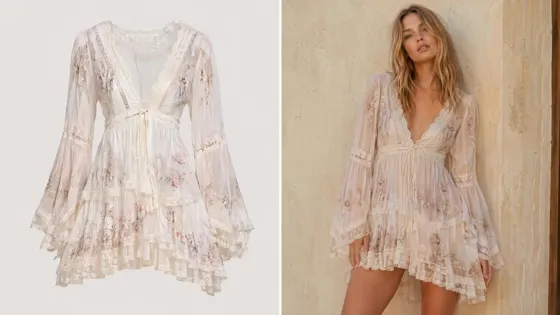
7 Best AI Fashion Model Generators for Ecommerce in 2026
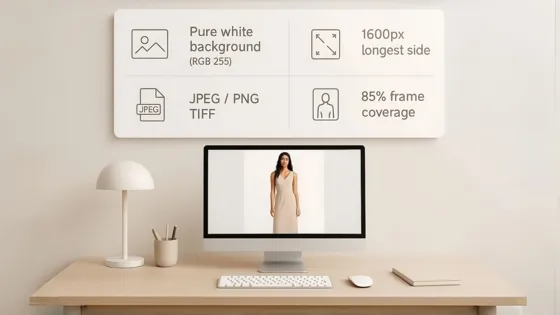
AI Clothing Model Photos for E-Commerce: Platform Rules & Best Practices
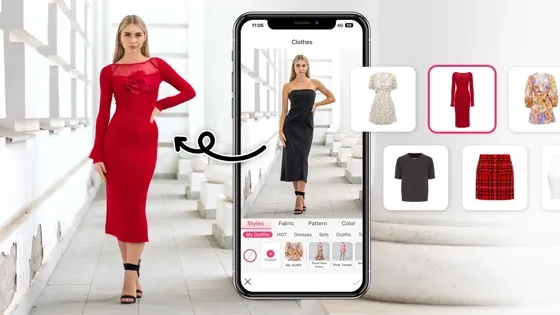
How AI Virtual Try-On Helps Fashion Brands Boost Sales & Reduce Returns
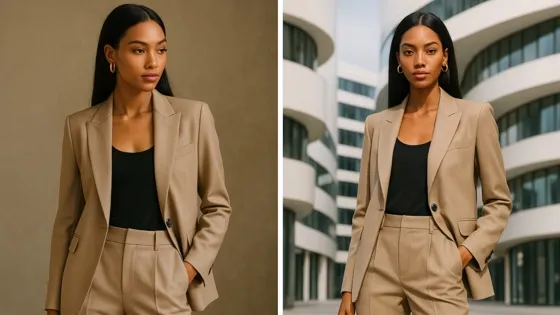
AI Fashion Models vs Real Models: Which Is Better for Brands?
Best Free AI Fashion Model Generators for Real Product Photos
Virtual Outfit Try-On Guide: Plan Outfits Before You Buy
What Is an AI Clothing Model Generator? Full Guide for Sellers
Virtual Try-On Technology in 2026: How It Works & Key Trends
10 Best Virtual Try-On Apps & Tools for Online Shopping in 2026
How to Create AI Fashion Models: Complete Step-by-Step Guide
How to Use AI Fashion Models for E-Commerce Product Photos: A Complete 2026 Guide
How to Virtually Try On Clothes Online: A Complete Guide
Create Studio-Quality Fashion Model Photos Without Expensive Photoshoots
Turn flat product images into high-converting fashion model photos in minutes. With DesignKit’s AI Fashion Model Generator, ecommerce brands can create diverse model visuals, lifestyle scenes, and marketplace-ready listing images at scale — no photographer or studio required.