
What Is a Target Audience? Definition, Types, and How to Find Yours
A target audience defines who your marketing is designed to reach. Learn how to identify your ideal customers, segment audiences, and create personalized campaigns that connect with the right people.

Many businesses struggle with marketing because they try to speak to everyone at once. However, customers respond better when brands understand their specific needs, interests, and behaviors. A target audience helps businesses focus their messaging on the people most likely to engage with their products or services.
In this guide, you'll learn what a target audience is, how it differs from a target market, the different types of audiences, how to identify yours, and how to create marketing content that resonates with them.
What Is a Target Audience?
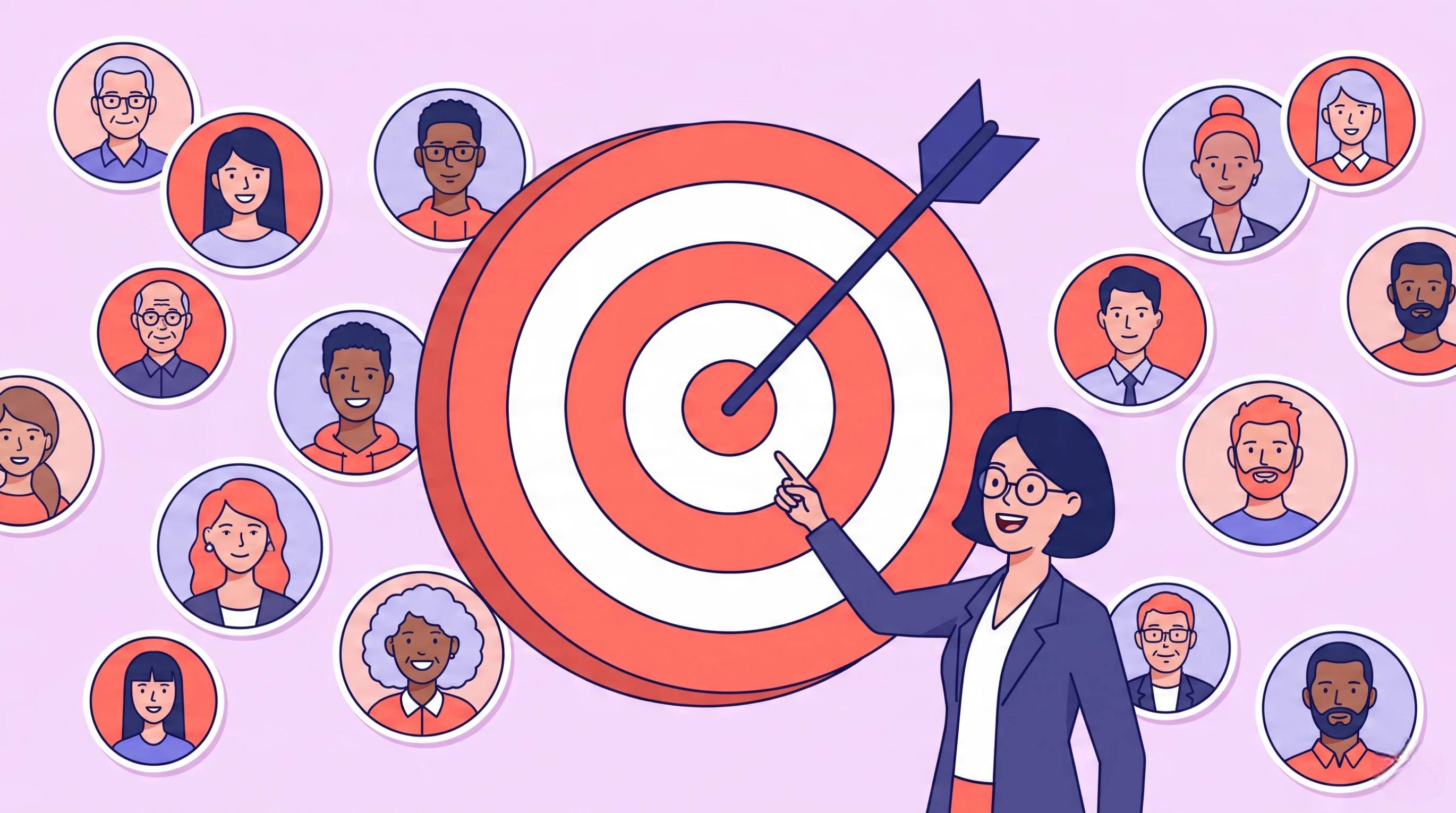
A target audience is the specific group of people a brand aims to reach with its marketing efforts, defined by shared traits, needs, interests, or behaviors.
Unlike a broad customer base, a target audience is campaign-specific. Defining the right audience helps you create more relevant messaging, choose the best marketing channels, and improve engagement. Reviewing target audience examples can also make it easier to identify the people most likely to respond to your content or offer.
Target Audience vs. Target Market
A target market defines where your business competes, while a target audience defines who a specific campaign speaks to. Understanding the difference helps you build stronger marketing strategies and makes finding your target audience a more focused process.
|
|
Target Market |
Target Audience |
|---|---|---|
|
Meaning |
Broad group of potential customers |
Specific group targeted in a campaign |
|
Scope |
Larger |
More focused |
|
Usage |
Business strategy |
Marketing execution |
|
Example |
People interested in skincare |
Women aged 25-35 looking for sustainable skincare products |
Types of Target Audience
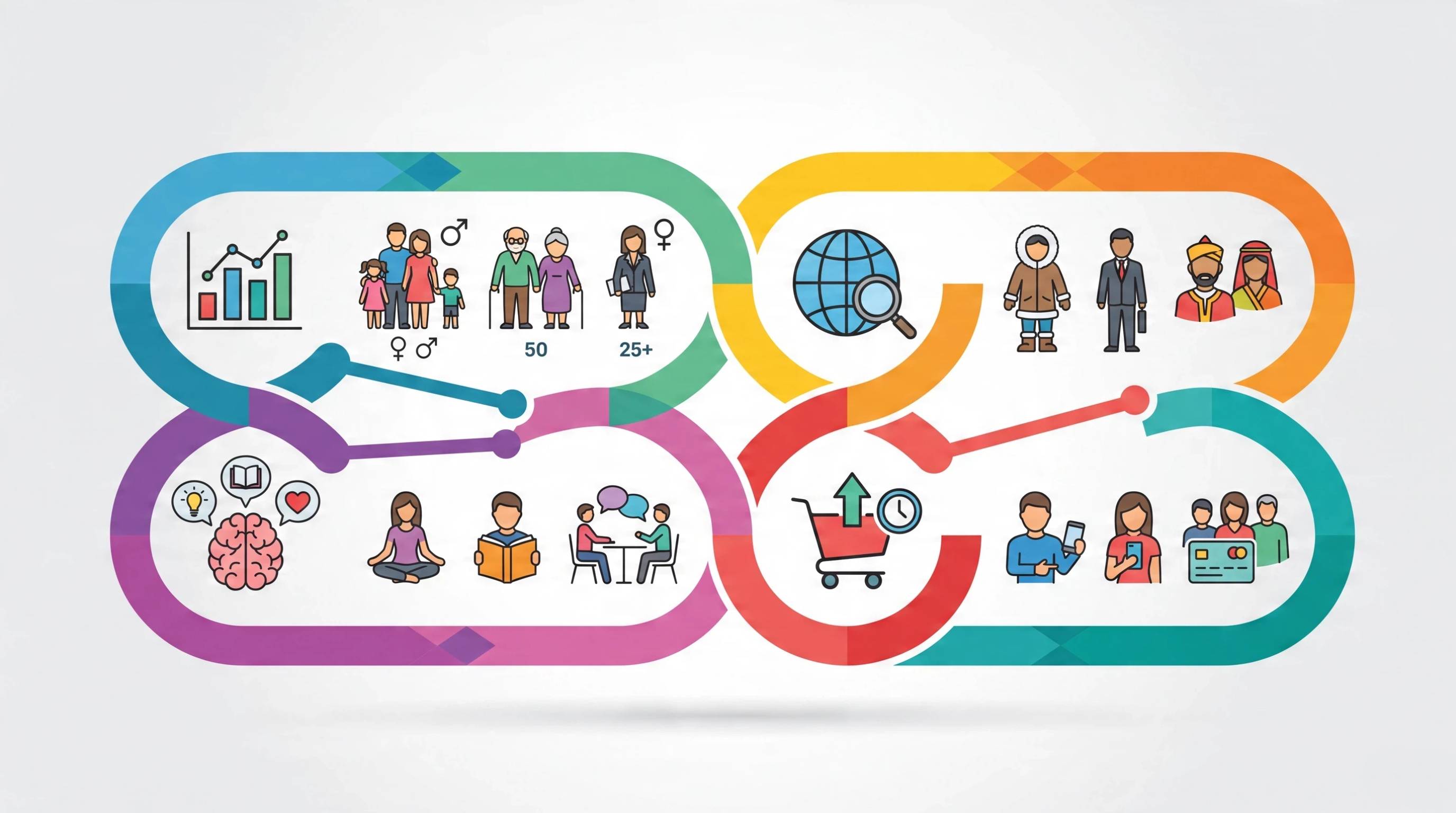
Most businesses define their target audience using a combination of characteristics rather than relying on a single factor. Combining demographic, geographic, psychographic, and behavioral data provides a more complete understanding of the people most likely to engage with your brand.
Demographic Audience
A demographic audience is defined by measurable personal characteristics. This is often the starting point for audience segmentation because the data is easy to collect and apply to marketing campaigns.
Common factors include:
-
Age
-
Gender
-
Income
-
Education
-
Occupation
Example:
A skincare brand targets women aged 25–40 with middle-to-high incomes who value premium ingredients and are willing to spend more on effective, high-quality beauty products.
Geographic Audience
A geographic audience is grouped according to location. Businesses can tailor products, promotions, and messaging based on where their customers live or operate.
Common factors include:
-
Country
-
City
-
Region
-
Local market
Example:
A marketing software company focuses on small businesses across the United States, tailoring pricing, promotions, and support to meet the needs of local entrepreneurs and startups.
Psychographic Audience
Psychographic audiences are defined by how people think, what they value, and the lifestyles they choose. This helps brands create messaging that connects on a deeper emotional level.
Common factors include:
-
Values
-
Lifestyle
-
Interests
-
Attitudes
Example:
A clothing brand targets consumers who value sustainability, ethical production, and minimalist fashion, choosing eco-friendly products that align with their personal lifestyle and beliefs.
Behavioral Audience
Behavioral audiences are based on how customers interact with brands before and after making a purchase. Analyzing these behaviors helps businesses deliver more relevant offers and improve customer retention.
Common factors include:
-
Purchase history
-
Browsing behavior
-
Brand loyalty
-
Buying frequency
Example:
An online beauty retailer targets customers who regularly browse new arrivals, purchase skincare every few months, and respond to loyalty rewards, personalized offers, and product recommendations.
How to Find Your Target Audience
Why Defining a Target Audience Matters
A well-defined target audience helps every marketing decision become more focused. Instead of creating generic campaigns, you can deliver messages that connect with the right people, spend your budget more efficiently, and produce creative assets that match real customer needs. Understanding the definition of target audience is the first step toward building campaigns that perform.
-
Create more relevant messaging with copy, visuals, and offers tailored to your ideal customers.
-
Improve marketing efficiency by reducing wasted ad spend and reaching people with stronger purchase intent.
-
Build stronger customer relationships by addressing customer needs, preferences, and challenges consistently.
Finding the right audience requires more than guesswork. By combining customer data, market research, and ongoing analysis, you can build a clearer picture of the people most likely to engage with your business. Learning how to identify your target audience is an ongoing process that improves as you collect more insights.
Analyze Your Existing Customers
Your current customers are one of the best sources of audience insights. Review the data you already have to understand who buys from you, what motivates their decisions, and what keeps them coming back.
Look at:
-
Customer data
-
Sales records
-
Website analytics
-
Social media insights
Ask questions such as:
-
Who already buys from you?
-
What problems are they trying to solve?
-
Why do they choose your brand over competitors?
The answers help you identify patterns that can shape your target audience marketing efforts and improve future campaigns.

Research Competitors and Market Trends
Competitor research helps you understand what customers expect and where opportunities exist. Study how similar businesses communicate with their audiences and pay attention to customer feedback.
Review sources such as:
-
Competitor reviews
-
Social media comments
-
Community discussions
-
Industry reports
Focus on discovering:
-
Customer needs
-
Common pain points
-
Unserved market opportunities
These insights help you refine your messaging and build a stronger audience targeting strategy that addresses real customer challenges instead of assumptions.
Create Buyer Personas
A buyer persona transforms audience research into a realistic customer profile that represents your ideal customer. It combines demographic, behavioral, and business information to guide content creation, advertising, and product decisions.
Example Buyer Persona:
|
Profile |
Details |
|---|---|
|
Name |
Sarah, Ecommerce Marketing Manager |
|
Age |
32 |
|
Goal |
Create more product campaigns across multiple sales channels |
|
Challenge |
Limited creative resources and tight production deadlines |
|
Needs |
Fast AI-powered content creation, easy image editing, and consistent branded assets |
Creating several personas based on different types of target audience helps you tailor campaigns for each customer segment instead of relying on one generic message.
Use Analytics and AI Tools
Audience research should never be a one-time task. Customer behavior changes over time, so your audience insights should evolve with it. Regularly reviewing analytics helps you identify new trends, improve campaign performance, and make better marketing decisions.
Useful tools include:
-
Google Analytics
-
Social media insights
-
CRM data
-
AI analysis tools
By combining quantitative data with customer feedback, you can continuously refine your audience strategy and ensure your marketing stays relevant as customer needs and behaviors change.
How to Find Your Target Audience on Social Media
Create More Relevant Marketing Messages
When you define target audience segments clearly, it's easier to create content that feels personal instead of generic. Audience insights help shape stronger copy, more relevant visuals, compelling offers, and personalized campaigns that speak directly to the people you're trying to reach.
Improve Marketing Efficiency
Targeting the right audience allows you to spend your marketing budget more effectively. Instead of reaching broad groups with little interest, you can focus on high-intent customers who are more likely to engage and convert. This is why market research for target audiences is an essential part of campaign planning.
Build Stronger Customer Relationships
Customers are more likely to trust brands that understand their goals, challenges, and preferences. Consistently delivering relevant content and offers creates a better customer experience, encourages loyalty, and strengthens long-term relationships. Learning how to identify target audience segments accurately helps you maintain that relevance as your business grows.
Social media platforms provide valuable audience insights that help you understand who engages with your content and what interests them most. Reviewing this data regularly allows you to refine your content strategy and reach people who are more likely to become customers.
Instagram Insights
Instagram Insights helps you understand your followers through demographic data, content engagement, and audience activity. Reviewing age groups, locations, peak active hours, and top-performing posts reveals what resonates with your audience and when they're most likely to interact with your content.
TikTok Analytics
TikTok Analytics provides information about viewer interests, content performance, and audience location and age signals. Monitoring these metrics helps you identify the videos that attract the most engagement, discover trending topics, and adjust your content strategy based on real audience behavior.
Social Listening
Social listening goes beyond analytics by showing what people are discussing across social platforms. Analyze comments, hashtags, community discussions, and recurring pain-point language to uncover customer needs, identify common questions, and discover content opportunities your competitors may be missing.
Target Audience Examples
The following examples show how different businesses and creators define their audiences and tailor their content strategies to attract the right people.
Ecommerce Target Audience Example
Brand: Skincare company
Audience: Women aged 25–35 who prefer clean beauty products.
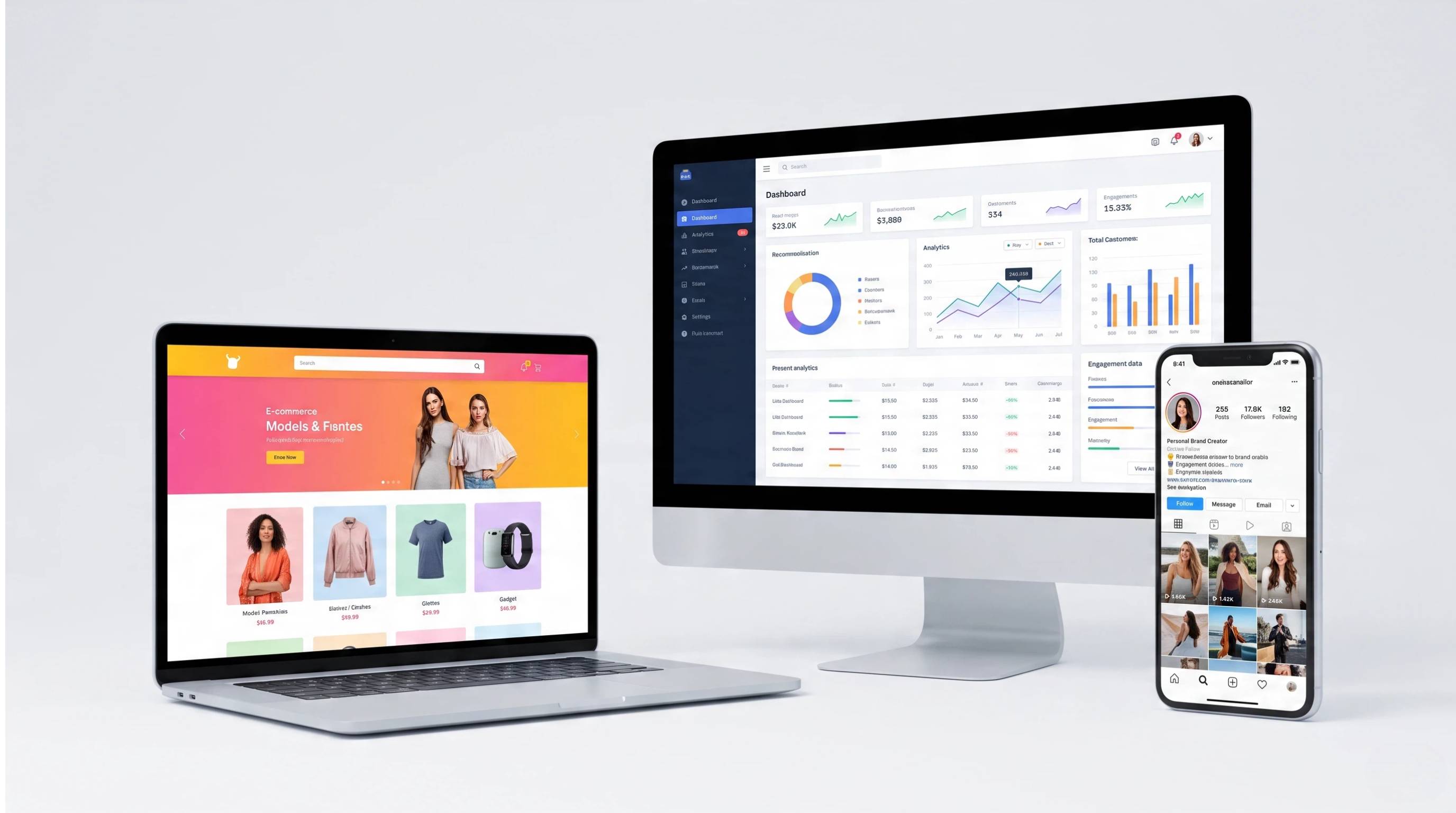
Content Strategy: The brand focuses on lifestyle product photography, authentic customer reviews, and educational skincare videos that explain ingredients, routines, and product benefits. This combination builds trust while helping potential customers make informed purchasing decisions.
B2B Target Audience Example
Company: AI software provider
Audience: Small business owners looking to automate marketing tasks.
Content Strategy: The company publishes detailed case studies, practical product tutorials, and industry insights that demonstrate real business results. This educational approach helps potential customers understand how the software solves everyday marketing challenges.
Creator and Personal Brand Example
Audience: Young professionals interested in career growth.
Content Strategy: The creator shares educational posts, short-form videos, and interactive community content that offers practical career advice and encourages meaningful conversations. Consistent, value-driven content helps build trust and a loyal audience over time.
How to Reach Your Target Audience After Defining It
Identifying your target audience is only the first step. The next challenge is turning those insights into campaigns that attract attention, communicate value, and encourage action. Every marketing decision—from your messaging to your visuals—should reflect what matters most to the audience you want to reach.
Match Your Message to Audience Needs
Your messaging should address the problems, goals, and motivations of your audience rather than simply promoting your product. Focus on the benefits that matter most to each customer segment, using language and examples they can relate to. Relevant messaging makes campaigns feel more personal and increases the likelihood of engagement.
Personalize Content by Segment
Different audience segments respond to different styles of content. A campaign for first-time buyers may require educational content, while existing customers might respond better to product updates or exclusive offers. Tailoring visuals, headlines, and calls to action for each segment helps improve relevance and overall campaign performance.
Test Creative and Optimize What Converts
The best-performing campaigns are built through continuous testing. Experiment with different images, headlines, layouts, and calls to action, then measure which combinations generate the highest engagement and conversions. Use performance data to refine future campaigns instead of relying on assumptions.
Create Target Audience-Focused Content with Designkit
Knowing your audience is only half the job; the other half is creating visuals that genuinely connect with them. Generic creative rarely performs as well as content designed for a specific customer group.
With Designkit, you can describe your target audience alongside your product, and the AI generates on-brand creative variations tailored to that audience. A campaign aimed at busy new parents can feature warm, practical visuals, while one targeting tech enthusiasts can use a modern, product-focused style. Instead of manually redesigning assets for every audience segment, Designkit helps you produce personalized marketing content faster while maintaining consistent branding across campaigns.
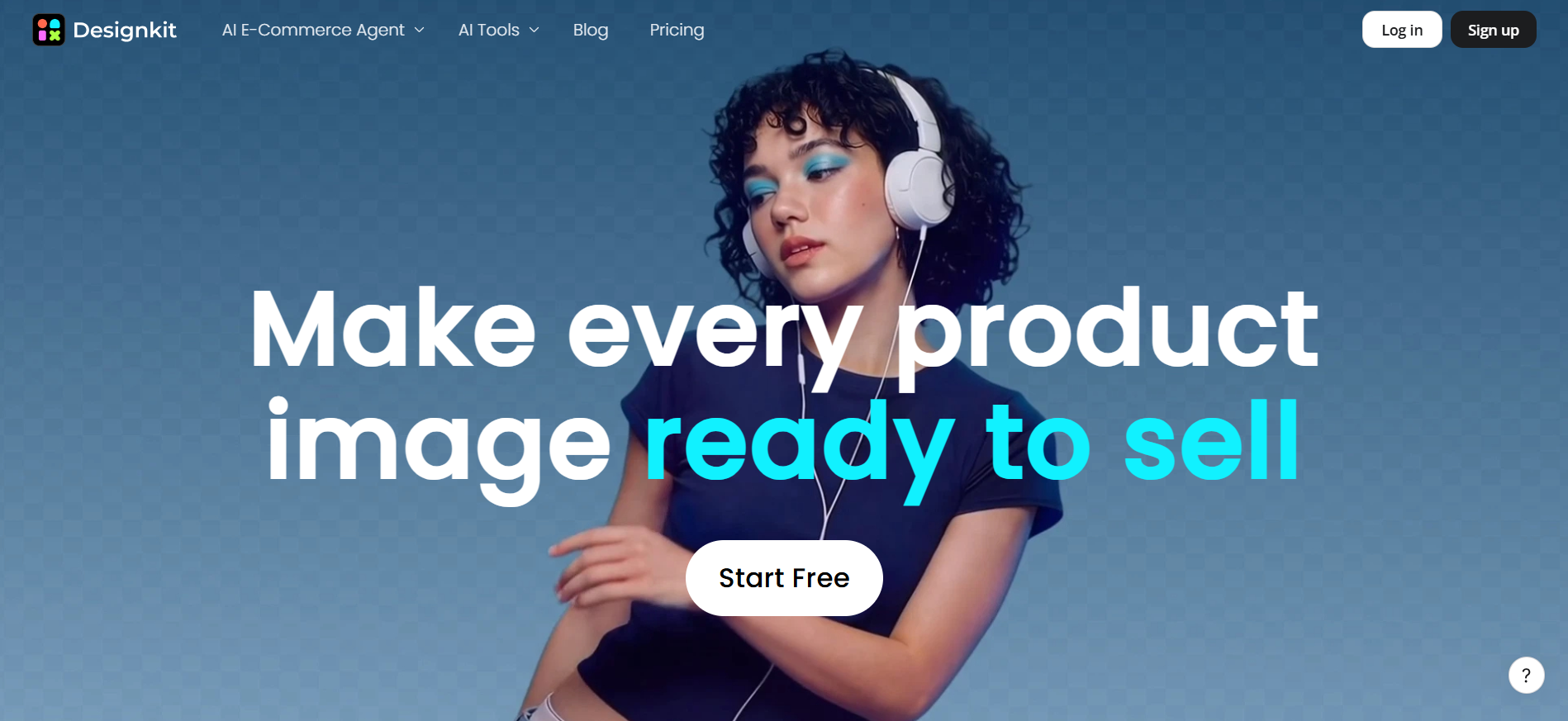
Create Audience-Matched Creative in 3 Steps
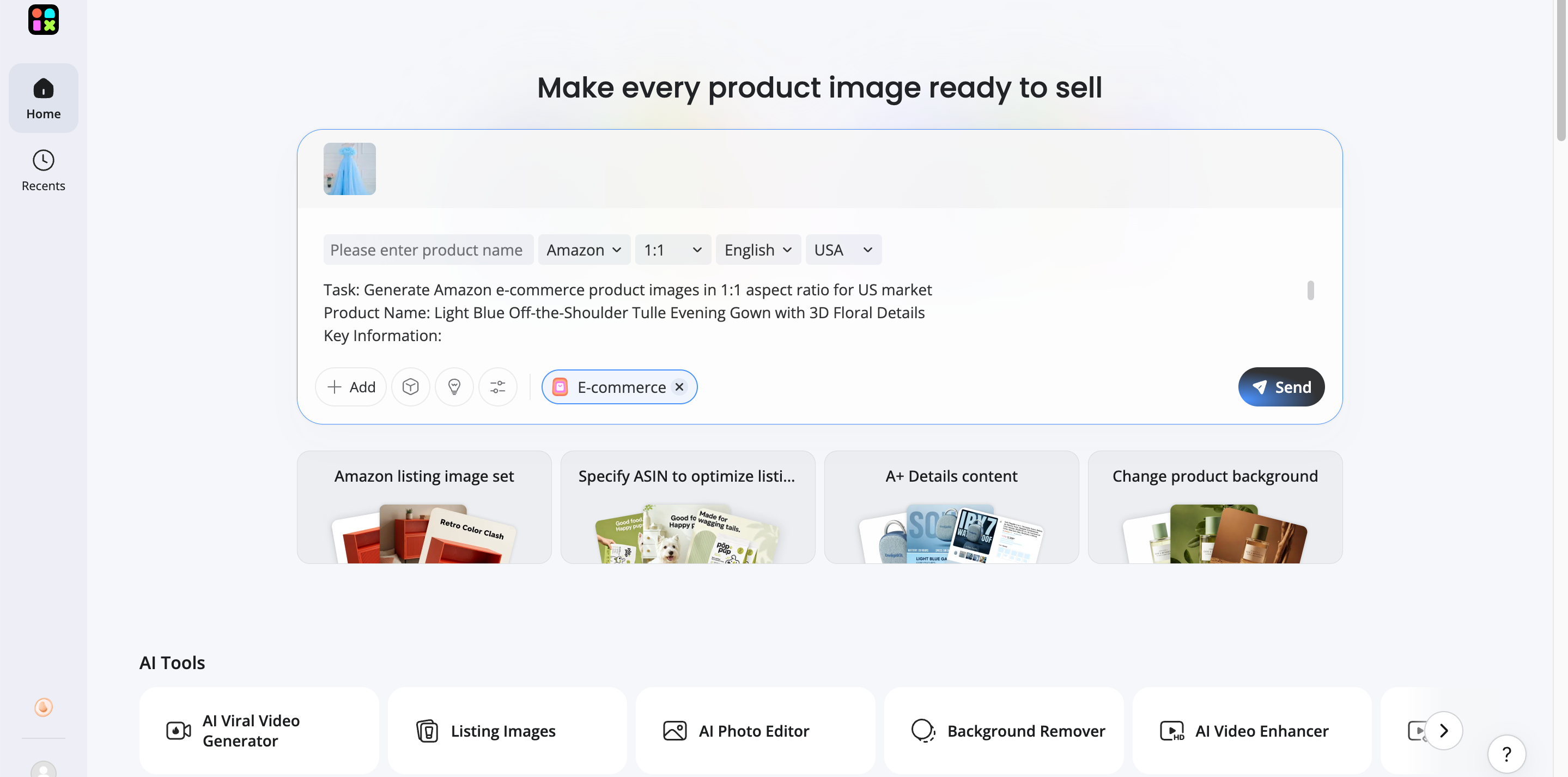
Step 1: Describe Your Audience and Product
Add who you're targeting (age, lifestyle, platform) and what you're promoting. Upload a few product angles or a clean product image when available.
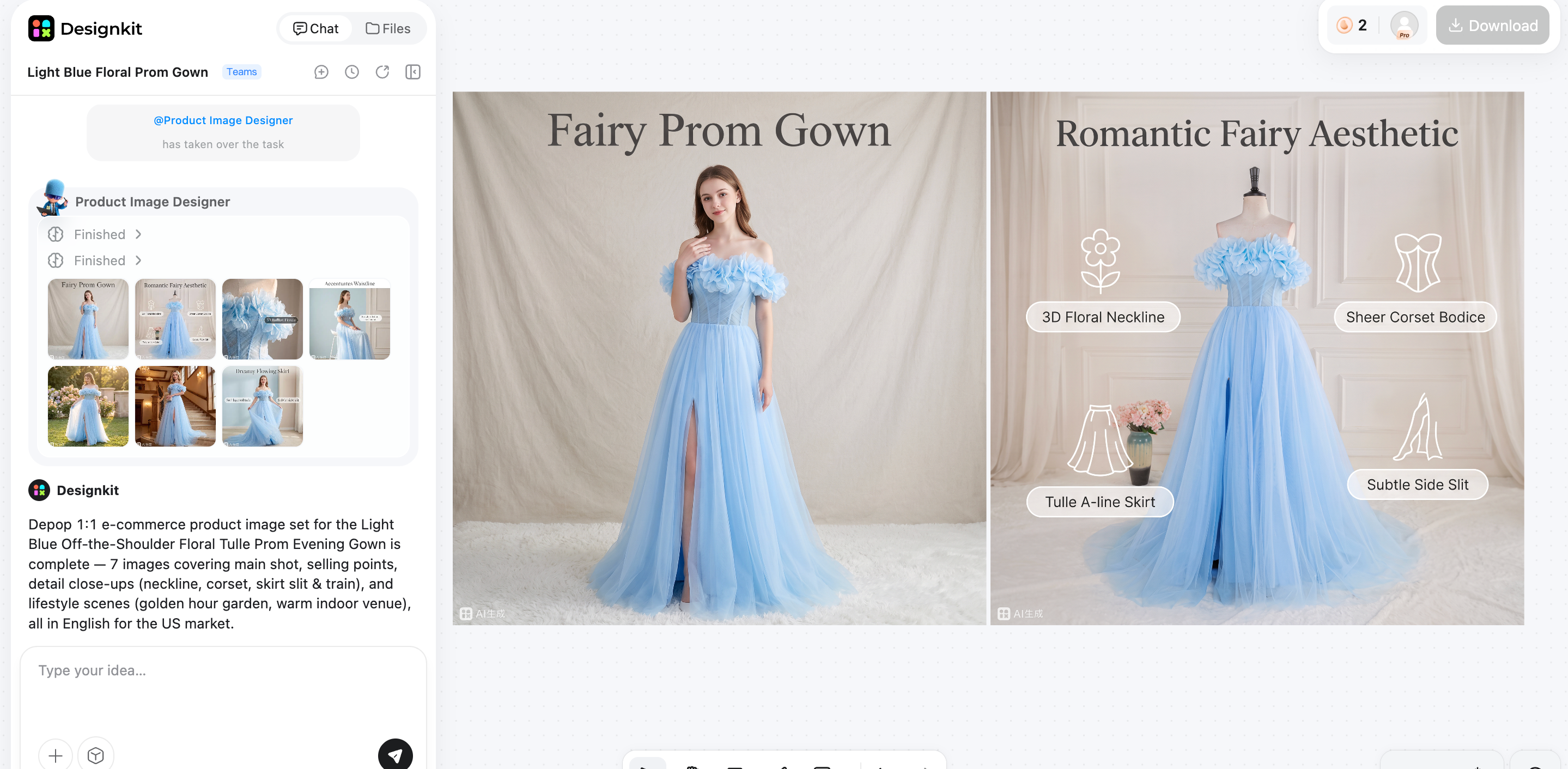
Step 2: Generate Audience-Fit Creative Directions
Choose the scene or platform style that fits the persona. Designkit suggests backgrounds, lighting, and layout directions aligned to that audience segment.
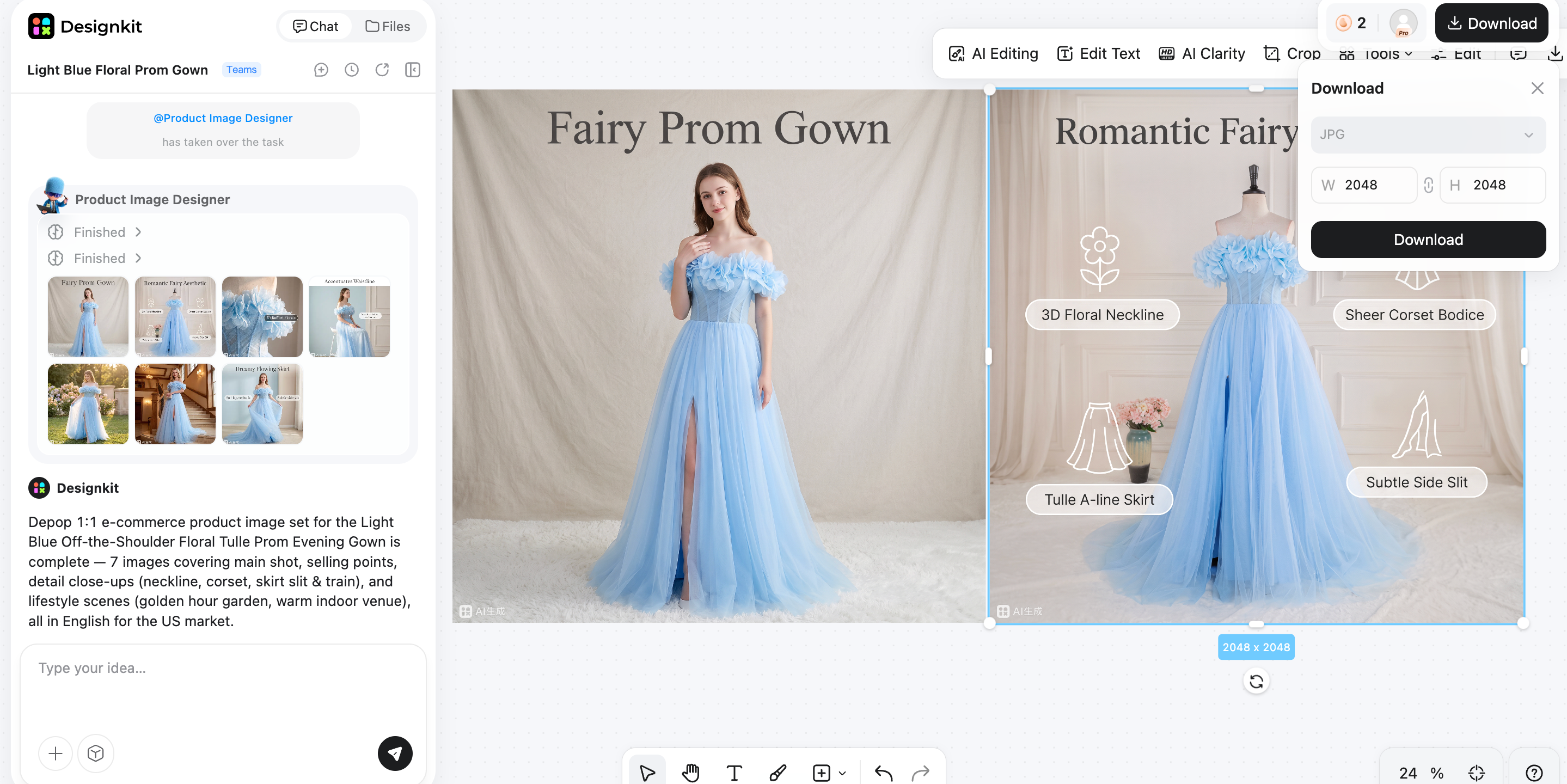
Step 3: Preview, Export, and Launch
Preview a few variations, then export in the sizes you need for ads, Shopify, Amazon, TikTok, or Instagram.
Create Target Audience-Focused Content
Designkit Features for Audience-Based Marketing
Creative Style to Match a Specific Audience or Persona
Describe your target audience, brand, and campaign goal, and Designkit generates visuals that reflect that persona. Instead of using the same creative for every customer, you can produce designs that feel relevant to different audiences while maintaining a consistent brand identity.
Layout and Copy Variations for Different Segments of the Same Audience
Even within one audience, different segments respond to different messaging. Designkit generates multiple layout and copy variations, making it easy to tailor campaigns for new customers, returning buyers, or different interest groups without starting from scratch.
Bulk Creative Variations for A/B Testing Messaging and Visuals
Testing is essential for improving campaign performance. Designkit creates multiple creative versions in bulk so you can compare headlines, visuals, layouts, and messaging to identify which combinations generate the highest engagement and conversions.
Multi-Channel Resizing Once a Direction Is Chosen
After selecting your best-performing creative, Designkit automatically resizes it for social media, online stores, digital ads, and other marketing channels. This helps you maintain consistent branding while saving time on manual resizing.
Common Mistakes When Defining a Target Audience
Avoiding these common mistakes will help you build more accurate audience profiles and create marketing campaigns that deliver better results.
Targeting Everyone
Trying to appeal to everyone usually results in generic messaging that connects with no one. Focus on the customer group most likely to benefit from your product or service, then create campaigns that speak directly to their specific needs and goals.
Using Only Demographics
Age, gender, and location provide useful information, but they don't explain why people make buying decisions. Combine demographic data with interests, behaviors, values, and purchasing habits to build a more complete understanding of your audience.
Never Updating Audience Research
Customer preferences, market trends, and buying behaviors change over time. Regularly review analytics, customer feedback, and campaign performance to keep your audience profiles accurate and ensure your marketing remains relevant.
Conclusion
A well-defined target audience helps you create more relevant marketing, improve campaign performance, and build stronger customer relationships. By combining customer research, audience insights, buyer personas, and ongoing analytics, you can better understand who you're trying to reach and how to communicate with them effectively. Once your audience is defined, the next step is creating content that speaks directly to their needs. Designkit helps bridge that gap by generating audience-focused visuals, personalized creative variations, and campaign-ready assets for multiple channels, making it easier to deliver consistent, engaging content that resonates with
Frequently Asked Questions
What is a target audience in simple terms?
What is the difference between a target audience and a target market?
A target market is the broader group of potential customers your business serves, while a target audience is the smaller group a specific campaign is designed to reach. Defining both improves marketing accuracy. Designkit supports this by generating creative variations for different audience segments while keeping your branding consistent.
What are the main types of target audience?
The four main types of target audience are demographic, geographic, psychographic, and behavioral. Most successful campaigns combine these characteristics to build a complete customer profile. After defining your audience, Designkit helps turn those insights into personalized marketing visuals for each segment.
How do you identify your target audience?
Identify your target audience by analyzing customer data, website analytics, social media insights, competitor research, and buyer behavior. Creating buyer personas also helps organize these insights into actionable profiles. Designkit complements this process by generating creative tailored to each audience profile you define.
How do you find your target audience on social media?
Use platform analytics such as Instagram Insights and TikTok Analytics to review follower demographics, engagement, audience activity, and content performance. Social listening also reveals customer interests and pain points. Once you understand your audience, Designkit helps create platform-ready content designed for those specific users.
Can a business have multiple target audiences?
Yes. Many businesses serve multiple audience segments with different goals, interests, or buying behaviors. Each group often responds to different messaging and visuals. Designkit makes it easy to create multiple creative versions for each audience without redesigning every campaign from scratch.
How does target audience affect marketing strategy?
Your target audience influences every part of your marketing strategy, including messaging, content, advertising channels, offers, and creative direction. The better you understand your audience, the more relevant your campaigns become. Designkit helps bring that strategy to life with audience-focused visuals that match each campaign.
How can AI help create audience-focused content?
AI analyzes audience information and speeds up content creation by generating personalized visuals, messaging ideas, and creative variations for different customer segments. Instead of manually designing multiple versions, Designkit helps produce consistent, on-brand content tailored to specific audiences, making campaign execution faster and more efficient.
You May Also Like
Amazon A+ Content Dimensions: Module Image Sizes
Print-On-Demand Designs: Create, Prepare, and Preview Your Work

Amazon A+ Content: What It Is and What to Build First
Is Print on Demand Profitable in 2026? Products and Niches
Amazon Brand Registry Application: How to Submit and Pass Review
How to Ship to Amazon FBA: Your First Shipment
What Is Amazon FBA? Should Beginners Use It in 2026

How to Get Ungated on Amazon: Restricted Category Approval Steps
Amazon Backend Keywords: Title, Bullets & Search Terms
What Is A/B Testing? A Practical Guide to Running Better Experiments
Best Time to Post on Instagram in 2026: Data & Tips
How to Get Verified on Instagram: Complete Guide

TikTok Monetization in 2026: Requirements & Ways to Earn

Instagram Desktop Posting Guide: Upload Posts, Stories & Reels

YouTube Shorts Monetization Requirements & Rules 2026

How Much Does YouTube Pay Per View? 1K, 100K & 1M Views

How to Make Money on Snapchat: 7 Ways to Earn

How to Get More Followers on Instagram in 2026

Best Time to Post on TikTok in 2026 for More Views

How to Repost on Instagram in 2026: A Simple Guide
Multichannel Marketing Guide: Strategy, Tools & Examples
How to Create Digital Products That Sell in 2026

Cyber Monday Marketing Ideas & Strategies (2026 Guide)
Black Friday Marketing Ideas for Ecommerce Brands (2026)
Instagram Marketing Guide: Strategies, Tips & AI Tools in 2026
Influencer Marketing Guide: Strategy, Campaigns & Creator Tips

15 Best Things to Sell on Etsy in 2026 (Listing Tips Included)
WooCommerce vs Shopify 2026: Pricing, Features & Which Is Better
How to Sell on Facebook Marketplace: Beginner Guide (2026)
How to Use Pinterest for Business: Strategy, Tips & Growth Guide

How to Sell on Etsy in 2026: Setup, Listings & Growth Tips
What Is a Target Audience? Types, Examples & How to Find Yours
TikTok Marketing Guide 2026: Strategies, Ideas & AI Tools
Vibe Marketing Explained: Strategy, Examples & AI Tools
How to Sell on Depop: Beginner Guide to Getting Your First Sale
Online Advertising Guide: Types, Costs & Examples (2026)
Facebook Advertising Guide: Costs, Strategy & Tools 2026
What Are E-commerce Ads? Examples, Strategy & Tools (2026)
Where to Sell Handmade Items Online (2026): Etsy, Amazon, or Shopify?
Shopify vs Amazon (2026): Brand Store or Marketplace FBA?
Amazon Handmade vs Etsy (2026): Which Is Better for Makers?
Etsy vs eBay (2026): Handmade, Vintage, or Secondhand?
Selling on Amazon vs eBay (2026): Fees, Profit & Where to Sell

What Is Brand Awareness? Examples, Strategies & Tools 2026

10 Best Online Selling Platforms (2026): Pick by What You Sell
Shopify vs Etsy (2026): Which Is Better for Handmade Sellers?
YouTube Automation Step-by-Step AI Guide for Beginners
What Is Brand Identity? Examples, Elements & Strategy

AI Marketing Agent: How It Works, Benefits & E-Commerce Examples
What Is Personalized Advertising? Examples & How It Works
How to Build a Shopify Store That Actually Converts Visitors
Amazon Marketing Guide 2026: Strategies, Tips & Tools
Local Advertising: Strategies, Examples & Tools (2026)
What Is Branded Content? Examples, Strategy & Tools 2026

What Is Performance Marketing? Strategies & Examples 2026
Inbound Marketing: Strategies, Examples & Tools (2026)
Turn Audience Insights Into Marketing Content
Knowing your target audience is the foundation of effective marketing. Designkit helps businesses transform customer insights into personalized visuals, product content, and campaign creatives designed for the right customers.