
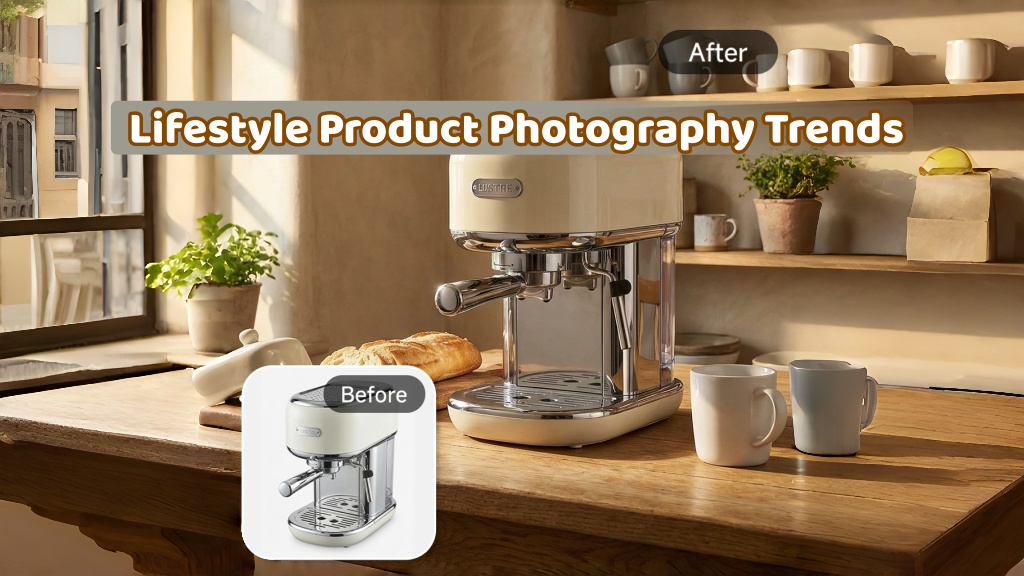
Lifestyle Product Photography Trends: Scale Lifestyle Product Photo for E-commerce

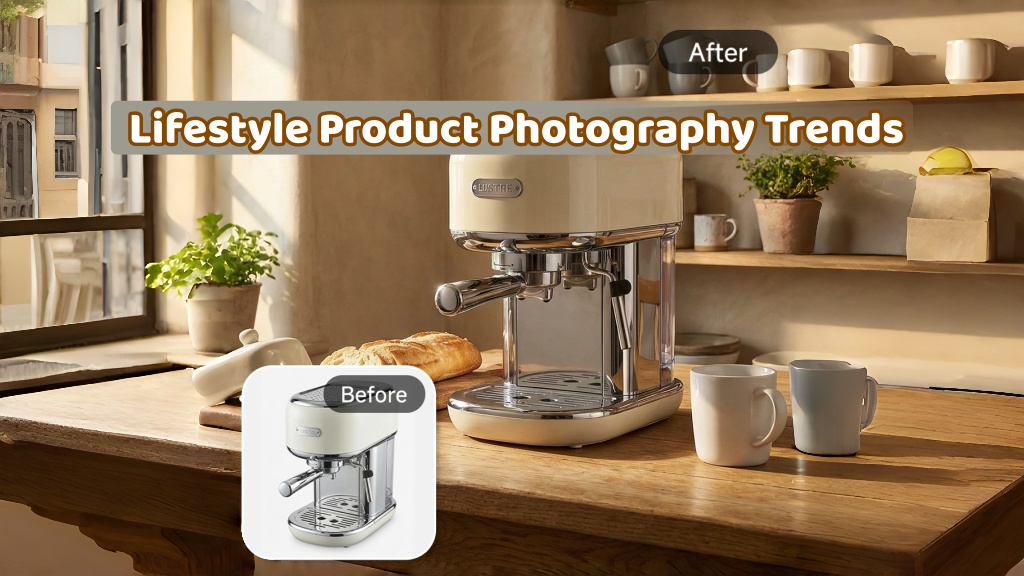
Modern e-commerce success in 2026 requires a very deep focus on visual authenticity. Today, consumers increasingly ignore traditional studio shots in favor of real usage stories. This shift makes high-quality lifestyle product photography essential for every online brand. Amazon sellers now need scalable workflows to produce multiple variants without increasing costs.
At the same time, teams must maintain realistic lighting textures and context. Therefore, this ultimate tutorial will explore practical workflows and quality controls for ecommerce teams. You will also learn how to create adaptable visuals for listing ad campaigns.
Part 1. Lifestyle Product Photography Is Moving Toward Real-Life Authenticity in 2026
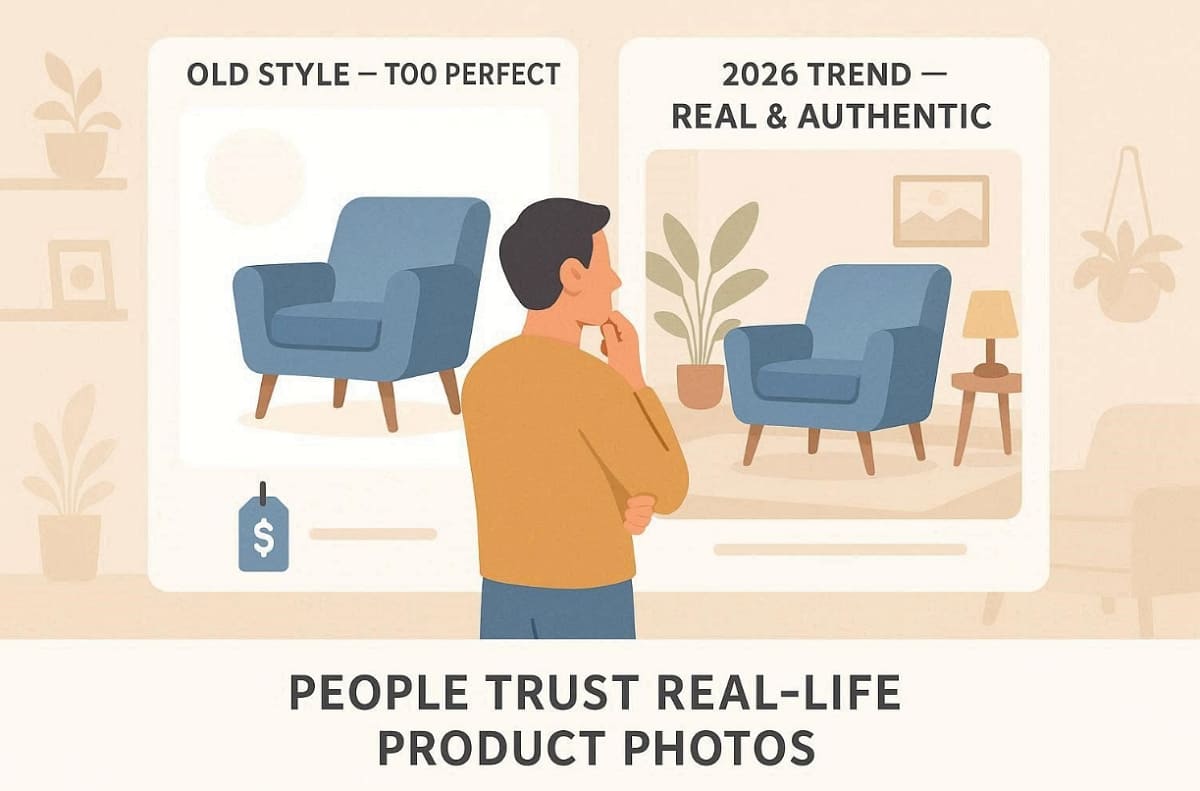
Modern consumers in the US/EU now suffer from significant advertisement fatigue. They actually ignore over-polished images that feel too artificial or disconnected from real life. Therefore, this shifting behavior makes authentic lifestyle product photography a primary driver for e-commerce growth.
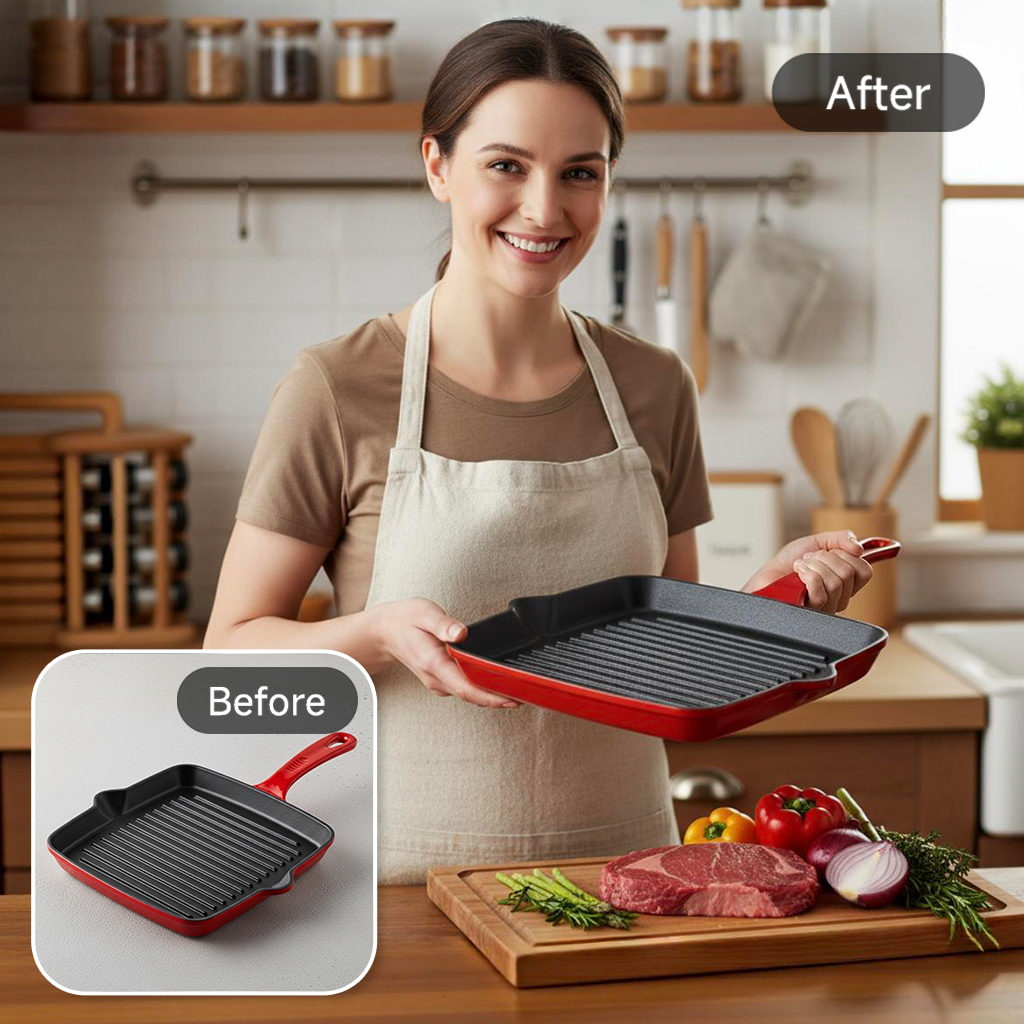
According to Business Research Insights, 60% of internet shoppers make their buying choices mainly influenced by visual appeal. Lived-in scenes with natural imperfections help brands build much stronger relationships with their customers. By using "real home" signals, you can effectively bridge the gap between shoppers and products.
1.1. Comparing Studio Perfection vs Lived-in Realism
To understand the impact on performance, consider the following differences in visual asset styles:
|
Aspect |
Studio-Perfect Shots |
Lived-In Lifestyle Images |
|
Visual Tone |
Clean, sterile, and isolated |
Warm, relatable, and contextual |
|
Trust Level |
Seen as biased marketing |
Perceived as authentic proof |
|
CTR Impact |
Often lower on social |
Usually higher for mobile |
Hence, using a product photography lifestyle approach allows teams to communicate genuine everyday usage scenarios. Minimal sets and organic textures are essential visual cues that currently drive higher conversion rates.
Moreover, modern teams often blend real captures with AI-assisted scene creation to scale content volume. Hence, this hybrid workflow ensures that your lifestyle product images remain believable while reducing production costs.
Part 2. Four Lifestyle Product Images Trends Brands Will Scale in 2026
Modern e-commerce success requires a focus on both conversion and production efficiency. These 2026 trends help Amazon sellers and DTC brands create more visual variants. Each trend offers a specific way to enhance your lifestyle product images effectively. Yet, agencies now prioritize trust and clarity to improve performance across all digital channels.
2.1. UGC-Style Lifestyle Product Images That Look Like Real Customer Photos
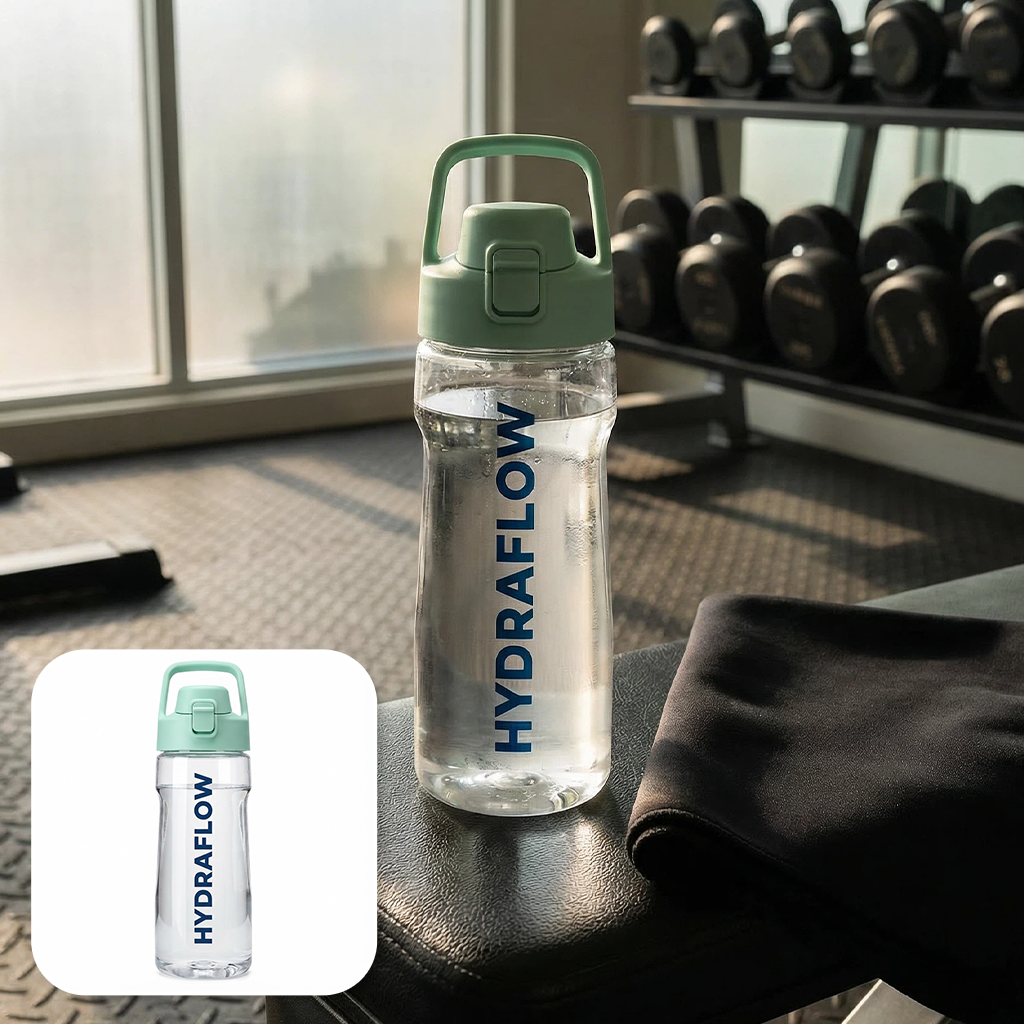
User-generated content styles are widely used in high-performing social media and listing ads. This approach relies on handheld framing and natural lighting to create a genuine experience. In short, your lifestyle product photography should feel natural and slightly unpolished to build trust.
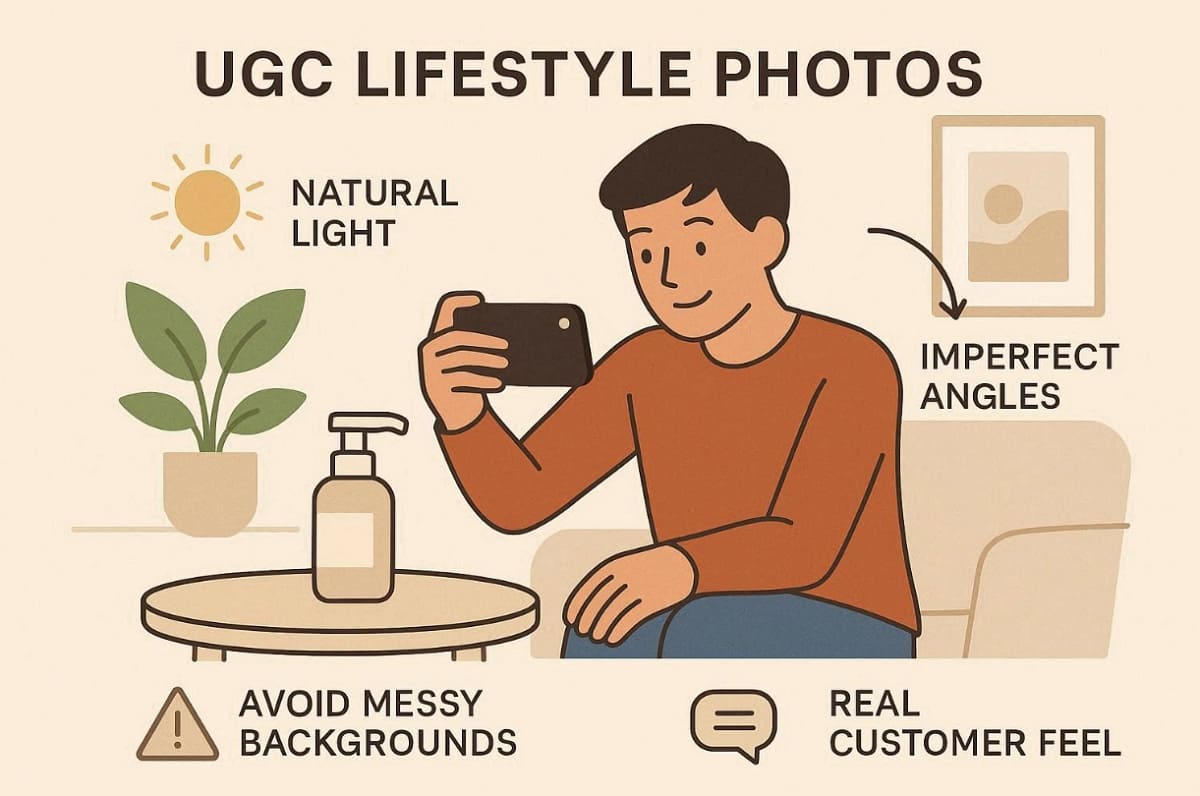
Best Practices for UGC Realism
To achieve this raw aesthetic effectively, you must master specific handheld framing techniques:
1. Framing Choice: Use slightly imperfect angles to mimic a standard mobile phone capture.
2. Lighting Style: Rely on natural indoor light rather than using heavy studio equipment.
3. Category Fit: This style works perfectly for beauty, supplements, and apparel accessories categories.
4. Mistake to Avoid: Ensure messy backgrounds do not distract from the primary product focus.
At this particular point, you can use Designkit’s AI Product Photography Generator to create these believable environments. This AI-powered tool basically keeps the product sharp while placing it in a realistic setting.
2.2. Real Homes and Lived-In Contexts for Product Photography Lifestyle Scenes
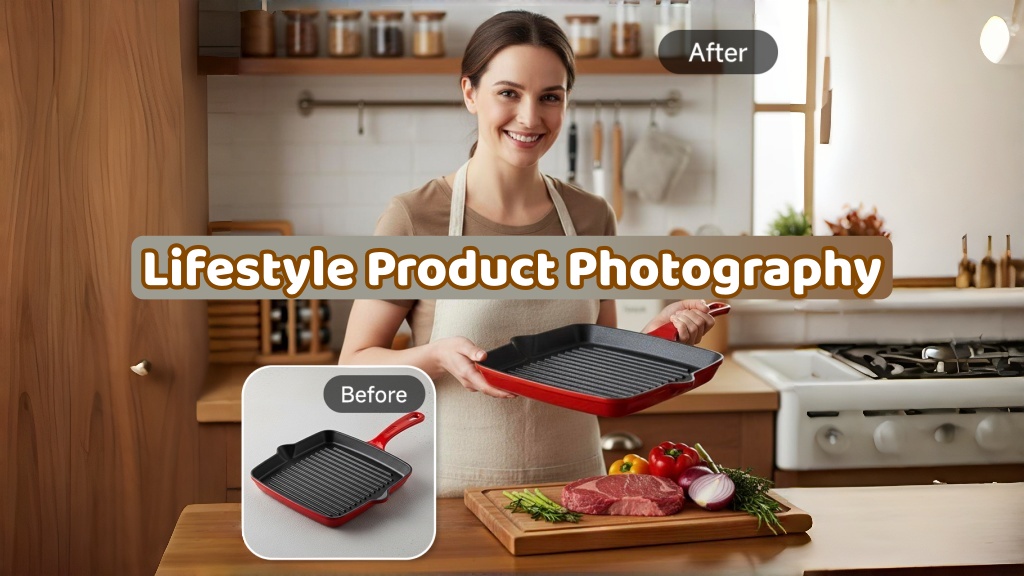
Lived-in signals communicate immediate use cases through curated but realistic daily environment cues. Casual clutter and textiles help your lifestyle product photography feel much more authentic. These details suggest a product is already part of a shopper's everyday routine.
Lived-In Contexts by Category
You can explore the following real home categories in the context of lifestyle photography:
|
Category |
Room Type Signal |
Key Visual Elements |
|
Home Care |
Kitchen Counter |
Used towels, fresh produce, and soft morning window light |
|
Personal Care |
Bathroom Shelf |
Water droplets, opened jars, and a realistic toothbrush nearby |
|
Pet Products |
Living Room Floor |
Scattered toys, a cozy rug, and natural pet hair textures |
|
Baby Goods |
Bedside Table |
Soft blankets, a nightlight, and gentle shadows for warmth |
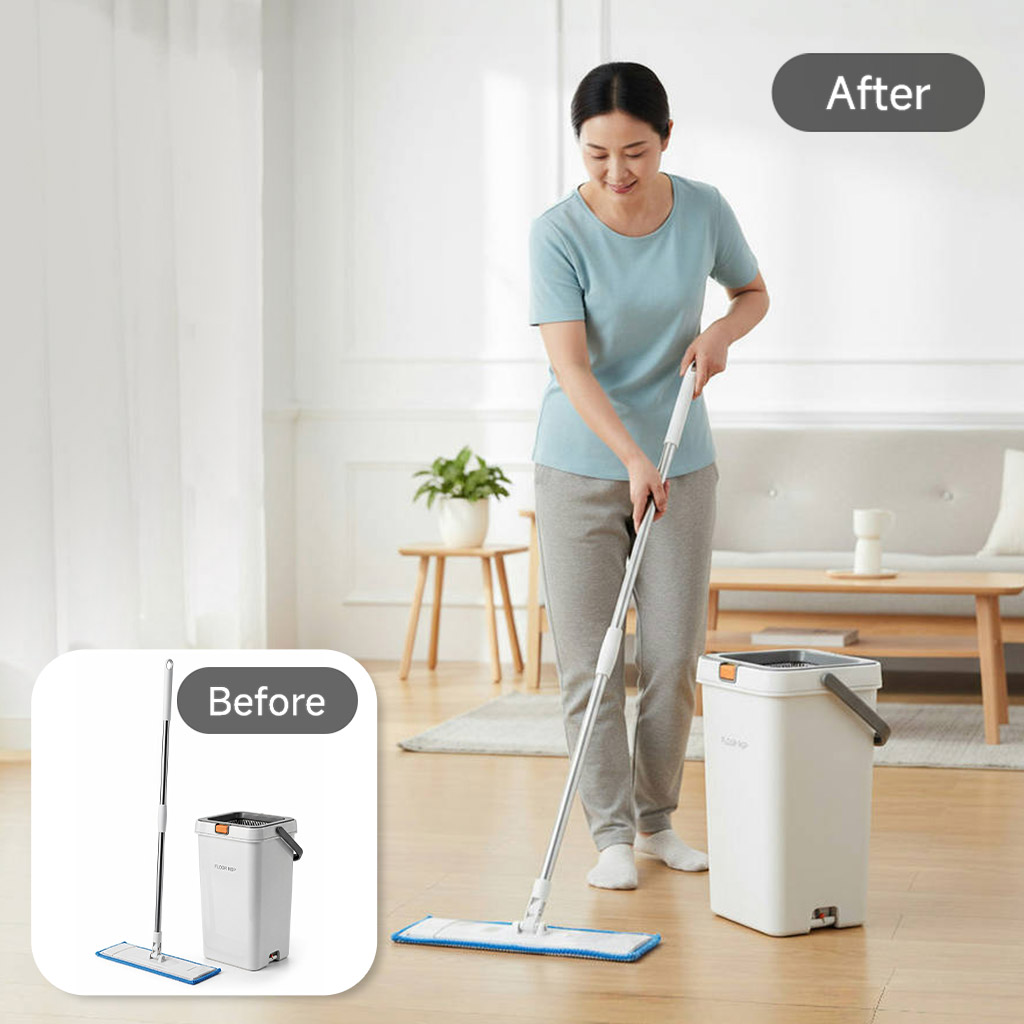
Hence, this approach helps you maintain a professional lifestyle product photography standard at scale.
3.3. Minimalist Organic Sets That Highlight Texture and Materials
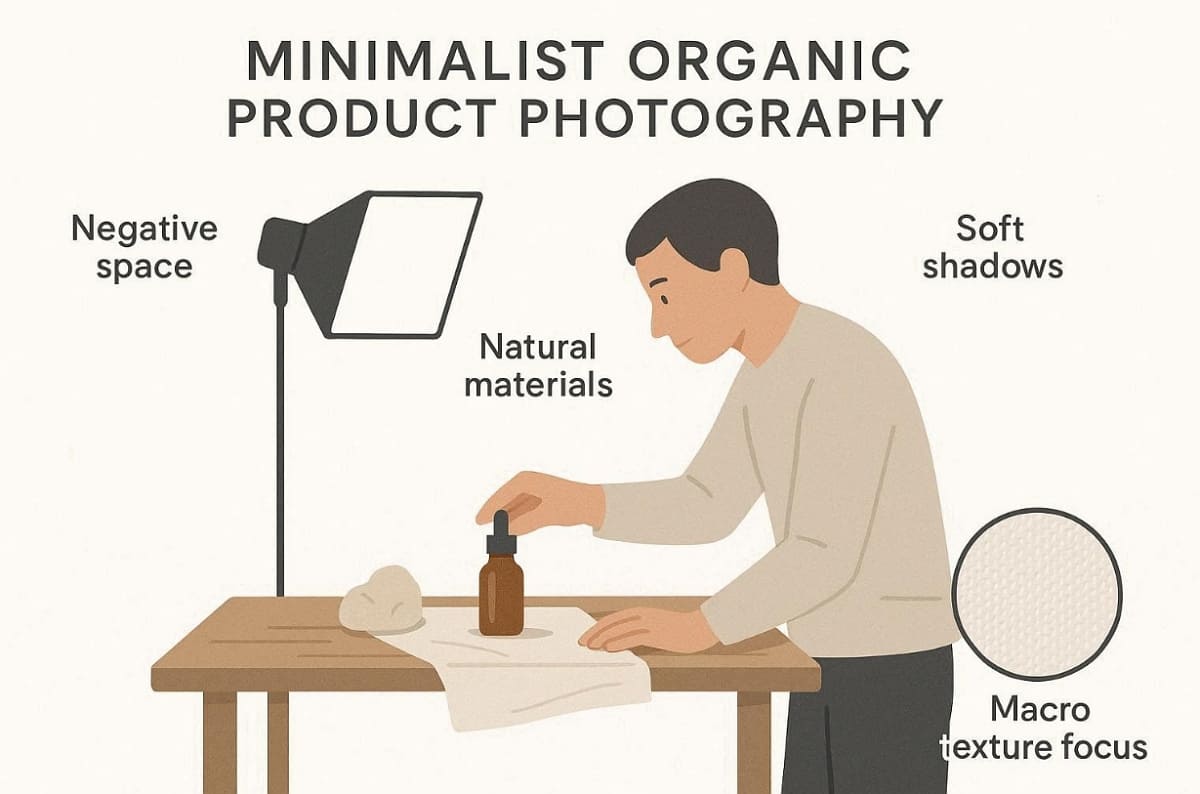
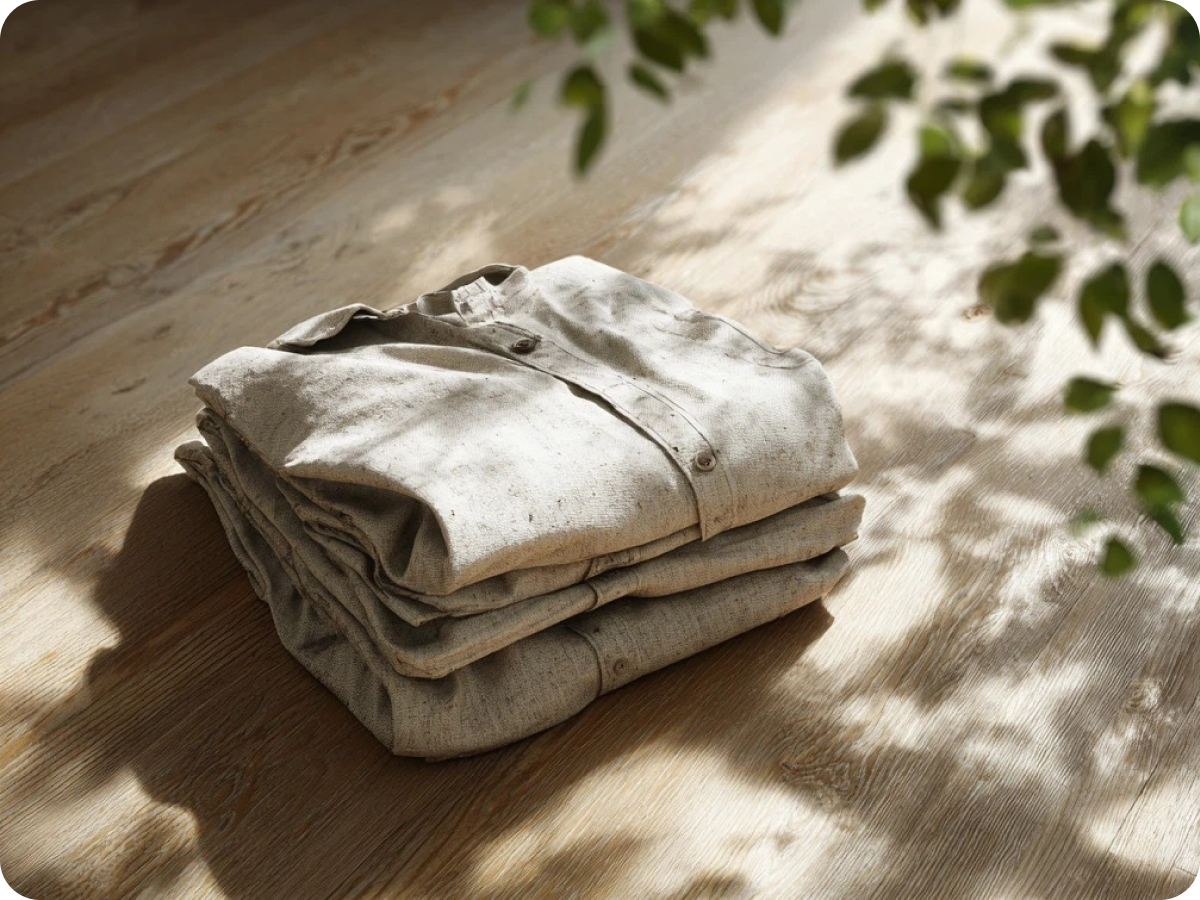
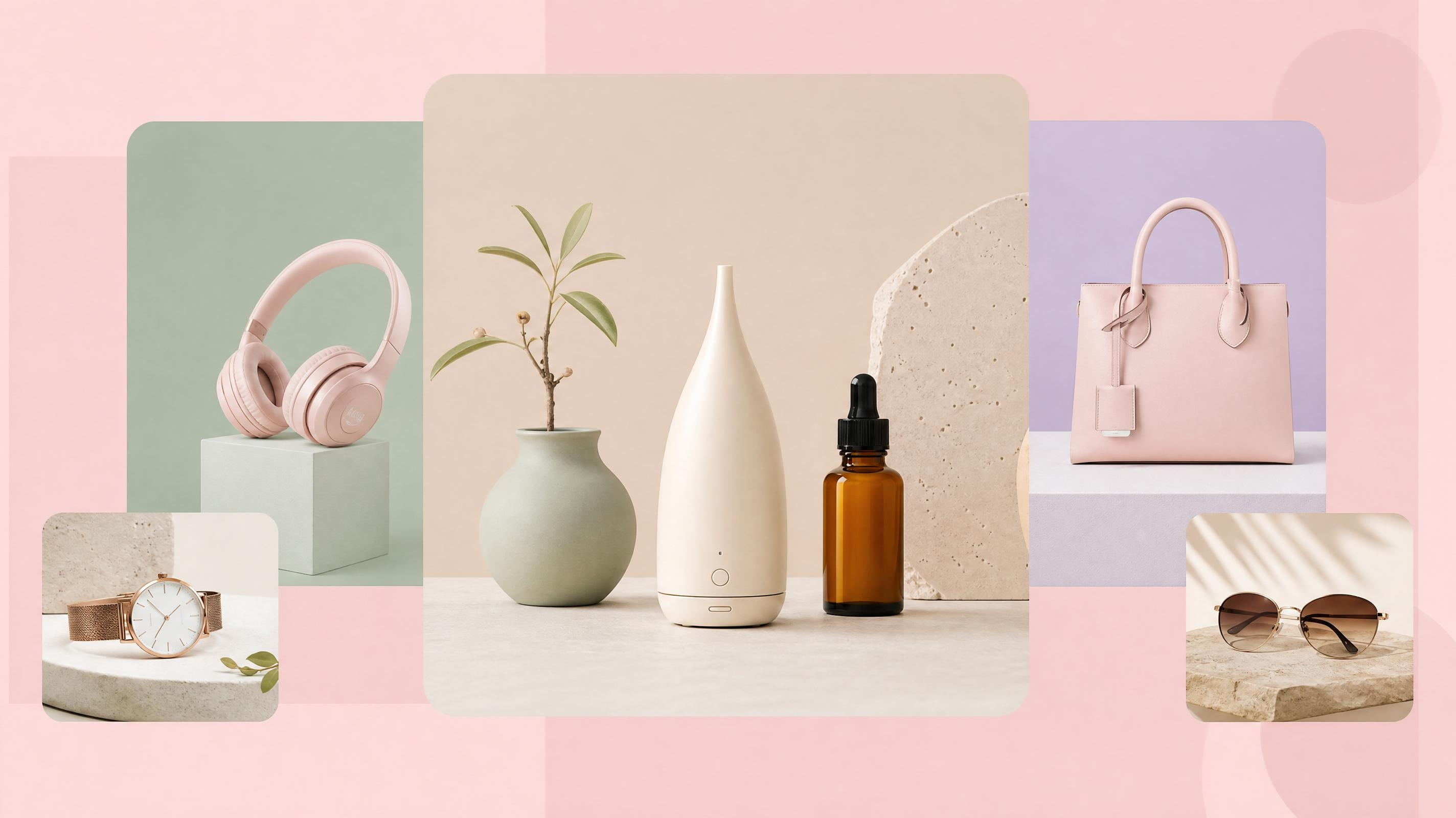
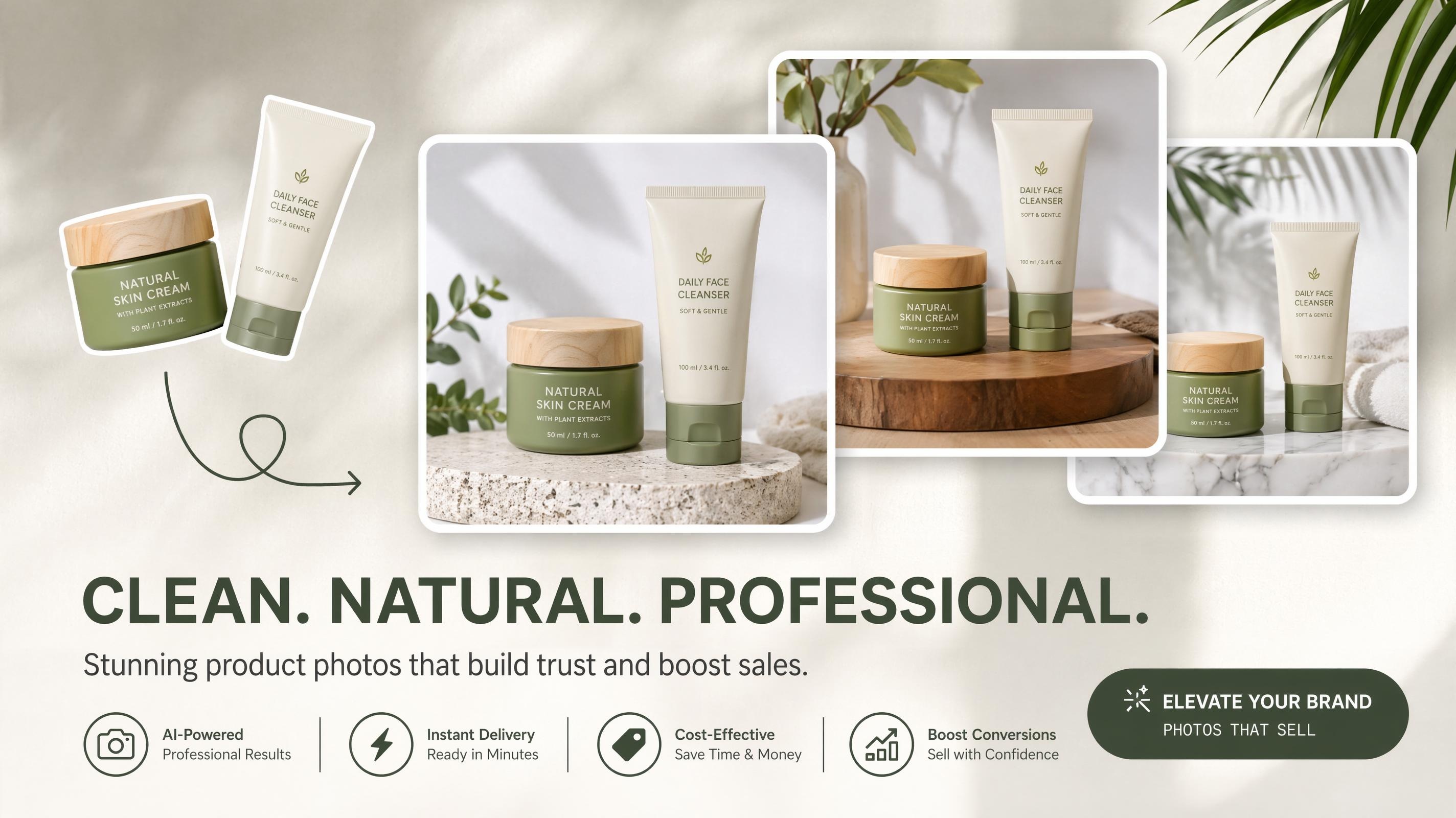
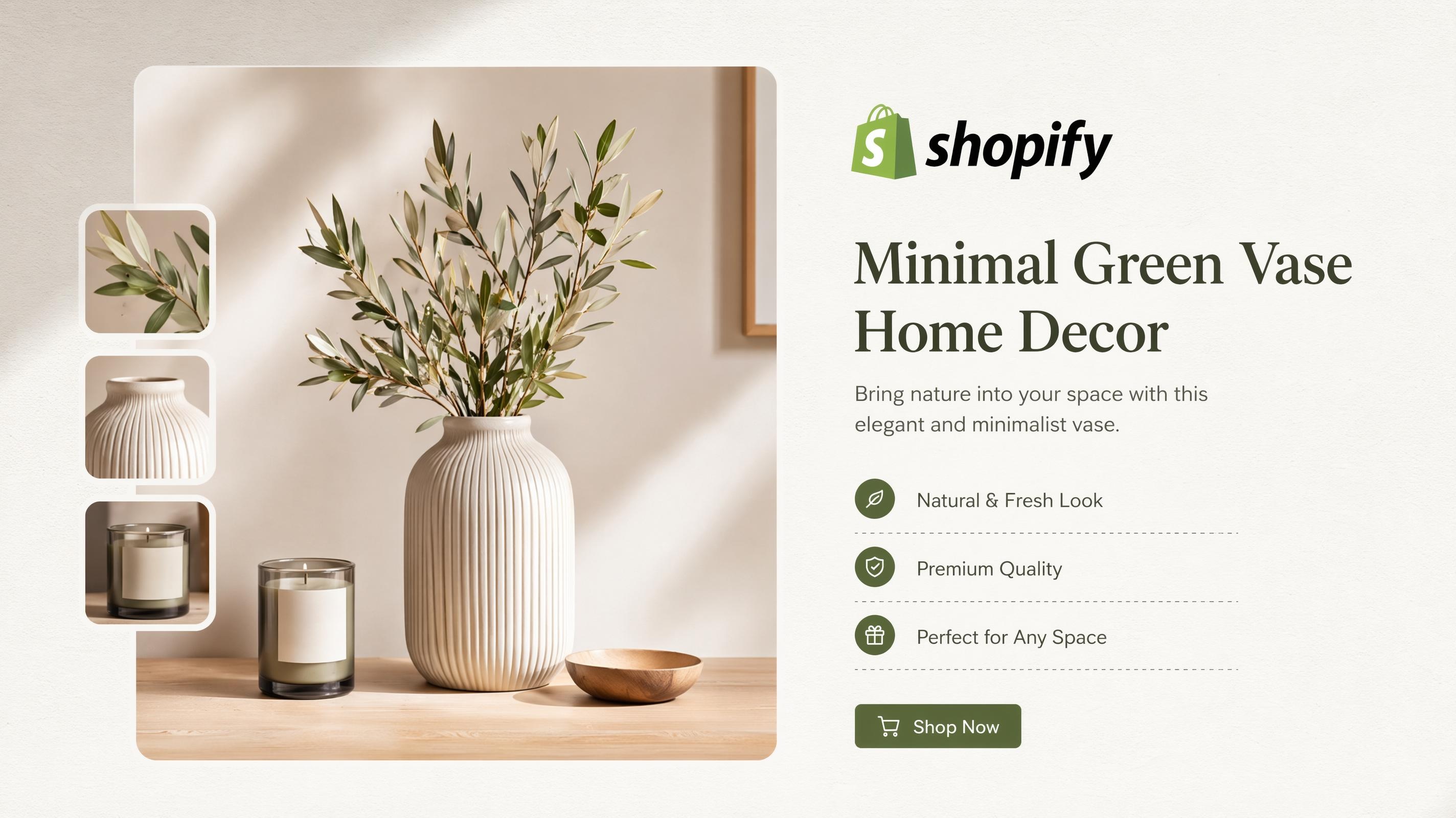
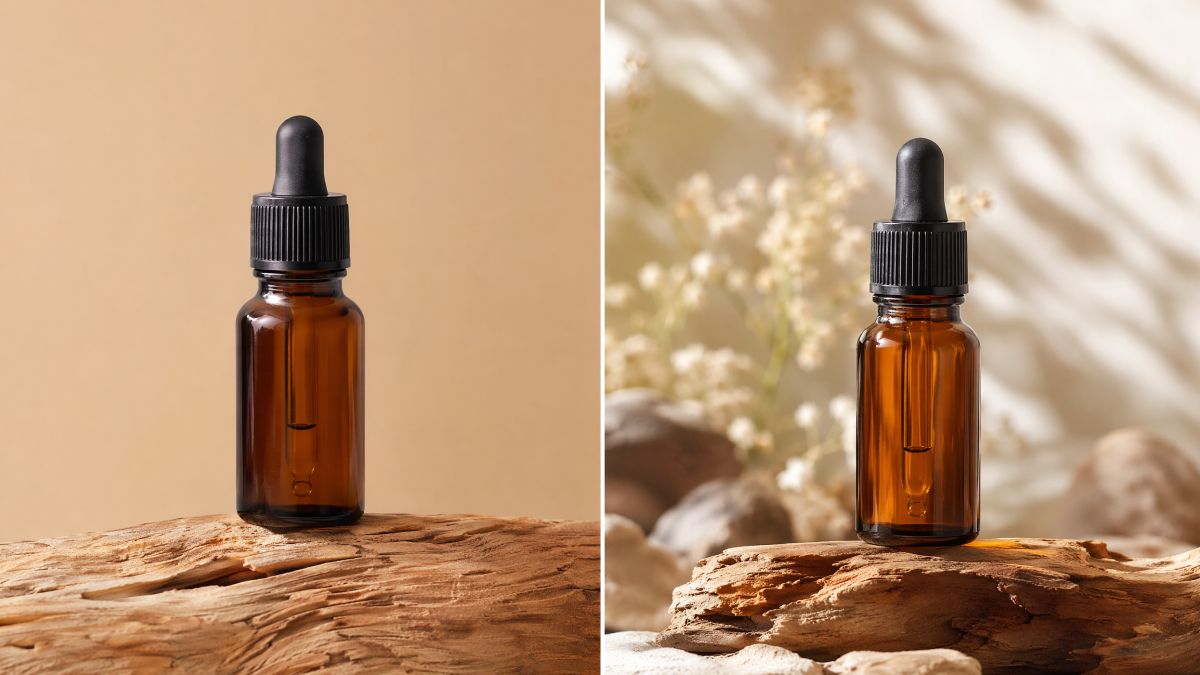
Minimalist sets focus on negative space and soft shadows to create premium visuals. This approach uses natural accents like wood, stone, or linen to build depth. In addition, using macro close-up crops helps emphasize the intricate textures of your physical products. Likewise, high-end brands use this style for skincare and luxury kitchenware items. So, consistent sets ensure that your lifestyle product images maintain a very unified look.
Composition and Lighting Guidelines
A refined organic setup relies on balanced lighting and composition, guiding negative space, soft shadows, organic accents, and macro-focused details.
1. Negative Space: Leave plenty of room around the product to keep the focus sharp.
2. Soft Shadows: Use large diffusers to create gentle transitions and a very natural feel.
3. Organic Accents: Incorporate raw materials that match the brand palette and the overall story.
4. Macro Focus: Zoom in on specific materials to show premium quality to your customers.
Here, Designkit helps produce consistent minimal set variations across your entire digital catalog easily. This tool ensures your lifestyle product photography remains professional without requiring manual setups.
Generate Product Lifestyle Images
3.4. Hyper-Personalized AI Lifestyle Product Photography for Seasons, Audiences, and Local Markets
Such personalization allows brands to quickly adapt their creative assets for specific target markets. You can generate seasonal scenes or regional home styles to increase your relevance. Therefore, including diverse skin tones and hands-in-use moments builds much stronger buyer trust globally.
Believability and Personalization Checklist
To keep your assets looking authentic, you must follow these technical quality rules:
|
Control Point |
Requirement for Believability |
Strategic Benefit |
|
Light Direction |
Match the scene lighting with the primary product shadow direction perfectly. |
Enhances realism significantly |
|
Object Scale |
Ensure the product size looks natural against all background furniture |
Prevents visual distortion |
|
Regional Style |
Use architectural details that match the local culture of your audience |
Builds immediate familiarity |
|
Skin Diversity |
Feature various hand models to represent your global customer base accurately. |
Improves brand inclusivity |
To cater to these needs, Designkit's AI Image Generator creates such localized lifestyle product images rapidly. Along with that, it maintains realistic light and shadow as you scale your product photography lifestyle.
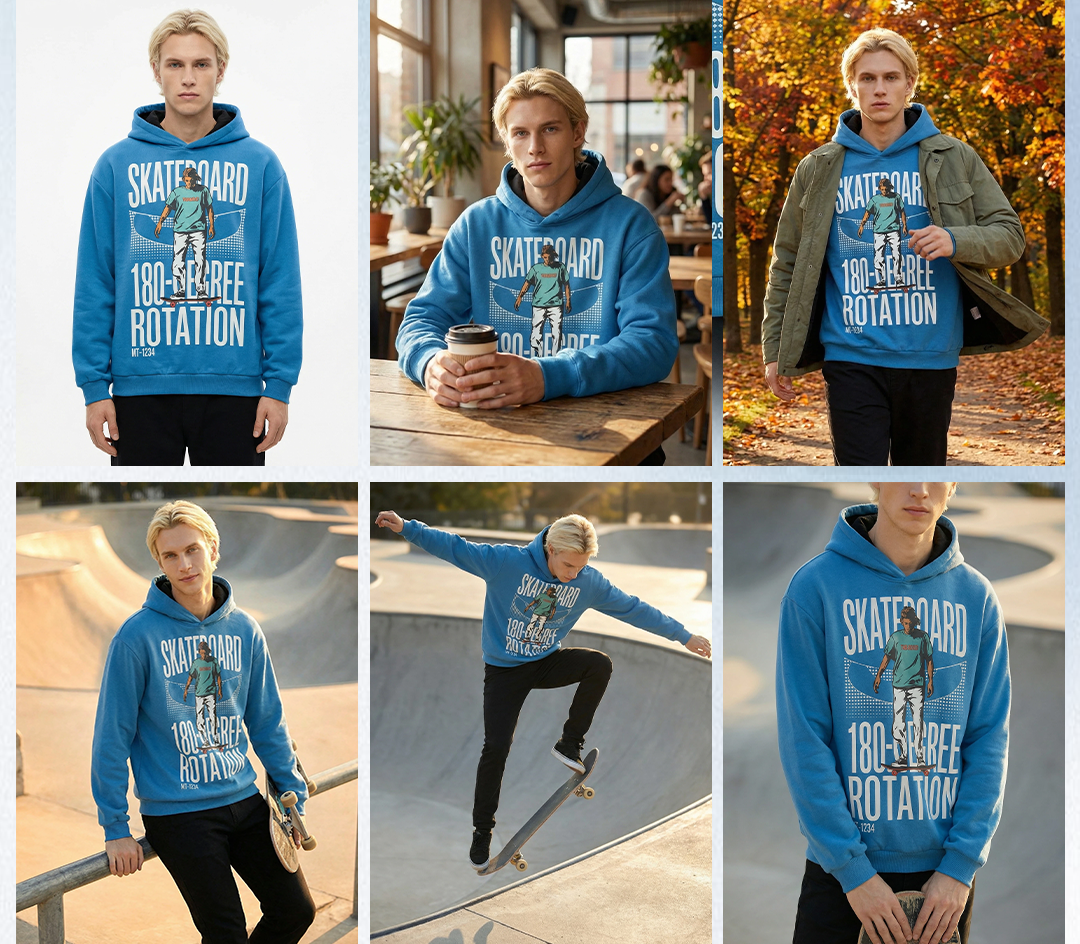
Part 3. How to Create Lifestyle Product Images Fast Without Losing the Real Look
Modern ad creative requires weekly refreshes that traditional studio cycles simply cannot match. You must combine a simple base capture with advanced scene generation for efficiency. This hybrid workflow allows your team to produce high volume without losing authenticity. Using these methods ensures that your product photography lifestyle remains fresh and engaging. Moreover, Designkit serves as a primary option for turning base photos into professional sets.
3.1. Capture a High-Quality Base Photo for Lifestyle Product Photography
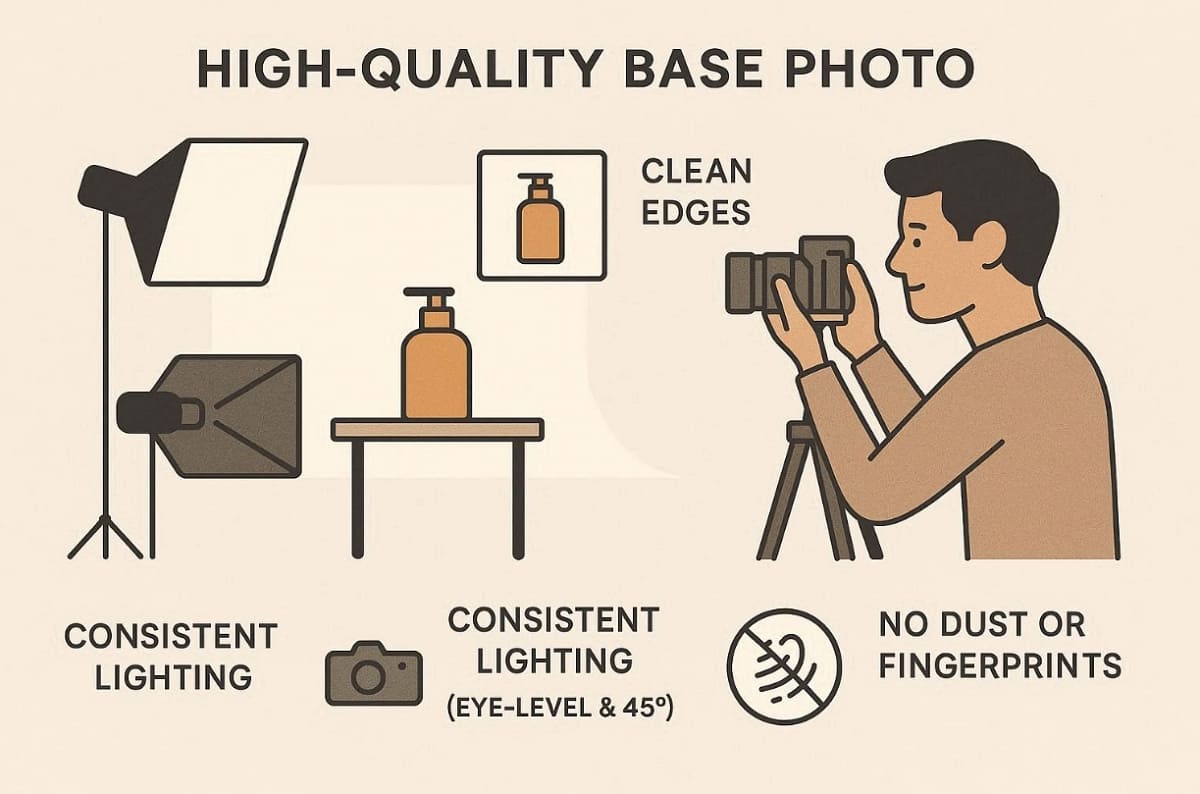
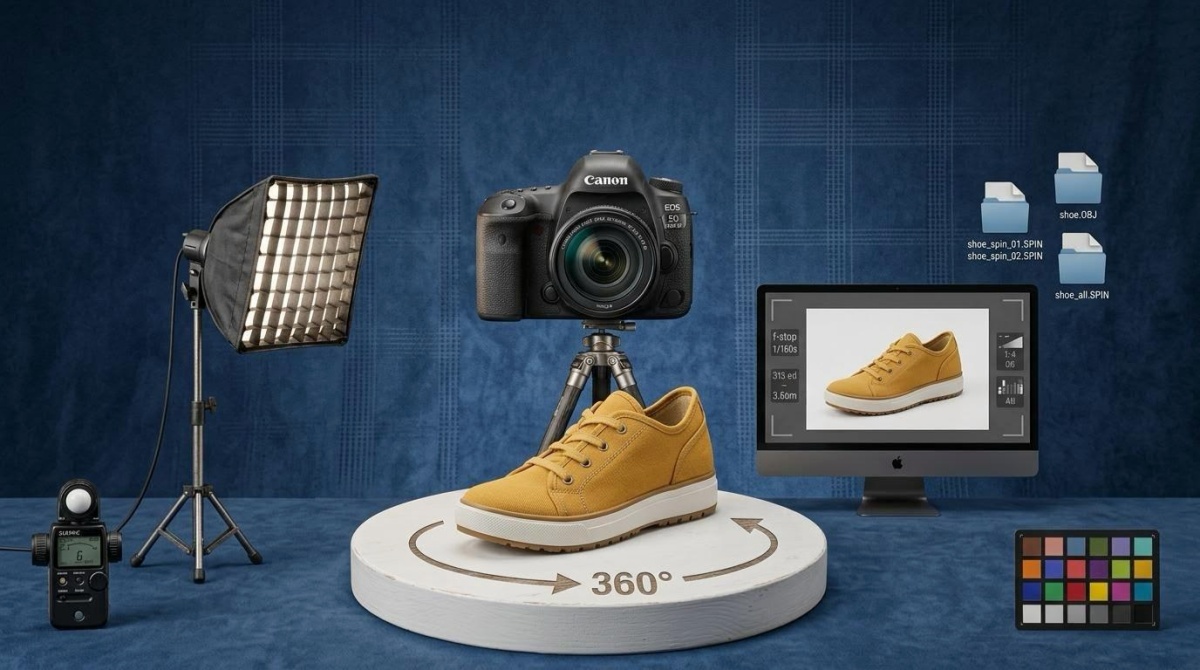
A high-quality base photo is actually the foundation for believable and scalable visual assets. Therefore, you should prioritize clean product edges and consistent lighting during the initial capture. Besides, shooting multiple orientations will help you cover various Amazon and social media placements. It ensures that your final lifestyle product photography looks professional and sharp.
Base Capture Technical Checklist
Applying a consistent capture process helps minimize the need for costly and time-consuming reshoots:
1. Angle Options: Shoot from eye-level and 45° angles for the best perspective.
2. Camera Settings: Use portrait mode or a longer lens to avoid wide-angle distortion.
3. Lighting Setup: Maintain a neutral and consistent light source to avoid any unwanted reflections.
4. Product Prep: Clean your item thoroughly to remove any distracting dust or fingerprint marks.
3.2. Generate Real Homes and Minimal Sets with an AI Product Listing Images Generator
Placing your product into "real homes" or "minimal sets" builds immediate consumer trust. You can select a specific scene style to maintain your established brand consistency. Along with that, generating multiple variants per SKU allows your team to conduct effective creative testing. In such cases, AI product listing image generators speed up the production of seasonal marketing assets.
Scene Generation Style Options
Selecting the right environment helps you connect with different demographics and regional markets, as explored below:
|
Scene Style |
Visual Characteristics |
Best For |
|
Modern Kitchen |
Marble counters and bright light |
Premium home and cooking goods |
|
Cozy Bedroom |
Soft textiles and warm shadows |
Sleep aids and personal comfort items |
|
Minimal Studio |
Neutral backgrounds and organic textures |
High-end skincare and designer accessories |
|
Sunlit Office |
Clean desks and functional objects |
Productivity tools and modern tech gear |
Additionally, Designkit’s AI Product Listing Images Generator outputs these scene variants quickly for campaigns. This approach ensures your brand stays relevant while managing a very large SKU catalog.
3.3. Keep Lifestyle Product Images from Looking Overly AI
Maintaining a believable visual texture is critical for preserving long-term customer trust. You must ensure that the light direction remains consistent across the entire composite frame. In addition, avoiding over-smoothed textures prevents your lifestyle product images from looking very artificial.
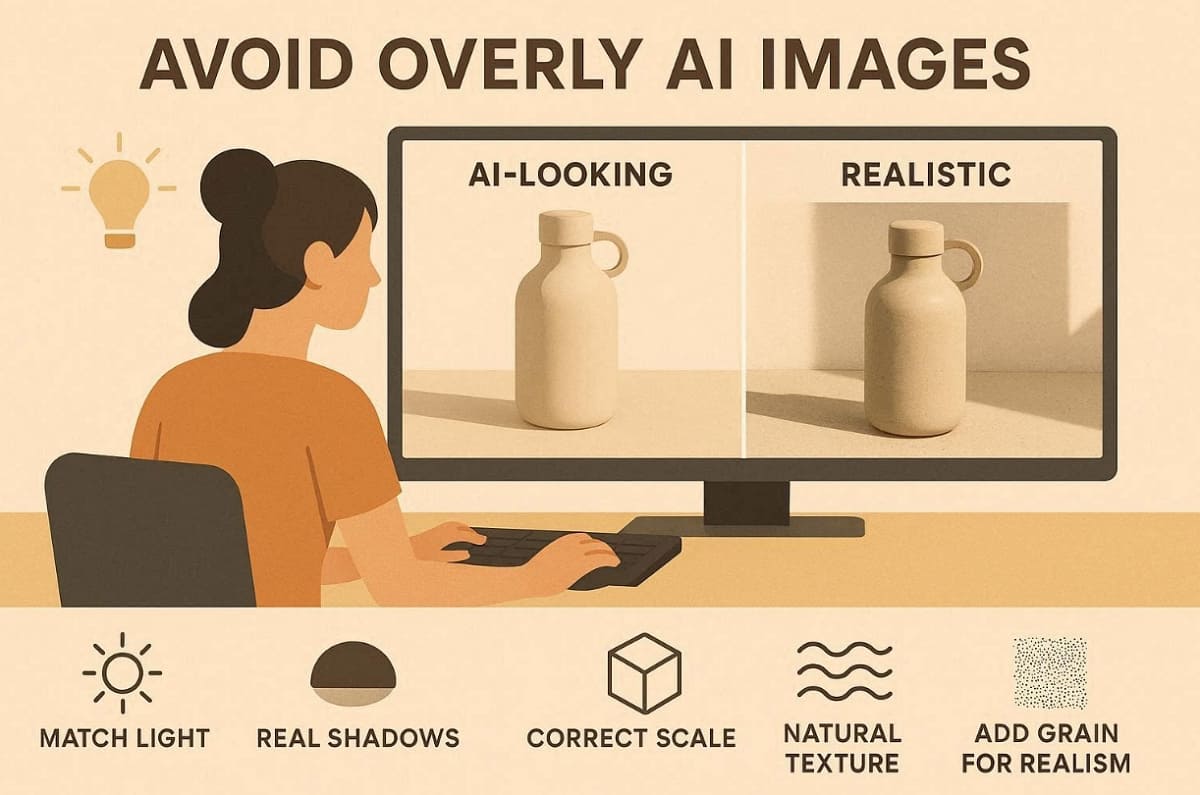
It is also advisable to add subtle imperfections like dust or grain that can actually enhance the overall realism. Yet, one Clutch survey states that 84% of consumers say brands must disclose when using an AI-generated photo. Anyhow, you can explore a few common professional quality control checklists:
1. Light Matching: Confirm that highlights on the product align with the background source.
2. Shadow Depth: Check for realistic contact shadows where the product touches the surface.
3. Scale Accuracy: Ensure the product dimensions look correct next to common household objects.
4. Texture Check: Verify that materials look tactile and avoid any plastic-looking skin effects.
Here, Designkit focuses on natural-looking lighting and shadow integration to preserve a believable texture. This approach ensures your lifestyle product photography remains convincing without a hard sell.
3.4. Export Specs for Amazon and Ads Using an Amazon Listing Images Generator
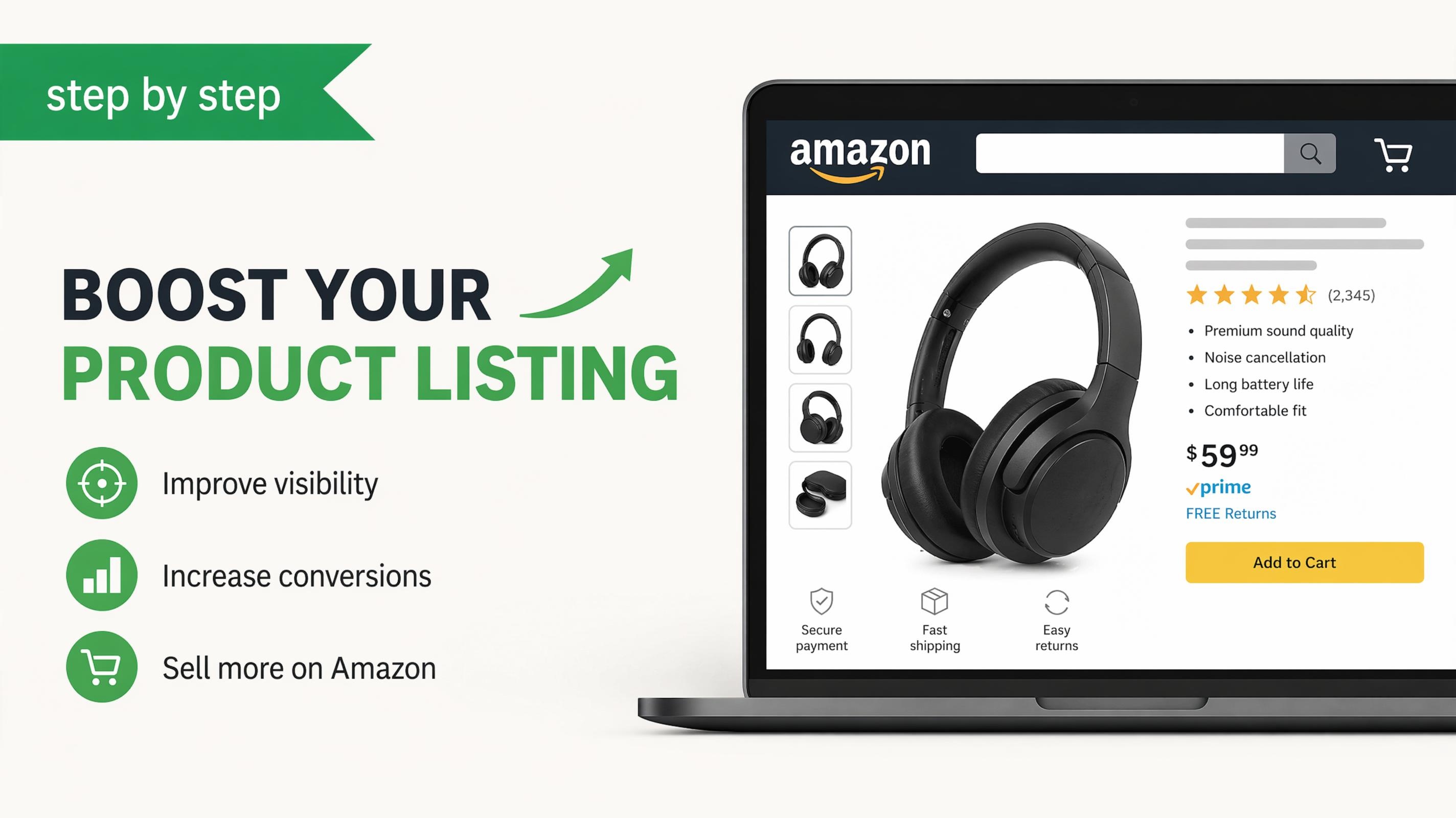
Following specific technical requirements ensures your images perform well on every digital platform. Amazon typically requires high-resolution files that support various zoom and crop functionalities. You should also consider specific ad platform sizing to maintain high visual quality.
Currently, smartphones represent more than 78% of global retail website traffic, according to Statista. To ensure your visuals perform correctly, you should follow these specific platform technical requirements:
|
Platform |
Resolution |
Aspect Ratio |
Key Note |
|
Amazon Main |
2000 x 2000 px |
1:1 Square |
Must follow strict white background rules |
|
Amazon Secondary |
1600 x 1600 px |
1:1 Square |
Focus on high-quality lifestyle product images |
|
Meta / Instagram |
1080 x 1350 px |
4:5 Vertical |
Optimized for feed engagement and ad performance |
|
Google Shopping |
1200 x 1200 px |
1:1 Square |
Clear thumbnails are required for better click rates |
In addition, exporting Amazon-compliant asset sizes with Designkit’s Amazon Listing Images Generator is a convenient step. This structured workflow allows your team to deliver high volumes of visual content.
Generate Product Lifestyle Images
Conclusion
To summarize, success in 2026 depends on balancing quality and consistent visual storytelling. This guide equips Amazon sellers and DTC brands with proven trends plus rapid workflows. From UGC-style realism to hyper-personalized seasonal variants, scale lifestyle product photography efficiently. Along with that, Designkit accelerates production when you need more variants per SKU rapidly.
Frequently Asked Questions
Why is authenticity becoming the most important e-commerce trend in 2026?
How many lifestyle product images should I include in my Amazon listing?
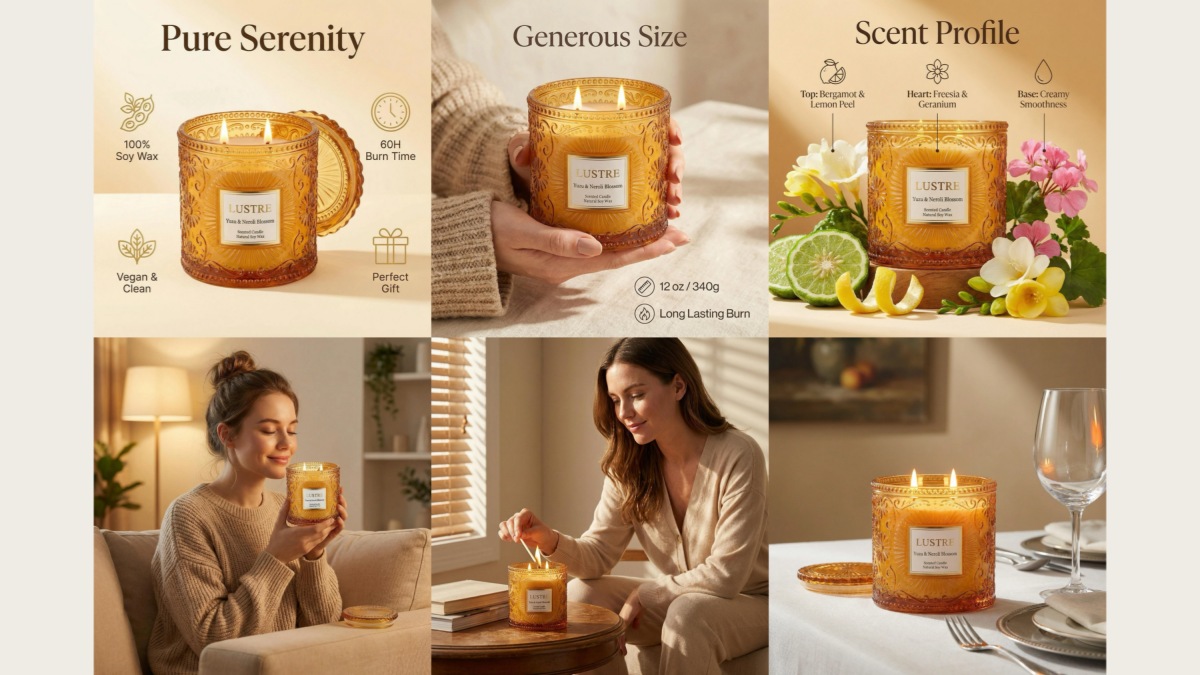
A standard performing listing usually includes 3 to 5 quality lifestyle product images total. You should expand this set for active advertising campaigns to allow for creative testing. As a result, diverse visuals ensure that you effectively answer different buyer questions throughout the shopping journey.
What technical specifications are required for HD Amazon listing images?
The platform requires a minimum resolution of 2,000 pixels to support zoom functionality. Besides, you must use a square aspect ratio to ensure your assets look great on mobile. To address this need, utilizing an Amazon Listing Image Generator like Designkit ensures that all your files remain perfectly compliant.
Is it possible to personalize my product images for different regional markets?
Personalization allows you to adapt your visual assets for specific seasons and local cultures. You can use Designkit to quickly create localized scenes while maintaining realistic light textures. This strategy helps your brand connect with diverse global audiences in a meaningful way.
You May Also Like

T-Shirt Design Size Guide: Placement, Dimensions, & DPI

How to Sell on Poshmark: A Complete Beginner's Guide

Zeely Reviews 2026: Features, Pricing, Pros, Cons & Alternatives
Create TikTok Ads From One Photo: An AI Product Launch Kit
Depop vs Poshmark: Which Is Better for Selling in 2026?
How to Create an Amazon Storefront: 4-Step Guide for New Sellers

How to Sell Books on Amazon in 2026: Beginner Guide

How to Sell on Amazon in 2026: A Complete Seller Guide
AI Product Photography: 7 Best Tools for Ecommerce in 2026

What Is a Hero Image? Definition, Examples & Design Tips

Pippit AI Review 2026: Features, Pricing, Pros & Cons

Back to School Ad: 7 Creative Ideas for Better Campaign Results

Top 7 Back-to-School Sales Ideas to Boost Retail Sales (2026)
How to Create a Complete World Cup Product Listing Image Set

How to Create Amazon Summer Sale Posters and Banners with AI
Amazon Summer Sale 2026: Listing Design Trends & Product Image Ideas
Ecommerce Video Ads: 7 Strategies That Drive Higher Conversions
How to Photograph Shoes for Your Ecommerce Store in 2026
Product Photography Ideas: Creative Tips & Techniques for Better Shots
Product Photography Pricing 2026: Full Cost Guide by Type
White Background Product Photography Guide & Tips 2026
Product Photography Starter Package: Gear Checklist 2026
Shopify Product Photography Guide with Tips & Setup
Amazon Main Image Requirements: Size, Guidelines & Tips
Shopify Image Size 2026: Complete Guide and Tips for Better Product Display
Studio Product Photography vs AI Product Photography in 2026
7 Product Photography Mistakes That Hurt Ecommerce Sales
Change Outfit Colors Online for Outfit Preview with AI Clothes Color Changer
How to Create Amazon Infographics: Boost Sales with Compelling Visuals

How to Create Outdoor Product Scenes Without a Photoshoot Using AI

Optimize Etsy Images for Mobile: Listing Photos That Convert
Amazon 7-Image Listing Strategy: Boost Sales by Optimizing Every Image
Etsy Thumbnail Optimization: Keep Your Product Fully Visible
The Etsy Thumbnail Formula That Drives More Clicks and Sales
How to Create Pro Amazon Listing Photos Without a Studio
10 High-Converting Lifestyle Product Images for Amazon Listings

How to Automate Your E-commerce Visuals with OpenClaw Workflow
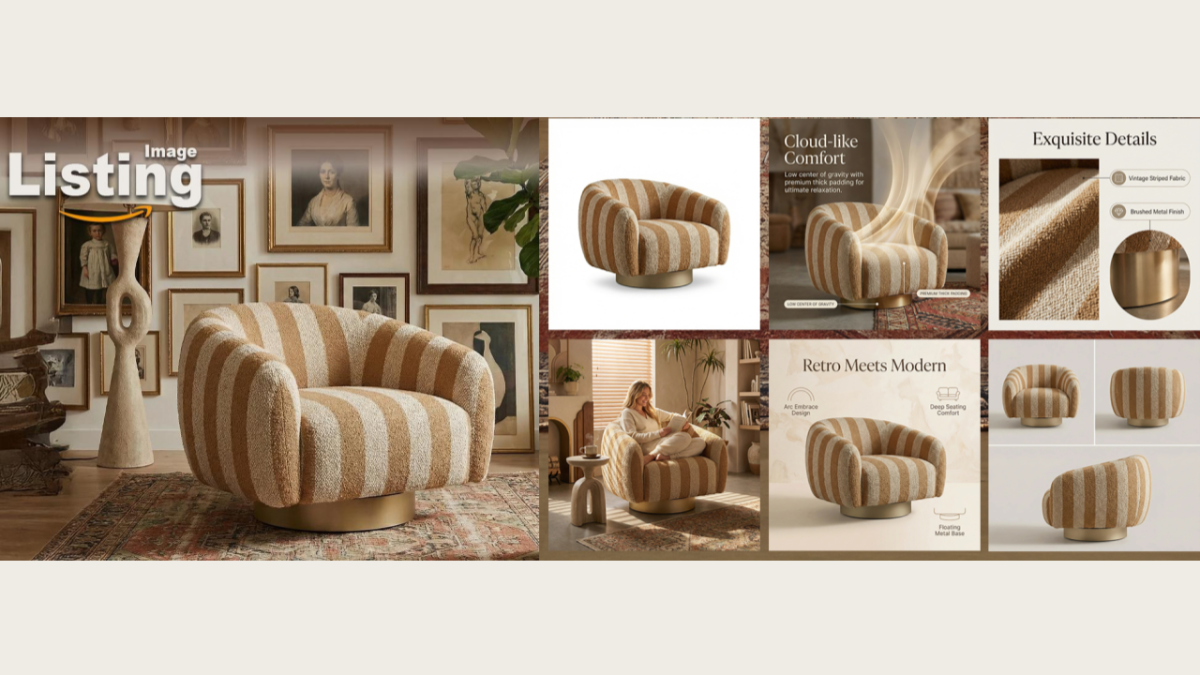
Top 5 AI Tools to Generate Amazon Product Listing Images in 2026

How to Turn One Photo into 10 Etsy Listing Images Fast: Batch Workflow
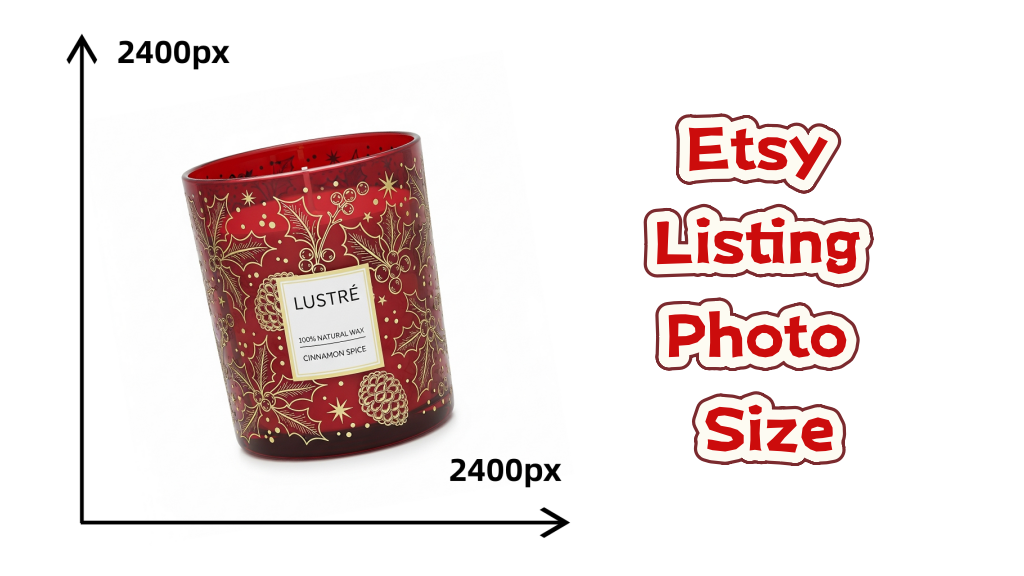
Etsy Listing Photo Size Guide (2026): Mobile, Desktop & Shop View Specs
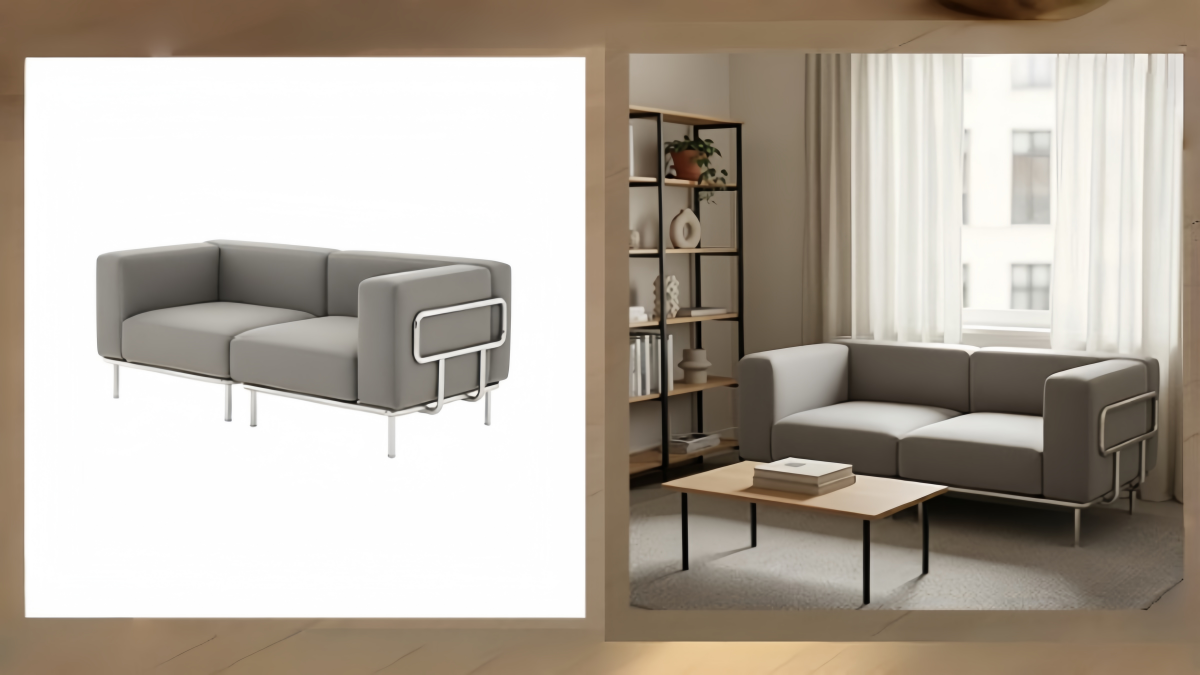
Turn White Background Images into Lifestyle Amazon Listings

Fix Etsy Image Cropping: Optimize Listing Photos for Every Device

Amazon Listing Images: Essential Shot List & Optimization Guide
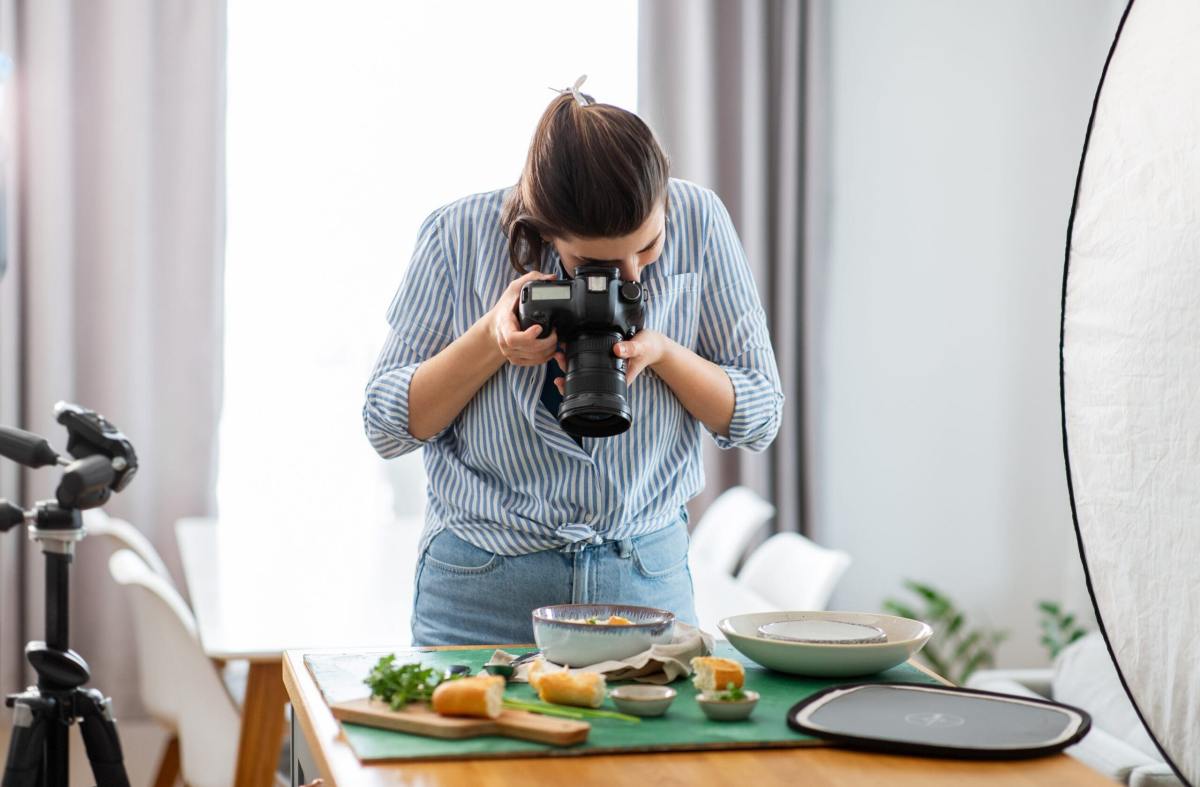
How to Create Lifestyle Product Images Without a Studio
Lifestyle Product Photography Trends 2026: Authentic Looks at Scale
How to Master Lifestyle Product Photography in 2026
Amazon Listing Images Guide 2026: 7-Slot Strategy & Requirements
360 Product Photography Guide 2026: Setup, Shoot and Workflow
Beginner's Guide to Generate Product Photos from Different Angles
AI Product Photography: Create Ecommerce Images Without a Photoshoot

How to Create Realistic AI Product Photos: Step-by-Step Pro Guide
Keep AI Product Images Consistent Across SKUs: Lighting, Color, Background
How to Scale E-commerce with a Product Image Generator
How to Use AI for Spring Product Photography: 2026 Amazon Guide
How to Create a Budget Home Product Photography Setup with AI
How to Achieve Professional Product Photography Standards in 2026
How to Take Product Photos with Phone: Pro Guide for Amazon & AI

Best AI Product Image Generator 2026: Top Tools for Amazon Sales
Amazon Photography Service vs. AI Generator: Best Choice for Sales
What Is Product Photography? Angles, Lighting & Editing Guide
Amazon Spring Sale 2026: Create High-Converting Listing Images (Guide)

AI Agents Transform Amazon Product Photography in 2026
Amazon Photoshoot in 2026: Do You Still Need a Studio?
11 Must-Have Tools for Amazon Product Photography in 2026
2026 Amazon Image Trends Shaping Seller Success and Conversions
Amazon Product Photography Requirements & Best Practices 2026
Make every product image ready to sell
Designkit is an all-in-one AI platform for ecommerce visuals. Create product photos, AI videos, virtual try-ons, and Amazon listing images in seconds. Generate HD backgrounds, batch edit photos, and scale your brand with studio-quality content.