
What Is Brand Awareness? The 2026 Comprehensive Guide
Brand awareness marketing allows brands to grow by staying visible, memorable, and recognizable to their audience. See how strategy, content creation, and tools transform a brand from unknown to unforgettable.

Most people can spot a brand before they even read its name. That's not an accident. It's what brand awareness actually is, and it's one of the biggest reasons some businesses grow steadily while others stay invisible no matter how good their product is. This guide breaks down what brand awareness really means, why it matters more than most founders realize, and how it shapes buying decisions long before someone ever visits your website.
What is brand awareness and why is it important?
Brand awareness is how easily people recognize and recall your brand, whether that's through your logo, colors, packaging, tagline, or even a sound. It builds up over time through repeated exposure, and it plays a bigger role in purchasing decisions than most businesses give it credit for.
-
Drives top-of-funnel visibility: It puts your business into a customer's consideration set early, often before they have any real intent to buy yet.
-
Builds natural trust: Familiarity creates credibility on its own. People are far more likely to choose a brand they already recognize over one they've never encountered.
-
Reduces customer acquisition costs: Recognizable brands need fewer impressions to earn a click or a sale, which makes every ad dollar go further.
-
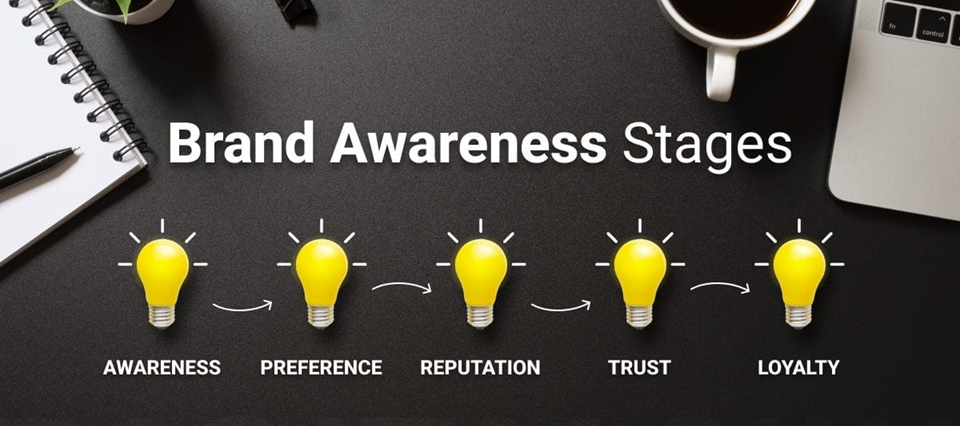
Builds long-term loyalty: It lays the groundwork for the full customer journey, from first impression to preference, to repeat purchases, to becoming an actual advocate for the brand.
-
Creates competitive advantage. In crowded, commoditized markets, people tend to pick whatever brand comes to mind first. Awareness is often the deciding factor before quality even enters the conversation.
Types of brand awareness
When discussing how consumers perceive and remember a company, marketers break down brand awareness into four distinct, hierarchical types. These types represent how deeply a brand is embedded in a consumer's mind, moving from basic recognition to ultimate category dominance.
Brand recognition
Consumers can identify a brand when they see its logo, packaging, colors, tagline, or other brand elements. This is the most basic level of brand awareness.
Brand recall
Consumers can remember a brand from memory when they think about a product category, without being shown any visual or verbal cues.
Top of mind awareness
The brand is the first one consumers think of when asked about a specific product or service category. This indicates a very strong brand presence.
Brand dominance
Consumers think of only one brand in a category, with little or no consideration of competitors. This is the highest level of brand awareness and is achieved by only a few market-leading brands.
How to enhance brand awareness strategy
The successful brand awareness campaign is multi-faceted and will keep your business at multiple touch points. It's a systematic way to build brand awareness.
Social media marketing and content marketing
Deliver actionable, educational and engaging content for brand recall and expertise. Short videos, blog articles, podcasts, infographics, industry reports and user-generated content are formats that can help you reach more people and tell a consistent brand story across platforms.
Paid advertising & brand awareness campaigns
Brand awareness marketing is not selling, which is direct response marketing. Brand awareness is impression reach and recall; display ads, video ads, programmatic sponsorships, and targeted retargeting keep your visual identity in front of the right people without the pressure of an immediate, hard sell.
Partnerships, PR and influencer marketing
The best thing is to grow out of the audience you have. Co-branded partnerships, strategic media placement, and creator or influencer collaborations are a great way to introduce your brand to highly aligned communities and leverage the voice of a trusted third party.
Develop online brand awareness
Today, ecommerce brands and businesses require a seamless digital presence to build brand awareness online. This includes SEO optimisation, so you are found for relevant industry terms, tight consistency in visual style and tone on social media channels, automated email touchpoints and a strong presence on major digital marketplaces.
Brand awareness content ideas
Video, blog posts, social posts, podcasts, UGC campaigns and visual storytelling are all ways to hit different awareness goals.
Brand awareness examples from leading brands
Real-life examples of brand awareness show us how, with a conscious strategy, we can dominate the market long-term. Brand awareness is a real world example of how strategic intent can lead to long-term market dominance.
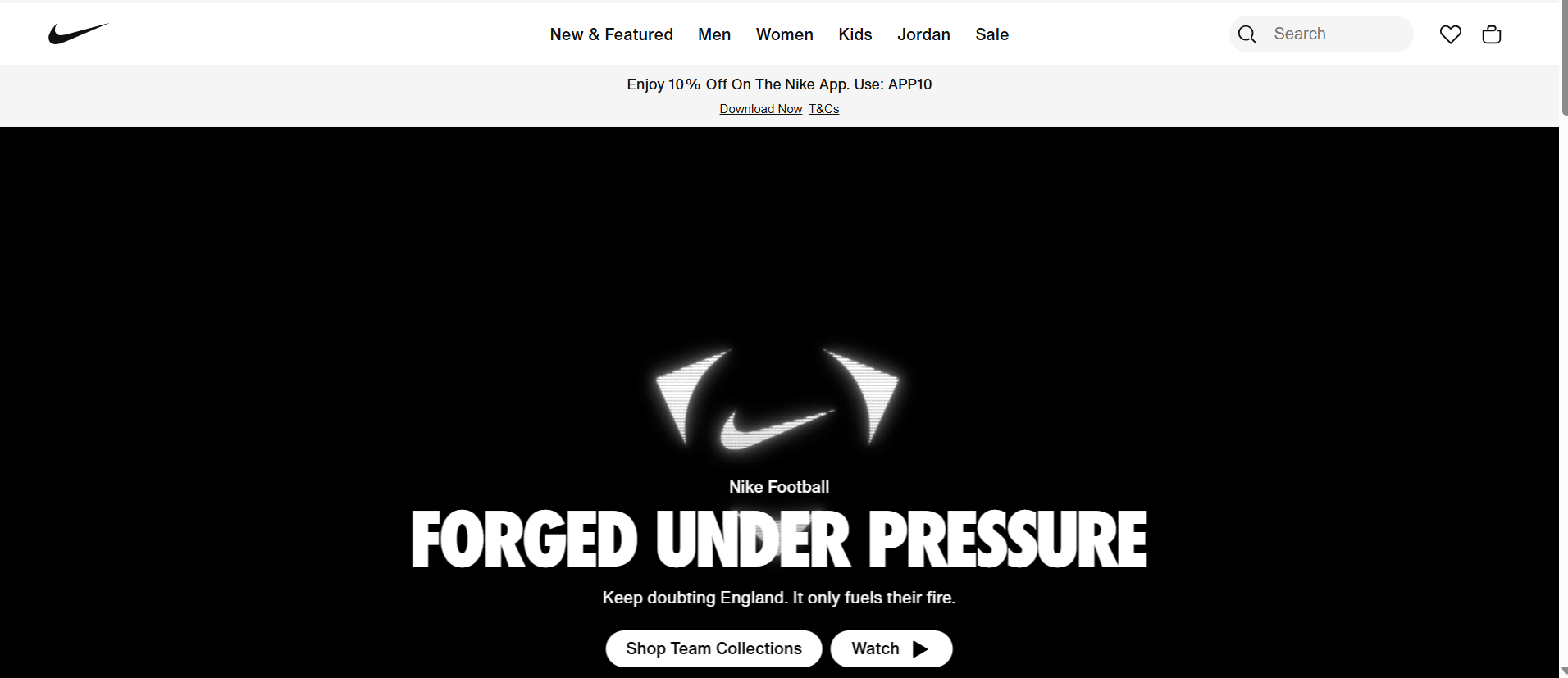
NIKE "JUST DO IT" World famous
The strategy & channel: Emotional storytelling across TV, billboards around the world and digital video.
Why it built recall: Nike didn't sell the technical features of trainers, instead an aspirational mindset. They attached the brand to personal will and sporting success and forged a huge emotional attachment that goes beyond product categories.
Coca-Cola: A visual identity that's been the same for decades
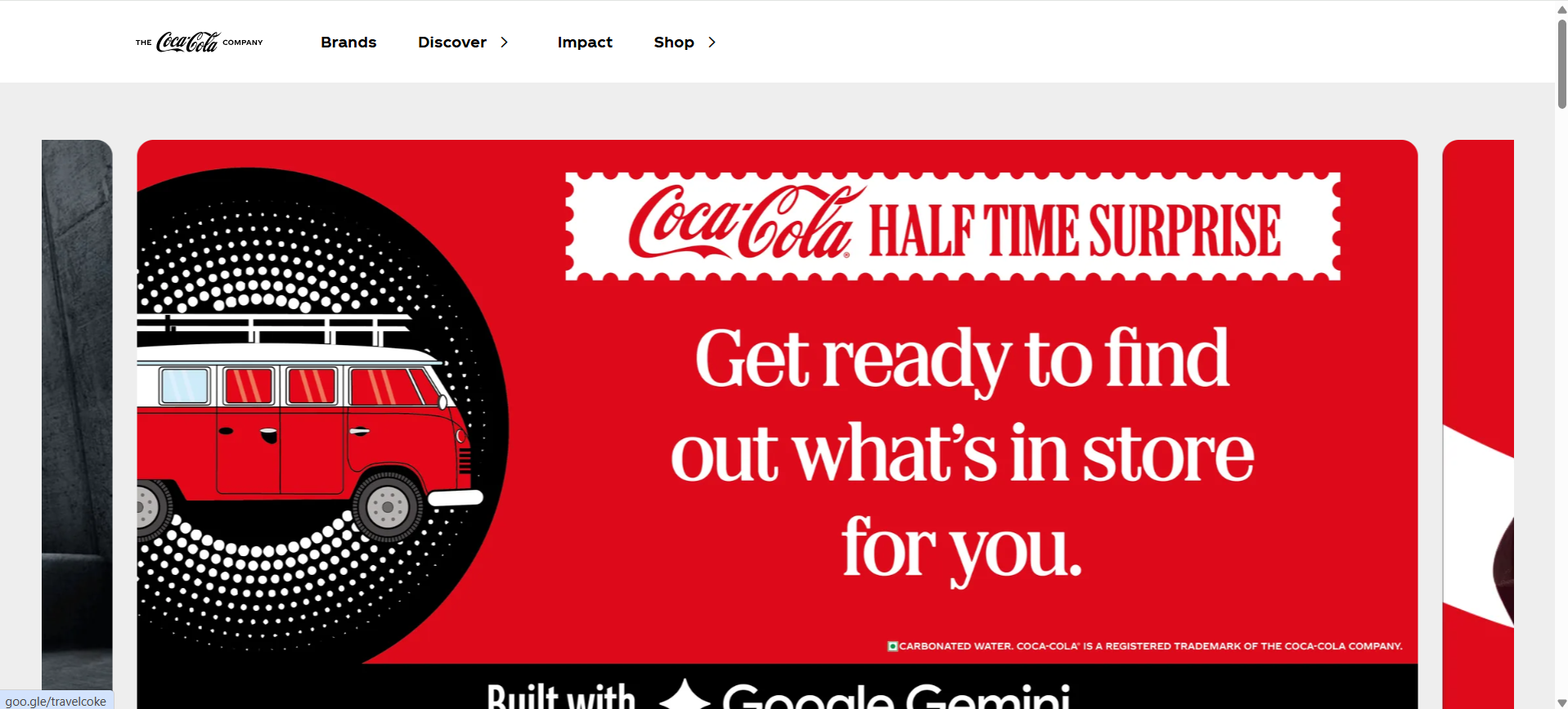
The strategy & channel: Worldwide distribution everywhere with a strict adherence to visual standards across print, retail packaging and seasonal campaigns.
Reason for recall: Coca-Cola's commitment to its trademark red colour and distinctive script logo is unwavering and the brand is instantly recognisable globally. Decades of pairing their imagery with universal themes such as happiness and togetherness have established their massive marketing brand awareness.
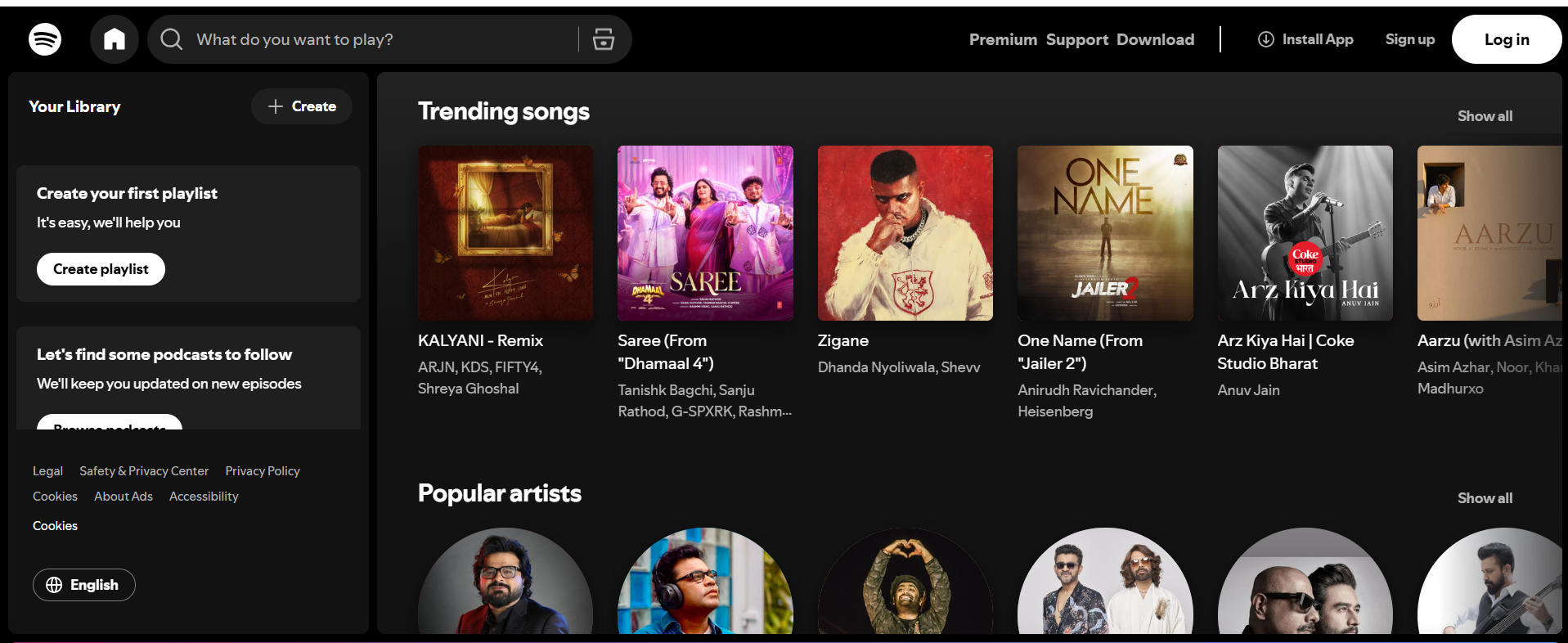
Spotify wrapped as a shareable moment of awareness
Strategy & channel: Tailored data visualisation delivered directly within the mobile app, designed for native social media sharing.
Why Built? Remember, in December, Spotify transforms its own marketing army out of its user base by turning individual user data into highly aesthetic, shareable graphics. This creates intense online brand awareness and FOMO (fear of missing out) among non-users.
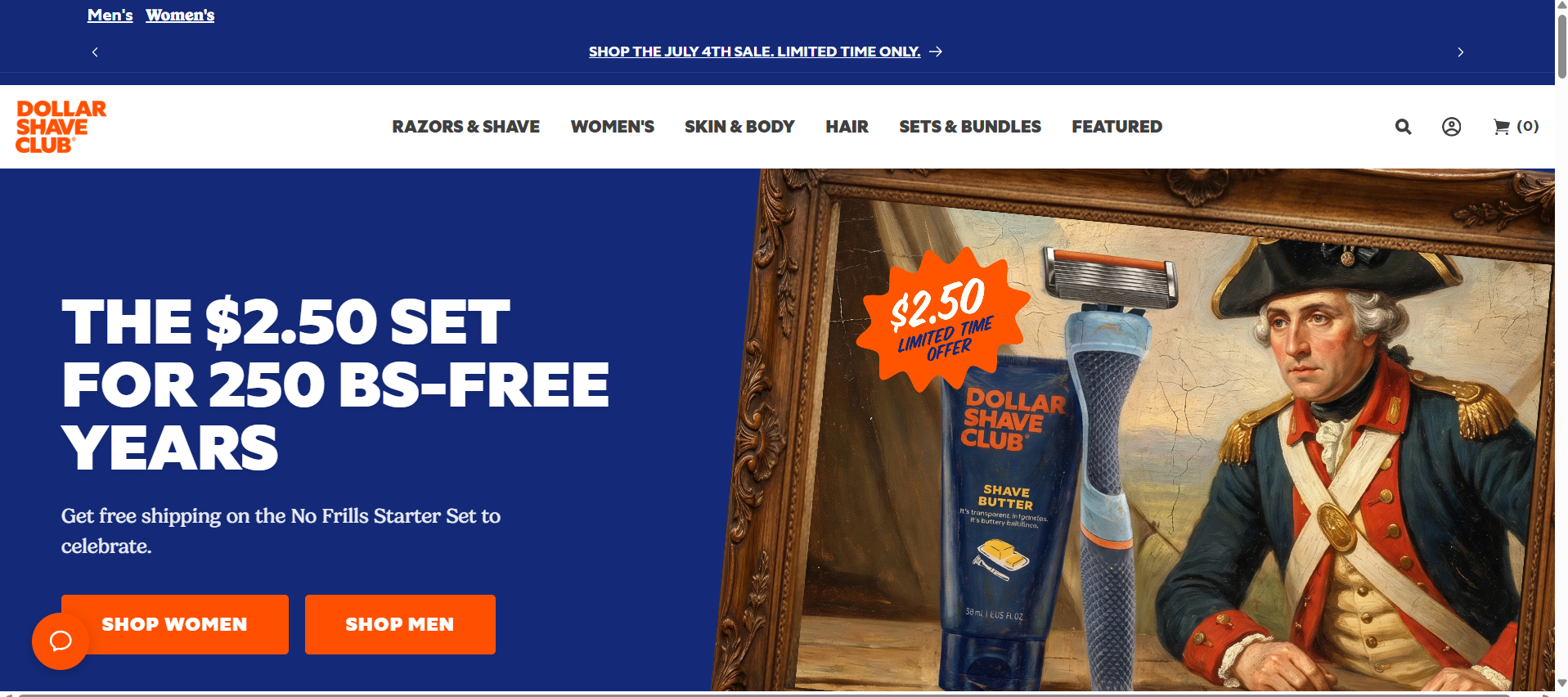
Dollar Shave Club launches viral video
Strategy & channel: A funny, low-budget, disruptive video that is released straight to YouTube and seeded via social media.
Why did it develop memory: The brand ditched the hyper-serious men's grooming commercial and used sharp wit and clear value propositions to earn millions of overnight views. This video proved that a different creative execution could make a brand go from being unknown to being a household name.
How to measure brand awareness
Brand awareness is in the minds of consumers. So it is measured with a mix of qualitative and quantitative metrics. This is how to measure brand awareness.
Surveys and brand tracking studies
You can run surveys regularly with consumers and track the percentage of aided and unaided recall in your target group over time. And if you run brand lift studies through ad platforms, you can measure how much your paid campaigns are moving the needle on consumer memory.
Digital metrics
Your daily digital footprints are a way of tracking your expanding presence
Impressions and reach: How many times your content was displayed and how many unique people saw it.
Branded search volume: This is the number of people searching for your brand name on Google and other search engines.
Direct traffic: When users visit your website directly by entering your website's address. They already know you.
Social listening & sharing of voice
Social listening tools can help you track how many organic mentions your brand gets on social media and web forums. Identify your overall Share of Voice in the industry by comparing your total brand mentions to your top competitors.
Create brand-consistent content at scale with Designkit
Keeping visuals consistent across every platform your brand shows up on is one of the hardest parts of modern marketing. Teams are stretched thin trying to produce enough content to match the pace of social, paid ads, and marketplaces all at once.
Designkit gives teams a faster way to execute on their brand strategy and campaign plans. It turns existing product photos into campaign-ready images and videos, so the same brand identity carries through consistently across social media, paid advertising, ecommerce marketplaces, and every other channel a business shows up on.

How to create brand awareness content with Designkit
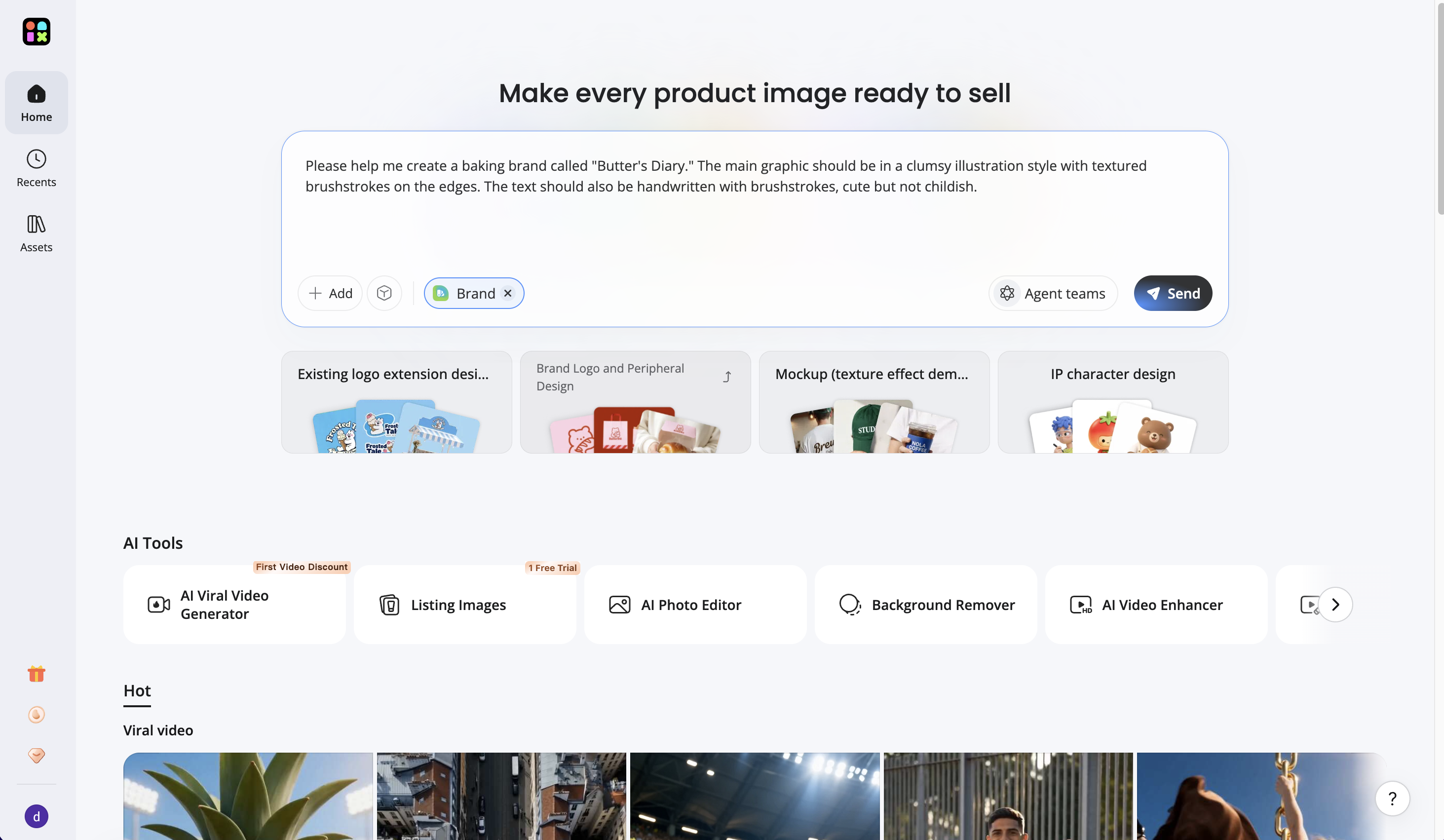
Step 1: Upload your brand assets
Upload your existing product photos, brand logos, or campaign visuals to DesignKit. There's no need for a new photoshoot to simply use the assets you already have. Designkit uses these files as the foundation for creating consistent, high-quality marketing creatives.
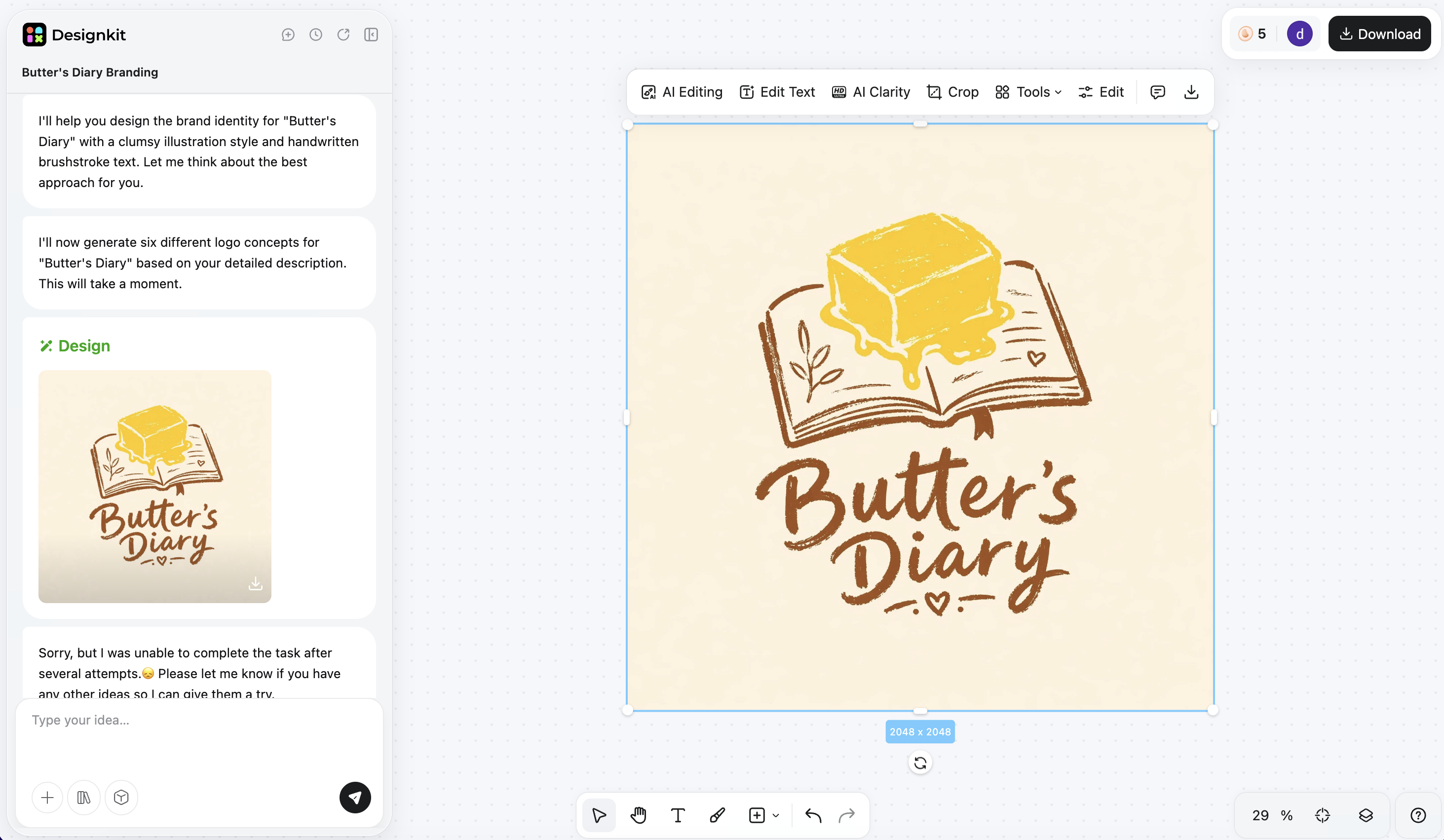
Step 2: Creating branded visuals by AI
Use AI to generate branded visuals and videos that align with your visual identity. DesignKit maintains your logos, colors, fonts, and overall style, creating consistent, campaign-ready content that can be used across social media, ads, websites, and other marketing channels.
Step 3: Exported files for download
Export high-quality visuals and videos in platform-specific sizes, ready for immediate use across social media, ecommerce stores, display ads, email campaigns, and websites. Designkit ensures every file is optimized for each channel, saving time and simplifying campaign deployment.
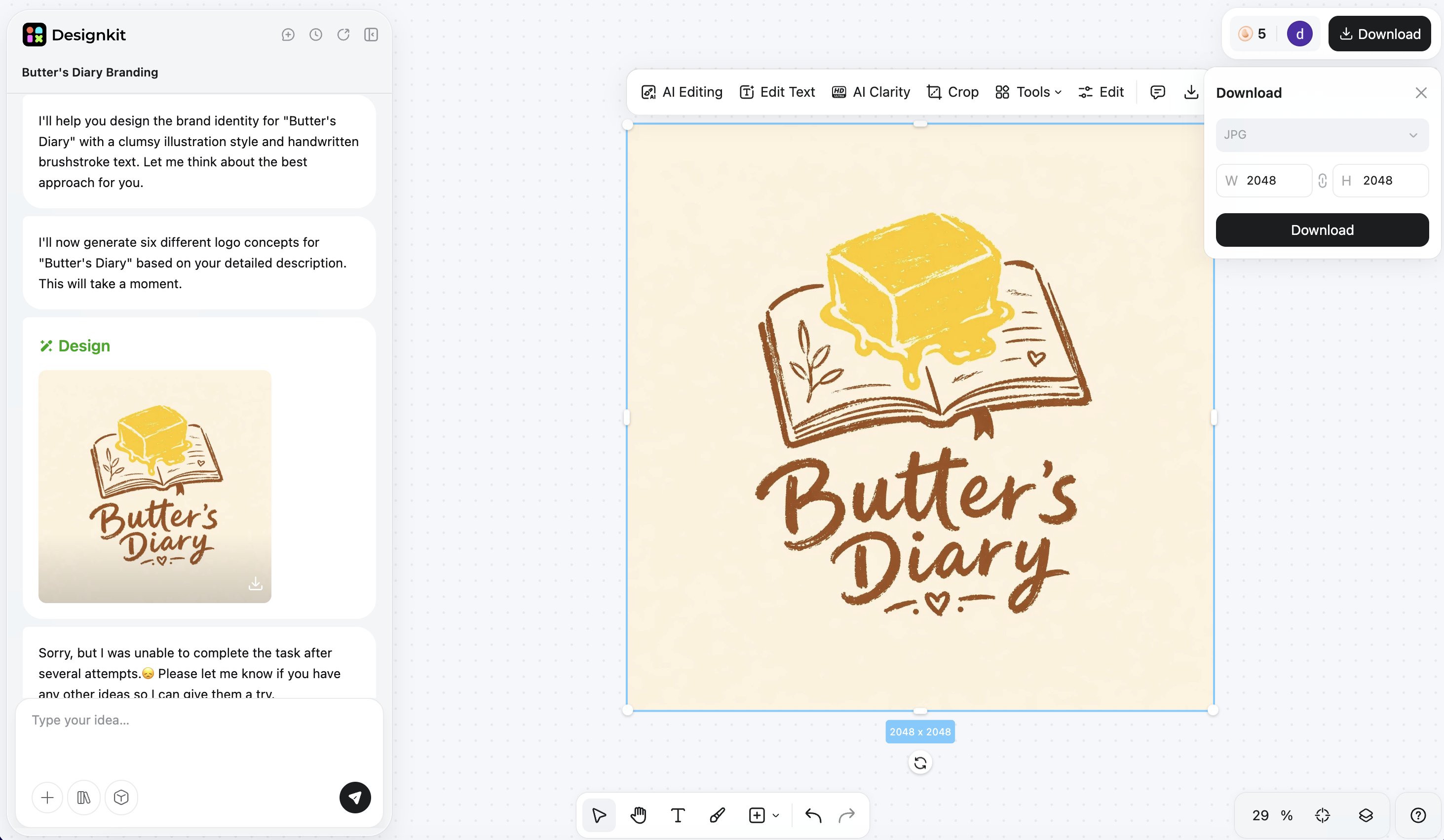
Generate Brand-consistent Visual
Designkit features for brand-consistent visual production
Turn existing photos into campaign-ready assets
Upload the product photos you already have and Designkit reworks them into polished, campaign-ready visuals. No new photoshoot needed, no waiting on a design queue just to get a fresh batch of assets out the door.
Native content for every social channel
Instead of the same image getting stretched or cropped to fit different platforms, Designkit generates visuals that actually feel built for each one, so content looks native on TikTok and Instagram.
Multiple creative directions in one batch
Rather than producing one version and hoping it works, teams can generate several creative directions at once. That means more to test, more angles to compare, and less time spent waiting between rounds of creative.
One visual language across every channel
Whether the asset is going into an ecommerce listing, a paid ad, or a social post, Designkit keeps the same colors, tone, and style running through all of it, so the brand looks like one cohesive thing no matter where someone encounters it.
Conclusion
True brand awareness is recognition and recall intentionally built over time through a consistent message and a compelling story. Building a strong brand strategy and establishing the appropriate measurement frameworks will always be priority number one, but it's consistent visual content execution that brings that strategy to life. Tools like Designkit help you scale your creative production, while making sure your brand remains consistent, recognisable and memorable across all digital channels.
Frequently Asked Questions
What is brand awareness?
What is the difference between brand awareness and brand recognition?
The two get used interchangeably, but they're not quite the same. Brand awareness is broader. It's whether someone knows your brand exists at all and can recall it without help. Brand recognition is narrower and more visual. It's whether someone can identify your brand just from a logo, color, or packaging design, even if they can't name it outright.
Why should small businesses care about brand awareness?
Because it directly affects how much a small business has to spend to win a customer. Without awareness, every sale starts from zero trust. With it, people already recognize you before they land on your site, which builds credibility faster, lowers acquisition costs over time, and gives a smaller brand a real shot at competing against bigger names with bigger budgets.
How do you build brand awareness online?
It usually comes from stacking several channels together rather than relying on one. SEO gets you found through search. Social media and content marketing keep you visible day to day. Email nurtures people who already know you. Paid advertising, PR, and influencer partnerships extend your reach further. None of these work in isolation, so most successful brands run several at once, backed by visuals that stay consistent no matter where they show up. That consistency is where a tool like Designkit comes in, since it helps teams produce on-brand visuals fast enough to actually keep up across every one of these channels.
How do you measure brand awareness?
Brand awareness is harder to measure than direct sales, but there are solid indicators. Brand recall surveys and lift studies show whether people remember you unprompted. Reach and impressions show how many people saw your content. Branded search volume and direct traffic show people actively looking for you by name. Social mentions and share of voice round out the picture by showing how much of the conversation in your space is actually about your brand.
What types of content are best for building brand awareness?
Educational blogs and podcasts build authority over time. Short videos and user-generated content tend to spread faster and feel more authentic. Infographics and visual storytelling make information easier to remember. Webinars and newsletters keep you in front of an audience that's already engaged. The common thread across all of them is consistency, both in how often you publish and how recognizable the visuals are, which is exactly the kind of output Designkit is built to help teams produce at scale.
How does AI make brand-consistent content at scale?
AI tools handle the repetitive part of content production, resizing, adapting, and generating variations, so brand guidelines don't get lost every time content moves to a new platform or campaign. Instead of a team manually rebuilding the same visual for five different formats, an AI tool like Designkit can turn one set of product photos into multiple campaign-ready assets that all still look like they came from the same brand, which is usually the bottleneck that slows brand awareness efforts down in the first place.
You May Also Like
What Is Branded Content? Examples, Strategy & Tools 2026
What Is Brand Identity? Examples, Elements & Strategy
What Is a Brand Video? Types, Examples & How to Create One
How AI Virtual Try-On Helps Fashion Brands Boost Sales & Reduce Returns

Top 5 AI Tools to Generate Amazon Product Listing Images in 2026
Amazon 7-Image Listing Strategy: Boost Sales by Optimizing Every Image

10 Best Online Selling Platforms (2026): Pick by What You Sell
Create brand awareness with consistent visuals
Designkit allows teams to produce product mockups and marketing videos at scale, so your awareness campaigns are always stocked with creative assets.