

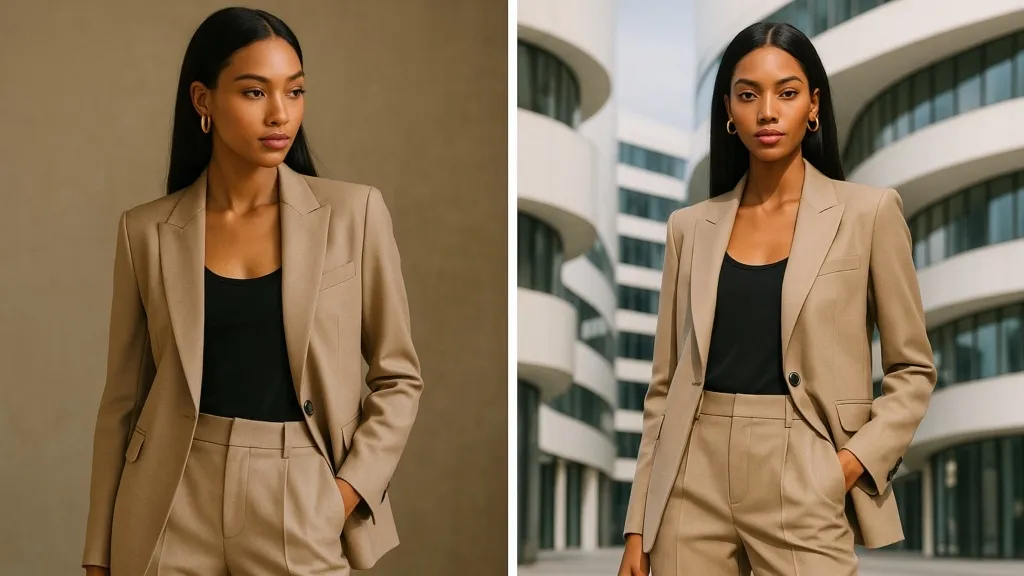
Artificial Intelligence (AI) isn't a mere experiment in the fashion industry anymore; it is significantly influencing the way visuals are generated. The latest figures from the industry sector reveal that almost 35% of the top fashion brands are currently employing AI in designing and content making, whereas more than 78% are either trying out or testing AI-created model images. What was initially a gimmick is now turning into a functional work process, with AI fashion models enabling brands to lower production hurdles and speed up content generation.
However, the main point of the debate is not whether AI is getting employed but whether it delivers results better than human models in the most important aspects.
This article will compare AI fashion and human models in terms of five crucial factors: cost, speed, visual quality, diversity, and scalability. Rather than supporting a single point of view, we aim to explain complexities so you can choose which one suits your situation best. Moreover, platforms such as Designkit AI Fashion Model Generator can already show the power of AI in transforming a one-piece clothing photo into several different styled model images. Let's explore further!
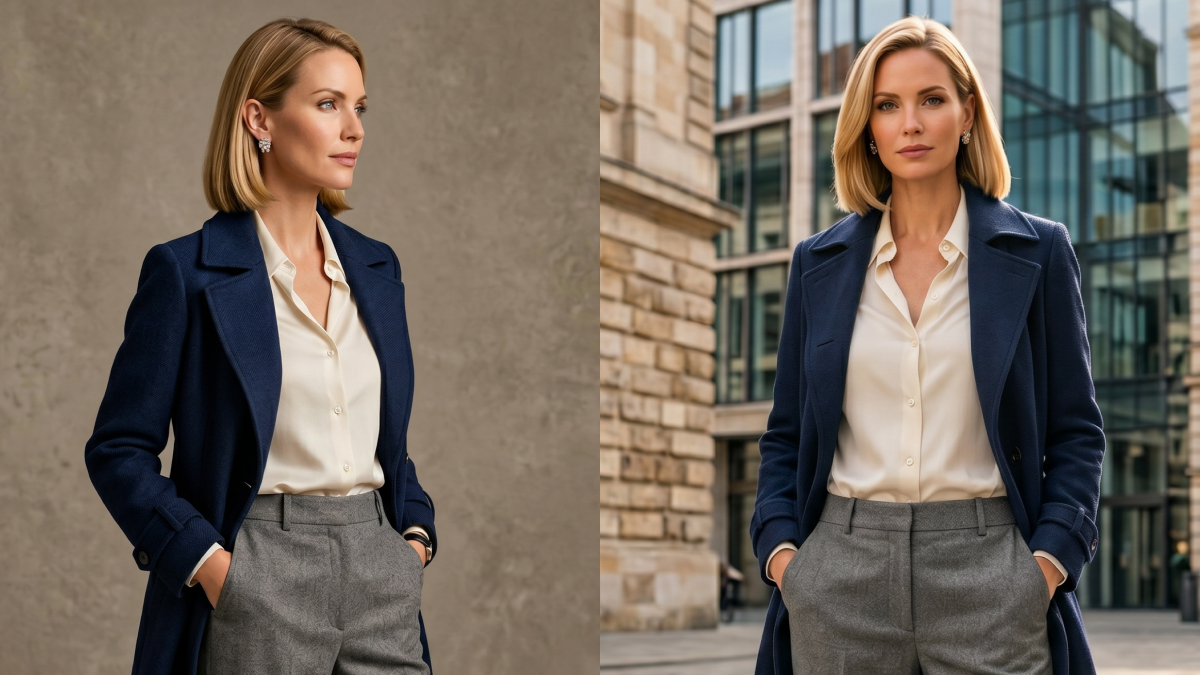
Part 1. Why Comparing AI Fashion Models to Real Models Requires More Than Price
Nearly all comparisons between AI fashion models and human fashion models fixate on the cost per image issue. Pricing certainly matters, but it is also, by far, the most misleading metric when looked at in isolation. A cheaper image doesn't necessarily mean better workflow, and a more expensive upfront cost doesn't invariably result in better outcomes.
In fact, a fashion content production pipeline consists of different stages, such as
- Planning
- Shooting
- Editing
- Revisions
- Publishing
Whether you are going to use traditional shots or AI-generated visuals, all the steps will influence the timelines, consistency, and, most importantly, the conversions. If you take one single metric, you will miss how these systems act.
This is why a fair comparison must be made from a broader perspective. Instead of automatically suspecting the less expensive choice, the best question is: Which one will have the better performance throughout the whole production lifespan?
In order to provide an answer, this article evaluates AI fashion model versus real models in five significant dimensions such as: cost, speed, quality, diversity, and scalability. When combined, these factors provide a more understandable and rational decision-making framework, especially for those brands that are experiencing an increase in their product assortment and are tightening their production schedules.
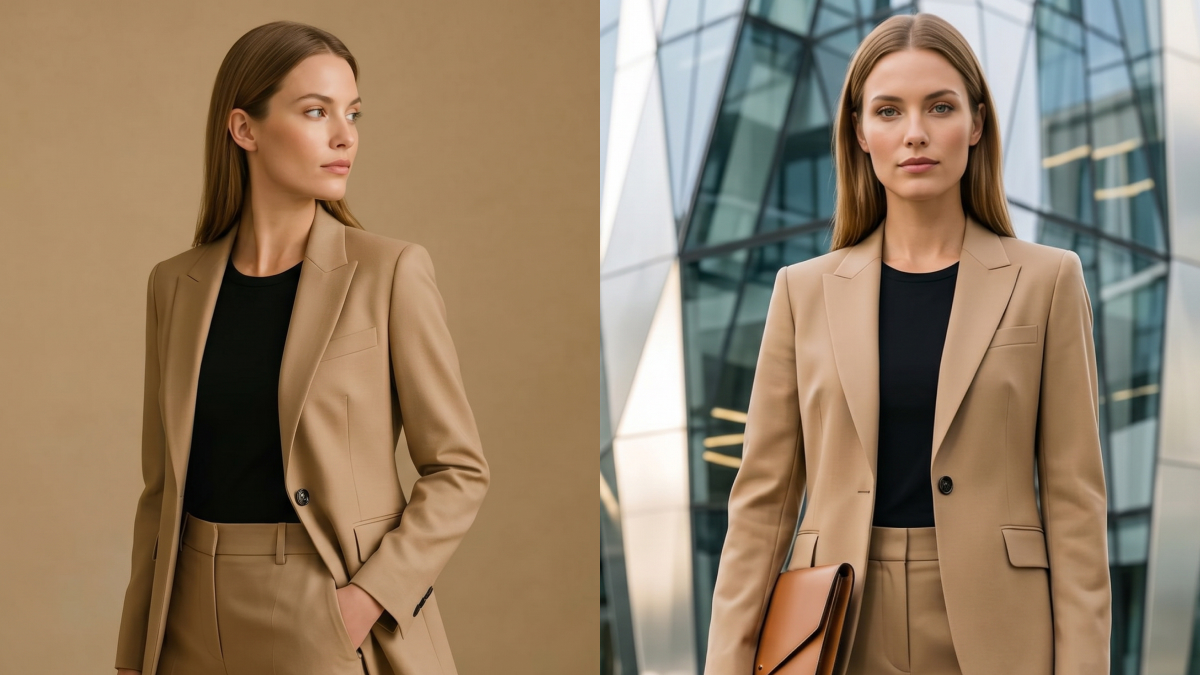
1.1. The Five Dimensions Every Brand Should Evaluate
Cost, entire production process, not price for one image
This covers everything from model fees and studio rentals to editing, revisions, and coordination. For AI, it means generation, iteration, and any post-processing, not just the main output cost.
Speed, concept-to-final-image timeline
How long does it take from the moment you think of the concept or have the garment ready until you have a final, published-ready image. Of course, this will include scheduling, production delays, and revision cycles.
Quality, customer perception, and the ability to convert
More than just clear visuals, this aspect considers how realistic, believable, and attractive the final image is to customers, and whether it leads them to engage or buy.
Diversity, model appearance, and scene variety
The capacity to show different body types, ethnicities, styles, and environments without drastically increasing complexity or cost.
Scalability, how cost and time increase as the SKU number goes up
Solutions that work for 10 products may fail at 500. This factor looks at how effectively each method can handle large catalogs and frequent updates.
Over these five areas, the aim is straightforward: let facts and practical results determine the comparison, not assumptions or excitement about either party.
Part 2. AI Fashion Models vs. Real Models — A Five-Dimension Breakdown
With the evaluation criteria laid out, it's only logical that the focus should be directed on the core comparison. Without relying on subjective views or abstract statements, this part analyzes AI fashion models against real models using actual cost mechanisms, timing, and production circumstances in each aspect.
2.1. Total Production Cost Per Look
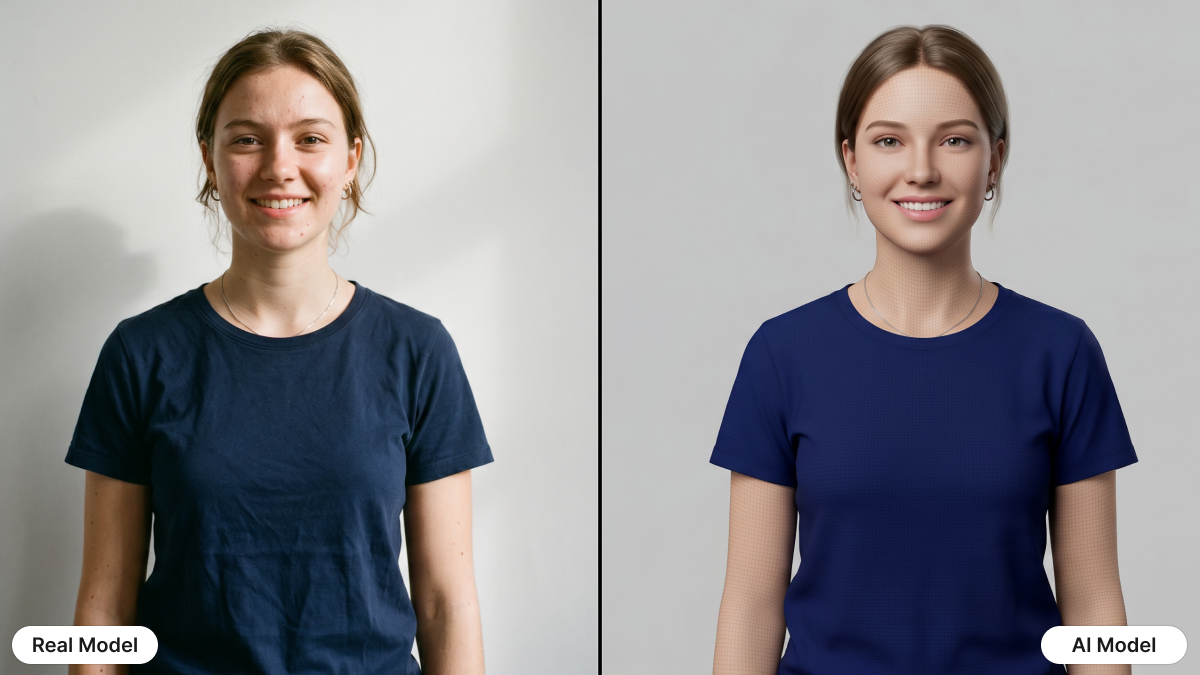
When comparing AI fashion models to traditional photoshoots, the biggest difference isn't just the price — it's how that price is structured.
Here's a combined cost comparison chart for a single "look":
|
Cost Factor |
Traditional models |
AI fashion models |
|---|---|---|
|
Model fee |
$200 – $2,000/day |
Not required |
|
Photographer |
$500 – $3,000/day |
Not required |
|
Studio rental |
$300 – $1,500/day |
Not required |
|
Stylist / MUA |
$200 – $800/day |
Not required |
|
Retouching |
$10 – $50/image |
Minimal / often included |
|
Travel & logistics |
Variable |
Not required |
|
Subscription / software |
Not applicable |
$30 – $200+/month |
|
Per-image cost |
Indirect (bundled in the shoot cost) |
$1 – $10/image |
|
All-in cost per look |
$500 – $2,500+ |
$5 – $30 |
|
Cost structure |
Fixed-heavy (day-based) |
Variable-heavy (usage-based) |
Key Takeaways:
- Traditional shoots have high upfront costs, no matter how many good photos you get.
- With AI fashion models, most of the fixed costs will be gone, so you know exactly what your expenses will be and can even increase them.
- AI keeps the cost of each image to a minimum as SKU volume grows, whereas with traditional shoots, you are going to have to invest again.
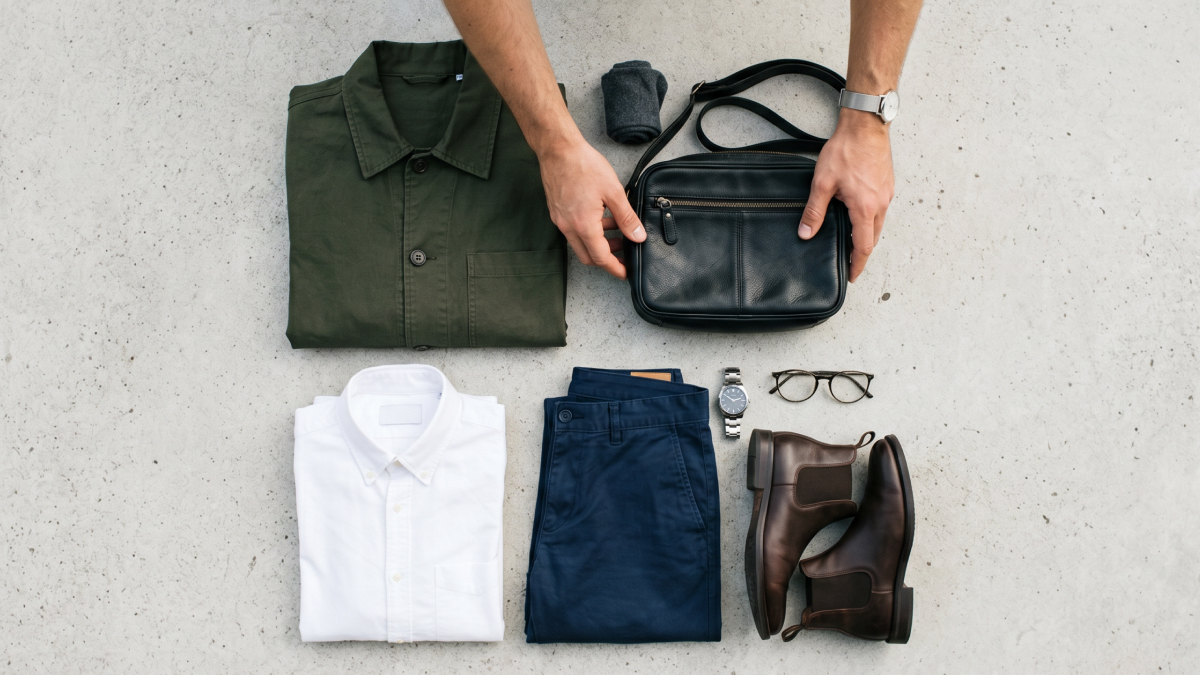
What this means fundamentally is that AI is not just cheap; it completely renovates the cost structure, moving from fixed production expenditures to flexible, on-demand generation.
2.2. Timeline from Brief to Published Listing
The speed gap between AI fashion models and traditional workflows is instantly apparent. In fact, the difference is not only in producing faster but also in getting rid of whole stages of production.
Here's the end-to-end timeline comparison:
|
Stage |
Traditional models timeline |
AI fashion models timeline |
|---|---|---|
|
Brief & concept |
1–2 days |
5 minutes |
|
Scheduling & coordination |
3–14 days |
Not required |
|
Photoshoot |
1 day |
Not required |
|
Image generation |
During shoot |
~1 minute |
|
Retouching & editing |
2–5 days |
5–10 minutes |
|
Review & approval |
1–2 days |
~10 minutes |
|
Final export & upload |
Same day after edits |
~5 minutes |
|
Total time |
1–3 weeks |
Under 2 hours |
Key Takeaways
- Seasonal drops can be made live the same day without waiting weeks for production cycles.
- New samples can be available for sale within 24-48 hours, even before the full inventory arrives.
- Small changes will no longer require a rebooking of the shoot; updates can be generated instantly.
This change will greatly increase the speed at which brands can respond to trends, inventory changes, or marketing opportunities.
Designkit's AI Fashion Model Generator can serve as a tool that illustrates how fast brands can work. A flat-lay or mannequin clothing photo can be uploaded and turned into multiple on-model images in minutes, compressing what used to be a multi-week workflow into a single session.
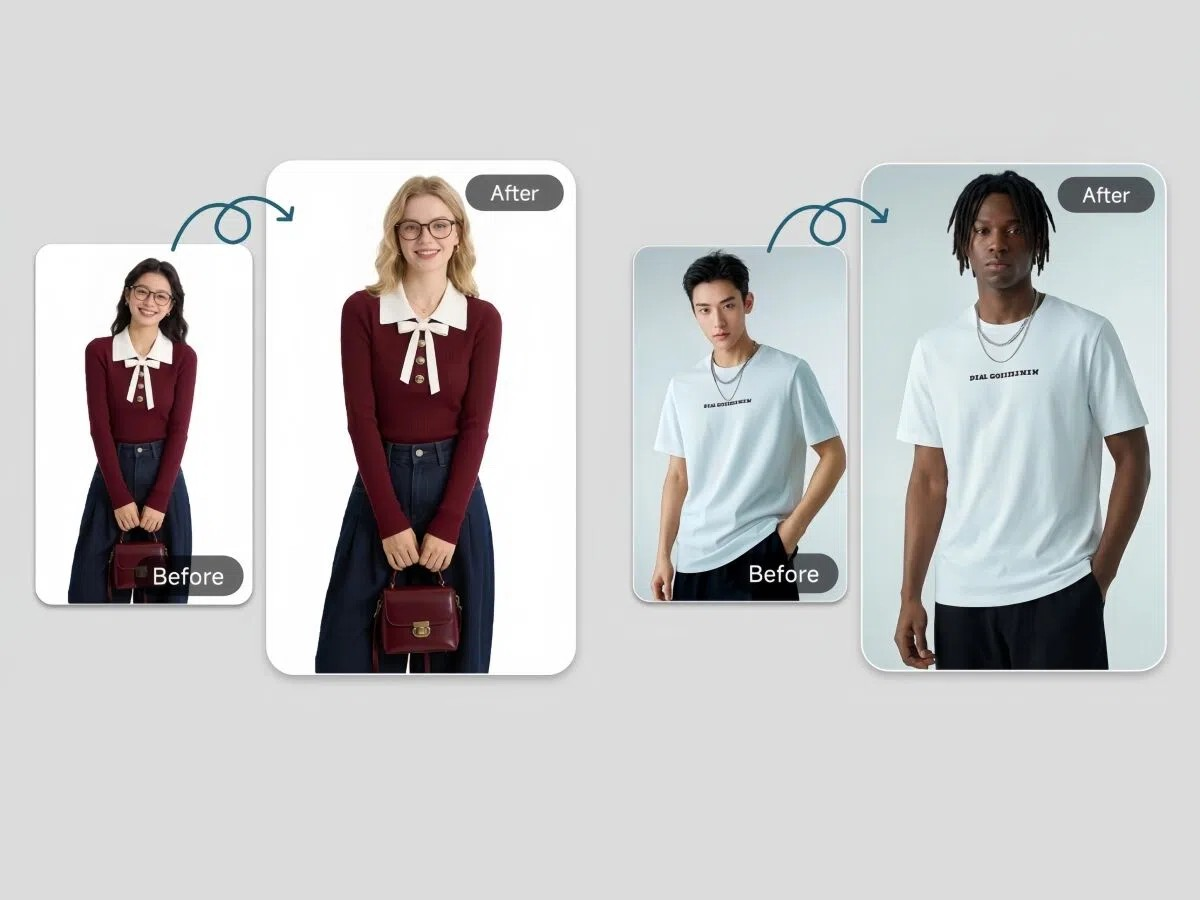
Create AI Fashion Models in Seconds
2.3. Visual Quality as Consumers Actually Perceive It
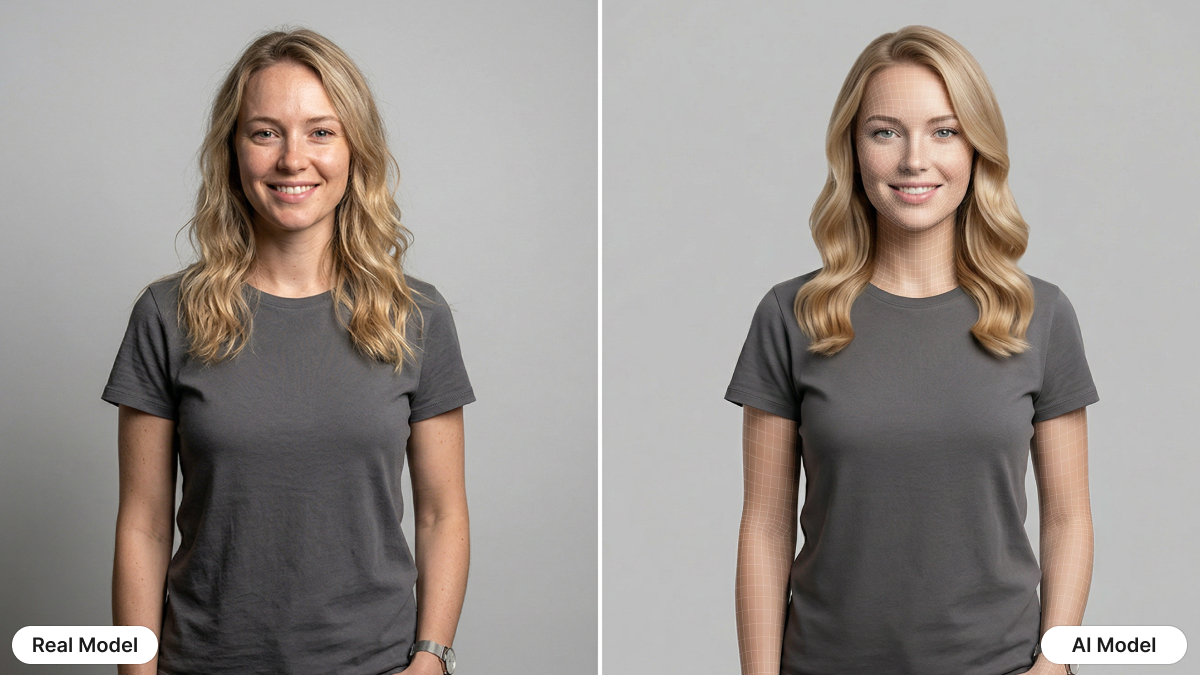
Visual quality is typically considered the most subjective, and often the most hotly debated, aspect of AI-generated fashion models versus real models. However, it's less about achieving flawless realism and more about whether customers notice the differences and whether these affect their trust or decision to make a purchase.
One practical method of assessment is a blind test scenario: you select 5 to 8 AI and real images at random, then get the audience to segment which ones are AI-created and the ones they would rely on for a purchase. Brand trials run in-house, and UX research indicates that confusion levels are at their peak when images are deployed in regular catalog layouts as opposed to hero campaigns.
|
Garment type/detail level |
AI fashion models performance |
Real models advantage |
|---|---|---|
|
Solid colors / simple designs |
Nearly indistinguishable in most cases |
Minimal |
|
Standard patterned fabrics |
Slight inconsistencies may appear on close inspection |
Moderate |
|
Complex prints / sheer materials |
Noticeable distortions possible |
High |
|
Hands, accessories, fine detailing |
Occasional artifacts requiring QA/regeneration |
High |
Key Takeaways
- Daily product listings: AI generated images are in general good enough and safe for commerce
- Brand campaigns / hero visuals: real human models still win in conveying a deeper emotional layer and more refined realism.
- Quality is never set in stone it changes depending on where and how the image is going to be used.
2.4. Diversity and Scalability Across Large Catalogs
One of the greatest benefits of AI fashion models is their ability to deal with diversity and scale effectively without the cost or effort going up in a corresponding manner.
Diversity: From Production Cost to Simple Control
|
Factor |
Traditional models |
AI fashion models |
|---|---|---|
|
Skin tone / ethnicity |
New model + shoot |
Parameter selection |
|
Body type variation |
Separate casting |
Built-in generation option |
|
Age representation |
Additional talent |
Simple configuration |
Scalability: How Costs Grow with SKU Volume
|
SKU Volume |
Traditional (est.) |
AI fashion models (est.) |
|---|---|---|
|
10 |
$5K – $25K |
$50 – $300 |
|
50 |
$25K – $125K |
$200 – $1K |
|
200 |
$100K – $500K |
$800 – $4K |
|
1,000 |
$500K – $2M+ |
$3K – $20K |
Thanks to tools like Designkit, this transformation turns from a theory into a practicable one. Rather than planning various photoshoots for different target groups, one can only tweak features like ethnicity, body type, and age range when generating. One and the same clothing image can give rise to several diverse variations in a flash, so diversity becomes a natural output instead of an extra production expense.
Part 3. When to Use AI Fashion Models and When to Keep Real Models
The true benefit of AI fashion models does not lie in completely substituting traditional photography. Rather, it is about distributing these two approaches in such a way that each is used in the area where it performs the best. Fashion production of today is moving towards a blended system where the AI takes care of the rapid production and large quantities, whereas real models continue to be the focal point of a strong narrative.
3.1. A Scenario-Based Decision Matrix for Brand Teams
|
Scenario |
Recommended approach |
Rationale |
|---|---|---|
|
Daily product listing images |
AI fashion models |
Fast turnaround, low cost per image, consistent output |
|
Bulk SKU onboarding (50+ products) |
AI fashion models |
Scales instantly without additional shoot logistics |
|
Color / variant generation |
AI fashion models |
Zero marginal cost for additional visual variations |
|
New product market testing |
AI fashion models |
Enables rapid iteration before investing in full production |
|
Brand campaigns / flagship visuals |
Real models |
Stronger emotional storytelling and brand identity |
|
Extreme fabric close-ups (silk, knit, texture detail) |
Real models |
Higher fidelity in micro-texture and lighting behavior |
|
Video / motion content |
Real models |
More reliable performance and commercial-grade consistency |
Key Takeaway
It's not a matter of choosing sides, it's a matter of distributing the budget of attention and resources:
· Use artificial intelligence technology in fashion production processes wherever things are repetitive, scalable, or variant-heavy.
· Save true model shoots for emotionally engaging, trust-building, or detail-demanding visuals.
The top brands that work most efficiently do not get rid of photography; they would rather move it to where it really generates the most value.
3.2. How to Build a Hybrid Workflow That Maximizes ROI
The best approach to using AI fashion models shouldn't be a complete replacement, but rather a tiered production system that matches expenditure with business value. This way, brands focus their investments on human shoots where the impact is undeniable and let AI take over the tasks of volume and iteration.
3-Tier Workflow Framework
Tier 1: flagship/brand identity visuals → human models
For a campaign, a homepage banner, or a brand story, these are the primary visual images. Connecting emotionally, having controlled lighting, and being consistent in the narrative are some of the aspects where conventional photography still dominates the field.
Tier 2: regular listings / long-tail SKUs → AI fashion models
Most of the catalog content is found in this segment.
Product pages, color variants, and repetitive listings benefit from fast, uniform production. With AI tools like Designkit, teams can create on-model images at scale without the need for expensive and continuous shooting.
Tier 3: test runs / temporary needs → AI fashion models
Product testing on a very limited basis, showing images before launch, or seasonal experimenting is what this level is used for. It focuses on turning out work quickly and spending less, so AI is great for fast iterations before getting involved in large campaigns.
ROI Comparison Example
|
Workflow type |
Monthly spend |
Output volume |
Result |
|---|---|---|---|
|
Traditional only |
~$5,000 |
10–15 looks |
High-quality but limited scale |
|
Hybrid approach |
~$2,500 total |
100+ looks |
High volume + premium hero content |
Besides slashing costs, a hybrid system redefines how productively you produce:
- You still allocate your classic budget to the creation of brand-building, trust-inciting visuals
- AI, on the other hand, oversees the huge volume, changes, and ongoing updates of the listings
- Therefore, the total output jumps by 5, 10×, while the sum spent is still less.
Conclusion
When it comes to cost, speed, quality, diversity, and scalability, AI fashion models are more efficient and produce higher volumes; however, real models are more impactful emotionally and are able to render fine details realistically. The most effective method is a hybrid one, employing AI to generate large-scale, everyday listings and human models for luxury campaign work.
With a tool like Designkit AI Fashion Model Generator, the transition becomes feasible by transforming one garment image into various on-model visuals in a short time, which will lessen the dependence on conventional photoshoots for routine e-commerce requirements. As AI gets better, the disparity will reduce even more, the best plan at present is still using each one where it excels.
Frequently Asked Questions
Can AI fashion models fully replace real model photoshoots?
Do consumers notice AI-generated fashion images?
Consumers do not normally identify AI versus real images during a fast-view browsing or listing in standard eCommerce locations, based on blind test type of evaluations carried out earlier. On the other hand, with the help of editorial, close-up, or hero campaign visuals, well-trained people can still identify subtle imperfections in the texture, fabric complexity, or fine details.
How do you calculate ROI when switching to AI model photography?
A simple way to estimate ROI is:
(Traditional cost per look × number of looks replaced) − (AI subscription cost + per-image generation cost × total images produced)
As highlighted in the hybrid workflow example, even partial replacement of traditional shoots with AI can increase output significantly while reducing overall production spend.
Are AI-generated product images allowed on Amazon and other marketplaces?
Most of the large platforms, not only Amazon but also Shopify-based stores, let users upload AI-generated images if they meet the general product image standards (accurate, no false advertising, and proper product visibility). Nevertheless, brand owners should always check the most recent marketplace rules before ramping up AI-generated listings as policies are constantly changing.
You May Also Like
How to Match Makeup by Undertone: Virtual Lipstick and Foundation Try-On
Wedding Dress Styles for Every Body Type: A Practical Guide for 2026
7 Best AI Virtual Makeup Try-On Tools for Realistic Results in 2026
AI Virtual Makeup Try-On: Boost Beauty E-Commerce Sales in 2026
Free Online Glasses Try-On Tools: See Yourself in Glasses Instantly
Top Virtual Ring Try-On Tools for Engagement and Wedding Rings in 2026
How to Try Shoes On Virtually: A Step-by-Step Guide
Best Virtual Shoe Try-On Tools for Ecommerce: 2026 Guide
How to Try On Wigs and Bangs Virtually to Find Your Perfect Style
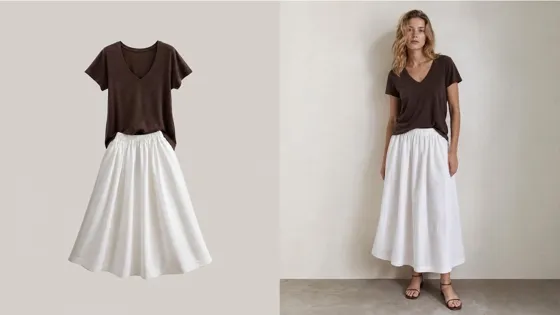
Create Model Outfit Photos Instantly With AI Outfit Generator
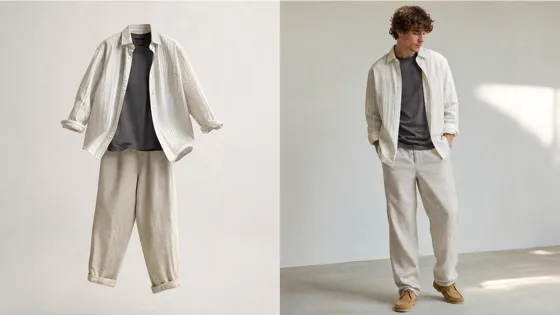
Best AI Virtual Try-On Clothes Tools for Any Body Type
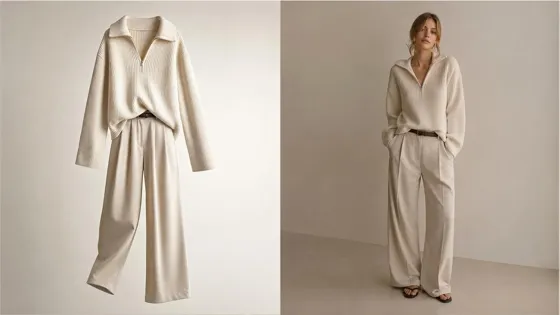
How to Try On Clothes Online with AI for Better Fit & Style
Virtual Nose Ring Try On Online Before Your Piercing
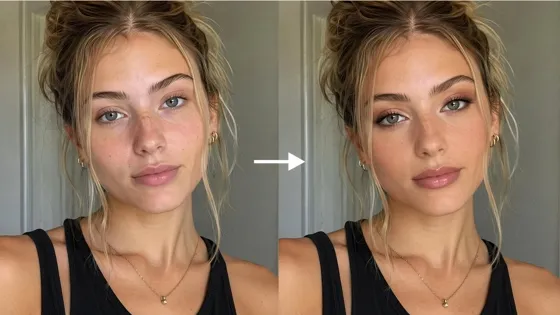
How to Try Makeup Online with AI and Virtual Makeup Try-On Apps (2026)
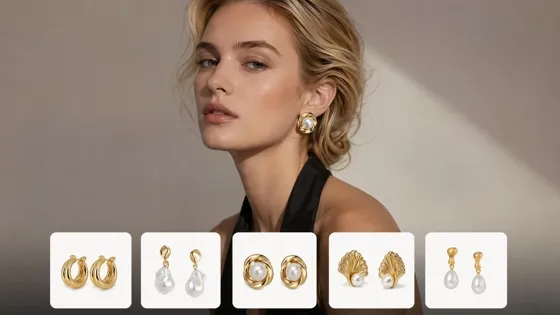
How to Use Virtual Earring Try-On for a Flattering Look in 2026
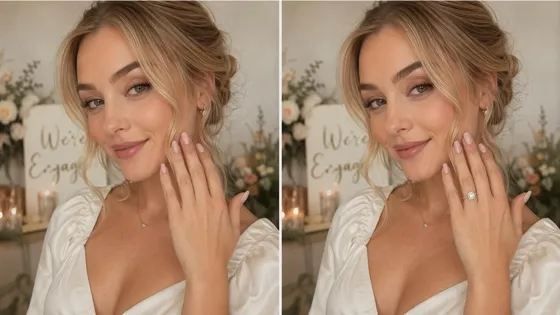
How to Try On Engagement Rings Online with AI in 2026
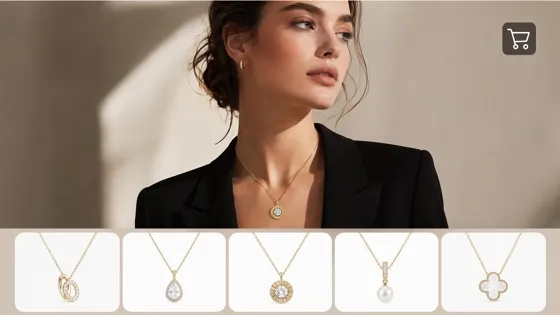
Scale Your Jewelry Brand with Virtual Jewelry Try-On Solutions
How to Try Hairstyles on Your Face Online (Step-by-Step Guide)
Best Virtual Hairstyle Try-On Tools Online for Realistic Previews 2026
How to Use a Free AI Hairstyle Generator to Find Your Perfect Look
Virtual Hair Color Try-On Guide for Every Skin Tone (2026)
Virtual Wedding Dress Try-On Online for Brides in 2026
How to Choose the Right Sunglasses for Your Face Shape Online
How Accurate Is Virtual Glasses Try-On? AI vs AR Compared
Best Virtual Try-On Glasses Apps in 2026 (Free & Paid Tools)
How AI Virtual Try-On Is Transforming Eyewear Ecommerce
5 Best Virtual Try-On Glasses Tools for Ecommerce and Consumers 2026
How to Try On Glasses Online with AI in 2026 (Easy Guide)
How to Create Jewelry Photos with AI Models That Drive Sales in 2026
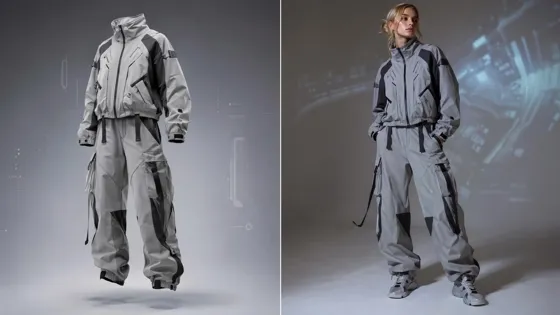
AI-Generated Fashion Models: Technology, Brand Adoption & Trends
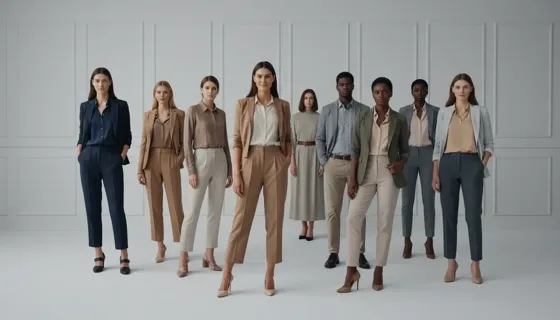
How to Batch Generate 100+ AI Clothing Model Photos Fast
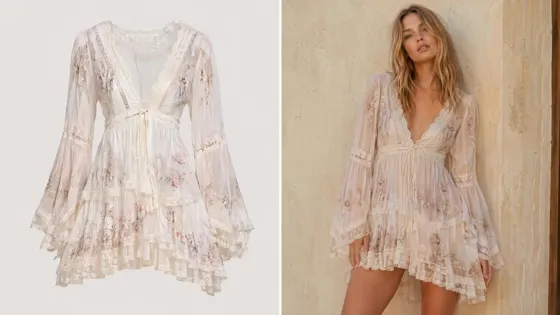
7 Best AI Fashion Model Generators for Ecommerce in 2026
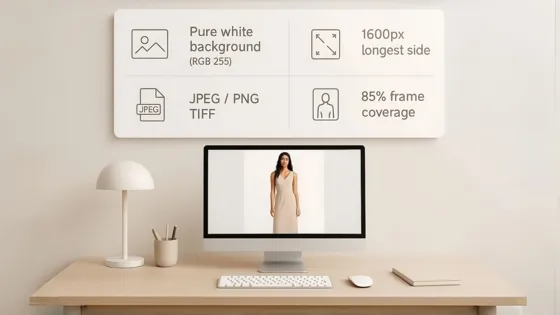
AI Clothing Model Photos for E-Commerce: Platform Rules & Best Practices
How AI Virtual Try-On Helps Fashion Brands Boost Sales & Reduce Returns
AI Fashion Models vs Real Models: Which Is Better for Brands?
Best Free AI Fashion Model Generators for Real Product Photos
Virtual Outfit Try-On Guide: Plan Outfits Before You Buy
What Is an AI Clothing Model Generator? Full Guide for Sellers
Virtual Try-On Technology in 2026: How It Works & Key Trends
10 Best Virtual Try-On Apps & Tools for Online Shopping in 2026
How to Create AI Fashion Models: Complete Step-by-Step Guide
How to Use AI Fashion Models for E-Commerce Product Photos: A Complete 2026 Guide
How to Virtually Try On Clothes Online: A Complete Guide
Make every product image ready to sell
Designkit is an all-in-one AI platform for ecommerce visuals. Create product photos, AI videos, virtual try-ons, and Amazon listing images in seconds. Generate HD backgrounds, batch edit photos, and scale your brand with studio-quality content.