
Cyber Monday: Marketing Strategies, Ideas & Ecommerce Guide 2026
Learn what Cyber Monday is, how it compares to Black Friday, and marketing ideas ecommerce brands use to win online holiday sales.

Cyber Monday is one of the biggest online shopping events of the holiday season, giving ecommerce businesses a chance to increase traffic, conversions, and revenue. With thousands of brands competing for shoppers' attention, discounts alone are no longer enough. Businesses need compelling offers, targeted marketing, engaging advertising, and high-quality creative assets to stand out.
This guide explains what Cyber Monday is, how it compares with Black Friday, why it matters for ecommerce, and the best marketing strategies, campaign ideas, and AI-powered creative workflows to improve Cyber Week performance.
What is Cyber Monday?
Cyber Monday is an annual online shopping event held on the Monday after Thanksgiving in the United States. Introduced in 2005, it encourages consumers to shop online through limited-time deals offered by ecommerce stores and online marketplaces.
Today, it has become one of the largest global online sales events, with retailers offering discounts on electronics, fashion, beauty, home products, and more.
When is Cyber Monday for Amazon?
Amazon typically includes Cyber Monday as part of its Cyber Week event. Deals often start before Cyber Monday and run for several days, with new deals popping up throughout the week across categories like electronics, fashion, home and beauty.
How long does Cyber Monday last?
Officially, Cyber Monday is a one-day event. However, many retailers continue promotions throughout Cyber Week, keeping discounts going for several days to boost conversions, recoup abandoned carts, and maximize holiday sales.
Is Cyber Monday only online?
Yes. Cyber Monday is primarily an online shopping event focused on ecommerce websites, mobile apps, and digital marketplaces. Although some retailers offer services such as in-store pickup, most promotions remain exclusive to online shoppers.
Why Cyber Monday matters for ecommerce businesses
Cyber Monday is one of the best-converting sales events of the year, with shoppers already primed to buy. This is a chance for companies to attract new customers, increase the average order size, and build customer relationships.
Higher online purchase intent
Cyber Monday shoppers are very motivated to buy; most of them know what they want and are just waiting for the right deal. The high purchase intent typically results in higher conversion rates, so it's a great time to push best-selling products, exclusive bundles, and limited-time deals.
Traffic and acquisition window
Cyber Monday attracts a lot of traffic from search engines, social media, paid advertising, email campaigns, and online marketplaces. Businesses can leverage this increased visibility to grow their subscriber base and attract new customers.
Holiday revenue and inventory clear-out
Cyber Monday has become an important factor in holiday sales, helping businesses clear out seasonal inventory. Finally, retailers can use product bundles, exclusive promotions, and complementary offers to drive average order values and introduce holiday shoppers to new collections.
Retarget Black Friday browsers and cart abandoners
Cyber Monday offers a second opportunity to convert Black Friday shoppers who didn't make a purchase. Abandoned carts can be recovered, and conversions increased through retargeting ads and personalized email campaigns.
Cyber Monday vs Black Friday
Although both events are major holiday shopping occasions, Cyber Monday vs Black Friday differs in focus, shopping channels, and customer behavior. Black Friday combines in-store and online deals, while Cyber Monday is centered on online shopping. Understanding these differences helps businesses tailor their promotions and maximize sales throughout the holiday season.
|
Feature |
Cyber Monday |
Black Friday |
|---|---|---|
|
Main focus |
Online shopping |
Retail + online |
|
Popular channels |
Website, email, ads |
Stores, ecommerce |
|
Best suited for |
Ecommerce brands |
Retailers |
|
Customer behavior |
Research and purchase online |
Deal hunting |
Cyber Monday marketing strategies that drive sales
A successful Cyber Monday marketing campaign starts well before the event, combining strategic planning with customer insights to maximize results. Rather than relying only on discounts, businesses should create exclusive offers, optimize the shopping experience, and coordinate campaigns across multiple channels.

1. Create Cyber Monday offers that stand apart from Black Friday
Don't rehash Black Friday deals. Instead, offer new deals that are only available online, such as exclusive bundles, loyalty rewards, or free shipping offers. Engagement and conversions are driven by creating a new reason for customers to shop.
2. Use Black Friday insights to optimize Cyber Monday performance
Cyber Monday campaigns can benefit from Black Friday data insights. Learn from best-selling products, best-performing creatives, conversion rates, and customer behavior to improve your strategy. These insights help companies spend their budgets more efficiently and offer more personalized marketing.
3. Optimize conversion paths before the Cyber Monday surge
Before Cyber Monday begins, ensure your website delivers a fast and seamless shopping experience. Optimize landing pages, product pages, mobile performance, and checkout processes to reduce friction and improve conversions. Even small improvements can make a significant difference during peak holiday traffic.
4. Coordinate channels across email, SMS, social, and paid media
Consistent messaging through email, SMS, social media and paid advertising. Coordinated campaigns help move customers from awareness to purchase, while improving engagement and conversions.
Best Cyber Monday marketing ideas for 2026
The best Cyber Monday marketing ideas are more than just offering discounts. They develop exciting shopping experiences that prompt customers to act quickly. By personalizing, creating urgency, and using compelling content, businesses can get new shoppers, keep existing customers, and increase holiday sales. Designkit's AI-powered tools also enable brands to deploy consistent, high-converting promotions across multiple channels with campaign-ready visuals.
Teasers, early access, and countdown campaigns
Build excitement before Cyber Monday by launching teaser campaigns one to two weeks in advance. Use countdown timers, early-access offers, and exclusive previews across email, SMS, and social media to create urgency and encourage shoppers to plan their purchases ahead of time.
Bundles, BOGO, and free-shipping thresholds
Increase the value of your offers with product bundles, Buy One Get One (BOGO) deals, gifts and free-shipping thresholds. These promotions promote increased customer spending and a higher average order value without the need for further discounts.
Personalized recommendations and segment offers
Use customer data such as browsing history, previous purchases, and loyalty status to deliver personalized product recommendations and targeted offers. Tailored promotions create a more relevant shopping experience, leading to higher engagement and better conversion rates.

Gift guides and curated "ship-by" collections
Create curated collections and themed gift guides to help shoppers find the right products quickly for the holiday season. Clear shipping deadlines also build confidence and encourage customers to complete their purchases before delivery cut-off dates.
UGC-style demos and social proof blocks
Include user-generated content, testimonials, customer reviews and product demos to build trust and reduce hesitation to buy. Real content works on social media and on product pages, helping shoppers feel more confident before they buy.
Email/SMS sequences (warmup → live → last chance → recovery)
A well-planned email and SMS sequence will keep customers engaged throughout the entire Cyber Monday campaign, rather than a single promotional message. Businesses can build anticipation, drive purchases, recover abandoned carts and maximize conversions during Cyber Week by sending the right message at the right time.
-
Warm-up campaign: Start a few days before Cyber Monday by teasing upcoming deals, encouraging customers to create wish lists, and inviting subscribers to join exclusive early-access promotions.
-
Live campaign: Announce the start of your Cyber Monday sale with your best offers, featured products, exclusive bundles, and limited-time discounts to generate immediate traffic and sales.
-
Last-chance reminders: Send urgency-driven messages such as "Sales end tonight," "Final hours to save," or "Last chance for free shipping" to encourage hesitant shoppers to complete their purchases before the promotion ends.
-
Recovery campaign: Follow up with customers who viewed products or abandoned their carts by sending personalized reminders and selected Cyber Week offers to recover lost sales and increase conversions.
Cyber Monday advertising ideas
Effective Cyber Monday advertising helps businesses reach high-intent shoppers who are actively searching for holiday deals. By combining search, shopping, social media, and retargeting campaigns, brands can increase visibility and drive more conversions. Creating compelling Cyber Monday advertisements with relevant messaging and eye-catching visuals also helps capture attention and encourage customers to act before promotions end.
Shopping and prospecting ads
Cyber Monday is a crucial time for e-commerce businesses to reach out to customers actively looking for products via shopping and prospecting ads. Reach new shoppers with campaigns across Google Shopping, Meta, TikTok Shop, Pinterest and Amazon using high-quality product images, clear pricing and strong calls to action.
Retargeting after Black Friday
Cyber Monday is the best opportunity to target shoppers who visited your site or abandoned items in their shopping cart on Black Friday. Use personalized retargeting ads and remind customers of products they've already viewed to bring them back to complete their purchase.
Short product videos and UGC ads
Short-form videos and user-generated content (UGC) help build trust by showcasing products in real-life situations. Customer reviews, unboxing videos, product demos, and influencer content perform especially well on TikTok, Instagram Reels, Facebook Reels, and YouTube Shorts.

Creative angles that beat "percentage off" fatigue
Instead of relying only on discount percentages, Cyber Monday brands should create campaigns that communicate value, urgency, convenience, and customer benefits. Shoppers are more likely to engage with offers that solve their needs rather than simply showing a lower price.
-
Value comparison: Help customers understand the benefit of the deal by comparing bundle prices with individual product costs. Showing the total value saved makes the offer feel more meaningful than a simple discount percentage.
-
Product bundles: Combine related products into complete solutions that make shopping easier. Bundles increase perceived value while encouraging customers to purchase more items in a single order.
-
Gifting scenarios: Position products as ready-to-buy holiday gifts for different audiences, such as family members, friends, or colleagues. Lifestyle-based visuals can help customers imagine the product as the perfect gift.
-
Shipping guarantees: Reduce purchase hesitation by highlighting delivery promises, express shipping options, or order-by deadlines, especially for shoppers buying holiday gifts.
-
Exclusive Cyber Monday access: Create urgency by offering limited-time deals, early access, or members-only promotions that make customers feel they are getting something special.
-
Customer-focused messaging: Highlight product benefits, real customer results, or how the product solves a specific problem instead of only promoting the discount.
-
Interactive promotions: Use quizzes, rewards, mystery offers, or personalized recommendations to make the shopping experience more engaging.
A successful Cyber Monday campaign requires a wide range of creative assets, from website banners and social media graphics to email visuals and product images. Creating these assets manually can slow campaign execution, making it difficult to test multiple ideas before launch. With Designkit, ecommerce teams can quickly produce high-quality product listings and use its AI photo editor to create consistent, campaign-ready visuals that help accelerate Cyber Monday marketing across every sales channel.
Create Cyber Monday marketing assets faster with Designkit
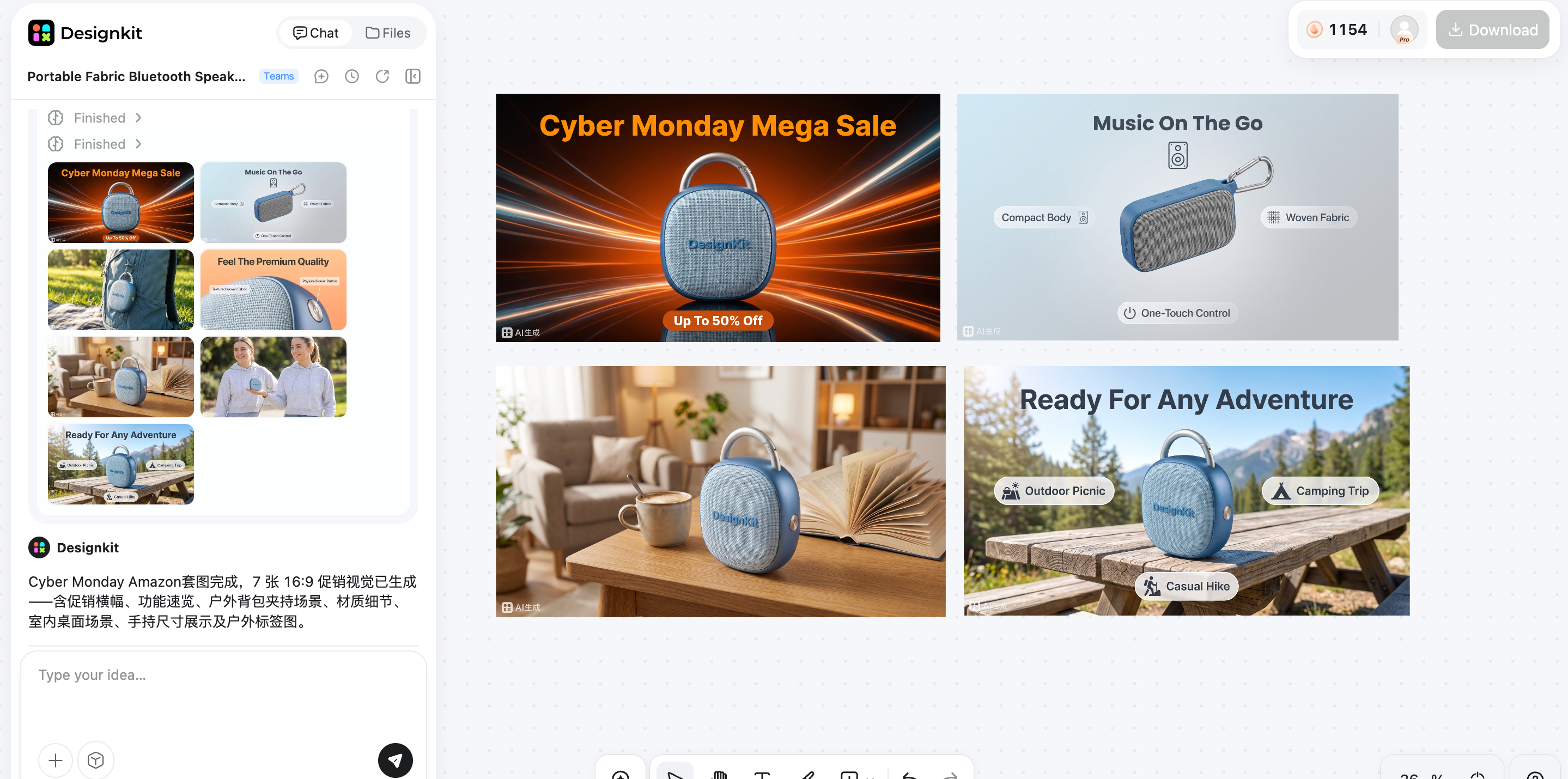
The Cyber Monday campaigns running on multiple platforms, demanding a lot of creative assets, can make creating compelling visuals a challenge. Designkit makes it easier. They use AI to create product images, promotional banners, lifestyle scenes, and marketing videos from your product photos. This allows ecommerce teams to deliver campaign-ready creatives faster and confidently run promotions across all sales channels.

How to create Cyber Monday marketing assets with Designkit
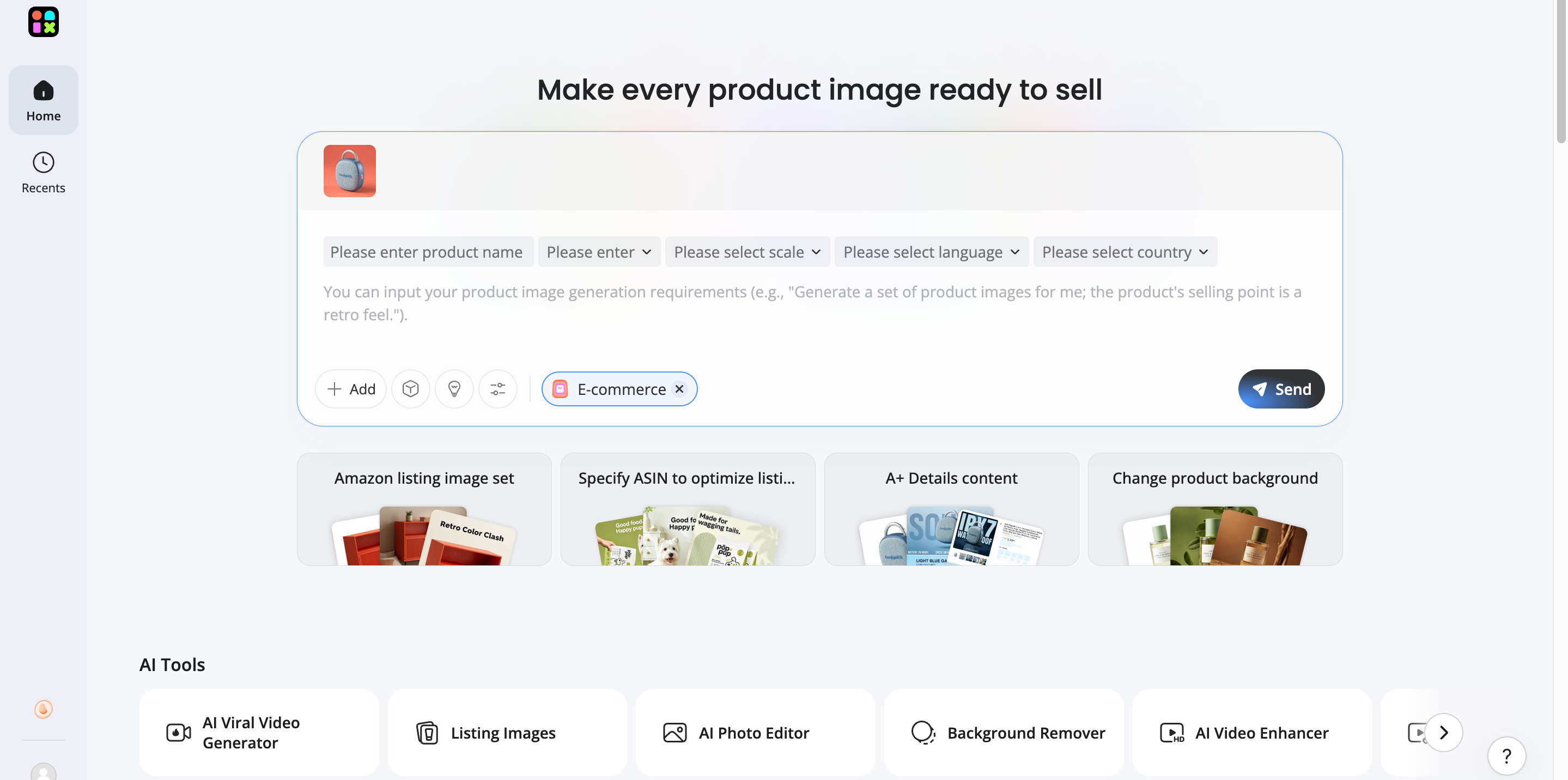
Step 1: Upload product image
Upload your product photos or catalog images to Designkit to start your campaign. These images become the foundation for generating branded Cyber Monday creatives while maintaining a consistent look across all marketing assets.
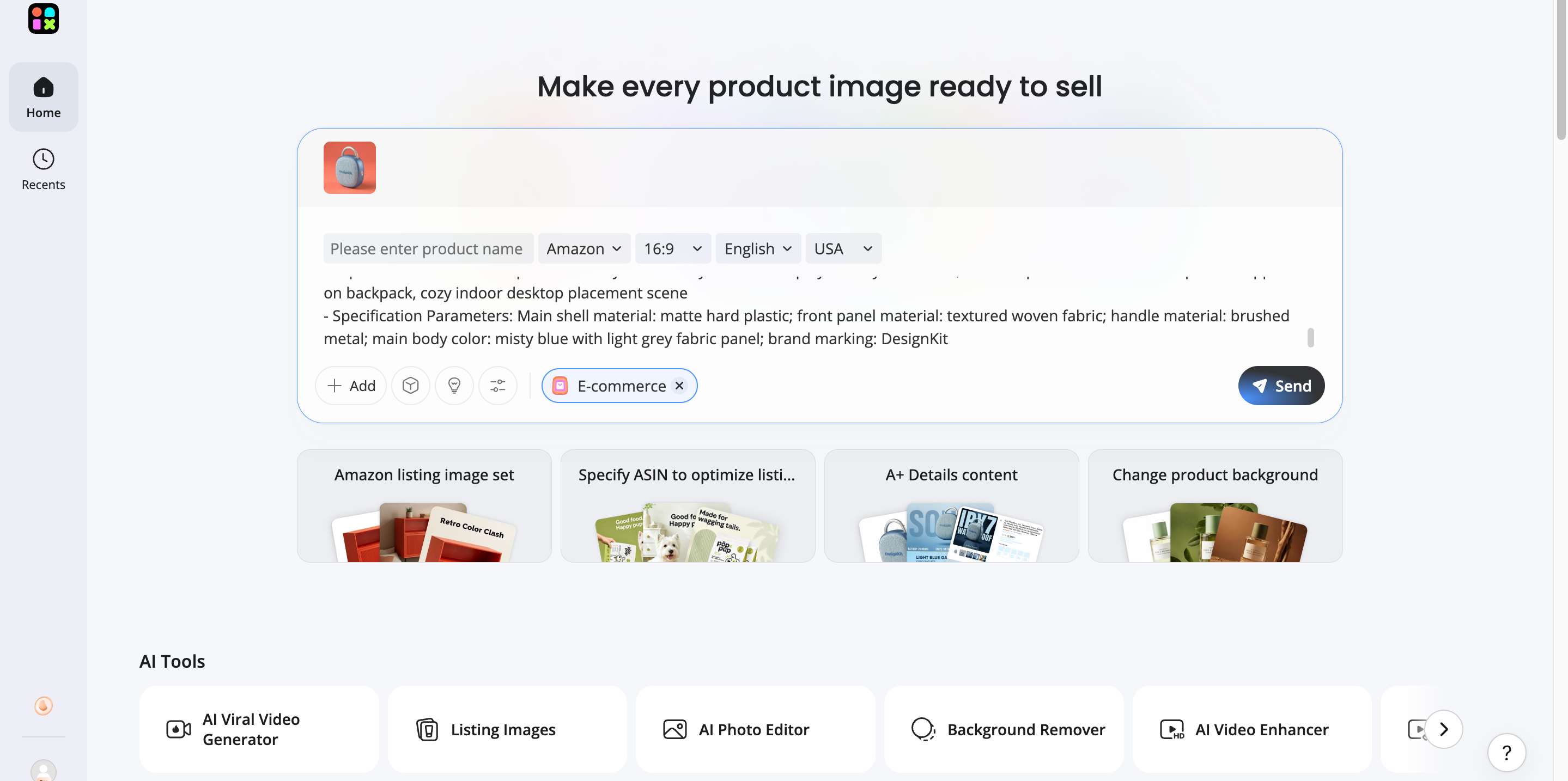
Step 2: Generate promotional creatives
Create Cyber Monday banners, product showcase images, lifestyle scenes, social media graphics, and marketing videos. Generating multiple creative variations allows you to test different offers, messaging, and visual styles before launching your campaign.
Step 3: Export and launch campaigns
Create Cyber Monday Marketing Assets Free
Export your finished creatives in formats optimized for Shopify, Amazon, TikTok Shop, Instagram, Facebook, email marketing, and Google Ads. This helps you launch campaigns faster while maintaining consistent branding throughout Cyber Week.
Designkit features for Cyber Monday marketing
-
Create high-converting product visuals: Generate professional product images for Cyber Monday promotions, ecommerce listings, and online marketplaces that help attract more shoppers.
-
Generate multiple campaign variations: Create different banners, social ads, and promotional creatives for A/B test messaging, offers, and visual styles across channels.
-
Repurpose creatives across sales channels: Resize and adapt marketing assets for Shopify, Amazon, TikTok Shop, Instagram, Facebook, email campaigns, and Google Ads without redesigning from scratch.
-
Maintain consistent branding at scale: Keep product visuals, colors, messaging, and promotional designs consistent across every Cyber Monday campaign, regardless of channel.
-
Produce campaign assets faster with AI: Reduce manual design work by quickly generating banners, lifestyle images, promotional graphics, and short marketing videos for time-sensitive campaigns.
Cyber Monday marketing mistakes to avoid
Even the best Cyber Monday offers can underperform if common marketing mistakes go unnoticed. Poor planning, repetitive creativity, and a weak customer experience can reduce traffic and conversions during one of the busiest shopping events of the year.
Starting promotions too late
You might miss out on shoppers who start researching deals days before Cyber Monday when you wait to launch your campaign. Promote early with teaser campaigns, countdowns and early-access offers to build anticipation and drive more traffic.
Focusing only on discounts
Competing solely on price can reduce profit margins and make your brand less memorable. Instead, add value through exclusive bundles, free shipping, loyalty rewards, or limited-time offers that encourage customers to buy.
Reusing one creative everywhere
Using the same creativity across every channel can reduce engagement because each platform has different audience preferences. Create multiple banners, videos, and ad variations to improve performance and test what resonates best.
Ignoring mobile shoppers and site capacity
Many Cyber Monday purchases happen on mobile devices, so a slow or poorly optimized website can lead to abandoned carts. Ensure your site loads quickly, works seamlessly on mobile phones, and can handle increased traffic during peak shopping hours.
Not preparing enough assets
A successful Cyber Monday campaign requires a variety of creative assets, including product images, banners, social posts, email graphics, and videos. Preparing enough assets in advance allows teams to launch campaigns faster and test multiple creative variations.
Treating CM as a copy-paste of Black Friday
Simply repeating Black Friday promotions can make your Cyber Monday campaign feel less exciting. Introduce fresh offers, exclusive online deals, or personalized promotions to give shoppers a new reason to return.
Stopping Monday night with no Cyber Week/retention follow-up
Cyber Monday should be part of a broader Cyber Week strategy rather than a one-day event. Continue engaging customers with retargeting ads, abandoned cart emails, personalized recommendations, and follow-up offers to recover additional sales and strengthen customer loyalty.
Final thoughts
Cyber Monday is more than a one-day sales event; it's an opportunity for ecommerce businesses to attract high-intent shoppers, increase conversions, and maximize holiday revenue. Success comes from combining exclusive offers, effective marketing strategies, engaging advertising, and a seamless shopping experience across every channel. High-quality creative assets also play a key role in capturing attention and driving sales. With AI-powered tools like Designkit, businesses can quickly create product images, promotional banners, videos, and social media creatives, making it easier to launch consistent, high-performing Cyber Monday campaigns and stay competitive throughout Cyber Week.
Frequently Asked Questions
What is Cyber Monday?
How long does Cyber Monday last?
Officially, Cyber Monday lasts for one day, but many retailers extend their promotions throughout Cyber Week. Depending on the brand, discounts may continue for several days after Monday. This gives shoppers more time to browse products and complete their purchases.
Is Cyber Monday only online?
Yes, Cyber Monday is primarily an online shopping event focused on ecommerce websites, mobile apps, and online marketplaces. Although some retailers offer in-store pickup or selected offline promotions, most Cyber Monday deals are available online. This makes it especially valuable for ecommerce businesses.
What is the difference between Cyber Monday vs Black Friday?
Black Friday combines in-store and online shopping, while Cyber Monday focuses on online sales. Black Friday often highlights retail doorbuster deals, whereas Cyber Monday centres on digital promotions and ecommerce offers.
When is Cyber Monday for Amazon?
Amazon typically celebrates Cyber Monday as part of its larger Cyber Week event. Deals often begin before Cyber Monday and continue for several days afterward, with offers changing throughout the week. The exact schedule and featured products vary each year.
What are the best Cyber Monday marketing ideas?
Effective ideas include teaser campaigns, early-access offers, product bundles, personalised recommendations, gift guides, countdown timers, and automated email or SMS campaigns that keep shoppers engaged throughout Cyber Week.
What are the best Cyber Monday advertising strategies?
Successful strategies include Google Shopping campaigns, social media advertising, retargeting Black Friday visitors, short-form product videos, user-generated content, and testing multiple creatives to improve campaign performance.
How can AI help create Cyber Monday campaigns?
AI helps businesses create product images, promotional banners, marketing videos, and social media graphics much faster. It also enables teams to generate multiple creative variations while maintaining consistent branding across every marketing channel.
You May Also Like

Amazon A+ Content Dimensions: Module Image Sizes
Print-On-Demand Designs: Create, Prepare, and Preview Your Work

Amazon A+ Content: What It Is and What to Build First
Is Print on Demand Profitable in 2026? Products and Niches
Amazon Brand Registry Application: How to Submit and Pass Review
How to Ship to Amazon FBA: Your First Shipment
What Is Amazon FBA? Should Beginners Use It in 2026

How to Get Ungated on Amazon: Restricted Category Approval Steps
Amazon Backend Keywords: Title, Bullets & Search Terms
What Is A/B Testing? A Practical Guide to Running Better Experiments
Best Time to Post on Instagram in 2026: Data & Tips
How to Get Verified on Instagram: Complete Guide

TikTok Monetization in 2026: Requirements & Ways to Earn

Instagram Desktop Posting Guide: Upload Posts, Stories & Reels
YouTube Shorts Monetization Requirements & Rules 2026
How Much Does YouTube Pay Per View? 1K, 100K & 1M Views
How to Make Money on Snapchat: 7 Ways to Earn

How to Get More Followers on Instagram in 2026
Best Time to Post on TikTok in 2026 for More Views
How to Repost on Instagram in 2026: A Simple Guide
Multichannel Marketing Guide: Strategy, Tools & Examples
How to Create Digital Products That Sell in 2026
Cyber Monday Marketing Ideas & Strategies (2026 Guide)
Black Friday Marketing Ideas for Ecommerce Brands (2026)
Instagram Marketing Guide: Strategies, Tips & AI Tools in 2026
Influencer Marketing Guide: Strategy, Campaigns & Creator Tips

15 Best Things to Sell on Etsy in 2026 (Listing Tips Included)
WooCommerce vs Shopify 2026: Pricing, Features & Which Is Better
How to Sell on Facebook Marketplace: Beginner Guide (2026)
How to Use Pinterest for Business: Strategy, Tips & Growth Guide

How to Sell on Etsy in 2026: Setup, Listings & Growth Tips
What Is a Target Audience? Types, Examples & How to Find Yours
TikTok Marketing Guide 2026: Strategies, Ideas & AI Tools

Vibe Marketing Explained: Strategy, Examples & AI Tools
How to Sell on Depop: Beginner Guide to Getting Your First Sale
Online Advertising Guide: Types, Costs & Examples (2026)
Facebook Advertising Guide: Costs, Strategy & Tools 2026
What Are E-commerce Ads? Examples, Strategy & Tools (2026)
Where to Sell Handmade Items Online (2026): Etsy, Amazon, or Shopify?
Shopify vs Amazon (2026): Brand Store or Marketplace FBA?
Amazon Handmade vs Etsy (2026): Which Is Better for Makers?
Etsy vs eBay (2026): Handmade, Vintage, or Secondhand?
Selling on Amazon vs eBay (2026): Fees, Profit & Where to Sell

What Is Brand Awareness? Examples, Strategies & Tools 2026

10 Best Online Selling Platforms (2026): Pick by What You Sell
Shopify vs Etsy (2026): Which Is Better for Handmade Sellers?

YouTube Automation Step-by-Step AI Guide for Beginners
What Is Brand Identity? Examples, Elements & Strategy

AI Marketing Agent: How It Works, Benefits & E-Commerce Examples
What Is Personalized Advertising? Examples & How It Works
How to Build a Shopify Store That Actually Converts Visitors
Amazon Marketing Guide 2026: Strategies, Tips & Tools
Local Advertising: Strategies, Examples & Tools (2026)
What Is Branded Content? Examples, Strategy & Tools 2026

What Is Performance Marketing? Strategies & Examples 2026
Inbound Marketing: Strategies, Examples & Tools (2026)
Create Cyber Monday Campaigns Faster with AI
Create Cyber Monday product images, banners, videos, and ads faster with Designkit's AI tools. Build standout ecommerce campaigns with less effort.