
Etsy vs eBay: Where Should You Sell Handmade, Vintage, or Secondhand?
Etsy vs eBay comes down to inventory type, buyers, and fees. Match handmade, true vintage, or everyday secondhand to the right marketplace.

If you are comparing etsy vs ebay, the practical question is where your products sell and what you keep after fees. Marketplace size matters less than inventory fit.
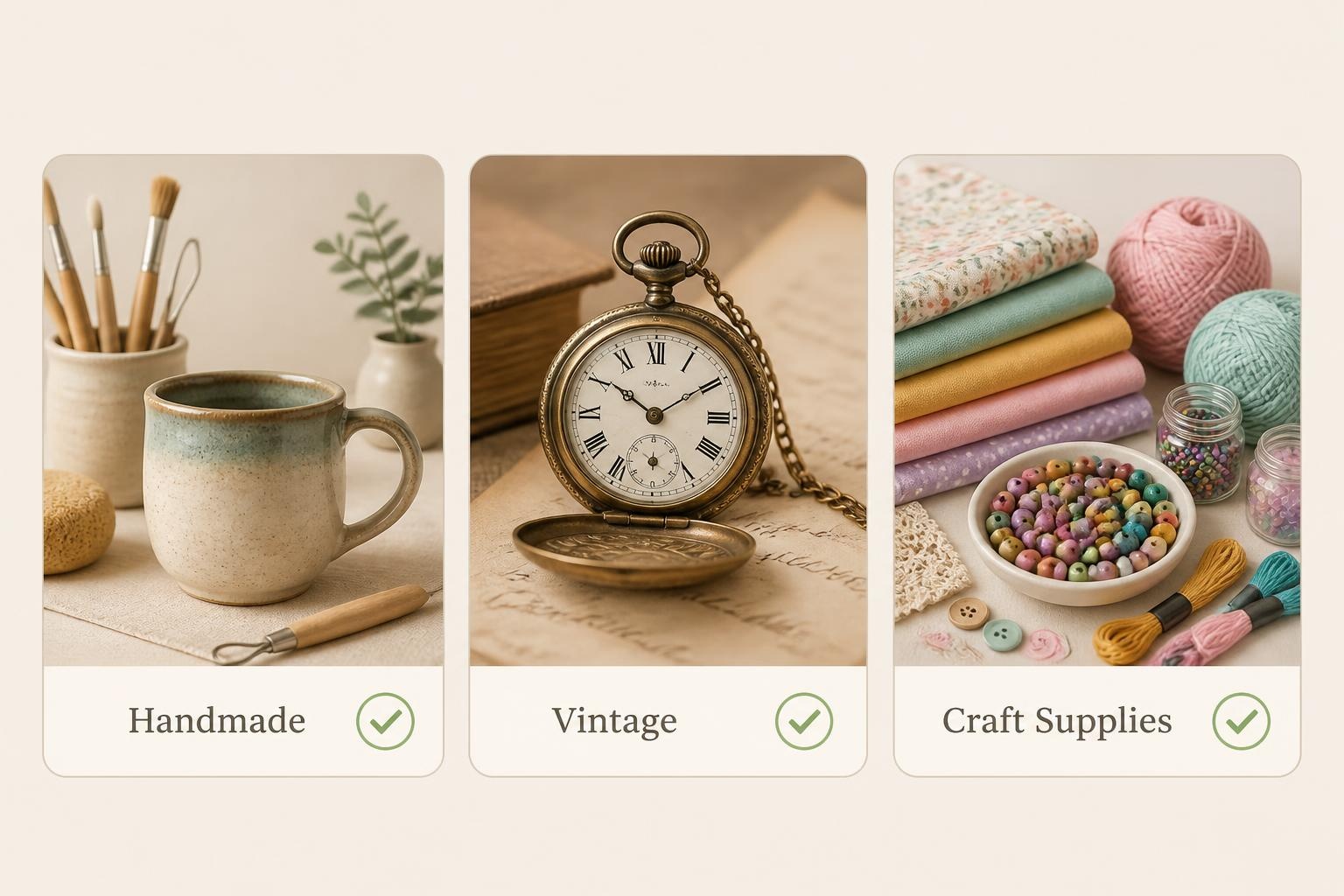
Etsy focuses on handmade goods, vintage items, and craft supplies. eBay supports a wider catalog: new products, used goods, refurbished electronics, collectibles, and everyday secondhand. One rule blocks many new sellers: everyday secondhand is not vintage.
According to Etsy’s Seller Policy, vintage listings generally need to meet age requirements (often 20+ years). Handmade and craft supply items have separate eligibility rules. Review current policy before you buy or list inventory.
This guide covers product fit, etsy vs ebay fees, buyer intent, shipping expectations, and when selling on both makes sense.
Quick Verdict: Selling on Etsy vs eBay
| If you sell | Better choice | Why |
|---|---|---|
| Handmade products | Etsy | Buyers look for handcrafted and personalized goods |
| Custom / personalized gifts | Etsy | Personalization is a primary purchase driver |
| Vintage (20+ years) | Usually Etsy | Lifestyle buyers value uniqueness and story |
| Craft supplies | Etsy | Makers already shop there |
| Used electronics / auto parts | eBay | Buyers search by brand, model, and condition |
| Everyday secondhand / thrift lots | eBay | Most of this inventory is not Etsy-eligible |
| Collectibles | Usually eBay | Auctions and Best Offer help price discovery |
Who is Etsy best for?
- Makers selling handmade or made-to-order products
- Sellers of age-qualified vintage fashion, décor, and jewelry
- Craft supply shops that meet Etsy’s category rules
- Businesses that win through branding, personalization, or gift positioning
Who is eBay best for?
- Resellers of used, open-box, or refurbished goods
- Sellers of electronics, tools, auto parts, and branded resale stock
- Dealers who use auctions or Best Offer
- Sellers with broad, mixed catalogs that would fail Etsy eligibility
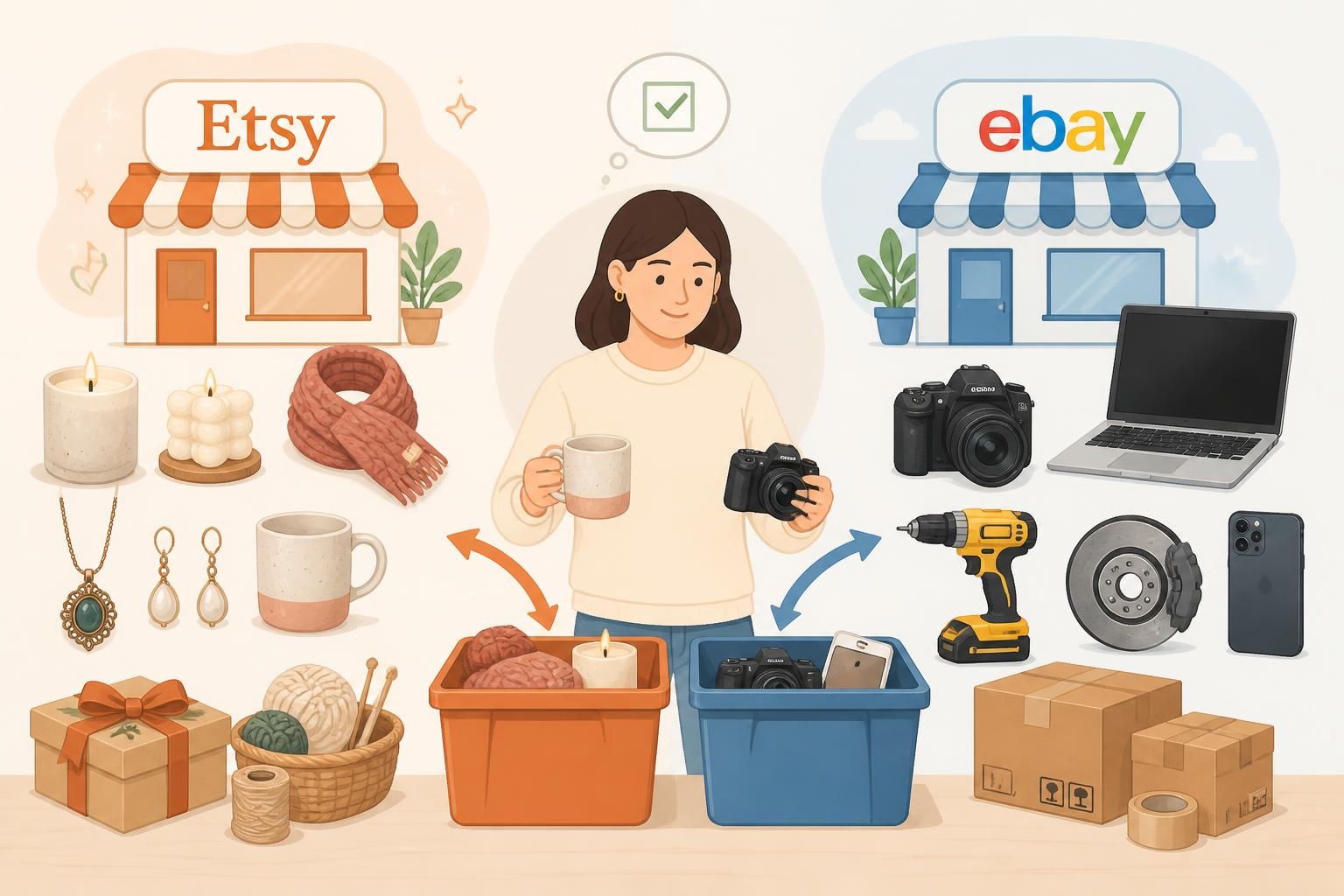
Use both when inventory splits cleanly: handmade candles and vintage décor on Etsy; used cameras and open-box electronics on eBay. Assign SKUs by rules and buyer intent, not by listing everything everywhere.
How Etsy and eBay Selling Works
Etsy is a curated marketplace. Buyers often arrive looking for handmade products, personalized gifts, vintage pieces, and craft supplies. Listings are usually fixed price. Shops compete through presentation, photos, reviews, and personalization as much as price.
eBay is an open marketplace. Buyers search brands, model numbers, replacement parts, used goods, refurbished electronics, and collectibles. Sellers can use Buy It Now, auctions, or Best Offer in eligible categories. Price, condition, shipping speed, and seller ratings usually matter more than a maker story.
What can you sell on each marketplace?
Inventory eligibility is often the first decision, not fees.
| Category | Etsy | eBay |
|---|---|---|
| Handmade / personalized | Yes | Yes |
| Vintage (age-qualified) | Yes | Yes |
| Craft supplies | Yes | Yes |
| Everyday used goods | Limited | Yes |
| Refurbished electronics / auto parts | Rare | Yes |
| General resale / most dropshipping | Mostly restricted | Allowed within policy |
Etsy listings generally need to fit handmade, vintage, or craft supplies. General reselling and most dropshipping models are restricted unless they meet production-partner or other published exceptions.
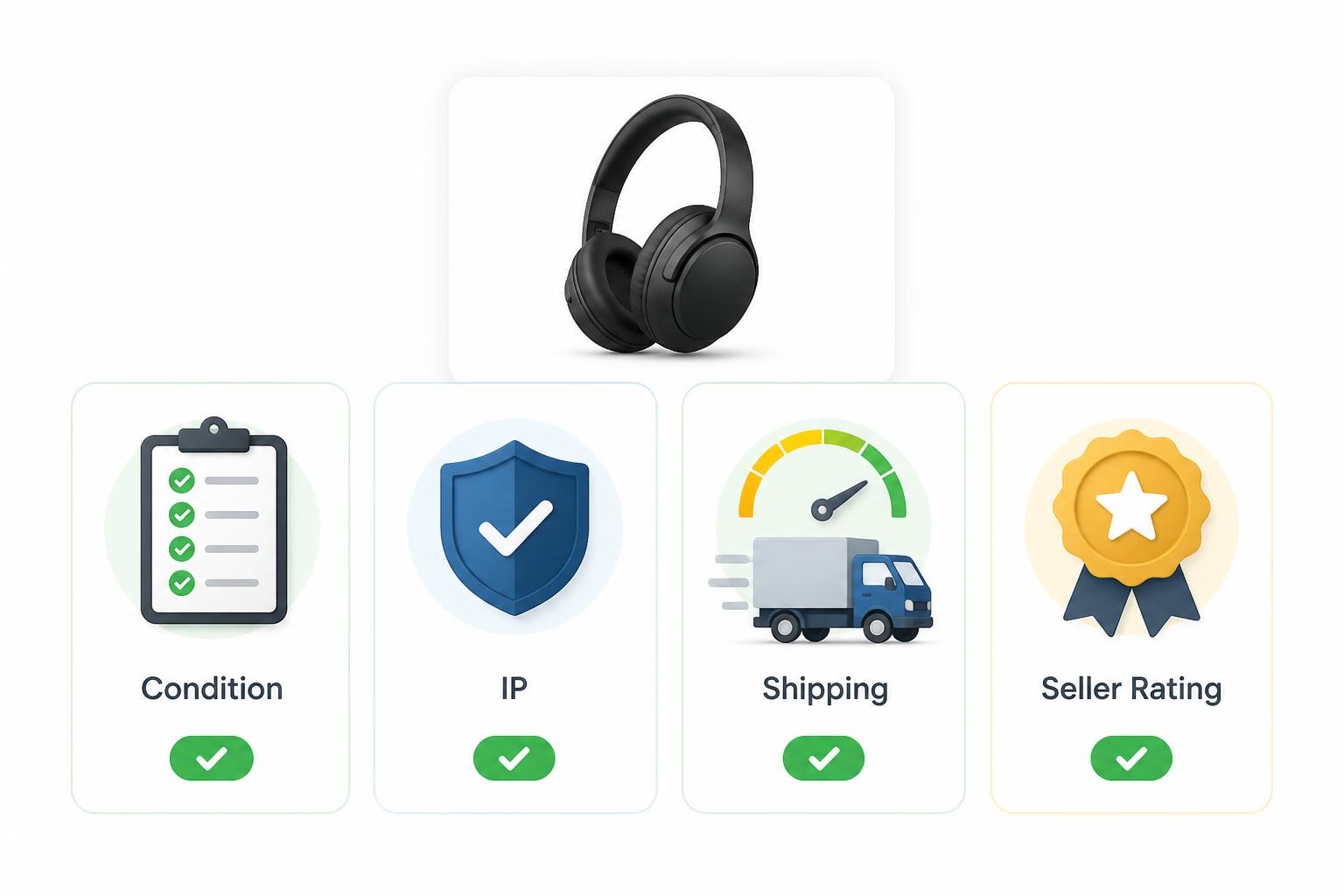
eBay focuses less on origin and more on accurate condition, IP compliance, shipping performance, and seller standards. Confirm details in current Etsy seller policies and eBay policies.
Etsy vs eBay at a glance
| Feature | Etsy | eBay |
|---|---|---|
| Best for | Handmade, vintage, craft supplies | Used, refurbished, collectibles, broad resale |
| Buyer intent | Unique products and gifts | Deals, brands, model-specific shopping |
| Listing format | Fixed price | Auction, Buy It Now, Best Offer |
| Rules pressure | What you can sell | How accurately and quickly you sell |
| Discovery | Search plus browsing | Primarily search-driven |
What Does It Cost to Sell on Etsy vs eBay?
Many sellers start with etsy vs ebay selling fees. Fees matter, but they rarely decide alone. A better question is what you keep after advertising, shipping, renewals, and returns.
Before you price inventory, ask:
- Will this item sell before the listing renews?
- Will buyers pay shipping, or will you offer free shipping?
- Are you using paid ads?
- Does this category return often?
Rates change by country, category, and account type. Verify official sources before you publish prices:
- Etsy Fees and the Etsy Seller Handbook
- eBay Selling Fees and Seller Center help

Etsy fee stack
- Listing fee per published or renewed listing (commonly $0.20 in the US)
- Transaction fee on the order value Etsy defines (commonly 6.5%, and shipping or gift wrap may be included)
- Payment processing through Etsy Payments (US sellers often see about 3% + $0.25)
- Optional Etsy Ads (often CPC) and Offsite Ads on qualifying attributed sales
eBay fee stack
- Monthly free-listing allotment for many sellers, then insertion fees
- Final value fee by category
- Small per-order fee
- Optional Promoted Listings and store subscriptions
Example: what a $100 sale can look like
Illustrative US example only. Product cost, shipping labels, taxes, ads, and returns are excluded. Assumes a $100 item price with no buyer-paid shipping in the model.
| Marketplace | Example fee structure | Also watch |
|---|---|---|
| Etsy (no Offsite Ads) | About $0.20 listing + $6.50 transaction + about $3.25 payment processing ≈ $9.95 | Offsite Ads and buyer-paid shipping can raise the total |
| eBay | Category final value fee (often mid-teens) + about $0.40 per-order | Promoted Listings and free-shipping competition also affect margin |
Run your own price, shipping method, category, and ad settings through current fee pages. Headline percentages are not enough.
How do advertising fees differ?
Etsy Ads usually charge when shoppers click, whether or not they buy. Offsite Ads promote listings outside Etsy and can take an extra share of attributed sales under current Etsy rules. Participation rules can change with sales volume, so read the current Offsite Ads help pages.
eBay Promoted Listings typically charge a seller-set percentage when a promoted click leads to an attributed sale. That can feel more revenue-linked than CPC, but heavy promotion still compresses margin in price-sensitive categories.
How do shipping and fulfillment compare?
On Etsy, buyers often accept longer processing times for handmade or made-to-order work when those times are stated clearly. Packaging quality and gift presentation can help conversion.
On eBay, buyers in electronics, parts, and consumer goods often expect fast dispatch, tracking, and competitive shipping prices. Shipping metrics feed seller standards, so fulfillment quality becomes an operating cost as volume rises. Industry seller surveys such as Jungle Scout’s annual Amazon seller reporting also remind multichannel sellers that advertising and inventory operations often dwarf the headline marketplace take rate once volume grows. The same habit helps on Etsy and eBay: budget ops, not only commission.
Hidden costs sellers often miss
| Cost | Why it matters |
|---|---|
| Listing renewals | Slow movers keep charging Etsy listing fees |
| Advertising | Competitive niches may need paid visibility |
| Returns and refunds | Apparel, electronics, and collectibles return more often |
| Packaging and labor | Photos, packing, and support consume time |
| Policy risk | Removals and suspensions stop sales immediately |
Which Products Sell Better on Etsy vs eBay?
How do buyers and competition differ?
On Etsy, shopping is often discovery-led: design, craftsmanship, and reviews shape the decision. A buyer hunting a personalized wedding gift may browse many shops. On eBay, shopping is often search-led: a used Canon body or Bosch alternator gets compared on brand, model, condition, shipping, and price. Match inventory to that intent.
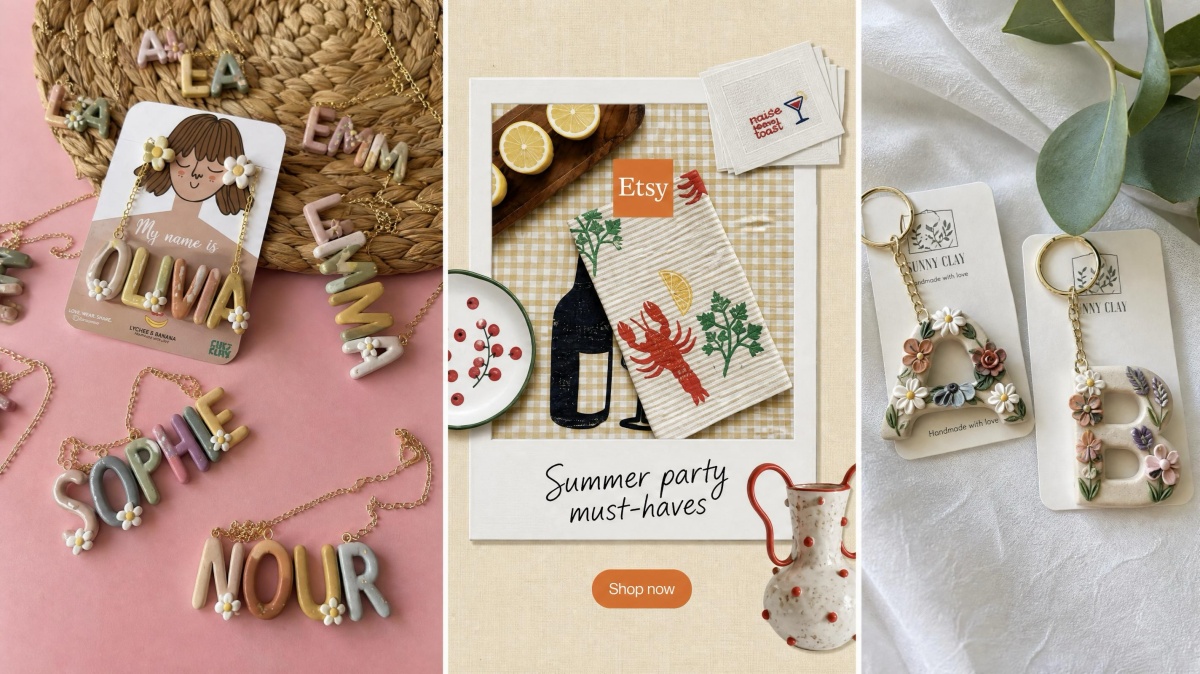
Handmade and custom goods
Best default: Etsy. Buyers expect originality, materials detail, personalization, and gift-ready presentation. Handmade can sell on eBay, but price pressure is usually stronger unless the work already has collector demand.
Vintage items (20+ years)
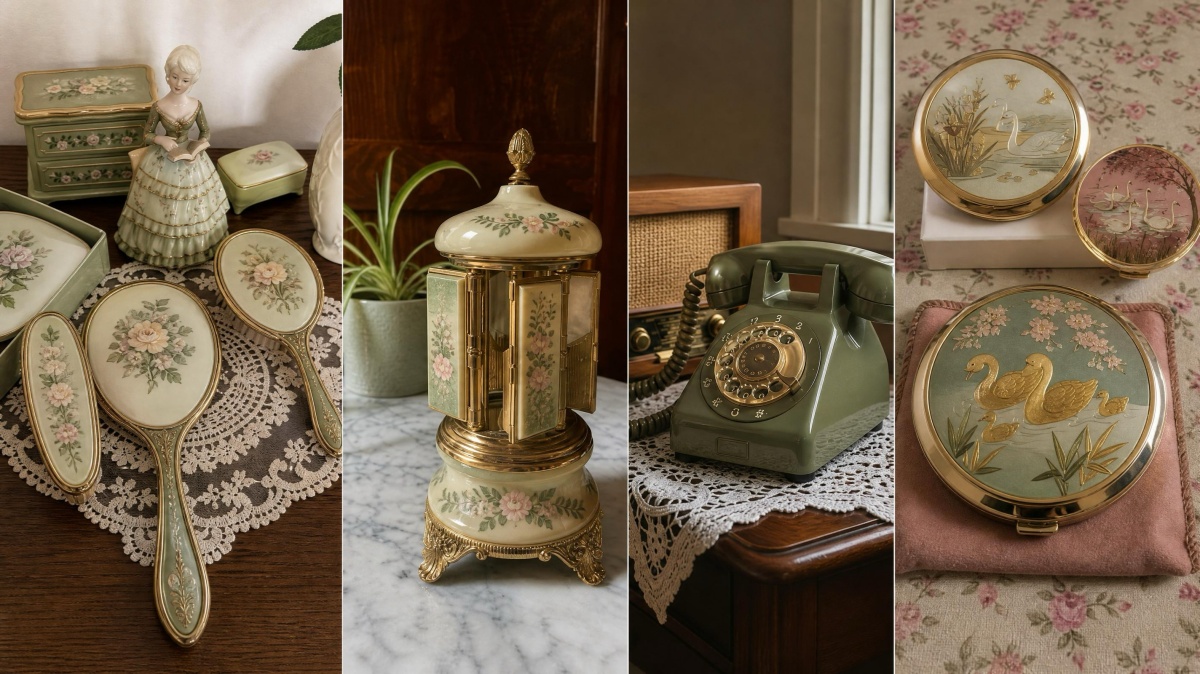
Both platforms work, for different reasons. Etsy often fits fashion, jewelry, home décor, and decorative antiques that benefit from styling and story. eBay often fits cameras, vinyl, watches, cards, coins, and other search-driven collectibles where auctions help find a market price. Split story-driven vintage to Etsy and model-driven collectibles to eBay when you have both.
Everyday secondhand (not vintage)
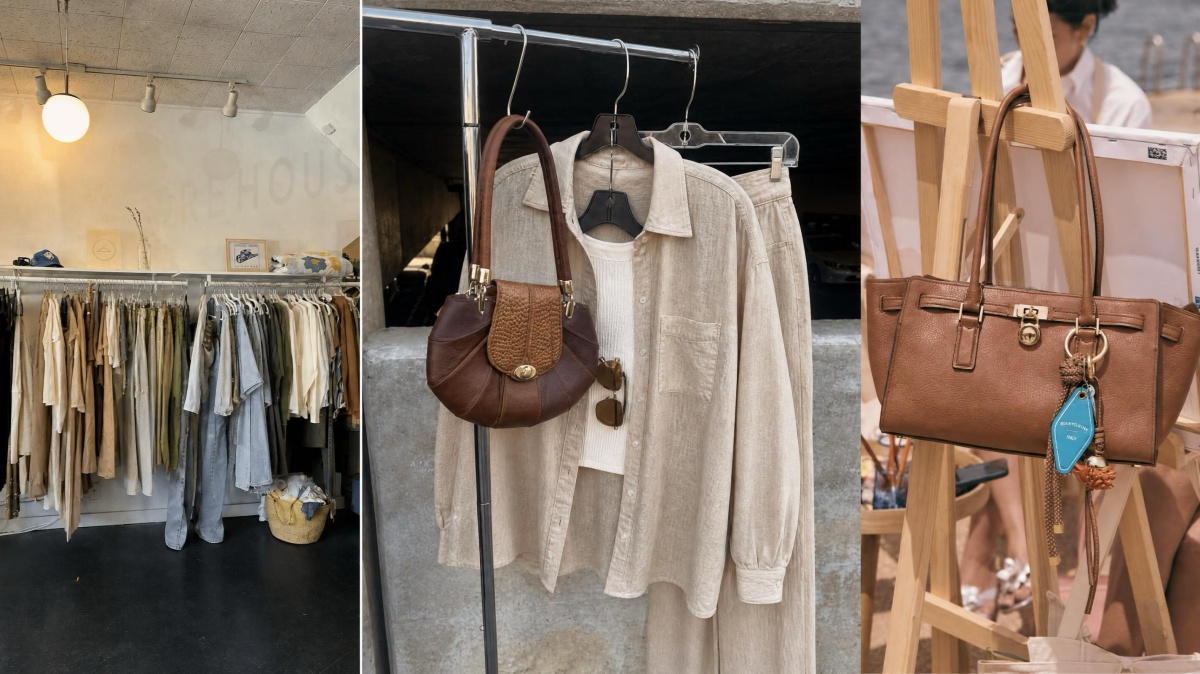
Best default: eBay. A five-year-old jacket or last-year phone is used resale, not vintage. Garage-sale, estate, and thrift lots usually belong here.
Electronics, parts, refurbished goods, and collectibles
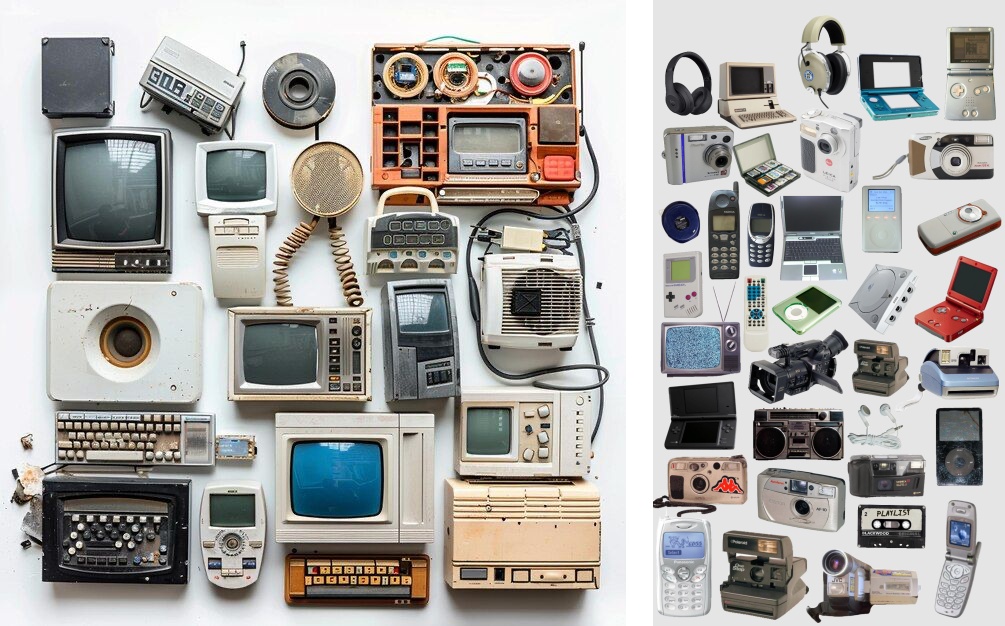
Best default: eBay. Specs, compatibility filters, Buy It Now, Best Offer, and auctions fit these buyers. Craft supplies usually lean Etsy, assuming they meet current craft-supply rules.
What marketplace rules restrict inventory?
Etsy mainly restricts what you sell: handmade, vintage, or craft supplies, plus disclosures for production partners or certain AI-assisted design uses when required. eBay mainly restricts how you sell: accurate grading, authentic goods, IP compliance, shipping performance, and seller standards. Listing the wrong inventory can mean removals or account limits. Marketplace Pulse and other marketplace-reporting outlets consistently treat policy fit as a growth filter alongside fees, which matches how operators actually lose selling time.
Which Marketplace Should You Choose?
Etsy pros
- Buyer intent matches handmade, custom, and age-qualified vintage
- Shop branding and storytelling are native
- Personalization can be a real edge
- Gift and occasion demand is strong
Etsy cons
- Strict eligibility for many secondhand lots
- Listing renewals tax slow inventory
- Ads and Offsite Ads can shrink margins
- Popular handmade niches are crowded
eBay pros
- Wide inventory flexibility for used and new goods
- Auction and Best Offer formats clear mixed stock
- Free listing allotments help larger catalogs
- Strong demand in electronics, parts, and collectibles
eBay cons
- Final value fees are often higher by category
- Shipping speed and metrics create more ops pressure
- Price competition is intense
- Promoted Listings may be needed for visibility
Recommendations by seller type
| Seller type | Start here | Reason |
|---|---|---|
| Handmade creator / custom gifts | Etsy | Buyers already shop for craft and personalization |
| Vintage clothing / décor | Etsy | Styling and story add value |
| Vintage collectibles dealer | Etsy + eBay | Split by buyer intent |
| Garage-sale or thrift reseller | eBay | Eligibility and search fit |
| Electronics / auto parts | eBay | Model search and condition comparison |
| Mixed handmade + resale | Both | Route SKUs by marketplace rules |
Should you sell on Etsy and eBay at the same time?
Yes, if inventory sync, pricing, shipping, and customer service can handle two channels. A common split puts handmade, personalized gifts, vintage décor, and craft supplies on Etsy, and used electronics, secondhand apparel, collectibles, and refurbished goods on eBay. If you are new, master one marketplace first. For a wider channel map, see best platforms for selling online. Related reads: Shopify vs Etsy and selling on Amazon vs eBay.
Four questions before you commit
- Does the product qualify under Etsy’s handmade, vintage, or craft supply rules?
- Are buyers shopping for creativity and gifts, or brands and specs?
- Will storytelling and lifestyle photos influence the purchase?
- Can your shipping process meet that marketplace’s expectations?
Do Listing Photos Affect What You Keep?
Photos shape trust before shoppers read the description. On Etsy, lifestyle settings, materials, handcrafted details, packaging, and scale help gift buyers judge quality. On eBay, multi-angle shots, label close-ups, honest wear, measurements, and included accessories reduce returns by setting clear expectations.
Use this baseline set on either marketplace:
- Clean hero image
- Multiple angles
- Detail close-ups
- Visible defects for used or vintage goods
- Size reference
- Everything included in the sale
If you already have clear product photos and need more angles, lifestyle scenes, or marketplace crops without a new shoot, Designkit can help with visual production. It does not choose a marketplace or interpret fee rules for you.
How to create marketplace-ready images with Designkit
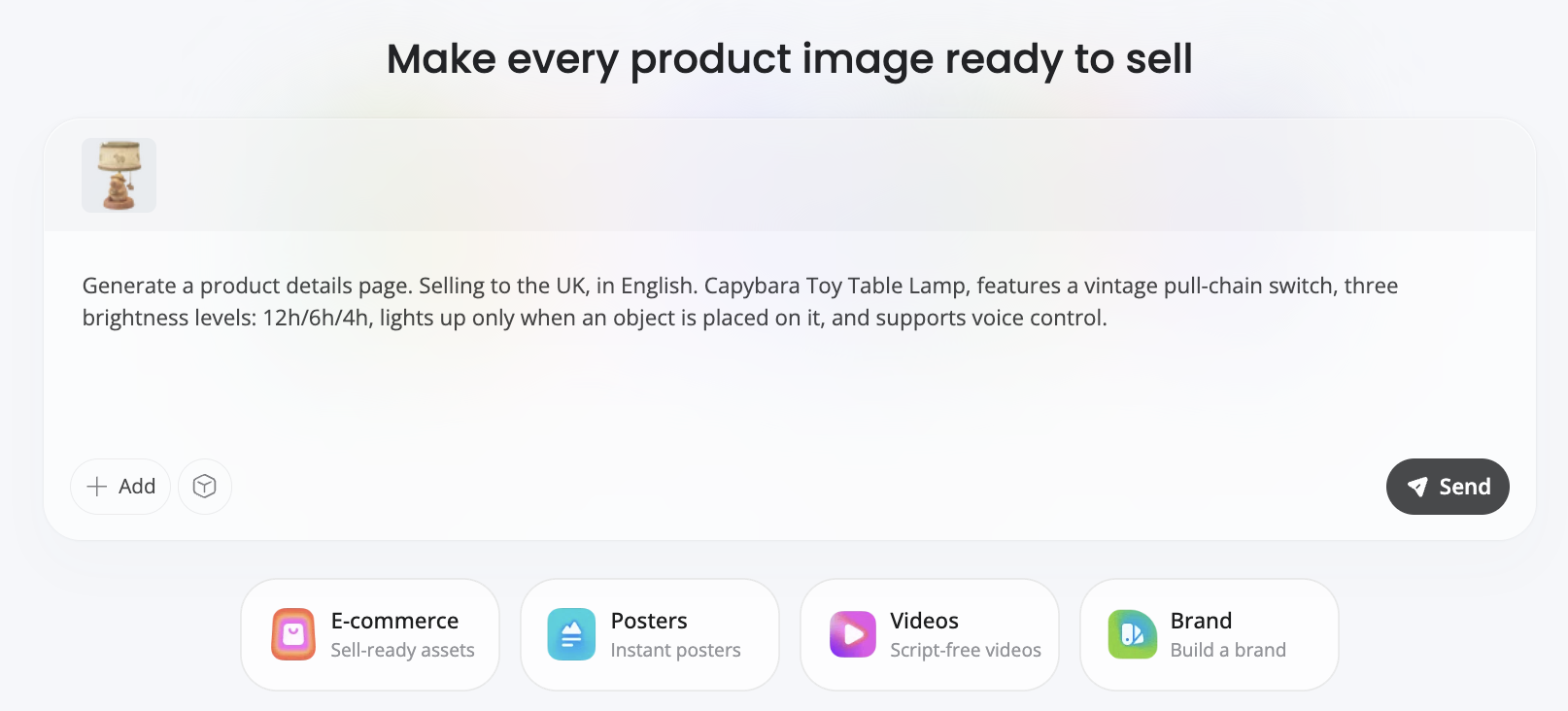
- Upload a real product photo. Prefer a clear base shot; keep wear visible on used and vintage items.
p>
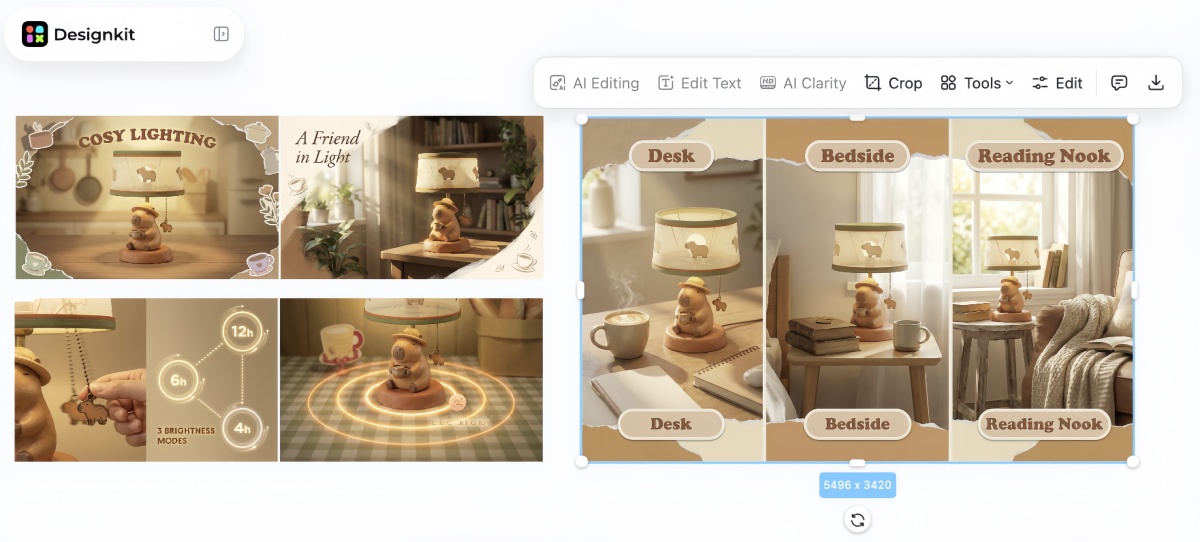
- Generate multi-angle or scene variants that fit gift-style Etsy listings or documentation-style eBay listings.
- Export sizes that match each marketplace’s image guidelines.

- Reuse the same asset set across Etsy, eBay, and social posts.
Editing should improve clarity, not hide damage. Marketplace policies require accurate condition, especially for vintage and secondhand goods.
Conclusion
Pick the marketplace that matches your inventory and buyer expectations, not the loudest brand or the lowest advertised percentage. Handmade, personalized goods, craft supplies, and age-qualified vintage usually belong on Etsy. Used products, refurbished electronics, collectibles, auto parts, and everyday secondhand usually belong on eBay. Mixed catalogs often perform best when SKUs are split across both.
Before you open a shop, verify eligibility, run a real fee estimate (including ads and shipping), and invest in accurate photos. Official fee and policy pages change; treat them as the source of truth.
References
Marketplace fees, eligibility rules, and ad programs change over time. Confirm official documentation before pricing or sourcing inventory.
Frequently Asked Questions
Is Etsy or eBay better for selling?
How much does Etsy take from a $100 sale?
On a simple illustrative US sale with no shipping in the fee base and no Offsite Ads, many sellers model about $9.95: roughly $0.20 listing + $6.50 transaction + about $3.25 payment processing. Offsite Ads or buyer-paid shipping can change that. Confirm on Etsy’s current fee page.
How much does eBay take from a $100 sale?
There is no single rate. Most sellers pay a category final value fee plus a small per-order fee, and optional Promoted Listings if used. Check your category on eBay’s Selling Fees page.
Can I sell used clothes on Etsy?
Usually only if they are handmade, age-qualified vintage, or otherwise eligible under Etsy policy. Recent secondhand fashion generally belongs on eBay or fashion resale apps.
Should I sell vintage on Etsy or eBay?
Story-driven fashion and décor often fit Etsy. Model-driven cameras, cards, coins, and memorabilia often fit eBay. Many dealers use both.
Is Etsy cheaper than eBay for sellers?
Sometimes on higher-margin handmade sales without heavy ad attribution. Renewals, Offsite Ads, Promoted Listings, and returns can flip the answer. Compare total cost on your own SKUs.
Can beginners sell on both Etsy and eBay?
Yes, but most should start with one eligibility track, stabilize listing and shipping, then expand. Inventory sync matters before dual listing.
Does eBay allow handmade products?
Yes. Buyer intent is still different: Etsy shoppers often seek makers and gifts; eBay shoppers often compare price, reviews, and shipping first.
You May Also Like

10 Best Online Selling Platforms (2026): Pick by What You Sell
Amazon Handmade vs Etsy (2026): Which Is Better for Makers?

Selling on Amazon vs eBay (2026): Fees, Profit & Where to Sell
Shopify vs Etsy (2026): Which Is Better for Handmade Sellers?
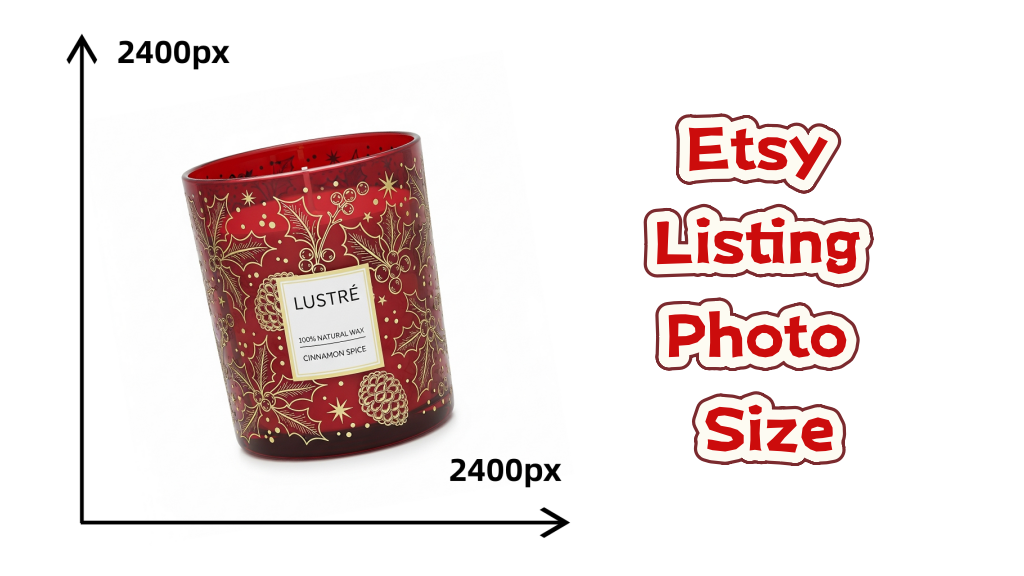
Etsy Listing Photo Size Guide (2026): Mobile, Desktop & Shop View Specs
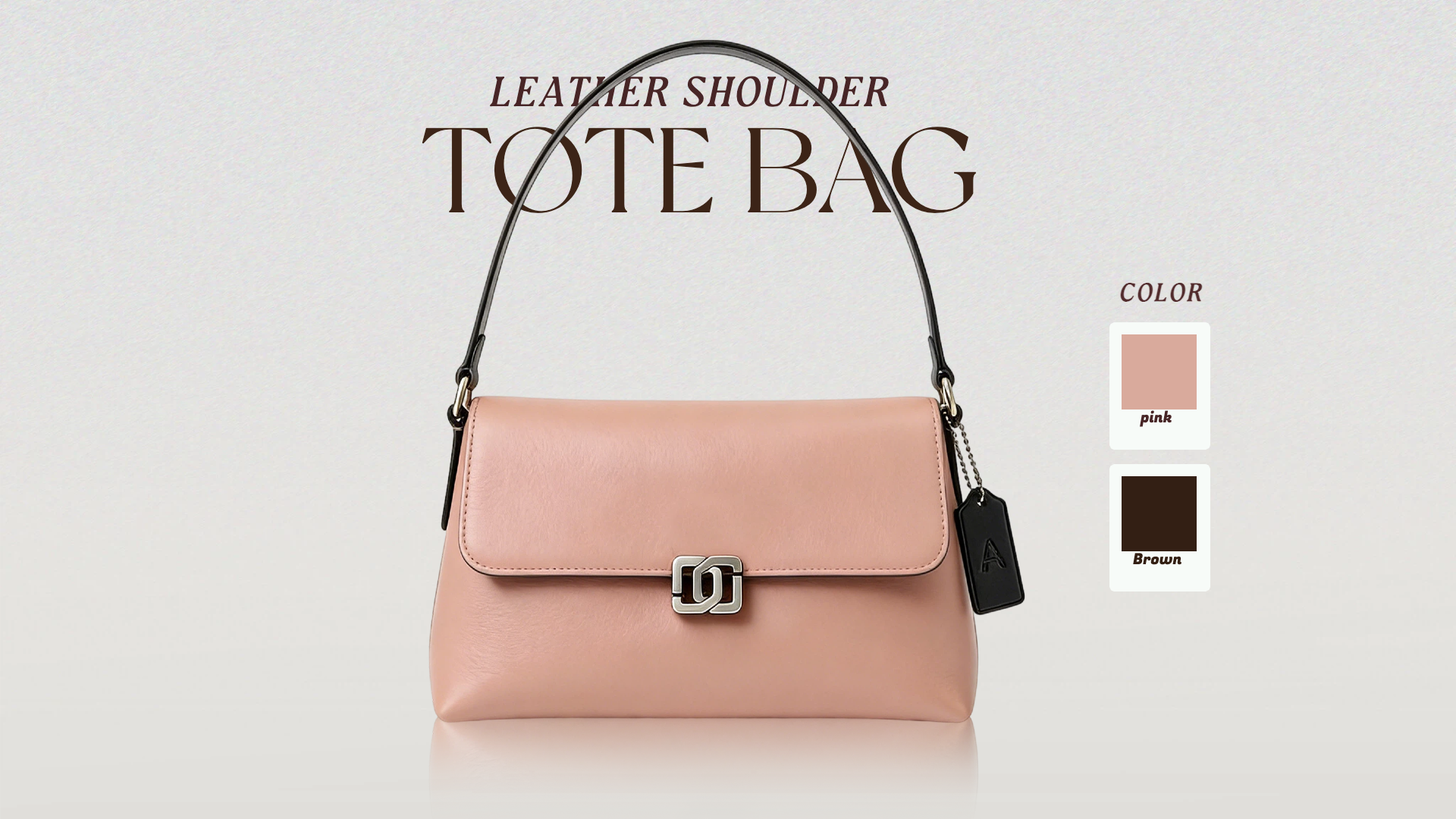
Etsy Thumbnail Optimization: Keep Your Product Fully Visible

How to Add Video to eBay Listing: Step-by-Step Seller Guide

How to Turn One Photo into 10 Etsy Listing Images Fast: Batch Workflow
Make Listing Photos Work for Handmade and Vintage Sellers
Reuse clean multi-angle shots across Etsy and eBay without a studio day for every SKU.