
Amazon Handmade vs Etsy: Where Should Handmade Sellers List?
Compare Amazon Handmade vs Etsy, then build clean Amazon heroes and Etsy craft shots faster with AI tool.

Choosing between Amazon Handmade vs Etsy is a core decision for makers selling jewelry, candles, ceramics, custom gifts, and other handcrafted goods. Both platforms sell handmade items, but they reward different models: Etsy favors shop storytelling and made-to-order work, while Amazon Handmade is a curated Amazon program built around approval, operational consistency, and optional Fulfillment by Amazon (FBA).
This guide compares eligibility, fees on a sample $100 sale, traffic and branding, fulfillment, and a practical path: start on Etsy, scale proven SKUs on Amazon Handmade, or run both with a clear split. Always verify current fees and rules on the Etsy Fees page and the Amazon Handmade program.
Quick Verdict: Amazon Handmade vs Etsy
Use this glance table first, then dig into fees and eligibility.
| Feature | Etsy | Amazon Handmade |
|---|---|---|
| Best for | Custom products, gifts, early validation | Established makers with repeatable inventory |
| Seller approval | Open shop (policies still apply) | Application and review required |
| Buyer intent | Handmade, unique, personalized | Convenience, reviews, fast shipping |
| Shop branding | Strong storefront and story control | Maker profile + standard Amazon product page |
| Fulfillment | Mostly seller fulfilled | Seller fulfilled or FBA for eligible products |
| Fee shape | Listing + % fees + payment processing (+ ads) | Referral-heavy; monthly Professional fee waived for approved Handmade after first month |
| Best growth stage | Test demand and build brand | Scale proven, replenishable SKUs |
Choose Etsy if you sell personalized or made-to-order products, need buyer conversations before production, want stronger shop branding, or are launching your first handmade business.
Choose Amazon Handmade if you already have products that sell consistently, can maintain inventory and ship on time, want Amazon customer reach, and may use FBA on eligible non-custom goods.
Use both if you keep customization and experiments on Etsy, and put standardized best sellers on Amazon Handmade. Reviews and inventory stay separate on each channel.
Who is Etsy best for?
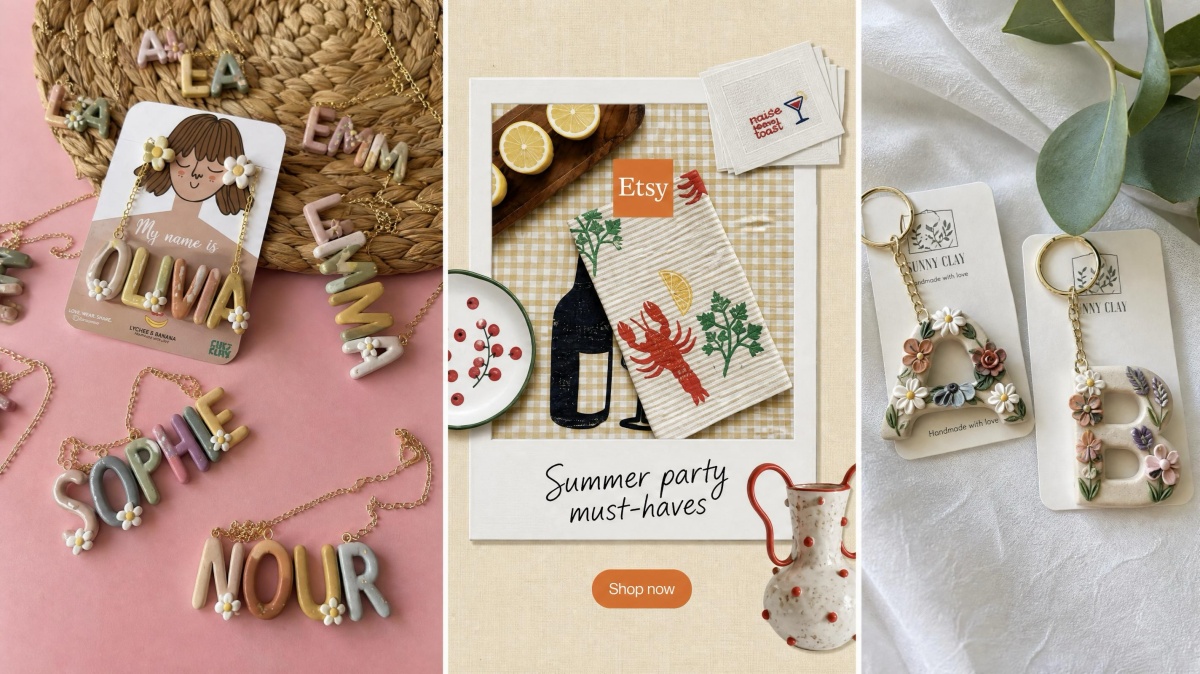
Independent makers selling personalized gifts, custom jewelry, candles, ceramics, knitted goods, wedding accessories, small-batch home décor, or other story-led handmade work. Etsy buyers often want to learn about the maker, not only compare price and delivery speed.
Who is Amazon Handmade best for?
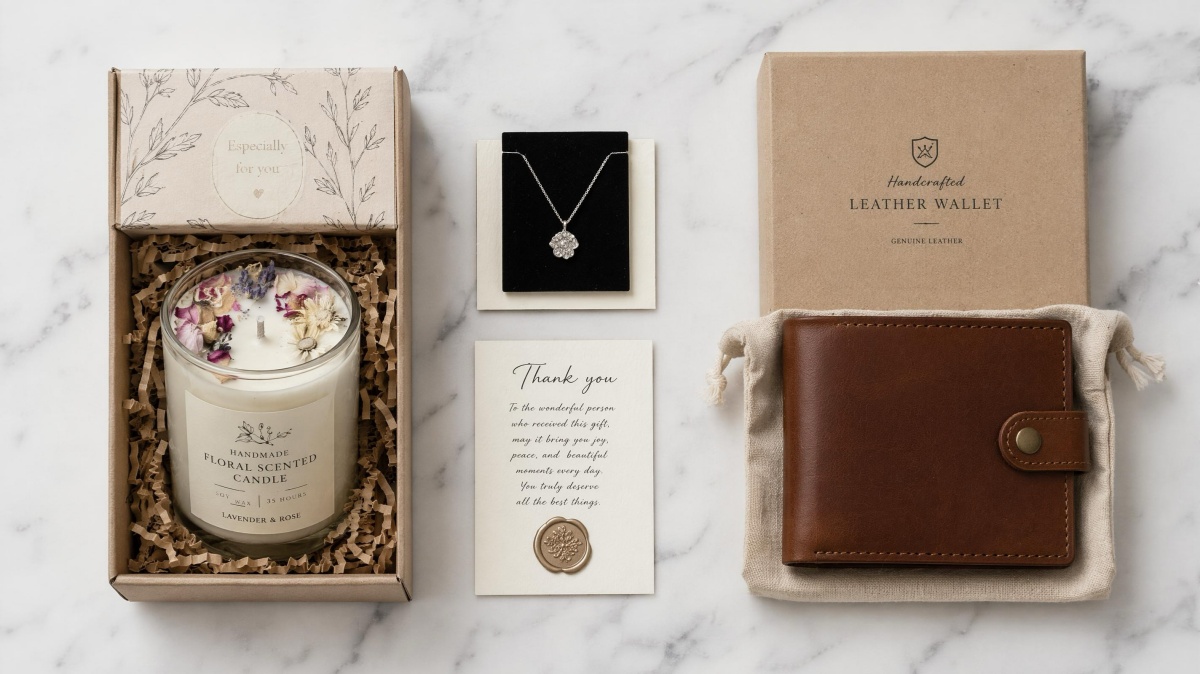
Approved artisans with repeatable production, consistent inventory, and capacity to meet Amazon performance metrics. Stronger when logistics speed and Prime-style expectations matter more than a boutique shop aesthetic.
How Do Amazon Handmade and Etsy Work for Makers?
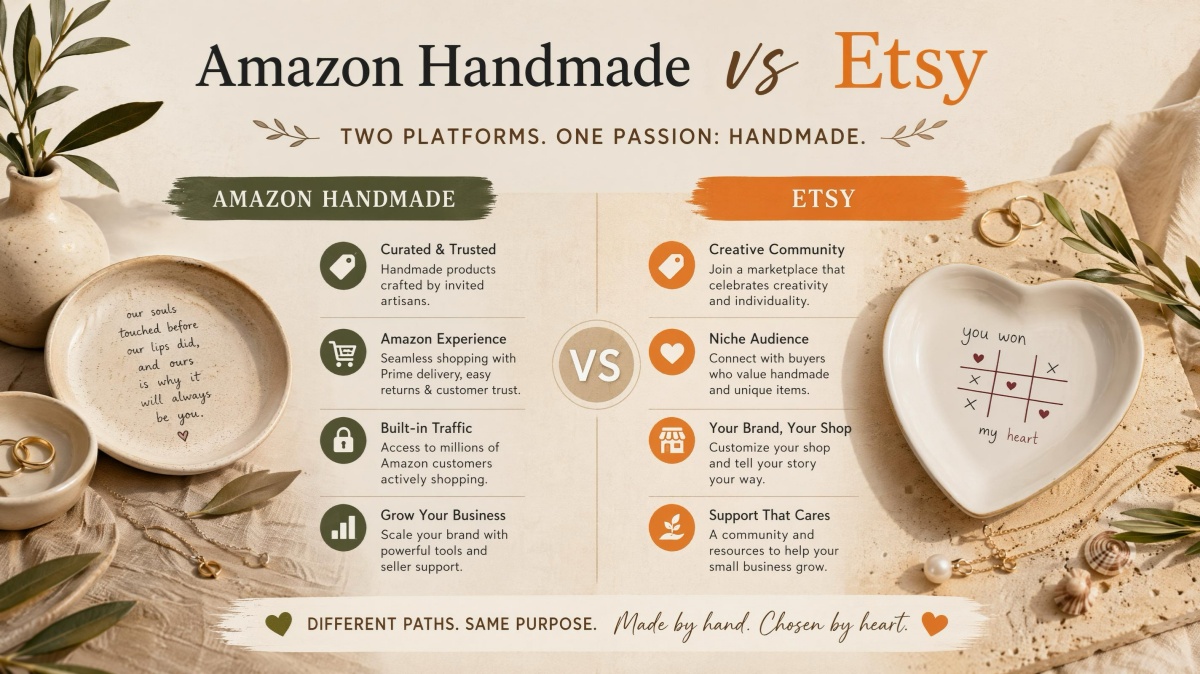
Both marketplaces sell handmade goods, but access rules and listing formats differ.
What is Amazon Handmade?
Amazon Handmade is a maker-focused program inside Amazon. You create a Professional selling account, apply with details about your products and process, and wait for review. According to Amazon, eligible goods generally fall into categories such as handcrafted, hand-altered, hand-designed, repurposed, or upcycled.
Once approved, you can create Handmade listings, build a maker profile, reach Amazon customers, and use FBA for many eligible non-custom products. Amazon states that customized Handmade products are generally seller-fulfilled and not eligible for FBA.
What is Etsy?
Etsy is a marketplace centered on handmade products, vintage items, and craft supplies. Opening a shop is usually faster than joining Amazon Handmade because there is no separate Handmade-style entrance exam. You still must follow Etsy’s Creativity Standards and seller policies.
Etsy gives sellers more room for shop banners, About pages, collections, personalized listings, and direct messaging. That flexibility helps makers communicate craftsmanship and build brand recognition over time.
Do you need approval for Amazon Handmade?
Yes. One of the biggest differences in Amazon Handmade vs Etsy is the application gate. Amazon asks about production methods, materials, categories, business details, and handmade qualifications. Approval times vary, and Amazon may request more information.
Etsy does not require this marketplace application. Sellers must still accurately describe who designs or makes each product and stay within Etsy’s policies.
What listing rules and disclosures apply?
Amazon Handmade requires genuine eligibility under its Handmade standards. Mass-produced goods mislabeled as handmade can be removed.
Etsy’s Creativity Standards cover accurate disclosure of production partners and related claims. If AI tools, manufacturing partners, or external production services are involved, review Etsy’s current policy pages before you publish “handmade by me” style claims. Compliance protects both account health and buyer trust.
| Dimension | Etsy | Amazon Handmade |
|---|---|---|
| Onboarding | Open shop + policy compliance | Professional account + Handmade application |
| Listing format | Shop-centric handmade listings | Amazon catalog listing + Handmade attribute |
| Brand space | Shop design, About, conversation | Maker profile + standard detail page |
| Fulfillment default | Seller ships | Seller ships or FBA (custom limitations apply) |
What Does It Cost to Sell on Amazon Handmade vs Etsy?
For many sellers, fees drive the Amazon Handmade vs Etsy comparison. Published percentages are only part of the math. Your real cost depends on average order value (AOV), shipping, ads, returns, fulfillment method, storage, and customization labor.
The examples below reflect common U.S. scenarios for illustration only. Always verify current rates on official seller pages.

Etsy seller fees
According to Etsy’s Fees documentation, typical U.S. costs include:
- Listing fee: $0.20 per listing. Renewals and auto-renewals add more listing fees.
- Transaction fee: 6.5% of the order total, including shipping and gift wrapping where applicable.
- Payment processing: Varies by country. U.S. sellers typically pay about 3% + $0.25 per order.
- Etsy Ads: Optional.
- Offsite Ads: May apply to eligible shops under Etsy’s advertising program after sales thresholds.
Source: etsy.com/legal/fees.
Amazon Handmade fees
Amazon Handmade uses a different model. Amazon says approved Handmade sellers need a Professional selling plan, and the ongoing monthly Professional subscription is waived after a one-time first-month payment. Confirm status in Seller Central if you still see charges.
- Referral fee: 15% of the sales price, or $0.30 per unit, whichever is greater.
- Sponsored Products: Optional advertising.
- FBA and storage fees: Apply if eligible products use Fulfillment by Amazon.
Amazon Handmade does not charge Etsy-style $0.20 listing fees in the same way. Most marketplace costs appear when you sell or add ads/FBA. Source: sell.amazon.com/programs/handmade.
Example: fees on a $100 sale
Assumptions: $100 product price, shipping charged separately, no advertising, no FBA, no returns, U.S. seller.
| Marketplace | Estimated platform fees | Notes |
|---|---|---|
| Etsy | About $9.95 | $0.20 listing + $6.50 transaction (6.5%) + about $3.25 processing (3% + $0.25). No Offsite Ads in this example. |
| Amazon Handmade | About $15.00 | 15% referral only. Excludes ads, FBA, storage, and returns. |
Illustrative only. Etsy’s take rises if Ads or Offsite Ads apply. Amazon’s take rises with Sponsored Products or FBA. Fee % alone does not decide profit: recalculate contribution margin after ads, labor, shipping or FBA, and returns for your AOV.
Hidden costs sellers overlook
- Etsy: Ads, Offsite Ads, listing renewals, packaging, and time spent on customization messages before production.
- Amazon Handmade: Sponsored Products, FBA fulfillment and storage, return processing, packaging requirements, and account health metrics for shipping and customer service.
How Do Traffic, Branding, and Fulfillment Differ?
Traffic and buyer intent
Etsy buyers often search for handmade, personalized, one-of-a-kind, artisan-made, or gift-ready items. Many want maker context before they buy, so photography, shop branding, and detailed descriptions matter.
Amazon Handmade customers shop inside Amazon’s broader ecosystem. Some search for handmade goods; others discover listings while comparing products. Priorities often include fast delivery, competitive pricing, reviews, availability, and a simple checkout. Standardized SKUs with reliable inventory usually fit Amazon better than highly customized work.
Branding and store presentation
Etsy offers more storefront control: banner, logo, About page, announcements, collections, messaging, and lifestyle storytelling. That helps when craftsmanship and brand identity drive willingness to pay.
Amazon Handmade includes a Maker Profile, but the shopping experience still follows Amazon’s standard product page. Most decisions lean on images, reviews, price, shipping speed, and product facts. Storytelling still helps, but it plays a smaller role than on Etsy.
Fulfillment and FBA
Etsy has no native fulfillment network. Most sellers pack, label, ship, and manage inventory themselves. That model fits personalized, made-to-order, and small-batch goods.
Many eligible Amazon Handmade products can use FBA for storage, pick/pack, shipping, and some returns handling. FBA can improve delivery speed and Prime eligibility. Customized Handmade products generally cannot use FBA because production starts after the order. Keep those SKUs seller-fulfilled or on Etsy.
Which Marketplace Should Handmade Sellers Choose?
Skip “Is Amazon Handmade better than Etsy?” as a abstract question. Ask which marketplace matches how you make and sell.
Decision guide
| If you… | Better choice | Why |
|---|---|---|
| Sell personalized or made-to-order products | Etsy | Buyers expect customization and direct communication. |
| Are launching your first handmade business | Etsy | Faster setup and easier demand testing. |
| Have repeatable products with stable inventory | Amazon Handmade | Fits Amazon’s operational model. |
| Want stronger shop branding | Etsy | More storefront and story control. |
| Want access to Prime shoppers | Amazon Handmade | Eligible products can use FBA. |
| Already have proven best sellers | Amazon Handmade | Larger Amazon customer reach for stable SKUs. |
| Want to diversify sales channels | Both | Assign different product roles per platform. |
Pros and cons: Etsy
Pros: Simple shop setup; strong handmade and gift audience; flexible storefront; direct buyer messaging; better support for made-to-order work; clearer path to brand recognition while you test pricing and photos.
Cons: Multiple fee types; dense competition in popular niches; you handle most fulfillment; Ads and Offsite Ads can raise take rates; large catalogs accrue listing renewals.
Pros and cons: Amazon Handmade
Pros: Access to Amazon search traffic; FBA eligibility for many standard handmade products; recurring Professional monthly fee waived for approved Handmade sellers after the first month (per Amazon); familiar Amazon checkout for buyers.
Cons: Mandatory application; roughly 15% referral fee on many sales; less storefront branding; strict performance metrics; limited FBA options for custom work.
Should you sell on both?
For many established makers, yes, when each channel has a role:
| Etsy | Amazon Handmade |
|---|---|
| Personalized products | Standardized products |
| Limited editions and seasonal tests | Proven best sellers |
| Small production runs | Replenishable inventory |
| Brand-focused collections | High-volume listings |
Sync inventory to avoid overselling. Reviews do not transfer. Pricing may differ because fee and ad stacks differ. Optimize titles, images, and copy per channel instead of copying listings blindly.
Related reading: Etsy vs eBay, Shopify vs Etsy, Selling on Amazon vs eBay, and Best platforms for selling online.
Common mistakes to avoid
- Applying to Amazon Handmade too early before demand, pricing, and fulfillment are stable.
- Comparing only platform fees instead of profit per order after production, shipping, ads, labor, returns, and storage.
- Using identical listings everywhere instead of matching Etsy storytelling vs Amazon specs, reviews, and shipping cues.
- Ignoring fulfillment capacity when order volume rises on Amazon.
Four questions before you apply or open a shop:
- Can you pass Amazon Handmade review with honest process and materials detail?
- Does your AOV absorb about 15% referral plus possible ads and FBA?
- Do you need FBA, or is the business mostly custom and slow-make?
- Is maker story central to the sale, or is speed and convenience the closer?
Do Listing Photos Affect Handmade Sales?
Yes. On Etsy, buyers lean on craft context: texture, process, gift scenes, and personalization examples. On Amazon Handmade, the main image usually needs a clean, grid-ready hero; secondary images carry angles, materials, scale, and use cases.
Best practices for Etsy and Amazon Handmade
- Etsy: Lifestyle frames, texture close-ups, process shots, gift packaging, personalization examples, and scale references.
- Amazon Handmade: Clean white-background primary image, multiple angles, material close-ups, size reference, in-use images, and packaging when relevant.
Etsy listings usually need craft and gift context. Amazon Handmade listings usually need quick product recognition. Accurate color and materials reduce returns on both.
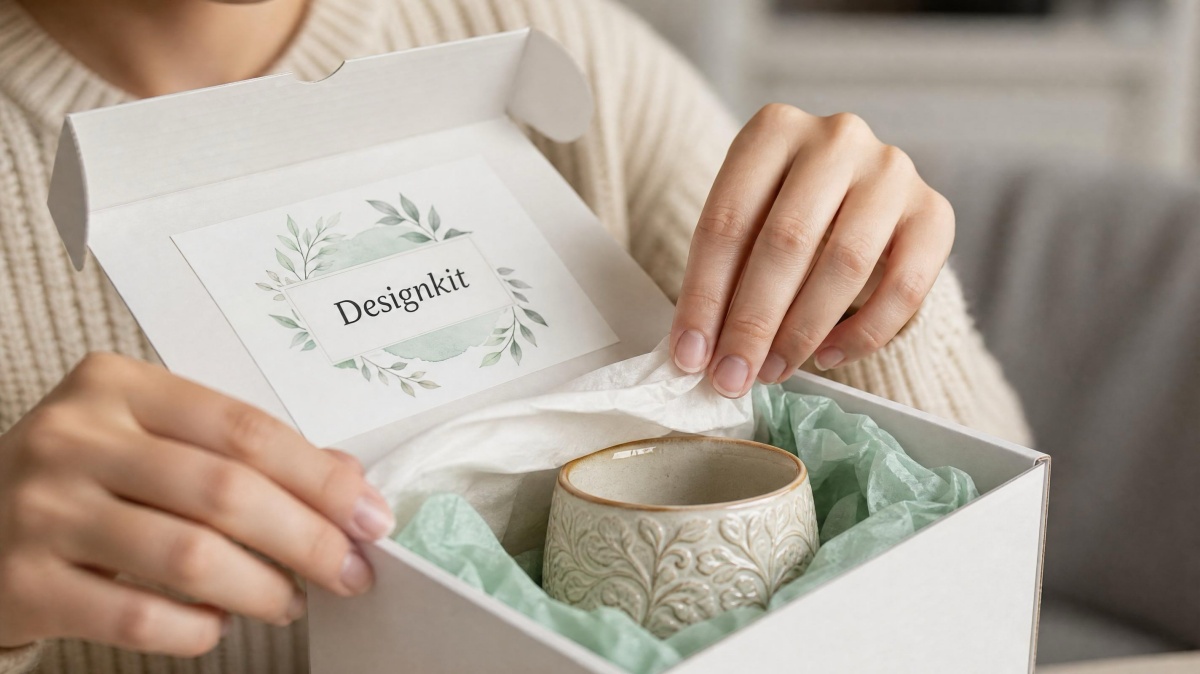
How to create marketplace-ready images with Designkit
Designkit is an AI content tool for ecommerce product visuals. Use it to produce marketplace-ready photos after you know which SKUs belong on each channel. It does not replace Handmade approval or Etsy Creativity Standards, and it does not choose your marketplace for you.
- Upload a clear product photo. Use a sharp, true-to-color shot of the real handmade item. Keep materials honest; do not generate a handmade look for goods that do not qualify.
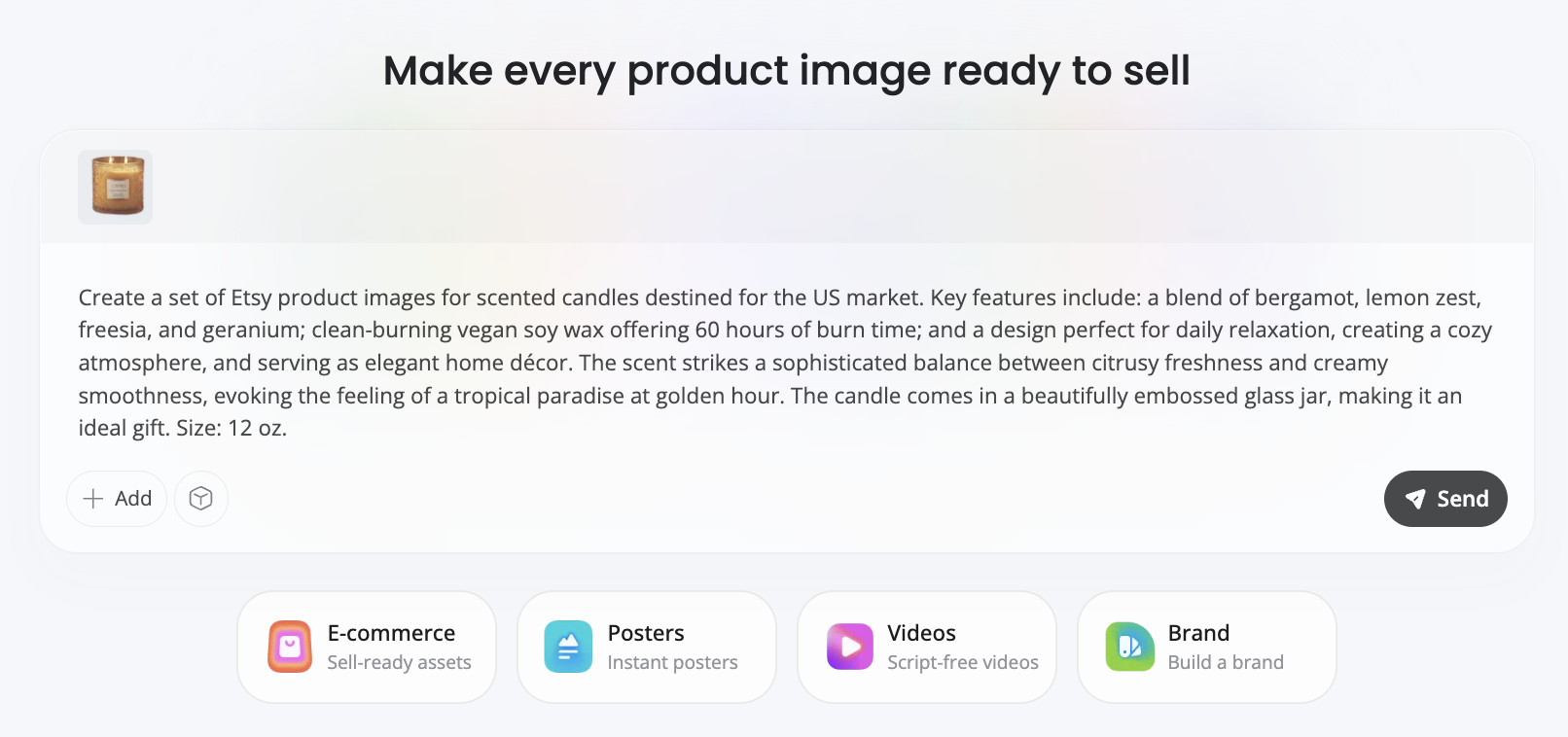
- Create a clean main image for Amazon. Generate a white-background or low-distraction hero that reads in Amazon search results and fits primary-image expectations.
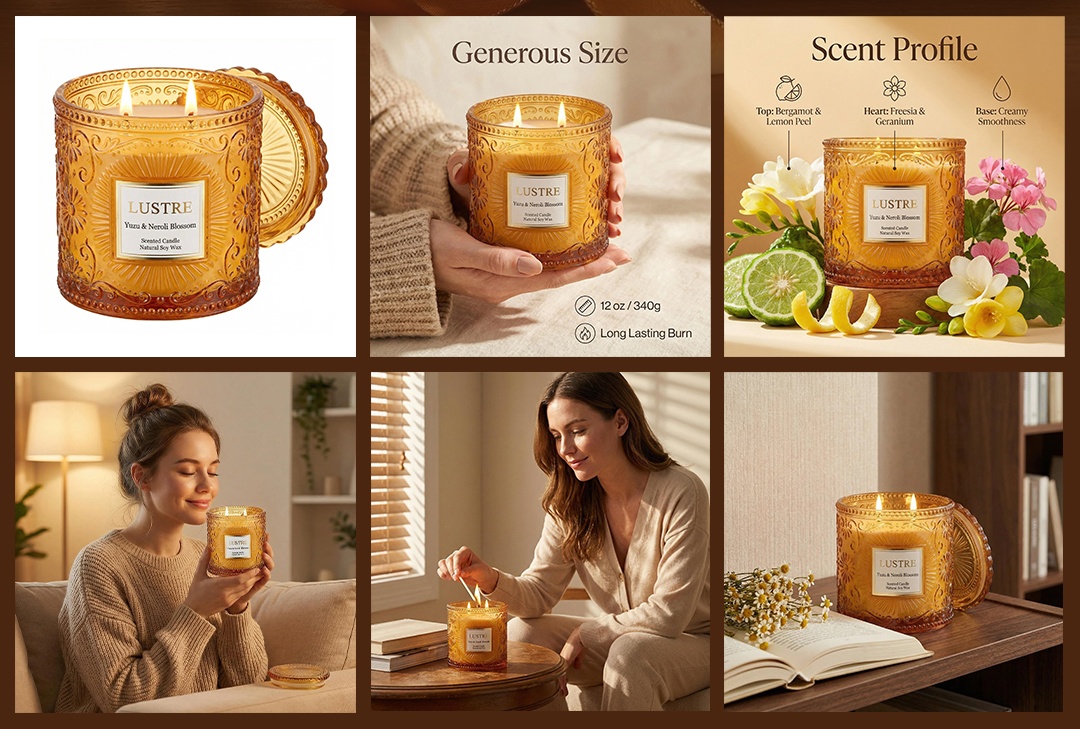
- Build Etsy story variants from the same SKU. Produce texture close-ups, scale references, gift or lifestyle frames, and personalization examples for Etsy carousels.
- Export channel-ready assets. Download consistently sized images, then write titles and bullets that match what the photo actually shows.
Create product images free on Designkit when you need faster listing photo tests across Etsy and Amazon Handmade.
Conclusion
Amazon Handmade vs Etsy is a stage and SKU decision. Etsy fits validation, customization, and brand-led shops. Amazon Handmade fits approved makers scaling replenishable products into Amazon demand, with optional FBA on eligible non-custom goods. Many sellers use both with a split catalog.
Recheck official fees and policies, then match listing images to each channel. If you need faster marketplace photo tests, create product images with Designkit after you decide where each SKU belongs.
Frequently Asked Questions
Is it better to sell handmade items on Etsy or Amazon?
How much does Etsy take from a $100 sale?
For a common U.S. example with no Offsite Ads: about $9.95 ($0.20 listing + 6.5% transaction + roughly 3% + $0.25 processing). Confirm on Etsy’s Fees page; ads and Offsite Ads can raise the total.
How much does Amazon Handmade take from a $100 sale?
About $15 at a 15% Handmade referral on a $100 unit (or $0.30 minimum, whichever is greater), before ads, FBA, or returns. Source: Amazon Handmade program page.
Is it difficult to get approved for Amazon Handmade?
Compared with opening an Etsy shop, yes. You must apply with business, process, and materials detail. Approval times vary. Clear, accurate process descriptions reduce delays and rejection risk.
Can I use FBA for Amazon Handmade?
Many standard handmade products can use FBA. Personalized or made-to-order Handmade products generally cannot, because production starts after the order. Seller fulfillment is usually better for custom work.
Does Amazon Handmade charge the $39.99 Professional seller fee?
Amazon says Handmade requires a Professional plan, then waives the ongoing monthly fee for approved Handmade sellers after a one-time first-month payment. Confirm in Seller Central if charges continue.
Can I sell the same products on Etsy and Amazon Handmade?
Yes, if both policies allow the products. Adapt titles, images, keywords, descriptions, pricing, and shipping per channel, and sync inventory to avoid overselling.
Does Amazon Handmade have more traffic than Etsy?
Amazon’s overall customer base is larger. Higher traffic does not guarantee higher handmade sales. Etsy intent skews handmade and personalization; Amazon often skews price, reviews, and delivery speed.
What is the biggest downside of Amazon Handmade?
Application friction, higher referral fees on many orders, less storefront branding, strict performance metrics, and limited FBA options for custom products. It fits stable, repeatable operations better than early-stage custom shops.
You May Also Like
Shopify vs Etsy (2026): Which Is Better for Handmade Sellers?
Selling on Amazon vs eBay (2026): Fees, Profit & Where to Sell
Etsy vs eBay (2026): Handmade, Vintage, or Secondhand?
10 High-Converting Lifestyle Product Images for Amazon Listings
Amazon Listing Images: Essential Shot List & Optimization Guide

11 Must-Have Tools for Amazon Product Photography in 2026
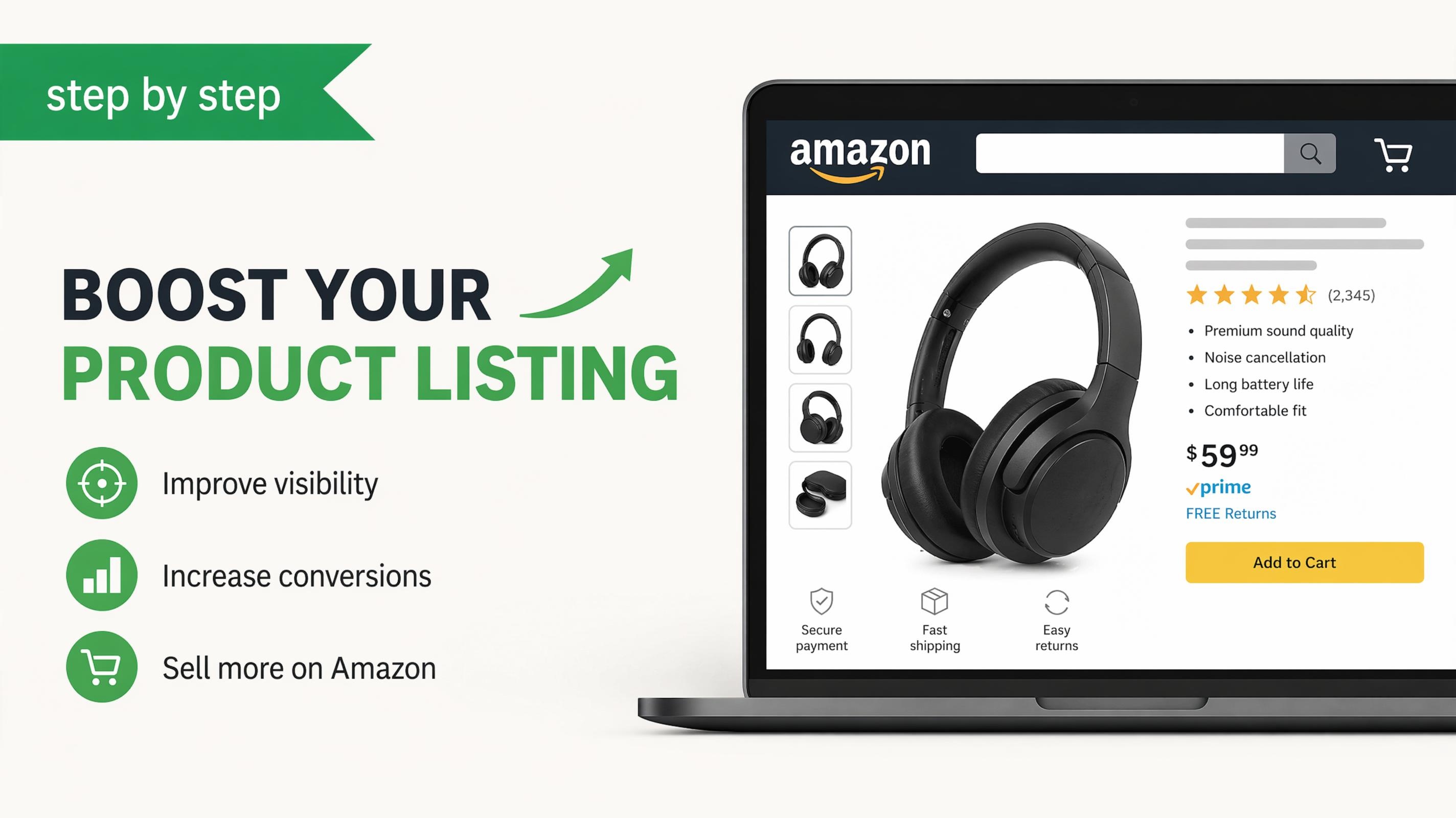
Amazon Main Image Requirements: Size, Guidelines & Tips

How to Create Pro Amazon Listing Photos Without a Studio
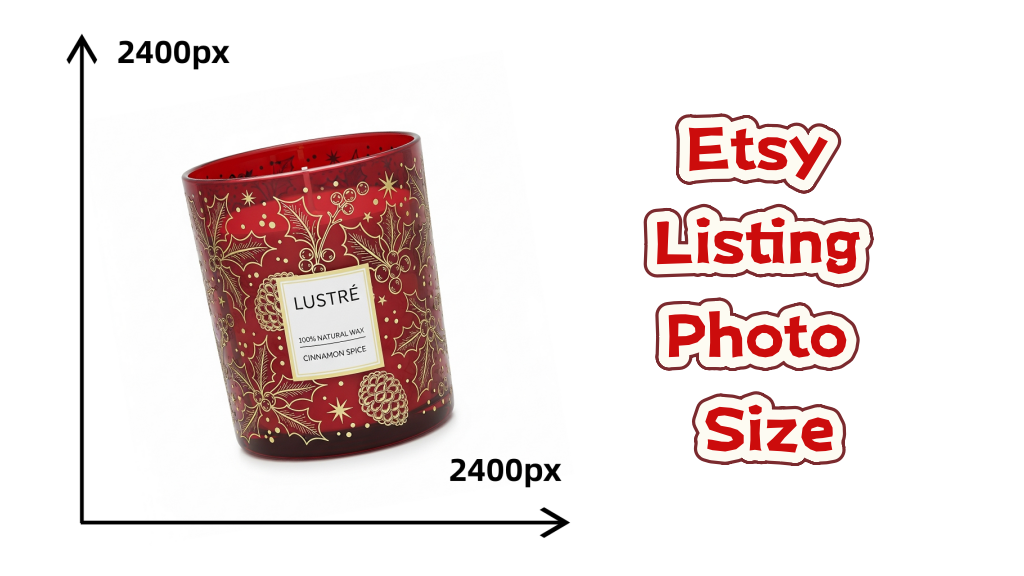
Etsy Listing Photo Size Guide (2026): Mobile, Desktop & Shop View Specs
Optimize Etsy Images for Mobile: Listing Photos That Convert
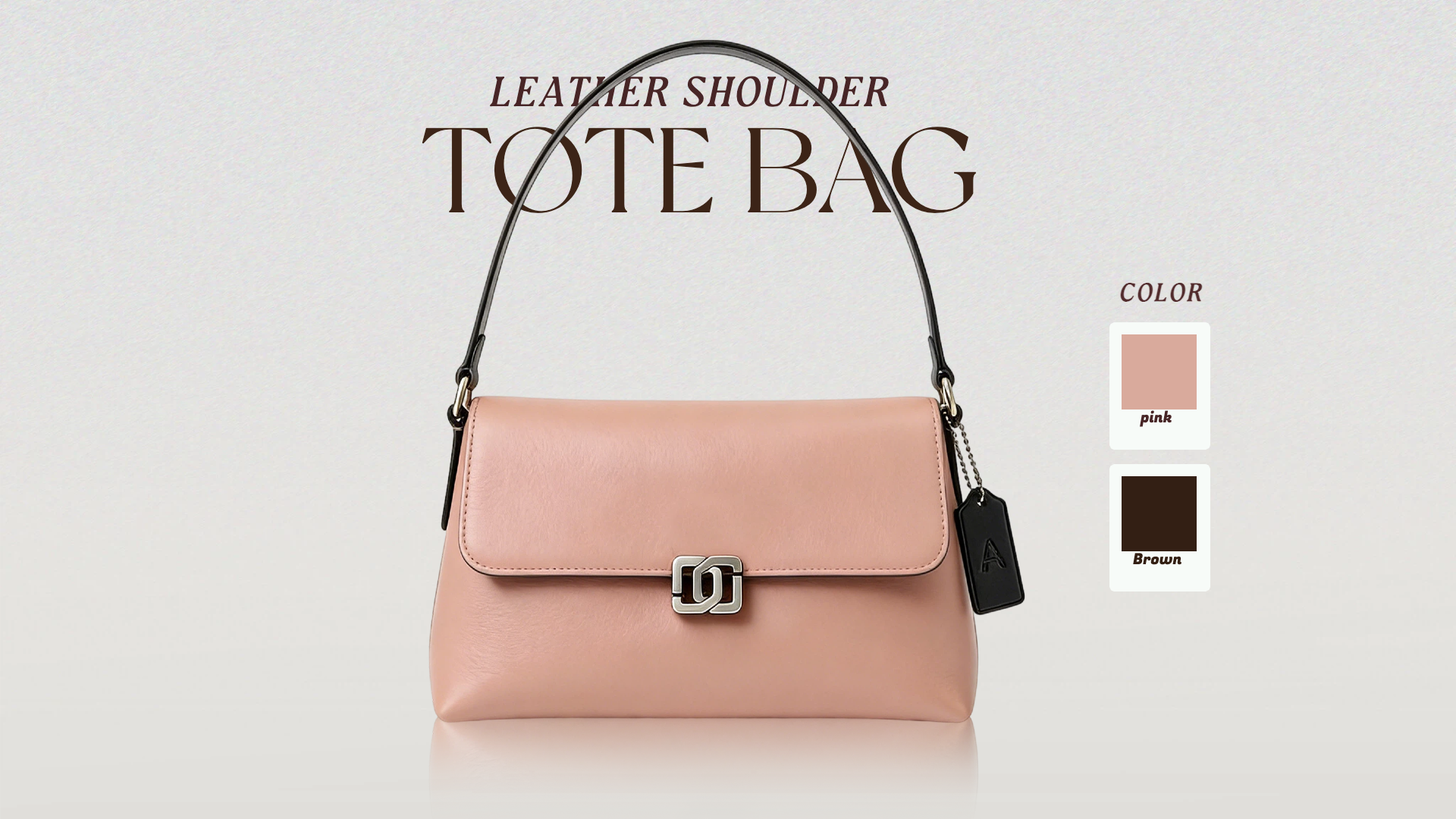
Etsy Thumbnail Optimization: Keep Your Product Fully Visible
Create marketplace-ready photos for Etsy and Amazon Handmade
Once you know which SKUs belong on each channel, match the visuals: grid-ready heroes for Amazon Handmade, craft and gift context for Etsy. Upload a product photo to Designkit and generate listing images without a full studio setup.