
Multichannel Marketing: A Guide to Growing Across Channels
Learn what multichannel marketing is, how it differs from omnichannel, and how to build consistent campaigns.

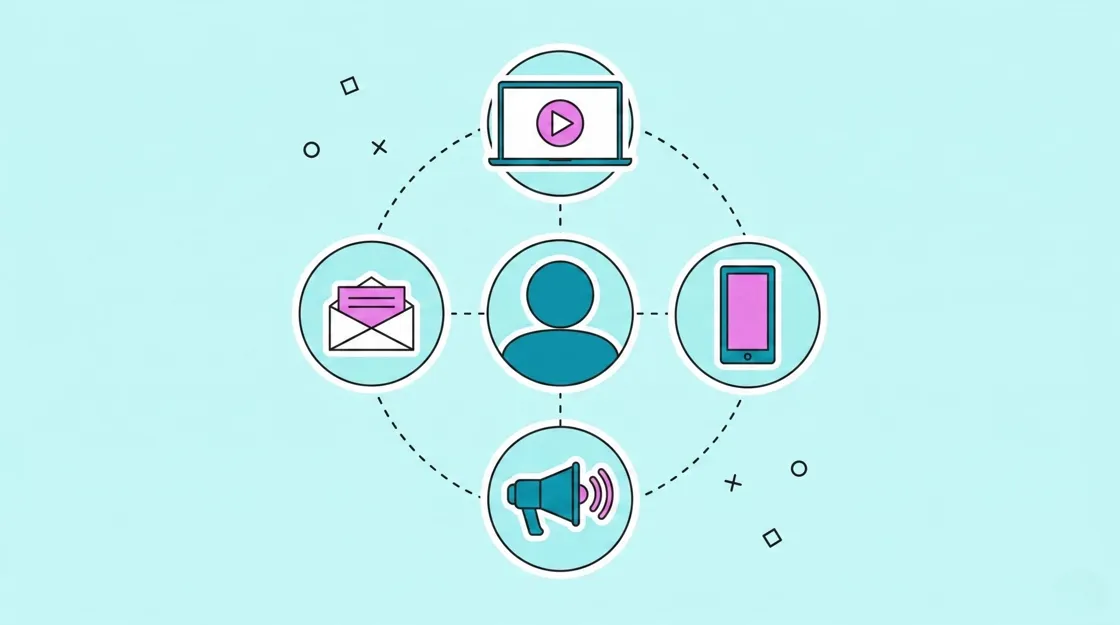
Your customers see your product on Instagram, check reviews on Google, then get a retargeting ad on Facebook before they buy, and if your message shifts across each stop, they hesitate.
Multichannel marketing solves this. Instead of treating each platform as its own island, it means showing up consistently across the channels your customers already use, social, email, search, and your website, so every touchpoint reinforces the same message.
This guide covers what multichannel marketing means, how it differs from omnichannel, and how to build a strategy that works, plus how AI tools like Designkit keep every channel's creative consistent without redesigning from scratch.
Key Takeaways
-
Multichannel marketing means reaching customers across several channels, social, email, search, website — with one consistent message.
-
It's different from omnichannel: multichannel keeps channels distinct, omnichannel fully integrates them around the customer.
-
The biggest wins come from picking 2–4 core channels well, not spreading thin across every platform.
-
Consistent messaging matters more than identical content, adapt format and tone per platform, keep the core message the same.
-
AI tools like Designkit make it faster to produce on-brand creative for every channel from a single workflow.
What Is Multichannel Marketing?
What Is Multichannel Marketing and How Does It Work?
Multichannel marketing is the practice of promoting your brand across multiple online and offline channels to reach customers wherever they spend their time. Instead of relying on a single platform, businesses use channels such as social media, email, websites, search engines, marketplaces, SMS, and even physical stores to deliver consistent marketing messages.
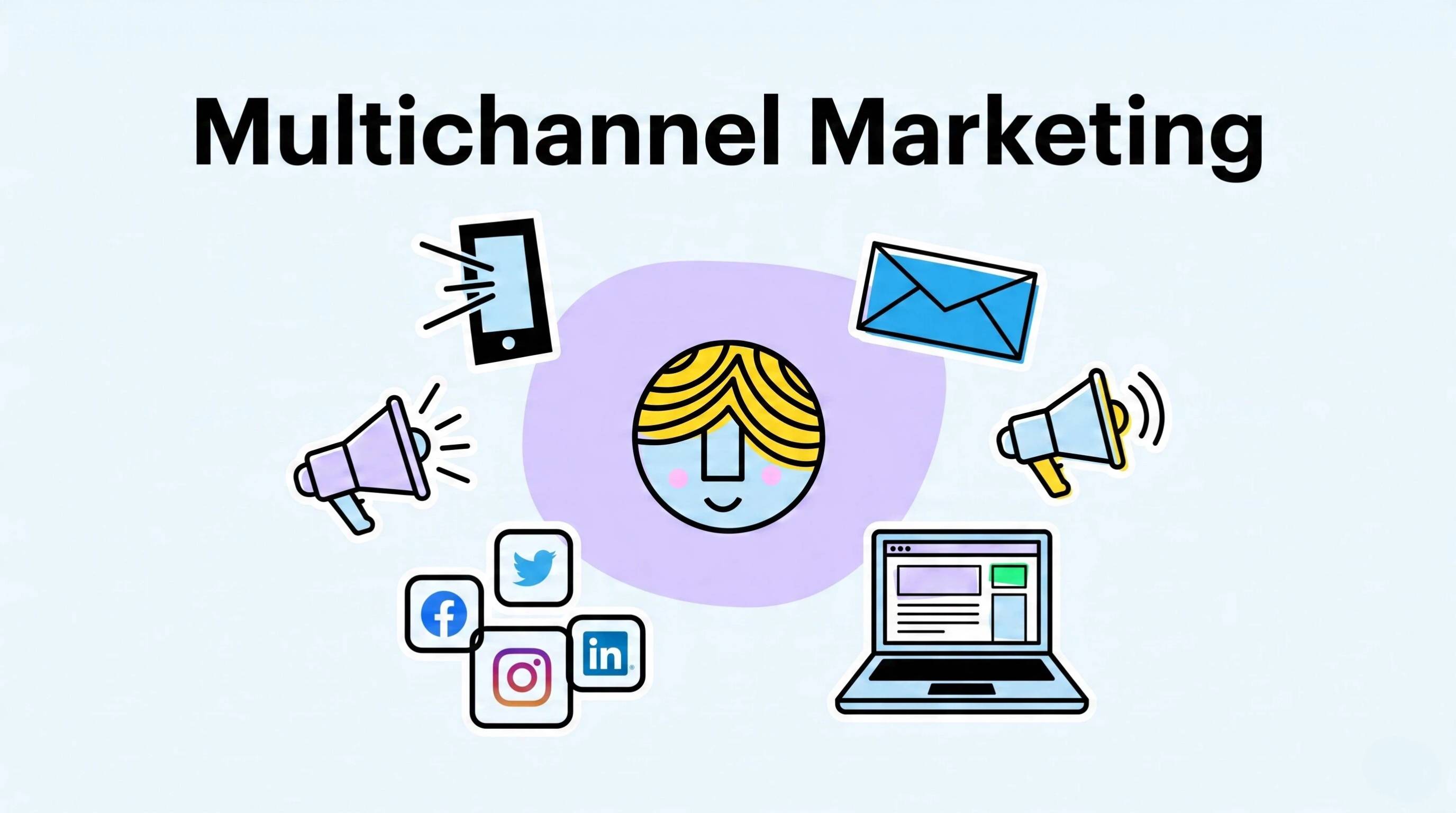
If you're wondering what multichannel marketing is, the goal is simple: increase visibility, engage audiences across different platforms, and create more opportunities for customers to discover and interact with your brand. Each channel supports the same campaign objective while being optimized for its unique audience and format.
A successful multichannel marketing strategy starts by identifying where your customers are most active. Marketers then tailor content for each platform while maintaining consistent branding, messaging, and promotional offers. Performance data from every channel helps optimize future campaigns and improve overall marketing effectiveness.
Multichannel Marketing vs. Omnichannel Marketing
Although the terms are often used interchangeably, there are important differences between multichannel vs omnichannel marketing.
|
|
Multichannel |
Omnichannel |
|---|---|---|
|
Experience |
Channel-distinct |
Connected journey |
|
Focus |
Reach + coordinated messaging |
Seamless customer journey |
|
Data |
Often independent |
Shared/unified |
|
Example |
IG + email campaigns with same offer |
Personalized continuity across touchpoints |
The main distinction is that multichannel marketing focuses on being present across multiple channels, while omnichannel marketing connects those channels into one continuous customer experience. Both approaches can be effective, but omnichannel typically requires more advanced data integration and personalization.
Benefits of Multichannel Marketing
A well-planned multichannel marketing strategy helps businesses reach more customers while improving campaign performance. Here are the key benefits of multichannel marketing:
Increases Brand Visibility Across Every Customer Touchpoint
Customers interact with brands through search engines, social media, email, websites, online marketplaces, and mobile apps. Maintaining a presence across multiple channels increases the likelihood that potential buyers will discover your brand, regardless of where they begin their purchasing journey.
Improves Engagement by Meeting Customers Where They Already Are
Different audiences prefer different platforms. Some engage through Instagram or TikTok, while others respond better to email newsletters or search ads. Multichannel marketing allows businesses to communicate through the channels customers already use, leading to higher engagement and stronger relationships.
Strengthens Conversions Through Repeated, Consistent Exposure
People rarely make a purchase after a single interaction. Seeing the same message across multiple platforms builds familiarity and trust, making customers more likely to convert when they're ready to buy. Consistent messaging across channels reinforces purchasing decisions without overwhelming the audience.
Builds Stronger Brand Recall Over Time
Repeated exposure across several marketing channels helps customers remember your business. Whether they encounter your brand in social media feeds, search results, email campaigns, or online ads, consistent branding improves recognition and increases the chance they'll choose your business over competitors.
Scales More Easily Than Single-Channel Campaigns
Relying on one marketing channel limits growth and increases risk if platform performance changes. A diversified multichannel marketing strategy allows businesses to expand into new channels, reach broader audiences, and optimize marketing budgets without depending on a single source of traffic.
Multichannel Marketing Examples
Some common multichannel marketing examples include:
-
Running Facebook and Instagram ads while sending promotional emails for the same product launch.
-
Publishing SEO blog content alongside YouTube tutorials and LinkedIn posts to attract different audience segments.
-
Promoting a seasonal sale through Google Search Ads, SMS notifications, and an ecommerce homepage banner.
-
Combining influencer marketing with email campaigns and retargeting ads to increase conversions.
These multichannel marketing campaigns help brands maximize reach while reinforcing consistent messaging across every customer touchpoint.
How to Build a Multichannel Marketing Strategy (5 Steps)
Step 1: Define Your Audience and Buying Journey
Start your multichannel marketing strategy by identifying your target audience, their needs, and where they spend time online. Map each stage of the buying journey, from awareness to purchase, so you can deliver relevant content through the right channels at the right moment.
Step 2: Choose the Right Channel Mix
Select marketing channels based on your audience's preferences and business goals rather than using every available platform. Combine channels such as social media, email, search, ecommerce, paid ads, and SMS to maximize reach and create effective multichannel marketing campaigns.
Step 3: Create Platform-Adapted Messaging & Visuals
Keep your brand message consistent while adapting content for each platform. Use different formats, visuals, headlines, and calls to action that match user behavior on social media, email, search, or ecommerce channels to improve engagement and campaign performance.
Step 4: Coordinate Timing and Messaging Across Channels
Schedule campaigns so your messaging stays consistent across every channel. Align emails, social posts, ads, SMS, and website promotions to reinforce the same offer without overwhelming customers. A coordinated approach creates a smoother customer experience and increases conversions.
Step 5: Track, Attribute, and Optimize Performance
Monitor metrics like clicks, conversions, engagement, and return on ad spend to understand which channels perform best. Use attribution data to see how customers interact across touchpoints, then optimize your multichannel marketing strategy by improving content, budget allocation, and channel selection.
Tools That Support Multichannel Marketing
The right technology stack makes it easier to manage campaigns across multiple channels while keeping messaging consistent.
|
Tool Category |
Purpose |
|---|---|
|
Email CRM / ESP |
Manage customer lists, automate email campaigns, and personalize customer communication. |
|
Social Scheduling Tools |
Plan, schedule, and publish content across multiple social media platforms from one dashboard. |
|
Ads Manager Platforms |
Create, manage, and optimize paid campaigns across Google, Meta, LinkedIn, TikTok, and other advertising networks. |
|
Analytics & Attribution Tools |
Track customer journeys, measure conversions, monitor campaign performance, and understand channel attribution. |
|
Creative Production Tools |
Produce channel-specific marketing assets such as product images, banners, ad creatives, videos, and social media graphics. Tools like Designkit help businesses quickly create consistent, marketing-ready visuals for ecommerce, advertising, and social campaigns, making it easier to scale creative production across multiple channels. |
Multichannel Marketing Examples That Actually Work
Ecommerce Product Launch
An ecommerce product launch is one of the most effective multichannel marketing examples. A brand can build anticipation with teaser posts on social media, announce the launch through email, publish SEO content, run Google and Meta ads, and update product listings on its ecommerce store. Customers encounter the same campaign across multiple touchpoints, increasing awareness, trust, and conversions.
Black Friday Campaign
Black Friday is a great opportunity for multichannel marketing campaigns because customers actively compare offers across platforms. Brands can combine email countdowns, SMS reminders, paid ads, social media promotions, and website banners to create urgency. Consistent messaging across every channel keeps the offer top of mind and encourages shoppers to complete their purchases before the sale ends.
Content Repurposing Strategy
Repurposing content helps brands maximize the value of a single piece of content while reaching audiences on different platforms. For example, one long-form blog post can be transformed into multiple content formats that match each channel's audience and style.
|
Platform |
Repurposed Content |
|---|---|
|
TikTok |
Short educational or behind-the-scenes video |
|
Instagram Reels |
30–60 second highlight Reel |
|
YouTube Shorts |
Quick tips or product demonstration |
|
|
Infographic, product pin, or visual guide |
This approach saves production time while expanding reach and maintaining consistent brand messaging across channels.
Local Business Example
A local coffee shop launching a seasonal menu can use a simple multichannel marketing strategy by posting updates on Instagram and Facebook, sending promotional emails to loyal customers, running Google Local Search Ads, and sharing limited-time offers through SMS. Customers see the same promotion across multiple channels, increasing foot traffic, repeat visits, and overall campaign effectiveness.
Common Challenges of Multichannel Marketing
Running campaigns across multiple platforms can significantly increase reach, but it also introduces new operational challenges. As businesses expand their marketing efforts, maintaining consistency, producing enough content, and accurately measuring results become more difficult. Addressing these challenges with the right workflows and tools helps improve efficiency and campaign performance.
Common Challenges
Creating Enough Creative Variants
Each platform requires different image sizes, video formats, and messaging styles. Producing enough high-quality creative assets for every channel can quickly become time-consuming without an efficient content creation process.
Keeping Brand Consistency
Maintaining consistent branding across social media, email, paid ads, websites, and marketplaces is essential. Inconsistent visuals, messaging, or tone can confuse customers and weaken brand recognition.
Managing Multiple Campaigns
Coordinating campaigns across several channels requires careful planning. Without organized workflows and shared calendars, businesses may face duplicate promotions, conflicting messages, or missed publishing deadlines.
Adapting Content for Every Channel
Simply resizing the same creative isn't enough. Every platform has unique audience behaviors and content formats, so marketers must adapt copy, visuals, and calls to action to maximize engagement and performance.
Measuring ROI Across Channels
Customers often interact with multiple touchpoints before making a purchase, making attribution more complex. Tracking conversions and understanding which channels contribute most to revenue is essential for optimizing future multichannel marketing campaigns
Successfully managing multichannel marketing requires more than choosing the right channels. It also depends on creating high-quality content efficiently and maintaining consistency across every customer touchpoint. As campaigns grow, producing channel-specific creatives manually becomes increasingly time-consuming. Using the right creative production tools helps businesses streamline workflows, maintain brand consistency, and scale campaigns without sacrificing quality.
Create On-Brand Multichannel Visuals Faster with AI Tool
One of the biggest obstacles in multichannel marketing is producing enough platform-ready content while keeping branding consistent. This is where Designkit streamlines the creative workflow. Instead of designing every asset from scratch, teams can quickly generate product images, ad creatives, social graphics, ecommerce visuals, and marketing banners tailored to different channels. With faster creative production and consistent branding, businesses can launch campaigns more efficiently, maintain a unified brand identity, and scale multichannel marketing campaigns without increasing design workload.

How to Create Multichannel Content in 3 Steps
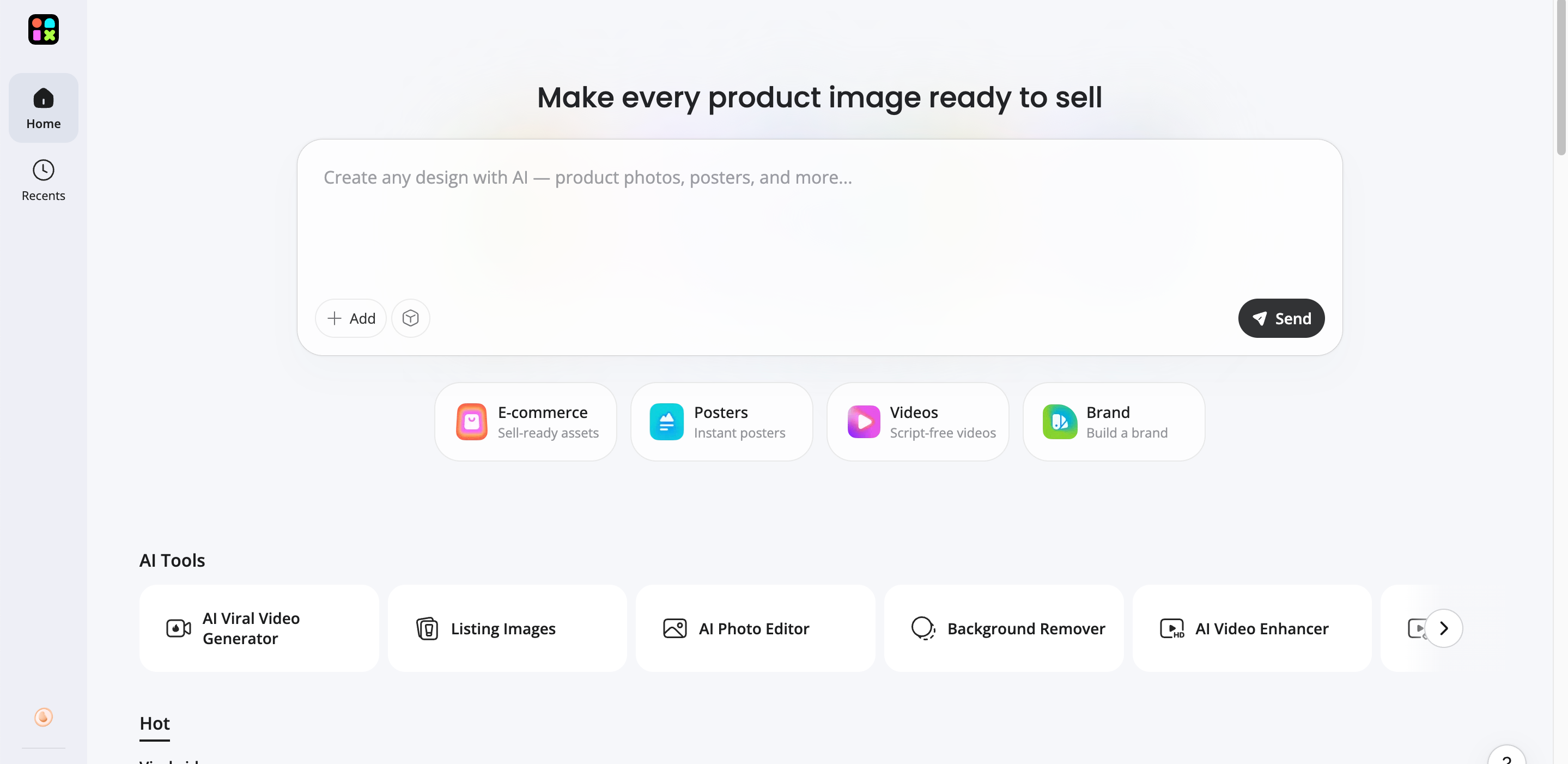
Step 1: Upload Your Product Image or Brand Assets
Open Designkit's workspace and choose what you want to create: be it for an e-commerce listing, social media video or posts, all in one workflow. You just need to upload a simple image of your product or brand, even taken by your phone.
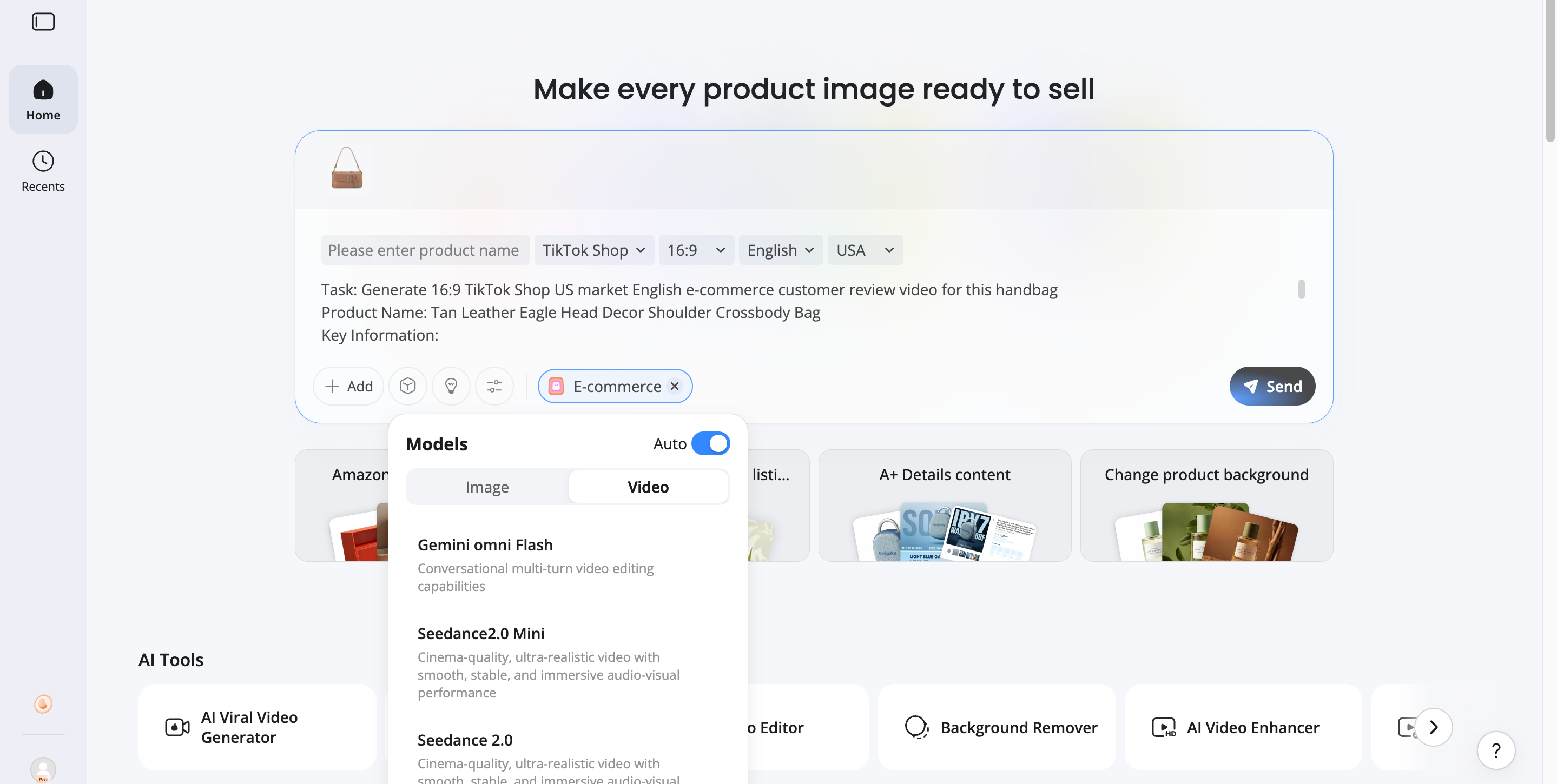
Step 2: Generate Channel-Ready Visuals
Choose your target channel with a channel-specific aspect ratio. Select a language for the target country. Simply write several prompts, and let AI write the description for your marketing content. Confirm everything and let Designkit generate your multichannel marketing content in seconds.
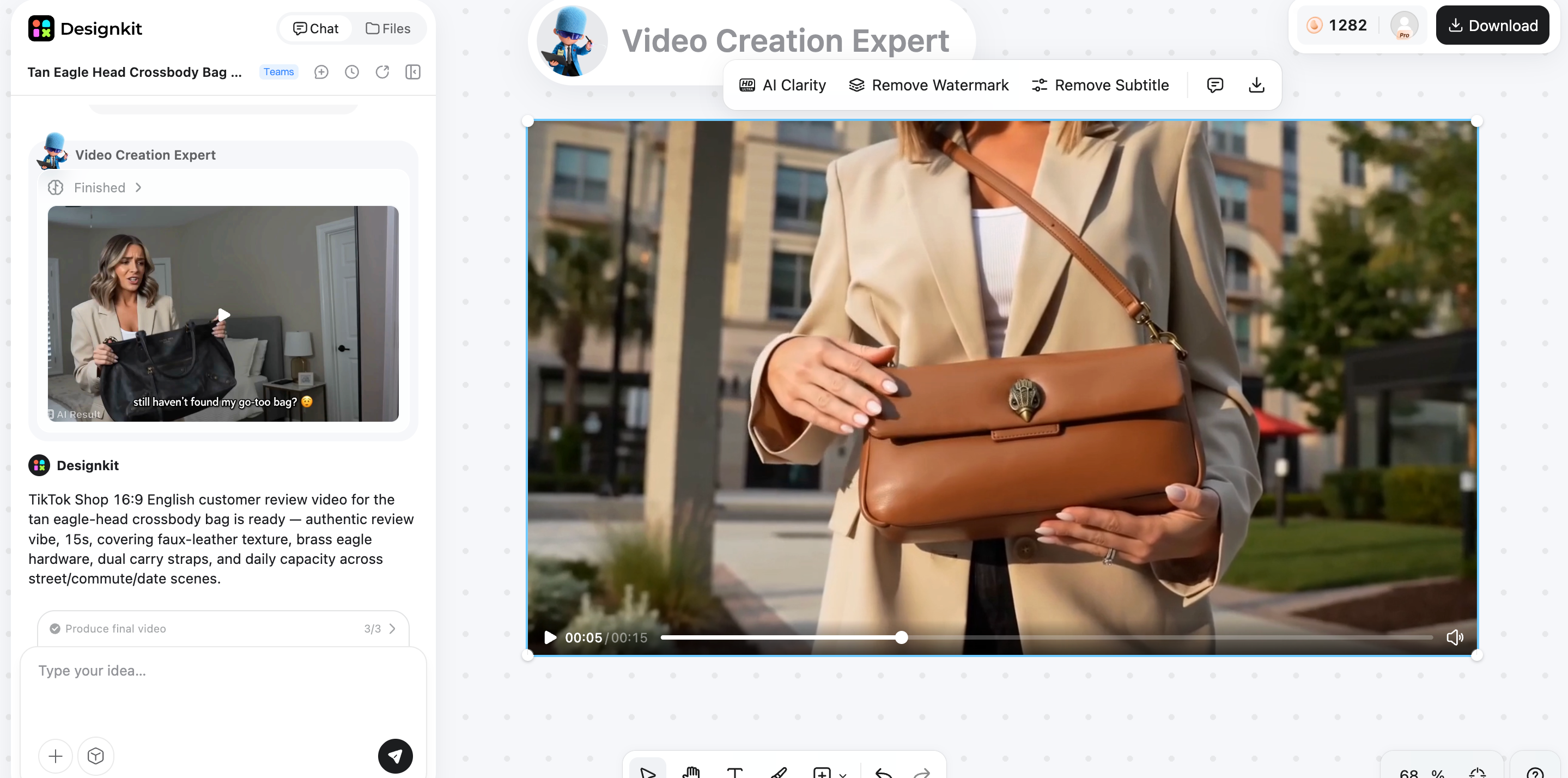
Step 3: Export and Publish on Your Channel
Preview and download your generated marketing content. Publish it to your channels to reach your customers.
Create On-Brand Multichannel Visuals Free
How Designkit Helps Multichannel Marketing
Generate Channel-Ready Visuals from One Product Asset
Designkit lets you create multiple marketing assets from a single product image. Generate lifestyle images, promotional banners, product showcases, and campaign graphics without repeating the design process, making it easier to support your multichannel marketing strategy.
Resize and Reformat for Social, Ads, and Web Placements
Every platform has different size and layout requirements. Designkit automatically resizes and reformats creatives for social media, display ads, ecommerce stores, websites, and email campaigns, ensuring each asset looks professional without manual editing.
Create Short-Form and UGC-Style Video Variants for Testing
Designkit helps marketers quickly produce short-form promotional videos and UGC-style content for platforms like TikTok, Instagram Reels, YouTube Shorts, and paid social ads. Creating multiple variations makes it easier to A/B test creatives and identify the highest-performing campaigns.
Keep Visual Style Consistent Across Campaign Assets
Maintaining a consistent brand identity across multiple channels is essential for successful multichannel marketing campaigns. Designkit helps teams reuse colors, fonts, layouts, product imagery, and branding elements, so every creative aligns with the same campaign while remaining optimized for each platform.
Conclusion
A successful multichannel marketing strategy helps businesses reach customers across multiple platforms while delivering consistent messaging at every stage of the buying journey. By selecting the right channels, adapting content for each platform, coordinating campaigns, and measuring performance, brands can improve visibility, engagement, and conversions. While managing multiple channels presents challenges, the right creative workflow makes scaling much easier. Designkit supports this process by helping businesses quickly produce channel-ready images and videos, maintain brand consistency, and create marketing assets optimized for social media, ecommerce, paid ads, and web campaigns from a single creative workflow.
Frequently Asked Questions
What is multichannel marketing?
What's the difference between multichannel and omnichannel marketing?
The main difference is that multichannel marketing uses several independent channels to reach customers, while omnichannel marketing connects those channels into one seamless customer journey with shared data and personalized experiences. To keep creatives consistent across both approaches, Designkit enables teams to produce branded assets optimized for every platform from one workflow.
Which platforms work best for a multichannel marketing strategy?
The best platforms depend on your audience, but most businesses combine social media, email marketing, search engines, ecommerce stores, paid advertising, and SMS. Using multiple channels increases visibility and creates more opportunities to engage customers. Designkit simplifies this process by generating optimized creatives for social posts, ads, websites, and ecommerce listings from a single product asset.
What tools help manage multichannel marketing campaigns?
Businesses often use CRM and email platforms, social media schedulers, advertising managers, analytics tools, and creative production software to manage campaigns. Together, these tools help organize messaging, automate publishing, and measure performance. Designkit complements this stack by producing consistent images and videos that are ready for use across every marketing channel.
What are common mistakes in multichannel marketing?
Common mistakes include using identical content on every platform, inconsistent branding, poor campaign coordination, ignoring analytics, and failing to adapt content for different audiences. These issues can reduce engagement and campaign effectiveness. Designkit helps avoid them by making it easy to create platform-specific creatives while maintaining a consistent visual identity.
Can multichannel marketing work with a small budget?
Yes. Small businesses can start with affordable channels like organic social media, email marketing, SEO, and content marketing before expanding into paid advertising. Prioritizing the highest-performing channels delivers better results with limited resources. Designkit supports budget-conscious marketers by helping them create multiple professional marketing assets without expensive design software or large creative teams.
How do I keep branding consistent across multiple channels?
Maintain consistent colors, fonts, logos, messaging, and visual style while adapting content formats for each platform. A clear brand guide and reusable creative templates make this much easier. Designkit helps businesses generate channel-specific images and videos that preserve a unified brand identity across social media, ecommerce, websites, email campaigns, and digital ads.
You May Also Like

Amazon A+ Content Dimensions: Module Image Sizes
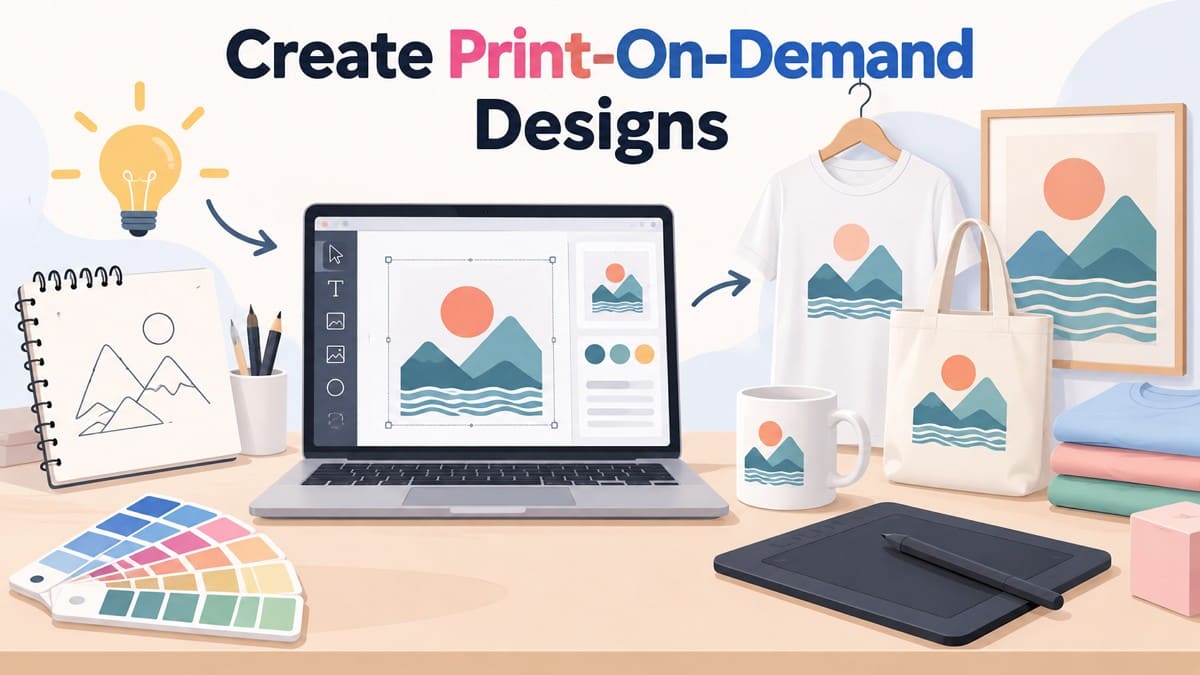
Print-On-Demand Designs: Create, Prepare, and Preview Your Work

Amazon A+ Content: What It Is and What to Build First
Is Print on Demand Profitable in 2026? Products and Niches
Amazon Brand Registry Application: How to Submit and Pass Review
How to Ship to Amazon FBA: Your First Shipment
What Is Amazon FBA? Should Beginners Use It in 2026
How to Get Ungated on Amazon: Restricted Category Approval Steps
Amazon Backend Keywords: Title, Bullets & Search Terms
What Is A/B Testing? A Practical Guide to Running Better Experiments
Best Time to Post on Instagram in 2026: Data & Tips
How to Get Verified on Instagram: Complete Guide

TikTok Monetization in 2026: Requirements & Ways to Earn

Instagram Desktop Posting Guide: Upload Posts, Stories & Reels
YouTube Shorts Monetization Requirements & Rules 2026
How Much Does YouTube Pay Per View? 1K, 100K & 1M Views
How to Make Money on Snapchat: 7 Ways to Earn
How to Get More Followers on Instagram in 2026
Best Time to Post on TikTok in 2026 for More Views
How to Repost on Instagram in 2026: A Simple Guide
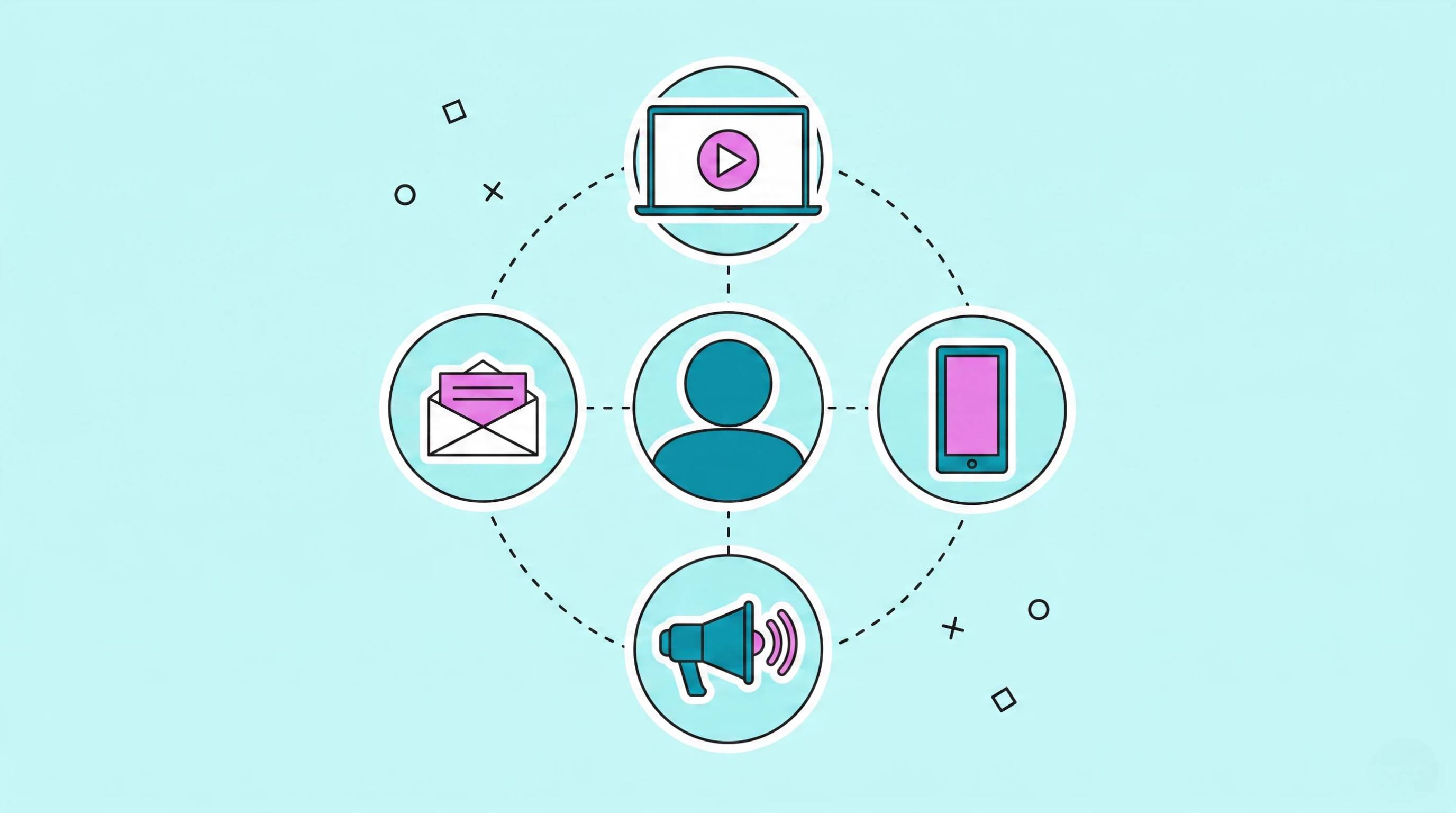
Multichannel Marketing Guide: Strategy, Tools & Examples
How to Create Digital Products That Sell in 2026
Cyber Monday Marketing Ideas & Strategies (2026 Guide)
Black Friday Marketing Ideas for Ecommerce Brands (2026)
Instagram Marketing Guide: Strategies, Tips & AI Tools in 2026
Influencer Marketing Guide: Strategy, Campaigns & Creator Tips

15 Best Things to Sell on Etsy in 2026 (Listing Tips Included)
WooCommerce vs Shopify 2026: Pricing, Features & Which Is Better
How to Sell on Facebook Marketplace: Beginner Guide (2026)
How to Use Pinterest for Business: Strategy, Tips & Growth Guide
How to Sell on Etsy in 2026: Setup, Listings & Growth Tips
What Is a Target Audience? Types, Examples & How to Find Yours
TikTok Marketing Guide 2026: Strategies, Ideas & AI Tools
Vibe Marketing Explained: Strategy, Examples & AI Tools
How to Sell on Depop: Beginner Guide to Getting Your First Sale
Online Advertising Guide: Types, Costs & Examples (2026)
Facebook Advertising Guide: Costs, Strategy & Tools 2026

What Are E-commerce Ads? Examples, Strategy & Tools (2026)
Where to Sell Handmade Items Online (2026): Etsy, Amazon, or Shopify?
Shopify vs Amazon (2026): Brand Store or Marketplace FBA?
Amazon Handmade vs Etsy (2026): Which Is Better for Makers?
Etsy vs eBay (2026): Handmade, Vintage, or Secondhand?
Selling on Amazon vs eBay (2026): Fees, Profit & Where to Sell
What Is Brand Awareness? Examples, Strategies & Tools 2026
10 Best Online Selling Platforms (2026): Pick by What You Sell
Shopify vs Etsy (2026): Which Is Better for Handmade Sellers?
YouTube Automation Step-by-Step AI Guide for Beginners
What Is Brand Identity? Examples, Elements & Strategy

AI Marketing Agent: How It Works, Benefits & E-Commerce Examples
What Is Personalized Advertising? Examples & How It Works
How to Build a Shopify Store That Actually Converts Visitors
Amazon Marketing Guide 2026: Strategies, Tips & Tools
Local Advertising: Strategies, Examples & Tools (2026)
What Is Branded Content? Examples, Strategy & Tools 2026
What Is Performance Marketing? Strategies & Examples 2026
Inbound Marketing: Strategies, Examples & Tools (2026)
Keep Visuals Consistent Across Channels
Designkit turns one product idea into ready-to-use visuals for ads, social, email headers, and web.