
How Much Does YouTube Pay Per View in 2026?
See illustrative RPM-based estimates for 1K, 100K, and 1M views, then how monetized views, RPM vs. CPM, and audience factors change what you actually earn.

“How much does YouTube pay per view?” does not have one fixed answer. YouTube does not pay a set rate for every view. What creators usually look at is RPM: roughly how much you earn per 1,000 views after YouTube’s cut, across the revenue sources that apply to your channel.
Below is a quick answer for 1K, 100K, and 1M views, then a clear breakdown of monetized views, RPM vs. CPM, and what actually moves your numbers in 2026.
Quick Answer: How Much Does YouTube Pay for 1K, 100K & 1M Views?
Use this table as a starting point. It applies an illustrative RPM range of about $1–$10+ per 1,000 views. Your channel may land outside that band.
Views |
Illustrative RPM |
Estimated Revenue |
|---|---|---|
1K |
$1–$10+ |
$1–$10+ |
100K |
$1–$10+ |
$100–$1,000+ |
1M |
$1–$10+ |
$1,000–$10,000+ |
These are illustrative RPM-based estimates, not fixed YouTube payments. Actual earnings vary by audience, content, monetization, and other factors.
1K Views
At an illustrative RPM of $1–$10+, 1,000 views often maps to about $1–$10+ in RPM-based revenue.
Your actual earnings can be higher or lower depending on RPM, audience location, content topic, monetized views, advertiser demand, and seasonality. If few of those views are monetized, revenue can sit near zero even when the view count looks solid.
100K Views
At the same illustrative RPM band, 100,000 views often maps to about $100–$1,000+.
A simple mid-range check: 100,000 ÷ 1,000 × $5 RPM = $500. That math only works if your effective RPM is near $5 and a meaningful share of views is monetized.
Your actual earnings can be higher or lower depending on RPM, audience location, content topic, monetized views, advertiser demand, and seasonality.
1M Views
At an illustrative RPM of $1–$10+, 1 million views often maps to about $1,000–$10,000+.
That range is why “1 million views = $X” posts are easy to misread. Two videos with the same view count can earn very different amounts if one plays mostly in high-CPM countries and the other does not.
Your actual earnings can be higher or lower depending on RPM, audience location, content topic, monetized views, advertiser demand, and seasonality.
Does YouTube Pay Per View?
No. YouTube does not pay a fixed amount for every individual view.
A view is a watch event. Revenue usually comes from ads (and other Partner Program sources, when they apply) on playbacks that qualify for monetization. In short: views ≠ monetized views.
That is why creators estimate with RPM instead of a “cents per view” rate. RPM folds in what you actually earned across monetized activity, divided by total views, then scaled to 1,000.
How YouTube Earnings Are Calculated
Views vs. Monetized Views
Analytics can show a large view count while only a slice of those views ran ads or otherwise generated revenue. Kids’ content settings, ad blockers, limited ad inventory, and Partner Program eligibility all affect how many views become monetized playbacks.
When you ask how much YouTube pays for a given view count, start by separating total views from monetized views. The gap between them is often larger than people expect.
RPM vs. CPM
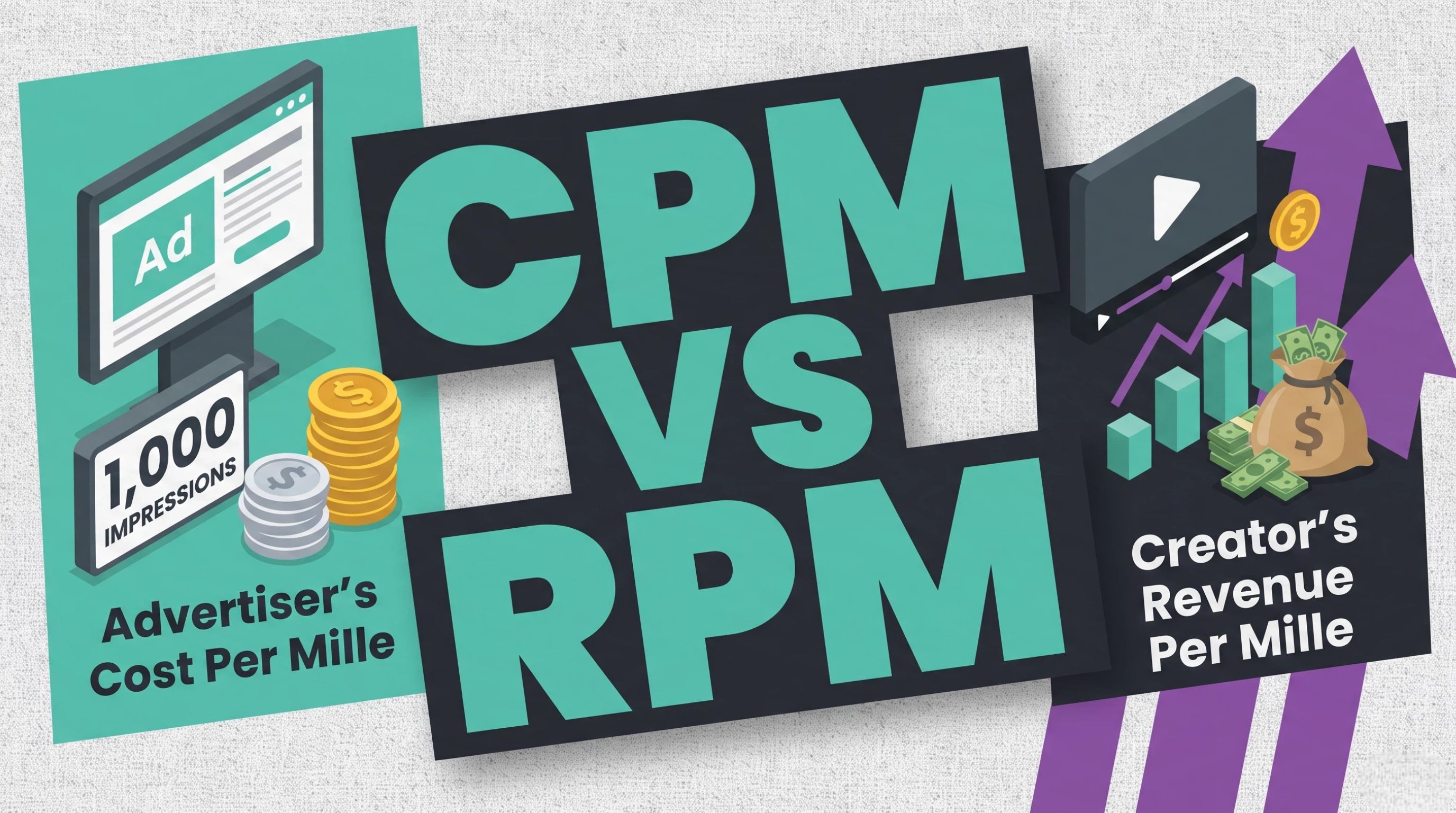
RPM is what you earn per 1,000 views (revenue after YouTube’s share, across the sources included in that RPM metric).
CPM is what advertisers pay per 1,000 ad impressions. It is an advertiser cost metric, not your take-home rate.
Example: if your RPM is $5, then 100K views would correspond to about $500 in RPM-based revenue (100,000 ÷ 1,000 × $5). If CPM looks high but monetized playbacks are low, your RPM can still stay modest.
What Affects YouTube Earnings?

Same view count, different paycheck. These are the usual drivers.
Viewer Location
Audiences in markets with stronger advertiser budgets often lift RPM. A video watched mostly in lower-CPM regions can earn less at the same view count.
Content Topic & Advertiser Demand
Finance, software, insurance, and other high-intent topics often attract higher bids than broad entertainment. Niche alone does not guarantee high pay, but advertiser demand matters.
Watch Behavior
Retention, session time, and how often people keep watching affect how many ads can run and how valuable the inventory looks. A quick click-away helps views more than revenue.
Ad Availability
Not every playback gets an ad. Inventory, format mix, and policy limits change how often ads appear, which flows into RPM.
Seasonality
Q4 often brings stronger ad spend. Slower ad seasons can pull RPM down even when your upload schedule stays the same.
Short note on growing revenue without only chasing views: improve retention on videos that already earn, lean into topics with real commercial demand, and check Analytics for which videos deliver the best revenue per view. More views help; better monetized views help more.
YouTube Shorts vs. Long-Form Earnings
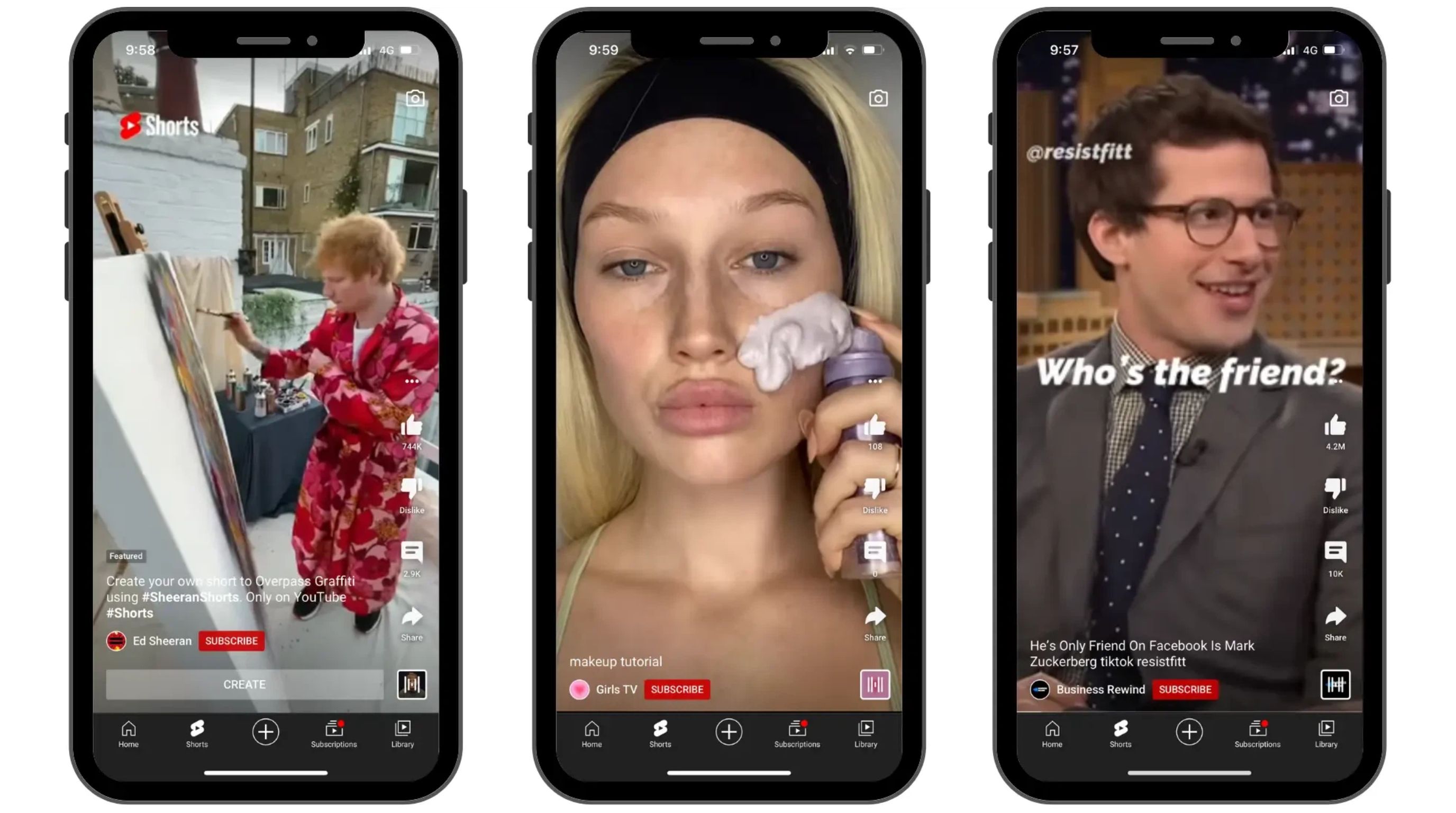
Shorts and long-form do not share one per-view rate.
Long-form videos can run mid-rolls and often create more ad opportunities per watch session, so RPM-based estimates for 1K / 100K / 1M views usually refer to this format first.
Shorts monetize under different rules and revenue sharing. A Short with the same view count as a long video will often earn less on a pure RPM-style comparison, and you should not plug Shorts views into the long-form table above without checking your own Shorts revenue metrics.
If your traffic mix is heavy on Shorts, treat the quick-answer table as a long-form reference, then verify Shorts separately in Analytics.
Designkit for YouTube Content
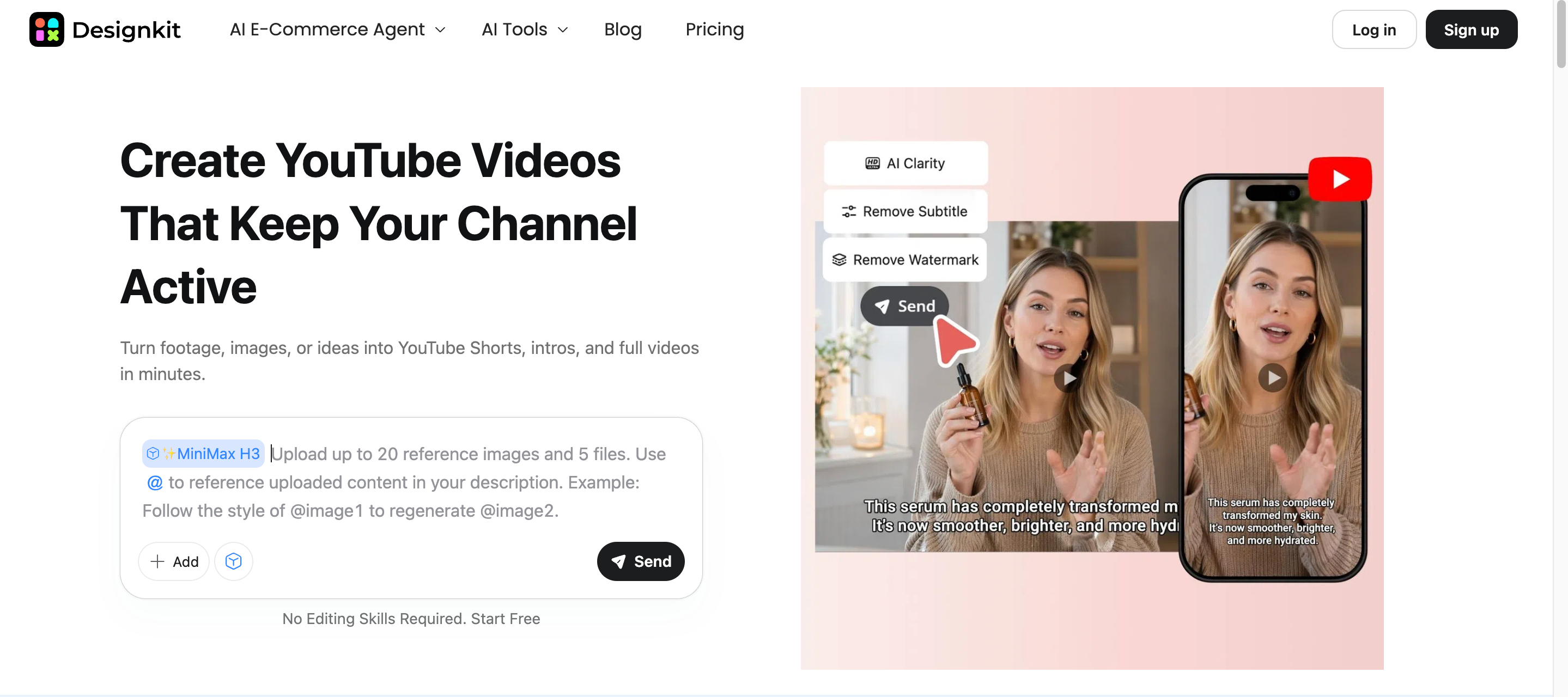
Earnings questions get most creators to Analytics. Growth still depends on whether people click and watch. Designkit helps you build thumbnails, promotional visuals, and other presentation assets that match the video, without turning this page into a full product walkthrough.
Upload a frame or reference, generate a few thumbnail directions, refine the text and crop, then export. When you need channel art or simple promo stills for community posts, the same workspace covers those layouts too.
Open Designkit if you want clearer packaging around the videos you are already monetizing.
Frequently Asked Questions
How much does YouTube pay for 1,000 views?
How much does YouTube pay for 100K views?
At an illustrative RPM of $1–$10+, 100K views often maps to about $100–$1,000+. A mid-range check is 100,000 ÷ 1,000 × $5 RPM = $500. That is an estimate, not a payout guarantee.
How much does YouTube pay for 1 million views?
At an illustrative RPM of $1–$10+, 1 million views often maps to about $1,000–$10,000+. Two videos with the same view count can earn very different amounts if RPM and monetized playback share differ.
Does YouTube pay per view?
No. YouTube does not pay a fixed amount for every individual view. Revenue usually comes from ads and other Partner Program sources on monetized playbacks. Views are not the same as monetized views.
Why don't all views generate revenue?
Some playbacks never show ads, or they fall outside monetization rules for that content. Ad blockers, limited inventory, audience settings, and policy limits all reduce how many views become paid playbacks.
What is a good YouTube RPM?
“Good” depends on niche and audience. Many channels discuss ballpark RPM figures in the low single digits to higher teens, but averages mislead. Compare your RPM against your own history and similar content in your category, not a universal target.
What is the difference between RPM and CPM?
RPM is creator earnings per 1,000 views after YouTube’s share. CPM is what advertisers pay per 1,000 ad impressions. CPM can look high while RPM stays lower if fewer views are monetized.
Do YouTube Shorts pay differently?
Yes. Shorts use different monetization mechanics than long-form videos, so the same view count rarely produces the same revenue. Use Shorts-specific metrics in Analytics instead of copying long-form RPM math.
You May Also Like

Amazon Individual vs Professional Selling Plan

How to Create an Amazon Seller Account: Requirements and Steps
Amazon Product Video Requirements: Specs & Upload
Amazon Brand Registry Requirements: Trademark, Account & Cost

Amazon Global Selling: How to Open Multiple Marketplaces

How to Make an Event on Facebook: Complete Setup Guide (2026)
Amazon Sponsored Brands: What They Are and When to Use Them

Amazon Sponsored Products: How to Launch Your First Campaign

Amazon Vine Program for Sellers: Get Early Product Reviews

Amazon A+ Content Dimensions: Module Image Sizes

Print-On-Demand Designs: Create, Prepare, and Preview Your Work

Amazon A+ Content: What It Is and What to Build First
Is Print on Demand Profitable in 2026? Products and Niches
Amazon Brand Registry Application: How to Submit and Pass Review

How to Ship to Amazon FBA: Your First Shipment

What Is Amazon FBA? Should Beginners Use It in 2026

How to Get Ungated on Amazon: Restricted Category Approval Steps
Amazon Backend Keywords: Title, Bullets & Search Terms

What Is A/B Testing? A Practical Guide to Running Better Experiments

Best Time to Post on Instagram in 2026: Data & Tips

How to Get Verified on Instagram: Complete Guide

TikTok Monetization in 2026: Requirements & Ways to Earn

Instagram Desktop Posting Guide: Upload Posts, Stories & Reels

YouTube Shorts Monetization Requirements & Rules 2026
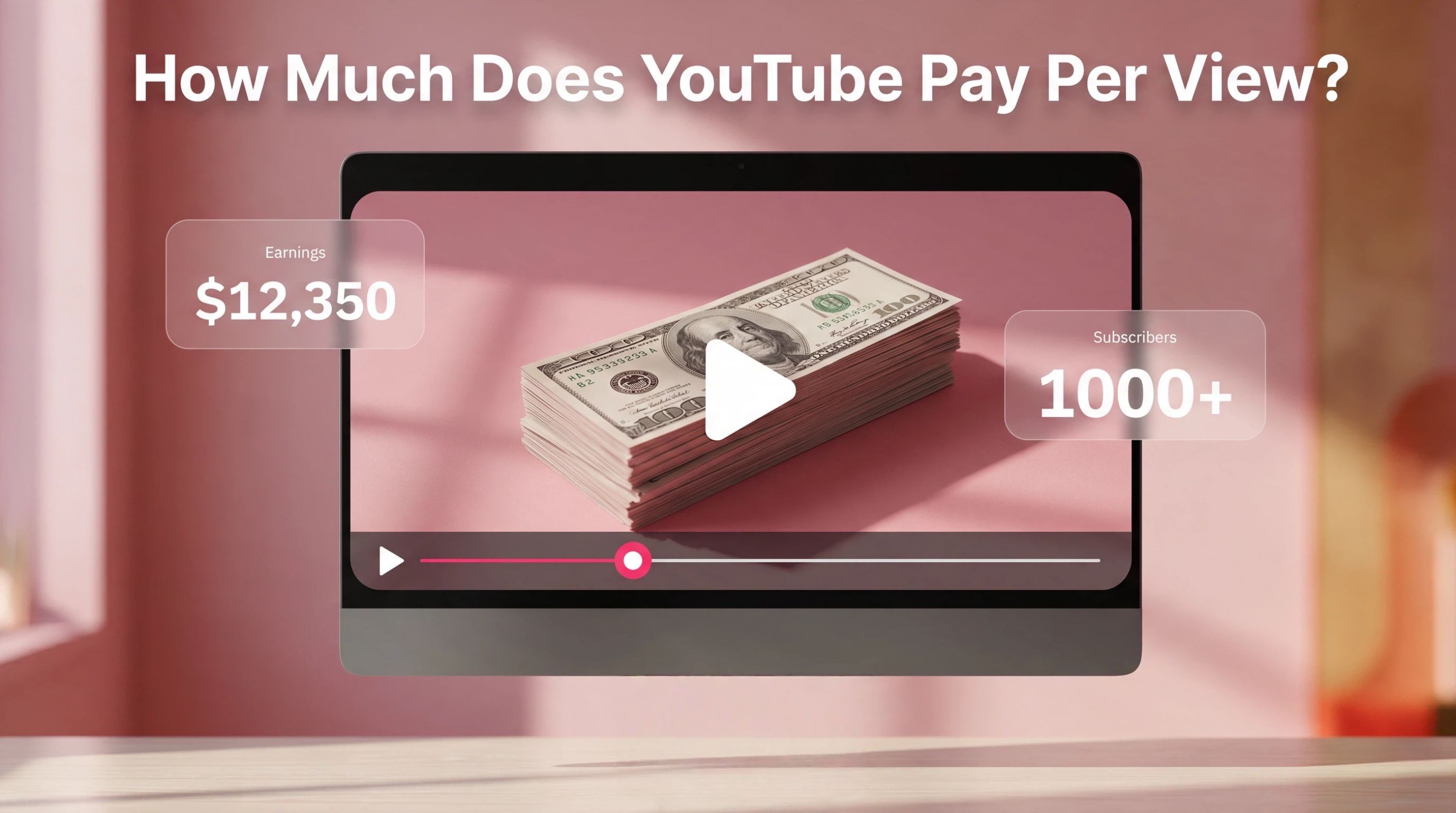
How Much Does YouTube Pay Per View? 1K, 100K & 1M Views

How to Make Money on Snapchat: 7 Ways to Earn

How to Get More Followers on Instagram in 2026

Best Time to Post on TikTok in 2026 for More Views
How to Repost on Instagram in 2026: A Simple Guide

Multichannel Marketing Guide: Strategy, Tools & Examples
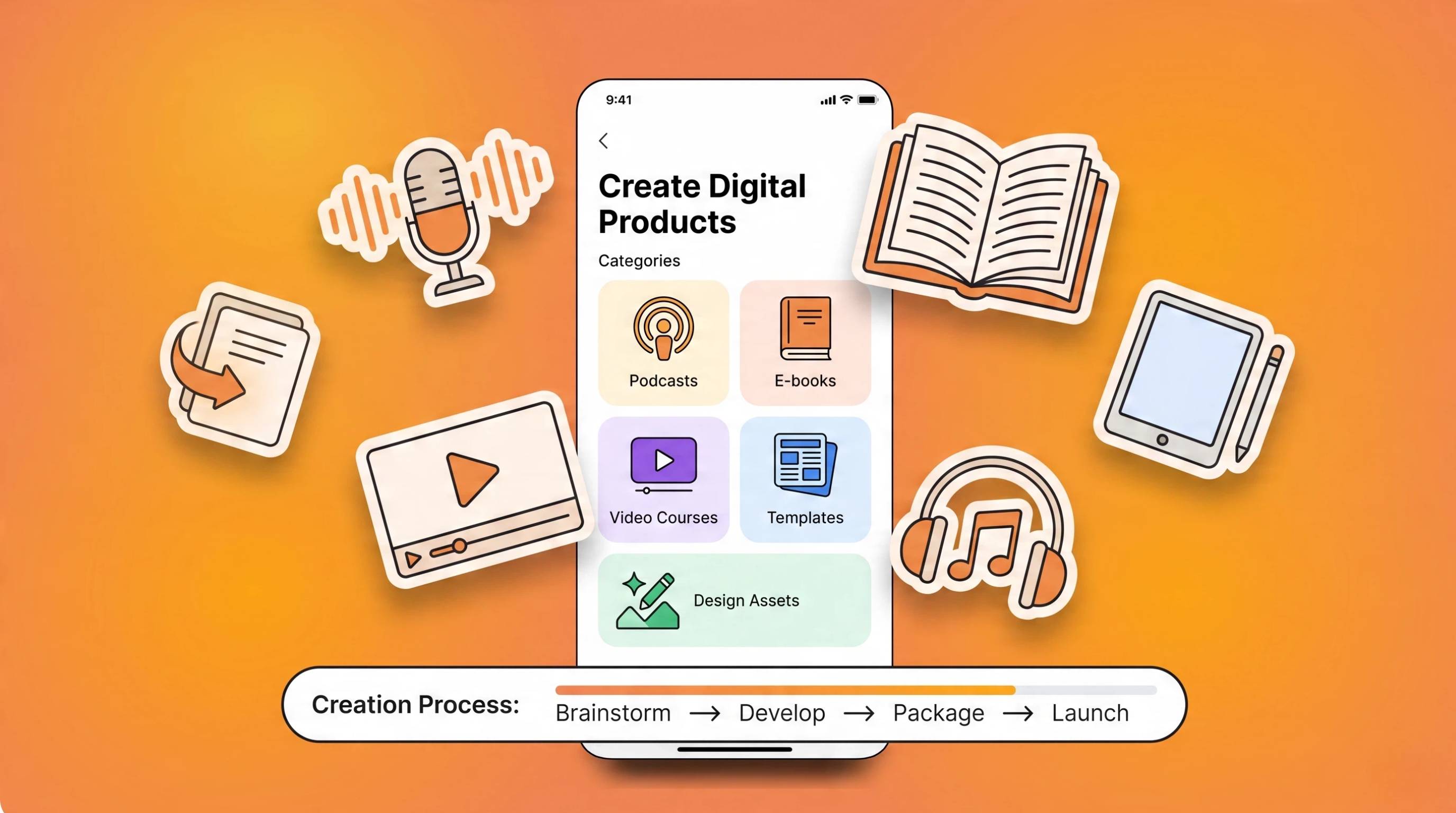
How to Create Digital Products That Sell in 2026

Cyber Monday Marketing Ideas & Strategies (2026 Guide)
Black Friday Marketing Ideas for Ecommerce Brands (2026)
Instagram Marketing Guide: Strategies, Tips & AI Tools in 2026
Influencer Marketing Guide: Strategy, Campaigns & Creator Tips

15 Best Things to Sell on Etsy in 2026 (Listing Tips Included)
WooCommerce vs Shopify 2026: Pricing, Features & Which Is Better
How to Sell on Facebook Marketplace: Beginner Guide (2026)
How to Use Pinterest for Business: Strategy, Tips & Growth Guide

How to Sell on Etsy in 2026: Setup, Listings & Growth Tips

What Is a Target Audience? Types, Examples & How to Find Yours

TikTok Marketing Guide 2026: Strategies, Ideas & AI Tools

Vibe Marketing Explained: Strategy, Examples & AI Tools
How to Sell on Depop: Beginner Guide to Getting Your First Sale
Online Advertising Guide: Types, Costs & Examples (2026)
Facebook Advertising Guide: Costs, Strategy & Tools 2026

What Are E-commerce Ads? Examples, Strategy & Tools (2026)

Where to Sell Handmade Items Online (2026): Etsy, Amazon, or Shopify?
Shopify vs Amazon (2026): Brand Store or Marketplace FBA?

Amazon Handmade vs Etsy (2026): Which Is Better for Makers?
Etsy vs eBay (2026): Handmade, Vintage, or Secondhand?
Selling on Amazon vs eBay (2026): Fees, Profit & Where to Sell

What Is Brand Awareness? Examples, Strategies & Tools 2026

10 Best Online Selling Platforms (2026): Pick by What You Sell

Shopify vs Etsy (2026): Which Is Better for Handmade Sellers?
YouTube Automation Step-by-Step AI Guide for Beginners

What Is Brand Identity? Examples, Elements & Strategy

AI Marketing Agent: How It Works, Benefits & E-Commerce Examples

What Is Personalized Advertising? Examples & How It Works
How to Build a Shopify Store That Actually Converts Visitors

Amazon Marketing Guide 2026: Strategies, Tips & Tools
Local Advertising: Strategies, Examples & Tools (2026)

What Is Branded Content? Examples, Strategy & Tools 2026

What Is Performance Marketing? Strategies & Examples 2026

Inbound Marketing: Strategies, Examples & Tools (2026)
Package Videos People Actually Click
You now know how RPM-based estimates work for 1K, 100K, and 1M views. Pair that with clearer thumbnails and promo visuals in Designkit so more of those views show up in the first place.