
Best AI Virtual Try-On Clothes Tools for Any Body Type in 2026
See How Any Outfit Looks on You Before You Buy: AI Try-On Tools for Every Body Type.

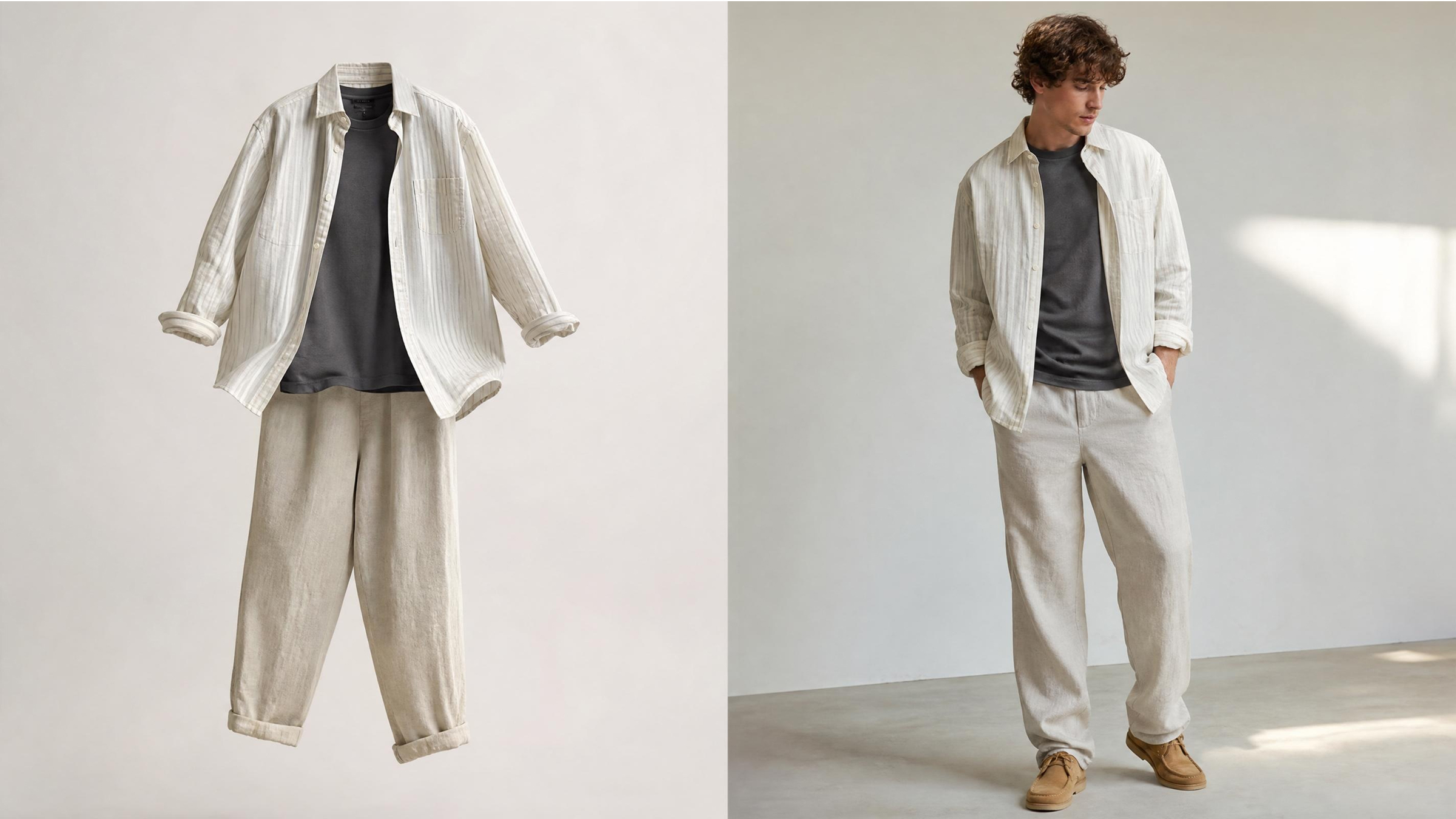
Shopping for clothes online often leads to uncertainty about fit and even style. Many buyers hesitate because they cannot visualize outfits accurately before making final purchase decisions. This is where a virtual try-on clothes experience transforms how people explore fashion online.
Advanced AI tools now simulate garments on digital models along with impressive flexibility. Consumers can preview outfits instantly, while brands create scalable product visuals across diverse audiences. So, this guide compares top platforms, along with use cases to simplify your decision process.
How AI Virtual Try-On Clothes Tools Work and Why They Matter in 2026
Modern fashion technology has evolved to provide incredibly realistic and accurate digital outfit previews. Understanding how an AI try-on clothes system functions is essential for every user. Such platforms bridge the gap between static product photos and your personal styling goals. In 2026, these tools are vital for reducing returns and improving overall shopping satisfaction.
They allow both individuals and businesses to visualize complex garments with very high precision. Research from Mordor Intelligence shows that the global virtual try-on market is projected to reach above $48.1 billion by 2030. Review the core technical components that make a virtual try-on clothes experience possible:
How AI Clothes Try-On Technology Simulates Outfits on Digital Models
A good virtual try-on clothes session begins with sophisticated garment transfer algorithms. The software uses pose estimation to detect the specific orientation of the digital model. Next, texture mapping ensures that fabric patterns look natural and realistic on the body. This process maintains the original drape and flow of the clothing for better accuracy. The following table highlights the primary technical steps involved in realistic digital outfit simulation:
|
Process Type |
What It Does |
Why It Matters for Users |
|---|---|---|
|
Garment Transfer |
Places clothing images onto a target body model digitally |
Ensures the outfit fits naturally across different body shapes |
|
Pose Estimation |
Detects body posture and adjusts clothing alignment accordingly |
Prevents distortion when the model changes position or angle |
|
Texture Mapping |
Applies fabric details like folds, shadows, and patterns |
Creates realistic visuals that resemble actual fabric behavior |
These steps work together to simulate how clothes drape and move realistically. As a result, users see lifelike outfit previews instead of flat or unrealistic overlays.
Consumer Try-On vs E-Commerce Outfit Generation Explained
Choosing a personal AI clothes changer online differs significantly from professional business production tools. Consumers typically use these apps to see how a single item looks on themselves. Conversely, eCommerce sellers need scalable solutions to create massive libraries of diverse product images.
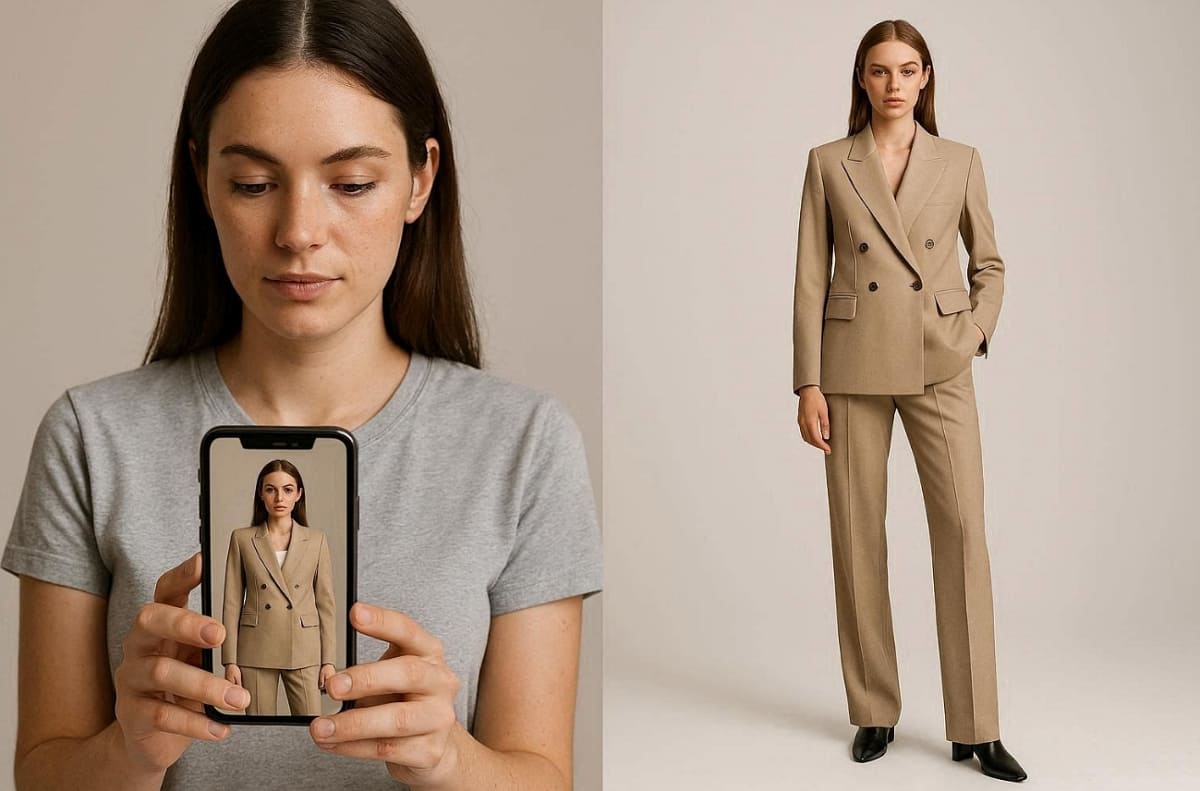
Professional platforms focus on high-volume output rather than individual selfie-based styling sessions. A report from Fortune Business Insights shows that 70% of shoppers prefer brands that integrate augmented reality into their purchase journey. Still, understanding this distinction helps you select the right AI clothes changer online for your needs:
1. Consumer Goal: Personal wardrobe planning and testing new styles before making a purchase.
2. Business Goal: Creating professional model photos for Amazon or Shopify without expensive physical shoots.
3. Software Type: Mobile apps for individuals versus web-based suites for professional marketing teams.
4. Output Quality: Social media-ready previews compared to high-resolution images for online stores.
What to Look for in the Best AI Clothes Try-On Tool
Selecting the perfect software requires a clear understanding of your specific fashion goals. Evaluating different platforms ensures that you receive the most realistic digital styling results. Moreover, a reliable virtual outfit try-on experience depends on several critical technical factors. So, the following sections detail the essential criteria for choosing the best available technology:
Features That Define High-Quality Virtual Outfit Experience
A professional AI try-on clothes tool should provide photorealistic textures and natural lighting. A reliable platform supports layering garments such as jackets over shirts. Therefore, choose a program with a variety of skin tone options.
Price models should also reflect your individual or commercial usage. In addition, PwC reports that 70% of consumers feel more confident when using augmented reality try-on features while shopping online. The table below summarizes the key features of an elite digital fashion experience:
|
Feature Category |
Requirement |
Benefit for the User |
|---|---|---|
|
Visual Realism |
High resolution rendering |
Prevents the outfit from looking like a flat or artificial digital sticker |
|
Outfit Layering |
Multiple item support |
Allows you to visualize complete coordinated looks instead of single clothing pieces |
|
Customization |
Precise body adjustments |
Ensures the digital garment fits your unique physical measurements with total accuracy |
|
Fabric Physics |
Realistic drape and flow |
Simulates how silk, denim, or cotton moves naturally on a three-dimensional body |
|
Batch Processing |
High-volume generation |
Allow fashion brands to create hundreds of product visuals in a single session |
|
Pose Variation |
Zero-distortion mapping |
Changes model positions without warping the original shape or pattern of the clothing |
Why Use Cases Matter More Than Features Alone
Choosing a generic AI clothes changer online can lead to significant mismatch risks. Consumer applications focus on entertainment and quick social media sharing for individual users. In contrast, professional business tools prioritize batch generation for massive online product catalogs. Thus, always align your chosen AI clothes changer online with professional or personal intent:
1. Retail Success: Business owners need consistent model visuals to drive higher conversion rates.
2. Personal Style: Individuals should prioritize mobile ease of use for quick wardrobe planning.
3. Scalability Needs: Professional suites offer bulk processing, which is vital for growing fashion brands.
4. Budget Logic: Free tools are excellent for casual fun, but paid versions offer better realism.
According to Envive AI, retailers using AI visualization for product trials report conversion rate lifts of 23%.
Best AI Virtual Try-On Clothes and Outfit Tools in 2026
The digital fashion landscape offers diverse solutions for both individual shoppers and growing businesses. Selecting a quality virtual try-on clothes tool depends on your specific needs. Some platforms focus on rapid social media styling while others prioritize professional commercial image production. Check out these famous services to find the right fit for your wardrobe needs:
Perfect Corp - Best for Real-Time Virtual Outfit Try-On for Consumers
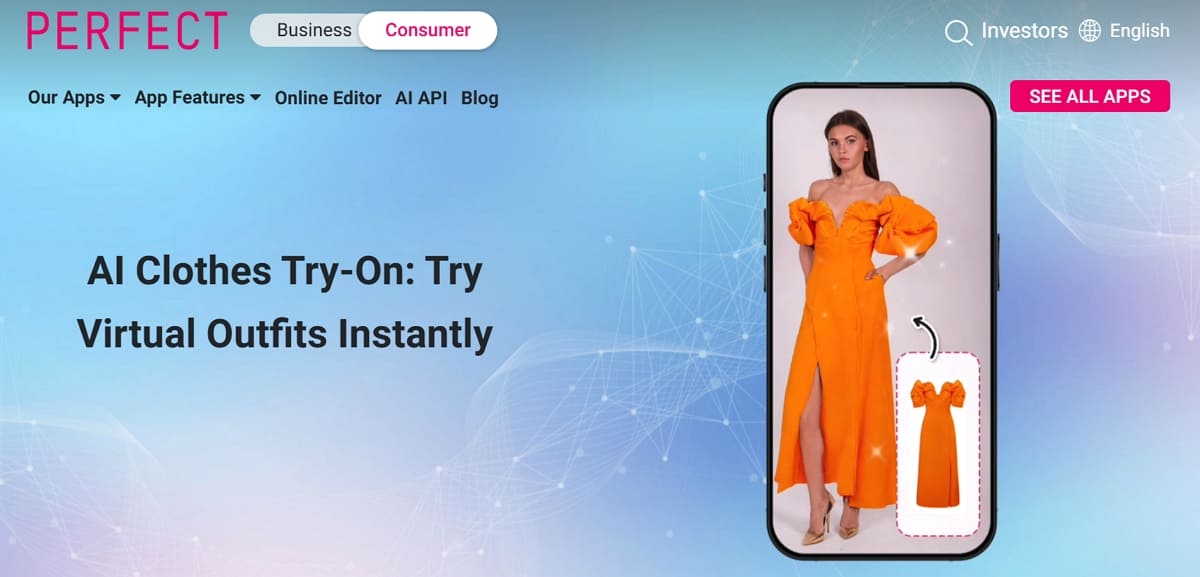
Perfect Corp offers a sophisticated and effortless virtual try-on clothes experience for everyone. This allows you to swap outfits on a personal selfie in just a few seconds. It's a perfect choice for leisure shoppers seeking to see a preview without tricky setups. You can access this powerful technology through mobile apps or directly in your web browser.
Key Features of Perfect Corp
1. The system handles dresses and full ensembles rather than just simple single-item overlays.
2. Advanced AI maps folds and shadows to ensure that the digital fabric looks authentic.
3. Brands can embed this virtual try-on clothes engine directly into their own websites.
Strength: Provides best-in-class realism for photo-based styling rather than simple digital stickers.
Limitation: It does not support full live three-dimensional body tracking for real-time movement.
Klodsy - Best for Full Outfit Coordination and Styling
Klodsy serves as a comprehensive digital wardrobe and personal stylist for your device. It turns your physical closet into a digital library for easier daily outfit planning. The app suggests coordinated looks by analyzing the colors and patterns of your clothing items. Along with that, you can preview these suggestions on your own photo with a realistic virtual outfit try-on.
Key Features of Klodsy
1. You can photograph your real clothes to categorize them into a searchable and organized digital closet.
2. Only require a clear selfie to see how different clothing combinations look on your actual body.
3. The native calendar lets you schedule your outfits for upcoming trips or important social events.
Strength: Best balance of full outfit coordination and practical planning for your everyday wardrobe needs.
Limitation: You must purchase a premium subscription for unlimited access to the advanced try-on features.
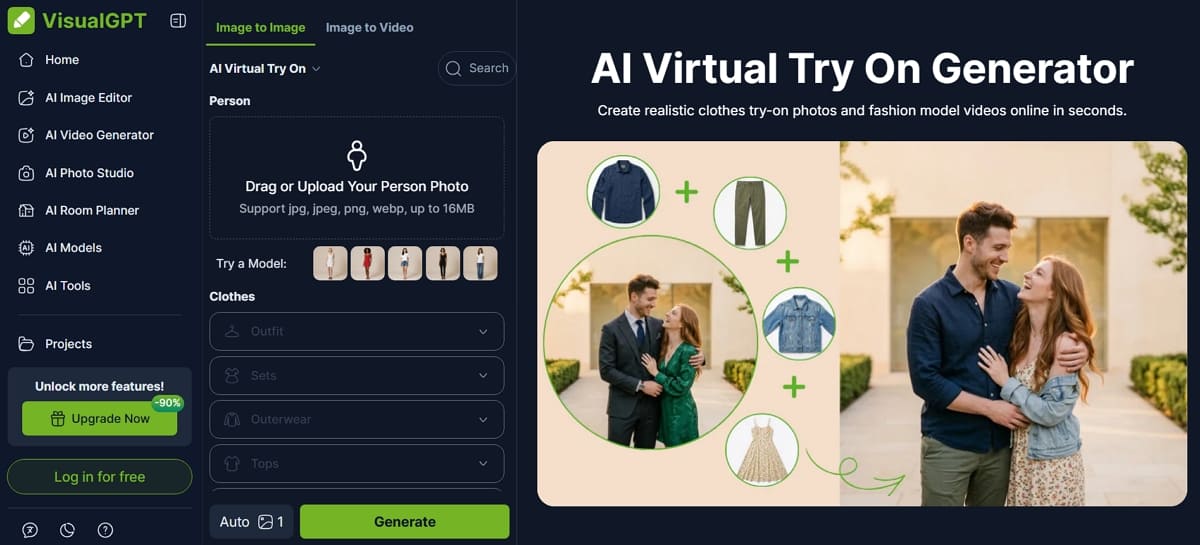
VisualGPT - Best Free AI Clothes Changer Online Without Installation
VisualGPT offers a powerful and accessible AI clothes changer online that works entirely in your browser. It requires no complex sign-up or software installation to start generating new fashion looks. You simply need to upload a photo and select a style to see an instant digital transformation. In addition to that, the tool is perfect for creators who need quick outfit variations for their social media.
Key Features of VisualGPT
1. Choose from a wide selection of professional models if you prefer not to use selfies.
2. Apply ready-made fashion themes like streetwear or formal wear with just one click.
3. Upload several clothing pieces at once to see a complete and coordinated digital outfit result.
Strength: Truly free and frictionless experience for users who want quick and easy outfit results.
Limitation: The platform focuses on editing still photos rather than providing a live camera experience.
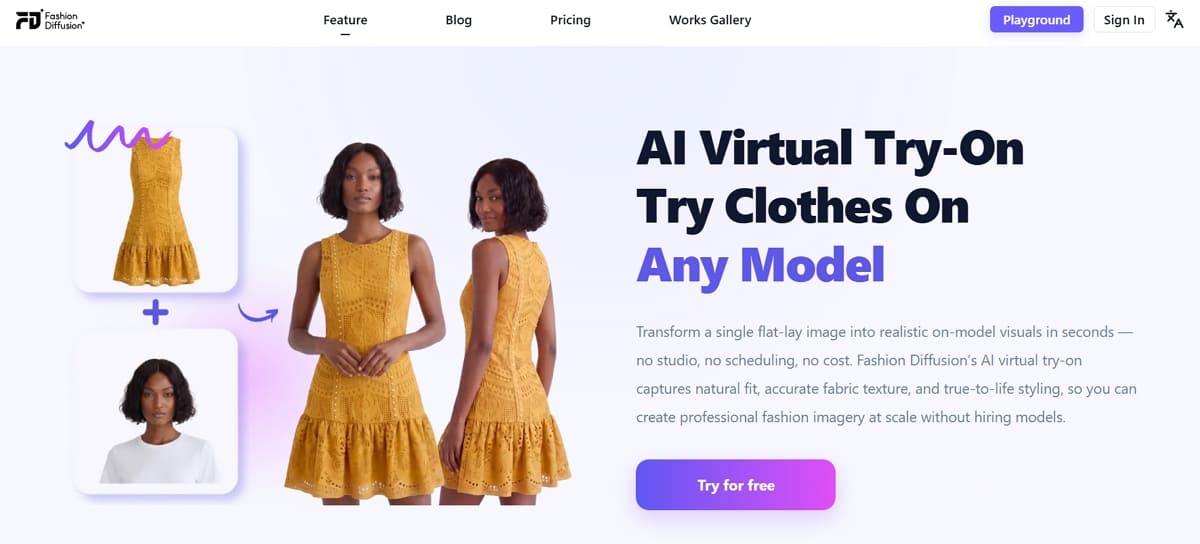
Fashion Diffusion - Best for Photorealistic Fabric and Garment Rendering
Fashion Diffusion specializes in transforming simple flat-lay product photos into high-end professional model images. This advanced AI try-on clothes platform focuses on visual fidelity and realistic textures. It is built for creators and small brands that require studio-quality results without expensive photoshoots. The tool also automatically detects garment contours to ensure a natural fit on diverse digital models.
Key Features of Fashion Diffusion
1. Designers can upload hand-drawn sketches to visualize new clothing pieces as professional fashion photos.
2. Generate consistent model images across hundreds of different items for a cohesive online store.
3. Capture intricate fabric details like folds and lighting for a truly lifelike digital finish.
Strength: Provides best-in-class photorealism for still images, making garments look like authentic studio photography.
Limitation: This platform is designed for professional content creation rather than daily personal outfit planning.
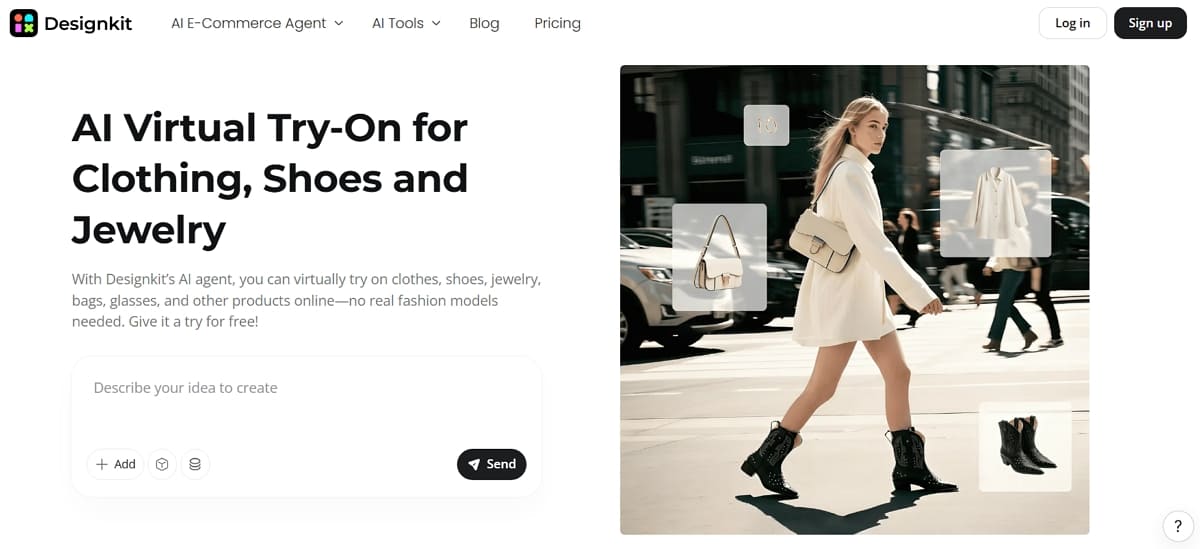
Designkit — Best AI Platform for E-Commerce Clothing Visualization
Designkit serves as a complete visual production suite specifically designed for growing fashion eCommerce brands. Unlike consumer apps, this AI try-on clothes tool automates the entire product image pipeline. It allows sellers to generate consistent model photos across various sizes, genders, and ethnic backgrounds.
Moreover, Designkit is the leading solution for brands needing platform-ready visuals for platforms like Shopify or Amazon. It also helps reduce production costs by eliminating the need for repeated photoshoots and physical samples. Additionally, the platform ensures faster turnaround times, allowing brands to launch new collections more efficiently.
Key Features of Designkit
1. Professional Virtual Try-On: Generate realistic on-model images from mannequin shots using this advanced AI try-on clothes engine.
2. AI Clothes Changer: Swap garments on a single signature model to maintain consistent branding across your catalog.
3. Integrated AI Outfit Generator: Automatically compose tops, bottoms, and accessories into one styled scene for your digital lookbooks.
4. Dynamic AI Color Changer: Adjust garment patterns and colorways instantly to show every product variant without a photoshoot.
5. Multi-Category Batch Support: Process massive quantities of clothing, shoes, and jewelry simultaneously for high-volume eCommerce production.
Strength: Offers a full production suite covering try-on, outfit building, and professional marketplace listing layouts.
Limitation: It is not designed for selfie-based shopping try-on, focusing instead on business use cases.
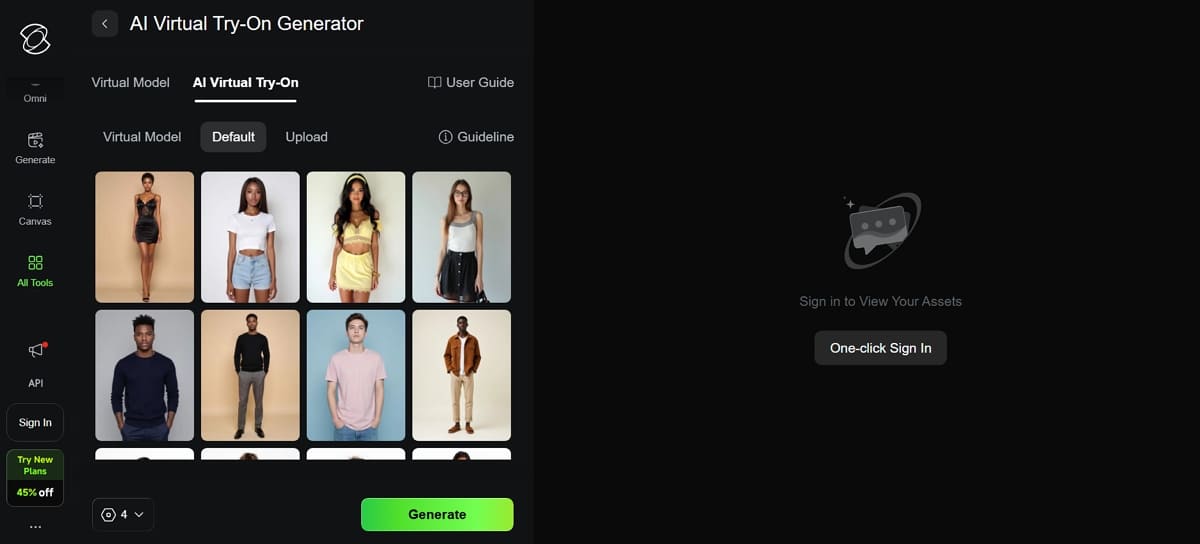
Kling AI - Best for Social Media Fashion Content and Outfit Videos
Kling AI leads the industry by transforming static fashion images into dynamic outfit videos. This virtual outfit try-on is ideal if you're a creator looking for content for Instagram Reels. It also lets you move virtual models to walk around and pose your models in your chosen outfits. The advanced engine uses 3D physics to ensure that fabric moves naturally with every body motion.
Key Features of Kling AI
1. Upload product photos to dress models with accurate fit and perfect background restoration.
2. Create unique runway videos from simple text descriptions without needing any original source photos.
3. Display complete outfits, including tops and outerwear, together in one realistic moving video.
Strength: Excellent for creating dynamic social fashion content that features realistic fabric movement.
Limitation: Achieving the best results requires high-resolution input images and a structured content creation workflow.
Fits - Best for Men’s Virtual Outfit Try-On and Wardrobe Planning
Fits provides a streamlined and practical digital closet experience designed specifically for modern men’s wardrobes. The virtual try-on clothes platform excels at organizing your current clothes and suggesting new outfits for daily wear. It uses intelligent logic to recommend styles based on your local weather and specific social occasions. Alongside that, this tool is ideal for men who want a systematic and efficient way to manage style.
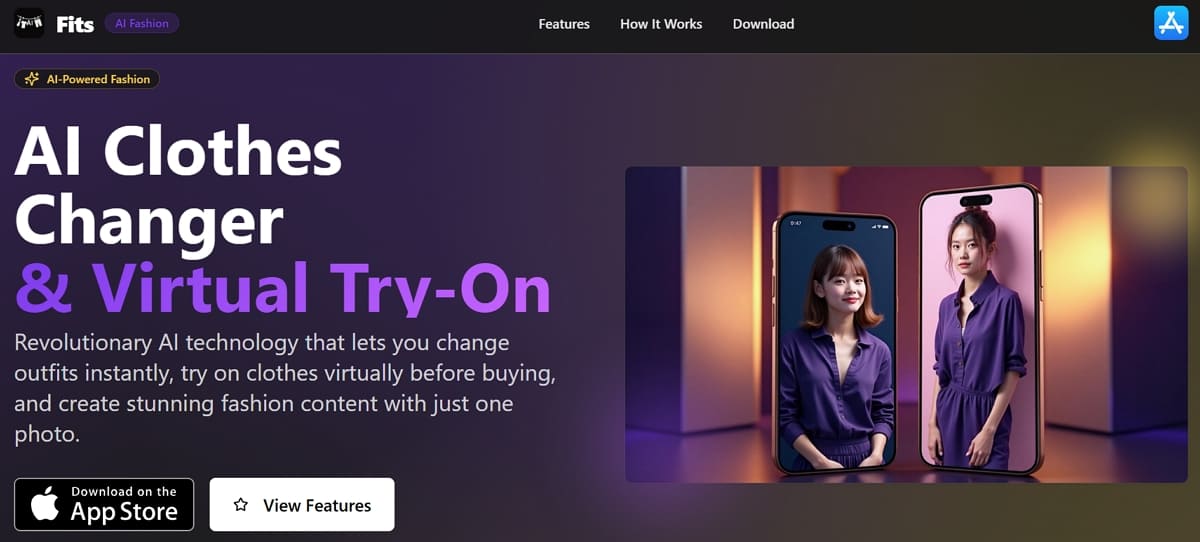
Key Features of Fits
1. Snap and name your physical garments to create a searchable virtual wardrobe.
2. Receive personalized outfit suggestions that align with your unique preferences and the current weather.
3. Place your coordinated outfits into realistic digital scenes to visualize your look with ease.
Strength: Excellent for men's wardrobe structure by providing weather-aware suggestions and a helpful planning calendar.
Limitation: The virtual try-on features focus more on outfit planning than precise real-time body simulations.
AI Clothes Try-On Tools Compared — Quick Decision Guide
Choosing the right platform requires a clear comparison of features and primary use cases. Moreover, finding a perfect virtual try-on clothes solution depends on your individual or business goals. Review the comparison data below to identify which AI try-on clothes software fits best:
Feature, Pricing, and Use Case Comparison Table
The following data highlights the essential differences between these innovative fashion technology solutions:
|
Tool Name |
Best Use Case |
Key Strength |
Pricing Style |
Output Quality |
|---|---|---|---|---|
|
Perfect Corp |
Real-time virtual try-on clothes for consumers |
Fast processing with highly realistic outfit previews |
Freemium with premium upgrades |
High-quality realistic visuals |
|
Klodsy |
Full wardrobe planning and virtual outfit coordination |
Strong outfit organization and styling suggestions |
Subscription-based plans |
Moderate to high realism |
|
VisualGPT |
Free AI clothes changer online without installation |
Instant browser-based outfit generation |
Completely free usage |
Basic to moderate quality |
|
Fashion Diffusion |
Photorealistic AI try-on clothes rendering for creators |
Studio-level fabric detail and lighting simulation |
Paid or limited free access |
Very high realism outputs |
|
Designkit |
E-commerce AI clothes changer production suite |
Bulk image generation across models and categories |
Subscription or enterprise pricing |
High-resolution professional visuals |
|
Kling AI |
Social media outfit creation and fashion video generation |
Dynamic outfit animation with realistic fabric movement |
Freemium with paid features |
High-quality video outputs |
|
Fits |
Virtual try-on clothes and wardrobe planning |
Personalized outfit suggestions with planning tools |
Freemium subscription model |
Moderate realism with practical usability |
This comprehensive table clearly compares virtual try-on clothes tools based on real-world usage needs.
Which AI Outfit Tool Should You Choose Based on Your Goal
Each platform offers unique advantages tailored to specific creative workflows and professional commercial requirements. The following categories will help you match the right technology to your primary fashion objectives:
Best for Shopping and Personal Style
If you want a virtual outfit try-on for daily wear, choose Klodsy or Fits. These apps excel at organizing your existing closet and planning coordinated outfits for future events.
Best for Social Media Content Creators
For quality videos, Kling AI is the best virtual outfit try-on platform. Along with that, VisualGPT is also a great choice for generating fast and free fashion images for Instagram.
Best for Professional eCommerce Sellers
Fashion brands should prioritize Designkit for their official product listings and bulk marketing material today. It offers the most comprehensive features for scaling your virtual outfit try-on across diverse models.
Conclusion
To summarize, finding the right platform depends entirely on your specific fashion or business goals. Shoppers often prefer mobile apps for quick and personal wardrobe styling sessions. Meanwhile, professional brands require powerful batch processing for high-volume product catalogs.
The best virtual try-on clothes tools provide realistic textures and a very accurate fit. Whether you need simple social media videos or complex commercial visuals, options exist. So, compare these top-rated services to select the ideal software for your needs.
Frequently Asked Questions
How accurate is a virtual try-on clothes experience today?
Can AI try on clothes tools support different body types effectively?
Most advanced AI try-on clothes platforms adapt to diverse body shapes using intelligent mapping algorithms. They adjust garment positioning based on proportions and visual cues from uploaded images. Still, extreme body variations may slightly affect realism depending on the dataset training and model accuracy.
What is the main difference between a consumer app and an AI clothes changer online?
Consumer apps focus on personal wardrobe planning and quick social media sharing for individuals. Conversely, a typical AI clothes changer online tool focuses on quick edits for casual users. Thus, choosing the right software depends on whether you need personal styling or commercial visuals.
Is my data safe when using a virtual outfit try-on platform?
Most virtual outfit try-on platforms follow privacy standards and secure image processing policies carefully. Moreover, reputable tools avoid storing personal photos permanently unless users explicitly allow online saving features. Hence, always review privacy terms before uploading sensitive images to any AI-powered styling platform online.
Are free AI clothes tools worth using compared to paid options?
Free AI clothes changer online platforms offer basic features for quick styling experiments. Paid versions usually provide better realism and HD output for professional use. So, choosing between them depends on whether you need casual previews or consistent commercial-quality visuals.
You May Also Like
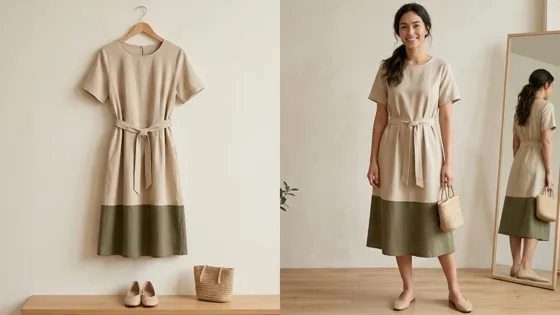
10 Best Virtual Try-On Apps & Tools for Online Shopping in 2026
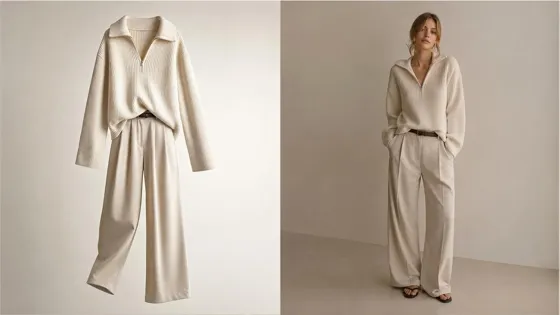
How to Try On Clothes Online with AI for Better Fit & Style
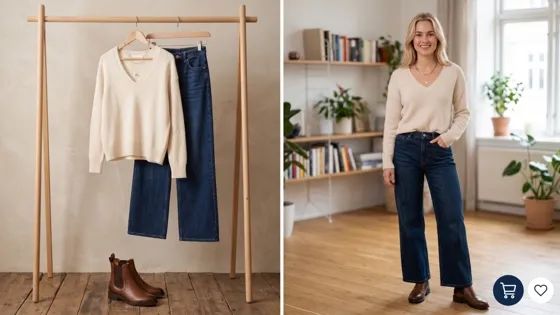
Virtual Outfit Try-On Guide: Plan Outfits Before You Buy
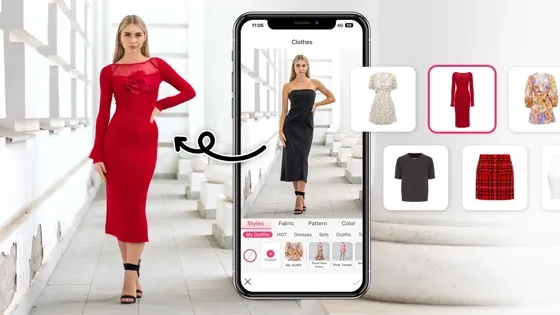
How AI Virtual Try-On Helps Fashion Brands Boost Sales & Reduce Returns
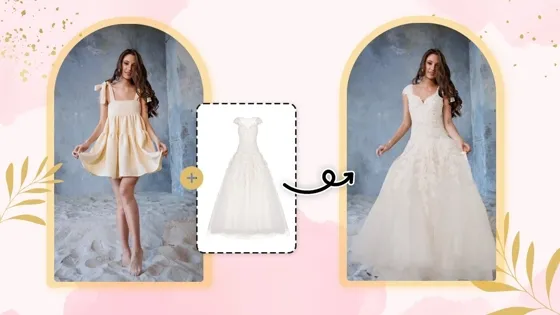
Virtual Wedding Dress Try-On Online for Brides in 2026
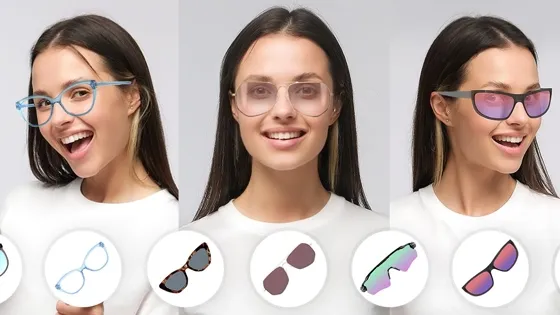
How AI Virtual Try-On Is Transforming Eyewear Ecommerce
Scale Your Fashion Visuals with AI — No Studio Needed
Designkit helps e-commerce brands generate realistic virtual try-on images at scale. Upload any garment and produce high-quality outfit visuals across diverse models — no photoshoot required.