
15 Best Things to Sell on Etsy in 2026 (Plus How to Pick Yours)
Explore 15 best things to sell on Etsy in 2026. Learn what makes a product profitable, how to validate ideas, and how to create listing visuals that stand out.

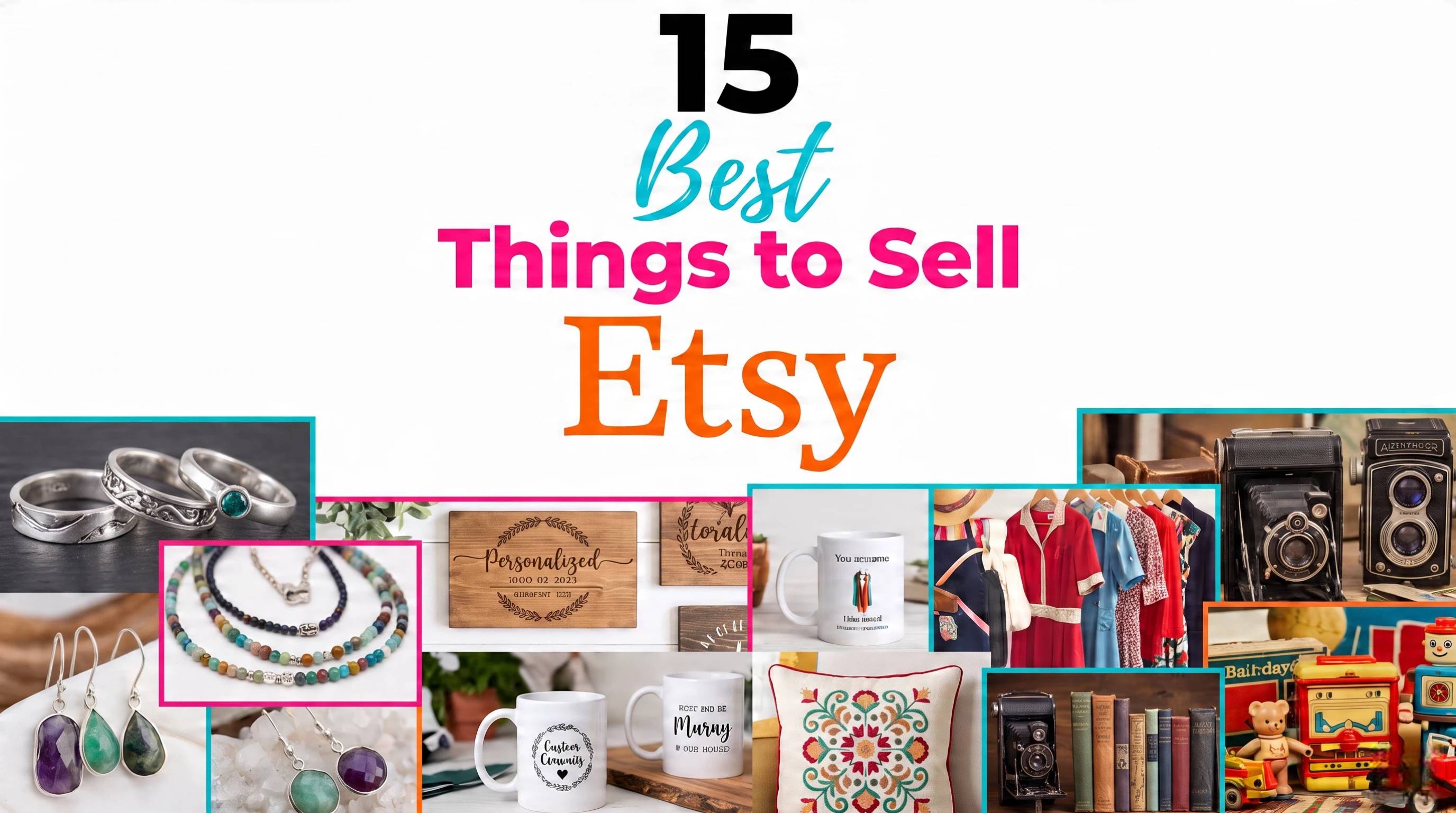
Choosing what to sell on Etsy is one of the biggest decisions you'll make as a new seller. With millions of active listings across more than 140 product categories, simply creating something handmade isn't enough to build a successful shop. The products that consistently perform well usually solve a specific need, offer personalization, fit popular gift or home décor occasions, and can be produced efficiently as your business grows.
In this guide, you'll explore 15 of the best things to sell on Etsy in 2026, understand Etsy's selling costs, learn how to validate a product idea before investing, and discover how Designkit helps you create professional listing photos that make your products stand out.
What Makes a Product Successful on Etsy?
Choosing the best things to sell on Etsy starts with more than following trends. The best selling things on Etsy usually combine strong demand, attractive presentation, and a business model that's sustainable as your shop grows.
Before deciding what you can sell on Etsy, use the factors below to evaluate whether a product has the potential to attract buyers, generate consistent sales, and remain profitable over time.
|
Factor |
Why It Matters |
|---|---|
|
Personalization |
Higher perceived value and willingness to pay |
|
Visual appeal |
Buyers shop through images |
|
Production scalability |
Easier to grow without burning out |
|
Profit margin |
Must cover fees, ads, and time |
|
Clear target audience |
Easier messaging and SEO |
How Much Does It Cost to Sell on Etsy?
Understanding Etsy's fees is just as important as choosing the best products to sell on Etsy. A product with healthy profit margins is more likely to generate consistent income than one with high sales but little profit after fees. Since Etsy's pricing and policies can change, always verify the latest fee structure in the Etsy Seller Handbook before publishing.
Listing Fee
Etsy charges a small fee each time you publish a product listing. This fee applies whether or not the item sells, so frequently renewing low-priced products can reduce your overall profit.
Transaction Fee
When you make a sale, Etsy deducts a percentage of the order as a transaction fee. This means your product price should account for marketplace costs, not just production expenses.
Payment Processing Fee
Every order also includes a payment processing fee for securely handling customer payments. The exact amount varies depending on your country and payment method.
Offsite Ads
Etsy may promote your listings on search engines and other websites. If a customer buys through one of these ads, an advertising fee is deducted from the sale. Participation is optional for some sellers but required for shops that exceed Etsy's sales threshold.
Etsy Ads
If you want additional visibility, you can run Etsy Ads by setting your own daily budget. These ads appear within Etsy search results and can help increase exposure, but they should be factored into your marketing costs.
Before setting your prices, calculate all expenses—including listing, transaction, payment processing, shipping, materials, packaging, and advertising. This is especially important if you're learning how to sell items on Etsy, as inexpensive products often leave little room for profit once fees are deducted, while higher-value or personalized items typically offer healthier margins.
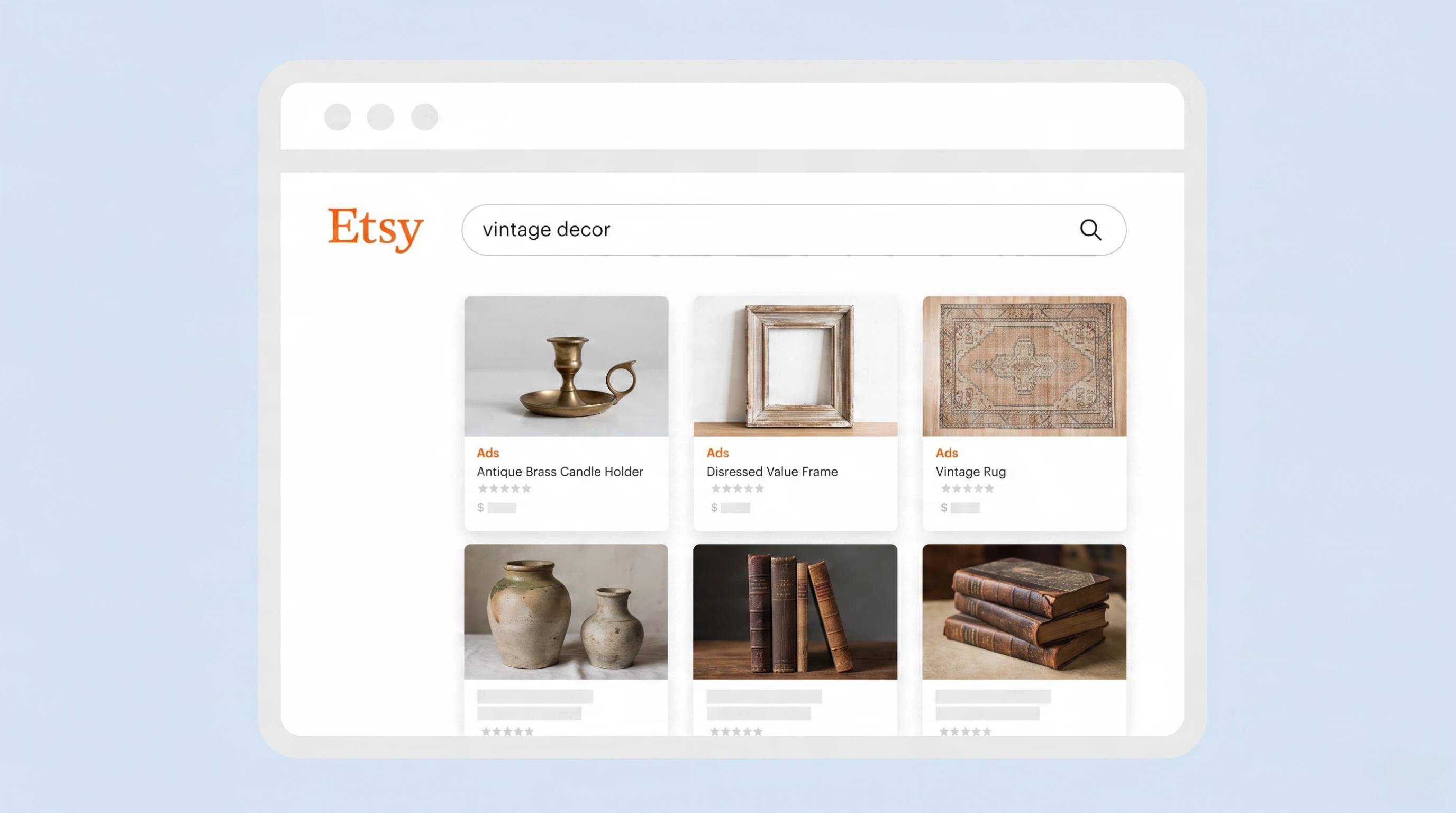
15 Best Things to Sell on Etsy in 2026
Choosing what to sell on Etsy can be challenging with so much competition. These 15 product ideas highlight categories with strong buyer demand, repeat sales potential, and opportunities for customization.
Digital Downloads
Examples: Printable planners, budgeting spreadsheets, wedding invitation templates, resume templates, digital journals, social media templates, educational worksheets.
Why it works: Digital downloads continue to be among the top selling on Etsy because they're inexpensive to deliver and can be sold repeatedly without inventory or shipping. After creating a high-quality file, you can earn from the same listing multiple times with minimal ongoing costs. Buyers also appreciate instant access, making digital products especially popular for planners, business templates, and printable artwork.
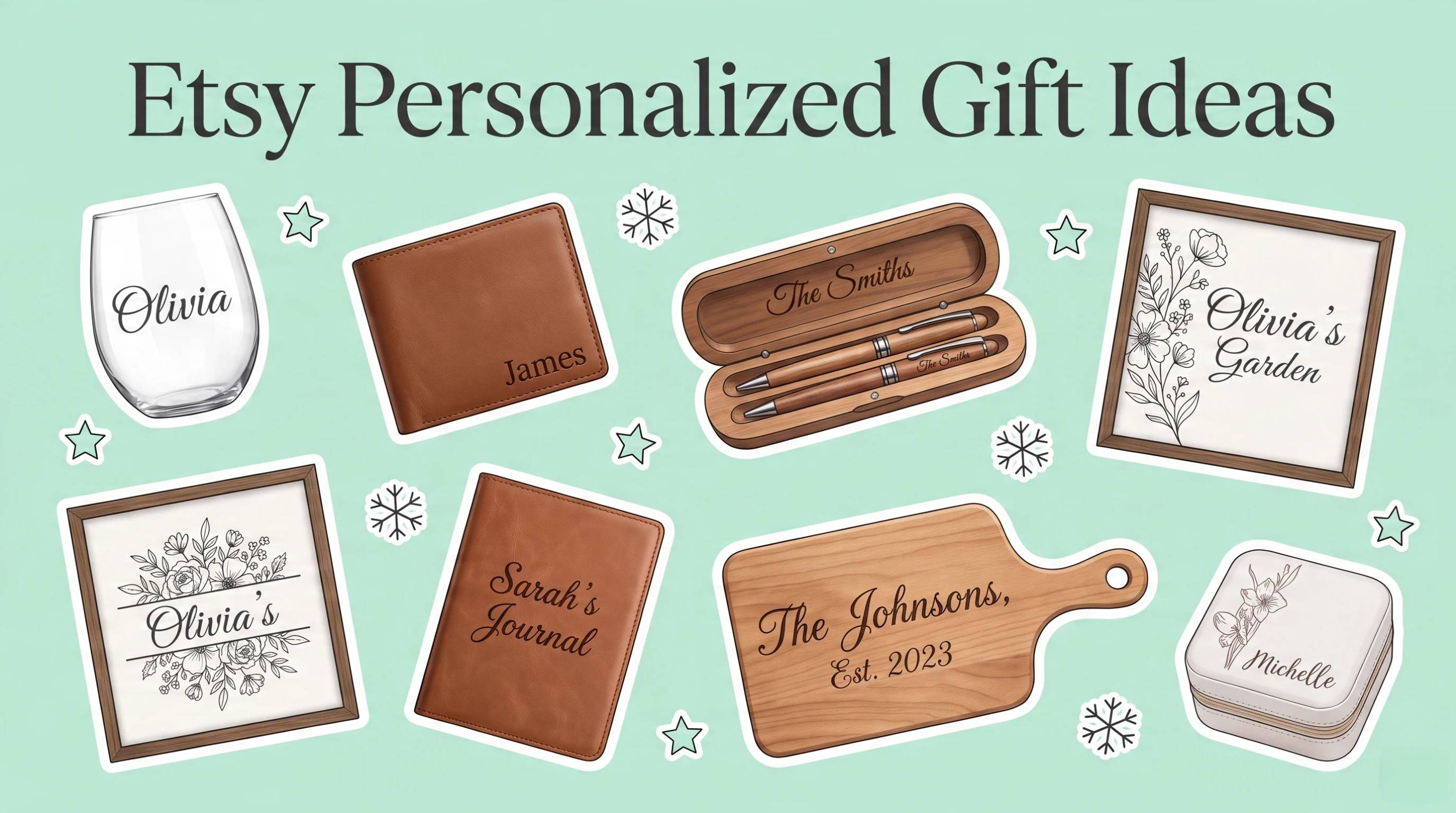
Personalized Gifts
Examples: Custom mugs, engraved cutting boards, name signs, personalized ornaments, photo gifts, monogrammed keychains.
Why it works: Personalized gifts remain a year-round bestseller because customers are willing to pay more for products made specifically for them. These items are especially popular during holidays, weddings, anniversaries, and birthdays. Offering multiple customization options, such as names, dates, colors, or messages, helps your listings stand out while increasing the average order value.
Handmade Jewelry
Examples: Birthstone necklaces, resin earrings, minimalist rings, charm bracelets, engraved pendants, gemstone bracelets.
Why it works: Handmade jewelry consistently attracts shoppers looking for unique accessories that aren't mass-produced. Successful shops often focus on a recognizable style or niche, such as minimalist, boho, or personalized jewelry. Quality materials, attractive photography, and clear sizing information help build trust and encourage repeat purchases.
Printable Wall Art
Examples: Quote prints, nursery art, botanical illustrations, abstract artwork, seasonal decorations, vintage-inspired prints.
Why it works: Printable wall art offers the convenience of instant delivery while giving buyers the flexibility to print at home or through a local print shop. Sellers benefit from unlimited sales without production or shipping costs. Creating coordinated collections or offering multiple size ratios can increase both visibility and average order value.
Custom Apparel
Examples: Graphic T-shirts, embroidered sweatshirts, family reunion shirts, matching holiday pajamas, personalized hoodies.
Why it works: Print-on-demand services have made custom apparel one of the easiest product categories to start with. You don't need to keep inventory, and customers enjoy personalized designs for events, gifts, and everyday wear. Focusing on a specific audience or niche often performs better than creating broad, generic designs.
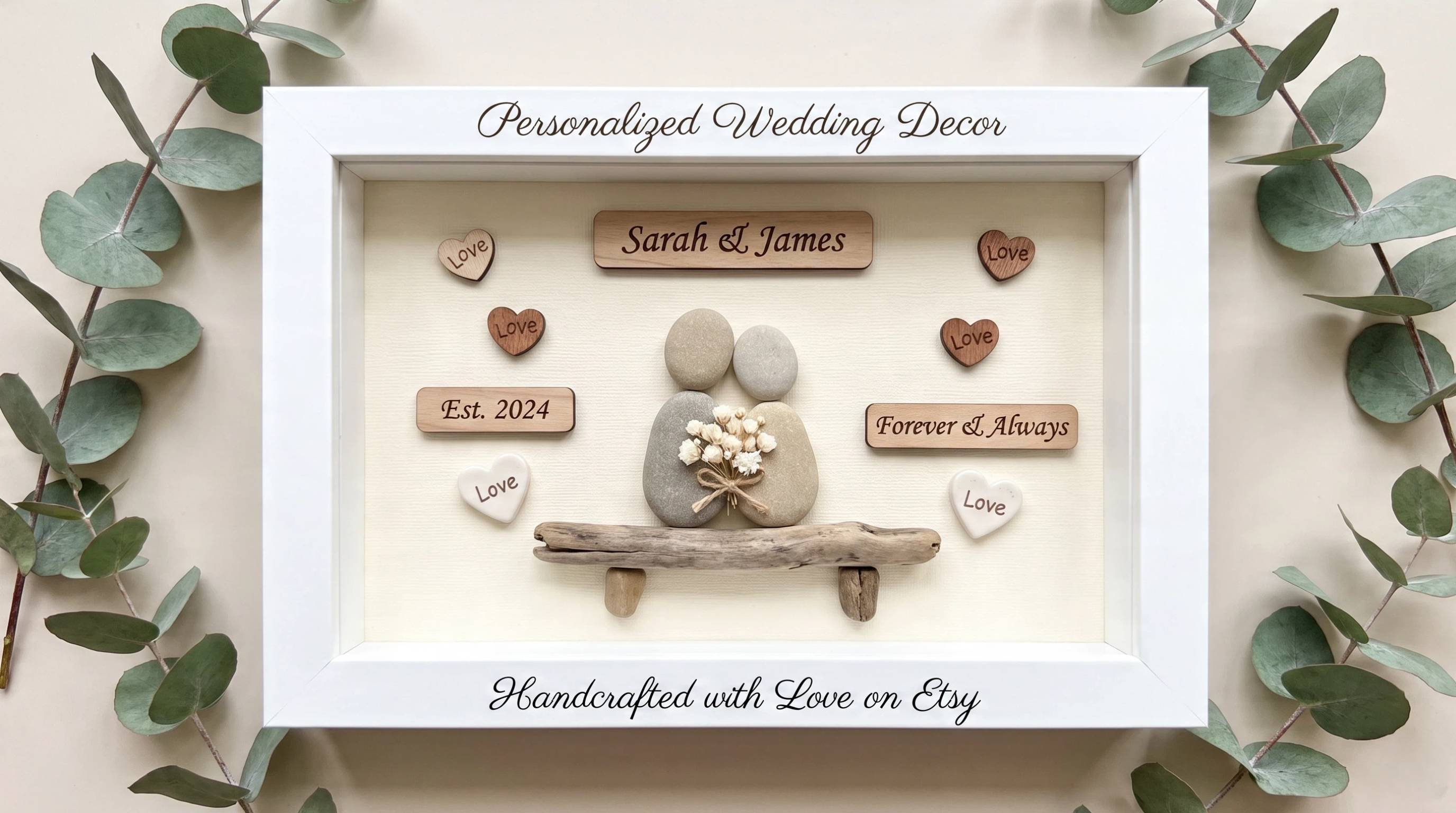
Wedding Products
Examples: Wedding invitations, welcome signs, seating charts, bridesmaid gifts, cake toppers, vow books.
Why it works: Wedding shoppers typically purchase multiple coordinated products, creating opportunities for larger orders. Couples also value personalization, making custom names, dates, and matching design collections especially attractive. Bundling related wedding items can increase your revenue from each customer.
Candles & Home Fragrance
Examples: Soy candles, wax melts, reed diffusers, room sprays, seasonal scent collections.
Why it works: Home fragrance products appeal to buyers shopping for gifts as well as personal home decor. Seasonal collections, premium ingredients, and attractive packaging encourage repeat purchases throughout the year. Many successful Etsy sellers also offer gift boxes and limited-edition scents during holidays.
Pet Products
Examples: Personalized pet tags, custom pet portraits, collars, bandanas, treat jars, memorial keepsakes.
Why it works: Pet owners actively search for personalized accessories and thoughtful gifts celebrating their pets. Customization adds emotional value, while gift occasions such as pet birthdays, adoptions, and holidays create recurring demand. Strong lifestyle photography featuring real pets can significantly improve conversions.
Stickers
Examples: Planner stickers, laptop decals, journaling stickers, waterproof vinyl stickers, business packaging labels.
Why it works: Stickers are affordable to produce and appeal to a wide range of buyers, including students, crafters, small businesses, and journal enthusiasts. Although prices are relatively low, offering themed collections, bundle packs, or subscription options can increase your average order value and encourage repeat purchases.
Craft Supplies
Examples: beads, embroidery kits, knitting supplies, SVG files, fabric bundles, sewing patterns.
Why it works: Crafters regularly return to Etsy to purchase quality materials and project supplies. Unlike finished products, craft supplies often generate repeat customers who need to restock. Offering beginner-friendly kits or curated bundles can help your listings stand out in this competitive category.
Home Decor (Physical)
Examples: Wooden signs, ceramic vases, woven baskets, decorative trays, wall shelves, handmade planters.
Why it works: Homeowners increasingly look for distinctive decor that reflects their personal style instead of mass-produced products. Handmade craftsmanship, natural materials, and customizable finishes make these products attractive to buyers decorating new homes or searching for thoughtful housewarming gifts.
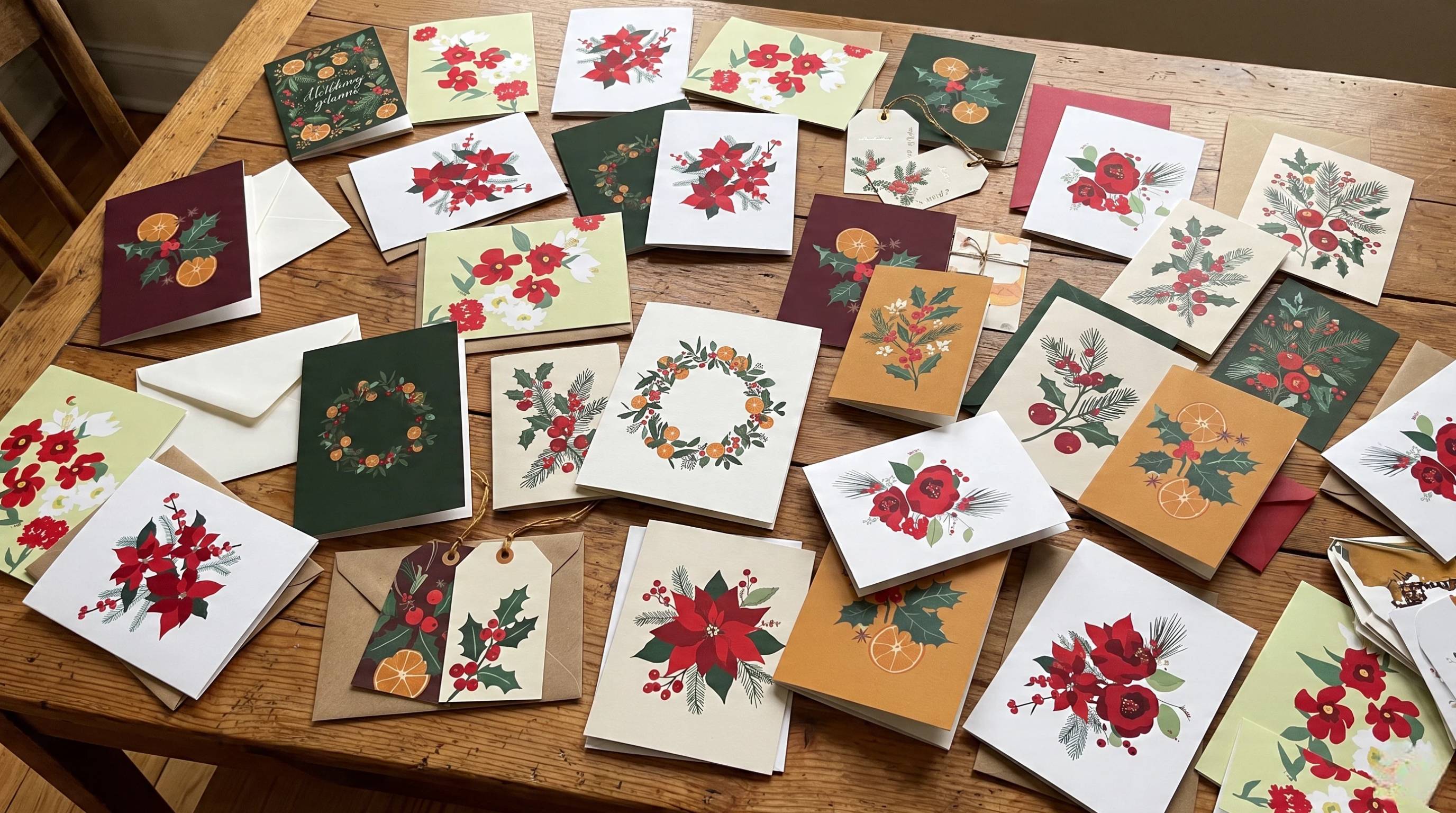
Stationery & Greeting Cards
Examples: Thank-you cards, planners, notebooks, greeting cards, bookmarks, personalized stationery.
Why it works: Paper goods remain popular for weddings, holidays, business branding, and everyday organization. Personalized stationery and premium paper finishes help sellers charge higher prices, while seasonal card collections generate recurring sales throughout the year.
Baby & Kids Products
Examples: Milestone cards, nursery decor, personalized blankets, wooden toys, baby name signs, growth charts.
Why it works: Parents and gift buyers often seek meaningful, personalized keepsakes for babies and young children. Products designed for baby showers, birthdays, and nursery decoration perform especially well, while durable materials and child-safe finishes help build customer confidence.
Vintage Items
Examples: Vintage clothing, antique home decor, retro kitchenware, vinyl records, collectible accessories.
Why it works: Vintage products appeal to collectors and shoppers looking for authentic, one-of-a-kind pieces with character. Etsy defines vintage items as being at least 20 years old, making accurate descriptions, condition details, and high-quality photos essential for building buyer trust and reducing returns.
Digital + Physical Bundles
Examples: Wedding invitations with printed copies, planners paired with printable inserts, recipe books with matching kitchen accessories.
Why it works: Combining digital and physical products increases perceived value while giving customers more flexibility. Bundles also help differentiate your shop from competitors, encourage higher spending per order, and create a more complete customer experience, making them one of the smarter ways to grow your Etsy business in 2026.
How to Choose the Right Etsy Product Idea
Finding the best selling items on Etsy 2026 isn't about copying what everyone else is doing. The most successful shops identify products with proven demand while offering a unique angle that appeals to a specific audience.
Research Etsy Search Demand
Start by searching Etsy for product ideas related to your niche. Pay attention to autocomplete suggestions, popular filters, and frequently appearing products, as these often reflect what buyers are actively searching for. You can also use keyword research tools to estimate search volume and identify less competitive opportunities.
Study Competitor Listings
Analyze successful shops instead of copying them. Look at product photos, pricing, descriptions, reviews, and customization options. Customer reviews are particularly valuable because they reveal what buyers love and where competing products fall short, helping you identify opportunities to stand out.
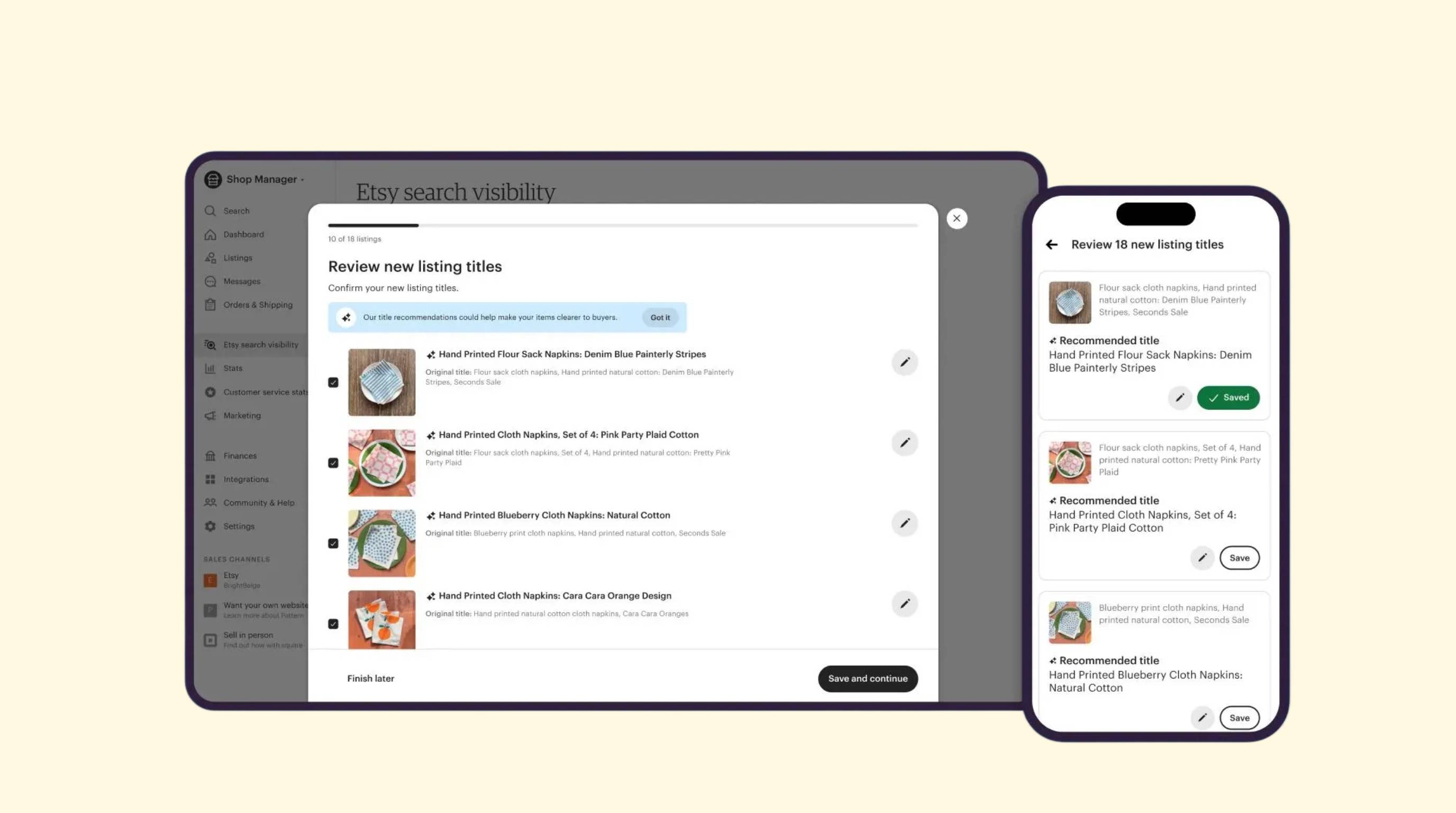
Find a Niche Instead of a Broad Category
Rather than selling generic products like candles or jewelry, narrow your focus. For example, instead of "candles," specialize in astrology candles or eco-friendly soy candles. A niche shop is easier to brand, rank in search, and market to a specific audience than a store trying to sell everything.
Start With Lower-Risk Ideas
If you're new to Etsy, begin with products that require little upfront investment, such as digital downloads, printable templates, stickers, or print-on-demand items. These categories let you test demand before committing to inventory, making them ideal if you're exploring things to sell on Etsy to make money with lower financial risk.
How to Validate an Etsy Product Before Investing
A good product idea should be tested before you invest significant time or money. Validating demand early helps reduce risk and improves your chances of building a profitable Etsy shop.
1. Launch a Small Product Batch
Instead of producing large quantities, release a limited number of products first. This allows you to measure customer interest, gather sales data, and refine your product before scaling production.
2. Offer Preorders or Presales
For higher-cost handmade or customized products, consider accepting preorders. This helps confirm buyer demand before purchasing materials while reducing the risk of holding unsold inventory.
3. Gather Feedback from Target Communities
Share your product concepts with people who match your target audience through relevant online communities or social media groups. Honest feedback on pricing, design, and usability can highlight improvements before launch.
4. Improve Before Scaling
Use customer reviews and early sales data to refine your listings, packaging, customization options, or pricing. Small improvements often have a significant impact on conversion rates and repeat purchases.
5. Test Your Listing Visuals First
Product photos heavily influence buying decisions. Test different cover images, backgrounds, and styling to see which version attracts more clicks. High-quality visuals can dramatically improve performance, even when the product itself remains unchanged.
What Makes an Etsy Listing Convert
Even the top selling Etsy products need optimized listings to generate consistent sales. Strong visuals, clear messaging, and trust signals help turn visitors into buyers.
Create a Strong First Image
Your first photo is your storefront. Use bright lighting, clean backgrounds, and clear product framing, so shoppers immediately understand what you're selling. Lifestyle images can also help buyers imagine using the product.
Show Multiple Product Angles
Include close-up photos, different viewing angles, scale comparisons, packaging images, and lifestyle shots. Multiple images answer common buyer questions and reduce hesitation before purchase.
Build Trust with Consistent Branding
Maintain a consistent style across product photos, logos, packaging, and shop banners. Professional branding makes your shop look more established and encourages buyers to browse additional products.
Write Descriptions Around Buyer Needs
Instead of listing only features, explain how the product solves a problem or fits into the buyer's life. Include important details such as dimensions, materials, personalization options, processing time, and care instructions while naturally incorporating relevant keywords like Etsy top products where appropriate for search visibility.
How Etsy Sellers Can Create High-Converting Product Images
Great products alone aren't enough to succeed on Etsy. Once you've optimized your photos, branding, and product descriptions, the next step is creating listing visuals that consistently capture attention and build trust.
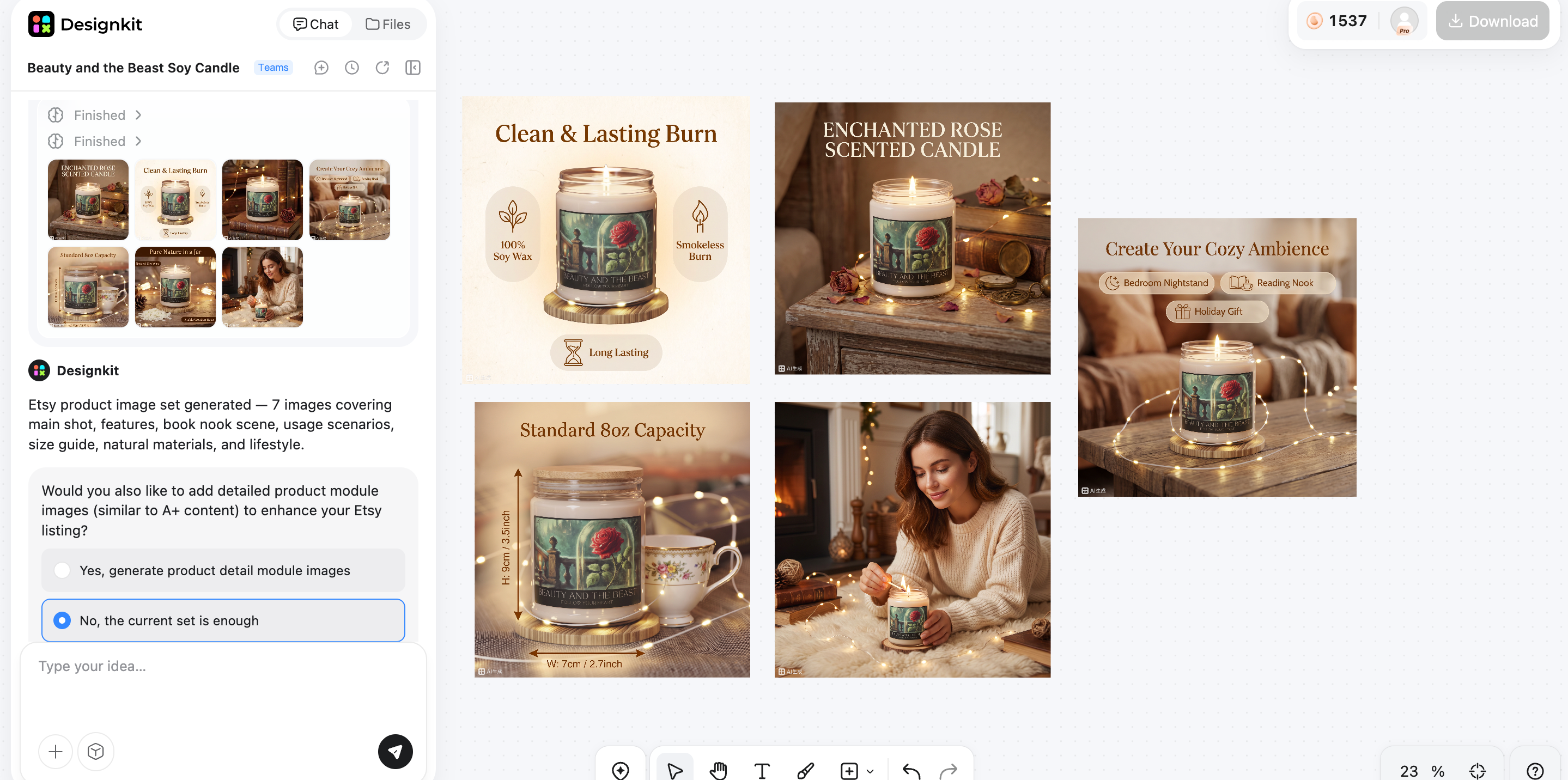
Designkit helps Etsy sellers transform simple product images into professional, high-converting assets in just a few clicks.
Create an Etsy Product Listing Image with Designkit in 3 Steps
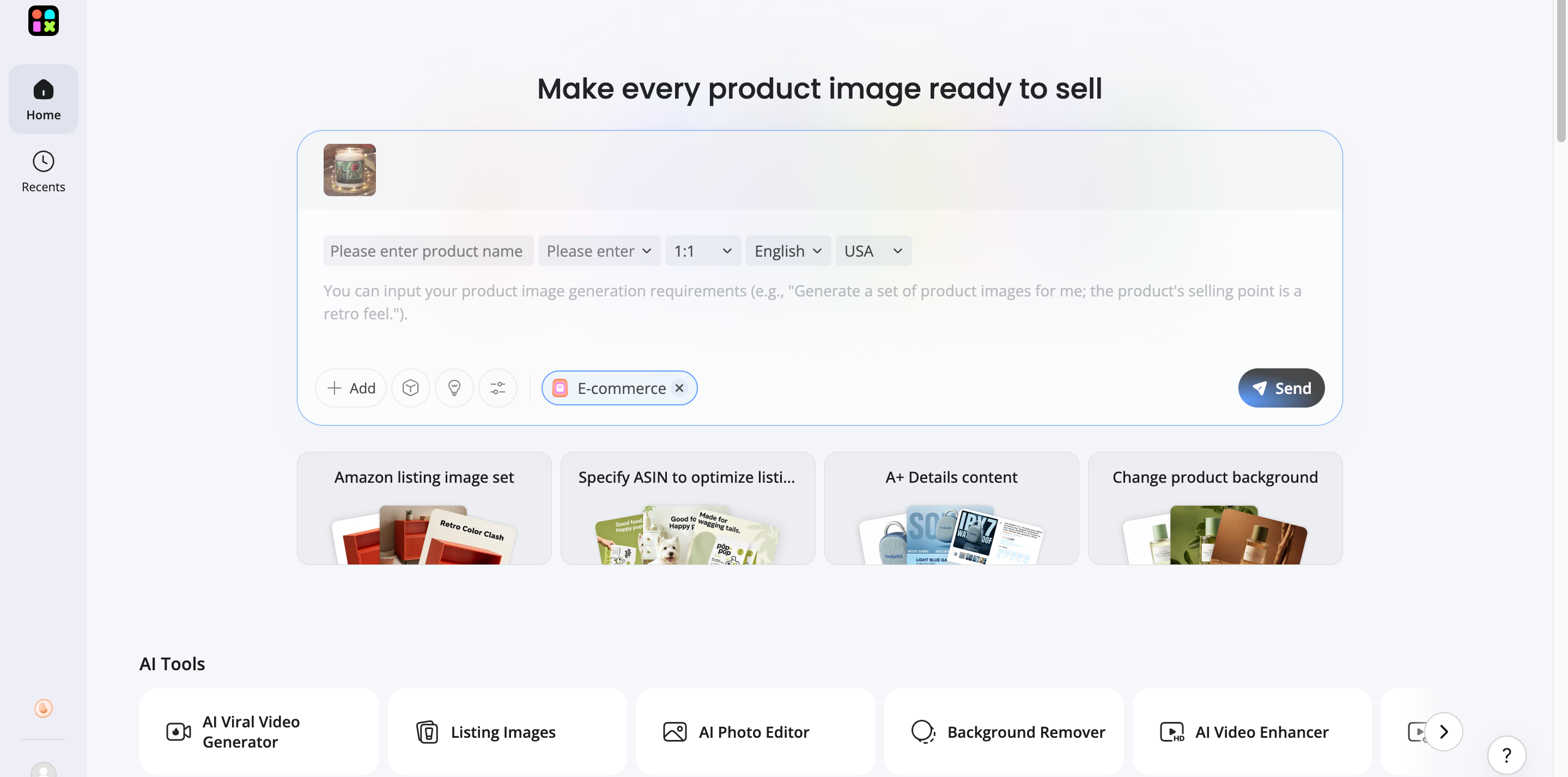
Step 1: Upload Your Product Photo
Upload your product photo or digital mockup to Designkit as the starting point for creating polished Etsy listing visuals.
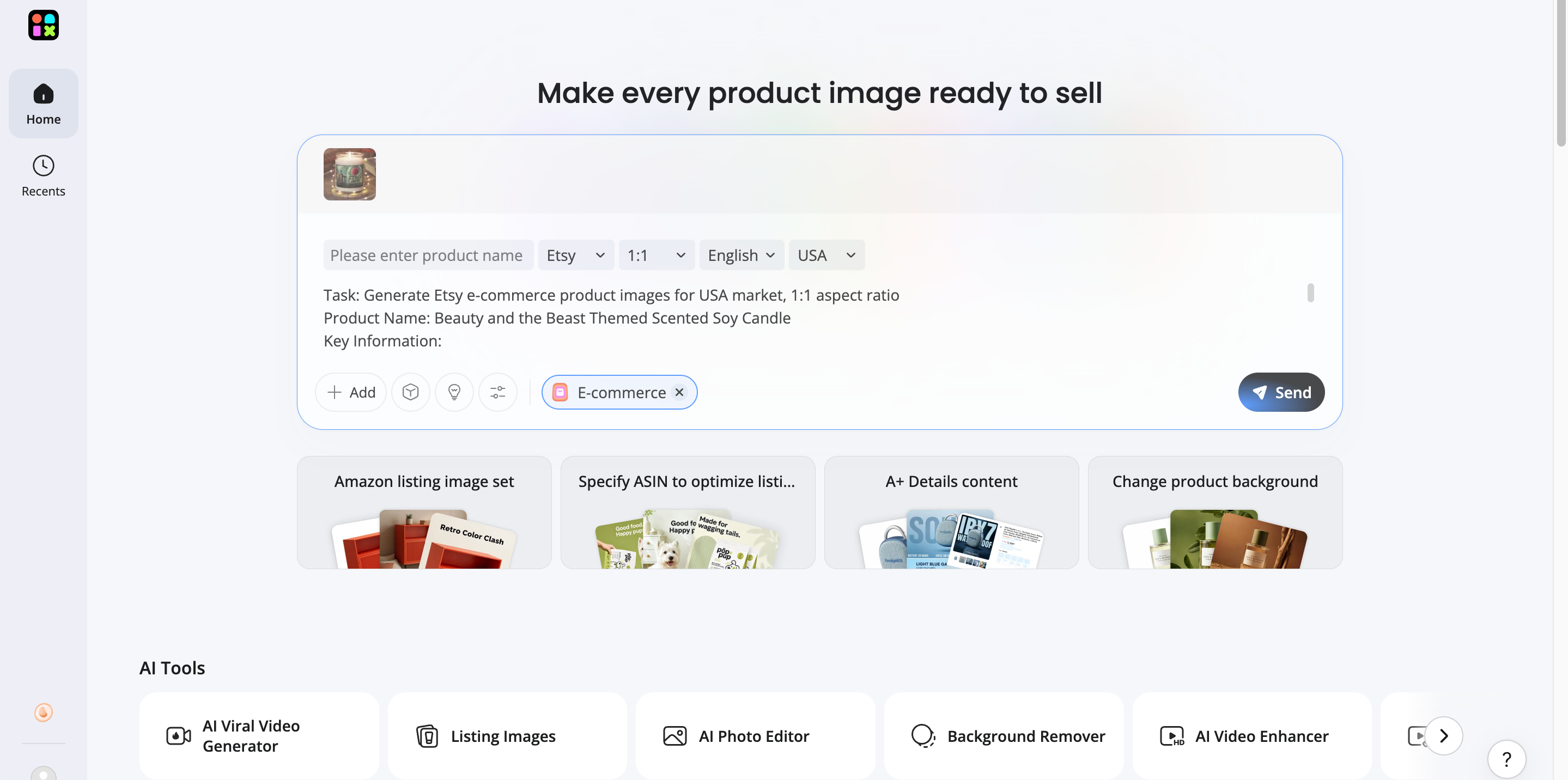
Step 2: Generate Your Etsy Listing Visuals
Enter your product information and details. If you don't know how to write a product decription, you can let Designkit write the selling points based on your uploaded product image. Select Etsy as your target platform with the platform-compliant 1:1 aspect ratio. Designkit will generate an Etsy product listing set in minutes, no design skills needed.
Step 3: Export and Publish Your Listing
Export high-resolution listing images and upload them to Etsy to present your products with a professional, consistent look.
Why Sellers Use Designkit for Etsy Listings
Listing-Ready Visuals from Simple Product Photos
Upload an existing product photo and transform it into a clean, professional Etsy listing image. Improve backgrounds, lighting, framing, and composition without needing advanced editing skills, helping your products look more polished and marketplace-ready.
Consistent Etsy Shop Branding
Maintain a unified look across your product listings, shop banners, thumbnails, and promotional graphics. Consistent branding helps shoppers recognize your store, builds credibility, and creates a more professional shopping experience.
Multiple Listing Variations for Testing
Create several versions of the same product image with different backgrounds, layouts, or styles. Testing multiple visuals helps you identify which images generate more clicks and engagement, allowing you to optimize your listings over time.
Resize Creatives for Other Channels
Repurpose your Etsy listing visuals for Instagram, Pinterest, Facebook, email campaigns, or your own website with one-click resizing. This saves time while keeping your branding consistent across every platform where you promote your products.
Common Mistakes Etsy Sellers Make
Even shops with great products can struggle if their listings fail to meet buyer expectations. Avoiding these common mistakes can improve visibility, build trust, and increase your chances of turning visitors into customers.
Choosing Products Without Checking Competition
Many new sellers launch products without researching demand or competing listings. Before investing time and materials, compare pricing, reviews, customization options, and listing quality to understand how you can offer something different instead of entering an overcrowded category.
Using Generic Supplier Photos
Using manufacturer or supplier images makes your listings blend in with dozens of other shops selling the same product. Original, high-quality photos help establish credibility, showcase your product accurately, and give shoppers a reason to choose your listing over competitors.
Creating Only One Listing Image
One photo rarely answers every buyer's question. Include multiple images that show different angles, close-up details, size comparisons, packaging, personalization options, and lifestyle use. Comprehensive visuals reduce uncertainty and can improve conversion rates.
Ignoring Shop Visual Consistency
A shop with inconsistent colors, image styles, banners, and branding can appear less trustworthy. Maintaining a cohesive visual identity across all listings creates a more professional storefront, strengthens brand recognition, and encourages shoppers to browse more products.
Conclusion
The best things to sell on Etsy aren't simply the most popular. They're products that match buyer demand, offer healthy profit margins, and fit a niche you can consistently serve. Before investing heavily, research your market, account for Etsy's fees, validate your idea with a small launch, and refine your listings based on real customer feedback.
Once you've found a product that works, presentation becomes your competitive advantage. Designkit helps you create clean, consistent listing visuals, professional mockups, and cohesive shop branding that make your products look more polished. Combined with strong product research and well-optimized listings, high-quality visuals can help turn more Etsy browsers into buyers.
Frequently Asked Questions
What are the best things to sell on Etsy for beginners?
What is the top selling item on Etsy?
There isn't one permanent top selling item on Etsy because trends change throughout the year. However, personalized gifts, handmade jewelry, wedding products, digital downloads, and home decor consistently perform well. Success depends on offering something unique and presenting it professionally. Designkit helps sellers showcase products with clean, consistent visuals that attract more clicks.
What can you sell on Etsy to make money?
You can sell handmade products, vintage items that are at least 20 years old, craft supplies, and digital products that follow Etsy's policies. The most profitable shops focus on a specific niche instead of trying to sell everything. After selecting your products, Designkit helps improve their presentation with listing-ready images, branded graphics, and realistic digital mockups.
What are the easiest things to make and sell on Etsy?
Some of the easiest things to make to sell on Etsy include printable templates, digital planners, SVG files, stickers, greeting cards, and simple personalized products. These require relatively low investment and are easy to test with new customers. Designkit can create attractive mockups and polished listing visuals that help these products stand out in search results.
How do I make my Etsy listing stand out?
A strong Etsy listing combines high-quality images, keyword-rich titles, clear descriptions, competitive pricing, and multiple product photos that answer buyer questions. Consistent branding also helps build trust with shoppers. Designkit makes it easier to create professional listing images, cohesive shop graphics, and marketing visuals that give your store a more polished appearance.
How many photos should an Etsy listing have?
Use enough photos to fully explain your product, including a cover image, close-ups, multiple angles, size references, packaging, and lifestyle photos where relevant. More useful images help buyers make confident purchasing decisions. Designkit lets you generate multiple listing variations from the same product photo while keeping your shop's branding consistent.
Can AI help create Etsy product images?
Yes. AI can enhance product photos, remove distracting backgrounds, improve lighting, and generate realistic mockups for digital products. It should be used to present your products accurately rather than misrepresent them. Designkit helps Etsy sellers transform existing photos into clean, professional listing visuals that are ready to publish.
What products have low competition on Etsy?
Rather than looking for categories with little competition, focus on serving a specific niche with products that solve a particular need. Personalized gifts, hobby-focused designs, and specialized digital templates often face less competition than broad categories. Once you've found your niche, Designkit can help you create distinctive visuals that separate your listings from similar products.
You May Also Like
Amazon A+ Content Dimensions: Module Image Sizes
Print-On-Demand Designs: Create, Prepare, and Preview Your Work

Amazon A+ Content: What It Is and What to Build First
Is Print on Demand Profitable in 2026? Products and Niches
Amazon Brand Registry Application: How to Submit and Pass Review
How to Ship to Amazon FBA: Your First Shipment
What Is Amazon FBA? Should Beginners Use It in 2026

How to Get Ungated on Amazon: Restricted Category Approval Steps
Amazon Backend Keywords: Title, Bullets & Search Terms

What Is A/B Testing? A Practical Guide to Running Better Experiments

Best Time to Post on Instagram in 2026: Data & Tips
How to Get Verified on Instagram: Complete Guide

TikTok Monetization in 2026: Requirements & Ways to Earn

Instagram Desktop Posting Guide: Upload Posts, Stories & Reels

YouTube Shorts Monetization Requirements & Rules 2026

How Much Does YouTube Pay Per View? 1K, 100K & 1M Views

How to Make Money on Snapchat: 7 Ways to Earn

How to Get More Followers on Instagram in 2026

Best Time to Post on TikTok in 2026 for More Views

How to Repost on Instagram in 2026: A Simple Guide

Multichannel Marketing Guide: Strategy, Tools & Examples
How to Create Digital Products That Sell in 2026
Cyber Monday Marketing Ideas & Strategies (2026 Guide)
Black Friday Marketing Ideas for Ecommerce Brands (2026)
Instagram Marketing Guide: Strategies, Tips & AI Tools in 2026

Influencer Marketing Guide: Strategy, Campaigns & Creator Tips
15 Best Things to Sell on Etsy in 2026 (Listing Tips Included)
WooCommerce vs Shopify 2026: Pricing, Features & Which Is Better

How to Sell on Facebook Marketplace: Beginner Guide (2026)
How to Use Pinterest for Business: Strategy, Tips & Growth Guide
How to Sell on Etsy in 2026: Setup, Listings & Growth Tips

What Is a Target Audience? Types, Examples & How to Find Yours

TikTok Marketing Guide 2026: Strategies, Ideas & AI Tools

Vibe Marketing Explained: Strategy, Examples & AI Tools
How to Sell on Depop: Beginner Guide to Getting Your First Sale

Online Advertising Guide: Types, Costs & Examples (2026)

Facebook Advertising Guide: Costs, Strategy & Tools 2026

What Are E-commerce Ads? Examples, Strategy & Tools (2026)
Where to Sell Handmade Items Online (2026): Etsy, Amazon, or Shopify?
Shopify vs Amazon (2026): Brand Store or Marketplace FBA?
Amazon Handmade vs Etsy (2026): Which Is Better for Makers?
Etsy vs eBay (2026): Handmade, Vintage, or Secondhand?

Selling on Amazon vs eBay (2026): Fees, Profit & Where to Sell

What Is Brand Awareness? Examples, Strategies & Tools 2026

10 Best Online Selling Platforms (2026): Pick by What You Sell
Shopify vs Etsy (2026): Which Is Better for Handmade Sellers?

YouTube Automation Step-by-Step AI Guide for Beginners

What Is Brand Identity? Examples, Elements & Strategy

AI Marketing Agent: How It Works, Benefits & E-Commerce Examples
What Is Personalized Advertising? Examples & How It Works
How to Build a Shopify Store That Actually Converts Visitors

Amazon Marketing Guide 2026: Strategies, Tips & Tools
Local Advertising: Strategies, Examples & Tools (2026)

What Is Branded Content? Examples, Strategy & Tools 2026

What Is Performance Marketing? Strategies & Examples 2026

Inbound Marketing: Strategies, Examples & Tools (2026)
Found Your Etsy Product? Turn It Into a Listing That Sells
Keep listings polished and consistent with marketplace-ready product visuals and branding assets—starting from real product photos.