
Personalized Advertising: Examples & How It Works (2026)
Personalized advertising uses data to show people ads that match their interests and behavior. Learn how it works, real examples, why social platforms rely on it, and the privacy challenges it raises.

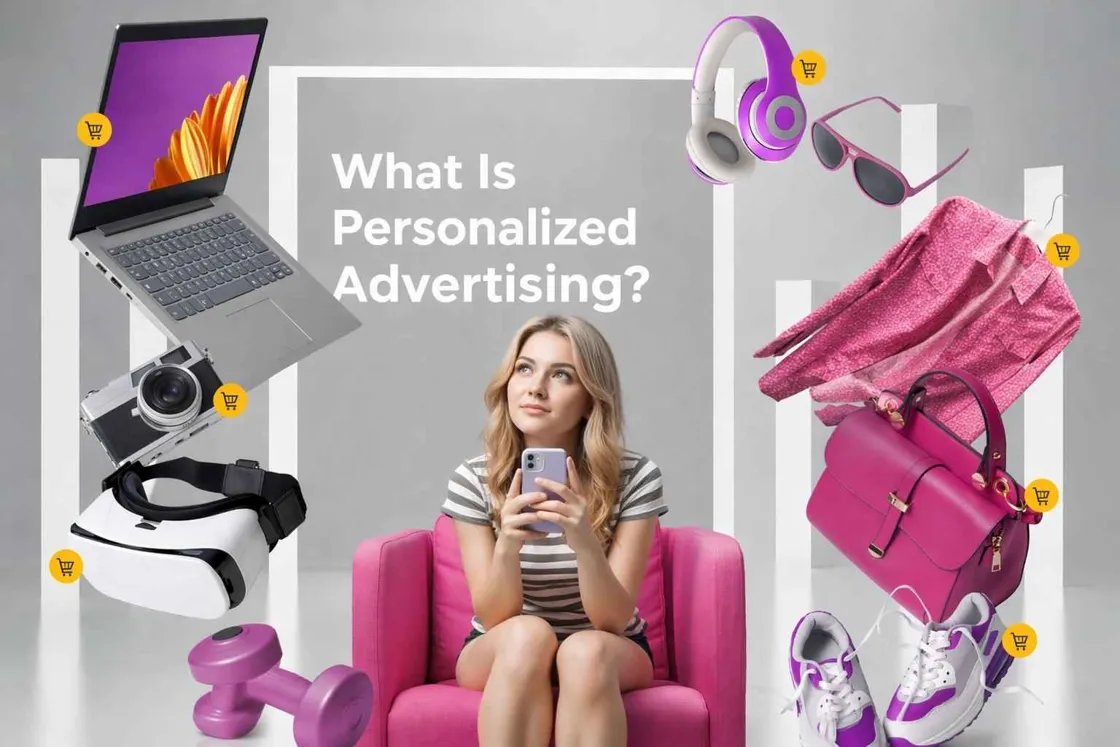
Advertising is no longer one-size-fits-all. Today, brands use personalized advertising to deliver highly relevant messages based on user behavior, interests, and online activity. Every click, search, and interaction helps shape the ads people see across platforms.
With the rise of data-driven technologies and AI, personalized ads on social media and other digital channels have become more precise, dynamic, and effective. This guide explains what personalized advertising is, how it works, real-world personalized advertising examples, its benefits, challenges, and how it is reshaping modern marketing.
What Is Personalized Advertising? (With Examples)
Personalized advertising is a marketing method where ads are shown based on user behavior, interests, and online activity. Instead of generic ads, people see content that matches what they like or search for. This helps businesses improve engagement and conversions.
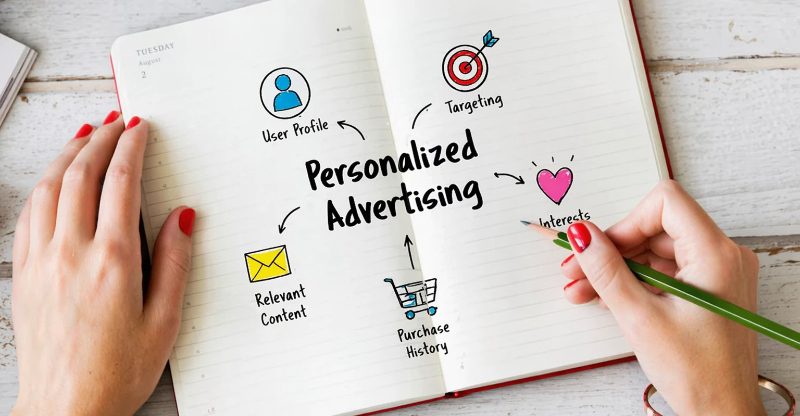
How Personalized Ads Work on Ecommerce Sites
E-commerce sites use your browsing history and purchase behavior to surface products you're likely to want, helping you discover relevant items without searching for them.
Example:If you search for shoes on an online store, you may later see ads for similar shoes, socks, or related accessories across other websites.
How Streaming Services Personalize Ads
Streaming platforms use your watch history to recommend titles and surface relevant promotions. If you finish a thriller series, the next thing you see is often another in the same genre.
Example: If you watch action movies on Netflix, it recommends more action films and similar genres.
How Personalized Email Marketing Works
Email uses customer data to send targeted offers and timely reminders, keeping brands connected to shoppers through direct, relevant messages.
Example:If you leave items in your cart, you may receive an email like "Still interested? Get 10% off your order."
How Personalized Ads Are Created and Delivered
How Platforms Collect Your Data
The process begins with gathering information from online activity across websites, apps, and digital platforms. This includes actions such as browsing patterns, clicks, and time spent on content. This stage helps businesses build a basic profile of user interests and behavior. It forms the foundation for all future targeting decisions.
How Audiences Are Segmented for Ad Targeting
After collecting information, users are organized into smaller groups based on shared traits like interests, demographics, and behavior. This grouping allows marketers to design more focused campaigns for different types of audiences instead of using a single general message. It also improves campaign efficiency by reaching more relevant users.
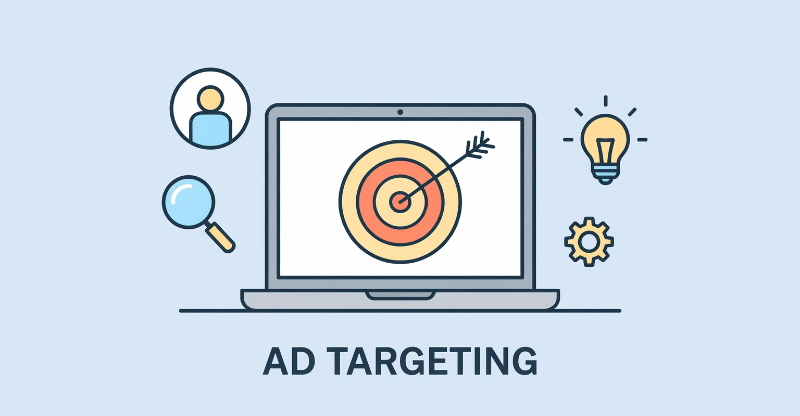
How AI Decides Which Ads to Show
Advanced systems analyze large amounts of collected data to find patterns and predict user preferences. These tools help automate decision-making by identifying which type of content is most likely to attract attention. They continuously learn from user interactions to improve accuracy over time.
How Personalized Ad Content Is Created
At this stage, marketers design promotional messages tailored to specific audience groups. The content is adjusted in tone, visuals, and messaging to better match user expectations and improve engagement. This ensures ads feel more relevant and less generic to the viewer.
How Ads Are Placed and Optimized in Real Time
Finally, ads are distributed across digital channels where the target audience is most active. Performance is continuously tracked, and adjustments are made instantly to improve results. This ensures better efficiency and stronger campaign performance over time. It also allows businesses to scale successful ads while reducing underperforming ones.
How Personalized Ads Work on Social Media
Social platforms personalize ads by reading the signals you generate every time you scroll, tap, or pause. The more they understand your behavior, the more precisely they match ads to your interests—which is why two people scrolling the same app rarely see the same ads.
What Signals Social Platforms Collect
Likes, Comments, and Shares
Every interaction tells the platform what content you respond to. A few likes on cooking videos is enough to start surfacing recipe ads, kitchenware, and meal-kit subscriptions.
Watch Time and Scrolling Behavior
How long you watch a video, or how fast you scroll past it, is a stronger signal than a like. Finishing a 60-second clip tells the algorithm you're genuinely interested, even if you never tap anything.
Search and Browsing Activity
What you search for and click on reveals current intent. Searching "running shoes" once can trigger weeks of athletic-wear and fitness ads, because the platform reads it as an active need.

Profile Information
Age, location, language, and stated interests narrow targeting to the right audience. This is how a local gym's ad reaches people within 10 miles instead of the whole country.
Device and App Usage Patterns
When and how often you're active shapes ad timing. If you scroll most at 9 pm, that's when advertisers bid to reach you, improving the odds that the ad is actually seen.
Personalized Ad Examples by Interest
Fitness Content: Gym Memberships and Fitness Apps
Watch enough workout videos and the platform tags you as health-interested, then serves ads for gym memberships, fitness apps, protein supplements, and home workout gear.
Travel Content: Hotel Bookings and Flight Deals
Engaging with destination posts or travel vlogs signals trip intent, triggering ads for hotels, flight discounts, and booking services, often for the exact regions you viewed.
Fashion Browsing: Clothing and Accessory Brands
Viewing outfit ideas or fashion hauls leads to ads for clothing, shoes, and accessories matched to your apparent style, making the suggestions feel handpicked.
Why Social Media Platforms Rely on Personalized Ads
Users scroll through hundreds of posts a day, so generic ads get ignored almost instantly. Personalization is how platforms keep ads relevant enough to be worth showing and worth paying for. The payoff runs in both directions:
-
Ads feel relevant rather than random, because they're matched to real behavior and interests.
-
Repetitive, off-target ads get filtered out, so users see less noise.
-
Engagement rises since people interact more with ads that align with what they care about.
-
Advertisers reach the right audience, lifting conversion rates and sales.
-
The platform earns more per impression by serving higher-performing ads to both sides.
The result is a system where relevant ads keep users scrolling, and advertisers get measurably better returns.
How Meta, TikTok, YouTube & LinkedIn Personalize Ads
Meta (Facebook & Instagram)
Reads likes, comments, shares, and profile interests to place highly targeted ads across feeds, Stories, and Reels. Its strength is social behavior—who you engage with and what you react to.
TikTok
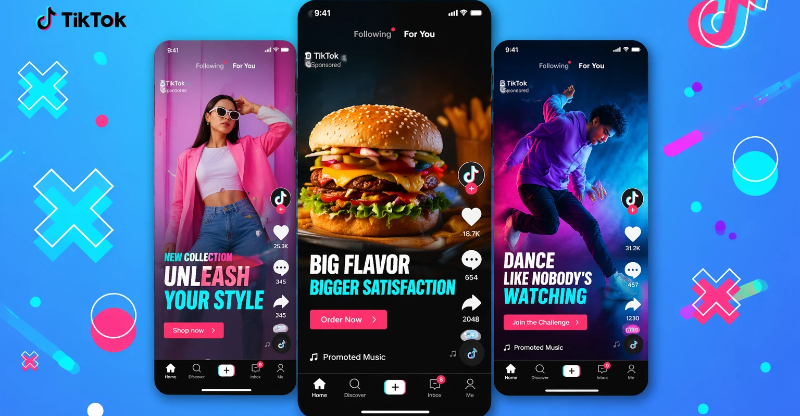
Leans almost entirely on watch time and video interactions. Its algorithm adapts fast, so ads start matching your taste within a single session of short-video scrolling.
YouTube
Uses watch history, search activity, and subscriptions to match ads to the content you already consume—often promoting products tied to the exact topics you watch.
Targets professional data—job title, industry, skills, and career interests—to serve ads for careers, B2B services, and professional development rather than consumer products.
Benefits of Personalized Advertising
Higher Engagement Rates
Personalized ads attract more attention because they match user interests, which naturally increases likes, clicks, and overall interaction with content. This makes users more likely to respond compared to generic advertisements. As a result, brands can maintain stronger audience attention over time.
Improved Conversion Rates
When ads are relevant to user needs and preferences, people are more likely to take action, such as making a purchase or signing up for a service. This improves the chances of turning viewers into customers. It also reduces the number of users who ignore or skip ads.
Better Return on Investment (ROI)
Marketing budgets are used more effectively because ads are shown only to users who are more likely to be interested. This reduces wasted spending on uninterested audiences and increases overall profitability. Over time, campaigns become more cost-efficient and impactful.
Enhanced Customer Experience
Users see advertisements that feel more useful and less intrusive because they match their interests and behavior. This creates a smoother browsing experience with fewer irrelevant interruptions. It also helps build a more positive perception of the brand.
More Accurate Audience Targeting
Ads are delivered to users based on their behavior, interests, and demographic data, which improves targeting accuracy. This ensures that marketing messages reach the right people at the right time. It also helps businesses avoid wasting impressions on unrelated audiences.
Better Brand Awareness
Repeated exposure to relevant ads helps users become more familiar with a brand over time. Even if they do not click immediately, the brand becomes easier to remember later. This long-term visibility strengthens overall brand recognition.
Personalized Advertising vs Traditional Advertising
|
Factor |
Personalized Advertising |
Traditional Advertising |
|---|---|---|
|
Targeting |
Individual interests & behavior |
Broad, general audience |
|
Relevance |
Highly relevant to each user |
Same message for everyone |
|
Data use |
Data-driven, real-time |
Little to no data |
|
Engagement |
Higher, interest-based |
Lower, interruption-based |
|
Cost efficiency |
Better ROI, less waste |
Higher waste on wrong audience |
|
Delivery |
Dynamic across digital platforms |
Fixed (TV, print, billboards) |
How to Create Personalized Ad Creatives Faster with Designkit
Personalization lives or dies on having enough creative to match each audience segment, and producing that volume is where most teams stall. Designkit helps on the creative side: it generates multiple image and video ad variations from your existing product assets, so you can give each segment its own visual without designing every version by hand. It doesn't handle targeting, data, or ad delivery; it removes the production bottleneck so your team can focus on strategy and audience.
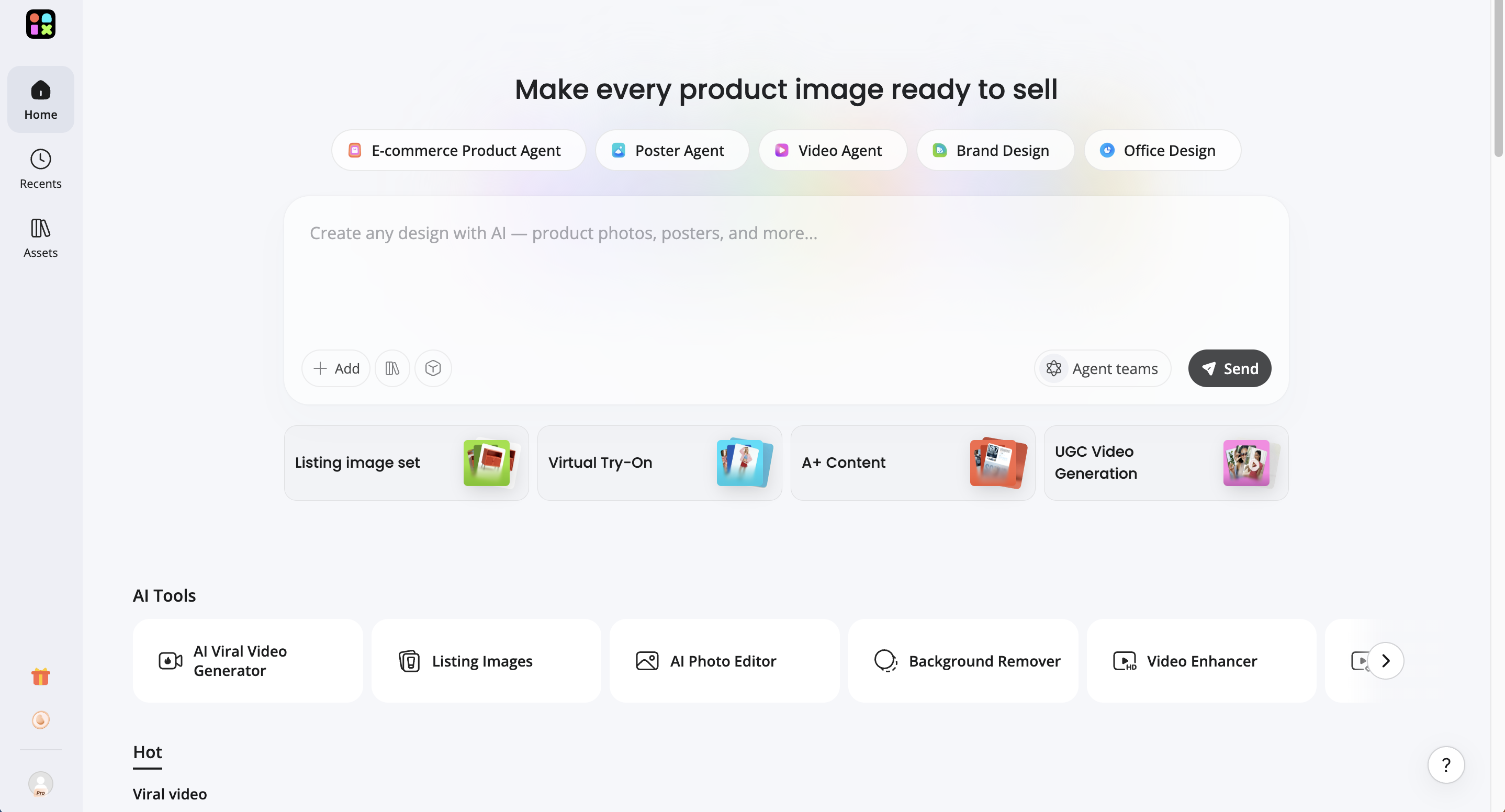
Key Designkit Features for Ad Creatives
Fast Video and Image Ad Creation for Campaigns
Quickly create high-quality video and image ads from your existing product assets. Speed matters when you're tailoring messages for different audience segments, and Designkit keeps production simple so you can respond fast to trends and behavior.
Platform-Ready Formats for All Social Channels
Produce your ad visuals in the sizes and orientations Meta, TikTok, and YouTube call for: vertical, square, and horizontal, so you're not manually reworking one creative for every channel.
Easy A/B Testing of Different Ad Creatives
Create and compare multiple versions of an ad to see which performs best. Since different audiences respond to different visuals and messaging, having variations ready makes data-driven testing far easier.
Generate Variations for Different Audience Segments
Create multiple versions of a campaign, different visuals, angles, and moods, from the same product source, so each audience segment can get a creative tuned to it while the campaign stays cohesive.
How to Create Ad Creatives with Designkit in 3 Steps
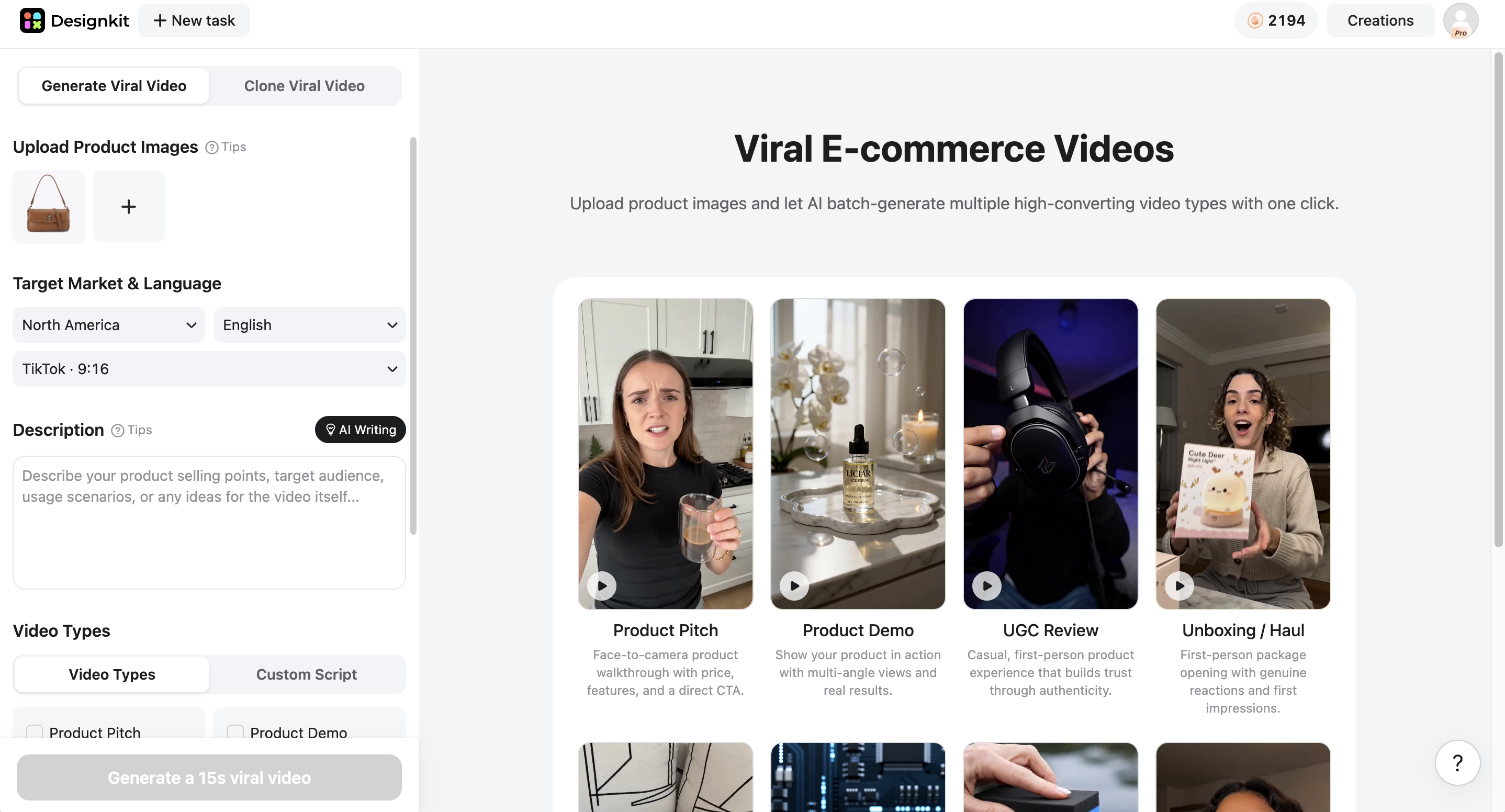
Step 1: Upload Your Product or Describe Your Campaign
Open Designkit and upload your product images or existing creatives, or describe your product, audience, and campaign goal to start from scratch.
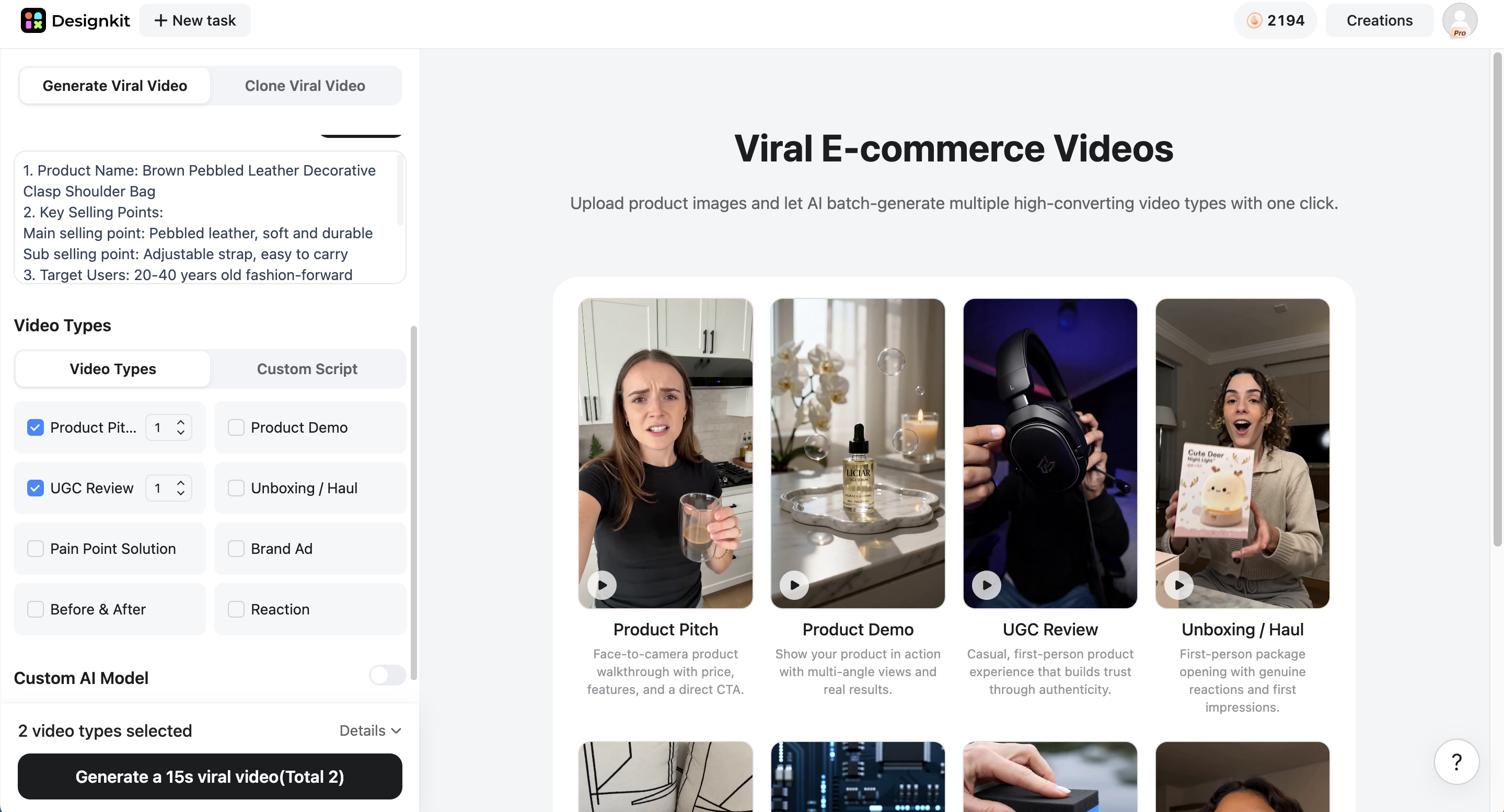
Step 2: Set your Format and Direction
Choose your format (vertical, square, or horizontal) for Instagram, TikTok, or YouTube and add your key selling points. Designkit's AI generates ad visuals and short videos tailored to your campaign.
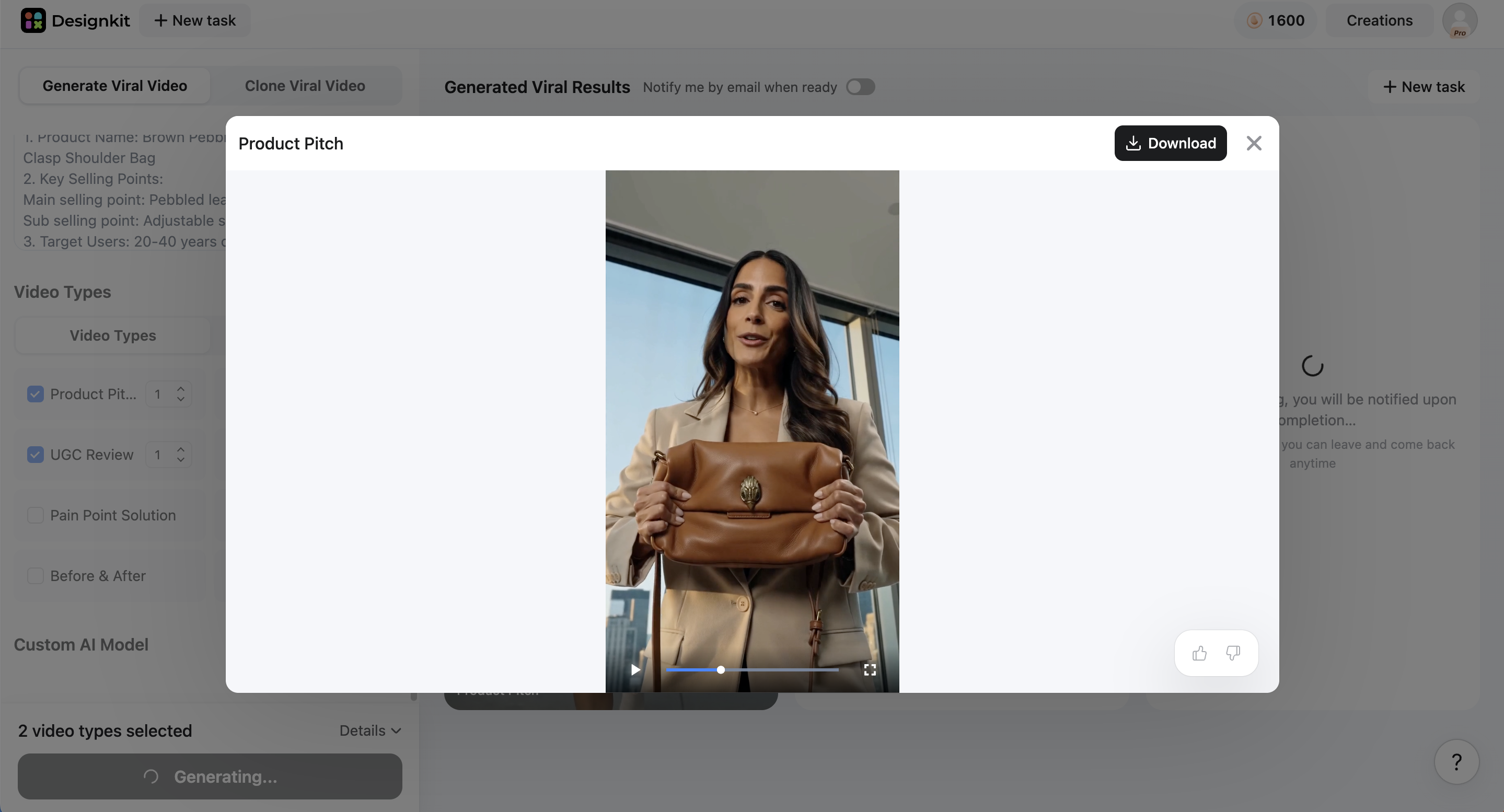
Step 3: Preview, Optimize & Publish
Review your AI-generated ad, make quick edits to text, visuals, or branding, then export and publish across your channels.
Challenges and Privacy Concerns of Personalized Advertising
Privacy and Data Protection Risks
One of the biggest challenges is how user data is collected and stored. Since personalized ads rely on tracking behavior, users often worry about how their personal information is used. If data is not handled securely, it can lead to privacy risks and loss of trust in brands.
Over-Targeting and Ad Fatigue
When users are shown too many similar ads repeatedly, they may feel annoyed or overwhelmed. This is known as ad fatigue. Over-targeting can reduce engagement instead of improving it, making campaigns less effective over time.
Why Data Quality Affects Ad Performance
The success of personalized advertising depends heavily on accurate and updated data. If the data is incomplete or outdated, ads may become irrelevant or incorrectly targeted. This reduces performance and can waste marketing budgets.
Ethics and Transparency in Ad Targeting
Many users are unaware of how their data is being used for ad targeting. This creates ethical concerns about transparency and consent. Businesses must be clear about their data practices to avoid misleading users and damaging brand reputation.
GDPR and Data Privacy Compliance
Companies must follow strict data protection laws like GDPR and other regional privacy rules. These regulations control how data can be collected, stored, and used. Non-compliance can result in legal penalties and restrictions on advertising activities.
Conclusion
Personalized advertising has reshaped marketing by replacing one-size-fits-all messages with ads matched to real behavior and interests, lifting engagement and conversions while cutting wasted spend. But it comes with real responsibilities around privacy, transparency, and data quality that brands can't ignore. On the creative side, tools like Designkit make it faster to produce the many ad variations personalization demands, so teams can spend more time on targeting and strategy.
Frequently Asked Questions
What is personalized advertising and how does it work in simple terms?
Can you give some personalized advertising examples from daily life?
Common examples include seeing ads for a product right after you search for it online, travel deals after watching vacation-related content, or shopping ads based on items you've previously viewed. You'll also see "recommended for you" sections, retargeting ads, and cart reminder emails—all of which are forms of personalized advertising.
How is customized advertising different from traditional ads?
Traditional advertising shows the same message to everyone, regardless of their interests. Customized or personalized advertising adapts the message based on user behavior, so different people may see different versions of the same campaign depending on their preferences and intent.
How does advertising personalization decide which ads to show me?
Ad platforms use algorithms to analyze user behavior such as search history, clicks, watch time, and engagement patterns. Based on these signals, they predict which ads are most relevant and rank them in real time. The system continuously improves as it learns from user interactions.
Are personalized ads based on my browsing history or search activity?
Yes. Browsing history, search activity, and engagement behavior are key inputs. In addition, factors like location, device type, time of day, and inferred interests also help platforms decide which ads to show and when to show them.
Why do businesses prefer personalized advertising over traditional ads?
Businesses prefer personalized advertising because it improves targeting accuracy, increases engagement, and reduces wasted ad spend. However, it also requires multiple creative variations for different audiences, which is why many teams use AI tools like Designkit to generate ad creatives more efficiently.
How effective are personalized advertising examples in increasing sales?
Personalized ads are generally more effective because they show relevant products or messages at the right moment in the user journey, which increases click-through rates and purchase intent. Their performance often depends on testing multiple creatives and iterations, which can be scaled more easily with AI-generated ad variations.
You May Also Like

How to Automate Your E-commerce Visuals with OpenClaw Workflow

AI UGC for Ecommerce in 2026: Text-to-Video, Image-to-Video & Reference Replication Guide
Short Form Video Marketing for E-commerce: AI Video Guide

What Is Video Marketing? E-commerce Guide & Strategies 2026

AI-Generated Fashion Models: Technology, Brand Adoption & Trends
Personalized ads create smarter, more relevant marketing today.
Personalized advertising uses data to show relevant ads to the right people at the right time. It improves engagement, boosts sales, and creates better user experiences across platforms.