
OpenArt AI Review: Is It Worth Using in 2026?
Explore our OpenArt AI review for 2026. Compare its AI image quality, creative features, pricing, limitations, and alternatives to find out whether it fits your creative workflow.

OpenArt AI has become a popular platform for creating AI-generated artwork, illustrations, portraits, character concepts, and other creative visuals. Unlike a basic text-to-image tool, OpenArt AI brings multiple models, reference-based generation, and editing tools into one creative workspace.
In this OpenArt AI review, we look at its image quality, creative features, usability, pricing, commercial rights, limitations, and alternatives. The goal is to help creators, marketers, designers, and businesses decide whether OpenArt AI fits their needs or whether a more business-focused platform such as Designkit makes more sense.
Key takeaways
-
OpenArt AI is a flexible AI art generator for illustrations, portraits, concept art, and other creative visuals.
-
Its main strengths are model variety, reference-based creation, and AI-assisted editing.
-
Results vary based on the selected model, prompt, and complexity of the image.
-
Free access lets users explore the platform, while frequent users may need a paid plan for higher limits and additional features.
-
OpenArt AI is better suited to creative exploration, while Designkit focuses more on ecommerce and marketing workflows.
What is OpenArt AI and what can you create with it?
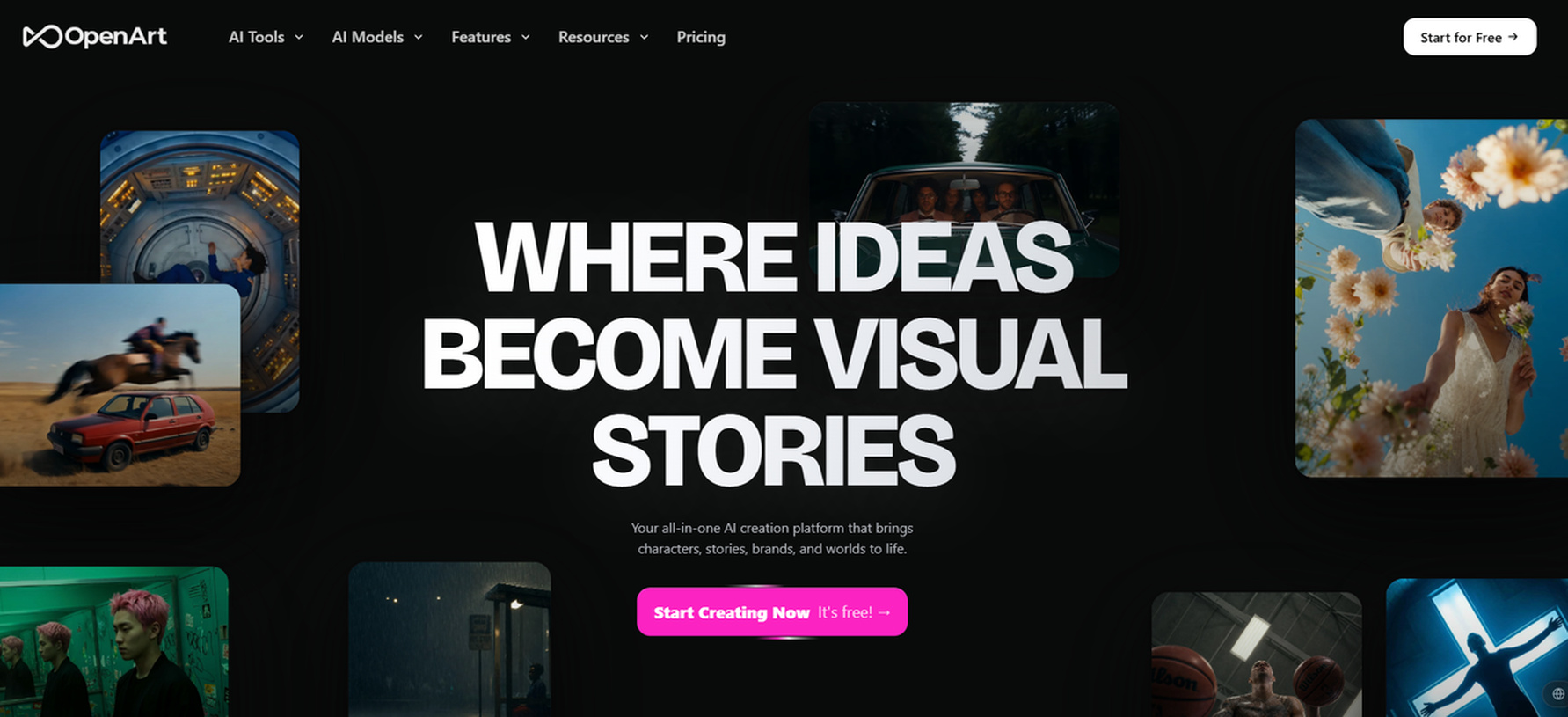
OpenArt AI is an AI-powered image creation platform that lets users generate visuals from text prompts and reference images. It also offers editing and creative controls, making it useful for exploring different visual directions without starting every concept from scratch.
How does OpenArt AI generate images?
OpenArt AI supports several ways to create visuals, so the workflow can vary depending on what you are trying to make.
-
Text-to-image generation: Enter a description of the scene, subject, style, or composition you want, then use the generated results as a starting point for your concept.
-
Image-to-image creation: Use an existing image as a reference when you want the new result to follow a particular composition, subject, or visual direction.
-
AI-assisted image editing: Refine existing images or make creative changes rather than generating an entirely new image each time.
The available models and controls can affect the final result, so testing different settings is often necessary for more specific requests.
Who is OpenArt AI best for?
OpenArt AI can suit several types of users, although their goals may differ.
|
User |
Best use case |
|---|---|
|
Digital artists |
Concept art, illustrations, and visual exploration |
|
Content creators |
Social media and blog imagery |
|
Designers |
Visual concepts and style directions |
|
Marketers |
Campaign and promotional graphics |
|
Ecommerce sellers |
Product concepts and advertising ideas |
|
Hobbyists |
Experimenting with AI-generated artwork |
OpenArt is particularly useful if you enjoy testing different styles and models. Ecommerce teams that need repeatable product photography, listing images, or campaign assets may benefit more from a platform built around those workflows.
OpenArt AI review: image quality, features & user experience
The quality of an AI image generator depends on more than the number of tools it provides. For this OpenArt AI review, the important factors are how accurately it follows prompts, how consistent the outputs are, and how much control users have over the final image.
How good are OpenArt AI's generated images?
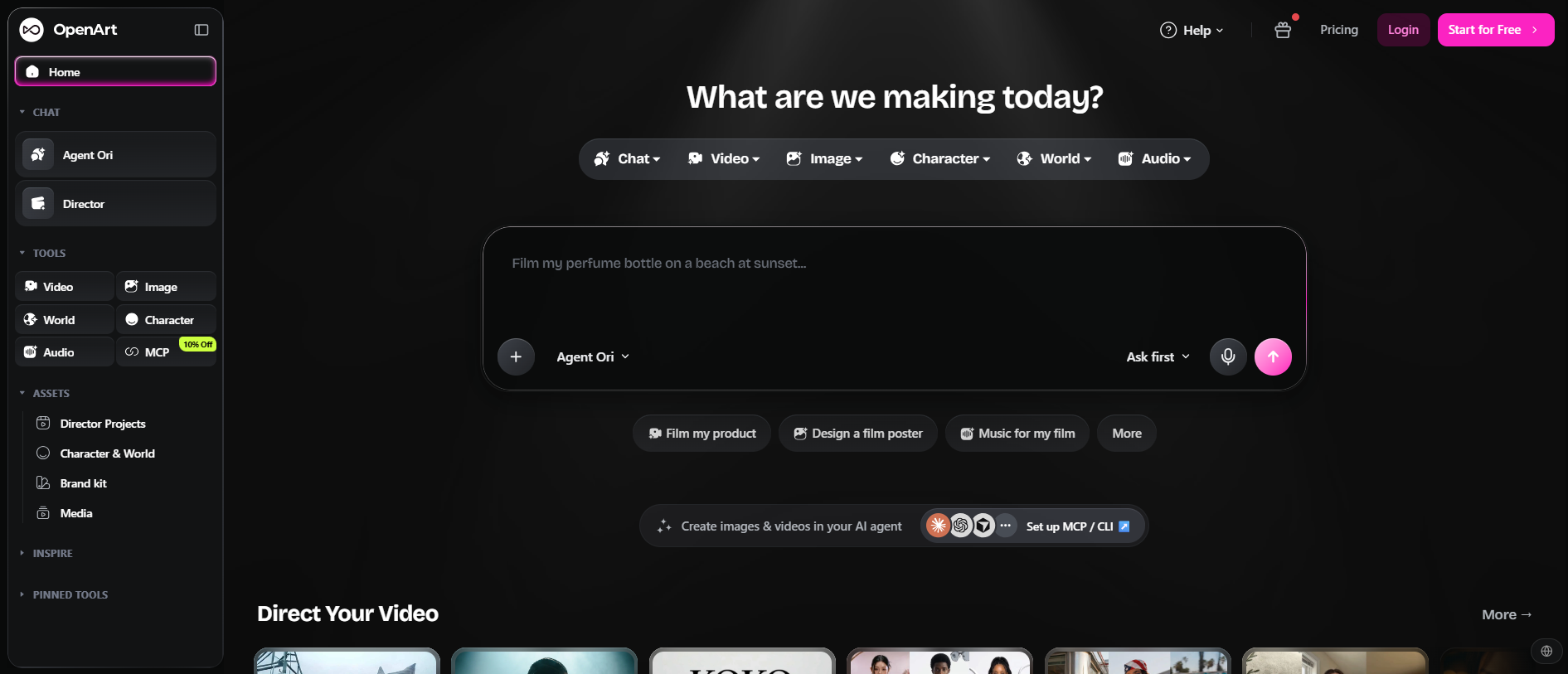
OpenArt AI Art Generator can generate illustrations, portraits, concept art, and stylized images from text prompts and reference images. The quality of the output varies with the model chosen, the detail of the prompt, and the complexity of the request.
-
Prompt accuracy: Specific prompts generally give the model more direction. Subject, environment, composition, lighting, and style details can all affect the result.
-
Realism and detail: Photorealistic results can look convincing, although fine details may still need checking, especially around hands, faces, small objects, and complex backgrounds.
-
Artistic styles: The platform is well suited to illustration, concept art, stylized characters, and other creative directions where users want to explore different aesthetics.
-
Text and complex elements: AI-generated text can still be inconsistent. Scenes containing several objects, specific layouts, or precise visual relationships may also require multiple generations.
How much creative control does OpenArt AI offer?
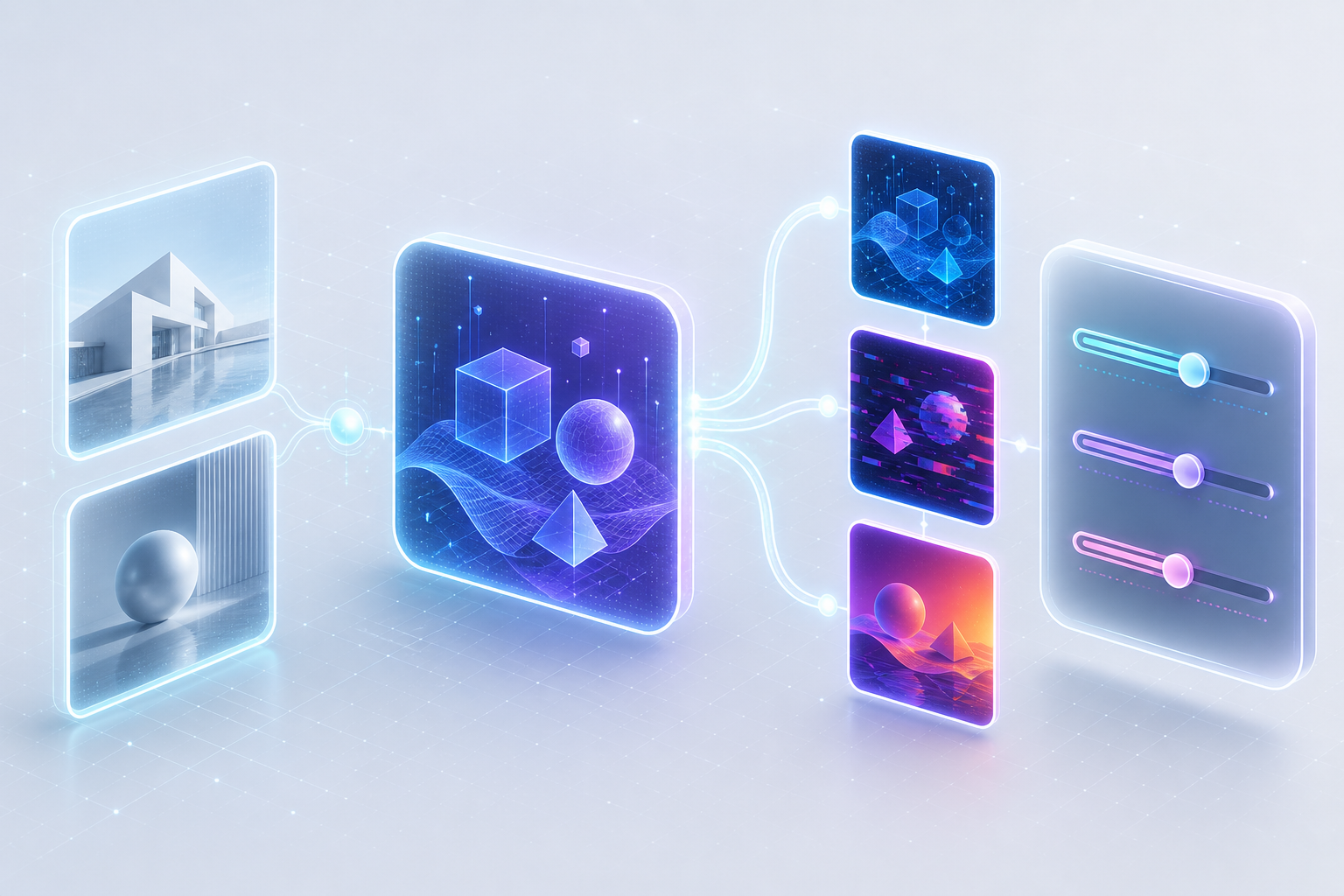
OpenArt AI gives users several ways to guide image generation beyond a basic text prompt. Reference images can help establish a visual direction, while editing workflows allow users to refine an existing result. This is helpful if you have a rough idea and want to try variations rather than starting from a blank prompt repeatedly. Model selection also gives users more options if a model doesn't generate the right style or level of detail.
Is OpenArt AI easy to use?
The interface is designed around image generation and creative experimentation, so that novices can begin with prompts without requiring advanced design software. More experienced users can spend more time testing models, references, prompts, and editing controls. The trade-off is that greater choice can also mean more experimentation. If you want a highly predictable result from a single prompt, you may need several attempts before reaching the right output.
OpenArt AI pricing: Is it free and worth the cost?
OpenArt AI uses a credit-based pricing structure, so the value of a plan depends on how often you generate images and which tools you use. The current public plans listed in the supplied pricing guidance are Starter, Plus, Pro, and Wonder, replacing older plan names that may still appear in third-party reviews.
Is OpenArt free?
OpenArt AI is free to use, so you can experiment with image generation before you decide whether to pay for a subscription. Free access is good for casual experimentation, but generation limits may become restrictive for people generating images on a regular basis. If you plan to use OpenArt AI for client projects or commercial work, check the current plan terms rather than assuming that free access provides the same rights as paid plans.
What does OpenArt AI cost?
OpenArt AI pricing varies based on your plan and the speed of usage of your available credits. The current pricing system is based on shared credits, and video generation can burn credits faster than image generation.
|
Plan |
Price |
Included Features & Services |
|---|---|---|
|
Starter |
$14.00/month ($13.00/month billed annually) |
4,000 credits/mo (~4,000 images or ~50 videos), 8 parallel generations, ~13 consistent characters & personalized models, access to 100+ premium AI models, image editing suite, watermark-free output, non-commercial use. |
|
Plus |
$34.00/month (or $27.00/month billed annually) |
12,000 credits/mo (~12,000 images or ~150 videos), 16 parallel generations, ~40 consistent characters & personalized models, commercial use rights, credit top-ups as needed. |
|
Pro |
$56.00/month ($44.00/month billed annually) |
24,000 credits/mo (~24,000 images or ~300 videos), 32 parallel generations, ~80 consistent characters & personalized models, commercial use rights, priority support. |
|
Wonder |
$240.00/month ($175.00/month billed annually) |
106,000 credits/mo (~106,000 images or ~1,300 videos), 32 parallel generations, ~353 consistent characters & personalized models, full commercial rights, priority support. |
OpenArt pricing, credit allocations, and commercial terms are subject to change. Please see the current OpenArt pricing page before purchasing.
Is OpenArt AI worth paying for?
For regular creators, paying can be worth it if the extra generation capacity and creative tools fit your workflow. If you don't generate images very often, free access might be enough for testing. Before you select a plan, compare the credits offered with your expected monthly usage. If you’re after more than generic AI art and need specific ecommerce product images and marketing assets, a business workflow might be more valuable.
Is OpenArt AI safe? Commercial rights, watermarks, pros and cons
For business users, is OpenArt free only part of the decision? Commercial rights, watermarks, model-specific licensing, privacy, and uploaded-image handling can affect whether generated content is suitable for client work or advertising.
Can you use OpenArt AI images commercially?
Commercial rights depend on the plan and potentially the model or tool used. The supplied pricing guidance indicates that commercial use is listed from the Plus plan, not Starter. If you are publishing client deliverables, ecommerce imagery, ads or any other paid content, please review the current terms for your specific plan before publishing. And check any licensing restrictions specific to the model instead of assuming all generated images have the same usage rights.
Does OpenArt AI add watermarks?
Watermark rules can depend on the plan and the type of content being downloaded. Before using outputs in client or commercial work, confirm whether your selected plan provides watermark-free downloads and whether any individual model or feature has separate restrictions.
OpenArt AI: Pros and cons
|
What OpenArt AI does well |
OpenArt AI limitations |
|---|---|
|
Multiple AI image-generation options |
Commercial rights can depend on the selected plan or model |
|
Reference-based creation |
Free access has usage restrictions |
|
A broad selection of visual styles and models |
Credit consumption varies by generation |
|
AI-assisted editing workflows |
Output quality can differ between models |
|
Useful tools for creative experimentation |
Complex prompts may require several attempts |
|
Flexibility for different types of image projects |
Users should review current licensing terms before commercial use |
Best OpenArt AI alternatives in 2026
The best OpenArt AI alternative depends on the type of visuals you want to create and how much control you need over the workflow. Some platforms specialize in artistic image generation, while others combine AI creation with design, marketing, or ecommerce tools.
Midjourney
Best for: Artistic and highly stylized images
Who it fits: Artists, illustrators, and creators who want distinctive visual styles, concept art, and imaginative image generation. Midjourney is more focused on artistic image generation, while OpenArt offers a broader selection of models, reference-based workflows, and creative tools.
Adobe Firefly
Best for: Professional creative workflows
Who it fits: Designers, marketers, and Adobe users who want to generate and edit visuals as part of their existing creative projects. Firefly works closely with Adobe's creative ecosystem, while OpenArt provides a more dedicated environment for exploring different AI image models and styles.
Canva
Best for: Marketing and everyday design
Who it fits: Creators, marketers, small businesses, and teams creating social posts, presentations, ads, and other branded content. Canva covers a wider range of design tasks, while OpenArt provides more options for AI image generation, model selection, and creative experimentation.
Designkit
Best for: Ecommerce images and marketing creatives
Who it fits: Ecommerce brands, businesses, and marketers that need product-focused visuals, marketing assets, and AI-powered image editing.
Designkit is more focused on business and ecommerce content, while OpenArt is better suited to users exploring AI artwork, artistic styles, and different image-generation models.
What Designkit can do
Instead of only listing the features, I'd connect each capability to a practical business need:
-
AI image generation: Create visuals from product concepts, creative directions, or marketing requirements.
-
AI product photography: Turn product assets into more suitable visuals for ecommerce listings and promotional content.
-
AI background generation: Create new product settings and scenes without manually photographing every environment.
-
AI background removal: Isolate products and prepare cleaner assets for listings, ads, and other designs.
-
Marketing creatives: Adapt product visuals into assets for campaigns, promotions, and social media.
-
Batch image editing: Process multiple product images more efficiently when a campaign or catalog requires consistent treatment.
How to create marketing images with Designkit
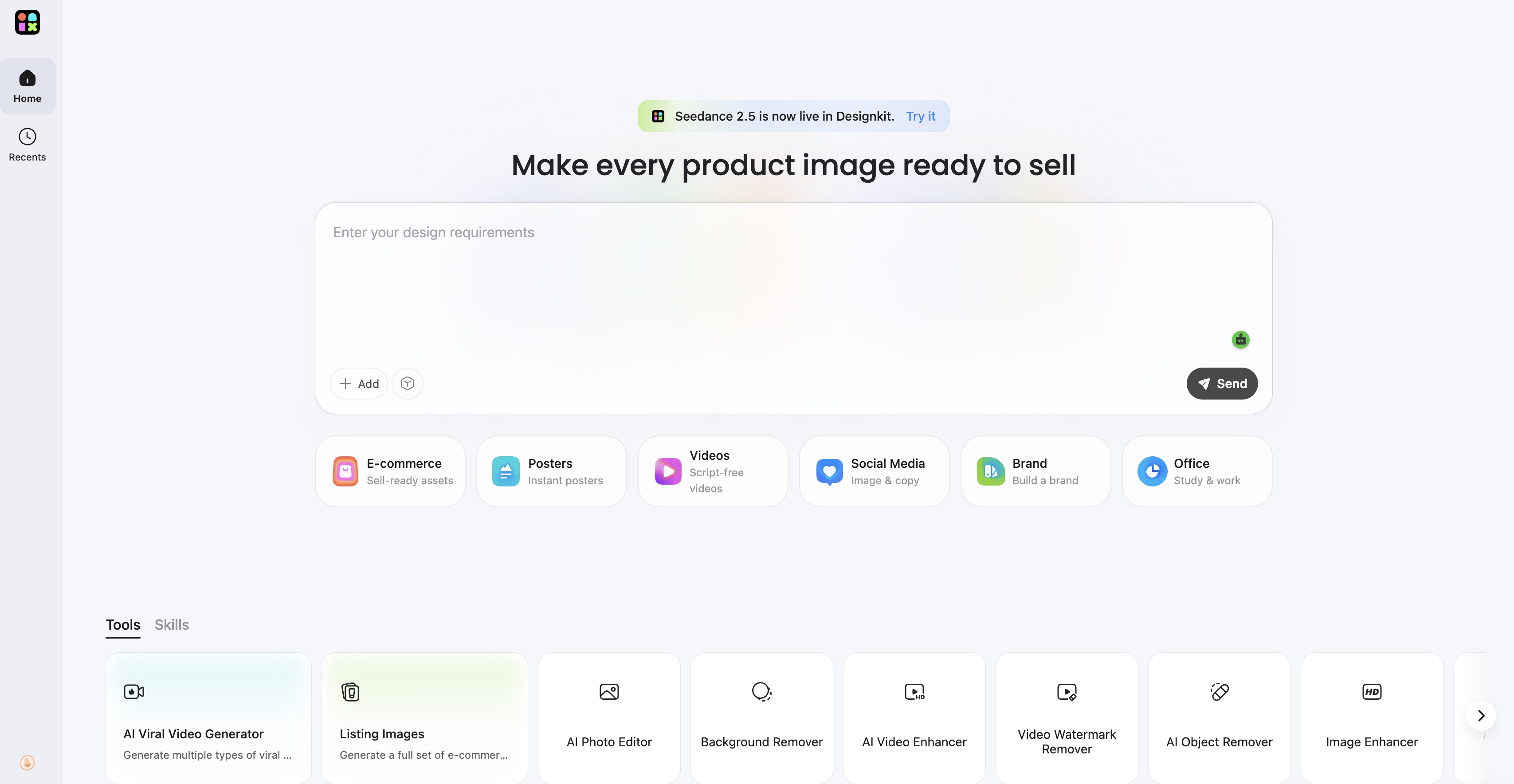
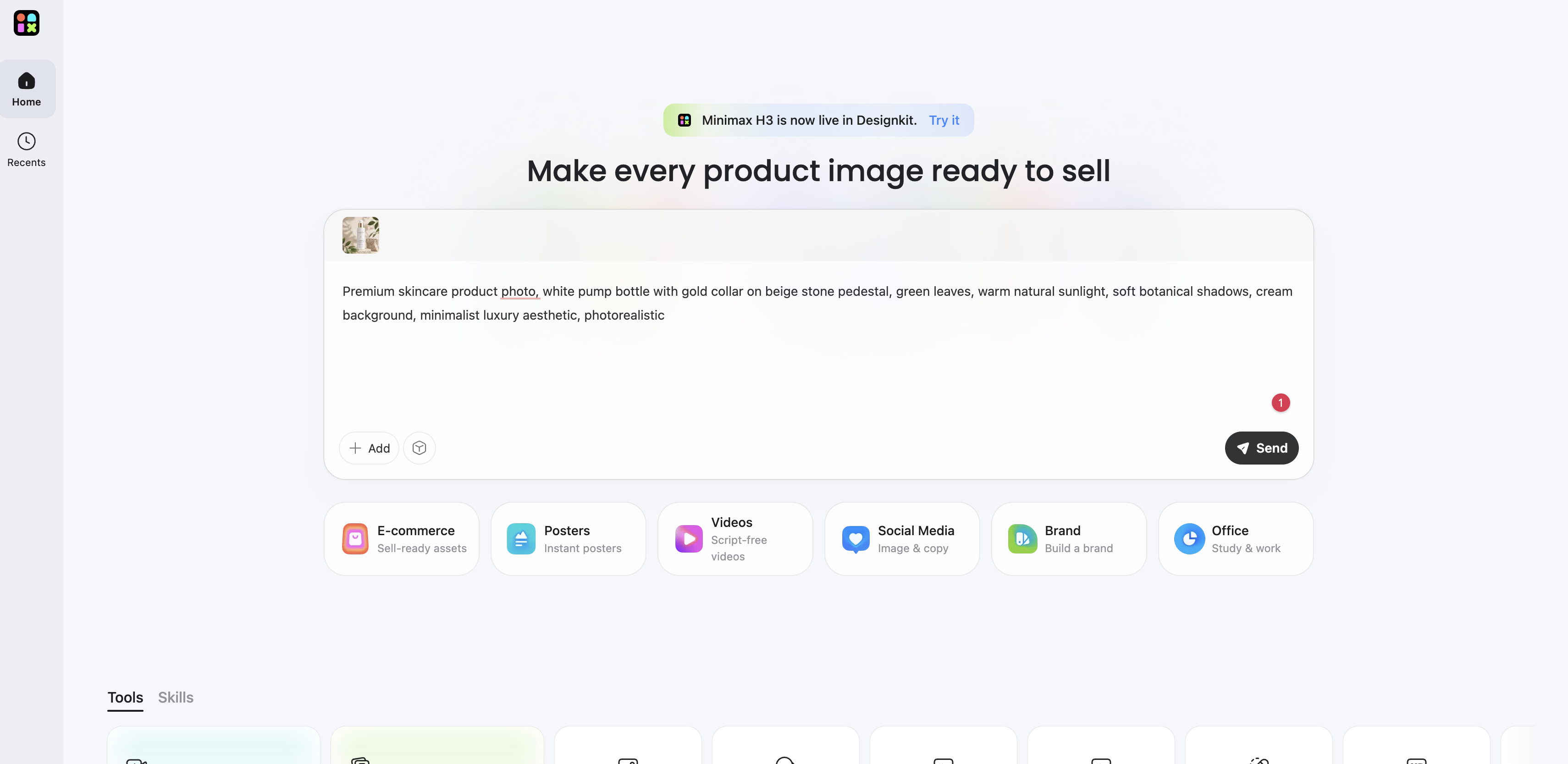
Step 1: Upload a product image and enter a prompt
Provide the product asset and describe the visual direction you want. Include details such as the setting, audience, campaign purpose, or desired style.
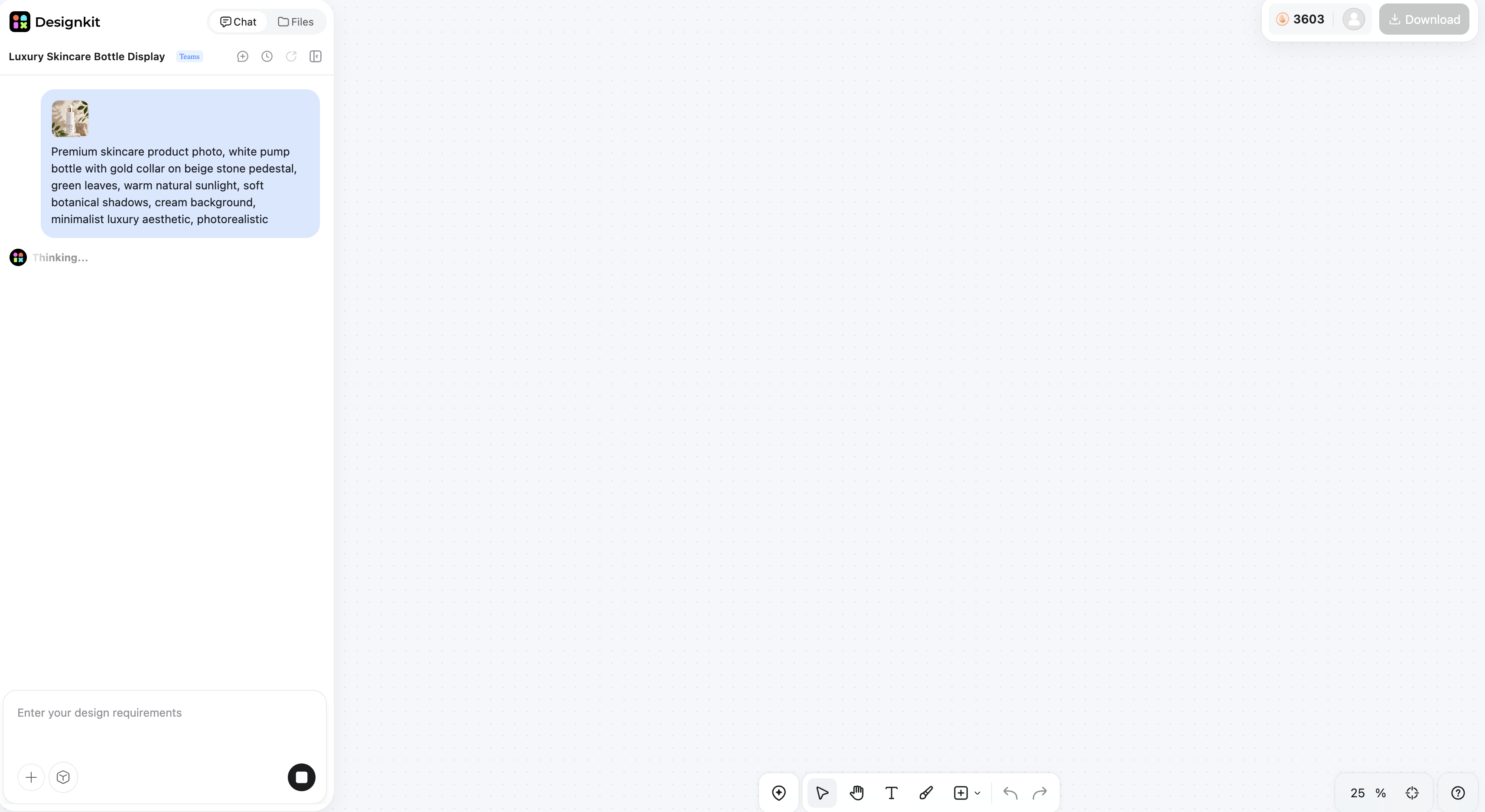
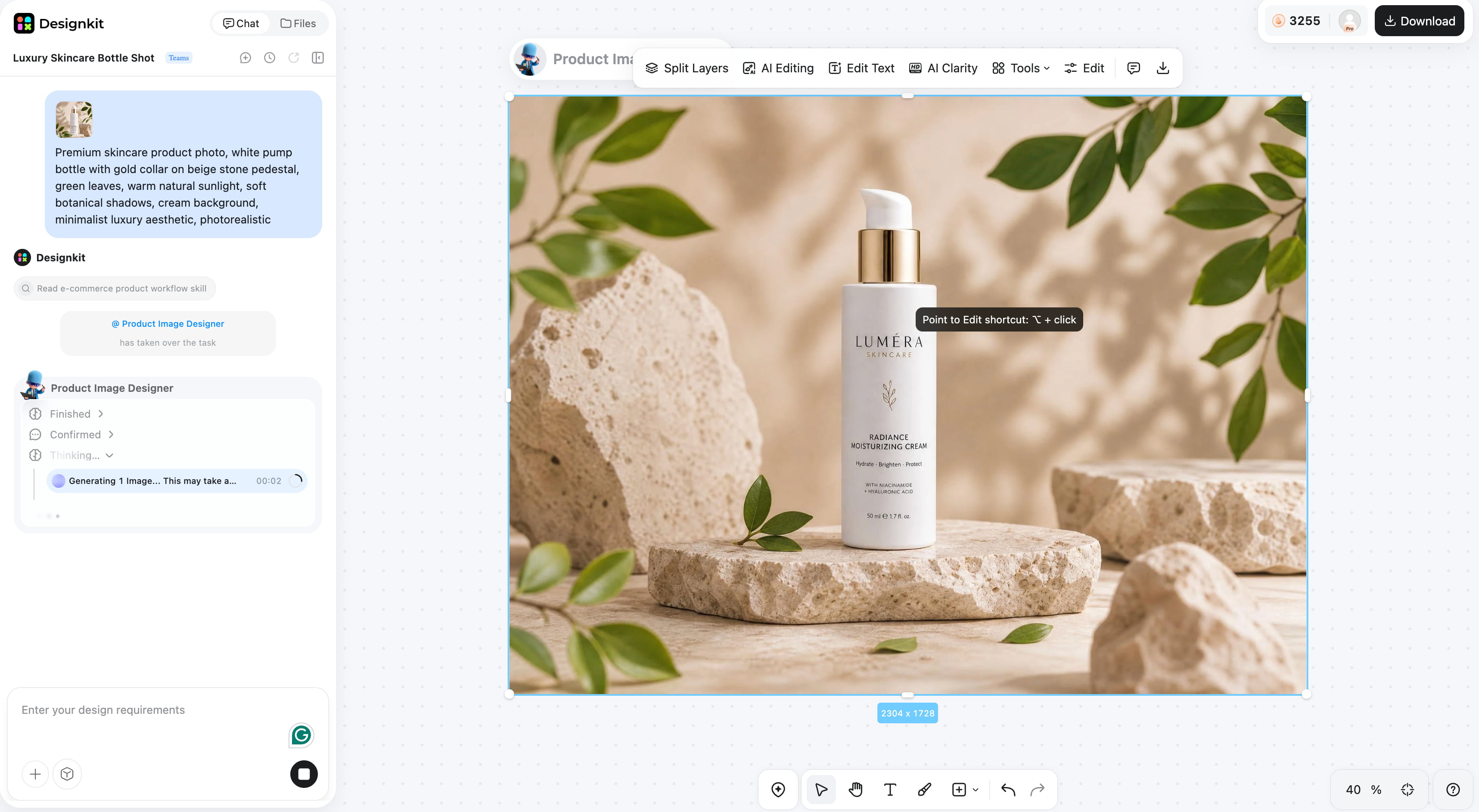
Step 2: Generate or customize
Create the visual and adjust the result to match your intended marketing use. You can refine the creative direction rather than rebuilding the asset from scratch.
Step 3: Export the finished creative
Once the visual is ready, export it to the relevant store, campaign, or social channel.
OpenArt AI vs Designkit: Which one should you choose?
Both platforms can create AI-generated images, but they serve different workflows.
|
Feature |
OpenArt AI |
Designkit |
|---|---|---|
|
Main focus |
AI art and image generation |
Ecommerce and marketing visuals |
|
AI image generation |
Strong |
Strong |
|
Reference-based creation |
Yes |
Yes |
|
Product photography |
Moderate |
Strong |
|
AI backgrounds |
Yes |
Strong |
|
Marketing creatives |
Available |
Strong |
|
Background removal |
Available |
Yes |
|
Ecommerce workflow |
Moderate |
Strong |
|
Best for |
AI art exploration |
Business and marketing content |
Choose OpenArt AI if you need AI artwork, creative experimentation, multiple image-generation models, artistic styles, and reference-based image creation for exploring different visual concepts and creative directions.
Choose Designkit if you need Product photography, AI-generated product backgrounds, ecommerce visuals, marketing assets, and business-focused image editing for creating practical, product-ready content across different marketing channels.
Final verdict
OpenArt AI is a good choice for creators looking to try out different AI models, artistic styles, reference images, and editing workflows. Its versatility makes it suitable for illustrations, portraits, character concepts, and other creative projects. Price, use of credits, consistency of output, and commercial rights are important factors. Before you pay, review the current plan terms vs your expected usage and ensure the rights and download conditions fit your project. For businesses focused on ecommerce product photography, product visuals, AI backgrounds, and marketing creatives, Designkit offers a more workflow-focused alternative. It is designed around practical business assets rather than AI artwork alone.
Frequently Asked Questions
Is OpenArt AI worth using in 2026?
What can I actually create with OpenArt AI?
You can generate illustrations, portraits, concept art, character concepts, stylized images, and other visuals using AI from text prompts, reference images, and editing workflows. Designkit provides more tools for product-centric content, like ecommerce and marketing visuals.
Is OpenArt AI free or do I need to pay?
OpenArt AI is free to use for testing, with subscription plans for larger usage limitations and more features. Commercial users should also check the current rights attached to their plan. Compare those charges to platforms like Designkit if business content is your thing.
How do I write better prompts for OpenArt AI?
Specify the subject, setting, composition, lighting, style, and important visual details. Reference images can also help communicate the direction you want. For product creatives, being clear about the product and the intended marketing setting can help guide the result.
Is OpenArt AI better than Midjourney?
Neither is better in all cases. OpenArt AI is great for those who want various creative tools and models. Midjourney is strong for unique artistic imagery. Another alternative to check out for ecommerce and marketing workflows is Designkit.
What is the best OpenArt AI alternative?
It is contingent upon your workflow, which is best. Midjourney is perfect for artistic exploration, Adobe Firefly is perfect for professional creative work, Canva is perfect for everyday design, and Designkit is perfect for e-commerce images, product photography, and marketing visuals.
You May Also Like
Remove.bg Shutting Down Dec 1, 2026: What Users Are Saying

7 Best Remove.bg Alternatives in 2026: Free & Paid Tools
Instagram Carousel: What It Is, How to Post & Create One
Nano Banana Prompts: 20+ Examples for Better AI Images
Ideogram AI Review 2026: Features, Pricing & Alternatives
Free Mac Photo Editor: 5 Tools Compared for Mac Users
How to Crop a Photo Into a Circle Online (Keep Quality)
How to Make an Image Transparent Online (AI Guide)
Pixlr Background Remover Review 2026: Features, Pricing & Alternatives
How to Fix Overexposed Photos: Recover Highlights Fast
OpenArt AI Review 2026: Features, Pricing & Alternatives
Best AI Headshot Generator: 9 Tools Compared for 2026
Best Stencil Maker Tools 2026: Turn Photos Into Stencils
Pixelbin Watermark Remover Review: Image & Video Results Tested
How to Make a Sticker on iPhone: Easy Step by Step Guide
Best AI Logo Generator in 2026: 10 Tools Compared
How to Turn a Photo Into a Cartoon: A Beginner-Friendly Guide
Landscape vs Portrait: Key Differences & Best Uses in 2026
How to Remove Watermark From Photo: AI, Photoshop & More
How to Fix Pixelated Photos: Photoshop, AI Tools & Tips
Bing Image Creator: How It Works, Features, Uses & Alternatives
How to Remove People from Photos with AI: A Step-by-Step Guide
How to Increase Image Resolution: AI, Photoshop & PPI
How to Add Text to a Photo: 8 Tips for Better Results
How to Fix Grainy Photos: Easy Ways to Clear Images
Creative Profile Picture Ideas for Every Style and Platform
Evoto AI Review 2026: Features, Pricing, Pros & Cons
Pixlr Photo Editor Review: Features, Pricing & Alternatives
Best AI Image Extender Tools in 2026: Expand Photos with AI
How to Make a Collage on iPhone: Easy Guide for 2026
How to Sharpen an Image in Photoshop (Smart Sharpen and Unsharp Mask)
Best Image Background Remover Tools in 2026: AI Tools Compared
How to Make Transparent Background in Paint: Step-by-Step Guide
How to Resize an Image: Best Methods, Tools & Quality Tips
Best AI Image Generator Tools in 2026: Top AI Platforms Compared

Remove.bg Review 2026: Features, Pricing & Is It Worth It?
Luminar Neo Photo Editor Review 2026: AI Features, Price & Pros

How to Post Multiple Photos on Instagram (2026 Guide)
25 Facebook Cover Photo Ideas for Personal & Business Pages
What Is a PFP? Meaning, Examples & How to Create One
Can You Edit an Instagram Post After Posting?
11 Best Canva Alternatives in 2026 for AI Design & Marketing
8 Best Midjourney Alternatives in 2026: Features, Pricing & Comparison
How to Restore Old Photos: AI Tools, Tips & Best Methods
Pixelcut AI Review 2026: Features, Pricing, Pros, Cons & Alternatives
How to Apply Watermark to Photos: Methods, Tips & AI Tools
How to Remove a Background in Illustrator: 4 Easy Methods
How to Change Background Color on Instagram Story (Easy Guide)
8 Best AI Poster Generators in 2026: Create Posters Faster with AI
10 Best AI Image Enhancers in 2026: Tested & Compared
10 Best AI Image Editors in 2026: Features, Pricing & Comparison
7 Best AI Background Changer in 2026: Remove & Replace Photo Backgrounds
Luminar Neo vs Lightroom: Features, Pricing & Comparison 2026
Kittl Review 2026: Is It Worth It? Features & Pricing
How to Make a Blurry Image Clear: 5 AI & Manual Ways
How to Remove Background on iPhone: 5 Easy Methods (2026)
Photoroom Background Remover Review 2026: Features & Alternatives
How to Remove Background in Canva: A Step-by-Step Guide
How to Remove Background in GIMP: Beginner-Friendly Guide
Funny Dog Memes to Try: Doge Meaning and 10 Original Ideas
Back to School Checklist 2026: Supplies, Timeline, and Planning
Recraft AI Review 2026: Features, Pricing, Pros, Cons & Alternatives
How to Make an Image Transparent in Google Slides: Opacity & Background Removal

VanceAI Photo Enhancer Review: Features, Pricing & Alternatives in 2026
What Does Emojify Mean? Text, Photos, & Emoji Art Explained
Top 8 Online Background Removers for Ecommerce Photos (2026)
How to Remove Background in Photoshop: 7 Easy Methods
6 Best AI Image Upscalers 2026: Tools Tested & Compared
Project Indigo Review: Is It Better Than iPhone Camera?
How Big Is an 8x10 Photo? Size, Pixels & Frame Guide
How Big Is a 4x6 Photo? Dimensions, Pixels & Printing Tips
Picsart AI Review: Features, Pricing, Pros, Cons & Alternatives
Lovart AI Review: AI Design Agent Features, Pricing & Alternatives
Fotor AI Image Generator Review: Features, Pricing & Alternatives
How to Add Emoji to Photo Online for Free
Emoji Wallpaper Ideas & How to Make One Online (2026)
Minimalist Poster Design: How to Make a Clean Poster (2026)
How to Make a Custom Poster That Is Ready to Print
Instagram Image Size Guide 2026: Post, Reel, Story & Carousel Specs
LinkedIn Image Size Guide: Profile, Post & Banner Dimensions
YouTube Profile Image Size: Best Dimensions & Safe Area 2026
How to Edit Amazon Product Photos That Boost Sales Fast
Create More Than AI Artwork
Create product images, marketing visuals, and ecommerce creatives with AI. Designkit helps businesses turn product assets and ideas into professional visuals for stores, campaigns, and social media.