
What Is Vibe Marketing? How Brands Create AI-Powered Campaign Experiences
Discover what vibe marketing means and why brands are shifting from product-focused campaigns to emotion-driven experiences.

Today's customers don't just choose products based on features. They connect with brands that represent a lifestyle, emotion, or identity they want to be part of. Vibe marketing focuses on creating that emotional connection by defining a brand's personality, visual direction, and customer experience before producing marketing content. Instead of creating disconnected ads, brands build a recognizable "vibe" across social media, websites, campaigns, and customer touchpoints.
This guide explains what vibe marketing is, how to create a successful strategy, real examples, common mistakes, and how AI tools like Designkit help brands transform creative ideas into campaign-ready assets.
What Is Vibe Marketing?
Vibe marketing is a marketing approach that focuses on creating an emotional connection with customers rather than simply promoting products. It builds a consistent brand personality across social media, websites, emails, and advertising, so people instantly recognize the brand. Instead of running disconnected campaigns, vibe marketing creates a unified experience that strengthens trust and loyalty. The result is a memorable brand that customers connect with on a deeper level.
Understanding What Vibe Marketing Means
Vibe marketing means creating a consistent brand personality that reflects your values, visual style, and messaging across every customer touchpoint. Its goal is to make people feel connected to your brand so they remember the experience, not just the product.
How Vibe Marketing Differs from Traditional Marketing
|
Traditional Marketing |
Vibe Marketing |
|---|---|
|
Starts with product features |
Starts with emotions and identity |
|
Focuses on selling |
Focuses on connection |
|
Creates individual campaigns |
Builds a consistent brand feeling |
|
Manual creative production |
AI-assisted creative workflows |
|
One message for everyone |
Audience-specific experiences |
How Vibe Marketing Works
Vibe marketing starts with a vibe brief that defines your brand's feel, audience, visual style, and offer. AI uses this brief to generate marketing assets like copy, visuals, and campaign ideas that match the desired aesthetic. Marketers then review and refine the content to ensure it reflects the brand accurately. After launch, campaign performance is analyzed, and both AI outputs and marketing strategies are continuously improved based on real results.
How to Build a Successful Vibe Marketing Strategy
A successful vibe marketing strategy begins with understanding your audience and defining the emotions you want your brand to create. Every campaign, from social media posts to email marketing and ads, should reflect the same personality and visual identity. Consistency across all customer touchpoints helps build trust, recognition, and long-term brand loyalty.
Step 1: Define Your Brand Vibe
Start by defining your brand's personality, core values, and the emotions you want customers to associate with your business. This clear brand identity guides your messaging, visual style, and overall marketing strategy. A well-defined vibe helps create a memorable and recognizable brand experience.
Step 2: Understand Your Audience's Lifestyle and Culture
Research your audience's interests, online behavior, and cultural preferences to create content that feels relevant and authentic. Understanding what motivates your customers allows you to develop campaigns that resonate on a deeper level. Audience insights also help strengthen engagement and long-term brand loyalty.
Step 3: Create Consistent Visual and Verbal Experiences
Maintain consistent colors, typography, imagery, messaging, and tone of voice across every customer touchpoint. A unified brand experience builds trust and makes your business easier to recognize across different channels. Consistency also reinforces your brand identity over time.
Step 4: Plan Channel Experiences Around One Feeling
Ensure every interaction, whether through social media, email, your website, or paid ads, reflects the same brand personality and emotional message. Consistent experiences help customers recognize and connect with your brand wherever they engage. This approach strengthens brand recall and creates a seamless customer journey.
Step 5: Vibe Marketing for Startups and Lean Teams
Startups and small teams can use AI-powered tools to create, test, and refine marketing content more efficiently. Simple brand guidelines and vibe briefs help maintain consistency while producing content at scale. This enables lean teams to launch campaigns quickly without sacrificing brand identity.
Vibe Marketing Examples
Vibe marketing can be applied across different industries by creating a consistent brand personality and customer experience. Whether you're promoting fashion, beauty, or ecommerce products, the goal is to deliver the same look, tone, and message across every marketing channel. This consistency helps customers recognize and trust your brand.
1. Fashion Brand Vibe Marketing
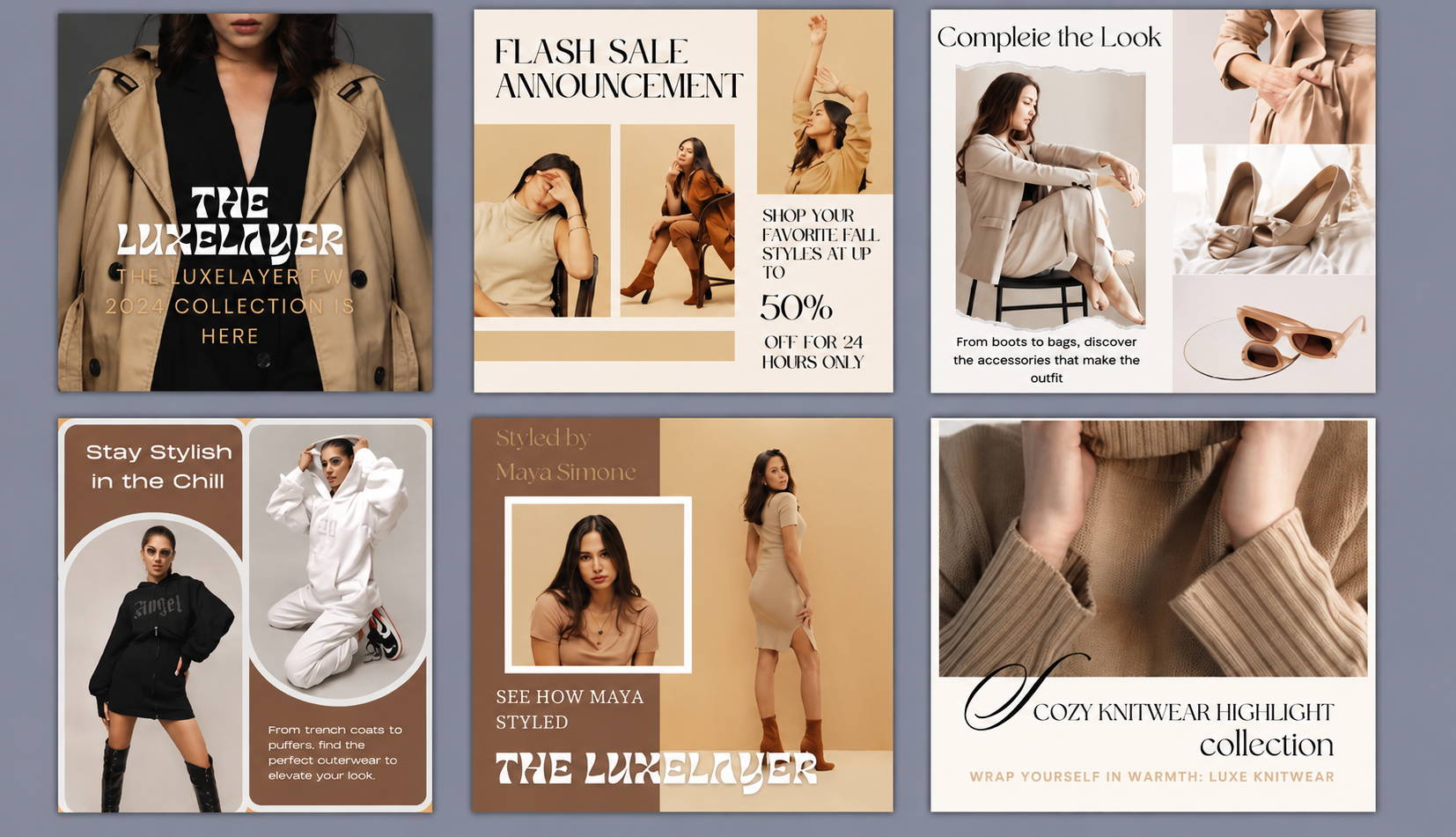
Fashion brands use lifestyle-focused visuals and storytelling to create an emotional connection with customers. Consistent colors, design, and messaging help build a recognizable and memorable brand identity.
2. Beauty Brand Vibe Marketing
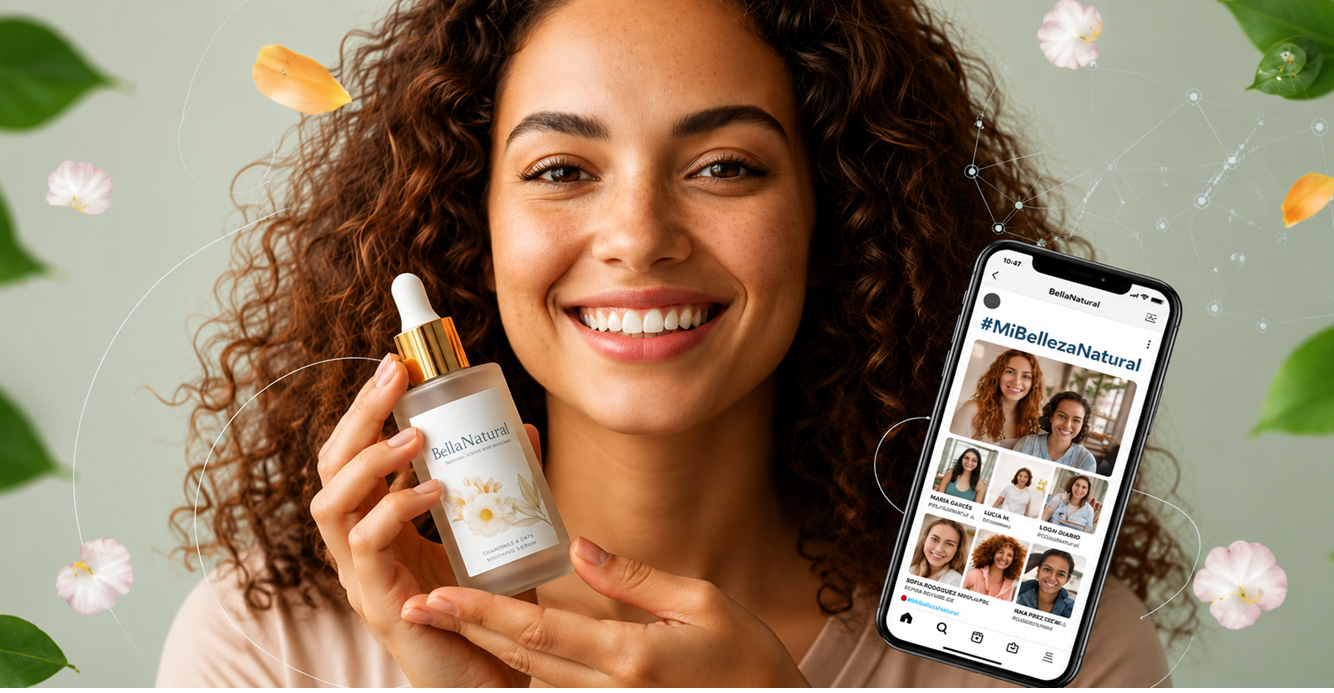
Beauty brands build emotional connections by promoting confidence, self-care, and authenticity through consistent visuals and messaging. Social media content, product packaging, and advertising all work together to reinforce the same brand experience.
3. Ecommerce Product Launch Campaigns
Successful ecommerce launches maintain one creative direction across product pages, social media, email campaigns, and paid ads. This consistent approach creates excitement, improves brand recognition, and delivers a seamless customer experience.
Multichannel Vibe Marketing: Keeping One Brand Feeling Everywhere
The strongest brands deliver one consistent experience whether customers discover them through social media, email, websites, or paid advertising. Multichannel vibe marketing means delivering the same brand personality and experience across every customer touchpoint.
1. Social Media
Maintain a consistent visual style, tone of voice, and messaging across all social media platforms to strengthen brand recognition. Using the same colors, typography, and creative direction helps audiences instantly identify your brand. Consistent social content also builds trust and encourages long-term engagement.
2. Email Marketing
Apply your brand's colors, typography, imagery, and messaging consistently across every email campaign. A unified email experience reinforces your brand identity and creates familiarity with subscribers. This consistency can improve engagement, customer trust, and click-through rates.
3. Ecommerce Store
Ensure your product pages, banners, and website visuals reflect the same brand personality seen in your other marketing channels. Consistent design elements create a seamless shopping experience and help customers recognize your brand throughout their journey. A cohesive storefront also strengthens credibility and supports purchasing decisions.
4. Paid Advertising
Create advertisements that use consistent branding, messaging, and visual elements across search, display, and social platforms. Matching your ads with your overall brand identity improves recognition and creates a more cohesive customer experience. Consistent advertising also helps maximize campaign performance and brand recall.
5. Community Channels
Extend your brand's personality to community platforms such as Discord, Reddit, Facebook Groups, or online forums by maintaining a consistent tone and visual identity. Authentic interactions and valuable conversations help build stronger relationships with your audience while reinforcing your brand values. A unified experience across community channels encourages trust, loyalty, and long-term customer engagement.
How to Measure Vibe Marketing
Measure vibe marketing by tracking engagement, brand sentiment, brand recall, conversions, and customer loyalty across every channel. Monitor metrics like shares, comments, repeat purchases, branded searches, and customer feedback to understand audience perception. Regularly review cross-channel consistency and test creative variations to improve performance while maintaining a recognizable, emotionally connected brand experience.
Vibe Marketing Tools: What Belongs In The Stock
Vibe marketing combines multiple tools to help brands plan, create, distribute, and measure campaigns while maintaining a consistent look and voice. Rather than relying on a single platform, marketers use different tools together to streamline workflows and deliver a unified brand experience across every channel.
1. Strategy & Copy Assistants (LLMs)
Large Language Models (LLMs) help marketers generate campaign ideas, ad copy, emails, and social media content that aligns with a brand's tone of voice. They speed up the content creation process by producing high-quality first drafts and creative variations. Human review is still essential to refine messaging, ensure accuracy, and maintain brand consistency.
2. Creative Generation Tools
AI creative tools generate images, videos, graphics, and other visual assets that reflect a brand's identity. They enable teams to produce consistent creatives quickly for websites, social media, advertising, and ecommerce channels. This helps brands scale content production while maintaining a cohesive visual style.
3. Automation & AI Agents
Automation tools and AI agents streamline repetitive marketing tasks such as scheduling posts, managing workflows, and sending customer follow-ups. By reducing manual effort, they allow marketing teams to focus more on strategy and creative decision-making. Automated workflows also improve efficiency and campaign consistency.
4. CRM, Email & Customer Data Platforms (CDPs)
CRM and Customer Data Platforms (CDPs) centralize customer information to support personalized marketing campaigns. They help businesses deliver relevant emails, offers, and recommendations based on customer behavior and preferences. This creates more meaningful interactions and improves customer engagement across channels.
5. Ads Testing & Analytics
Analytics and ad testing tools measure campaign performance by tracking metrics such as engagement, conversions, and return on ad spend. These insights help marketers identify which creatives and messages perform best with their audience. Continuous testing enables brands to optimize campaigns and improve marketing results over time.
How AI Tool Helps Brands Execute Vibe Marketing
Designkit helps brands turn their desired vibe into consistent, high-quality visuals across every marketing channel. By combining AI-powered creative tools with customizable brand settings, it enables teams to produce on-brand content faster while maintaining a cohesive look and feel. Whether you're creating social posts, product images, ads, or email creatives, Designkit simplifies multichannel vibe marketing without sacrificing brand consistency.
How to Create a Vibe Marketing Campaign With Designkit
Step 1: Upload Products or Reference Style
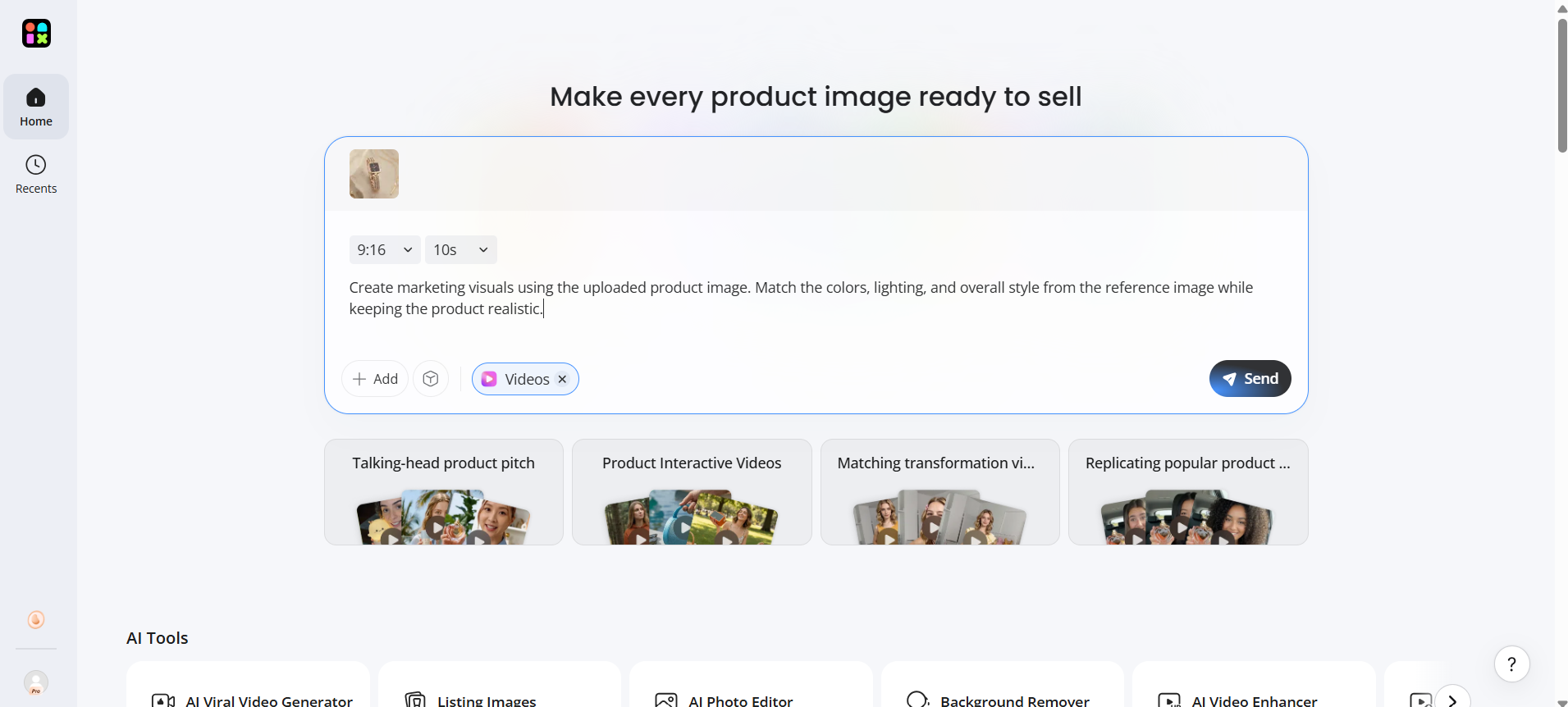
Upload your standard product images or creator photos into the Designkit workspace. No studio shots or complex design files are required.
Step 2: Generate On-Brand Campaign Visuals
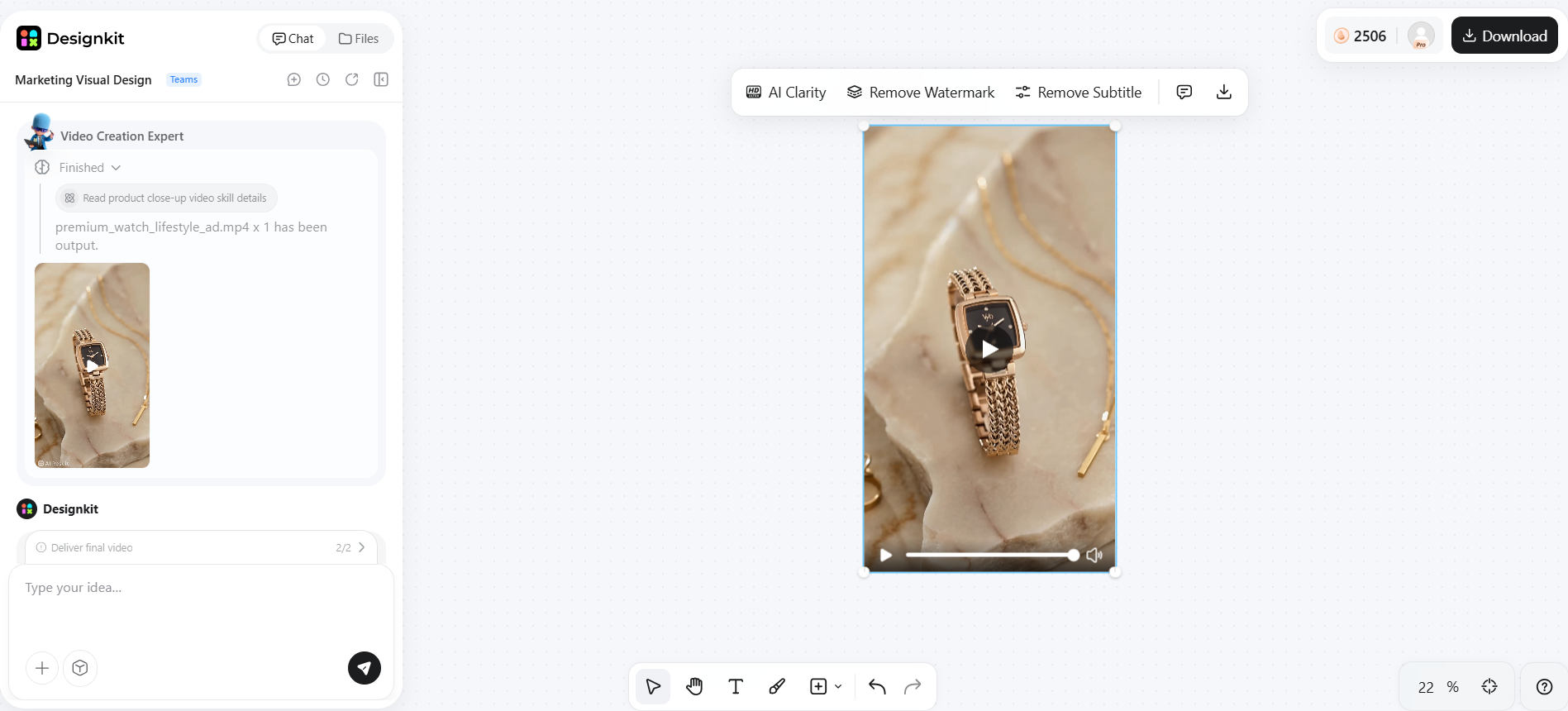
Use AI to create lifestyle images, product ads, and social media creatives that match your brand's visual style. Generate multiple variations while maintaining consistent design and messaging.
Step 3: Export Variations for Each Channel
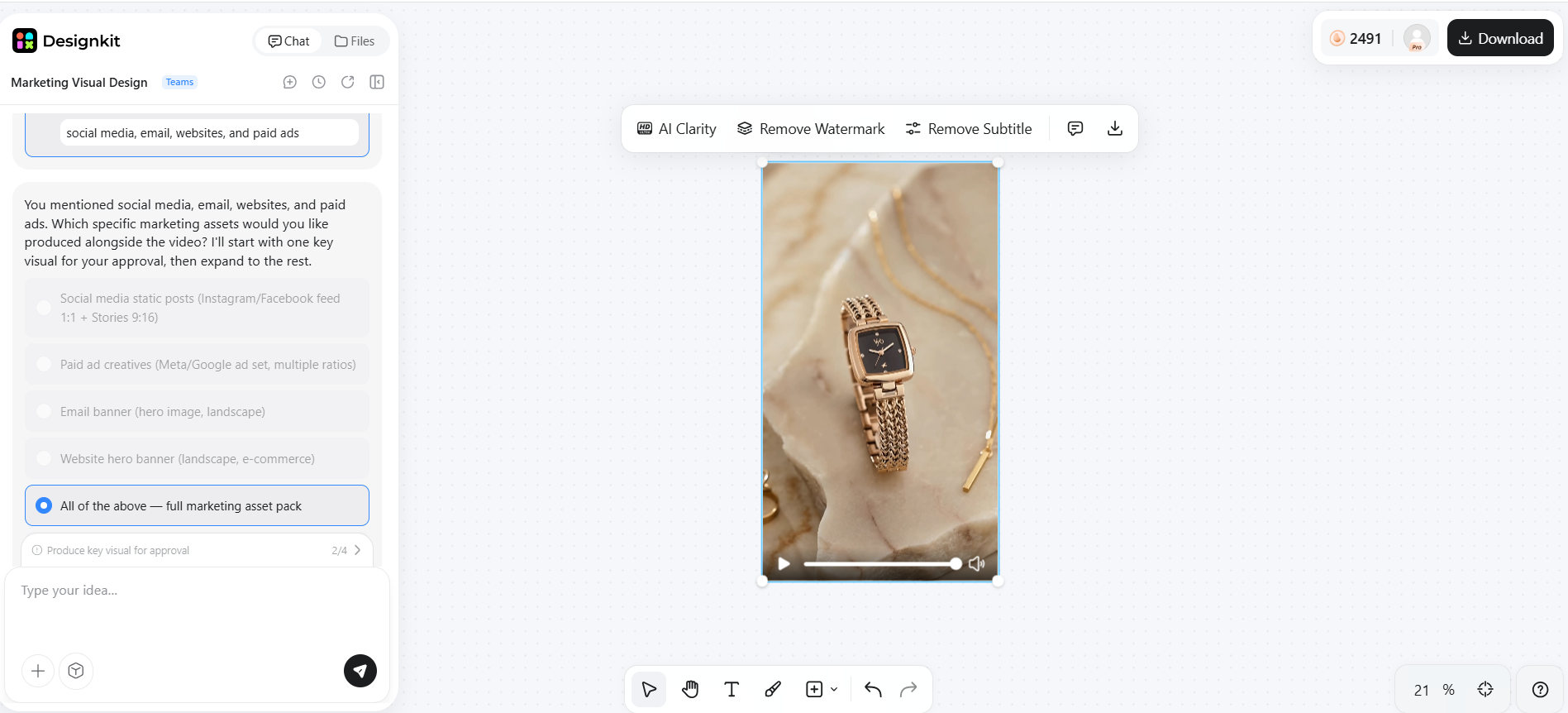
Resize and optimize your creatives for platforms such as social media, email, websites, and paid ads. Keep the same brand voice and visual identity across every channel for a consistent customer experience.
Designkit Features That Support Vibe Marketing
A strong vibe marketing strategy requires more than attractive visuals it needs tools that help teams create, adapt, and scale consistent campaigns. Designkit simplifies this process by combining AI-powered creative generation with brand consistency features. These capabilities help marketers produce high-quality assets faster while maintaining the same brand personality across every channel.
-
AI campaign idea to creative generation: Enter a campaign brief or prompt, and Designkit generates product ads, lifestyle visuals, and promotional creatives that match your marketing objective. This reduces manual design work and speeds up campaign launches.
-
Brand-consistent creative production: Apply your brand colors, fonts, logos, and visual style across every generated asset. Consistent branding helps build recognition while ensuring all campaign creatives look cohesive.
-
Multiple creative variations: Generate different versions of the same campaign with alternative layouts, backgrounds, headlines, and visual styles. These variations support A/B testing and help identify the highest-performing creatives.
-
Multi-channel export formats: Export marketing creatives in optimized sizes for social media, websites, email campaigns, display ads, and ecommerce stores. Ready-to-use formats ensure your campaign stays visually consistent across every marketing channel.
Common Vibe Marketing Mistakes to Avoid
Vibe marketing can strengthen your brand, but only when it's supported by a clear strategy and audience understanding. Many brands focus on aesthetics while overlooking consistency, messaging, and business objectives. Avoiding these common mistakes helps ensure your marketing creates lasting brand value instead of short-term attention.
Copying Trends Instead of Building a Brand Identity
Following every viral trend may increase short-term visibility, but it can make your brand look inconsistent and forgettable. Focus on trends that align with your brand values and personality rather than copying everything that becomes popular. A strong brand identity creates lasting recognition beyond temporary online trends.
Creating Beautiful Content Without a Clear Audience
Visually appealing content is only effective when it resonates with the right audience. Understanding your customers' needs, interests, and preferences helps create content that drives engagement and conversions. Successful vibe marketing balances attractive design with audience relevance.
Using AI Without Creative Direction
AI is most effective when supported by a clear brand strategy and creative direction. Providing consistent prompts, messaging, and visual guidelines helps generate content that reflects your brand identity. Human oversight remains essential to ensure the final output is accurate, authentic, and aligned with your marketing goals.
Final Thoughts
Vibe marketing is more than a marketing trend. It's a customer-first approach that combines authentic branding, emotional storytelling, and AI-powered creativity. By developing a consistent brand identity and using tools like Designkit to accelerate content production, businesses can create memorable experiences that build trust, engagement, and long-term growth.
Frequently Asked Questions
What is vibe marketing?
How does vibe marketing work?
It begins by defining a brand's personality, audience, messaging, and visual identity. Every campaign, advertisement, social media post, email, and website then follows the same creative direction to create a recognizable customer experience.
How is vibe marketing different from traditional marketing?
Traditional marketing emphasizes product features and sales messages. Vibe marketing emphasizes emotional connection, storytelling, brand identity, and consistent experiences across channels.
What are examples of vibe marketing?
Examples include fashion brands that promote lifestyle rather than clothing, beauty companies that build communities around self-expression, and ecommerce brands that maintain the same visual identity across product pages, ads, email campaigns, and social media.
How can startups use vibe marketing?
Startups can define a clear brand personality, create simple brand guidelines, use AI to produce consistent creative assets, and focus on building recognition with a specific audience before scaling their marketing efforts.
What are the best vibe marketing tools?
Popular options include AI-powered creative platforms, design automation tools, image generation software, copywriting assistants, and campaign management solutions. The best choice depends on your workflow, brand requirements, and preferred marketing channels.
Can AI help create vibe marketing campaigns?
Yes. AI can generate images, ad creatives, marketing copy, videos, campaign variations, and channel-specific assets while helping maintain visual consistency and reducing production time.
What is vibe coding marketing?
Vibe coding marketing combines AI-assisted development with marketing workflows. Teams use natural-language prompts to quickly create websites, landing pages, and campaign experiences that match their brand identity, enabling faster campaign launches.
You May Also Like
Amazon Individual vs Professional Selling Plan
Amazon Brand Registry Requirements: Trademark, Account & Cost
How to Create an Amazon Seller Account: Requirements and Steps
Amazon Product Video Requirements: Specs & Upload

Amazon Global Selling: How to Open Multiple Marketplaces
Amazon Vine Program for Sellers: Get Early Product Reviews
Amazon Sponsored Products: How to Launch Your First Campaign
Amazon Sponsored Brands: What They Are and When to Use Them
Is Print on Demand Profitable in 2026? Products and Niches
Print-On-Demand Designs: Create, Prepare, and Preview Your Work
Local Business Marketing: Ideas, Priorities and Ways to Get Local Customers
Social Media Audit: How to Review Performance and Find What Works
How to Build a Personal Brand: A Strategic Guide
How to Create a YouTube Channel for Your Business in 2026
Social Media Content Planner: Plan & Schedule Posts
Amazon A+ Content Dimensions: Module Image Sizes

Amazon A+ Content: What It Is and What to Build First
Amazon Brand Registry Application: How to Submit and Pass Review
How to Ship to Amazon FBA: Your First Shipment
What Is Amazon FBA? Should Beginners Use It in 2026
How to Get Ungated on Amazon: Restricted Category Approval Steps
Amazon Backend Keywords: Title, Bullets & Search Terms
What Is A/B Testing? A Practical Guide to Running Better Experiments
Best Time to Post on Instagram in 2026: Data & Tips
How to Get Verified on Instagram: Complete Guide
TikTok Monetization in 2026: Requirements & Ways to Earn
YouTube Shorts Monetization Requirements & Rules 2026
How to Make an Event on Facebook: Complete Setup Guide (2026)

Instagram Desktop Posting Guide: Upload Posts, Stories & Reels
How Much Does YouTube Pay Per View? 1K, 100K & 1M Views
How to Make Money on Snapchat: 7 Ways to Earn
How to Get More Followers on Instagram in 2026
Best Time to Post on TikTok in 2026 for More Views
How to Repost on Instagram in 2026: A Simple Guide
How to Create Digital Products That Sell in 2026
Cyber Monday Marketing Ideas & Strategies (2026 Guide)
Black Friday Marketing Ideas for Ecommerce Brands (2026)
Instagram Marketing Guide: Strategies, Tips & AI Tools in 2026
Influencer Marketing Guide: Strategy, Campaigns & Creator Tips
How to Sell on Facebook Marketplace: Beginner Guide (2026)
How to Use Pinterest for Business: Strategy, Tips & Growth Guide
How to Sell on Etsy in 2026: Setup, Listings & Growth Tips
WooCommerce vs Shopify 2026: Pricing, Features & Which Is Better
What Is a Target Audience? Types, Examples & How to Find Yours
Multichannel Marketing Guide: Strategy, Tools & Examples
TikTok Marketing Guide 2026: Strategies, Ideas & AI Tools
Vibe Marketing Explained: Strategy, Examples & AI Tools
15 Best Things to Sell on Etsy in 2026 (Listing Tips Included)
How to Sell on Depop: Beginner Guide to Getting Your First Sale
Where to Sell Handmade Items Online (2026): Etsy, Amazon, or Shopify?
Shopify vs Amazon (2026): Brand Store or Marketplace FBA?
Amazon Handmade vs Etsy (2026): Which Is Better for Makers?
Online Advertising Guide: Types, Costs & Examples (2026)
Facebook Advertising Guide: Costs, Strategy & Tools 2026
Etsy vs eBay (2026): Handmade, Vintage, or Secondhand?
Selling on Amazon vs eBay (2026): Fees, Profit & Where to Sell

10 Best Online Selling Platforms (2026): Pick by What You Sell
Shopify vs Etsy (2026): Which Is Better for Handmade Sellers?
What Are E-commerce Ads? Examples, Strategy & Tools (2026)
What Is Brand Awareness? Examples, Strategies & Tools 2026
What Is Brand Identity? Examples, Elements & Strategy
YouTube Automation Step-by-Step AI Guide for Beginners
AI Marketing Agent: How It Works, Benefits & E-Commerce Examples
What Is Personalized Advertising? Examples & How It Works
How to Build a Shopify Store That Actually Converts Visitors
Amazon Marketing Guide 2026: Strategies, Tips & Tools
Local Advertising: Strategies, Examples & Tools (2026)
What Is Branded Content? Examples, Strategy & Tools 2026
What Is Performance Marketing? Strategies & Examples 2026
Inbound Marketing: Strategies, Examples & Tools (2026)
Turn Your Brand Vibe Into Campaign Creatives
Create consistent product images, marketing visuals, videos, and advertising assets from one creative direction with Designkit.