
How AI Virtual Try-On Helps Fashion Brands Reduce Returns & Increase Sales

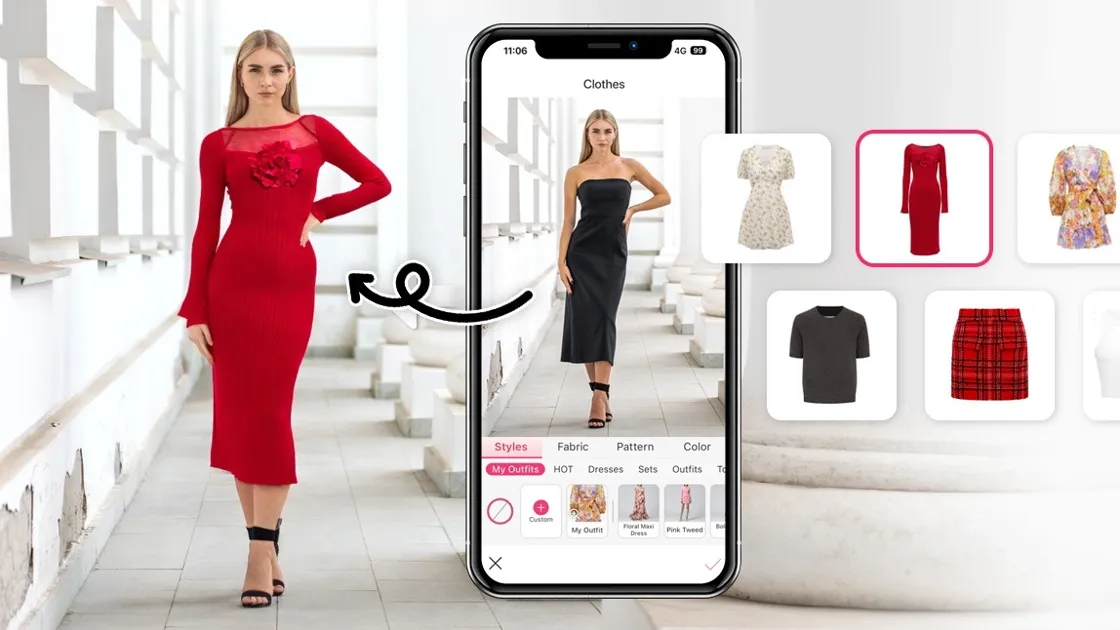
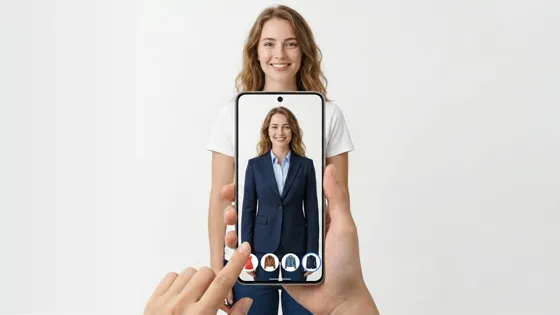
AI is transforming the way people shop on the internet, and one of the big winners is fashion brands that are able to offer a better shopping experience to users via AI-driven tools. Technologies like AI fashion try on allow customers to check out how garments fit on model figures without even buying them. This not only alleviates doubts but also increases the level of trust while assisting the brand to triumph over issues such as low conversion and high return rates.
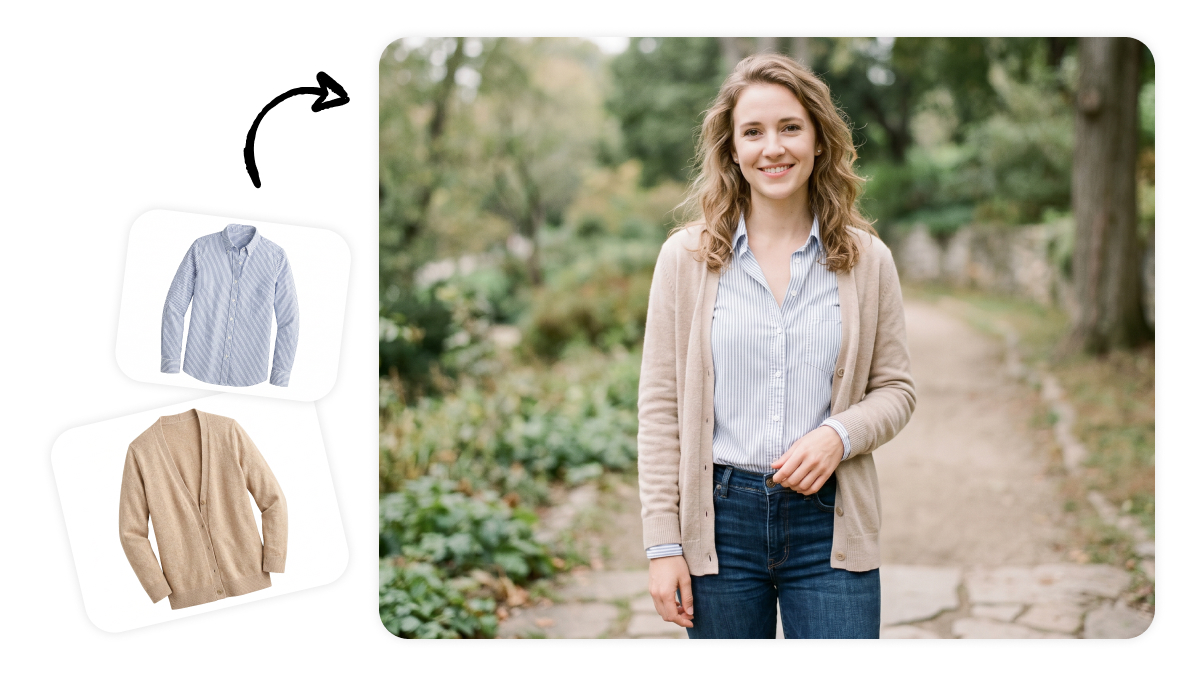
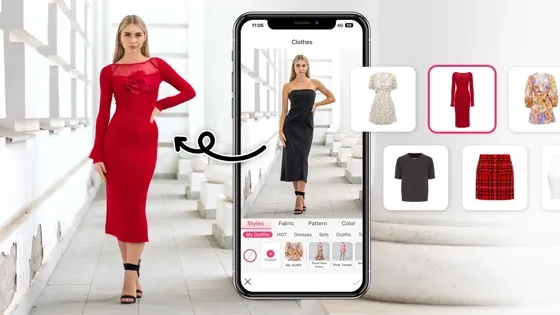
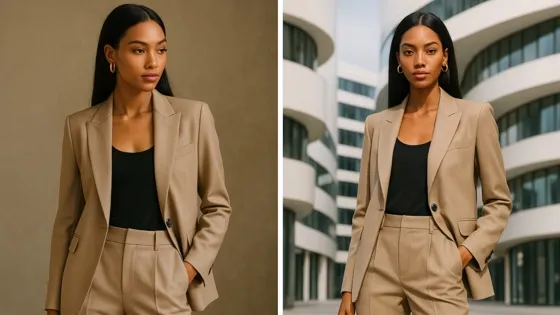
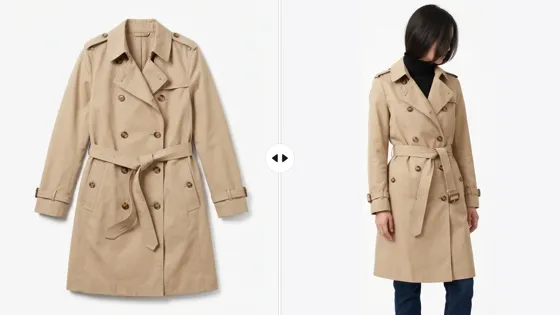
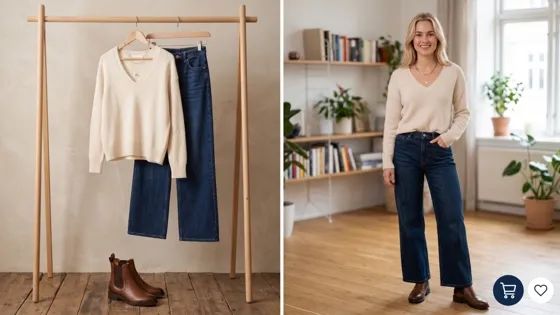
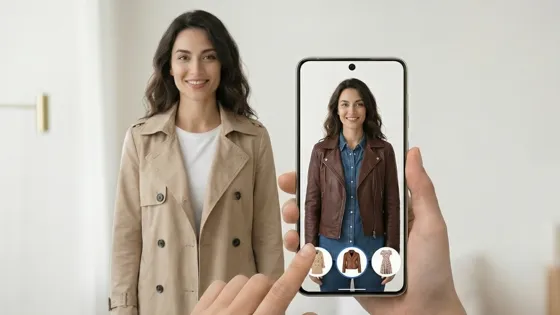
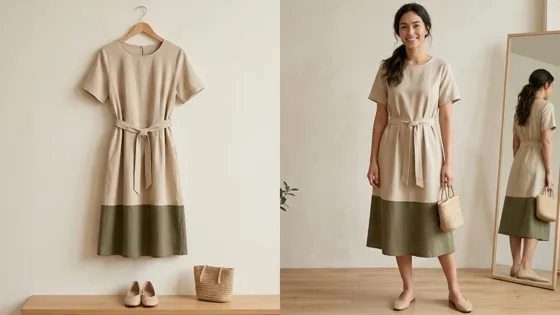
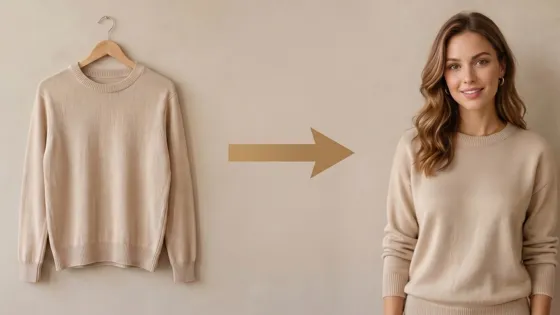
Tools such as Designkit Virtual Try On facilitate this evolution by enabling brands to create highly realistic images of models just by using product photos. Be it a single item or a complete ensemble, the platform delivers clean and accurate AI clothing try-on images that enhance product appeal without the need for conventional photoshoots.
In this article, we will dive into the use of virtual try-on, its rise as an indispensable tool, and how fashion brands stand to gain, in terms of both sales increase and return reduction, by adopting it.
Part 1: Why Fashion Brands Are Still Losing Revenue to Visual Uncertainty
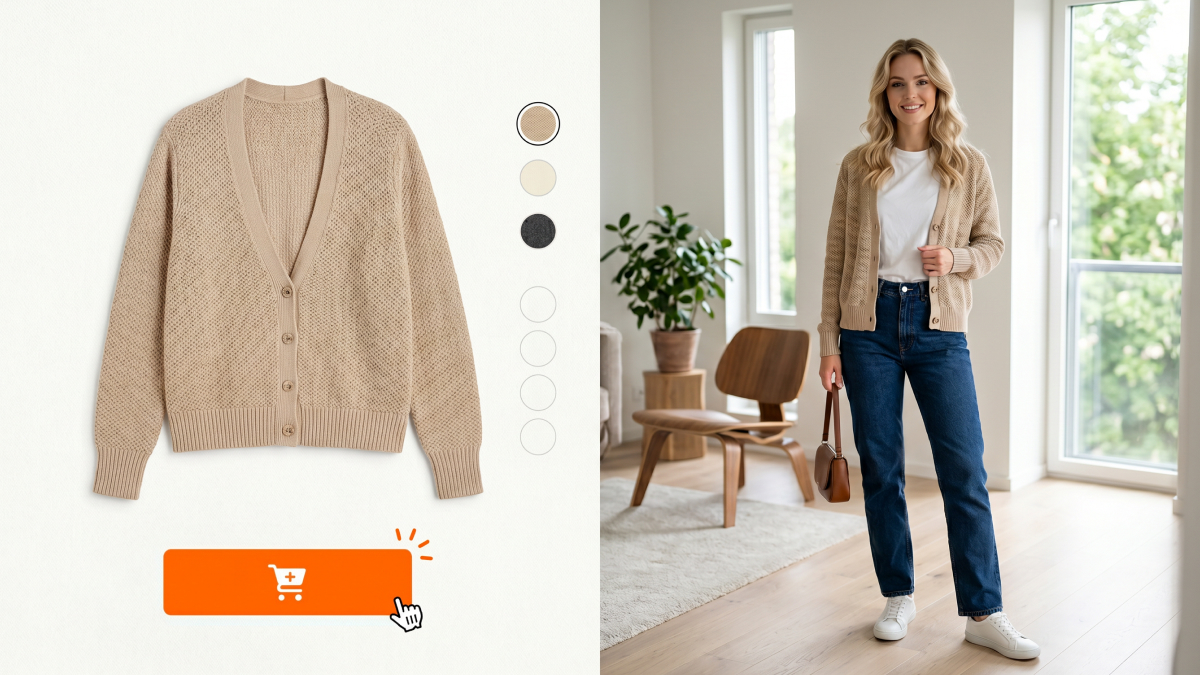
Fashion brands keep losing millions every year as buyers can't get a clear idea of what the product will look or feel like before making the purchase. This visual insecurity is linked to some of the key elements of the profit and loss statement: decrease in conversion rates, expensive product returns, rise in customer acquisition costs, and redundant marketing expenditures.
To be precise, when customers are indecisive because the images are not clear, they leave the shopping carts unfinalized. It is the brands that suffer through the reverse logistics, restocking, and loss of inventory value. For CMOs and business operators, this translates to having lower margins, running ineffective campaigns, and experiencing slower growth, demonstrating that inadequate product visualization is not merely a UX problem but a major financial leakage throughout the entire ecommerce profit and loss statement.
Part 1.1: How "Will This Look Good on Me" Hesitation Kills Conversion Rates
Apparel purchasers are one of the categories that often abandon their carts, and interestingly it's not always about price; the major factor is "uncertainty". If customers fail to visualize the way a piece of clothing will suit them, they tend to hesitate, change their minds, and finally leave.
The customer's mental process goes as follows: they like the product design, browse through product pictures, but fail to imagine the product on themselves → hesitation grows → the cart gets abandoned. This single doubt can become a source of huge expenses very quickly. If the cost of bringing a customer is $20-$50 per visitor, then every abandoned cart due to poor visualization is like marketing money thrown down the drain.
Without virtual try-on clothing, brands, in the end, are just paying to draw in customers who leave without buying simply because they were unable to visualize themselves in the product.
Part 1.2: The True Margin Cost of Fashion Returns
Returns are not merely a logistics problem but rather a significant punch to profit. Behind every returned product is a series of hidden costs that gradually diminish profit margins. Among these are return shipping, inspection for quality, restocking time, inventory aging, and the detrimental effect on customer lifetime value when consumers lose faith in the brand.
To understand the extent of the harm, imagine a straightforward example: a DTC fashion brand earns $100K monthly and has a 30% return rate. This means that $30, 000 worth of merchandise is coming back. If the cost of handling each return is as low as $12, that means an additional $3,600 is being lost monthly, without even considering the damaged items, non-sellable pieces, or resold items at a discount. In short, returns have the potential to eliminate a large portion of the monthly margin.
And what is the main reason that buyers give? "Did not meet expectations." This is not a sizing problem; it's a visual one. Enhanced product visualization at the early stages can help reduce these expensive returns.
Part 2: How AI Virtual Try-On Drives More Sales Across the Buying Journey
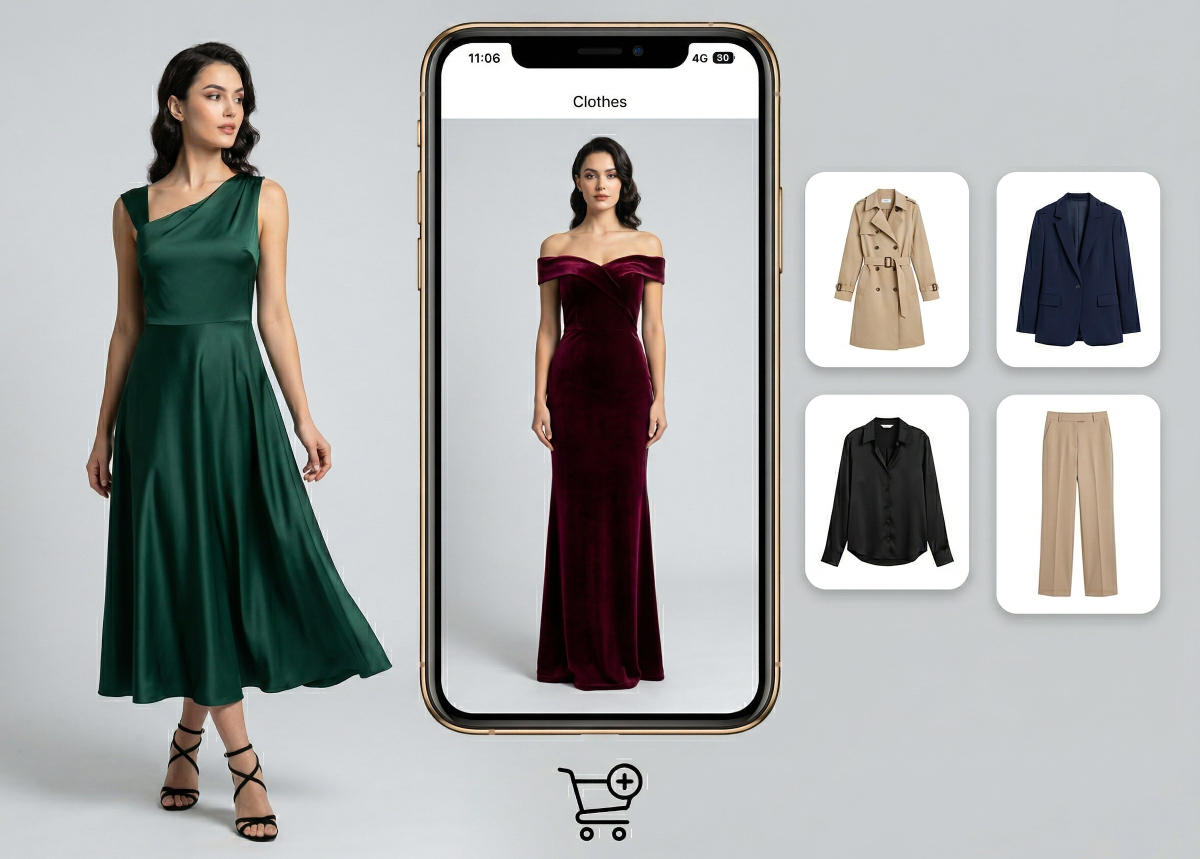
AI virtual try-on can boost conversion rate without changing the technology behind shopping, but rather by replacing hesitation points with key customer journey moments.
- First, it shows the customers how the product fits their body, giving them a personalized and clear view, which greatly reduces hesitation at the stage of product detail.
- Secondly, at the comparison phase, it engages customers for a longer time by allowing them to see combinations of styles, colors, and fits without having to leave the webpage.
- Finally, at the checkout stage, the virtual try-on eliminates the most significant barrier, i.e., uncertainty, making more customers change from just having intent to actual purchase.
Part 2.1: Removing the Biggest Purchase Barrier with AI Try-On
Imagine two typical buyer journeys to help you understand how fashion try on with AI affected consumers:
· Without AI try-on: Browse → Scroll product photos → Unable to picture the product on themselves → Hesitate → Leave
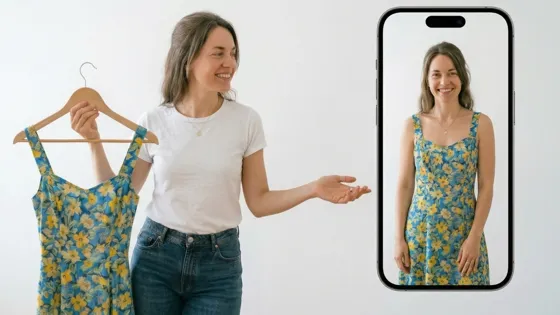
· With AI try-on: Browse → Preview item on body → Get a realistic idea of the fit and style → Confidence increases → Purchase
The change here isn't really a fancy new engine, it's clearing up the top source of hesitation in the customer's decision-making channel. AI try on in fact does not only add images; it frees the shopper from doubt which is the largest psychological barrier keeping them from making a purchase.
Case Studies
One case study in the eyewear sector found that by using virtual try-ons, the brand was able to raise conversion rates by as much as 18%, decrease cart abandonment by 22%, and reduce returns by 28%. These statistics simply illustrate that eliminating visual uncertainty has a direct effect on generating more sales and fewer lost customers.
It is also reported that virtual try-on can improve the conversion rate by 40-50%, and some even have higher figures after proper implementation. Besides that, it has been proven to lower the return rate by a massive 64%, since consumers are able to make better purchasing decisions.
Part 2.2: Why AI Try-On Leads to Larger Order Values
AI try on clothes does more than assist shoppers in making decisions; it also motivates them to buy more during a single shopping session. When customers can visualize how different items look together, they are more likely to add the extra pieces to their purchase since their mental barriers are lowered. This has a direct influence on average order value (AOV) in at least three ways:
It becomes easy for sellers to make cross-sell efforts
When a shopper tries on one piece of clothing, it seems natural for them to add the matching pieces (for example, shoes, bags, or layers), and this creates less risk in their mind.
Customers buy more diverse items
AI try-on allows them to delve into styles they wouldn't normally pick, leading to more products being added to the cart.
Longer time = more products discovered
Interactive try-on prolongs users' engagement, thus they get to see more products and boost the chances of purchase.
This is more than just a nice-to-have feature. It can substantially help increase sales. Brands can monitor the effects through AOV, items per order, and session duration. All of these are normally increasing when shoppers feel safe enough to try new things.
Part 3: How AI Clothing Try-On Reduces Returns and Strengthens Unit Economics
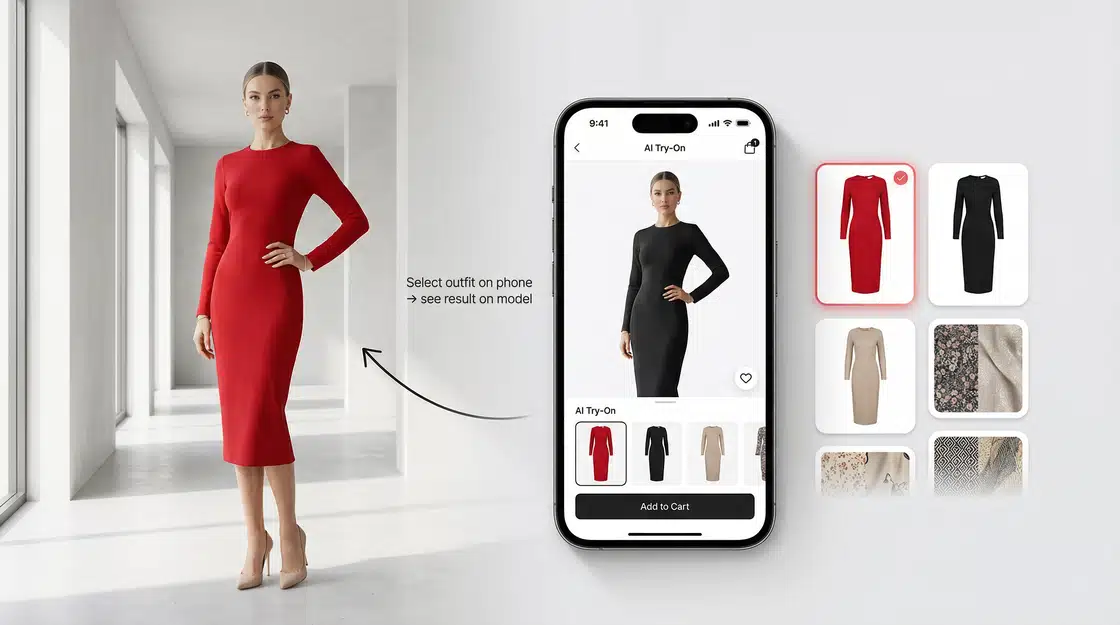
Among the threats to fashion brands' profitability, returns stand as one of the most significant. This is exactly where AI clothing try-on results bridge the gap by providing the greatest value. Shoppers can visualize how products will really look on them and fit their body shape using AI technology, which reduces the disappointment factor. For a deeper look at how this works in practice, explore this guide on how to try on clothes virtually online. Returns have decreased, along with fewer reverse logistics expenses, less inventory damage, and fewer markdowns on resold items.
Talking about the effect on unit economics, every return that is avoided raises the gross margin, decreases the cost per order, and increases the net revenue per customer. The brand's efforts have shifted from trying to absorb hidden post-sale costs to solving the problem earlier in the funnel. This, in turn, has made AI try-on not just a conversion tool, but a direct ROI driver—one that operators can easily track through metrics like return rate reduction, cost per return, and margin recovery per order.
Part 3.1: Closing the Expectation Gap Before the Order Ships
Most fashion returns are caused by just one thing: expectation ≠ reality. Customers lay their eyes on a product online, picture how it will look, and get disappointed once they see the item in person. That's where AI clothing try on can alter the situation drastically, it operates before the purchase by providing a near-real virtual look of the fit, silhouette, color, and the entire style. Rather than taking a chance, users can view the actual look of the item on a model or themselves, which minimizes post-delivery surprises.
The outcome is obvious: less "unboxing disappointment" and reduction in returns. Industry statistics attest to this transformation, companies that have adopted virtual try-on clothing technology have experienced a 20% drop in return rates, as customers through making the choice to purchase with more information and confidence. By closing the gap of expectations early on, AI try-on thwarts the expensive errors even before the order is dispatched.
Part 3.2: The Ripple Effect on Logistics, Sustainability, and Customer Lifetime Value
Lower Returns
Reducing the number of returns doesn't simply cut costs; it also triggers a positive chain of events throughout the business. When returns are reduced, expenses for reverse logistics are reduced, warehouses have less work to do with incoming merchandise, and inventory turnover is accelerated. Meanwhile, brands stand to lose less from returned items, which are typically sold at a discount or cannot be sold at full price.
Sustainability Angle
Moreover, there is a strong link to sustainability. Fewer returns result in less packaging waste, fewer delivery trips, and reduced carbon emissions. This is a very tangible way for a brand to demonstrate its commitment to its environment, social, and governance (ESG) objectives and gain the favor of environmentally conscious customers.
Trust Loop
Most significantly, it creates a cycle of trust. Customers get what they want, satisfaction goes up. This causes a rise in repeat purchases, loyalty is fortified, and NPS scores will improve in due course.
The bottom line is that reducing return rates is not just a tactical initiative; it is a significant enhancement to unit economics, naturally leading to greater efficiency, better brand image, and increased revenues over time.
Part 4: A Practical Roadmap for Fashion Brands Exploring AI Try-On
For fashion brands, introducing AI try-on is best done as a gradual rollout rather than a complete system overhaul. The most productive point of departure is using AI try on clothes tools on best-selling or high-return products, since even minor enhancements in conversion and return rates can lead to immediate ROI. After performance is confirmed via A/B testing—monitoring KPIs like conversion rate, return rate, and AOV—brands can gradually expand to more categories and use cases. Eventually, AI try-on can be implemented across the entire funnel, from product pages to ads and social campaigns, creating a consistent visual experience that boosts purchase confidence at every touchpoint.
Before investing in AI try on clothes, brands should first assess whether the problem is big enough to address. One easy self-assessment could be:
- Are you selling clothes or shoes (where size matters most)?
- Is your return rate higher than the industry average?
- Was "didn't match expectations" one of the main reasons for returns?
- Are your product images already top quality but still not selling well?
- And are you selling to countries like the US, UK, or EU, where buyers demand higher levels of visual accuracy before purchasing?
If most of these questions get the answer "yes," then AI virtual try-on for clothes is very likely to be a big hit for your brand.
The main thing is that you don't have to have a full-scale rollout from day one. Instead, you can start small with those SKUs that bring in the most profits or with hero categories and think of them as a pilot. This way, you can check if there are benefits in selling conversions and returns first, before going AI try-on for the entire catalog.
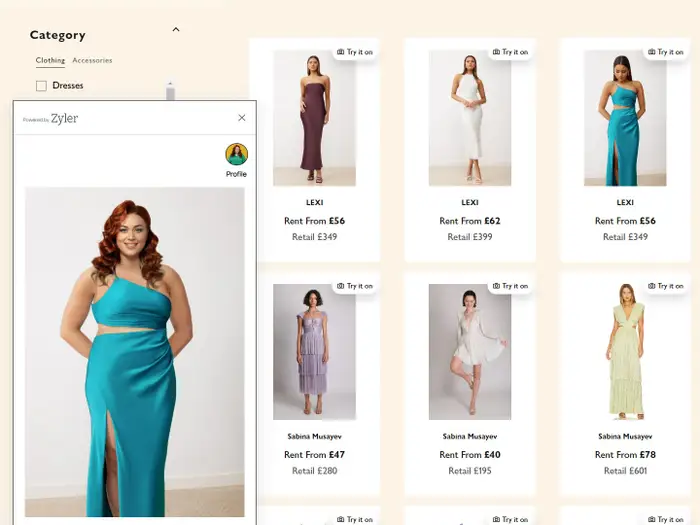
Create Try-On Images in Seconds
Part 4.2: Starting with AI-Powered Product Visuals as the Highest-ROI First Move
For many brands, the easiest method of introducing AI in fashion for the first time is not through full virtual try-on but rather through the enhancement of product images. Most shoppers hesitate because they cannot be 100% sure of the product's appearance. Refined visuals can significantly minimize this uncertainty and lead to higher conversion rates very quickly while simultaneously reducing returns.
AI-generated visuals have a strong impact on the in-store experience. Multiple-angle images can give customers a better idea of how a product fits and its design. Diverse model representations can enable shoppers to identify with the product in a better way. Full-color variation displays can minimize the risk of color-related returns. Altogether, these elements make products more understandable and inspire greater confidence.
To begin with, brands can utilize tools such as Designkit's AI Product Photography Generator, which can convert one product image into various on-model images, and the AI Product Listing Images Generator, which produces ready-made visuals for e-commerce platforms. This can be either a first step in implementing advanced try-on systems or a standalone enhancement, both of which can help brands increase their sales and decrease their return rates.
Conclusion
AI-powered fashion e-commerce solutions are increasingly becoming a key growth factor for the industry, addressing the two major pain points, low conversion rates and high return rates. AI-driven try-on and visual tools not only alleviate consumer anxiety but also enhance product presentation, prompting them to make quicker, more confident purchase decisions. Consequently, there are higher sales results, fewer returns, and more robust overall unit economics.
The decision is simple for fashion brands: enhance product images first, then work toward offering virtual try-on options. Designkit is one of these helping tools that assist brands in making top-notch product pictures and on-model visuals that are very close to real ones, without going for typical photoshoots. AI, whether as a stepping stone or a complete strategy, helps to close the gap between a customer's expectation and the product reality, convert more window shoppers into buyers, and make the whole customer journey more profitable.
Frequently Asked Questions
Does AI try-on really improve conversion rates?
What factors affect the performance of AI clothing try-on?
Performance is determined by several factors: image quality, fitness, speed of the experience, and the extent to which it is integrated into the product page. If the experience is slow or shabby looking, users might not even interact. Nonetheless, accurate AI clothing try on that is also user friendly, dramatically reduces hesitation and bolsters purchase confidence.
How much does it cost to add AI try-on to an online store?
Pricing depends largely on the strategy adopted. SaaS-based products mostly offer monthly subscription plans (low hundreds to a few thousand dollars) and this way are more accessible for DTC brands. Customized platforms can be, however, tens of thousands to hundreds of thousands of dollars, depending on the intricacy of the system.
Which product categories benefit the most from AI try-on?
The biggest impact is seen in categories where fitness and appearance matter most:
· Apparel (dresses, tops, active wear)
· Footwear
· Accessories like glasses, jewelry, and bags
In these segments, virtual try on clothing tools help reduce returns and improve buyer confidence more than in any other category.
Are small DTC brands able to use AI try-on effectively as well?
Absolutely! Actually, they can be the main winners as they generally have less profit margins and more return pressures. To illustrate, Designkit style platforms help brands create top quality product pictures and model-shots without costly photoshoots giving a great way to get into AI shopping experiences.
You May Also Like
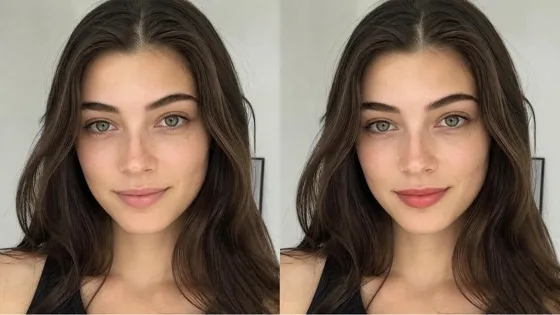
How to Match Makeup by Undertone: Virtual Lipstick and Foundation Try-On
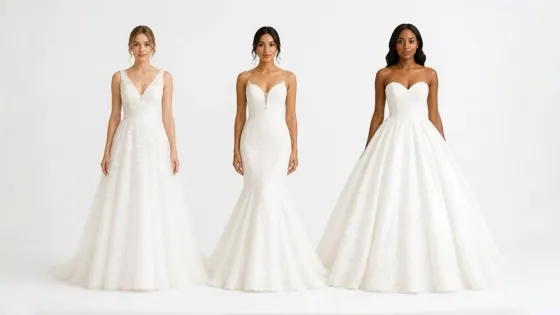
Wedding Dress Styles for Every Body Type: A Practical Guide for 2026
7 Best AI Virtual Makeup Try-On Tools for Realistic Results in 2026
AI Virtual Makeup Try-On: Boost Beauty E-Commerce Sales in 2026
Free Online Glasses Try-On Tools: See Yourself in Glasses Instantly
Top Virtual Ring Try-On Tools for Engagement and Wedding Rings in 2026
How to Try Shoes On Virtually: A Step-by-Step Guide
Best Virtual Shoe Try-On Tools for Ecommerce: 2026 Guide
How to Try On Wigs and Bangs Virtually to Find Your Perfect Style
Create Model Outfit Photos Instantly With AI Outfit Generator
Best AI Virtual Try-On Clothes Tools for Any Body Type
How to Try On Clothes Online with AI for Better Fit & Style
Virtual Nose Ring Try On Online Before Your Piercing
How to Try Makeup Online with AI and Virtual Makeup Try-On Apps (2026)
How to Use Virtual Earring Try-On for a Flattering Look in 2026
How to Try On Engagement Rings Online with AI in 2026
Scale Your Jewelry Brand with Virtual Jewelry Try-On Solutions
How to Try Hairstyles on Your Face Online (Step-by-Step Guide)
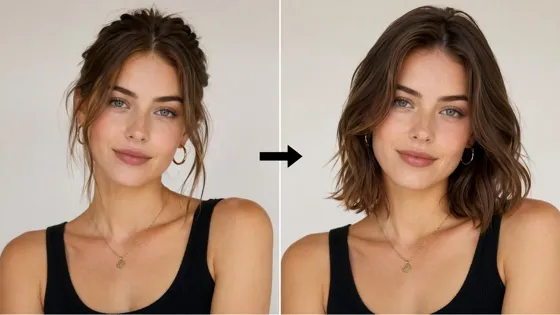
Best Virtual Hairstyle Try-On Tools Online for Realistic Previews 2026
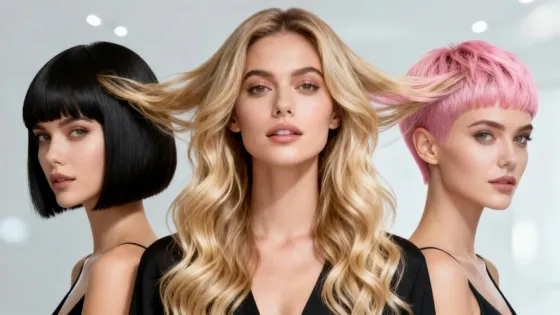
How to Use a Free AI Hairstyle Generator to Find Your Perfect Look
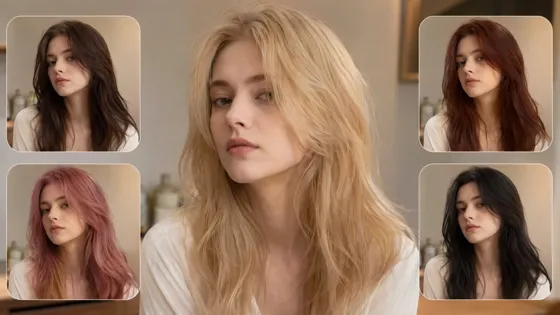
Virtual Hair Color Try-On Guide for Every Skin Tone (2026)
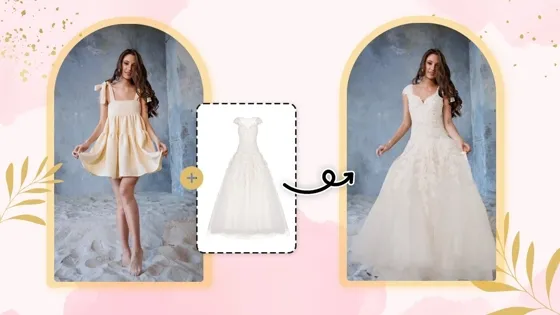
Virtual Wedding Dress Try-On Online for Brides in 2026
How to Choose the Right Sunglasses for Your Face Shape Online
How Accurate Is Virtual Glasses Try-On? AI vs AR Compared
Best Virtual Try-On Glasses Apps in 2026 (Free & Paid Tools)
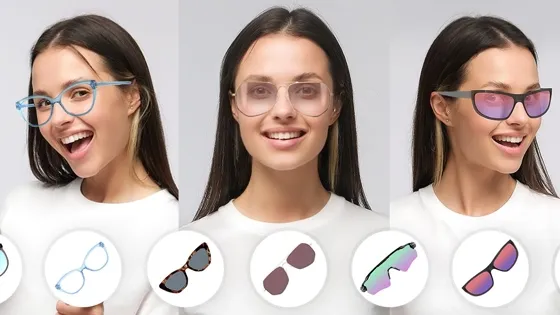
How AI Virtual Try-On Is Transforming Eyewear Ecommerce
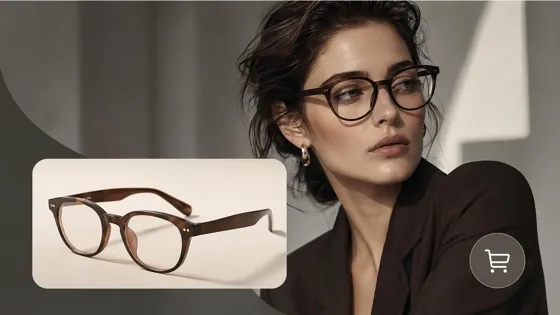
5 Best Virtual Try-On Glasses Tools for Ecommerce and Consumers 2026
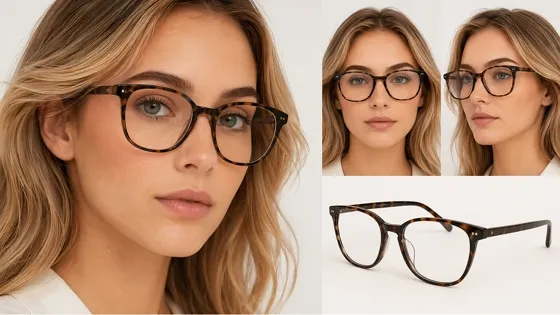
How to Try On Glasses Online with AI in 2026 (Easy Guide)
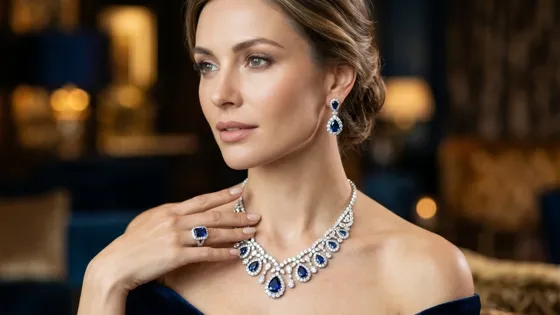
How to Create Jewelry Photos with AI Models That Drive Sales in 2026
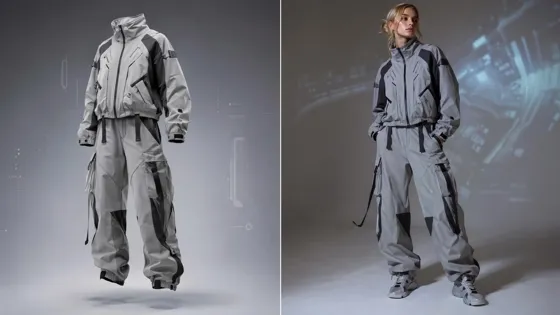
AI-Generated Fashion Models: Technology, Brand Adoption & Trends
How to Batch Generate 100+ AI Clothing Model Photos Fast
7 Best AI Fashion Model Generators for Ecommerce in 2026
AI Clothing Model Photos for E-Commerce: Platform Rules & Best Practices
How AI Virtual Try-On Helps Fashion Brands Boost Sales & Reduce Returns
AI Fashion Models vs Real Models: Which Is Better for Brands?
Best Free AI Fashion Model Generators for Real Product Photos
Virtual Outfit Try-On Guide: Plan Outfits Before You Buy
What Is an AI Clothing Model Generator? Full Guide for Sellers
Virtual Try-On Technology in 2026: How It Works & Key Trends
10 Best Virtual Try-On Apps & Tools for Online Shopping in 2026
How to Create AI Fashion Models: Complete Step-by-Step Guide
How to Use AI Fashion Models for E-Commerce Product Photos: A Complete 2026 Guide
How to Virtually Try On Clothes Online: A Complete Guide
Make every product image ready to sell
Designkit is an all-in-one AI platform for ecommerce visuals. Create product photos, AI videos, virtual try-ons, and Amazon listing images in seconds. Generate HD backgrounds, batch edit photos, and scale your brand with studio-quality content.