
What Are E-commerce Ads? Examples, Strategy & Tools (2026)
Discover what e-commerce ads are, the top formats and platforms, proven advertising ideas, real brand examples, and how to create scroll-stopping campaigns without a full production team.


Most online stores hit the same wall eventually. Organic posts get likes, maybe a few comments, but sales stay flat. So you start looking at paid ads, and suddenly there's a wall of jargon: ROAS, retargeting, Performance Max, dynamic creative. It's a lot.
This post breaks it down in plain terms. What e-commerce ads actually are, where you'd run them, how to think about strategy without overcomplicating it, a few real brand examples, and how a tool like Designkit fits into the picture when you're trying to keep up with creative demands.
What are e-commerce ads?
At the simplest level, e-commerce ads are paid images or videos promoting your products in places like Meta, TikTok, Google, and Amazon. You're paying for placement, and in return you get to control who sees the ad and what it says.
Compare that to a regular post on your feed. Organic content shows up for people who already follow you, and only a fraction of them will even see it thanks to the algorithm. e-commerce ads skip that problem. You choose the audience based on interest, past behavior, or purchase intent, and you can test different offers in days instead of months.
Why e-commerce advertising matters
E-commerce advertising covers every paid effort that puts your products in front of buyers, across search, social, and marketplaces. It's not a bonus layer you add once things slow down. For most brands, it's the primary lever that gets new customers in the door at all, and it only becomes more important as organic reach keeps shrinking and algorithm changes make unpaid content harder to rely on.
Types of e-commerce ads
There's no single "right" ad format. Different formats do different jobs, and picking the wrong one for your goal is a common way to burn budget.
E-commerce video ads
Short product demos, UGC-style clips, anything built for Meta, TikTok, or YouTube that shows the product in motion. These tend to outperform static images simply because movement grabs attention faster, which is why so many e-commerce advertising ideas start with video first these days.
Static product ads
A clean photo, an offer, a button. Not flashy, but this format still pulls its weight on feed and display placements, especially when the product itself does the selling. For a lot of stores, this remains the most cost-effective form of advertising for e-commerce.
Carousel and catalog ads
One shoot, multiple products. Good when you want to show a range instead of pushing a single SKU. Stores running broader e-commerce campaigns often lean on this format to introduce new arrivals alongside proven bestsellers without needing separate creativity for each.
Retargeting and dynamic ads
These follow the shopper, not the other way around. Someone left an item in their cart yesterday? This is the ad format that brings them back, and it's usually one of the highest-converting pieces in any advertising for e-commerce strategy once the traffic is already warm.
Best platforms for e-commerce ads
Where you spend matters almost as much as what you spend it on. Each platform has its own personality, and stores that do well usually aren't putting all their budget in one place.
Meta (Facebook & Instagram) ads
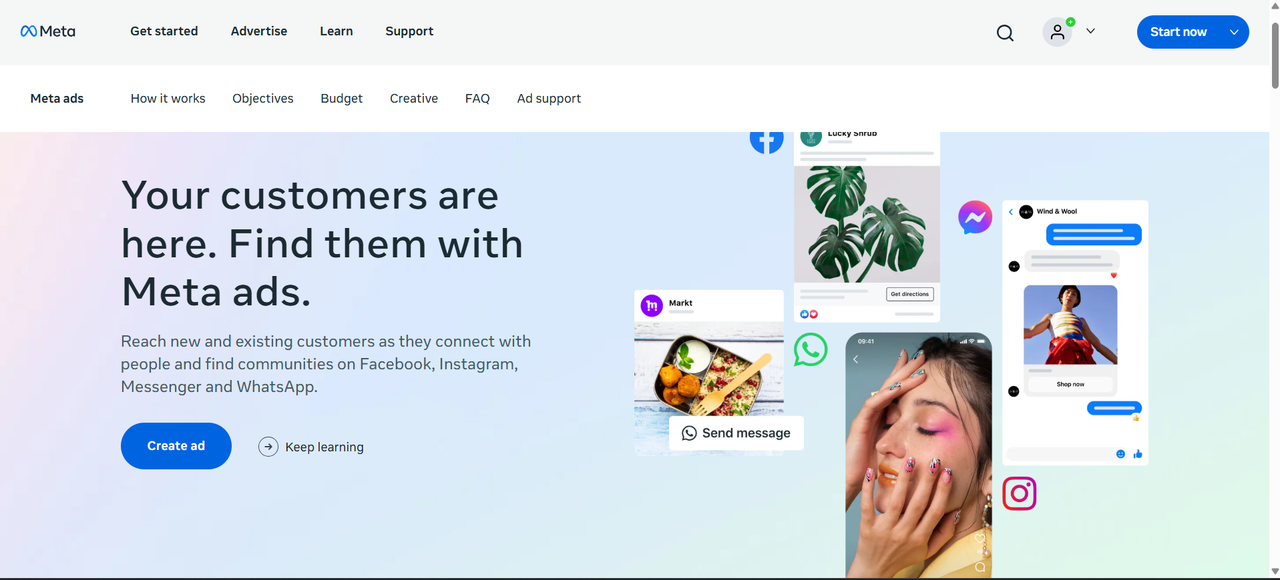
Feed, Stories, Reels, Shops. Meta is still the default starting point for a lot of DTC brands because the targeting is mature and the audience is broad.
TikTok ads
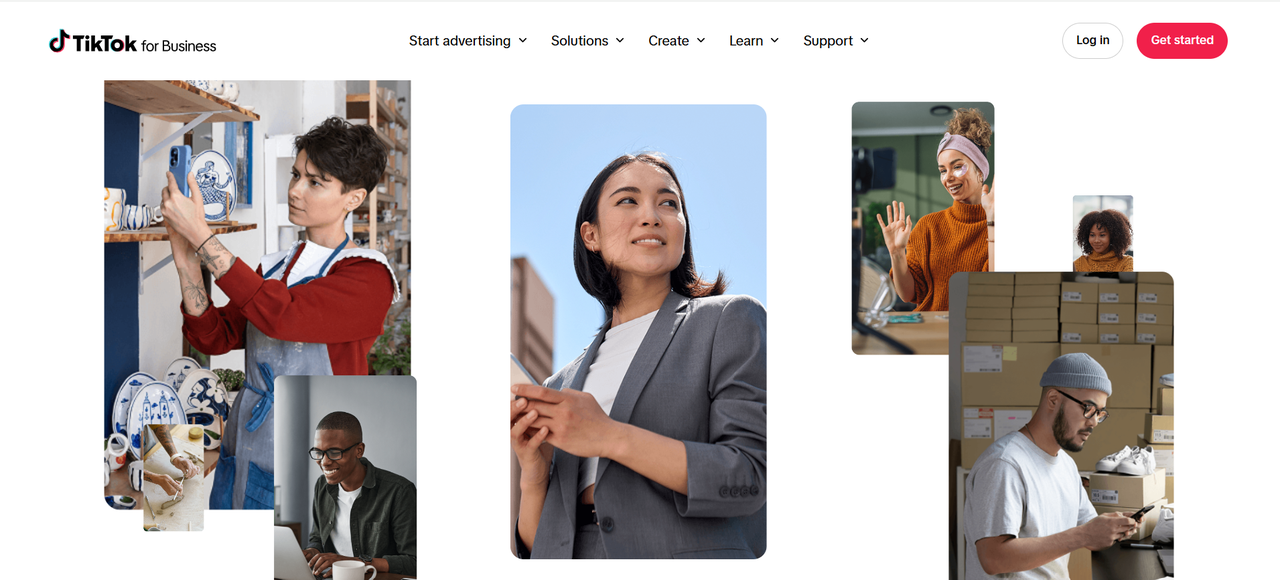
In-feed video, Spark Ads, Shop ads. If your audience skews younger and browses before they ever type a search query, this is where discovery happens.
Google ads (Shopping & Search)
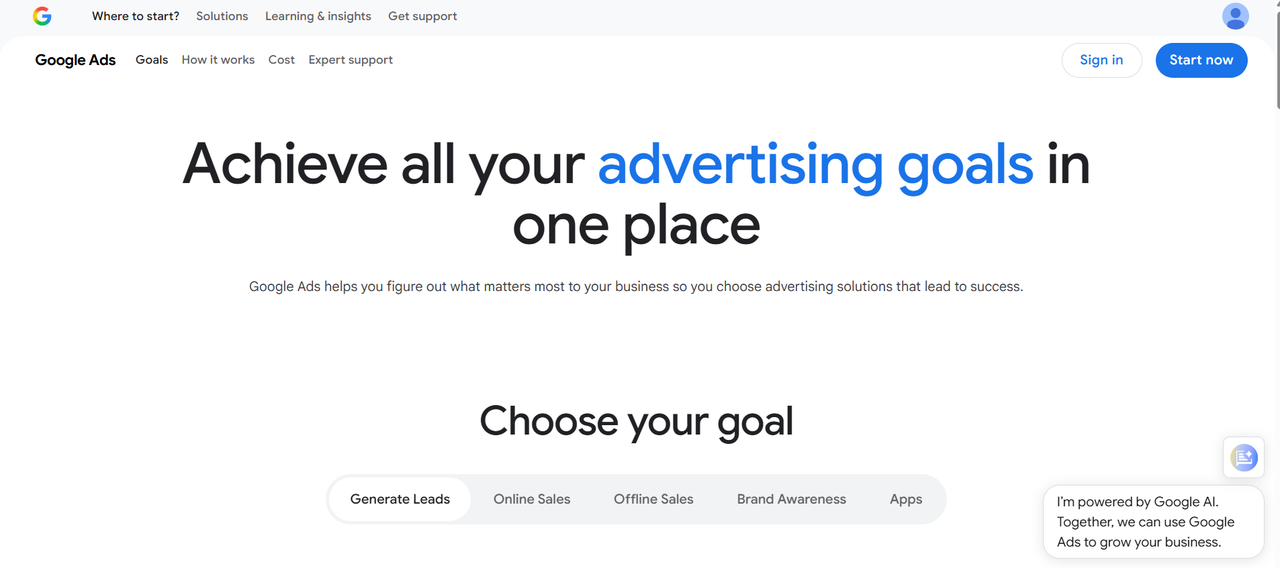
Product Listing Ads, Performance Max, straight search campaigns. This is where you catch people who already know what they want and are just deciding where to buy it.
Amazon and marketplace ads
Sponsored Products, Sponsored Brands, display. If you sell on Amazon, ignoring this is basically leaving visibility on the table inside your own listings.
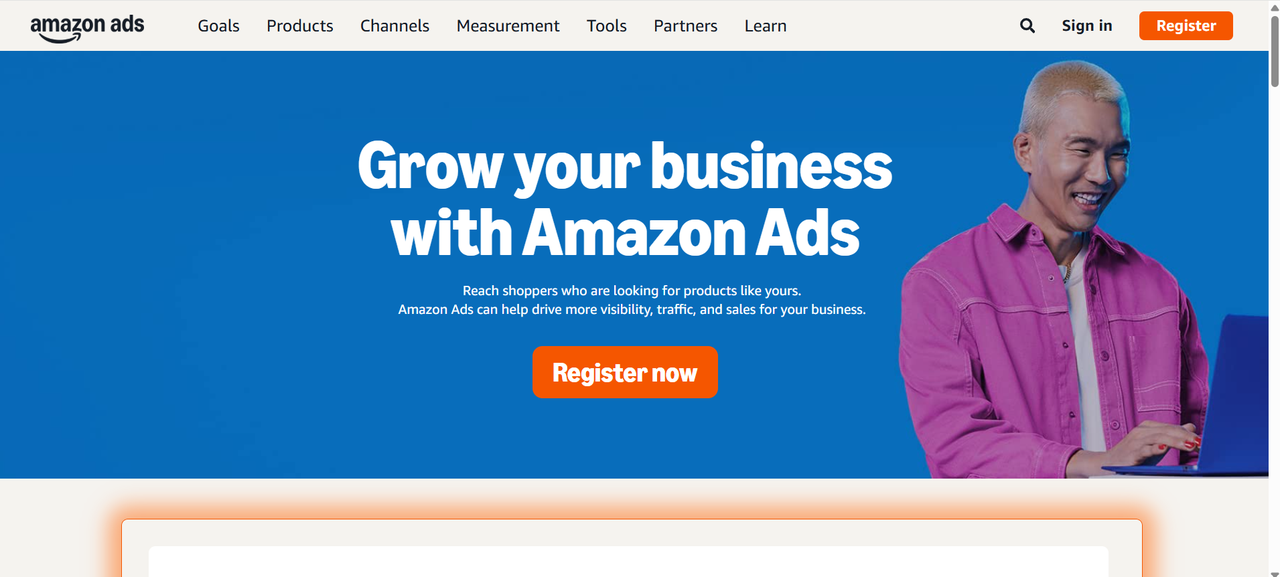
You don't have to pick just one. A lot of stores run two or three platforms at once and shift spend toward whichever one is pulling its weight that month.
E-commerce advertising strategy and campaign ideas
Creative gets all the attention, but strategy is what actually decides if a campaign works. Skip this part and even great-looking ads will underperform.
Decide how much budget goes where
Most stores split spend across three buckets: prospecting, retargeting, and retention. A common starting point is putting 60-70% toward prospecting since that's what brings in new customers, 20-25% toward retargeting warm traffic, and the rest toward retention. These ratios shift once you have real data. If retargeting is converting at 3x the rate of prospecting, that's a signal to rebalance, not a fixed rule to follow forever.
Match budget to platform maturity, not platform hype
New platforms often look cheaper on cost-per-click, but that doesn't mean they're actually converting better. A smart strategy tests a small percentage of budget on a newer platform like TikTok while keeping the majority on a proven channel like Meta or Google, then shifts spend only after a few weeks of real conversion data, not just early click numbers.
Set a testing cadence, not a testing event
Strategy isn't a one-time decision made before launch. It's an ongoing rhythm. A workable approach is testing one new creative variable, hook, format, or offer, every one to two weeks, so you always have a clear read on what changed and why performance moved.
Define your campaign goal first
Awareness, traffic, conversions, a specific ROAS number, pick one and build around it. An awareness push usually leans on broad reach and bold visuals. A conversion campaign needs a tighter audience and an offer that's obvious within the first couple seconds. Trying to chase every goal in one campaign is how you end up with mediocre results across the board.
Give it time too. Awareness campaigns take weeks to show up in sales data. Conversion focused ads for e-commerce, on the other hand, should start telling you something within the first week or so of spending.
Know your audience and where they are on the journey
Someone who's never heard of your brand is not the same as someone who's already got a product sitting in their cart. Treat them the same, and you'll waste money talking to both the wrong way.
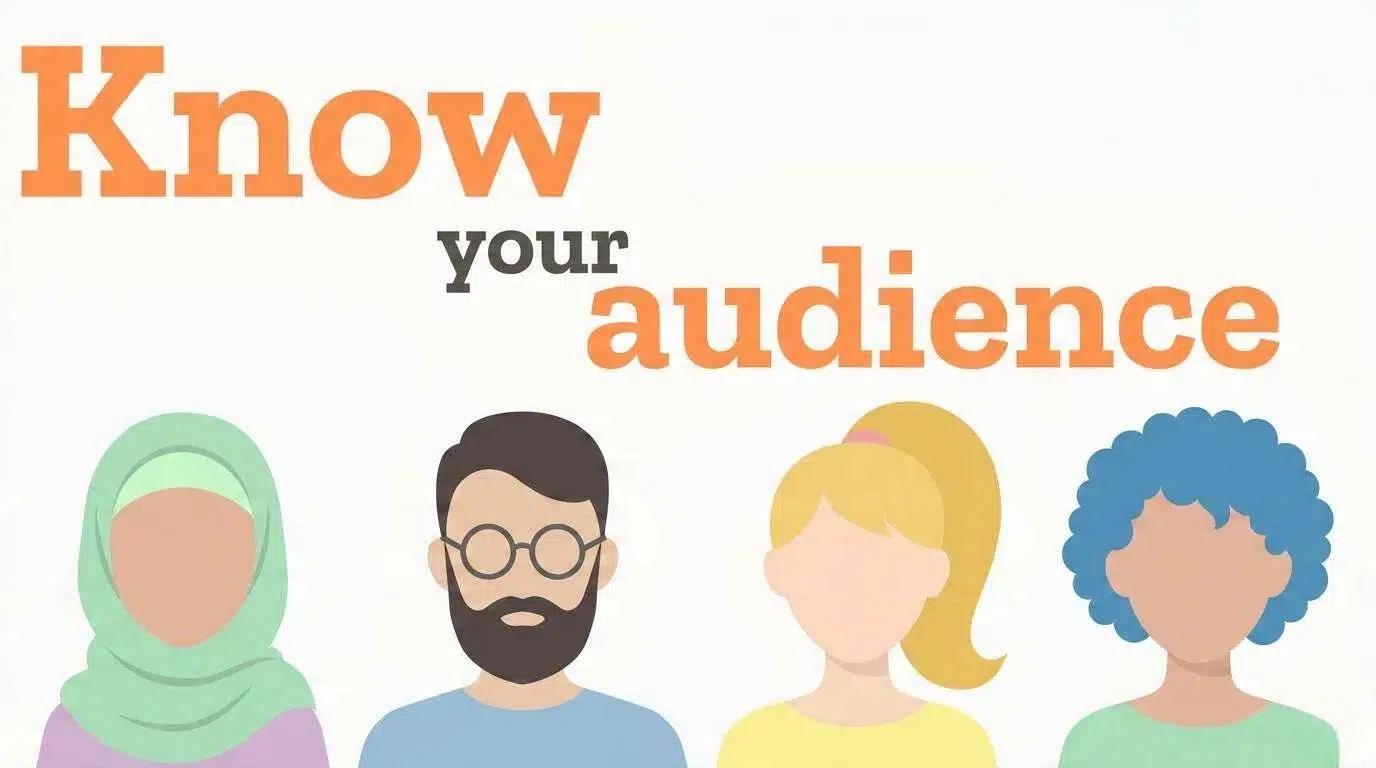
A cold visitor needs an introduction and a reason to care. Someone who browsed twice but didn't buy needs a nudge, maybe a small discount or a reminder of what caught their eye. A repeat customer needs a reason to come back, not another generic ad for your bestseller.
Structure campaigns in layers
Most campaigns that actually work are built in three parts. Prospecting finds new people. Retargeting brings back the ones who showed interest but didn't buy. Retention keeps existing customers spending.
Each layer needs different creative, not just a different budget. A prospecting ad has to earn attention cold, with zero context. A retargeting ad can reference the exact product someone was looking at. Use the same static ad everywhere and you'll usually see it underperform in at least one of the three stages.
Ideas worth trying if you're stuck
UGC-style video that doesn't look overly produced
Film it like a customer would, on a phone, with natural lighting and no script. This format consistently outperforms polished studio video because it doesn't register as an ad in the first few seconds, which is exactly when most people decide whether to keep scrolling.
Limited-time offers that actually create urgency, not fake countdown timers
A discount that expires at a real, fixed time drives action. A countdown timer that quietly resets every week trains shoppers to ignore it entirely, and once they catch on, it stops working for every future offer too.
Bundles that push up average order value
Pair a bestseller with a slower-moving product at a small combined discount. It gives shoppers a reason to add more to the cart without needing a separate promo code, and it helps move inventory that wouldn't sell as well on its own.
Ads built around real reviews or testimonials
Pull an actual star rating or a specific customer quote into the creative itself. A real sentence from a real buyer does more to build trust than any claim the brand could make about its own product.
Seasonal creative tied to a holiday or event on your calendar
Ads built around a specific date, Black Friday, back-to-school, a product anniversary, outperform generic "sale" creative because they feel timely and planned instead of recycled from six months ago.
E-commerce ads examples from leading brands
Strategy only gets you so far without proof it actually works in practice. Successful brands don't get to scale without ads that convert, and the ones that do it well tend to share a few things in common: a clear hook, a format built for the platform it's running on, and a story that goes beyond just showing the product. Here are a few worth studying, and specifically what made each one work.
Glossier's Rep Program and #glossier hashtag
Glossier turned everyday customers into unofficial advertisers through its Rep Program, giving people referral codes and early product access in exchange for posting. The brand also built its Instagram and TikTok feeds around the #glossier hashtag, reposting real customer content until UGC made up roughly a third of its Instagram feed and nearly half of its TikTok posts.
Allbirds' "Meet Your Shoes" campaign
Allbirds and creative agency Anomaly built a campaign inviting customers to literally meet the source of their shoes, pairing humorous video spots with an interactive site where entering a product code linked buyers to a live feed of the actual sheep or eucalyptus grove behind their pair. The campaign ran across video, audio, and social, and later Spotify-driven versions of the same idea drove a 457% lift in brand awareness.
Gymshark's "66 Days | Change Your Life" challenge
Gymshark partnered with six fitness and dance influencers on TikTok and asked users to post a personal fitness goal under the hashtag #Gymshark66, with before-and-after photos entered into a contest for a free annual membership. The hashtag pulled in close to 2 million likes and over 12,000 comments, and the campaign has run as an annual tradition ever since.
Loftie's Amazon Sponsored Products push
Sleep tech brand Loftie built its Amazon presence almost entirely on Sponsored Products, Sponsored Brands, and display ads rather than relying on organic listings alone. In 2022, their Sponsored Products campaigns returned $5.66 for every dollar spent, with an advertising cost of sale under 18%, proof that even a small DTC brand can compete against much bigger budgets on Amazon with the right ad mix.
Create high-converting e-commerce ad creatives with Designkit
Once campaigns start scaling across Meta, TikTok, Google, and marketplaces, the real bottleneck for most stores isn't strategy. It's having enough creativity to keep up. Designkit turns the product photos you already have into ad-ready images and videos, built specifically for high-converting e-commerce ad content across every platform your campaigns run on. There's no new photoshoot to schedule and no waiting on a design queue, just fresh creative variations ready to test as fast as your campaigns actually need them.
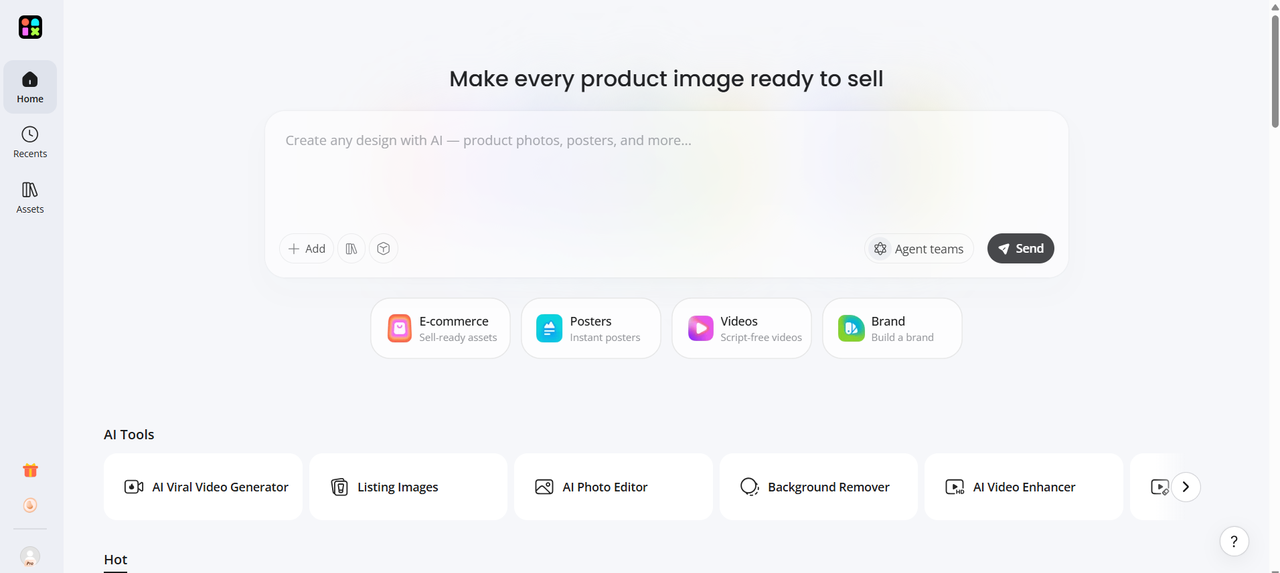
How to create e-commerce ads with Designkit
Step 1: Upload your product photos
Bring in your existing photos, logos, and campaign visuals. No new photoshoot, no waiting on a design team's schedule.
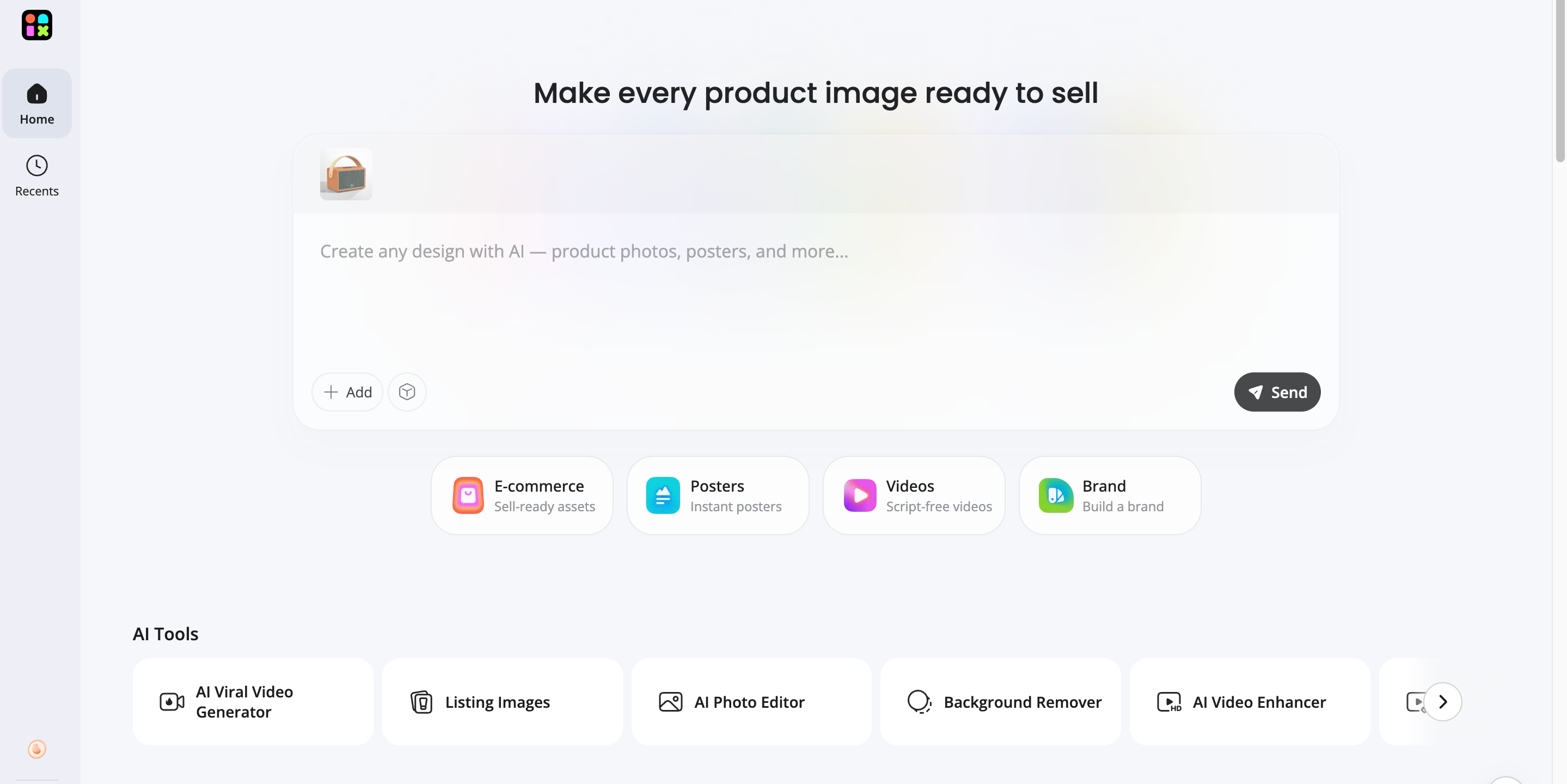
Step 2: Generate ad-ready creative with AI
Pick your format, add the offer or brand details, and let it produce several variations you can actually test against each other.
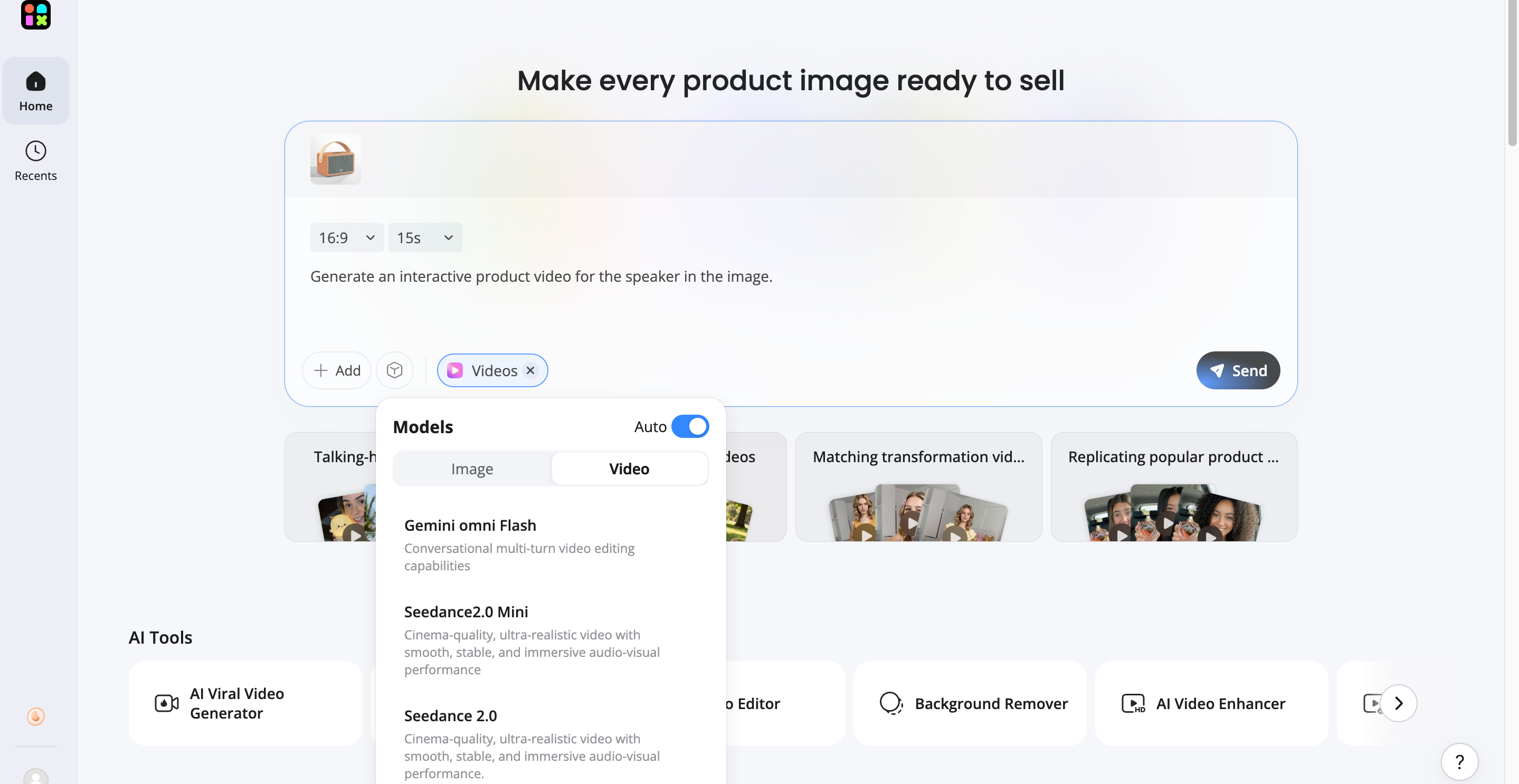
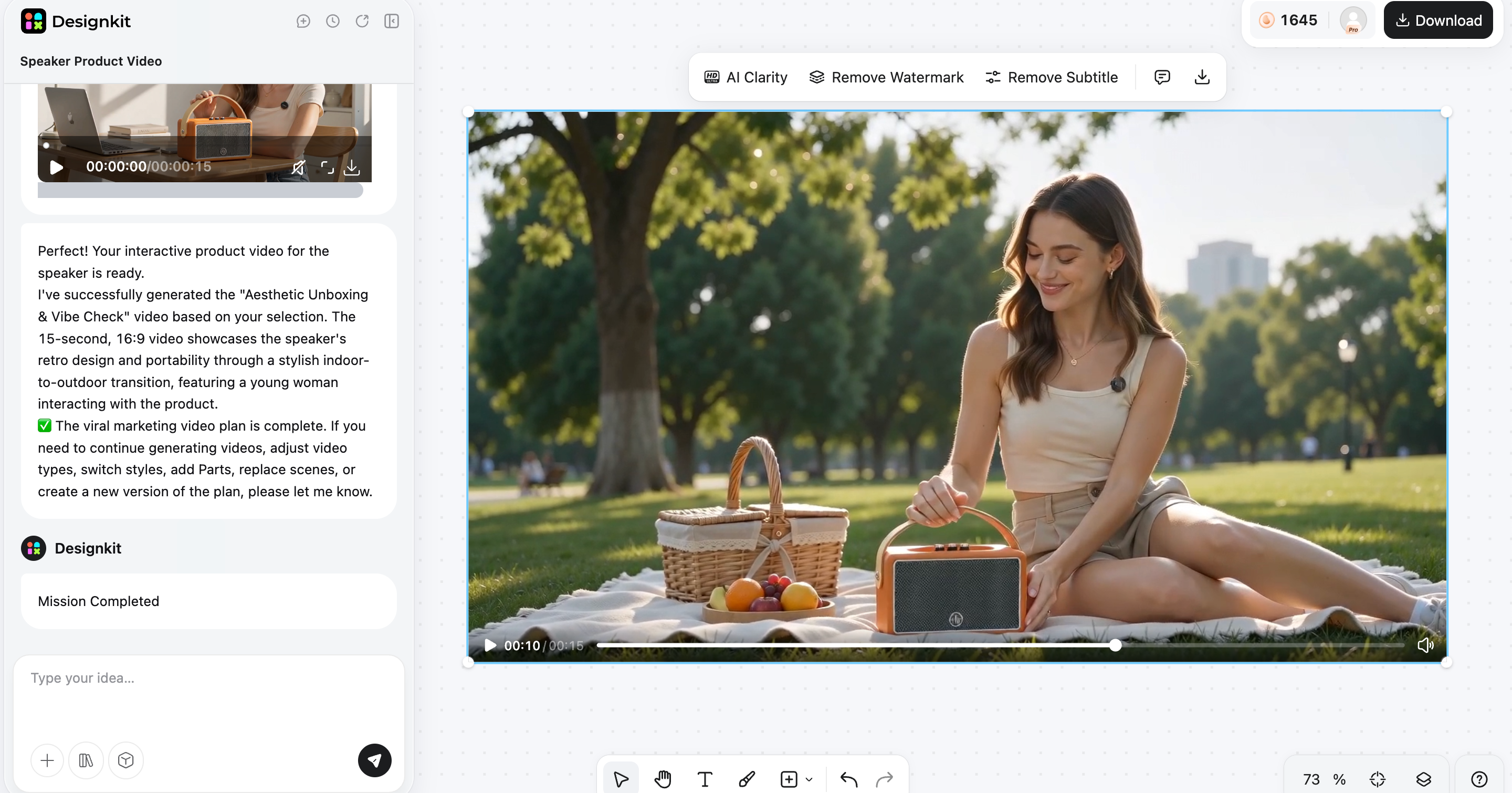
Step 3: Export for wherever you're running ads
Preview the output, tweak what needs tweaking, then export files already sized for Meta, TikTok, Google Shopping, or your marketplace listings.
Create e-commerce ad creatives
What Designkit handles for ad production
Designkit turns the product photos you already have into ad-ready images and videos, built specifically for high-converting e-commerce ad content. A few of the core capabilities:
-
Multi-platform sizing: Every creative gets generated and exported in the exact dimensions Meta, TikTok, and Google Shopping require, so nothing gets cropped or stretched after the fact.
-
Batch variation generation: Instead of one static ad, Designkit produces several creative directions from the same product photo in a single pass, giving you enough material to actually A/B test.
-
Offer and brand detail integration: Add your promo, discount, or key benefit once, and it gets built into the creative itself, not bolted on as an afterthought in a separate design tool.
-
Platform-native styling: Output is shaped to feel like it belongs on the platform it's running on, so a TikTok ad doesn't look like a repurposed Instagram post.
-
Consistent brand identity across the batch: Colors, tone, and style stay locked in no matter how many variations get generated, so a dozen ad creatives still read as one brand.
Final thoughts
Strip it all down, and e-commerce ads are just paid placement, decent targeting, creative that actually holds attention, and a landing page that doesn't ruin the momentum. Strategy comes first, always. But creativity is the part that decides whether a campaign scales or quietly dies with nobody noticing why.
A tool like Designkit isn't going to hand you a strategy. What it does is take the pressure off producing enough fresh, on-brand material, so your campaigns don't stall waiting on a photoshoot that hasn't been scheduled yet. Whether you're launching your first e-commerce ads or scaling ones that already work, the stores that keep winning are usually the ones treating creative as something ongoing, not a task you check off once.
Frequently Asked Questions
How do e-commerce video ads improve conversion on social media?
What is high-converting e-commerce ad content and why does it matter?
It's creative that communicates the offer or benefit within the first couple of seconds, fits the exact format and dimensions of the platform it's running on, and feels native rather than like an interruption in someone's feed. It matters because targeting can only do so much. Even a perfectly targeted ad won't convert if the creative itself gives someone no reason to stop scrolling. This is one of the areas Designkit is built to help with directly, since it produces platform-sized, offer-led creative variations without requiring a full production cycle for every test.
What types of e-commerce ads work best for social media?
Short-form video, UGC-style clips, and carousel ads tend to perform best, mainly because they match how people already consume content on those platforms, quick, visual, and low-friction to watch or swipe through. Static ads still hold their own on feed and display placements, but for pure social performance, formats that move or invite interaction usually win out.
How do stores keep ad content on-brand across campaigns?
The most reliable method is locking in brand fundamentals, colors, fonts, tone, before any testing starts, so every variation traces back to the same visual language regardless of who's producing it or how many versions get generated. This becomes harder to manage manually the more campaigns and platforms a store runs at once. Designkit handles this by keeping brand details built into every generated variation, so a batch of a dozen ad creatives still reads as one consistent brand instead of a mismatched set of one-offs.
What is an e-commerce ads agency, and when should you actually use one?
An agency manages strategy, targeting, and creative production on a store's behalf, essentially acting as an outsourced ads team. It tends to make sense once a brand has outgrown what it can manage in-house, or needs expertise on a specific platform it isn't confident running solo. For stores that still want to keep strategy and targeting in-house but need help keeping up with creative output, a tool like Designkit can cover that gap without requiring a full agency retainer.
What's the best tool for creating e-commerce ad content?
It really depends on the workflow. Teams with a full in-house design team may only need lightweight editing tools, while smaller teams juggling multiple platforms often hit a creative bottleneck fast. That's the specific gap Designkit is built for: turning existing product photos into several ad-ready variations, sized correctly per platform, without needing a production team to execute every test.
How can e-commerce ad creators improve performance over time?
Consistent testing matters more than any single clever idea. Refreshing creative before it fatigues, watching which hooks actually drive results instead of just chasing impressions, and treating every campaign as an ongoing loop rather than a one-and-done launch all compound over time. The bottleneck for most teams isn't knowing what to test, it's producing enough variations fast enough to test it. That's where a tool like Designkit removes friction, since generating a new batch of creative doesn't require restarting a full production cycle each time.
What does e-commerce ad production actually involve?
At a basic level, it covers sourcing or shooting product images, building out multiple creative variations from those assets, then resizing and exporting everything to match each platform's exact specs, Meta, TikTok, Google Shopping, and beyond. Doing this manually across several platforms is usually where production slows down. Designkit is built specifically to compress that process, turning one set of product photos into platform-ready ad creative without a new shoot or a design queue for every variation.
You May Also Like
Local Business Marketing: Ideas, Priorities and Ways to Get Local Customers
Social Media Audit: How to Review Performance and Find What Works
Social Media Content Planner: Plan & Schedule Posts
How to Build a Personal Brand: A Strategic Guide
How to Create a YouTube Channel for Your Business in 2026
Amazon Individual vs Professional Selling Plan

How to Create an Amazon Seller Account: Requirements and Steps
Amazon Product Video Requirements: Specs & Upload
Amazon Brand Registry Requirements: Trademark, Account & Cost

Amazon Global Selling: How to Open Multiple Marketplaces
How to Make an Event on Facebook: Complete Setup Guide (2026)
Amazon Sponsored Brands: What They Are and When to Use Them
Amazon Sponsored Products: How to Launch Your First Campaign
Amazon Vine Program for Sellers: Get Early Product Reviews

Amazon A+ Content Dimensions: Module Image Sizes
Print-On-Demand Designs: Create, Prepare, and Preview Your Work

Amazon A+ Content: What It Is and What to Build First
Is Print on Demand Profitable in 2026? Products and Niches
Amazon Brand Registry Application: How to Submit and Pass Review
How to Ship to Amazon FBA: Your First Shipment
What Is Amazon FBA? Should Beginners Use It in 2026

How to Get Ungated on Amazon: Restricted Category Approval Steps
Amazon Backend Keywords: Title, Bullets & Search Terms
What Is A/B Testing? A Practical Guide to Running Better Experiments

Best Time to Post on Instagram in 2026: Data & Tips
How to Get Verified on Instagram: Complete Guide

TikTok Monetization in 2026: Requirements & Ways to Earn

Instagram Desktop Posting Guide: Upload Posts, Stories & Reels
YouTube Shorts Monetization Requirements & Rules 2026
How Much Does YouTube Pay Per View? 1K, 100K & 1M Views
How to Make Money on Snapchat: 7 Ways to Earn

How to Get More Followers on Instagram in 2026

Best Time to Post on TikTok in 2026 for More Views
How to Repost on Instagram in 2026: A Simple Guide
Multichannel Marketing Guide: Strategy, Tools & Examples
How to Create Digital Products That Sell in 2026

Cyber Monday Marketing Ideas & Strategies (2026 Guide)
Black Friday Marketing Ideas for Ecommerce Brands (2026)
Instagram Marketing Guide: Strategies, Tips & AI Tools in 2026
Influencer Marketing Guide: Strategy, Campaigns & Creator Tips
15 Best Things to Sell on Etsy in 2026 (Listing Tips Included)
WooCommerce vs Shopify 2026: Pricing, Features & Which Is Better
How to Sell on Facebook Marketplace: Beginner Guide (2026)
How to Use Pinterest for Business: Strategy, Tips & Growth Guide
How to Sell on Etsy in 2026: Setup, Listings & Growth Tips

What Is a Target Audience? Types, Examples & How to Find Yours
TikTok Marketing Guide 2026: Strategies, Ideas & AI Tools

Vibe Marketing Explained: Strategy, Examples & AI Tools
How to Sell on Depop: Beginner Guide to Getting Your First Sale
Online Advertising Guide: Types, Costs & Examples (2026)
Facebook Advertising Guide: Costs, Strategy & Tools 2026

What Are E-commerce Ads? Examples, Strategy & Tools (2026)
Where to Sell Handmade Items Online (2026): Etsy, Amazon, or Shopify?
Shopify vs Amazon (2026): Brand Store or Marketplace FBA?
Amazon Handmade vs Etsy (2026): Which Is Better for Makers?
Etsy vs eBay (2026): Handmade, Vintage, or Secondhand?
Selling on Amazon vs eBay (2026): Fees, Profit & Where to Sell

What Is Brand Awareness? Examples, Strategies & Tools 2026

10 Best Online Selling Platforms (2026): Pick by What You Sell
Shopify vs Etsy (2026): Which Is Better for Handmade Sellers?
YouTube Automation Step-by-Step AI Guide for Beginners
What Is Brand Identity? Examples, Elements & Strategy

AI Marketing Agent: How It Works, Benefits & E-Commerce Examples
What Is Personalized Advertising? Examples & How It Works
How to Build a Shopify Store That Actually Converts Visitors
Amazon Marketing Guide 2026: Strategies, Tips & Tools
Local Advertising: Strategies, Examples & Tools (2026)
What Is Branded Content? Examples, Strategy & Tools 2026

What Is Performance Marketing? Strategies & Examples 2026
Inbound Marketing: Strategies, Examples & Tools (2026)
Create High-Converting E-Commerce Ads to Boost Sales
Struggling to create fresh ads for every campaign? Designkit turns your product photos into professional ad creatives that help you promote products across social platforms and marketplaces.