
AI-Generated Fashion Models: How the Technology Is Changing Fashion Ecommerce

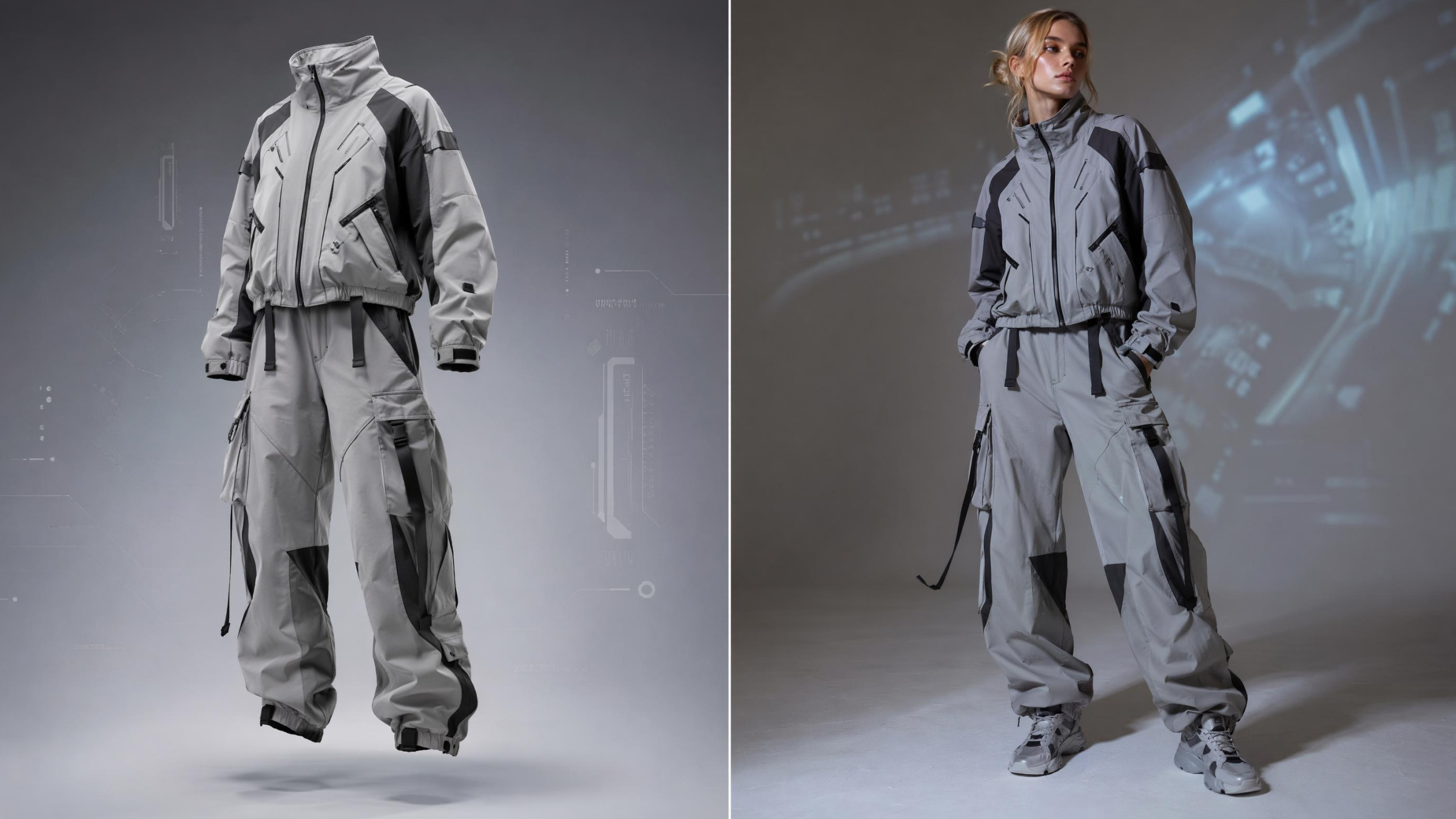
As we roll into 2026, the fashion industry is experiencing a colossal digital transformation. Photoshoots are no longer the conventional method of obtaining quality images. Many leading brands now use AI-generated fashion models to scale their catalogs. Such technology allows for rapid content creation while reducing overall production costs significantly.
Hence, this guide explores the latest technical shifts and real-world brand adoption trends. You will learn how modern diffusion models produce hyper-realistic and diverse results. We will also examine how independent sellers can leverage these tools for global growth.
Part 1. How AI-Generated Fashion Models Actually Work
The current AI-generated fashion models are based on complex neural networks that generate realistic images. This technology is no longer a simple pattern matching but a complex deep learning image synthesis. Today, these AI fashion models can mimic human anatomy with incredible lighting and texture.
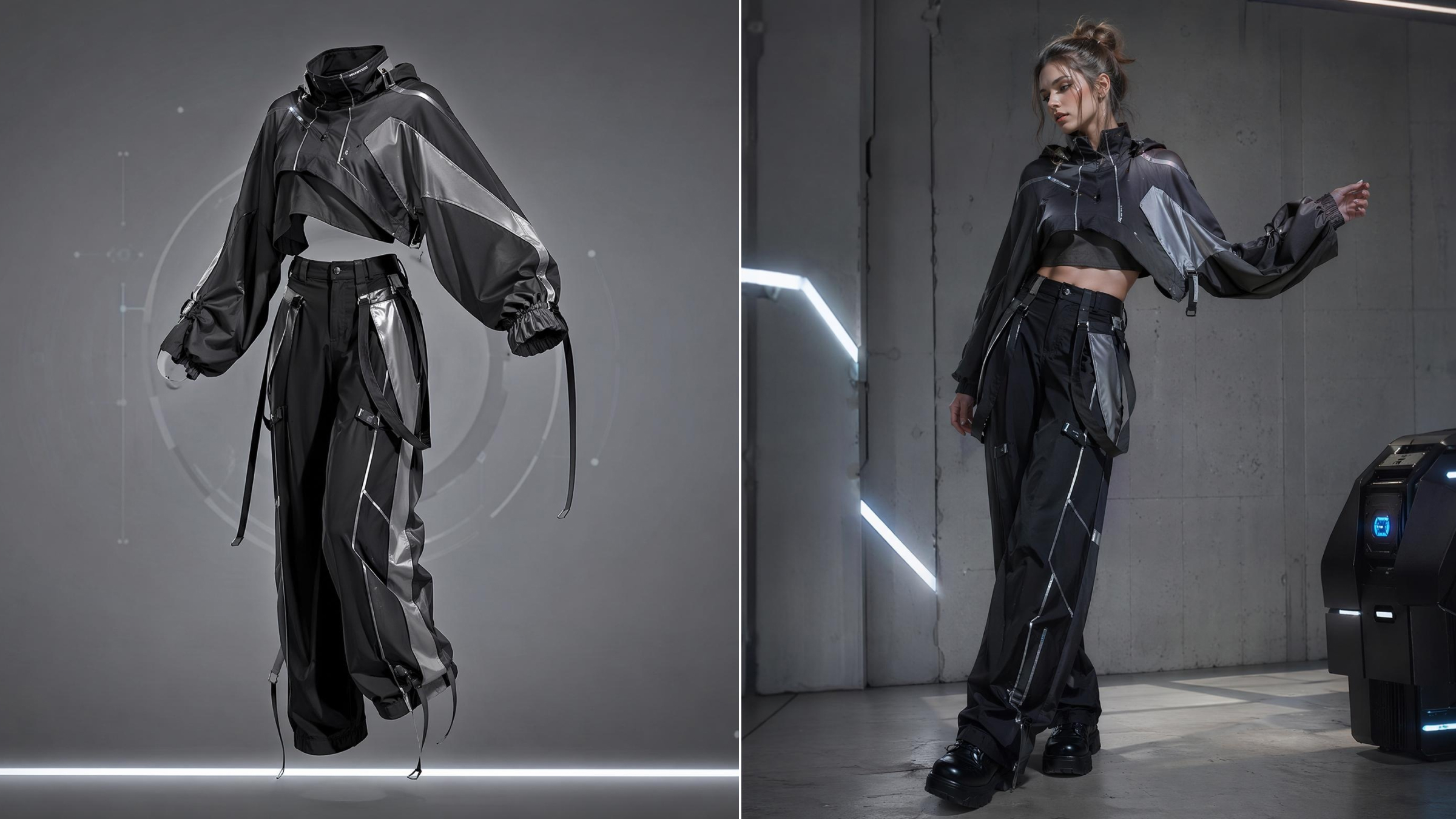
Understanding the underlying mechanics helps brands learn how to use AI fashion models for quality production. To understand these capabilities, we must examine the technical evolution and specific control tools:
1.1. From GANs to Diffusion Models: A Brief Technical Timeline
Early AI-generated fashion models used GANs to generate faces and simple clothing visuals. StyleGAN improved facial realism, but struggled significantly with consistent full-body fashion compositions. Diffusion models like Stable Diffusion refine outputs through iterative denoising processes.
In addition, tools such as DALL·E introduced better scene understanding and prompt-based control systems. Today, diffusion pipelines outperform GANs with consistent textures and garment accuracy outputs. The following table highlights the technical milestones that led to the modern diffusion era:
|
Year Range |
Technical Era |
Core Mechanism |
Impact on Fashion Imagery |
|---|---|---|---|
|
2014–2018 |
Early GANs |
Competition between networks |
Low resolution and frequent artifacts |
|
2019–2021 |
StyleGAN |
Latent space manipulation |
Improved facial realism and textures |
|
2022–2026 |
Diffusion |
Iterative noise refinement |
High-fidelity clothing and consistency |
Hence, diffusion models create sharp and stable fashion images by means of a denoising process.
1.2. How AI Fashion Models Achieve Realistic Poses, Skin Tones, and Body Diversity
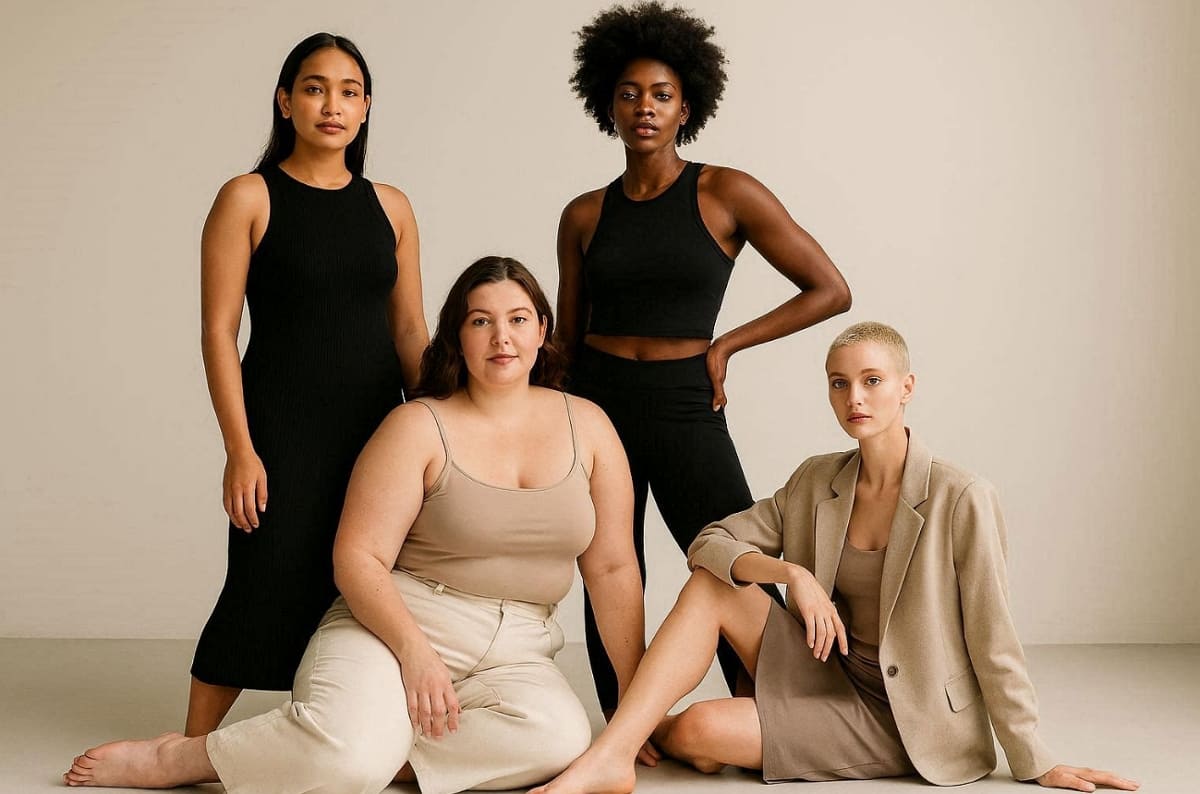
Creating a diverse AI model fashion requires specific tools to maintain structural integrity. While some limitations remain in complex fabric drapes, the realism is truly remarkable. So, review the key technical pillars that allow for such high levels of digital customization:
1. Pose Conditioning: Tools like ControlNet allow designers to dictate exact poses for models.
2. Inpainting: This technique allows for seamless garment fitting onto various digital human shapes.
3. Data Diversity: Broad training sets ensure AI fashion models represent all global ethnicities.
4. Lighting Consistency: Advanced algorithms maintain stable shadows across different backgrounds and skin tones.
5. Body Morphing: Modern systems allow for precise control over height, weight, and muscle definition.
These advanced systems work together to produce a highly professional AI model fashion. As the math improves, these digital models become virtually indistinguishable from real photography. However, challenges remain in rendering hands and complex fabric draping across dynamic poses.
Part 2. Which Fashion Brands Are Already Using AI-Generated Models
Global fashion leaders are rapidly integrating AI-generated fashion models into their workflows. This shift marks a move from experimental pilot programs to full production deployments. Large retailers use these AI models to enhance their digital inclusivity and scale.
According to OpenPR, the global AI fashion models market value will reach above $867 million dollars by 2026. Nonetheless, the case studies below indicate how large corporations are effectively leveraging these digital solutions:
2.1. Early Adopters: How Levi's, ASOS, and Zara Deployed AI Fashion Models
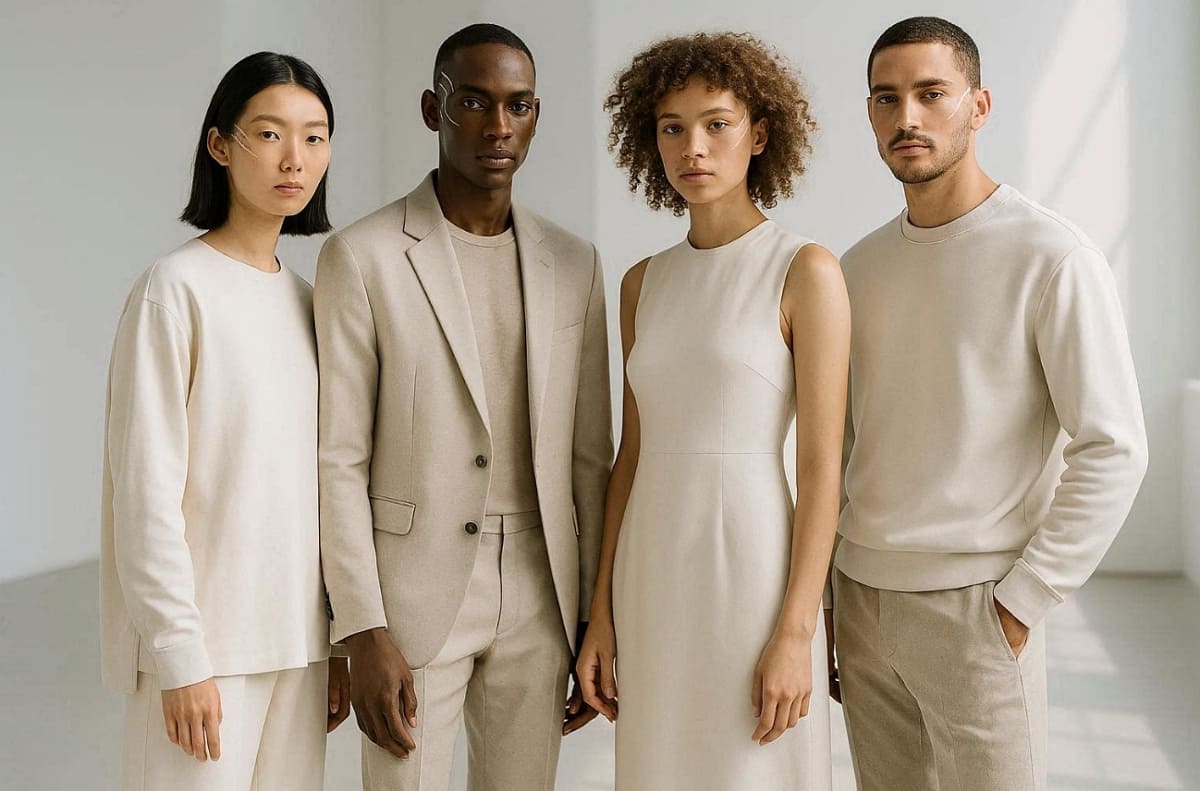
Major apparel companies lead the way in testing AI fashion models for catalogs. These pioneers use digital modeling to solve complex logistics and representation challenges in retail:
1. Levi's and Lalaland.ai Partnership
Levi's collaborated with Lalaland.ai to create highly diverse AI generated fashion models for shoppers. This initiative focuses on increasing body positivity by showing denim on various human shapes. Moreover, the brand aims to supplement traditional photography with realistic and inclusive digital assets.
2. ASOS and Virtual Try-On Tech
ASOS utilized an AI model to help customers visualize how clothes fit different bodies. Their "See My Fit" tool allowed users to view products on sixteen distinct digital models. This strategy successfully reduced return rates by providing a much better visual context for online shoppers.
3. Zara’s Virtual Campaign Strategy
Zara integrated an AI model into select digital campaigns to push creative and artistic boundaries. These virtual models allow the brand to experiment with surreal backgrounds and impossible lighting setups. They use AI fashion models to create fast social media content that resonates with the younger generation.
2.2. What Mid-Market and DTC Brands Can Learn from Enterprise Adoption
Smaller companies can now start with free AI fashion model generators before scaling production workflows. Mid-market brands often start by using AI for seasonal collections and A/B testing visuals. For example, Designkit’s AI Fashion Model Generator brings enterprise power to independent store owners.
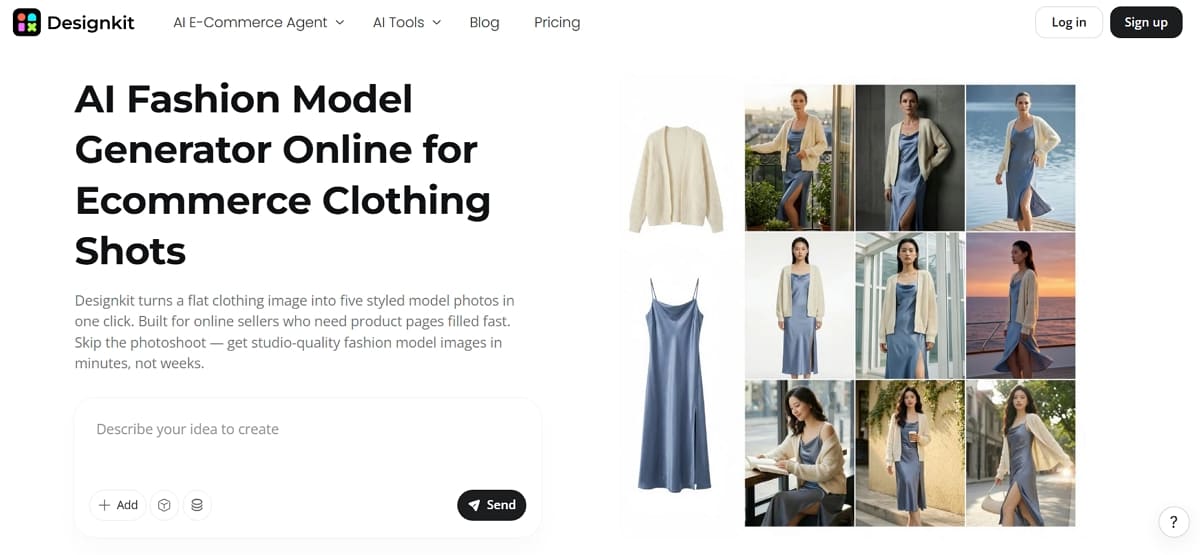
Generate AI Fashion Models Free
These accessible platforms allow smaller shops to generate professional imagery in just a few minutes. Furthermore, consistent testing shows that AI models fashion can maintain high visual standards for everyone. Review these key adoption strategies currently used by successful fashion brands across the globe:
1. Inclusivity Focus: Brands use AI to represent various ethnicities and skin tones instantly.
2. Speed to Market: Digital models allow for faster uploads of new weekly product arrivals.
3. Cost Efficiency: AI use eliminates the necessity of costly location shoots and huge crews.
4. Personalized Marketing: Retailers will make personalized images that appeal to certain target market segments in a specific region.
These real-world examples prove that the era of digital modeling is officially here. Furthermore, around 74% of fashion companies now use AI for their inventory planning needs, according to Business Research Insights.
Part 3. AI Fashion Models vs Traditional Photography: Where Each Fits
Such a rise of fashion models created by AI does not mean traditional photography is dead. The modern brands have to know how to strike a balance between digital efficiency and human creative direction. While AI fashion models offer speed, traditional shoots provide deep emotional and tactile resonance. This section helps you decide what approach is most helpful to your particular commercial marketing objectives:
3.1. Scenarios Where AI-Generated Fashion Models Outperform Traditional Shoots
Artificial intelligence-driven fashion models are highly successful in large-scale and fast settings. They allow instant localization by generating diverse models for different global market regions. FashionINSTA AI reports that brands using AI pattern making report a 50% faster total time to market. Moreover, tools like Designkit’s AI Clothes Changer lets you swap garments without any expensive physical reshooting.
This capability significantly reduces the marginal cost of producing images for large product catalogs. Using AI fashion models is the most efficient way to handle massive seasonal inventory. So, explore the following table to compare the logistical benefits of each production method:
|
Feature |
AI-Generated Fashion Models |
Traditional Fashion Photography |
|---|---|---|
|
Production Speed |
Hours to generate thousands |
Weeks to plan and execute |
|
Scalability |
Near-infinite digital variations |
Limited by physical studio time |
|
Cost Per Image |
Minimal software subscription fees |
High costs for crews and sets |
|
Model Diversity |
Instant ethnic and size shifts |
Requires extensive casting calls |
3.2. When Traditional Fashion Photography Still Makes Sense
Conventional shoots are still the standard of the high-end editorial and luxury brand storytelling. The current AI model fashion that is run by humans is not able to recreate the physical touch. Review these essential scenarios where physical photography remains the superior choice for your brand:
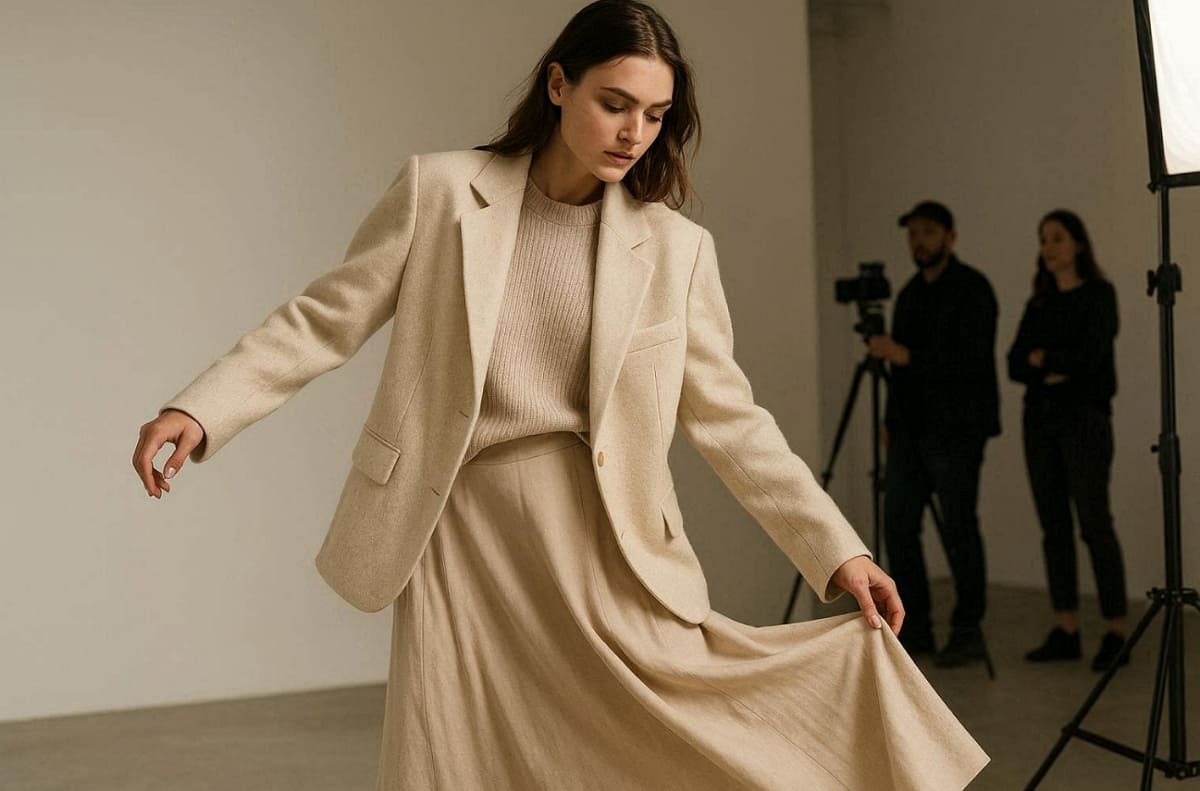
1. Editorial Storytelling: Human models convey complex emotions, building deep narrative connections with your audience.
2. Luxury Brand Identity: Premium labels require the tactile authenticity that only physical studio lighting can provide.
3. Complex Video Content: Human movement is still necessary to capture the realistic movement of garments and the flow of fabrics on camera.
4. Celebrity Partnerships: Brand associations and influencer marketing must involve an actual process of engagement to enable legitimate marketing and credibility.
5. Artistic Direction: Traditional shoots allow for spontaneous creative decisions that occur during a live session.
Therefore, AI fashion models complement rather than replace professional photography in modern fashion strategies.
Part 4. What's Next for AI-Generated Fashion Models: 2025–2026 Trends
The future of AI-generated fashion models involves moving beyond static catalog imagery production. We are entering an era where digital models interact with consumers in real time. This section explores the future evolution of AI models in commerce and digital retail:
4.1. Real-Time Virtual Try-On and Personalized AI Model Experiences
Personalization is becoming the primary driver for advanced AI fashion models in ecommerce platforms. Shoppers now expect to see garments on models that match their unique body type. Here, Designkit’s AI Outfit Generator already allows users to create complete looks on digital models.
This technology points toward a future where every customer has a personalized digital twin. Integration with augmented reality will allow AI fashion models to appear in your home. Go through the following projected growth data for the AI fashion market through 2026:
|
Trend Category |
Expected Adoption Rate |
Primary Consumer Benefit |
|---|---|---|
|
Virtual Try-On |
65% of major retailers |
Significant reduction in product returns |
|
AR Integration |
40% of mobile apps |
Immersive and interactive shopping views |
|
Body Matching |
55% of DTC brands |
Improved size confidence for shoppers |
|
Real-time Editing |
30% of social shops |
Instant garment and color customization |
4.2. Regulation, Disclosure, and Consumer Trust in AI Fashion Imagery
With the rise of AI fashion models, legal frameworks are being created around the world. The sector is moving towards compulsory disclosure in order to secure and inform digital buyers. Therefore, adopting an AI model fashion strategy now requires careful attention to compliance and ethics. Yet, review the key pillars of the new digital trust landscape for fashion brands:
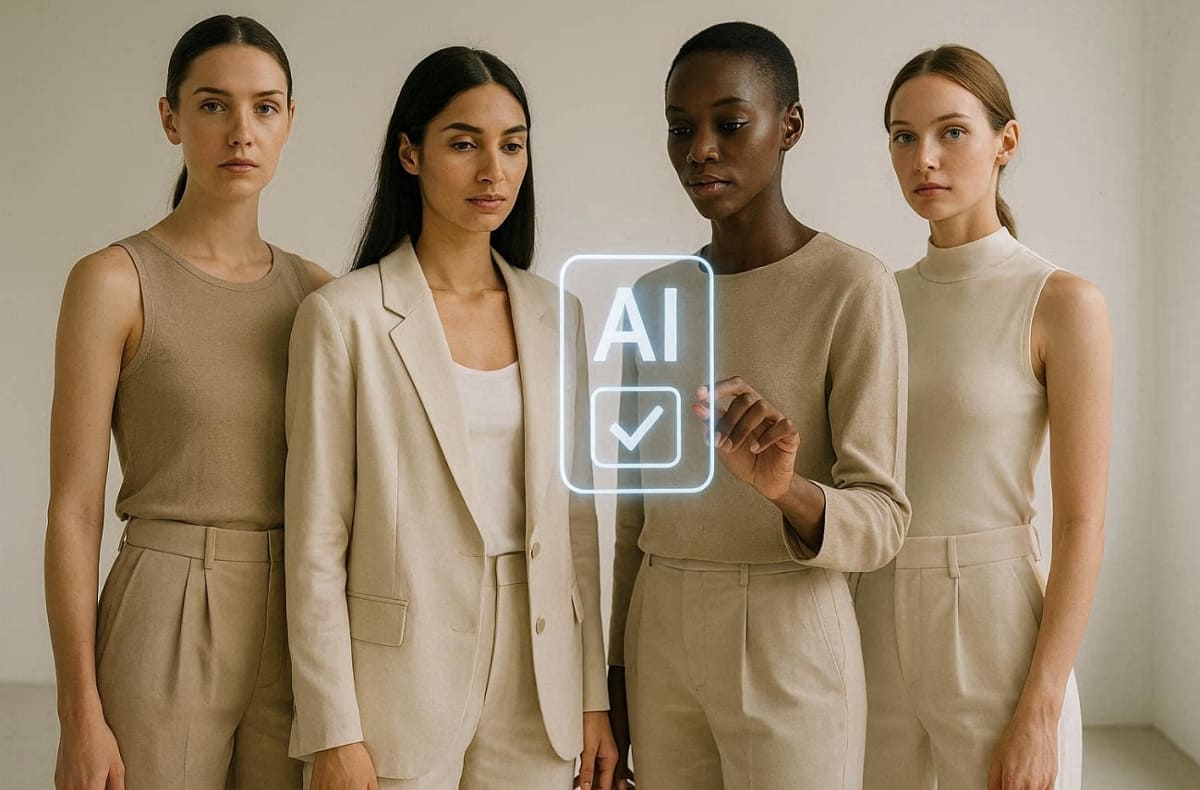
1. The EU AI Act introduced transparency rules for the usage of AI-generated fashion models globally.
2. Platforms require clear labeling when AI models fashion imagery is used in listings.
3. Brands must avoid misleading consumers when using AI-generated fashion models' outputs.
These regulations ensure the responsible deployment of AI fashion models across global markets. Besides that, research from YouGov shows that only 26% of American shoppers currently trust using AI within retail environments.
Conclusion
To conclude, the era of AI-generated fashion models has transformed modern ecommerce production. Digital modeling offers incredible speed and scale for high-volume product catalog updates. As technology matures, these AI fashion models provide more realistic and diverse visuals.
Brands that do succeed today are mixing digital effectiveness with the old-time creative storytelling. Nevertheless, regulatory changes guarantee that moral standards are on the list of priorities of the international retailers. So, we encourage you to explore these tools, like Designkit, and improve your marketplace listing performance.
Frequently Asked Questions
Are AI-generated fashion models legal to use in product listings?
How realistic are AI fashion models compared to real photography?
Modern AI models often achieve a level of realism comparable to professional studio photography. Advanced AI fashion models use diffusion systems to replicate lighting and anatomy. However, quality still depends on input data and the AI models’ generation tools used.
Can AI fashion models represent diverse body types and skin tones?
Advanced algorithms enable precise control over each AI model's unique fashion and skin tone. This flexibility provides a major advantage over traditional stock photography for modern global brands. Retailers use this inclusive data to resonate with diverse consumer groups across various markets.
Will AI replace human fashion models entirely?
Professional AI fashion models focus on catalog efficiency rather than replacing human creative talent. Human models remain essential for high-end editorial campaigns and complex brand storytelling videos. The industry is moving toward a complementary future where both methods work together.
You May Also Like
How to Match Makeup by Undertone: Virtual Lipstick and Foundation Try-On
Wedding Dress Styles for Every Body Type: A Practical Guide for 2026
7 Best AI Virtual Makeup Try-On Tools for Realistic Results in 2026
AI Virtual Makeup Try-On: Boost Beauty E-Commerce Sales in 2026
Free Online Glasses Try-On Tools: See Yourself in Glasses Instantly
Top Virtual Ring Try-On Tools for Engagement and Wedding Rings in 2026
How to Try Shoes On Virtually: A Step-by-Step Guide
Best Virtual Shoe Try-On Tools for Ecommerce: 2026 Guide
How to Try On Wigs and Bangs Virtually to Find Your Perfect Style
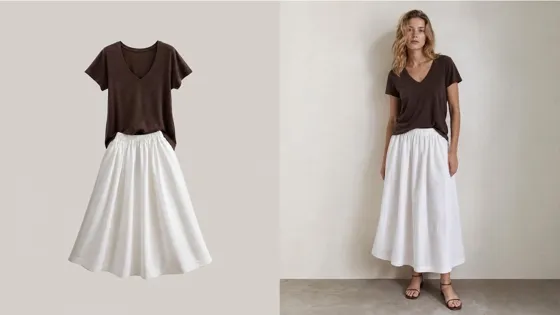
Create Model Outfit Photos Instantly With AI Outfit Generator
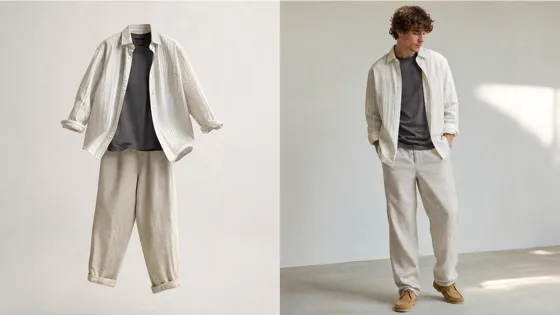
Best AI Virtual Try-On Clothes Tools for Any Body Type
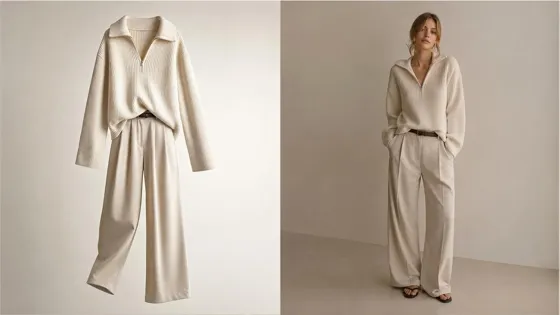
How to Try On Clothes Online with AI for Better Fit & Style
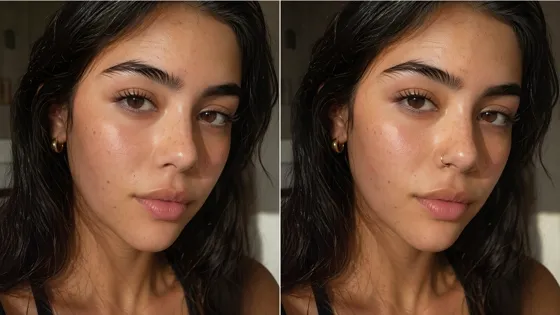
Virtual Nose Ring Try On Online Before Your Piercing
How to Try Makeup Online with AI and Virtual Makeup Try-On Apps (2026)
How to Use Virtual Earring Try-On for a Flattering Look in 2026
How to Try On Engagement Rings Online with AI in 2026
Scale Your Jewelry Brand with Virtual Jewelry Try-On Solutions
How to Try Hairstyles on Your Face Online (Step-by-Step Guide)
Best Virtual Hairstyle Try-On Tools Online for Realistic Previews 2026
How to Use a Free AI Hairstyle Generator to Find Your Perfect Look
Virtual Hair Color Try-On Guide for Every Skin Tone (2026)
Virtual Wedding Dress Try-On Online for Brides in 2026
How to Choose the Right Sunglasses for Your Face Shape Online
How Accurate Is Virtual Glasses Try-On? AI vs AR Compared
Best Virtual Try-On Glasses Apps in 2026 (Free & Paid Tools)
How AI Virtual Try-On Is Transforming Eyewear Ecommerce
5 Best Virtual Try-On Glasses Tools for Ecommerce and Consumers 2026
How to Try On Glasses Online with AI in 2026 (Easy Guide)
How to Create Jewelry Photos with AI Models That Drive Sales in 2026
AI-Generated Fashion Models: Technology, Brand Adoption & Trends
How to Batch Generate 100+ AI Clothing Model Photos Fast
7 Best AI Fashion Model Generators for Ecommerce in 2026

AI Clothing Model Photos for E-Commerce: Platform Rules & Best Practices
How AI Virtual Try-On Helps Fashion Brands Boost Sales & Reduce Returns
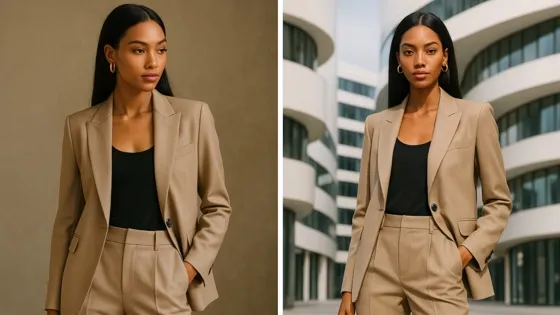
AI Fashion Models vs Real Models: Which Is Better for Brands?
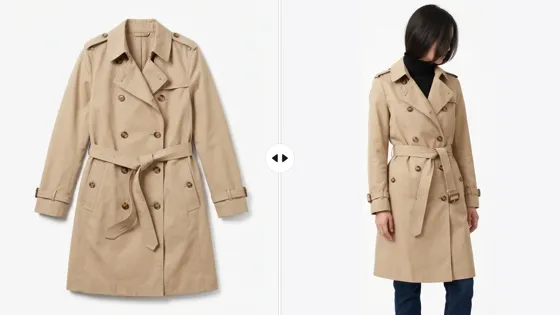
Best Free AI Fashion Model Generators for Real Product Photos
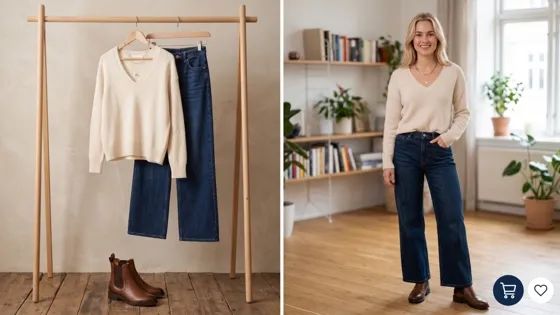
Virtual Outfit Try-On Guide: Plan Outfits Before You Buy
What Is an AI Clothing Model Generator? Full Guide for Sellers
Virtual Try-On Technology in 2026: How It Works & Key Trends
10 Best Virtual Try-On Apps & Tools for Online Shopping in 2026
How to Create AI Fashion Models: Complete Step-by-Step Guide
How to Use AI Fashion Models for E-Commerce Product Photos: A Complete 2026 Guide
How to Virtually Try On Clothes Online: A Complete Guide
Create AI Fashion Model Photos for Your Brand in Minutes
Generate realistic fashion model images from simple product photos using DesignKit’s AI Fashion Model Generator. Create diverse model visuals, lifestyle scenes, and scalable ecommerce content without expensive photoshoots.