
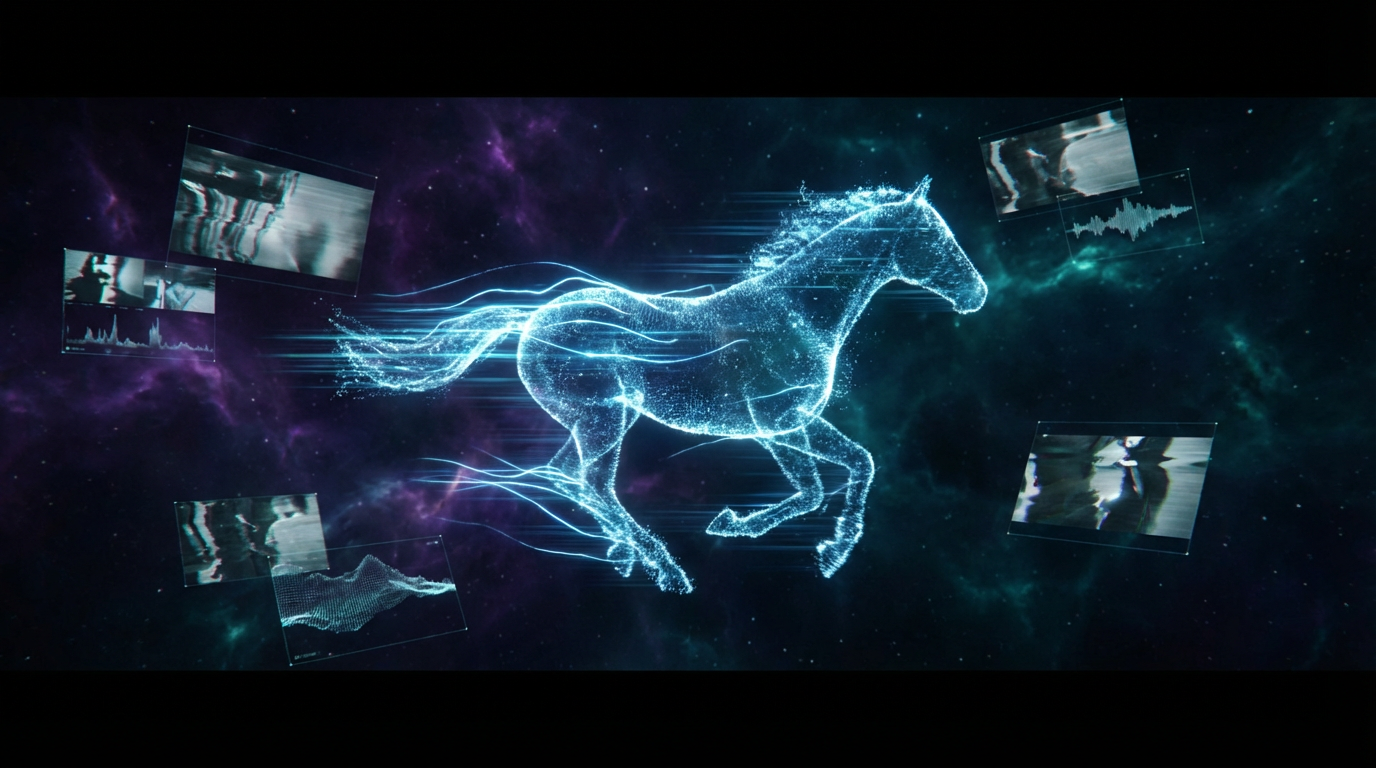
Happy Horse 1.0: The AI Video Model E-Commerce Sellers Need to Know About

Most AI video news is written for developers and tech enthusiasts.
This piece is written for e-commerce sellers — the people running product listings on Amazon, building content pipelines for TikTok Shop, and trying to produce video assets that actually convert without the cost and delay of traditional production.
Because Happy Horse 1.0, the AI video model that recently topped every major benchmark, has implications that go well beyond the research community. And if you're in the business of selling products online, some of what it can do is worth understanding now — before it becomes table stakes.
What Is Happy Horse 1.0, and Why Is Everyone Talking About It?
The Artificial Analysis Video Arena is the most credible independent benchmark for AI-generated video. It works through blind pairwise voting: real users watch two unlabeled videos from the same prompt, and vote for the one they prefer — no brand names, no prior reputation, no marketing.
Happy Horse 1.0 entered this arena and landed at Elo 1,374 on the text-to-video leaderboard — the highest score recorded. It simultaneously reached #1 on the with-audio leaderboard (Elo 1,222), making it the first model to top both rankings at once.

| Model | Text-to-Video Elo |
|---|---|
| Happy Horse 1.0 | 1,374 |
| Seedance 2.0 | 1,273 |
| SkyReels V4 | 1,244 |
| Kling 3.0 1080p Pro | 1,242 |
| grok-imagine-video | 1,230 |
| Google Veo 3.1 | — |
| OpenAI Sora 2 Pro | — |
The gap between Happy Horse 1.0 and the second-place model is 101 Elo points — unusually large in a benchmark this competitive.
What's even more unusual: no company has officially claimed it. No announcement, no launch blog, no founder on a podcast. Just the model — and results that speak for themselves.
Five Capabilities That Matter for E-Commerce Video
Most AI video coverage focuses on cinematic quality and creative storytelling. That's relevant, but it's not the whole picture for product-focused use cases. Here's where Happy Horse 1.0's architecture specifically addresses the pain points that matter for sellers.
1. Audio That Doesn't Need Post-Production
Every major AI video model currently generates silent clips. Audio — voiceover, product sounds, ambient environment — gets added afterward. For a single hero video, that's manageable. For a catalog of dozens or hundreds of SKUs, the post-production audio layer compounds into a significant time and cost problem.
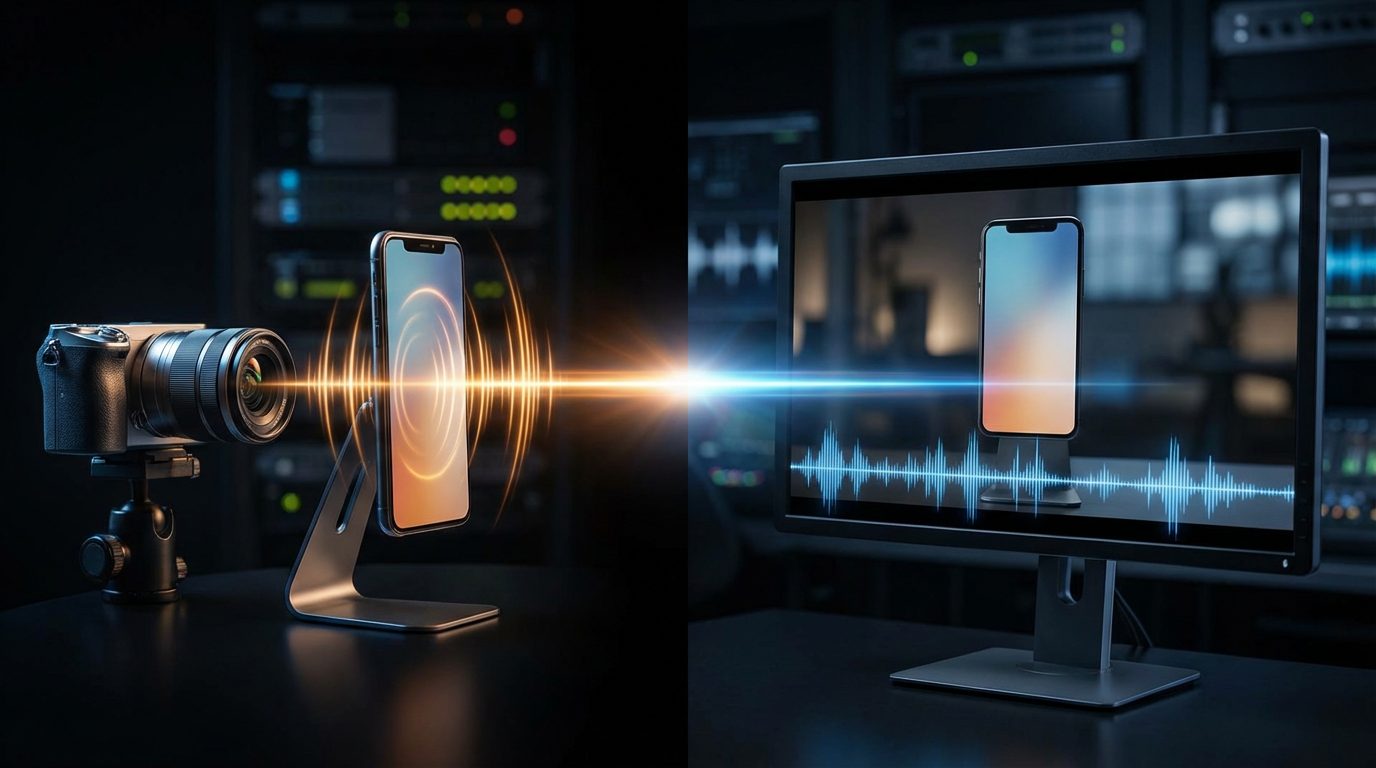
Happy Horse 1.0 uses a 15B-parameter unified Transformer that generates audio and video in the same pass. Product sounds, ambient context, and dialogue emerge with the video rather than being layered onto it afterward.
For a brand generating product videos at scale, this isn't just a quality improvement — it's a workflow change. Videos exit the generation step ready to use, not ready to edit.
2. Multi-Shot Sequences from a Single Prompt
Current video generation is single-shot: one prompt, one clip. Creating a product video that shows an unboxing, then a close-up detail, then a lifestyle scene requires generating three separate clips — and hoping the visual consistency holds well enough to cut together.
Happy Horse 1.0's native multi-shot storytelling generates a coherent scene sequence from a single prompt, maintaining character consistency, product appearance, and visual continuity across shots automatically.
For product storytelling — showing a product in context, in use, and at close detail — this compresses a three-step generation workflow into one.
3. Native Vertical Format at 1080p
Social commerce runs on vertical. TikTok Shop, Instagram Reels, YouTube Shorts — the dominant discovery surfaces for product video are 9:16.
Most models generate in landscape and require reframing for vertical, which means cropping, losing context, or regenerating. Happy Horse 1.0 outputs native 9:16 at 1080p — the format your content actually needs to be in, without the reframe step.
Combined with 6 native aspect ratios (16:9, 9:16, 4:3, 3:4, 21:9, 1:1), a single generation session can produce assets formatted for Amazon detail pages, TikTok, Instagram, and web storefronts simultaneously.
4. Multilingual Lip-Sync Built In
Selling across markets means producing content in multiple languages. The current workflow for multilingual product video involves dubbing — recording or synthesizing audio in each target language and manually re-syncing mouth movements, which breaks at any scale.

Happy Horse 1.0 natively supports English, Mandarin, Cantonese, Japanese, Korean, German, and French with built-in lip-sync at low Word Error Rate. A product spokesperson video doesn't need to be dubbed into each market language — it can be generated in each language from the start.
For brands selling across APAC and European markets, this removes an entire localization production step.
5. Speed That Makes Iteration Practical
- ~2 seconds for 256p preview — review content direction before committing to full render
- 1080p generation in ~38 seconds on H100 hardware
- Native 2K output available for premium placements
For catalog-scale video production, generation speed determines how many creative variations you can test. At ~38 seconds per 1080p clip, A/B testing visual angles on a product becomes operationally realistic rather than a luxury.
The Bigger Picture: What This Signals for Product Video
Happy Horse 1.0 isn't just a better video generator. It reflects a shift in what the category is becoming — and what that means for sellers who depend on visual content to drive conversions.
The silent video era is ending. For two years, AI video has meant beautiful visuals with no sound. Happy Horse 1.0 demonstrates that native audio-video joint generation is achievable at frontier quality. Models that can't do this will increasingly feel incomplete.
Single-shot is giving way to storytelling. Buyers don't convert on isolated clips — they convert on narrative. Multi-shot coherence at the model level means product storytelling no longer requires a video editor to connect the pieces.
Localization at scale is becoming a model-level feature, not a post-production step. As more models add multilingual generation, brands that were previously priced out of local-language video will have no structural barrier to creating it.
The direction of travel is clear. Product video production — currently a mix of human production, basic AI clip generation, and post-production editing — is moving toward single-prompt, multi-format, multilingual output. The question for sellers isn't whether this happens, but how quickly to position for it.
What Designkit Is Watching
At Designkit, our job is to give e-commerce sellers access to the best visual AI available — across product photography, A+ content, fashion try-on, and video. We've been following Happy Horse 1.0 closely since it appeared on the leaderboards, and we're evaluating it alongside the broader model landscape.
Our current video generation tools serve thousands of sellers producing assets for Amazon, TikTok Shop, and DTC storefronts. What we look for in every model we consider isn't just benchmark performance — it's whether the capability translates to better-converting assets for real product use cases.
Happy Horse 1.0 is one of the most promising developments we've seen. We'll share more as the model matures toward general availability.
In the meantime, if you're producing product images and videos for your listings today, our platform supports the leading AI models available right now — built specifically for e-commerce workflows.
Frequently Asked Questions
What is Happy Horse 1.0, and why is it making headlines?
How does it differ from existing AI video tools for sellers?
Most current AI models generate silent, single-shot, landscape videos that require heavy post-production. Happy Horse 1.0 acts as a workflow replacement by addressing specific e-commerce pain points:
- Native Audio: It uses a unified Transformer to generate voiceovers, product sounds, and ambient noise in the exact same pass as the video. Videos are ready to use immediately.
- Multi-Shot Coherence: A single prompt can generate a coherent sequence of scenes (e.g., an unboxing followed by a close-up detail), automatically maintaining product and character consistency.
- Native Vertical Output: It generates 1080p videos directly in a 9:16 aspect ratio, perfectly suited for TikTok Shop and Instagram Reels without needing to crop or reframe.
How can Happy Horse 1.0 help brands expand into international markets?
It eliminates the costly and time-consuming localization step of dubbing. The model natively supports English, Mandarin, Cantonese, Japanese, Korean, German, and French with built-in
lip-syncing. A product spokesperson video can be generated directly in the target market's language from the start, removing structural barriers to cross-border selling.
Is the generation speed practical for large product catalogs?
Yes, the speed is built for rapid iteration. On H100 hardware, it takes about 2 seconds to generate a 256p preview (allowing you to check the creative direction) and only
~38 seconds for a full 1080p render. This makes A/B testing multiple visual angles and variations highly practical for sellers.
Is Happy Horse 1.0 currently available on the Designkit platform?
Not just yet. The Designkit team is closely evaluating the model as it matures toward general availability, ensuring its benchmark success translates to high-converting assets for real product use cases. In the meantime, sellers can continue using Designkit's existing platform, which supports other leading AI models optimized specifically for e-commerce workflows.
You May Also Like
Happy Horse 1.0: The AI Video Model E-Commerce Sellers Need to Know About

AI UGC for Ecommerce in 2026: Text-to-Video, Image-to-Video & Reference Replication Guide
The Etsy Thumbnail Formula That Drives More Clicks and Sales

HappyHorse AI Review: Features, Benchmarks & How to Use It

How to Automate Your E-commerce Visuals with OpenClaw Workflow

Amazon 7-Image Listing Strategy: Boost Sales by Optimizing Every Image

Optimize Etsy Images for Mobile: Listing Photos That Convert
Etsy Thumbnail Optimization: Keep Your Product Fully Visible

How to Create Pro Amazon Listing Photos Without a Studio

Top 5 AI Tools to Generate Amazon Product Listing Images in 2026

How to Turn One Photo into 10 Etsy Listing Images Fast: Batch Workflow

Etsy Listing Photo Size Guide (2026): Mobile, Desktop & Shop View Specs

Turn White Background Images into Lifestyle Amazon Listings

Fix Etsy Image Cropping: Optimize Listing Photos for Every Device

Amazon Listing Images: Essential Shot List & Optimization Guide

How to Create Lifestyle Product Images Without a Studio

10 High-Converting Lifestyle Product Images for Amazon Listings

Seedance 3.0 Predictions: Will AI Video Enter the Feature Film Era?
Grok AI vs ChatGPT: Features, Pricing & Best Choice (2026)

How to Use Grok AI: Features, Tips & Best Prompts (2026 Guide)
Sora Is Shutting Down? Best AI Video Alternatives for Creators in 2026
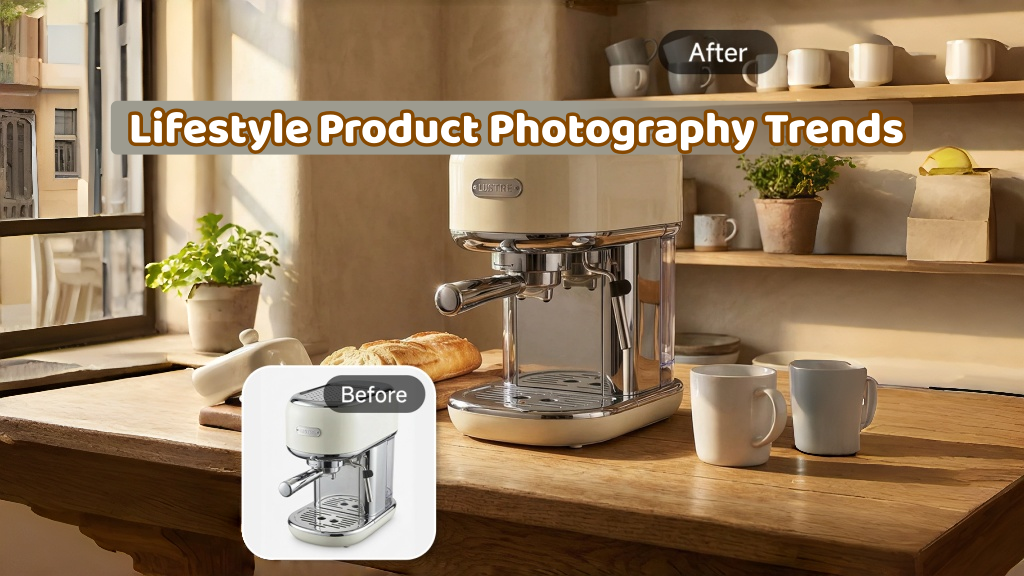
Lifestyle Product Photography Trends 2026: Authentic Looks at Scale
How to Master Lifestyle Product Photography in 2026

Amazon Listing Images Guide 2026: 7-Slot Strategy & Requirements
360 Product Photography Guide 2026: Setup, Shoot and Workflow
Beginner's Guide to Generate Product Photos from Different Angles

AI Product Photography: Create Ecommerce Images Without a Photoshoot

How to Create Realistic AI Product Photos: Step-by-Step Pro Guide
Keep AI Product Images Consistent Across SKUs: Lighting, Color, Background

How to Use AI for Spring Product Photography: 2026 Amazon Guide

Seedance 2.0 for Ecommerce: Create AI Product Videos in Minutes

How to Scale E-commerce with a Product Image Generator

Seedance 2.0 Review: Features, Improvements, Pricing & How It Works (2026)

Amazon Spring Sale 2026: Create High-Converting Listing Images (Guide)

How to Create a Budget Home Product Photography Setup with AI

How to Achieve Professional Product Photography Standards in 2026

How to Take Product Photos with Phone: Pro Guide for Amazon & AI

Best AI Product Image Generator 2026: Top Tools for Amazon Sales

Amazon Photography Service vs. AI Generator: Best Choice for Sales

What Is Product Photography? Angles, Lighting & Editing Guide

AI Agents Transform Amazon Product Photography in 2026

2026 Amazon Image Trends Shaping Seller Success and Conversions

Amazon Photoshoot in 2026: Do You Still Need a Studio?

11 Must-Have Tools for Amazon Product Photography in 2026

Amazon Product Photography Requirements & Best Practices 2026
Make every product image ready to sell
Designkit is an all-in-one AI platform for ecommerce visuals. Create product photos, AI videos, virtual try-ons, and Amazon listing images in seconds. Generate HD backgrounds, batch edit photos, and scale your brand with studio-quality content.